The brown spider monkey's habitat in Colombia is facing a significant threat. The Andes mountain range, where they live, is being fragmented due to deforestation and urbanization.
Their habitat is being cleared for agriculture and livestock, which is causing a decline in their food sources and living space. The brown spider monkey's diet consists mainly of fruits, leaves, and seeds.
The Chocó Department in Colombia is one of the areas where the brown spider monkey is found, and it's home to the region's highest levels of endemism.
Worth a look: Peruvian Spider Monkey
Geographic Range
The Brown-headed Spider Monkey's geographic range spans from Central America to northern South America.
They can be found in the rainforests of Central and South America.
Their habitat is primarily in the uppermost branches of trees, where they forage for food.
In most climates, they can live year-round in the same area.
However, in drier habitats, they must travel up to 18 km (10 mi.) each day in search of food.
Threats and Conservation
The brown spider monkey's habitat is threatened by human activities such as selective logging, clear-felling, and illegal gold mining. These practices not only destroy their homes but also put the local communities in danger due to cocaine trafficking in the region.
Habitat loss is a major threat to the brown spider monkey's survival, with much of their home range being destroyed by farming, ranching, and road construction. This is despite the fact that much of their habitat is protected.
The brown spider monkey's diet requires a lot of fruit, which is typically found in the forests that are rapidly diminishing. Another threat for this monkey is the illegal drug trade, which clears large swaths of forest for cattle ranchers or other operations.
Poaching is a significant threat to the brown spider monkey's survival, with mothers being killed and babies taken to be sold to the highest bidder in the illegal pet trade. They are also hunted for food and the commercial market due to their large size and visibility.
Consider reading: Mexican Spider Monkey
The brown spider monkey's reproductive cycle is slow, making it difficult for them to re-populate efficiently. This, combined with habitat loss and poaching, has led to a decline in their numbers and a critically endangered status.
In some areas, guerilla activity is hampering the progress of conservation efforts, making it even more challenging to protect the brown spider monkey's habitat and prevent their extinction.
Broaden your view: Hybrid Spider Monkey
Behavior and Species
Brown-headed Spider Monkeys are active during the day and sleep at night, spending most of their time in the trees. They associate in loose groups of about 20 individuals, but it's rare to find them gathered in one place.
These monkeys are skilled at moving through the forest, using both their hands and feet to swing between trees, and walking in an upright position along branches. They can leap in excess of 9 meters from branch to branch.
Some key behaviors of Brown-headed Spider Monkeys include being arboreal, diurnal, motile, and social.
Consider reading: Costa Rican Monkeys
What Are Spider Monkeys?
Spider monkeys are large New World monkeys that live in tropical rainforests from central Mexico in the north to Bolivia in the south.
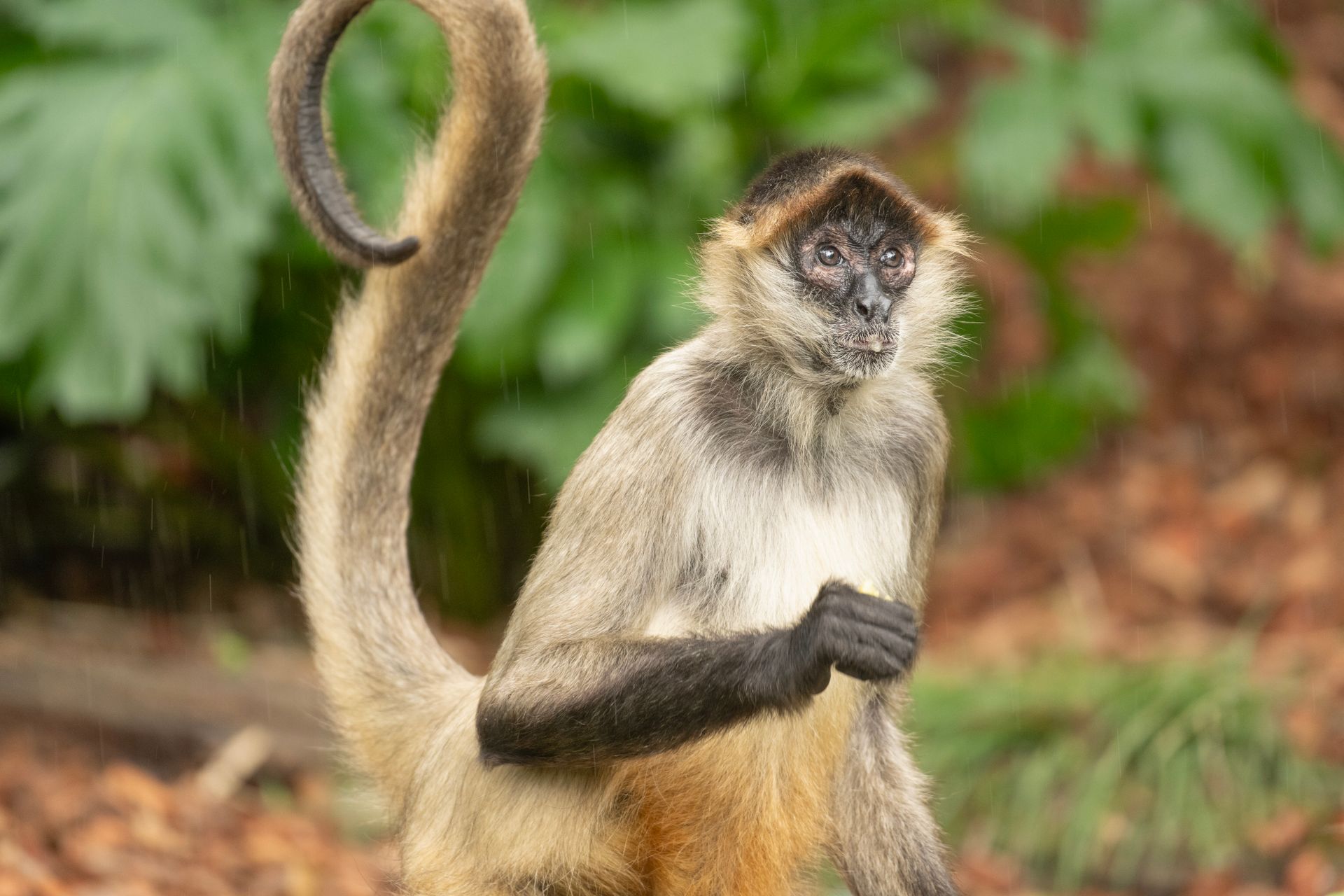
Their long limbs and tails give them a spider-like appearance as they dangle from branches and swing through the treetops. Four long fingers on each hand help them grasp branches, too.
Spider monkeys have extremely short thumbs, but their prehensile tail acts as a fifth limb, allowing them to hang onto branches and free their hands for climbing, foraging, and eating.
The tail is generally longer than the animal's body and can support a spider monkey's full body weight.
Discover more: Types of Monkeys in India
Behavior
Brown-headed Spider Monkeys are active during the day, sleep at night, and spend most of their time in the trees. They associate in loose groups of about 20 individuals, but it's rare to find them gathered in one place.
Individuals drift between subgroups of varying sizes. These monkeys are arboreal, meaning they spend most of their time in trees.
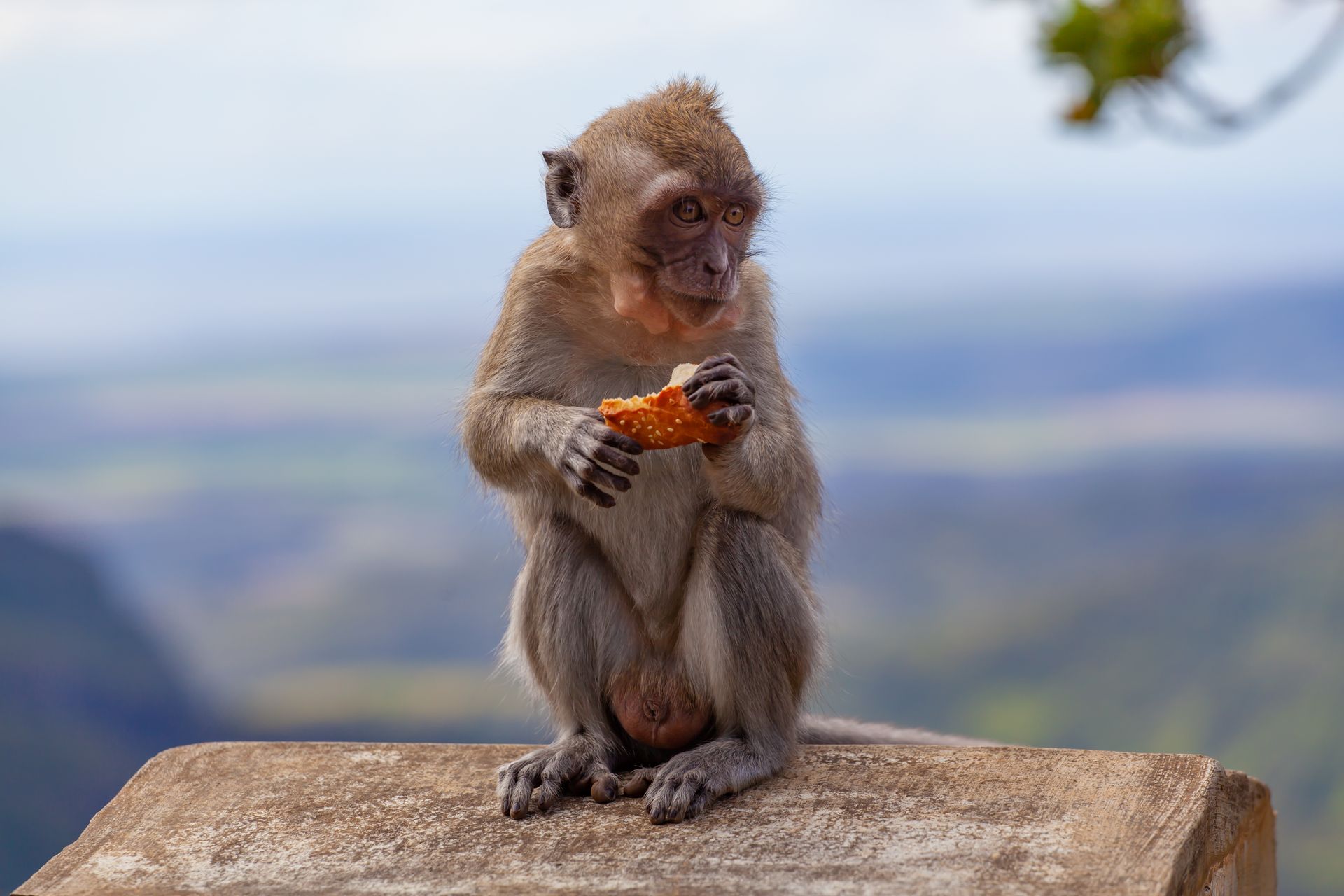
They move through the forest using both their hands and feet to swing between trees, and walk in an upright position along branches. Brown-headed Spider Monkeys can leap in excess of 9 meters (30 ft.) from branch to branch.
Some areas are home to Brown-headed Spider Monkeys that are hunted for food.
You might enjoy: Brown Headed Cowbird Range
Frequently Asked Questions
What are 10 interesting facts about spider monkeys?
Here are 10 fascinating facts about spider monkeys: They possess strong tails, lack thumbs, and are led by females, while also being skilled swingers and social animals. Despite their impressive abilities, spider monkeys are at risk and reproduce infrequently, highlighting the need for conservation efforts.
Featured Images: pexels.com