Keeping animals in captivity is a complex issue that sparks intense debate. Many zoos and aquariums claim to provide a safe and controlled environment for animals, but the reality is that captivity can be detrimental to their well-being.
In some cases, captivity can be beneficial for animals that are endangered or at risk of extinction in the wild. For example, the California Condor Recovery Program has successfully bred condors in captivity and released them back into the wild, increasing the population from 22 birds to over 500.
However, captivity can also have negative effects on animals, such as stress, boredom, and lack of social interaction. In the article, it is mentioned that some zoos and aquariums have been criticized for providing inadequate space and stimulation for their animals.
Ultimately, the decision to keep animals in captivity or leave them free is a difficult one, and there is no easy answer.
Consider reading: Animals in Captivity vs Animals in the Wild
Arguments Against Captivity
Keeping wild animals in captivity is a complex issue, and there are several strong arguments against it. Millions of exotic animals are kept in cruel, unnatural captivity across the U.S., including lions, tigers, and bears, which are often taken away from their mothers at a young age and deprived of their natural behaviors and instincts.
Captive wild animals are often acquired when they're babies, and as they grow up, they become too large or ferocious to handle, leading to their disposal or neglect. This is a stark contrast to their natural lives in the wild, where they would have learned crucial survival skills from their mothers.
Keeping wild animals in captivity is also inherently dangerous for both humans and animals. Exotic animals are unpredictable and cannot be domesticated, making them a threat to human safety. In fact, the Born Free USA's Exotic Animal Incidents Database catalogues numerous captive wild animal attacks.
A unique perspective: Should Exotic Animals Be Kept in Captivity
In addition to the risks, captive wild animals often suffer from psychological distress due to their confinement and lack of control over their environment. They may also experience stress and health problems due to the lack of natural behaviors, such as hunting or migrating.
Here are some key disadvantages of keeping wild animals in captivity:
- Loss of natural behavior: Wild animals in captivity may not be able to engage in natural behaviors, such as hunting or migrating, which can lead to stress and other health problems.
- Limited genetic diversity: Captive populations of wild animals may have less genetic diversity than wild populations, which can make them less able to adapt to changing conditions.
- Inbreeding: Captive breeding programs can lead to inbreeding, which can result in genetic disorders and reduced fertility.
- Psychological distress: Wild animals in captivity may suffer from psychological distress due to their confinement, lack of control over their environment, and lack of interaction with other animals.
- Cost: Keeping wild animals in captivity can be expensive, and the costs of providing for their needs can be substantial.
These disadvantages highlight the complexities and challenges of keeping wild animals in captivity, and it's essential to consider these factors when making decisions about animal welfare and conservation.
Conservation and Management
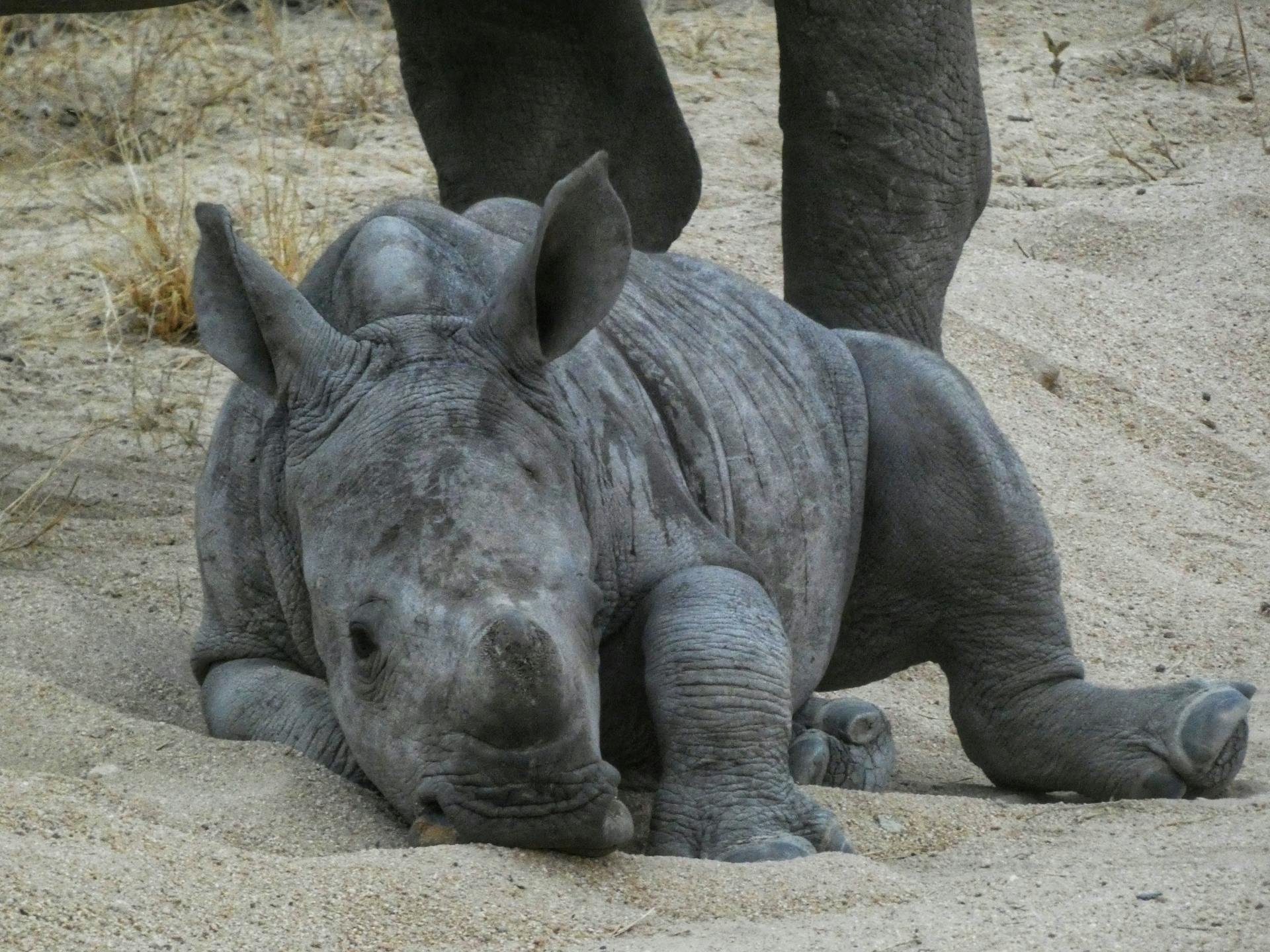
Conservation and Management is a crucial aspect of keeping wild animals in captivity. Successful conservation breeding programs, such as those in India, have helped increase populations of endangered species like the Indian Rhinoceros and the gharial.
Conservation breeding programs can be a useful tool in protecting endangered species, and India's program has seen significant success. The Indian Rhinoceros population has grown from around 200 in 1975 to over 2,500 in 2021.
Suggestion: Breeding Animals in Captivity
In addition to conservation breeding, captive breeding programs can also provide educational and research opportunities. This allows for close observation and study of wild animals, which can be used for educational and research purposes.
Some of the key benefits of conservation and management in captivity include:
- Protection of endangered species
- Educational and research opportunities
- Conservation breeding programs
- Animal welfare
These benefits highlight the importance of considering the specific circumstances of each individual animal and its species when evaluating the advantages and disadvantages of keeping wild animals in captivity.
Wild vs Captive Environments
Wild animals have to learn to hunt and avoid predators in order to survive, while captive animals may be provided with food and protected from predators.
Wild animals may have greater genetic diversity and adaptability than those in captivity, allowing them to better survive in changing conditions.
Captive animals are dependent on human care and may have more limited opportunities to interact with other animals of their own species, which can be detrimental to their social development.
Worth a look: Wild Animal Suffering
A 2015 study published in the Journal of Applied Ecology found that conservation in the wild is needed to help species which are close to extinction to survive rather than captive breeding.
Zoo animals can develop a form of psychosis called zoochosis, which includes symptoms such as pacing, self-mutilation, and overgrooming.
Even an "ethical zoo" will most likely have a negative effect on the animals' mental and physical health.
Wild animals are free to make their own choices and live their lives as they see fit, which is not the case for captive animals.
Wildlife Management: Pros and Cons
Keeping wild animals in captivity can be a double-edged sword. On one hand, it provides a safe haven for endangered species and allows for educational and research opportunities.
The Indian Rhinoceros population in Assam has been successfully bred in captivity, increasing the population from around 200 in 1975 to around 2,500 in 2021. This is just one example of the success of captive breeding programs.
However, captive animals may not be able to engage in natural behaviors, such as hunting or migrating, which can lead to stress and other health problems. This is a major disadvantage of keeping wild animals in captivity.
Conservation breeding programs in captivity can help to increase the population of endangered species and ensure that there are enough animals to reintroduce into the wild in the future. This is especially important for species that are close to extinction.
But despite some accomplishments in the saving of endangered species, most animals in zoos are not endangered and will not be prepared for release into natural habitats. This raises questions about the effectiveness of captive breeding programs.
Here are some key differences between animals in the wild and animals in captivity:
- Autonomy and independence: Wild animals are free to make their own choices and live their lives as they see fit, while captive animals are dependent on human care.
- Genetic diversity: Wild animals may have greater genetic diversity and adaptability than those in captivity.
- Opportunities to interact with other animals: Wild animals have the opportunity to interact with a diverse population of their own species, while captive animals may have limited opportunities.
Overall, the decision to keep wild animals in captivity should be made with careful consideration of the potential benefits and drawbacks.
Zoos and Their Impact
Despite some accomplishments in saving endangered species, most animals in zoos are not endangered and can't be released into the wild.
The main argument for keeping animals in zoos is that they save endangered species and take care of animals that wouldn't survive in the wild. Some species that have been saved from extinction by zoos include the Arabian Oryx, the Eastern Bongo, and Golden Lion Tamarin.
However, a 2015 study found that conservation in the wild is more effective for species close to extinction. This raises questions about whether zoos are the best option for conservation efforts.
Zoos can also be detrimental to animals' mental and physical health. A form of psychosis called zoochosis has been observed in zoo animals, which includes symptoms such as pacing, self-mutilation, and overgrooming.
On the other hand, zoos can educate the public and create empathy towards animals, encouraging people to volunteer and do scientific work to help animals in the future. Many veterinary and zoology careers have started in zoos, giving children a chance to see animals up close.
Even "ethical zoos" may have a negative impact on animals' mental and physical health.
Readers also liked: Animal Conservation Organizations
Captivity and Animal Welfare
Wild animals in captivity may not be able to engage in natural behaviors, such as hunting or migrating, which can lead to stress and other health problems.
Inbreeding in captive breeding programs can result in genetic disorders and reduced fertility.
Captive animals may suffer from psychological distress due to their confinement, lack of control over their environment, and lack of interaction with other animals.
The cost of keeping wild animals in captivity can be substantial.
Less human imprinting can be achieved by keeping wild animals in a condition that allows them to interact with each other and their environment in a more natural way.
Animal exchanges between zoological parks can help maintain strong genetic diversity.
Studbooks prepared by scientific institutions can help avoid inbreeding and ensure the health of captive animals.
Nature-identical environments and regular enrichment can reduce psychological distress in wild animals.
Almost all animals born in zoos will die in zoos, they will not be released into the wild.
True conservation efforts should focus on protecting animals in their natural ranges and dealing with complex issues facing free-living animals.
Here are some of the disadvantages of keeping wild animals in captivity:
- Loss of natural behavior
- Limited genetic diversity
- Inbreeding
- Psychological distress
- Cost
Specific Animals in Captivity
Elephants in zoos suffer from poor welfare due to their complex and specific needs, which cannot be met in a captive environment. Deaths of elephants in zoos outnumber births, making zoos net consumers of elephants.
Captive elephants, particularly calves, are more likely to die from Elephant Endotheliotropic Herpesvirus Haemorrhagic Disease (EEHV-HD), a disease that is rare in free-living populations. This disease is the most common cause of death for infant elephants in zoos.
Giraffes in zoos also face significant welfare issues, including the risk of death from enclosure-related accidents, such as getting their necks caught in netting or fences. The average zoo enclosure for giraffes in US zoos is a mere 1.2 acres, a tiny fraction of their natural range of 1,326 to 127,012 acres.
A different take: Elephants in Captivity
Exotic Animals Kept in Captivity
Millions of exotic animals are kept in captivity in the US, including lions, tigers, cougars, wolves, bears, monkeys, alligators, birds, and venomous snakes.
These animals are often taken away from their mothers when they're babies, robbing them of the opportunity to learn crucial survival skills.
Captive wild animals are often bred, bought, and sold for private possession, and are kept in private homes, roadside zoos, and menageries.
The conditions of captivity are unnatural, cramped, and stifle the animals' natural behaviors and instincts.
Many captive exotic animals are cruelly trained to perform tricks or are forced into close interactions with humans, which goes against their natural tendencies and instincts.
A five-year-old tiger and five-year-old cougar were kept in separate small pens with no attempts at enrichment, leading to boredom and frustration.
Keeping wild animals in captivity is inherently dangerous for humans and animals alike, as they are unpredictable and cannot be domesticated.
Exotic animals have attacked humans and other animals in the US, and have also escaped from captivity.
Giraffes, for example, have died in zoos due to entanglement in netting, getting their necks caught in wire, and other enclosure-related issues.
The average zoo enclosure for giraffes is 1.2 acres, which is a tiny fraction of their natural range, which can be up to 127,012 acres.
Check this out: Why Killer Whales Should Not Be Kept in Captivity
Polar bears, on the other hand, have a natural range of tens of thousands of square miles, but are kept in enclosures as small as 0.23 acres.
These tiny enclosures cannot provide the polar bears with the space they need to swim and roam, and have negative impacts on their welfare and the environment.
Elephants
Elephants are a prime example of animals who suffer in zoos, both from a conservation and a welfare perspective.
They have been captured from the wild to stock zoo exhibits in the U.S. as recently as 2016, with zoos in North America needing to import four elephants per year to maintain the population at the current level.
Captive elephants are more likely to die from Elephant Endotheliotropic Herpesvirus Haemorrhagic Disease (EEHV-HD), a disease that is the most common cause of death for infant elephants in zoos.
Deaths of elephants in zoos outnumber births, making zoos net consumers of elephants rather than guardians of them.
The mortality rates of captive elephants are disturbing, with desperate measures taken to force them to breed, such as the case of Chai, an elephant who was forcibly inseminated 112 times in her lifetime.
Chai's story highlights the invasive and inhumane procedures that zoos resort to in order to get elephants to breed.
On a similar theme: What Is Breed Specific Legislation
Frequently Asked Questions
Why should an animal be kept in captivity?
Keeping an animal in captivity helps prevent extinction by providing a safe reservoir population that can be bred to establish a foundation for the species
Featured Images: pexels.com