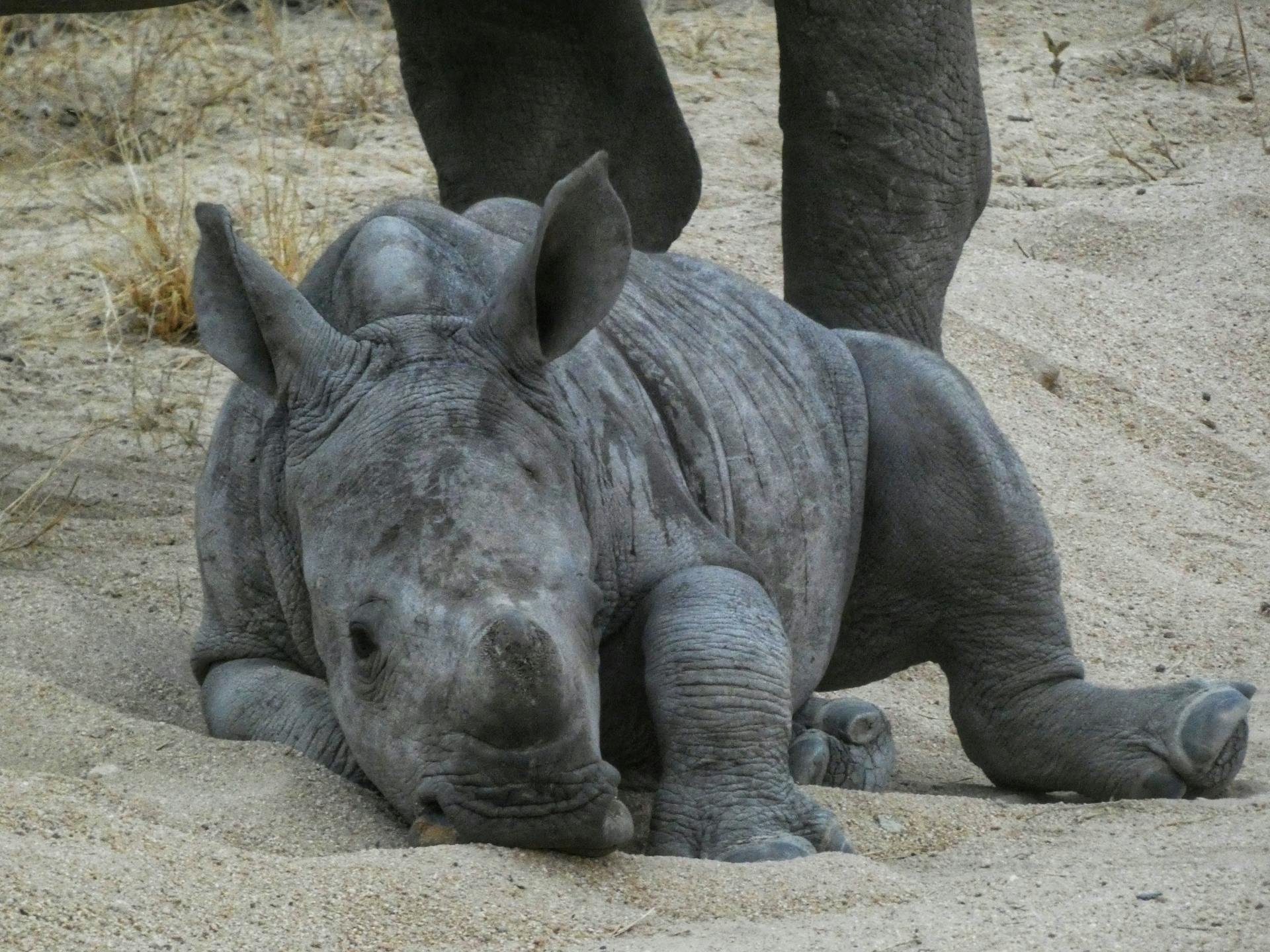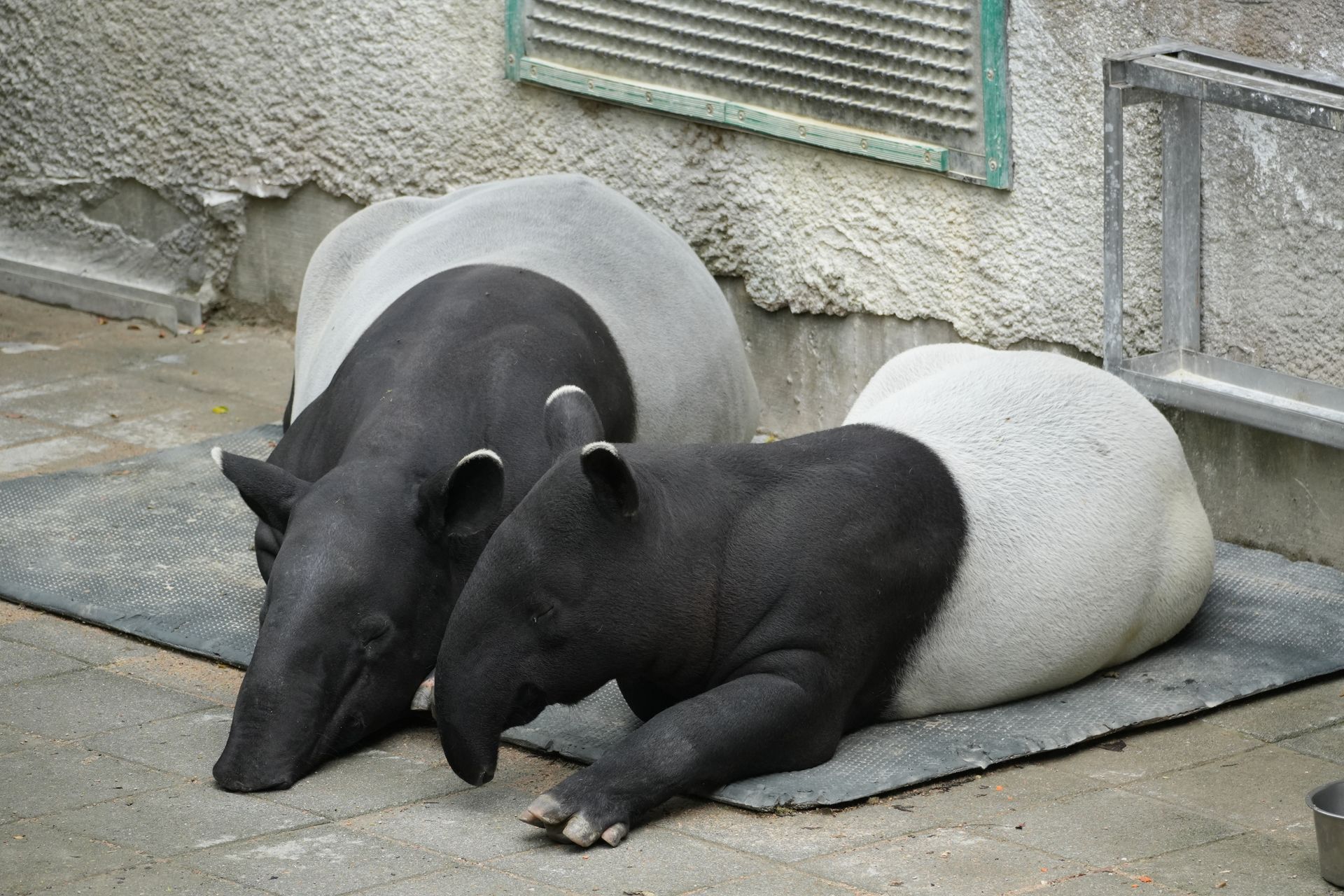
Breeding animals in captivity is a complex process that requires careful planning and execution to achieve conservation success. The California condor program is a great example of this, with a breeding program that has increased the population from just 22 birds in 1987 to over 500 today.
The goal of breeding animals in captivity is to increase population numbers and reduce the risk of extinction. This is especially important for endangered species like the black-footed ferret, which was once considered extinct in the wild.
One of the key challenges of breeding animals in captivity is matching the genetic diversity of the wild population. The cheetah breeding program at the Cincinnati Zoo has made significant strides in this area, with a breeding program that has increased the genetic diversity of the cheetah population by 25% since 2001.
Breeding programs can also help to reduce the risk of extinction by providing a safety net for species that are threatened by habitat loss or disease. The success of the black-footed ferret breeding program has made it possible to reintroduce the species into the wild, where it is now thriving.
Conservation Efforts
Captive breeding is a valuable means of conservation, particularly for endangered species. It helps safeguard numbers and protect vulnerable species.
Captive breeding doesn't tackle the endemic causes of animal endangerment, but it's still a crucial step in conservation efforts. This approach ensures that rare and endangered animals like fish have a chance to thrive.
By breeding animals in captivity, conservationists can monitor and care for them closely, which is especially important for species that are dwindling in the wild.
Safeguarding Endangered Species
Captive breeding is a valuable means of conservation that helps safeguard the long-term future of endangered species.
It's especially effective for rare and endangered fish that are dwindling in the wild, where captive breeding can ensure vulnerable species are protected.
Breeding marine creatures in captivity reduces the number of marine animals removed from wild habitats, easing pressure on wild populations.
This can have a profound knock-on effect, which is why many aquariums are now committed to captive breeding programs.
Arabian Oryx
The Arabian oryx is a remarkable example of conservation success. It was hunted to extinction in the wild by the early 1970s.
This antelope was once found all over the Arabian Peninsula, but thanks to a concerted conservation effort, it's now thriving in the deserts of central Oman, Saudi Arabia, Jordan, and the United Arab Emirates.
Starting with just nine oryx captured from the wild, the Phoenix Zoo led a successful captive-breeding program in the 1960s. The program expanded, allowing for the reintroduction of Arabian oryx into the wild.
There are now over 1,000 Arabian oryx living in the wild, a testament to the power of conservation efforts.
Research and Success Stories
Captive breeding is a valuable tool for conserving marine life, and Bristol Aquarium is at the forefront of this practice. They work with partners across the UK to manage an ethical and responsible breeding programme.
The aquarium has successfully bred a range of aquatic animals, including jellyfish and seahorses. This not only helps ease pressure on wild populations but also allows more research to be done on their behaviour and ways to safeguard their long-term future in the wild.
Some examples of captive breeding successes at Bristol Aquarium include Phantasmal Poison Dart Frogs, Moon Jellyfish, Lesser Spotted Catsharks, and Big-Bellied Seahorses. These species are all critically endangered or vulnerable in the wild, making captive breeding a crucial conservation effort.
Here are some of the captive breeding successes at Bristol Aquarium:
- Phantasmal Poison Dart Frogs: Critically endangered species native to Ecuador, known for their radiant colouring.
- Moon Jellyfish: Common in UK waters, approximately the size of a dinner plate, and pose no risk to humans.
- Lesser Spotted Catsharks: On the conservation index, native to the British Isles, northern Africa, and parts of the Mediterranean.
- Big-Bellied Seahorses: Native to Australia and New Zealand, live among algae and seagrasses.
How It Works
Captive breeding isn't just about putting animals together, it's a complex process that requires careful consideration of several factors.
Genetic diversity is crucial to prevent inbreeding and ensure healthy animals. This means selecting animals from different source populations to replicate the genetic diversity found in the wild.
To replicate the natural environment, aquariums and zoos must provide the right space, temperature, food, and surrounding plants for species to reach maturity.
Environmental considerations are just as important as genetic diversity, as they can affect the overall health and well-being of the animals.
Here are some of the key factors to consider when setting up a captive breeding program:
- Genetic diversity: Selecting animals from different source populations.
- Environmental considerations: Replicating the natural environment with the right space, temperature, food, and surrounding plants.
By considering these factors, captive breeding programs can be successful and help support ongoing methods of species conservation.
Research at Bristol
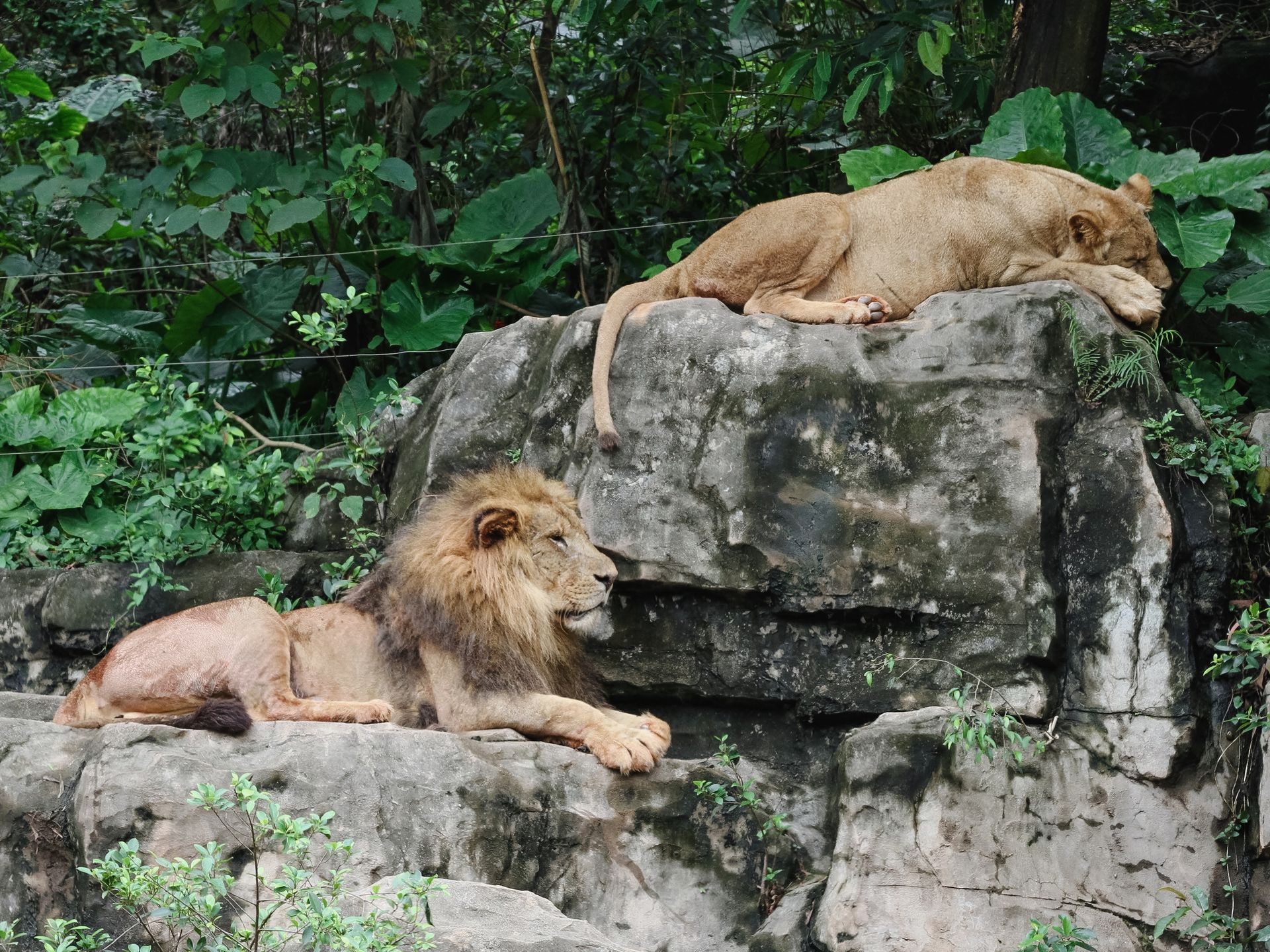
At Bristol Aquarium, research is a key part of their captive breeding program. They lead on captive breeding research to boost education and understanding of these practices.
The aquarium works closely with partners across the UK to manage an ethical and responsible breeding program. This program is part of their philosophy.
By conducting research, Bristol Aquarium aims to help conserve marine life.
Successes
Bristol Aquarium has had some amazing successes with captive breeding, which is a testament to the importance of this practice. They've successfully bred a range of aquatic animals, from jellyfish and seahorses to shark and ray species.
One of the most critically endangered species they've reared successfully is the Phantasmal poison dart frog, native to the rainforests of Ecuador. These frogs are known for their radiant colouring.
The moon jellyfish is another species they've bred, and it's a common sight in UK waters. It's approximately the size of a dinner plate and feeds on plankton, posing no risk to humans.
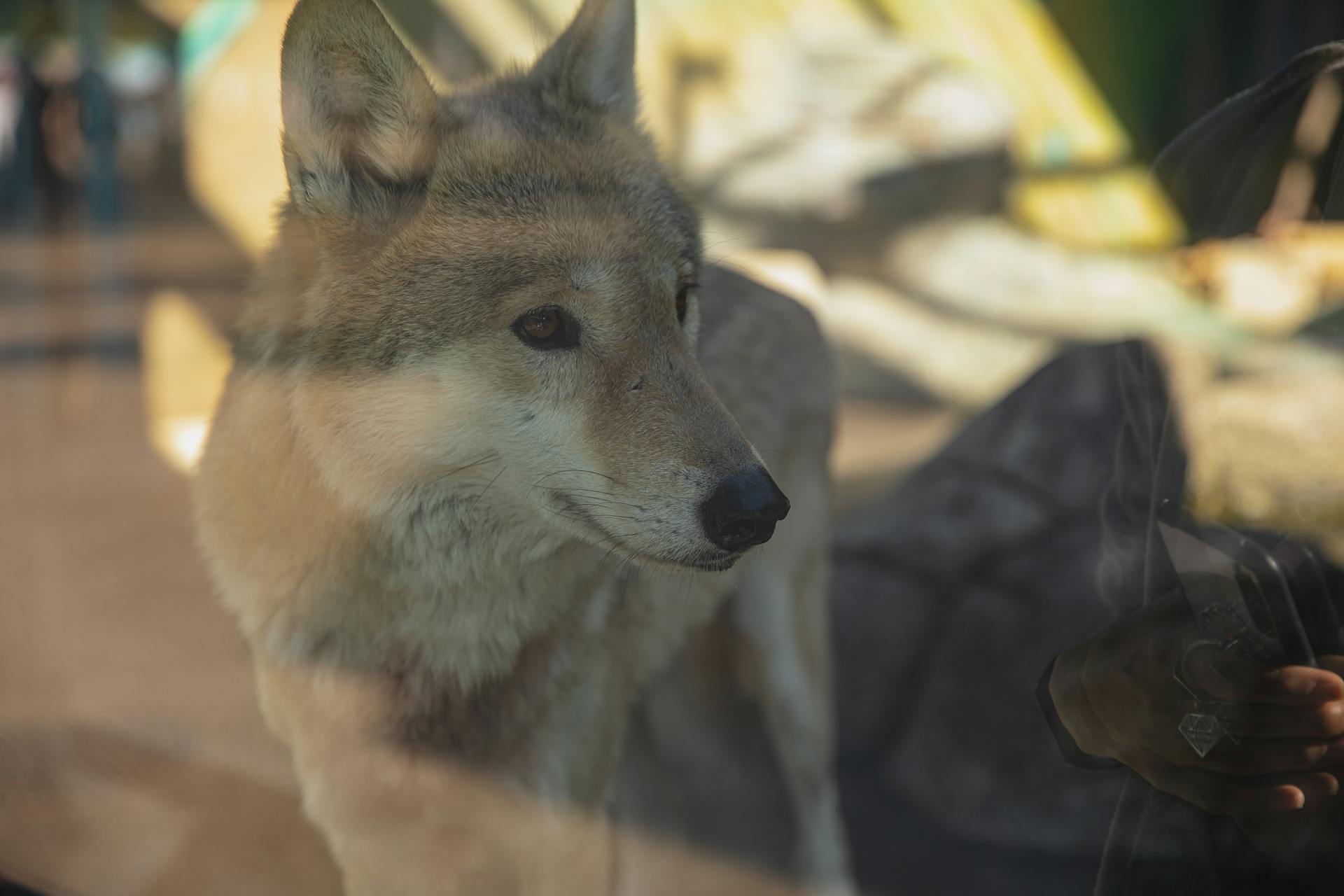
Captive breeding has also helped the conservation of the lesser spotted catshark, a species found in the British Isles, northern Africa, and parts of the Mediterranean. They're on the conservation index, so every success counts.
Here are some of the notable species bred by Bristol Aquarium:
The Galapagos giant tortoise is another example of the success of captive breeding. In the 1960s, there were only 15 individuals left on Española, one of the Galapagos Islands. Since then, more than 2,000 tortoises have been bred and returned to their native island.
Golden Lion Tamarin
The Golden Lion Tamarin is a small monkey found only in Rio de Janeiro state, Brazil. Its population was once reduced to just a few hundred individuals due to deforestation and the pet trade.
In the 1960s and 70s, the Golden Lion Tamarin was driven to the brink of extinction. A global captive breeding program was started by nearly 150 zoos to help save the species.
Conservation efforts have been successful, and the number of wild Golden Lion Tamarins has increased to over 3,500. This is a remarkable turnaround from the species' low point in the past.
Przewalski’s Horse
Przewalski’s Horse is a remarkable example of conservation success. They are a distant relative of the common horse, but were once extinct in the wild due to habitat loss and hunting.
A few Przewalski’s horses remained in zoos, where breeding efforts were made to improve genetic diversity. In 1992, 16 horses were released into the wild in Mongolia.
Today, an estimated 2,000 Przewalski’s horses live in the wild, with populations in Mongolia, China, and Kazakhstan. Scientists have even introduced them to the Chernobyl Exclusion Zone.
All Przewalski’s horses alive today are descended from just 14 individuals captured at the start of the 20th century. This highlights the importance of conservation efforts in preserving genetic diversity.
Scientists have recently made a breakthrough by cloning a Przewalski’s horse for the first time, with the hope of improving genetic diversity in the wild population.
A fresh viewpoint: Horse Breed
Mauritius Kestrel
The Mauritius kestrel is a bird species that was once on the brink of extinction. In 1974, there were only four individuals left in the wild.
Habitat loss and the introduction of non-native species were significant threats to the kestrel's survival. The use of pesticides also played a role in the decline of the population.
A captive breeding program was established on the African island of Mauritius, where the kestrel is native. The program involved removing kestrel eggs from nests in the wild and hatching them in incubators.
The reintroduction of the birds into the wild allowed the population to grow to around 800 in the 2000s. However, reintroductions stopped in the 1990s and the kestrel population is now declining.
Today, there are only around 200 individuals of the Mauritius kestrel left in the wild.
Benefits and Limitations
Breeding animals in captivity has its advantages and limitations. Captive breeding can be beneficial for animals, as it protects them from extinction, diseases, and other hazards.
One of the main benefits of captive breeding is that it provides a safe environment for animals to thrive. The conditions for animals kept in captivity are enhanced, allowing them to receive the best medical treatment and live in a healthy state.
Captive breeding also promotes conservation and education. Visitors to zoos and public aquariums can learn about species protection and conservation, and people can participate in captive breeding to learn more about animals and their natural habitats.
However, captive breeding is not without its limitations. Not all individuals are well adapted to the conditions available within captive environments, which can lead to changes in behavior and ill-health.
Here are some of the key benefits and limitations of captive breeding:
- Protected from extinction, diseases, and other hazards
- Enhanced living conditions
- Best medical treatment
- Valuable for scientific study
- May lead to changes in behavior and ill-health
Advantages
Captive breeding programs offer numerous benefits. Animals are protected from extinction, diseases, and other hazards by captive breeding.
Visitors to zoos and public aquariums can learn about species protection and conservation. This hands-on learning experience is a great way to raise awareness about the importance of conservation.
People can learn more about animals and their natural habitats by participating in captive breeding. This knowledge can be used to inform conservation efforts and improve our understanding of the natural world.
The best medical treatment is offered for the animals in captive breeding programs. This ensures that they receive the care they need to thrive.
Captive breeding can help in the rehabilitation of a species to its natural habitat. This is a crucial step in the conservation process.
Food resources can be obtained from animals in captivity, such as eggs and milk. These resources can help address world hunger.
Captive breeding programs can also promote employment and tourism, generating revenue for local communities. This is a valuable economic benefit that supports conservation efforts.
Valuable information is gained through scientific study of animals in captive breeding programs. This knowledge can be used to inform conservation efforts and improve our understanding of the natural world.
Limitations
Between 20 and 50% of the Earth's species may vanish over the next several decades. This alarming rate of extinction highlights the need for effective conservation efforts.
Captive breeding, often touted as a solution to preserve biodiversity, has its limitations. It should only be used as a last resort today.

Only a small portion of endangered species can be protected by zoos. This means that habitat preservation must be prioritized alongside captive breeding.
A thorough understanding of the species involved is necessary for effective conservation programs. This involves supplementing field studies with captive studies to gain a more comprehensive understanding of an animal's biology and ecology.
Large vertebrates are highly valued in current ex situ conservation objectives.
Maintaining and Supporting
Providing a suitable environment for animals in captivity is crucial for their well-being and survival.
Adequate space is essential, with some animals requiring as much as 10 times their natural habitat size.
Enrichment activities can help reduce stress and boredom, such as providing toys and rotating them regularly.
Regular veterinary check-ups are necessary to monitor the animal's health and detect any potential issues early on.
A varied and nutritious diet is also vital, with some animals requiring specialized feeding regimens.
In some cases, social interaction with other animals is necessary, such as with primates who thrive in groups.
Conservation breeding programs often involve collaborating with other institutions to share knowledge and resources.
Conclusions
Conservation breeding programs in captivity require constant monitoring and effort at all stages.
Every species is unique and requires specific conditions for growth and development.
Frequently Asked Questions
What animals cannot breed in captivity?
Unfortunately, some endangered species, such as the Northern White Rhino, have not been able to breed in captivity due to severe reproductive issues. However, conservation efforts continue to explore innovative solutions to help these animals thrive.
What are some examples of captive breeding animals?
Examples of successful captive breeding include the California condor, black-footed ferret, golden lion tamarin, and red wolf. These animals require teaching of fundamental survival skills to thrive in the wild.
What are the problems with captive breeding?
Captive breeding can lead to inbreeding depression and a loss of fitness due to a limited gene pool. This can result in weaker offspring and a decline in the species' overall health.
Featured Images: pexels.com