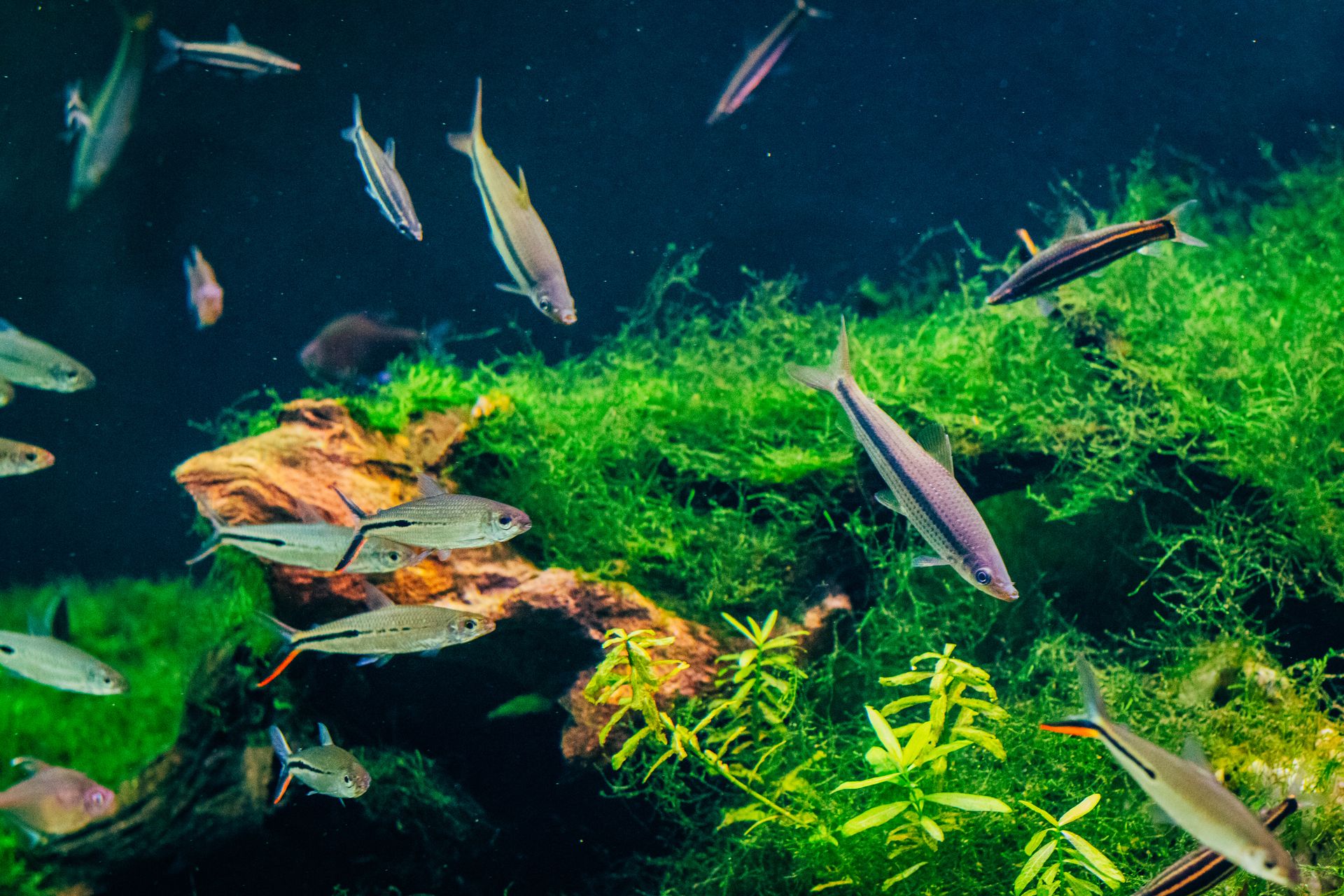
Scissortail rasboras are a popular freshwater aquarium fish known for their striking appearance and peaceful nature. They are native to Indonesia and can grow up to 2 inches in length.
In the wild, scissortail rasboras inhabit slow-moving rivers and streams with sandy or rocky substrates. They are a schooling fish and prefer to be in groups of at least 6-10 individuals.
Scissortail rasboras are relatively easy to care for and can thrive in a well-maintained aquarium with plenty of hiding places and open swimming space.
Suggestion: Rasboras Fish
Physical Characteristics
Scissortail rasboras are a beautiful and peaceful species of fish. They belong to the Cyprinidae family, which is a group of small, peaceful fish.
Their origin is quite interesting - they can be found in the wild in countries such as Borneo, Cambodia, Laos, Malaysia, Sumatra, and Thailand. This diversity of habitats has helped them adapt to different water conditions.
In terms of their social behavior, scissortail rasboras are known to be peaceful and schooling fish. This means they thrive in the company of their own kind and can be kept in small schools in a well-maintained aquarium.
Intriguing read: Torpedo Barbs Fish
They are top to mid-dwelling fish, which means they prefer to swim in the upper and middle parts of the tank. This is good to know if you're planning to keep them in a community tank.
A minimum tank size of 20 gallons is recommended to keep these fish healthy and happy. This is a good rule of thumb for any small schooling fish.
In terms of their diet, scissortail rasboras are omnivores, which means they eat a mix of plant and animal matter. This makes them relatively easy to feed and care for.
Their breeding habits are also worth noting - they are egg scatterers, which means they release their eggs into the water column for the eggs to be fertilized by the male.
Here are some key water parameters to keep in mind when keeping scissortail rasboras:
Overall, scissortail rasboras are relatively easy to care for and can make a great addition to any community tank.
For your interest: Lemon Bristlenose Catfish
Origin and Distribution
The scissortail rasbora originates from the southern Mekong River basin in Cambodia, Laos, and Thailand, as well as from the Malaysian peninsula and the islands of Borneo and Sumatra.
Most scissortail rasboras are found in slow-flowing rivers and swamps in forested areas. They can also thrive in rapidly flowing hillside streams.
Scissortails inhabit some of the world's most vibrant and dynamic aquatic environments, including the rugged terrain of Thailand and the dense forests of Laos.
Their natural habitats include fast-flowing streams with clear water and gravel and sand on the bottom. They also coexist with twigs, branches, and decaying leaves in the sluggish black waters of peat swamp forests.
Most specimens sold in the aquarium trade are captive bred rather than wild-caught.
Housing
Scissortail rasboras require an open swimming area and do best in longer tanks, so a minimum tank size of 48″ x 18″ x 18″/120cm x 45cm x 45cm/255 litres is recommended.
They prefer a natural setting with plants like Java moss, driftwood, and rocks of various sizes to mimic a riverbed habitat.
Subdued lighting can help recreate the typical forested habitat, but scissortails will adapt to a wide range of habitats.
A darker substrate is preferred, and the tank should be tightly covered, as scissortails are prone to jumping.
Filtration is important, as scissortails require good quality water. They are naturally accustomed to moving water and would enjoy a current such as that provided by a powerhead.
The use of peat or blackwater additives can help replicate the optimum water parameters, which are similar to those found in the clear waters of swiftly-flowing forest hill streams with a pH between 6.5 and 7.5.
Tankmates and Compatibility
Scissortail rasboras are quite social and love to live in schools of a half dozen or more. They thrive in community aquariums and should be kept with at least a half-dozen of their own kind to bring out their colors and make them feel at home.
Other peaceful fish like rasboras, tetras, danios, and gouramis make excellent tankmates for scissortails. They also get along well with larger fish like angelfish and discus.
Some bottom-dwelling fish like corys and catfish species are also good matches for scissortails. Just keep in mind that some species prefer more alkaline water, which is slightly different from the scissortails' preferred slightly acidic water.
It's essential to research compatible fish and consider the adult size of the species when setting up a community tank. A group of at least six scissortails is recommended to get the best out of them in the aquarium.
Diet & Feeding
Scissortail rasboras are relatively easy to feed, and they'll accept a wide range of foods. They're omnivorous, which means they'll eat both plant and animal matter.
One thing to keep in mind is that they prefer live foods whenever possible, so try to include those in their diet whenever you can. This will help them thrive and show off their vibrant colors.
In nature, their diet consists primarily of insects, so live or frozen foods like brine shrimp, daphnia, and bloodworms are all great options. You can also supplement with freeze-dried foods.
Scissortail rasboras will also eat flake foods and pellets, but these should be used as a base rather than the main staple of their diet. They'll also accept blanched vegetables like lettuce, zucchini, and kale, but these should be given in moderation.
To ensure optimal health and coloration, provide your scissortail rasboras with a balanced diet that includes a mix of high-quality dried foods and live, frozen, or freeze-dried foods.
Care and Maintenance
Scissortail rasboras are relatively easy to care for, but they do require some specific conditions to thrive. They prefer neutral to slightly acidic tank water with a pH level between 6.5 and 7.5.
To replicate their natural habitat, you'll want to include plants like Java moss, driftwood, and rocks of various sizes in your tank. A darker substrate is also preferred.
Scissortail rasboras are naturally accustomed to moving water, so a powerhead can be a great addition to your tank. They also prefer good quality water, so a reliable filtration system is essential.
Worth a look: Harlequin Rasboras Tank Size
How Large Do They Get?
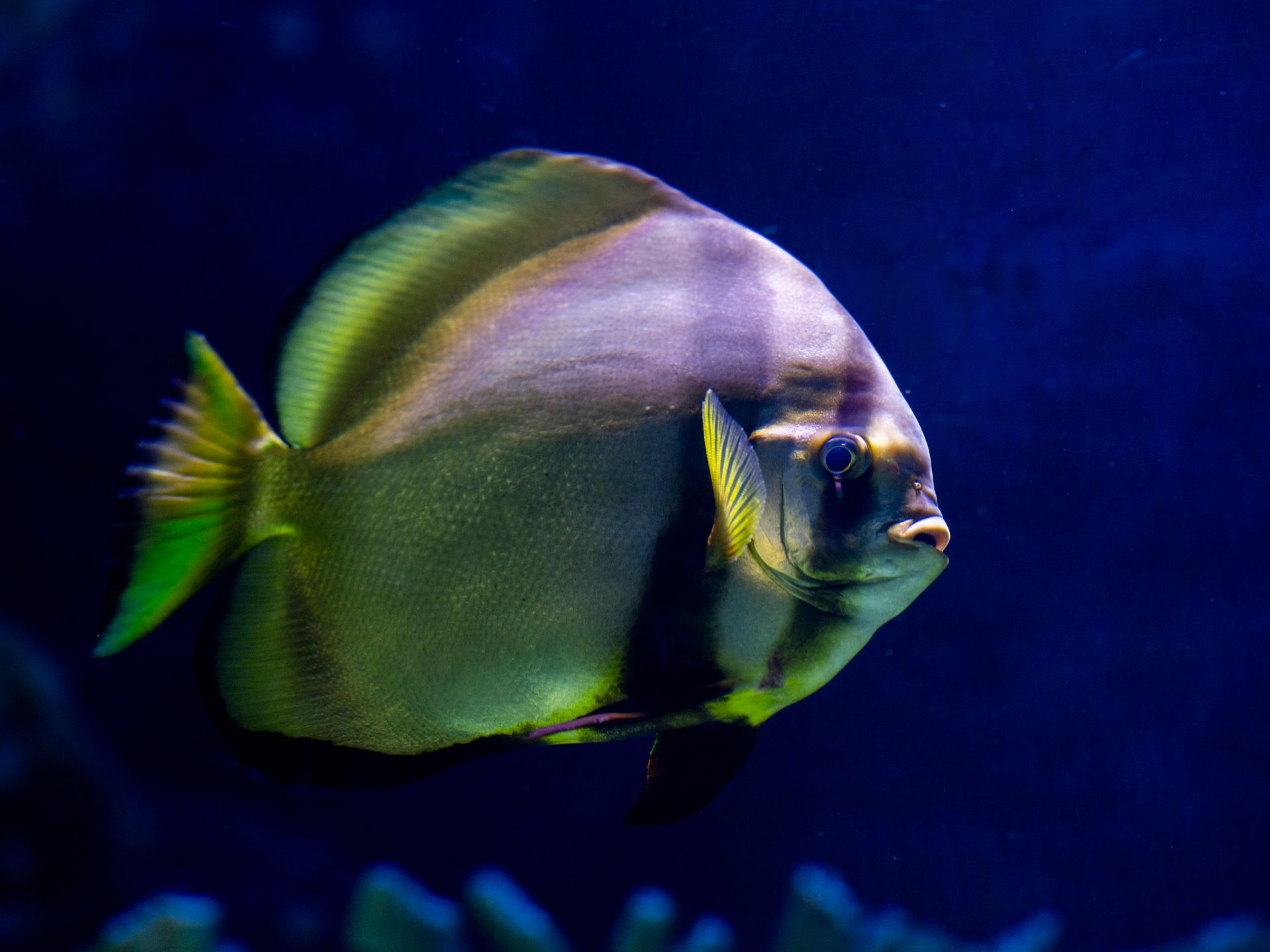
Rasboras are generally small fish, with most species growing to a maximum of 4 inches in length.
The scissortail rasbora size is no exception, reaching an adult size of around 3.5 inches.
Male scissortails tend to be slightly smaller and slimmer than females, but this difference is not noticeable outside of breeding season.
If this caught your attention, see: Bristlenose Catfish Size
Care Guide
Scissortail rasboras are relatively easy to care for as long as you provide stable water parameters and good water quality. They're peaceful and safe to keep with other fish, snails, shrimp, and live plants, but be aware that they might prey on shrimp fry.
To keep your scissortail rasboras happy, they need to be in a school of at least 6-8 specimens. This will allow them to thrive and showcase their natural behavior.
Scissortail rasboras prefer water with a pH level between 6.5 and 7.5, and a water hardness of 2-12 dGH. This is a relatively narrow range, so it's essential to get it right.

Scissortail rasboras are adapted to moving water and would enjoy a current, such as that provided by a powerhead. This will help to keep the water clean and provide them with a natural environment.
A darker substrate is preferred for scissortail rasboras, and the tank should be tightly covered to prevent them from jumping. This is especially important since they can be prone to jumping.
To ensure the health and well-being of your scissortail rasboras, it's essential to match the water parameters from their original tank as closely as possible. This will help to prevent shocking or stressing them out.
Breeding and Species
Scissortail rasboras are egg-scatterers, which means they don't care for their eggs after spawning. A separate breeding tank is recommended to provide a safe environment for the eggs.
The breeding tank should be filled with water that's slightly acidic, between 6.0 to 6.5 pH, and at a temperature of 77 to 82 degrees Fahrenheit. Minimal lighting is best, and a sponge type filter is recommended.
Conditioning the adults with live foods like bloodworms, daphnia, and brine shrimp is key to preparing them for spawning. The female will become rounded with eggs, and adding small amounts of colder, softer water throughout the day can help induce spawning.
After the eggs are laid, it's essential to remove the adults promptly, as they'll readily eat their own eggs. The eggs are sensitive to light and fungus, so keeping the tank clean and performing frequent water changes is crucial.
The eggs will hatch after about 24 hours, and the fry will initially feed off the egg sac. After two days, the fry become free-swimming and need to be fed freshly hatched brine shrimp and other small fry foods.
For your interest: Small Rasboras
Breeding
Breeding Scissortail Rasboras is a relatively straightforward process. They are egg-scatterers, meaning they don't care for their young, so you'll need to provide a separate breeding tank or a safe space for the fry to grow.
Curious to learn more? Check out: How to Breed Chili Rasboras
To encourage breeding, feed your Scissortail Rasboras a diet rich in live foods like daphnia, brine shrimp, and bloodworms. This will help condition them for spawning.
The ideal water conditions for breeding are slightly acidic, with a temperature range of 77 to 82 degrees Fahrenheit. Lighting should be minimal to prevent fungal growth.
Adult Scissortail Rasboras will make several deposits of adhesive eggs on the spawning medium. This can happen after you've added small amounts of cooler, softer water to the tank throughout the day.
After the eggs are laid, remove the adults promptly, as they will eat their own eggs. The eggs are sensitive to light and fungus, so keep the tank clean and perform frequent water changes.
The eggs will hatch after about 24 hours, and the fry will initially feed off the egg sac. After two days, the fry will become free-swimming and need to be fed freshly hatched brine shrimp and other small fry foods.
Species Snapshot
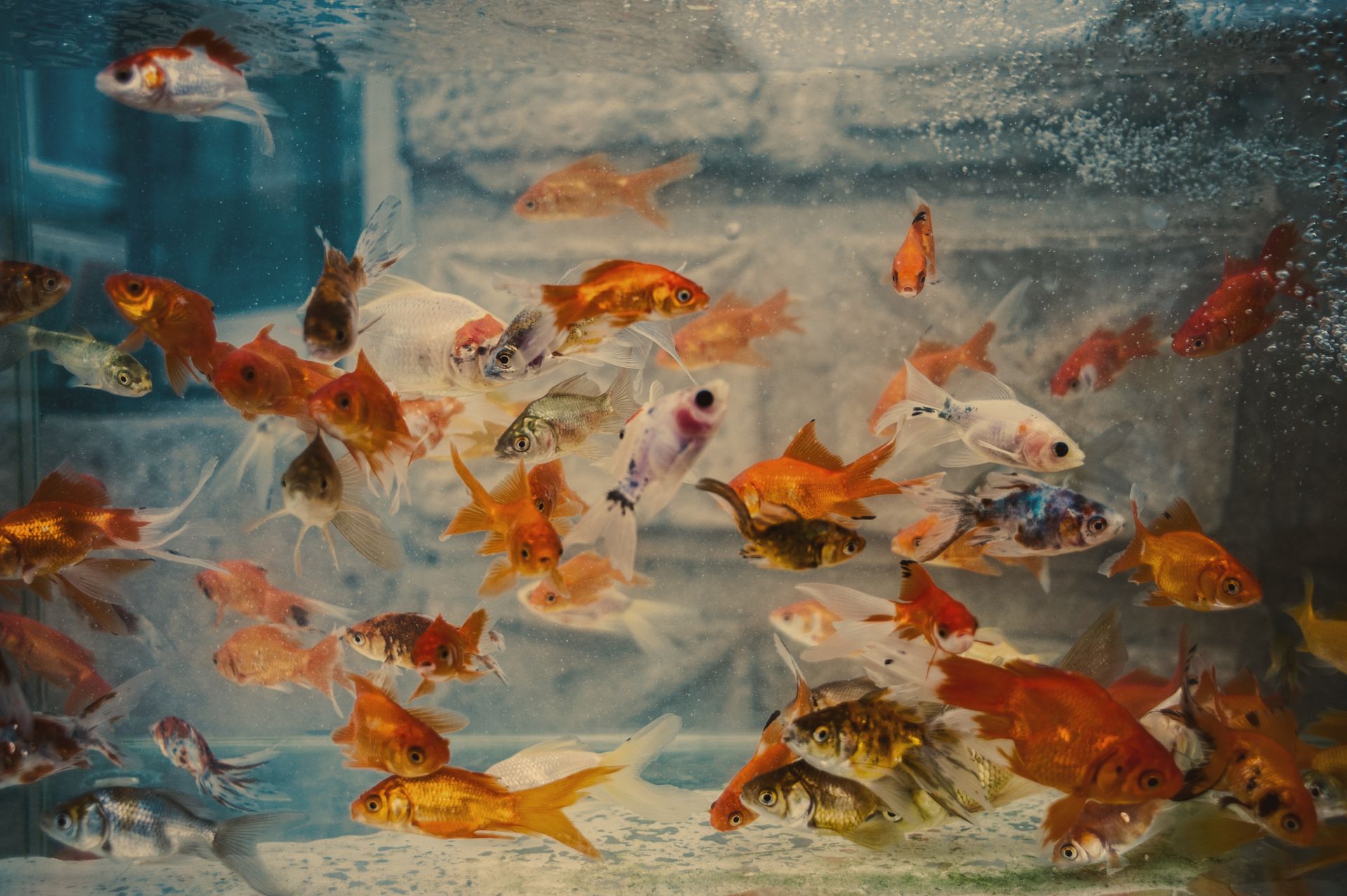
The scissortail rasbora (Rasbora trilineata) is a small fish, reaching up to 3.5 inches in length.
This species is native to Southeast Asia, where it can be found in the wild.
If this caught your attention, see: Celestial Pearl Danio Fish
Our Favorites
The scissortail rasboras are truly one of a kind, with their unique pattern and striking colors making them a standout in any aquarium.
They're also ideal schooling fish, which means they thrive in groups and can add a dynamic display to your tank.
One of the best things about scissortail rasboras is that they're completely peaceful, making them a great choice for community tanks.
They're also very active, which can add a lot of visual interest to your aquarium.
Here are some key characteristics of scissortail rasboras:
Featured Images: pexels.com