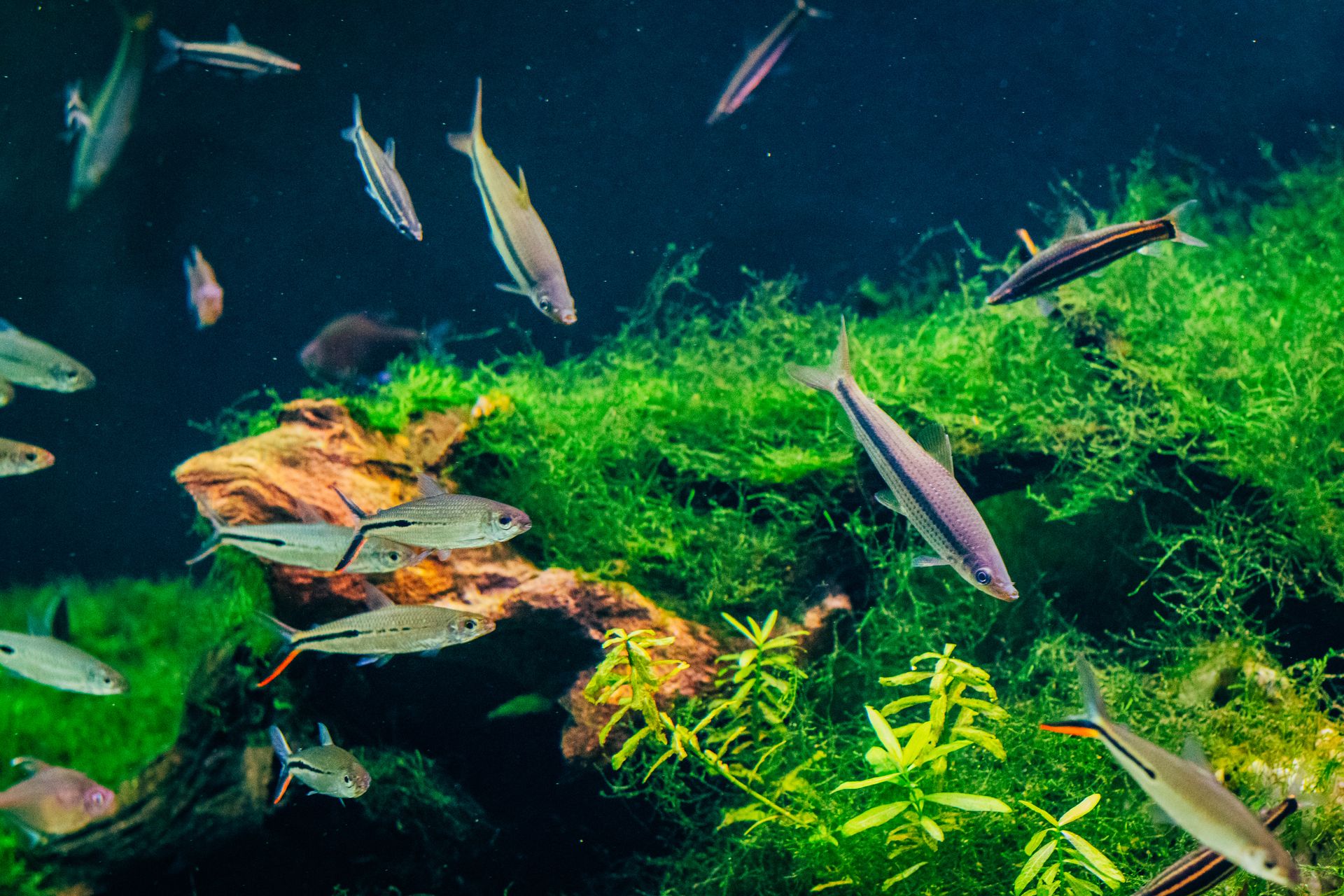
Dwarf Rasboras are native to the slow-moving streams and rivers of Indonesia, specifically in the island of Sumatra. They inhabit areas with dense vegetation and slow currents.
Their natural habitat is characterized by warm water temperatures, ranging from 72 to 82°F. Dwarf Rasboras thrive in environments with pH levels between 6.5 and 7.5.
Dwarf Rasboras are relatively small, growing up to 1 inch in length. They have a slender body shape and are known for their vibrant colors, with shades of blue and red on their fins and tail.
Origin and Habitat
Dwarf Rasboras originate from the slow-moving streams, rivers, and peat swamps of Southeast Asia, particularly in Indonesia, Singapore, and Thailand.
Their natural environment is characterized by soft and acidic water, which is a result of the heavy leaf litter that creates a natural infusion of tannins.
These fish thrive in shaded conditions with an abundance of aquatic vegetation, making it essential to replicate this habitat in the aquarium to help them thrive.
The water in their native habitats is typically stained brown due to the release of tannins and other chemicals from decomposing organic matter.
Dwarf Rasboras inhabit black water streams and rivers associated with ancient forest peat swamps, where the water is very soft and acidic, with pH levels as low as 4.0.
Their environment is often dimly-lit due to the forest canopy above, which requires careful consideration when setting up an aquarium to mimic their natural habitat.
These biotopes are under serious threat from human activities such as rubber and palm oil plantations, and building developments, highlighting the importance of conservation efforts to preserve their fragile ecosystems.
Physical Characteristics
The harlequin rasbora has a distinctive black triangle extending from its midsection to tail, giving it a unique appearance. This species is also characterized by its light orange tint.
The lambchop rasbora and glowlight rasbora, two smaller cousins of the harlequin rasbora, have a slimmer profile and a smaller black patch. They also feature a light orange color.
The emerald dwarf rasbora is instantly recognizable by its dark zebra stripes that cover a light cream-colored body. This striking pattern is a key characteristic of the species.
Males of the emerald dwarf rasbora have red-orange-tinted fins, which can be a distinguishing feature.
Worth a look: Rasbora Heteromorpha Care
Care and Maintenance
To keep your Dwarf Rasboras happy and healthy, you'll want to provide a well-planted tank with plenty of hiding spots and open swimming areas.
A tank size of at least 40 liters (10 gallons) is recommended for a small school, but larger tanks will allow for more stable water conditions and a more diverse setup.
Use plants like Anubias, Java Fern, and floating plants to diffuse the lighting and create a shaded environment, as Dwarf Rasboras prefer low light conditions.
Maintain water conditions with a temperature range of 24-27°C (75.2-80.6°F) and a pH level between 5.0 and 6.8.
The water hardness should be kept low, ideally between 5-12°N (0-142.86 ppm), and regular water changes of 20-30% weekly are recommended to keep the water parameters stable.
A sponge filter can help maintain water quality without creating too much water movement, which could stress these delicate fish.
You can also use bogwood and rocks to create shaded areas in which the Dwarf Rasboras can seek shelter from the light and hide when frightened.
You might enjoy: Harlequin Rasboras Tank Size
Adding aquarium-safe leaves on the bottom gives the fish more hiding places and creates a habitat more like the ones where they live in the wild.
A 6-gallon tank is enough for a small to medium-sized shoal, and the aquarium should be densely planted with floating plants on the surface to dim the light.
Dark soft sand is a good choice for the bottom substrate, and filtration can be kept to a minimum.
To simulate their natural habitat, you can filter the water through peat to increase tannin levels in the water, which will make the tank more similar to their natural habitat.
This will also make the rasboras display more vibrant colors, which is a great bonus.
Diet & Feeding
Dwarf Rasboras are omnivores and will happily accept a variety of foods in captivity.
A high-quality flake or micro-pellet should form the staple diet of your Dwarf Rasboras.
Feeding them small amounts twice a day is recommended to prevent water quality issues.
To enhance their health and coloration, supplement their diet with live or frozen foods like brine shrimp, daphnia, grindal worms, and bloodworms.
They may also nibble on algae wafers occasionally, but this should be a small part of their diet.
In their natural habitat, Dwarf Rasboras are primarily micro predators, preying on worms, small insects, crustaceans, and other zooplankton.
Offering delicacies like artemia and daphnia will not only enhance their vibrant coloration but also stimulate their reproductive behaviour, promoting breeding conditions.
Dwarf Rasboras will readily accept high-quality dried foods of an appropriate size, but this should not replace a varied diet.
Make sure to choose food that is small enough to suit this small species.
Broaden your view: Small Rasboras
Behavior and Compatibility
Dwarf Rasboras are a peaceful species that do best in a community tank with other small, non-aggressive fish. They thrive in groups of six or more, which promotes their schooling behavior and provides a sense of security.
Avoid housing Dwarf Rasboras with larger, more boisterous fish, as they can intimidate or outcompete them for food, leading to stress and hiding. Suitable tankmates include Pygmy Corydoras, Ember Tetras, and Cherry spot rasbora.
To create a natural-looking display, it's essential to keep Dwarf Rasboras in decent numbers, with a group of at least 8-10 specimens. This will not only make the fish less nervous but also result in a more effective display, with males showcasing their best colours and interesting behaviour.
For more insights, see: Rasboras Fish
Clown
The clown rasbora is a social fish that thrives in community settings with plenty of space to swim. They can grow up to 4 inches in length, but typically stay around 2-3 inches in home aquariums.
They're not picky eaters and will consume a wide variety of foods, including flake, pellet, freeze-dried, frozen, and live foods.
Behaviour and Compatibility
This species is very peaceful, but it's not the best fit for a community tank due to its small size and timid nature. It does best when kept alone or with other small, non-aggressive species.
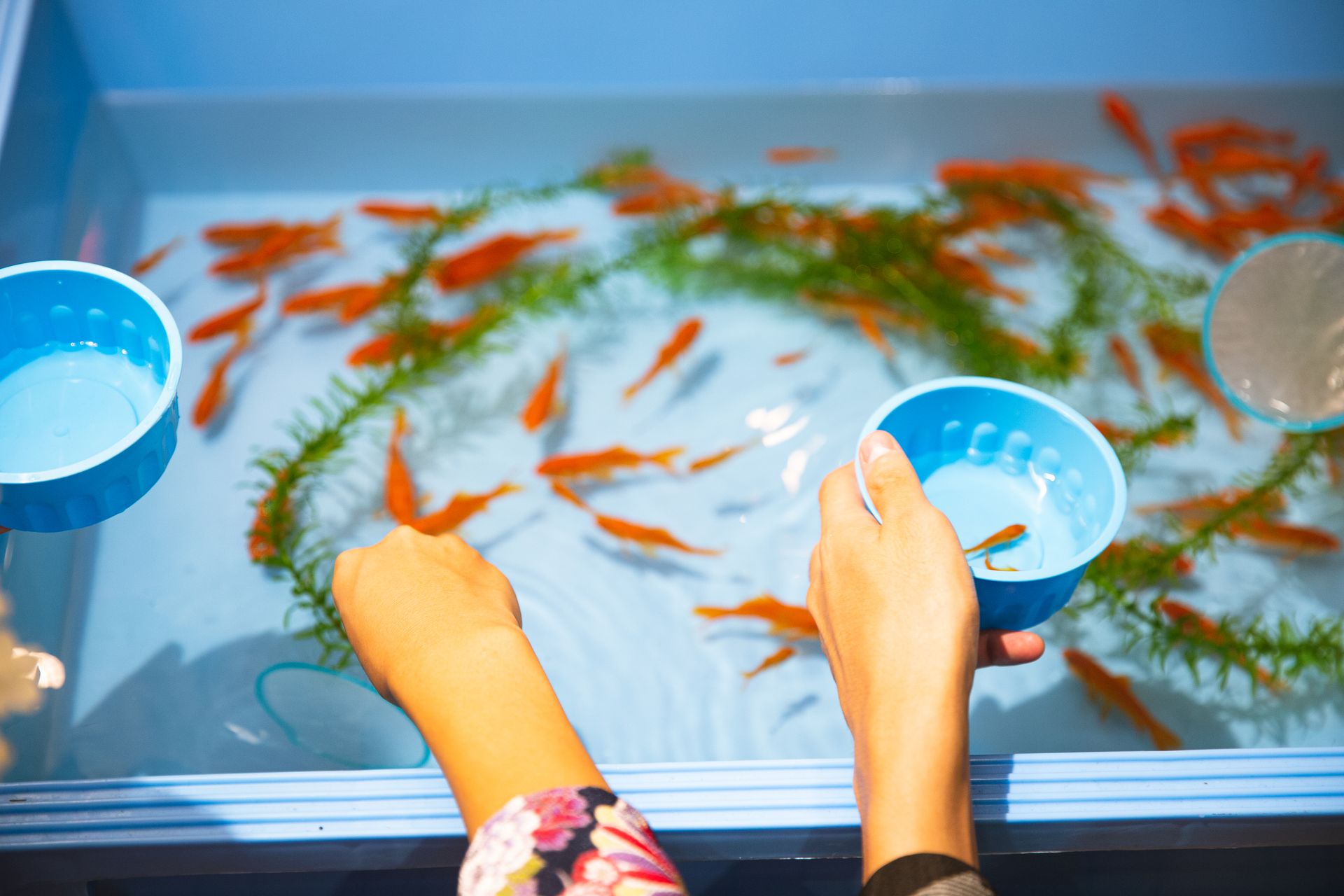
Dwarf Rasboras thrive in groups of six or more to promote their schooling behavior and provide a sense of security. They can be kept with other small species such as Pygmy Corydoras, Ember Tetras, and Cherry spot rasbora.
In a community tank, it's essential to avoid larger, more boisterous fish, as they can intimidate or outcompete the Dwarf Rasboras for food, leading to stress and hiding. This can be detrimental to the Dwarf Rasboras' well-being.
Keeping Dwarf Rasboras in decent numbers can make them less nervous and result in a more effective, natural-looking display. In fact, maintaining a group of at least 8-10 specimens is recommended.
Breeding and Sexing
Breeding Dwarf Rasboras can be a fascinating experience, but it requires some knowledge of their unique reproductive behavior. They are egg scatterers, laying small batches of eggs, typically around 50 at a time, among fine-leaved plants or spawning mops.
To promote breeding, set up a separate breeding tank with ample plants like Java Moss or spawning mops. Maintain a pH level between 5.0 and 6.5, and keep the water temperature steady at 26-27°C (78.8-80.6°F) to replicate their natural spawning environment.
Sexing Dwarf Rasboras can be tricky, but generally, males are slimmer and exhibit more intense red coloration, especially during breeding. Females, on the other hand, are rounder, particularly when carrying eggs, and have a more subdued coloration.
You might enjoy: How to Breed Chili Rasboras
Sexing
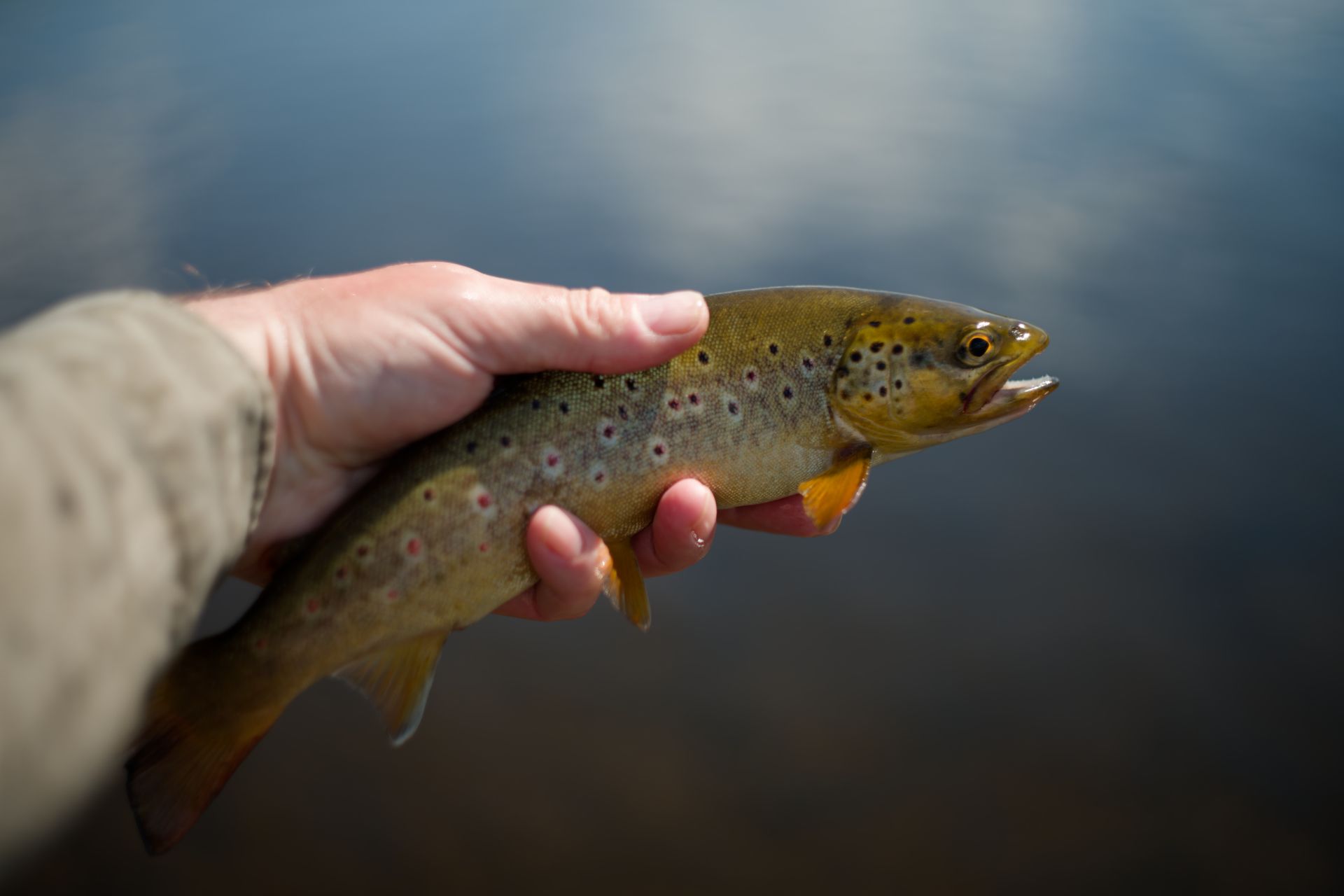
Sexing Dwarf Rasboras can be tricky, but generally, males are slimmer and exhibit more intense red coloration, especially during breeding.
Males show more intense colouring, which is especially true for dominant males.
Females have rounder bellies, and are usually but not always, larger than males.
Males are often easier to sex when they're competing for mates, as they'll display their vibrant colors to impress the females.
Females, on the other hand, are rounder, particularly when carrying eggs, and have a more subdued coloration, making them less noticeable.
Breeding
Breeding Dwarf Rasboras can be a fascinating experience, but it requires some knowledge and preparation.
Males and females can be sexed based on their physical characteristics, with males being slimmer and exhibiting more intense red coloration, especially during breeding.
A well-maintained aquarium is essential for successful breeding, with a pH level between 5.0 and 6.5 and water temperature steady at 26-27°C (78.8-80.6°F).
To promote breeding, set up a separate breeding tank with ample plants like Java Moss or spawning mops, and use a layer of glass marbles or a fine mesh to prevent the parents from eating the eggs.
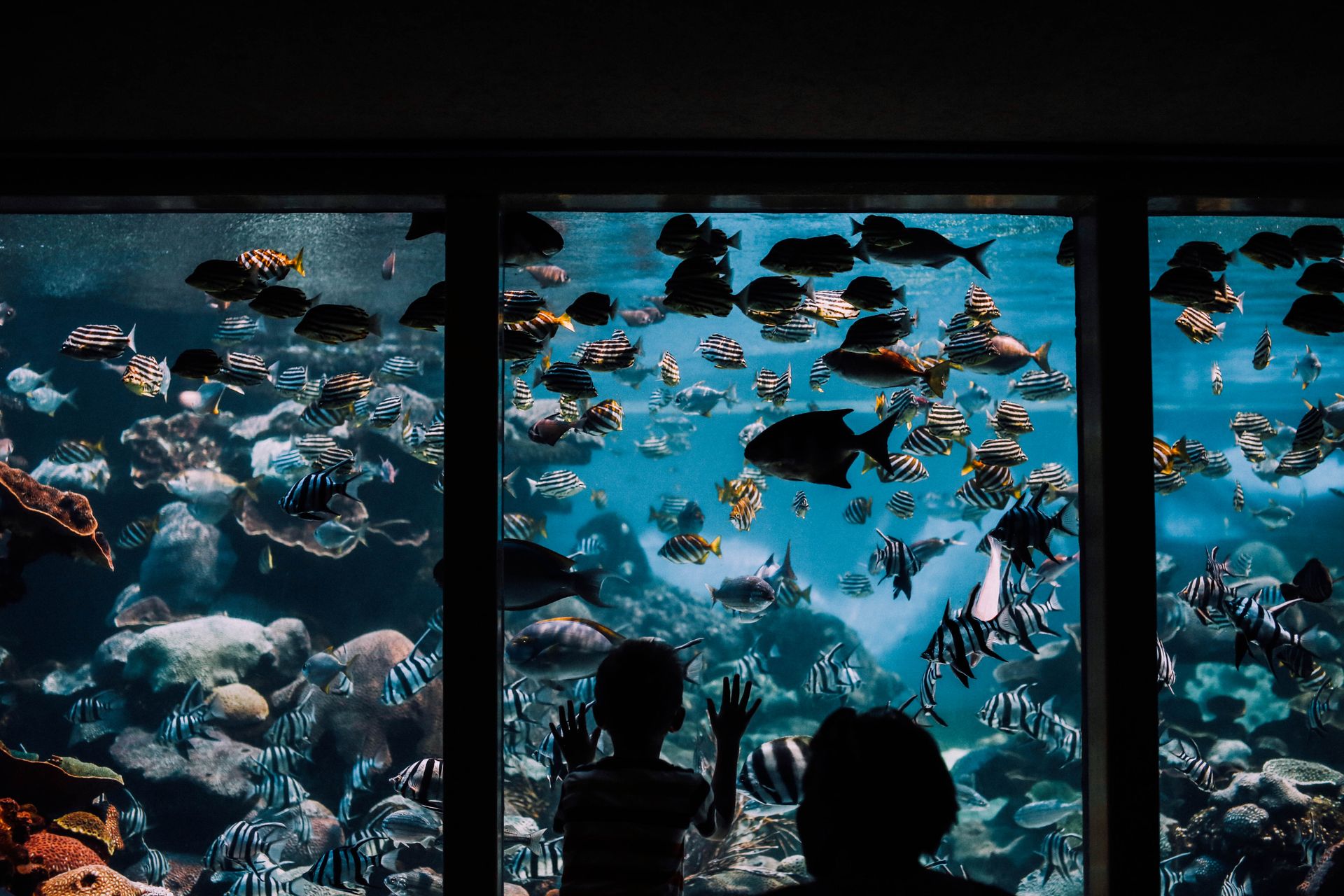
The female Dwarf Rasbora will lay small batches of eggs, typically around 50 at a time, which will hatch within 24-36 hours.
It's crucial to feed the fry with infusoria or liquid fry food, and as they grow, introduce newly hatched brine shrimp and finely crushed flake food to their diet.
A separate breeding tank with subdued lighting and a substantial clump of fine-leaved plants like Java moss is ideal for breeding Dwarf Rasboras.
Introducing two or three pairs of well-conditioned adult fish into the breeding tank is recommended, and a gradual transfer process minimizes stress levels.
Daily spawning is expected, but keeping the parents in the breeding tank for only a couple of days is advisable to prevent them from eating the eggs.
The tiny fry will rely on their yolk sacs for nourishment for approximately 24 hours, and then they'll need infusoria, Paramecium, or other microscopic food for survival.
Around a week to 10 days later, the fry will have grown enough to accept larger foods like baby brine shrimp and microworms.
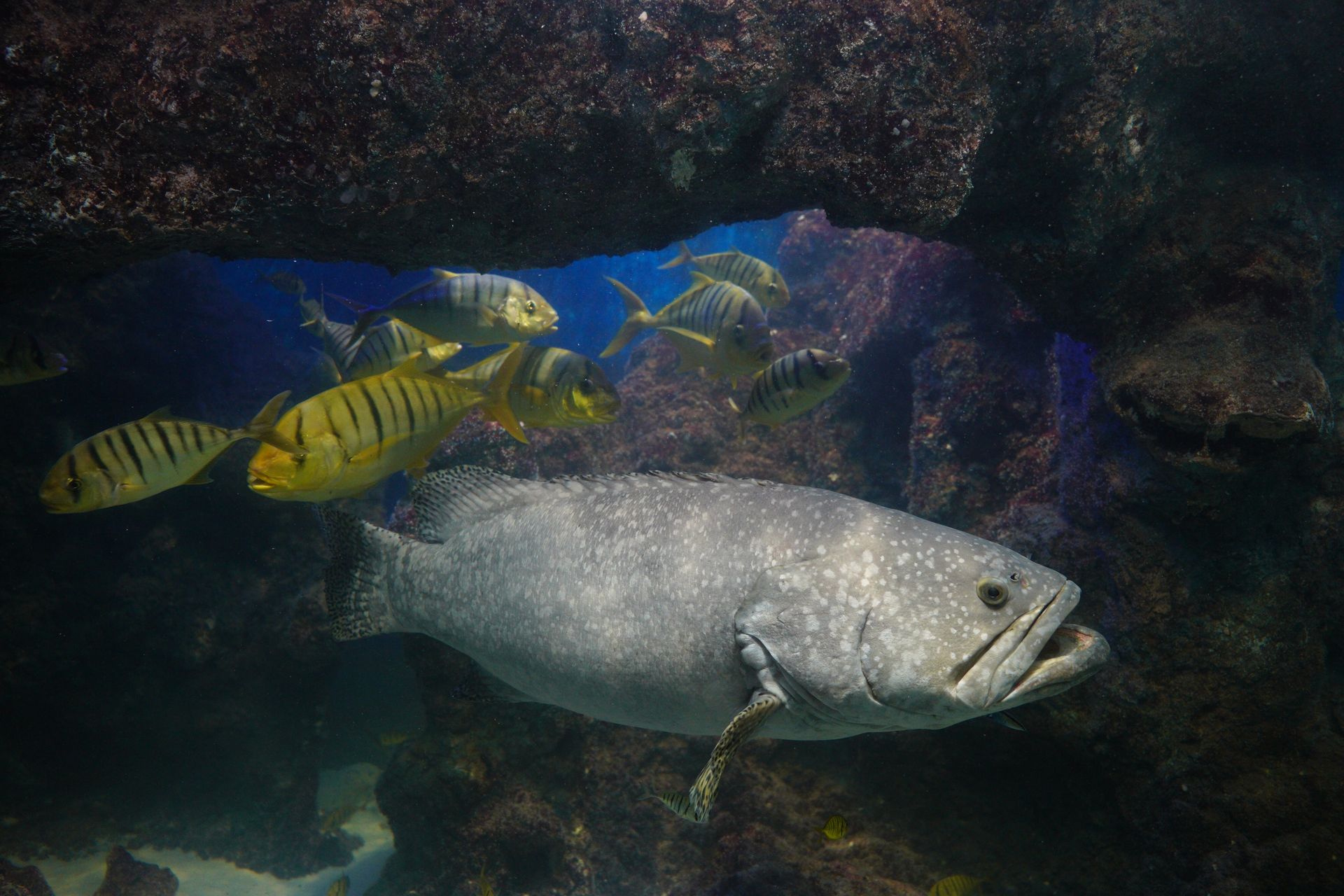
It's essential to wait a few weeks before initiating small water changes to prevent unnecessary shock to the newly hatched fry.
A permanent breeding aquarium can be set up with a few fry surviving in a well-decorated aquarium even without special concern.
However, breeding Dwarf Rasboras the conventional way requires more work, with a tank size of at least 2 gallons (8 L) and a pH-value between 5 and 6.
The bottom of the tank should be covered with mesh or similar to protect the eggs from the parents, and an air pump sponge filter is a suitable choice.
Fine-leaved plants like Java moss should be added to the setup to make the adult fish feel more secure and to offer them a spawning medium.
The fry are very small and will need to be fed infusorians, and they're usually large enough to accept newly hatched brine shrimp after 7-10 days.
Etymology and History
The name "Boraras" is an anagram of the generic name Rasbora, referring to the reversed ratio of abdominal and caudal vertebrae in this genus.
This unique characteristic is what sets Boraras apart from other fish species.
Boraras maculatus gets its name from the Latin word "maculatus", meaning 'spotted.'
Frequently Asked Questions
What size tank for dwarf Rasboras?
For dwarf Rasboras, a minimum tank size of 5 gallons is recommended, with a capacity to support a KH level of 3-12 dKH. A larger tank size is always a good idea to ensure the health and well-being of your fish.
How long do dwarf Rasboras live?
Dwarf Rasboras typically live 3 to 5 years with proper care, but some may live longer with excellent water quality and a well-maintained diet. Proper care can help ensure a long and healthy life for these small fish.
What are the smallest rasboras?
The smallest rasboras are B. urophthalmoides, which typically reach 13mm in the wild, but can grow larger in aquarium conditions.
Featured Images: pexels.com