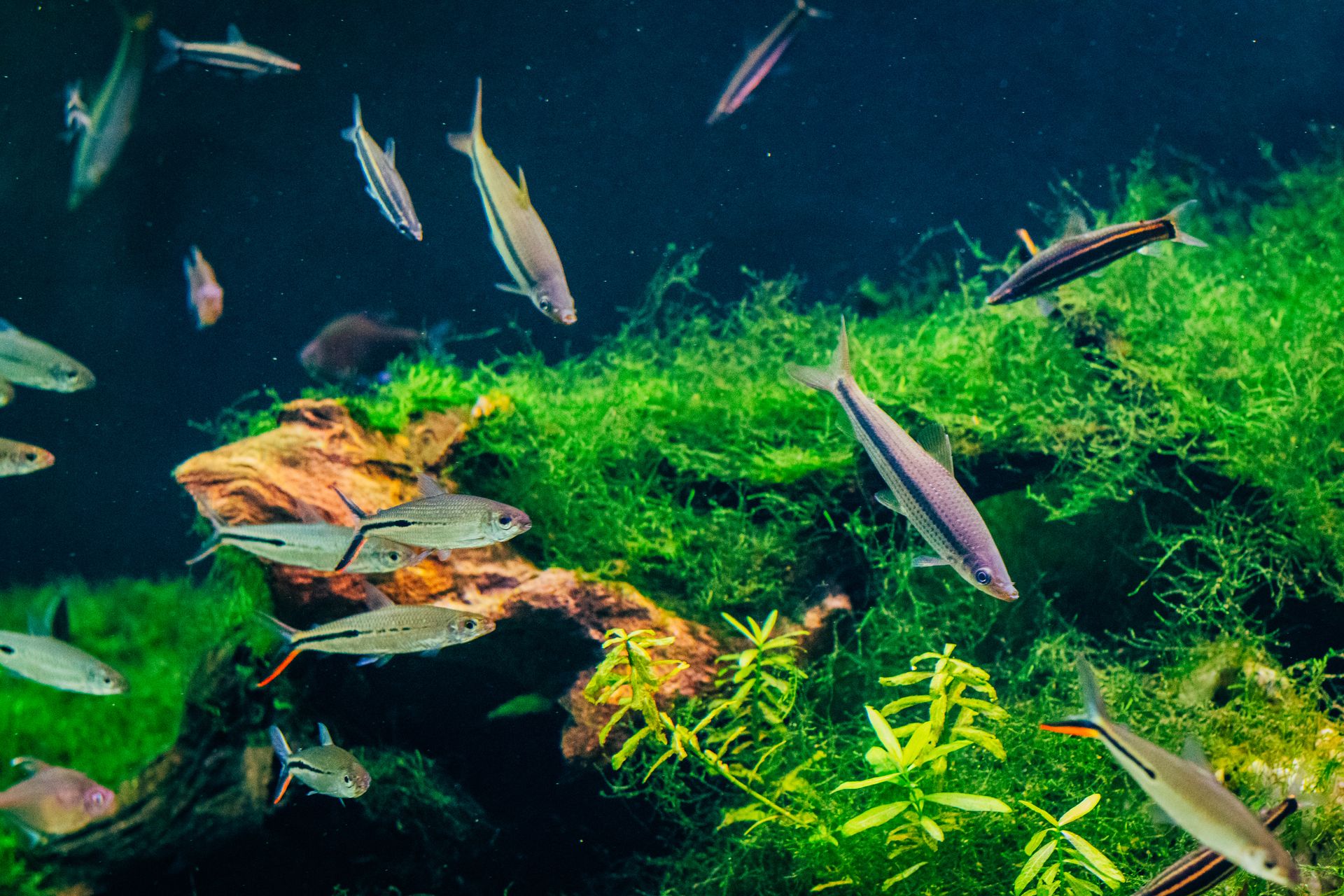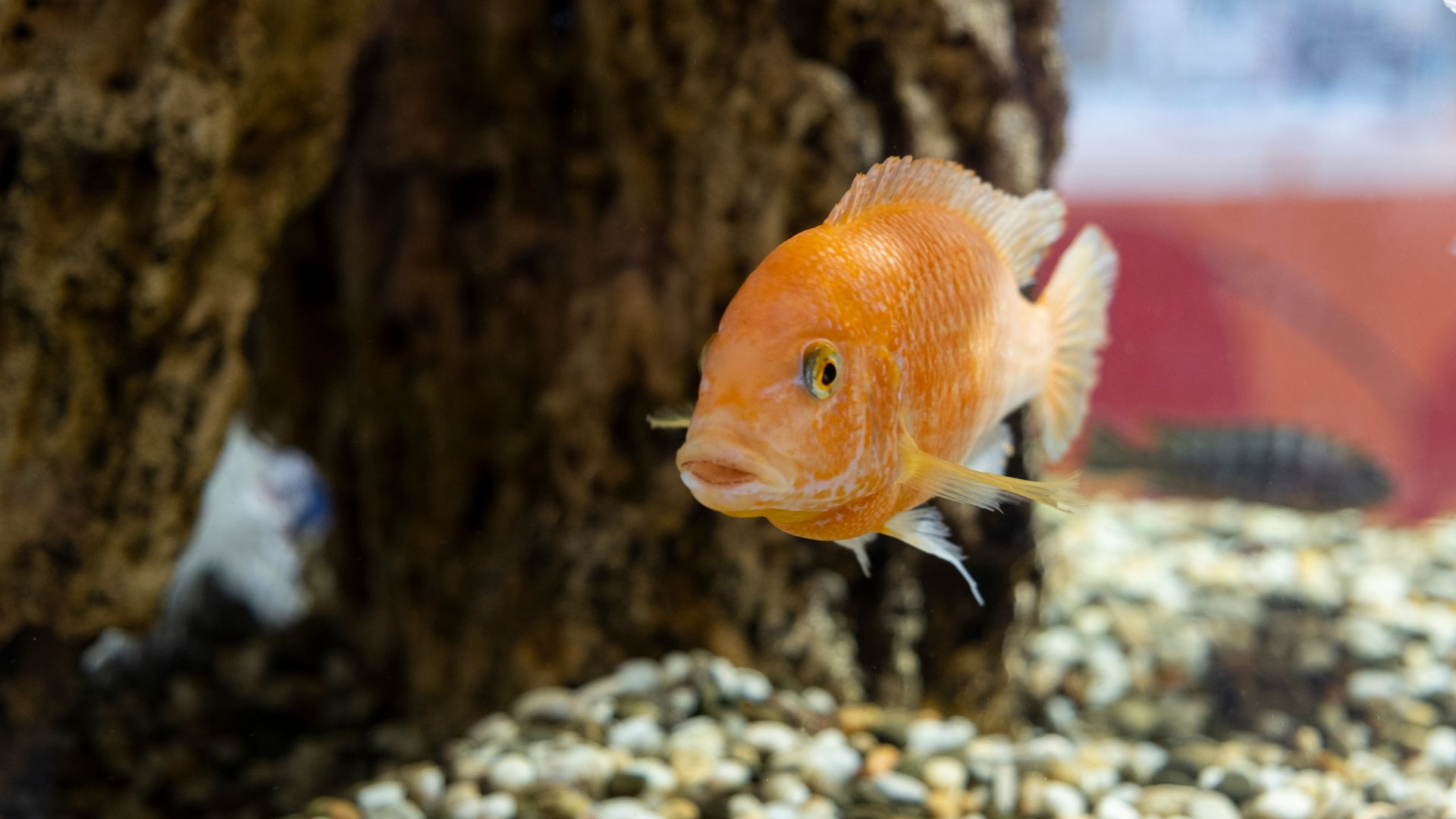
Rasboras are a type of small, peaceful freshwater fish that make great additions to community aquariums.
They are native to Southeast Asia, specifically in the rivers and streams of Indonesia, Malaysia, and Thailand.
Rasboras are relatively small, typically growing to about 1-3 inches in length.
They are easy to care for, requiring a well-maintained tank with plenty of hiding places and open swimming space.
On a similar theme: Small Rasboras
Characteristics and Habitat
Rasboras are found throughout south and southeast Asia, including southeast China, and prefer shallow water and abundant aquatic plant growth.
They mostly inhabit gently flowing forest streams, but also occur in floodplains during the wet season.
The water is often stained brown from tannins released by leaves and other organic matter, and the pH can be as low as 4.0 in some habitats.
Light is often subdued due to overhanging vegetation.
Harlequin rasboras are shiny, and they come in shades of reddish-orange and metallic gold or silver.
The term “harlequin” comes from the black triangle just below their top fin that stretches down their tails and resembles the black triangles on a harlequin costume.
The average length of a harlequin rasbora is 5 centimeters, but the females of the species are often larger and have rounder bodies.
Harlequin rasboras live in freshwater wetland areas such as forest pools, rivers, and streams as well as peat swamps.
The decomposing plants in these areas add biomolecules called tannins into the water, creating the preferred acidic environment for harlequin rasboras.
Harlequin rasboras are happiest in groups of six or more among an abundance of plants.
They need an open area for swimming above and beneath vegetation, as harlequin rasboras prefer to swim near the middle of their habitat.
Related reading: Rasboras Harlequin
Feeding and Care
Rasboras are not picky eaters, and they'll accept a variety of foods, including high-quality flake food, frozen or freeze-dried brine shrimp, and daphnia.
To keep them healthy, feed them small quantities several times a day to prevent overfeeding. Regular water changes and tank maintenance are essential for their well-being.
In the wild, harlequin rasboras primarily eat small invertebrates like crustaceans, insects and insect larvae, and worms.
A mix of live, frozen, and flake foods is the best way to ensure their digestive health.
Housing and Water Requirements
Rasboras need a well-planted aquarium with a capacity of at least 10 gallons to thrive.
To keep them happy, group them in a school of 7 or more, as they are less stressed and show their best colors in a well-decorated aquarium with dark substrate.
A pH between 6.8 and 7.8 is ideal for most aquarium rasboras, with alkalinity levels between 3° and 8° dkH (50 ppm to 140 ppm).
Wild-caught rasboras, on the other hand, prefer a pH of 5.0 to 7.0 and KH between 1° and 3° (20 ppm to 50 ppm).
Maintain a temperature between 75° and 80° F, and use an Aqueon Aquarium Heater if the room temperature drops below 75°.
Regular water changes are crucial, with a 10% change weekly or 25% twice a month using an Aqueon Aquarium Water Changer or Siphon Vacuum Gravel Cleaner.
Before refilling your aquarium, always treat tap water with Aqueon Water Conditioner to ensure the water is safe for your rasboras.
A gentle filter providing a slow-moving current is essential to simulate the natural streams rasboras inhabit in the wild.
A secure lid on the aquarium is also necessary to prevent them from jumping out.
Behavior and Compatibility
Rasboras are peaceful fish that get along well with other peaceful species.
To ensure their well-being, they should be kept in groups of at least six. This is because they are schooling fish and thrive in the company of their own kind.
You can house rasboras with small Tetras, Danios, and Corydoras, which are all non-aggressive species that make great community tank companions.
Rasboras are also compatible with other peaceful fish, such as guppies and platies, but it's essential to introduce them slowly and under close observation to prevent any conflicts.
Some species of rasboras, like the dwarf rasboras in the genus Boraras, are best kept in a species tank due to their small size.
However, if you have a large enough tank, you can also keep them with dwarf freshwater shrimp, which are another peaceful species that rasboras can coexist with.
As with any new fish, it's always a good idea to consult with an aquarium expert before making any additions to your tank.
Here's an interesting read: Dwarf Rasboras
Color and Appearance
Rasboras are known for their striking colors and peaceful nature, making them an excellent choice for community tanks.
Their vibrant appearance is a major draw for aquarium enthusiasts, and it's no wonder why - Rasboras come in a range of colors and patterns, from the Harlequin Rasbora's striking stripes to the Dwarf Rasbora's delicate hues.
The Clown Rasbora, for example, displays a shiny, cherry red hue with two black spots on the side when happy and fully grown, making it a stunning addition to any aquarium.
Some Rasboras, like the Emerald Dwarf Rasbora, have distinctive dark zebra stripes on a light cream-colored body, while others, like the Brilliant Rasbora, have silvery bodies with golden-yellow and black lines that run from the gill plate to the red base of their tail.
Their unique appearance is just one reason why Rasboras are a joy to watch and care for in the aquarium.
Expand your knowledge: Galaxy Rasbora / Celestial Pearl Danio
Color in Freshwater Tanks
Rasboras are a vibrant addition to any freshwater aquarium, known for their striking colors and peaceful nature. They're an excellent choice for community tanks, with several varieties to choose from, including the Harlequin Rasbora, the Scissortail Rasbora, and the Dwarf Rasbora.
Their ease of care and striking appearance make them a joy to watch, and they're a great way to add color and life to your aquatic ecosystem. Rasboras are a delight to behold, with their captivating colors and playful schooling behavior.
In the wild, Rasboras can grow up to 3.5-4 inches in length, but in captivity, most brilliant Rasboras only grow to about 2-2.5 inches. They're a great choice for aquarium enthusiasts of all levels, whether you're a beginner or an experienced aquarist.
Their vibrant colors and peaceful nature make them a great addition to any freshwater tank, and they're compatible with other species, making them an excellent choice for anyone looking to enhance their aquatic world.
Explore further: Rasbora Heteromorpha
A Colorful Addition
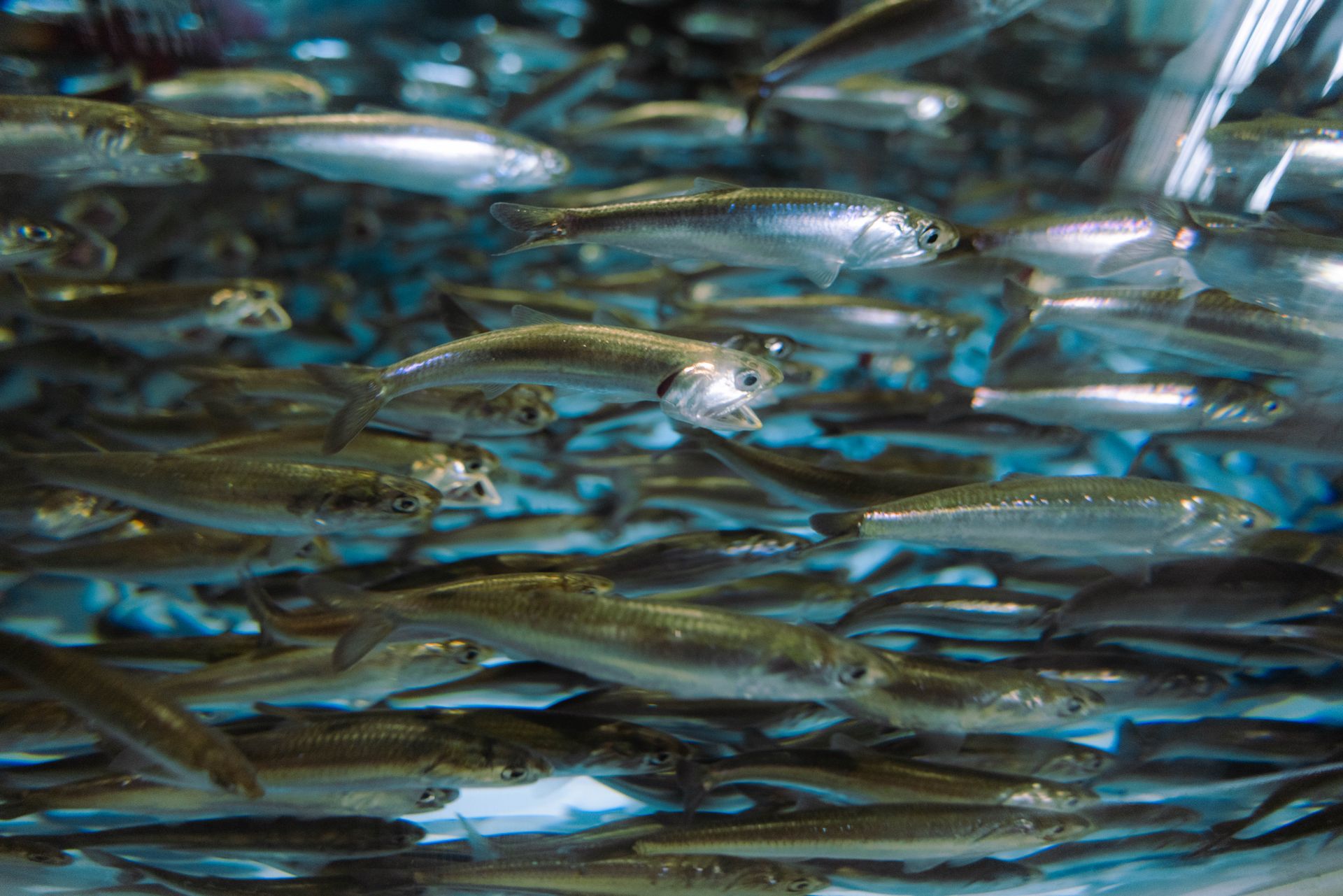
Rasboras are a vibrant addition to any freshwater aquarium, bringing a new level of excitement to your aquatic world.
Their striking appearance makes them a joy to watch, with captivating colors and playful schooling behavior. Whether you're a beginner or an experienced aquarist, Rasboras are sure to bring a new level of excitement to your aquarium hobby.
In the wild, Rasboras are found in Southeast Asian freshwater habitats, where they thrive in well-planted aquariums that mimic their natural habitat. A tank with a capacity of at least 10 gallons is ideal for Rasboras.
They prefer soft, slightly acidic water with a pH between 6.0 and 7.0 and temperatures ranging from 72°F to 82°F. Gentle filtration and subdued lighting will create a comfortable environment for your Rasboras.
Rasboras are peaceful and get along well with other non-aggressive species, making them perfect for community tanks. They are particularly compatible with small Tetras, Danios, and Corydoras.
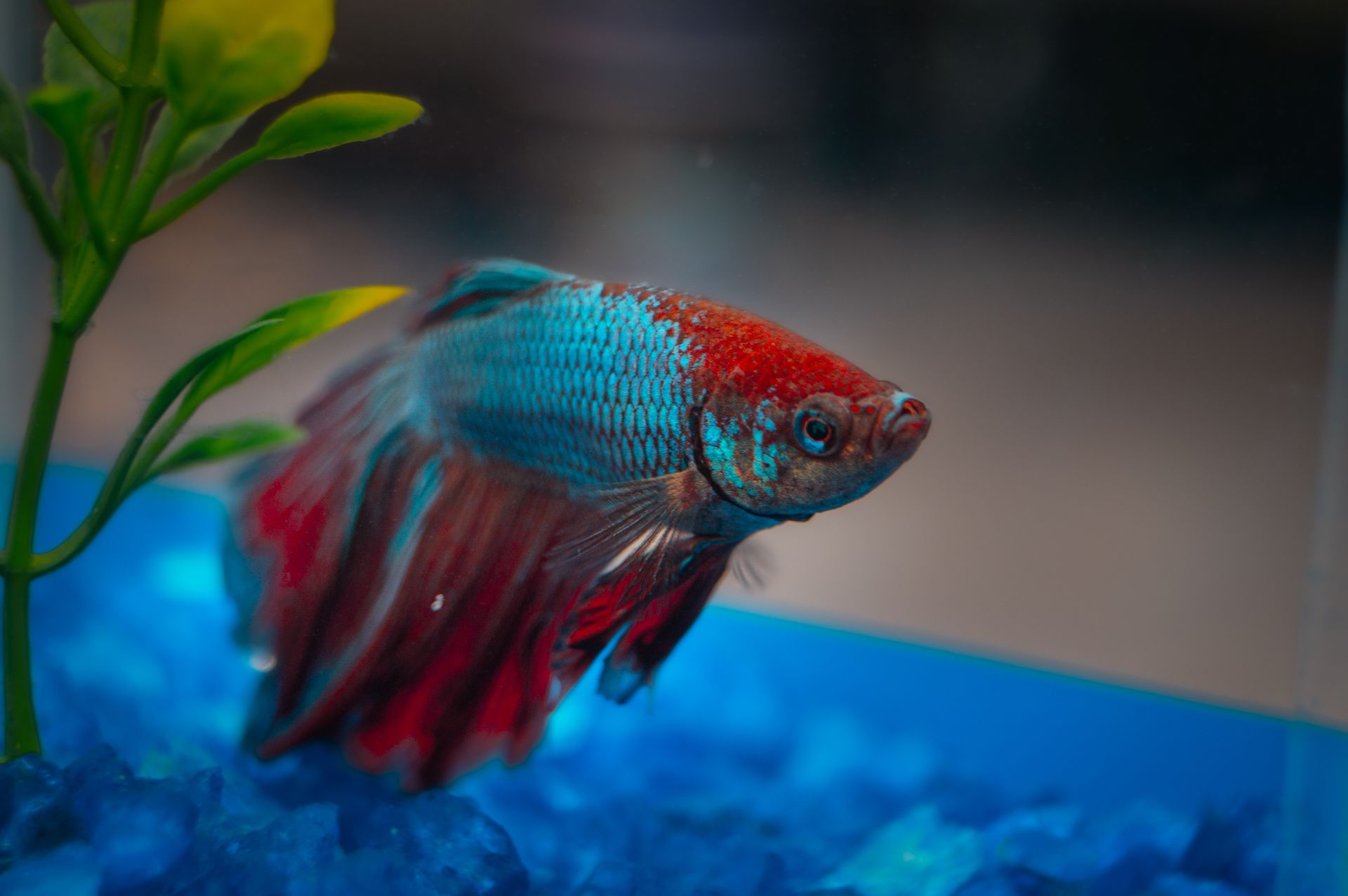
Most species of Rasboras grow to less than 4 inches, making them ideal for small to mid-size aquariums. However, some species like the Galaxy Rasbora can grow up to 1 inch in size and require a school of at least 10-15 individuals to feel safe.
Rasboras are active and hardy, making them good beginner fish for 10-gallon aquariums or larger. They are not picky eaters and like to consume all types of flake, pellet, freeze-dried, frozen, and live foods.
In the wild, Rasboras are found swimming amongst dense vegetation and leaf litter, so they prefer acidic pH below 7.0, 72–79°F (22–26ֻ°C), and soft to moderate hardness.
You might like: Harlequin Rasboras Tank Size
Breeding and Diet
Rasboras are relatively low-maintenance fish, but they do require a varied diet to thrive. Most rasboras feed on small insects, zooplankton, worms, and tiny crustaceans in nature.
To replicate their natural diet in an aquarium, you can feed them Aqueon Tropical Flakes, Color Flakes, Tropical Granules, and Shrimp Pellets. For smaller species, crush dried foods to match their mouth size.
Feeding rasboras is a bit like feeding kids - they'll eat what they can, when they can. To avoid overfeeding, feed them only what they can consume in 2 to 3 minutes, once or twice a day.
Life Cycle
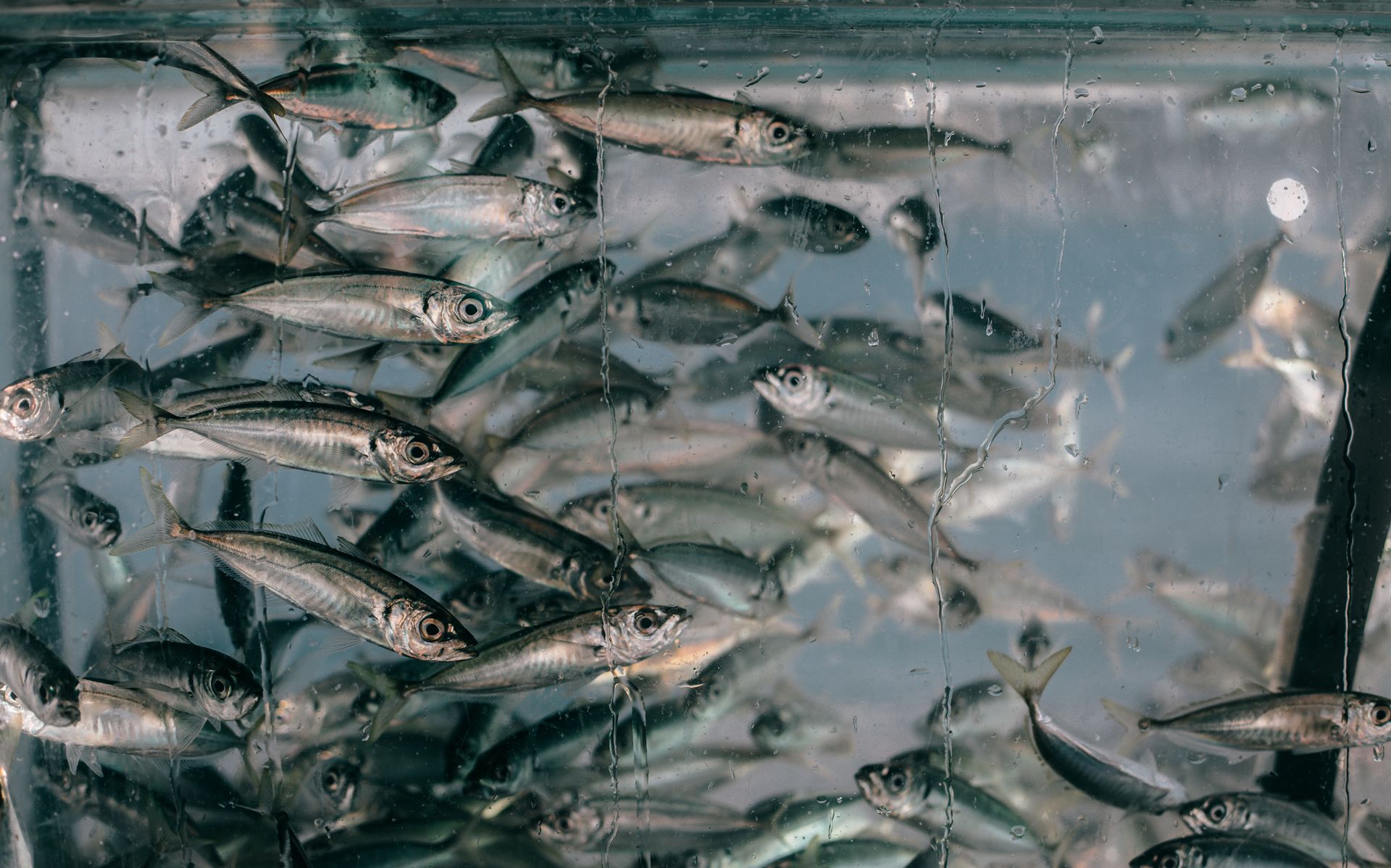
Harlequin rasboras have a unique breeding method where the female swims upside down and rubs her belly on a leaf to catch the attention of a male. She then attaches her sticky eggs to the underside of the leaf, and the male fertilizes them immediately.
Female harlequin rasboras typically lay 6 to 12 eggs at a time, with a maximum of 100 eggs in total. Unfortunately, the parents often eat the eggs they just spawned and fertilized.
The eggs have a short incubation period and usually hatch in about 18 hours. After hatching, the larvae stay on the leaf for 12 to 24 hours while they finish digesting their yolk sacs.
Harlequin rasboras prefer acidic, soft water, and may not breed at all if the water is too alkaline or too hard. If they do spawn eggs in harder or more alkaline water, the eggs are often infertile.
Readers also liked: Purple Harlequin Rasboras
Their Diet
Rasboras are micro-predators that feed on small insects, zooplankton, worms, and tiny crustaceans in nature.
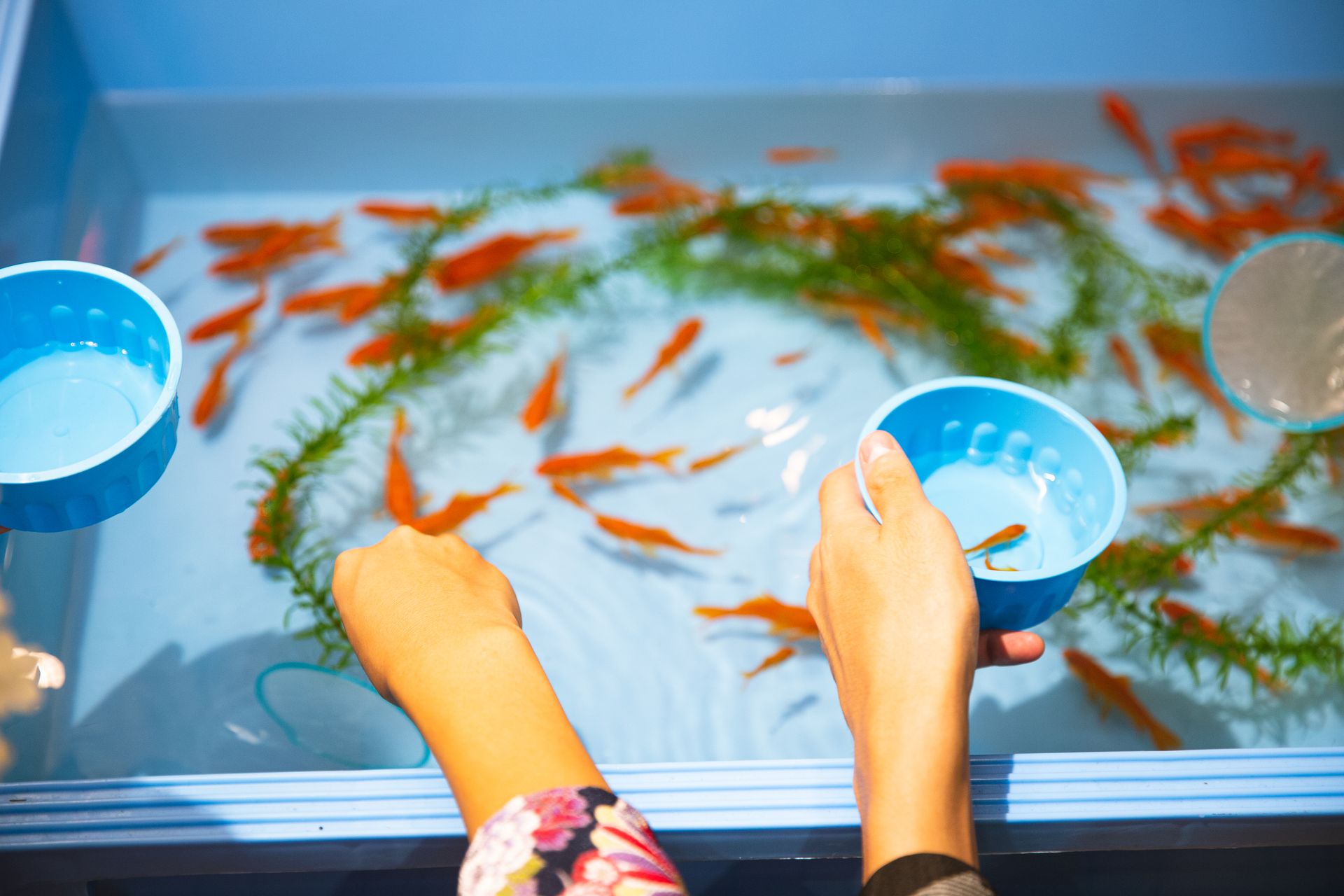
They thrive on a variety of commercial foods, including Aqueon Tropical Flakes, Color Flakes, Tropical Granules, and Shrimp Pellets.
For extremely small species, crush dried foods to match their mouth size, a simple trick that's saved me from fin-nipping and other issues.
Frozen and live foods can also be fed as treats or to help induce spawning, a great way to mix things up and keep your rasboras interested.
To avoid overfeeding, rotate their diet daily and feed only what they can consume in 2 to 3 minutes, once or twice a day.
Difficult Breeding Level
Breeding rasboras can be a challenging task, especially for beginners. Most rasbora species are egg scatterers, meaning they release their eggs among plants and don't provide any care for their young.
Some species, like the harlequin and lambchop rasboras, are exceptions and attach their eggs to the underside of plant leaves. This unique behavior requires a well-planted aquarium to mimic their natural habitat.
Healthy adult rasboras can produce young without any assistance from the aquarium owner, but this often requires a mature and well-maintained aquarium.
Frequently Asked Questions
How many rasboras are in a 10 gallon?
For a 10-gallon tank, a group of 10 chili rasboras is a suitable and visually impressive number.
How big do rasbora fish get?
Rasbora fish typically grow to 2 inches or less in length, making them a great choice for small to mid-size aquariums.
Featured Images: pexels.com