Reptiles are incredibly diverse, with over 10,000 known species spread across the globe. This staggering number is a testament to the complexity and richness of reptile taxonomy.
The process of classifying reptiles into different groups is called taxonomy, and it's a crucial tool for scientists and conservationists alike. By understanding the relationships between different species, we can better protect and preserve these incredible creatures.
Reptiles are divided into several major groups, including turtles, crocodilians, lizards, and snakes. Each group has its unique characteristics and characteristics that set it apart from the others.
See what others are reading: How Are Insects Different from Reptiles?
Reptile Taxonomy
Reptile taxonomy is a complex and ever-evolving field, with new species being discovered and named all the time. The International Commission on Zoological Nomenclature (ICZN) governs the rules for naming species, which can be a bit confusing.
Taxonomists choose a name for a species based on its characteristics, and if a species is new, it's usually placed in a genus that it closely resembles. The name is usually given in Latin and describes the species' characteristics.
For more insights, see: Which of These Characteristics First Developed in Reptiles?
The ICZN has strict rules for naming species, and taxonomists must consider synonyms when changing a name. Synonyms are names that were previously given to a genus or species by taxonomists who either changed a name or described a species that they didn't know had already been described.
The oldest valid synonym should be used, and taxonomists must be able to find the original specimen preserved in a museum or university collection to make sure they're dealing with the same species.
Taxonomists can't name new species after themselves, but another taxonomist can name it after them. If a subspecies is found to be different enough to be elevated to full species status, the species name is dropped and the subspecies name becomes the species name.
The diversity of reptiles is staggering, with 82 families, 1,131 genera, and 9,546 species. Most families and genera consist of few species, while very rich lineages are rare. This distribution of diversity is constant across all reptiles, and it's not affected by taxon richness.
Here's a breakdown of the diversity of reptiles:
This table shows the diversity of reptiles, with the number of families, genera, and species for each group. Squamata, which includes lizards, snakes, and amphisbaenians, is the most diverse group, with 64 families, 1,028 genera, and 9,193 species.
Lizards
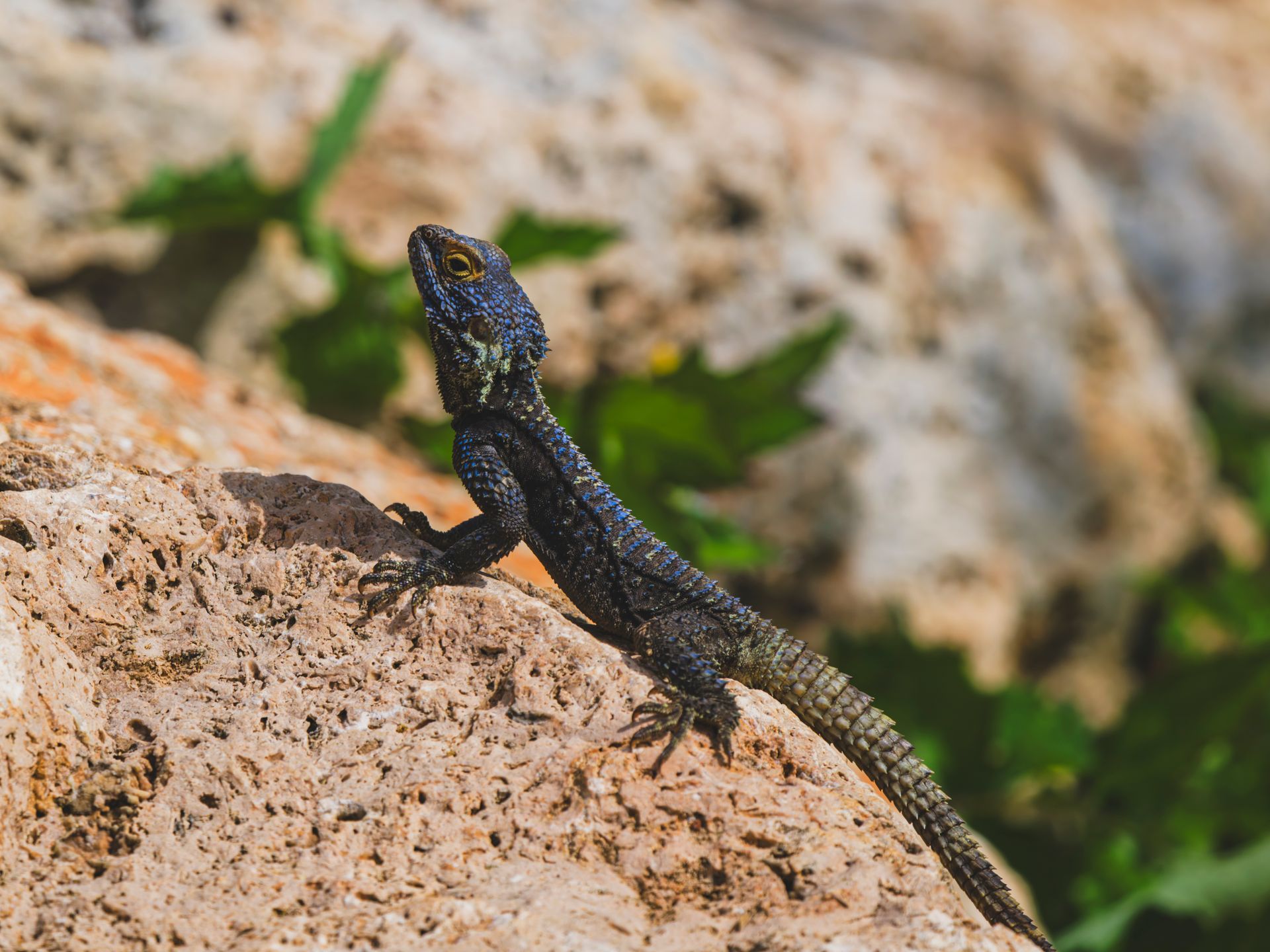
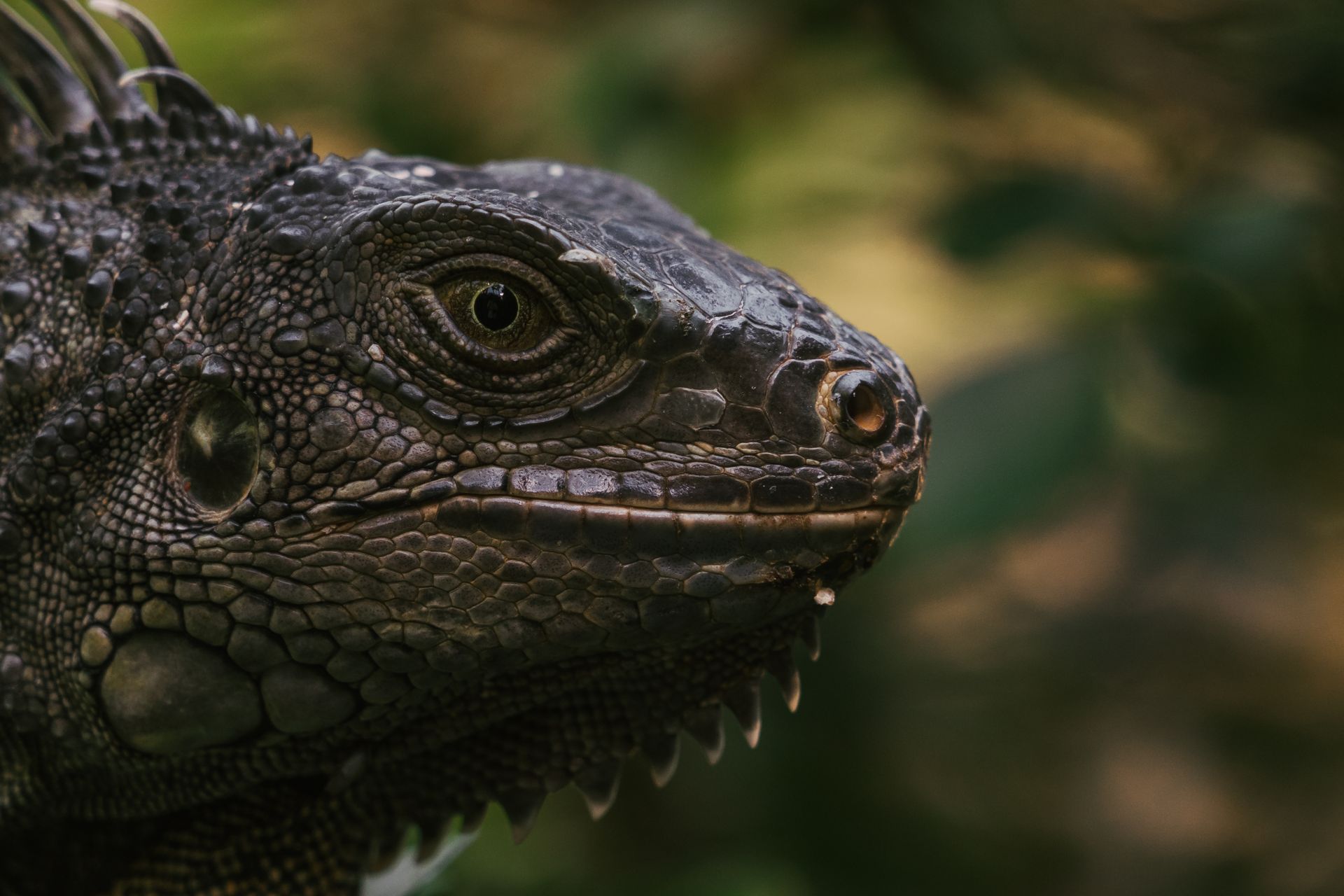
Lizards are a diverse group of reptiles that belong to the superorder Lepidosauria, which also includes Rhynchocephalia. This group is characterized by overlapping scales.
The Lepidosauria is a monophyletic group, meaning it contains all descendants of a common ancestor. This is an important concept in understanding the relationships between different groups of reptiles.
There are several families of lizards, including the Agamidae, which includes the Agamas, and the Chamaeleonidae, which includes the Chameleons. Both of these families are part of the superfamily Iguania.
Here's a breakdown of some of the families of lizards:
The Scincomorpha superfamily includes a wide range of lizards, including the Spinytail Lizards (Cordylidae), Plated Lizards (Gerrhosauridae), and Skinks (Scincidae). These lizards are found in a variety of habitats, from deserts to forests.
Some lizards, like the Chameleons, are highly specialized and have distinctive features such as parrot-like feet and the ability to change color. There are approximately 160 species of Chameleons, making them one of the most diverse groups of lizards.
Snakes
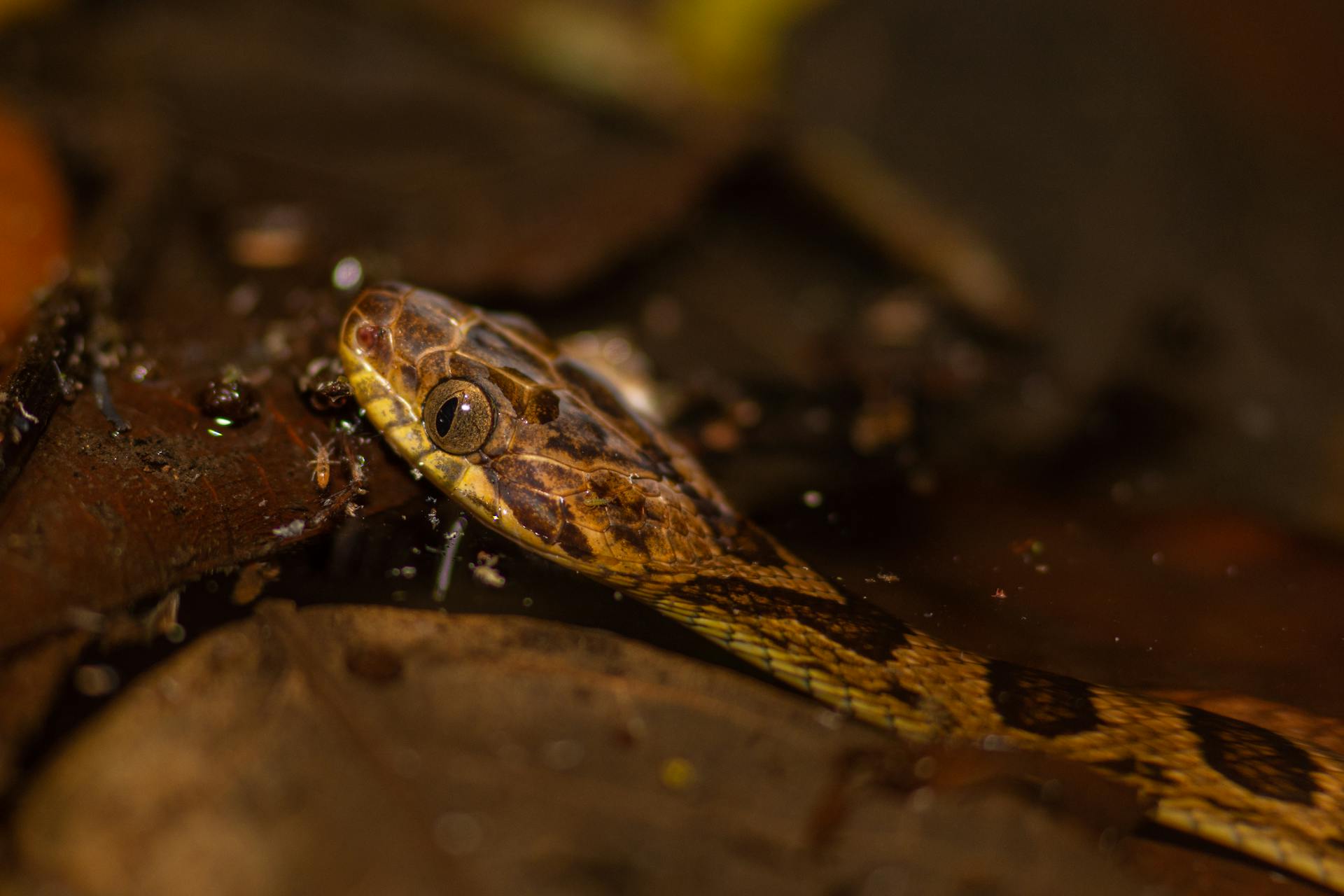
Snakes are a diverse group of reptiles, with over 3,000 species found on every continent except Antarctica.
The Superfamily Pythonoidea s.l. includes pythons and their relatives, according to Vidal and Hedges' (2009) study on the molecular evolutionary tree of lizards, snakes, and amphisbaenians.
Ratsnakes, part of the genus Elaphe, are highly variable and have undergone significant changes in their classification.
The Elaphe obsoleta complex has been revised, with three new species designations proposed: Elaphe obsoleta for snakes west of the Mississippi River, Elaphe spiloides for those east of the Mississippi but west of the Appalachian Mountains, and Elaphe alleghaniensis for those east of the Appalachians and the Apalachicola River.
Colubroidea
Colubroidea is a superfamily of snakes that is quite diverse, with many different families and subfamilies. It includes some of the most well-known snakes in the world, like the colubrids.
One of the most interesting things about Colubroidea is its revised classification, which was done after Zaher et al. in 2019. This means that some of the families we used to think were part of Colubroidea are now considered to be part of other superfamilies.
Some of the families that are part of Colubroidea include the Colubridae, which is one of the largest families of snakes and includes many harmless species. Another family is the Atractaspididae, also known as the Mole Vipers, which are venomous snakes that are found in Africa and the Middle East.
Here are some of the families that are part of Colubroidea:
- Family Colubridae (Colubrids)
- Family Atractaspididae (Mole Vipers)
- Family Elapidae (includes the superfamily Elapoidea and several subfamilies)
- Family Aniliidae/Ilysiidae (Pipe Snakes)
- Family Bolyeriidae (Round Island Boas)
- Family Homalopsidae
- Family Pareidae (was Pareatidae)
- Family Tropidophiidae (Dwarf Boas)
- Family Viperidae (Vipers and Pit Vipers)
- Family Xenodermidae (was Xenodermatidae)
- Family Xenophidiidae
Pipe Snakes and Shield-Tailed Snakes
Pipe snakes and shield-tailed snakes are part of the superfamily Uropeltoidea s.l. They can be found in various families, including Anomochilidae, Cylindrophiidae, and Uropeltidae.
The family Anomochilidae is home to the dwarf pipe snakes, which are a type of pipe snake. Pipe snakes are known for their unique, cylindrical bodies.
The family Uropeltidae consists of the shield-tail snakes, which are characterized by their distinctive shield-like tails.
Here's a brief rundown of the three families of pipe snakes and shield-tailed snakes:
These snakes are all quite fascinating, and each has its own unique characteristics and habitats.
Crocodilians
Crocodilians are a group of mostly large, predatory, semiaquatic archosaurian reptiles.
These reptiles are classified into three main families: Gavialidae, Alligatoridae, and Crocodylidae.
Pelomedusoidea
Pelomedusoidea is a fascinating superfamily that includes some unique turtle species. The Pelomedusoidea superfamily is comprised of two main families: Pelomedusidae and Podocnemididae.
One of the most interesting things about Pelomedusidae is that they are also known as Afro-American Sideneck Turtles.
These turtles are found in Africa and the Americas, and are characterized by their distinctive side-necked posture.
Podocnemididae, on the other hand, includes the Madagascan Big-headed and American Sideneck River Turtles.
These turtles are found in Madagascar and the Americas, and are known for their large heads and river-dwelling habits.
Here's an interesting read: Which Era Is Known as the Age of Reptiles?
Crocodylia - Crocodiles
Crocodylia, also known as Crocodylia, is an order of mostly large, predatory, semiaquatic archosaurian reptiles, known as crocodilians.
There are three main families of crocodilians. Here are a few of them:
- Family Gavialidae
- Family Alligatoridae
- Family Crocodylidae
Taxonomy and Phylogeny
Taxonomy is the classification of living organisms based on their evolutionary relationships to each other. The first goal in humanity's quest to catalog and name all living things was to devise a naming system that would reflect the relationship between organisms.
The first highly successful method was devised by Carolus Linnaeus in the mid-1700s, and this is the method that is still in use today. Linnaeus devised a hierarchical system of classification, with all life classified into a series of categories or "taxa" (plural of taxon).
These taxa, in descending series from most inclusive to least inclusive, are as follows:
• Kingdom
• Phylum
• Class
• Order
• Family
• Genus
• Species
The highest taxon – kingdom – includes, for instance, all animals (or plants or bacteria). Phylum separates the animals with spinal cords from the insects. Class separates the reptiles from other animals with backbones (mammals or birds).
A general picture of the richness distribution of diversity along the reptilian phylogeny is presented in Figure 1. The phylogenetic organization of the data was based on a composite family-level tree encompassing the entire class Reptilia, which was assembled from recent phylogenetic hypotheses presented for lizards in general, snakes, turtles, and crocodilians.
The phylogenetic relationships among these major groups have been reported in a number of other studies (e.g., [3], [79]–[82]). Among these phylogenetic-based taxonomic decisions, the separation of the genus Anolis into eight different genera requires further validation, and we comply to the traditional view that maintains these genera names under Anolis.
In contrast, the separation of the family Polychrotidae into Polychrotidae for the genus Polychrus, and Dactyloidae for the genus Anolis is followed. The high-level classification of skinks (Reptilia, Squamata, Scincomorpha) is presented in Superfamily Scincomorpha (phylogeny after Hedges 2014), with four families: Cordylidae (Spinytail Lizards), Gerrhosauridae (Plated Lizards), Scincidae (Skinks), and Xantusiidae (Night Lizards).
A further analysis shows that 50% of the world’s reptile species diversity is accounted for by only 93 genera (8.2% of all reptile genera, all of them squamates), whereas the remaining 50% of the species are spread across the other 1,038 genera.
Taxonomic Analysis
Reptile taxonomy is a complex and fascinating field, with a wide range of species and genera to explore. The reptile family tree is made up of 82 families, 1,131 genera, and 9,546 species.
The distribution of species within genera is highly skewed, with most genera consisting of only a few species. In fact, the frequency distribution of species per genus is right-skewed, with a few genera having many species and most having very few.
The majority of reptile species diversity is concentrated in the Squamata clade, which includes lizards and snakes. This clade accounts for 98% of reptile diversity, with lizards and snakes making up the bulk of it.
How Taxonomic Names Are Chosen
Taxonomic names are chosen based on a set of rules governed by the International Commission on Zoological Nomenclature (ICZN).
Taxonomists choose a name based on the characteristics of the species, usually in Latin. They often place a new species into a genus that closely resembles it.
If a taxonomist discovers a species that has been previously described, they must consider the synonyms, or previous names, given to it. Synonyms can come from taxonomists who changed a name or described a species that was already known.
The oldest valid synonym is used when changing a name. This is why Notker Helfenberger consulted the literature and found that the ladder ratsnake was first described as Coluber scalaris.
To verify a name change, taxonomists need to find the original specimen, or type specimen, preserved in a museum or university collection. Maintaining these collections is crucial for accurate taxonomic analysis.
Taxonomists cannot name new species after themselves, but another taxonomist can name it after them. This is why Notker Helfenberger was able to name a new species after another taxonomist, Coelognathus helena.
If this caught your attention, see: Reptiles of New Zealand
Results
There are 82 families of reptiles, with a total of 9,546 species. The Squamata group, which includes lizards and snakes, accounts for 98% of reptile diversity.
Most reptile diversity is concentrated in the Squamata group, with 93 genera accounting for 50% of global reptile diversity. These 93 genera are all squamates, with 92 of them being lizards or snakes.
The number of species per genus in a family is not directly correlated with the number of genera per family. However, the number of genera is proportional to the number of species per family in all major reptile groups.
Historical rates of newly described species for the three squamate groups (lizards, snakes, and amphisbaenians) are similar, while these rates differ importantly from those found in turtles and crocodilians.
The rates of species descriptions of amphisbaenians have increased importantly over the last three decades, suggesting that a more intense search for secretive species coupled with modern techniques for taxonomic inference may reveal new species of amphisbaenians.
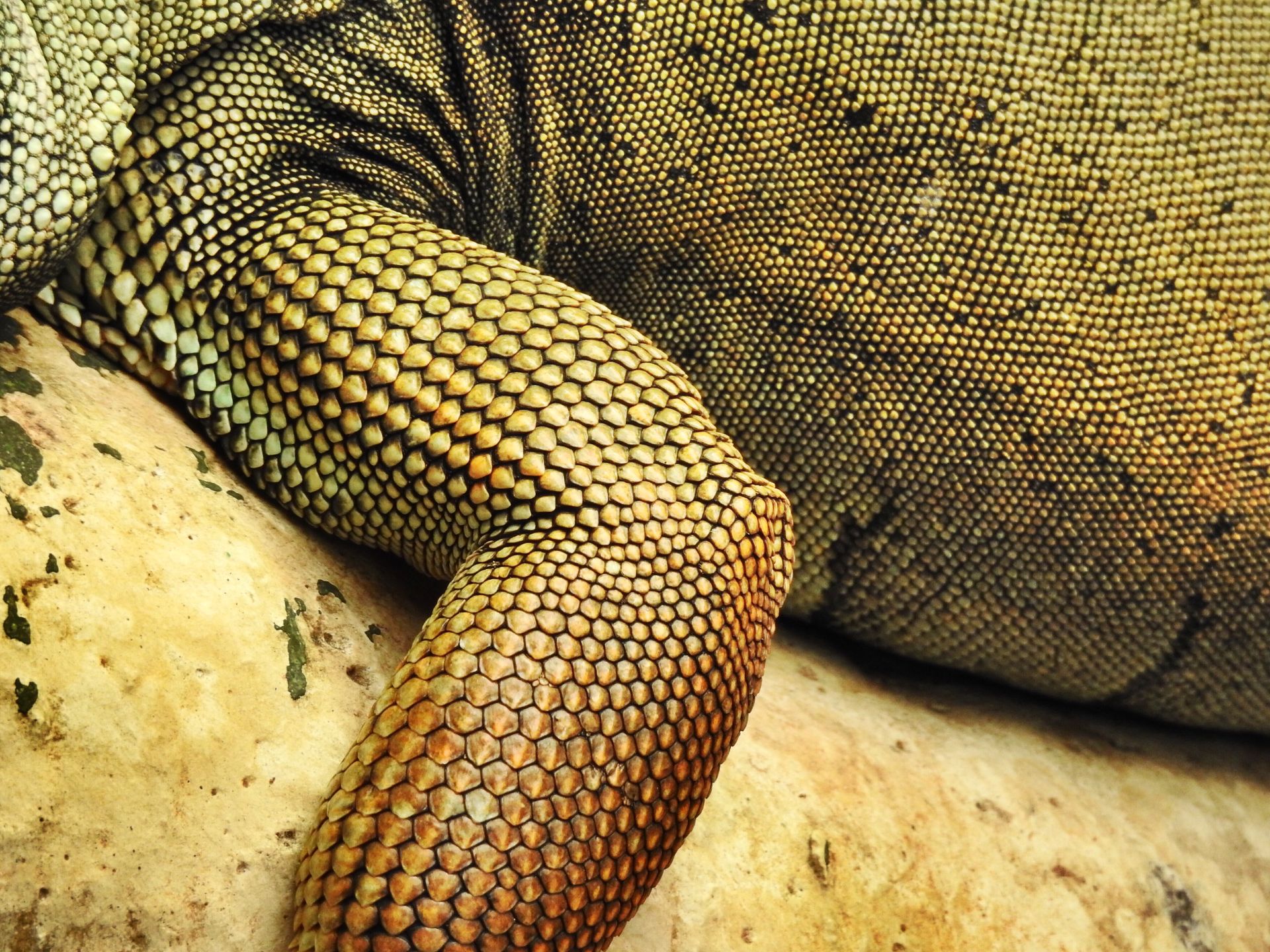
The Squamata group is the most diverse group of reptiles, with a 98% concentration of reptile diversity. This group includes lizards and snakes, which account for 93% of reptile diversity.
The number of species per genus in a family is not directly correlated with the number of genera per family. However, the number of genera is proportional to the number of species per family in all major reptile groups.
The reptile diversity is distributed in a way that most families and genera consist of few genera and species, respectively, while very rich lineages are rare.
Here's a breakdown of the number of species per family in the different reptile groups:
Classification and Species
There are more than 8,200 living species of reptiles, with the majority being snakes or lizards. They are commonly placed in four different orders.
The four orders are described below:
A subspecies is a population that reproduces with another population where their ranges overlap, such as the eastern kingsnake and the Florida kingsnake.
What Is a Species?
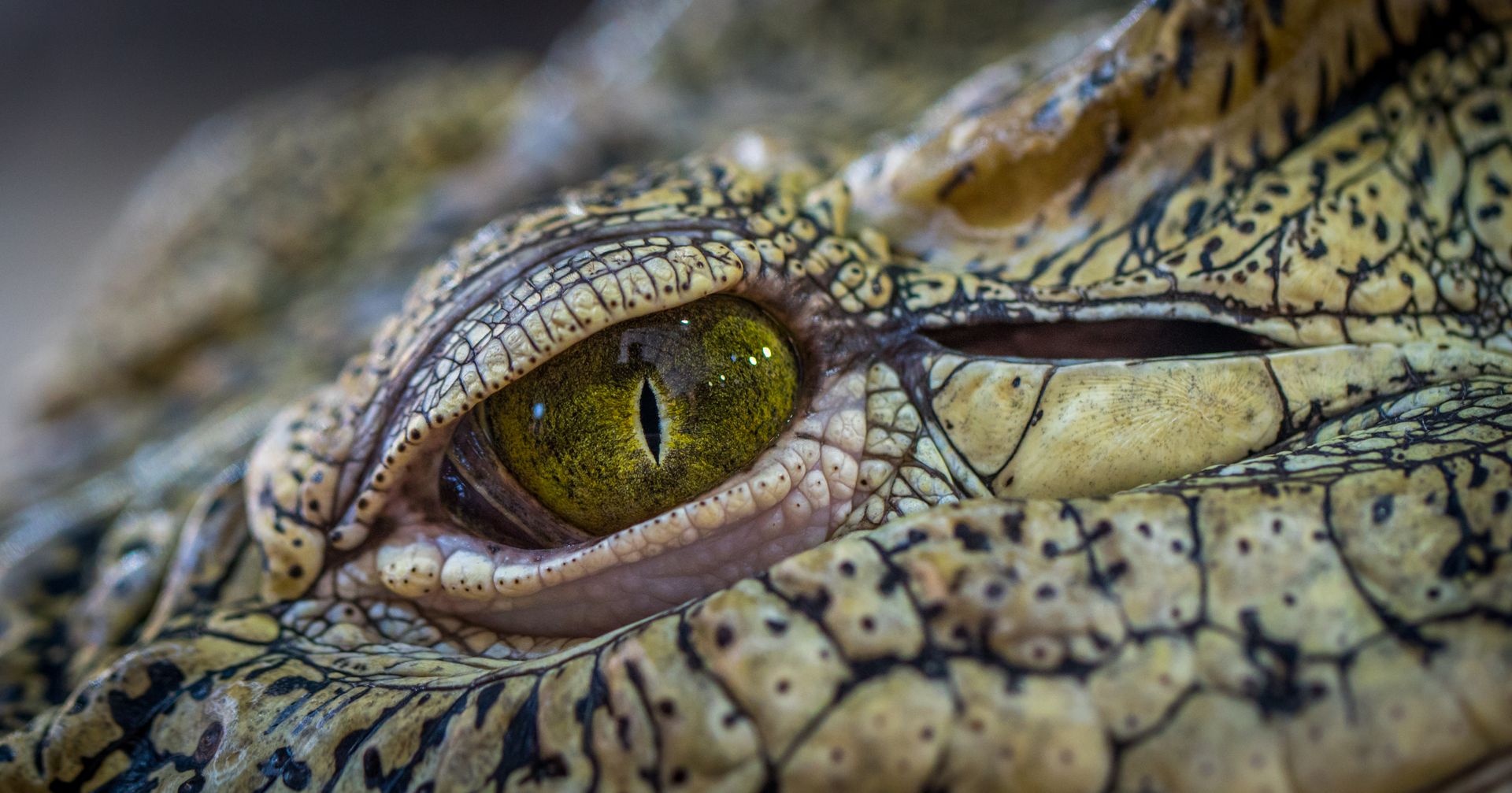
A species is defined as a group of naturally reproducing populations that are reproductively isolated from other populations. This isolation can be due to geographical or physiological factors.
The biological species concept is the most commonly used criteria for defining a species, and it's based on the idea that populations within a species don't interbreed with populations of a different species. This means that even if two species have overlapping ranges, they won't produce offspring together.
A good example of this is the eastern kingsnake and the Florida kingsnake, which are considered subspecies of the same species. They can interbreed where their ranges overlap, producing a population that's intermediate between the two subspecies.
The Great Plains ratsnake is a good test case for the biological species concept. It was previously considered a subspecies of the cornsnake, but has since been elevated to full species status.
The cornsnake and the Great Plains ratsnake are very similar in appearance and can hybridize readily in captivity. However, the Mississippi and Ohio rivers form a geographical barrier between the two species.
On a similar theme: What Reptiles Make Good Pets
Species Descriptions
As of 2012, the world's known diversity of living reptiles has reached 9,546 species, with squamates (lizards, snakes, and amphisbaenians) making up 96.3% of that total.
The remaining 3.7% is comprised of crocodilians, turtles, and the tuatara, with only one tuatara species recognized in 2012.
The number of reptile species has increased by 1,680 since 2000, with a rate of increase of 1.6% per year for reptiles in general.
This increase is largely due to the addition of 1,647 new squamate species, which represents a 21.8% increase in this group.
Among squamates, lizards have seen the largest increase, with 1,164 new species added since 2000, a 26% increase.
Snakes have also experienced a significant increase, with 458 new species added, a 15.7% increase.
The tuatara, on the other hand, has seen a decline in taxonomic richness, with only one species recognized in 2012, down from two in the past.
The Reptile Database has been used to compile historical records of species descriptions, providing valuable insights into the patterns of species discovery over time.
Since 1758, the year of the first species named by Linnaeus, the number of reptile species has continued to grow, with a notable increase in species descriptions in recent years.
The historical trends of species descriptions have been plotted for all reptiles, as well as for each major reptile group, providing a comprehensive understanding of the patterns of species discovery.
Classification of
Classification is a way to group living things based on their characteristics and traits. There are more than 8,200 living species of reptiles, with the majority being snakes or lizards.
Reptiles are commonly placed in four different orders: Crocodilia, Sphenodontia, Squamata, and Testudines. These orders are described in the table below.
Some reptiles, like crocodiles, have four sprawling legs that can be used to gallop.
Archosauria
Archosauria is a group of diapsid amniotes that includes some pretty fascinating creatures. This group is made up of birds and crocodilians, which are still alive today.
Birds and crocodilians are the living representatives of the Archosauria group.
Extinct dinosaurs and their relatives, as well as pterosaurs, are also part of this group. They may be gone, but they're still an important part of our understanding of reptile taxonomy.
Here's a list of the types of lists you can find within the Archosauria group:
- Lists of animals
- Lists of vertebrates
- Lists of reptiles
- Taxonomic lists (genera, taxonomic)
Introduction and Methods
Reptile taxonomy is a complex and ever-evolving field of study. The classification of reptiles has been a subject of ongoing research and debate for centuries.
The International Union for Conservation of Nature (IUCN) is a leading authority on reptile taxonomy. Its Red List of Threatened Species provides a widely accepted framework for categorizing reptiles by their conservation status.
Reptile taxonomy involves the use of various characteristics, including skeletal and morphological features. The study of these characteristics helps scientists to identify and classify reptiles into different groups.
The most widely used classification system for reptiles is the Linnaean system, which divides them into seven orders: Crocodilia, Rhynchocephalia, Squamata, Testudines, Rhynchocephalia, Lepidosauria, and Sauria.
Readers also liked: Circulatory System Reptiles
Table 2. Top Ten Richest Generations
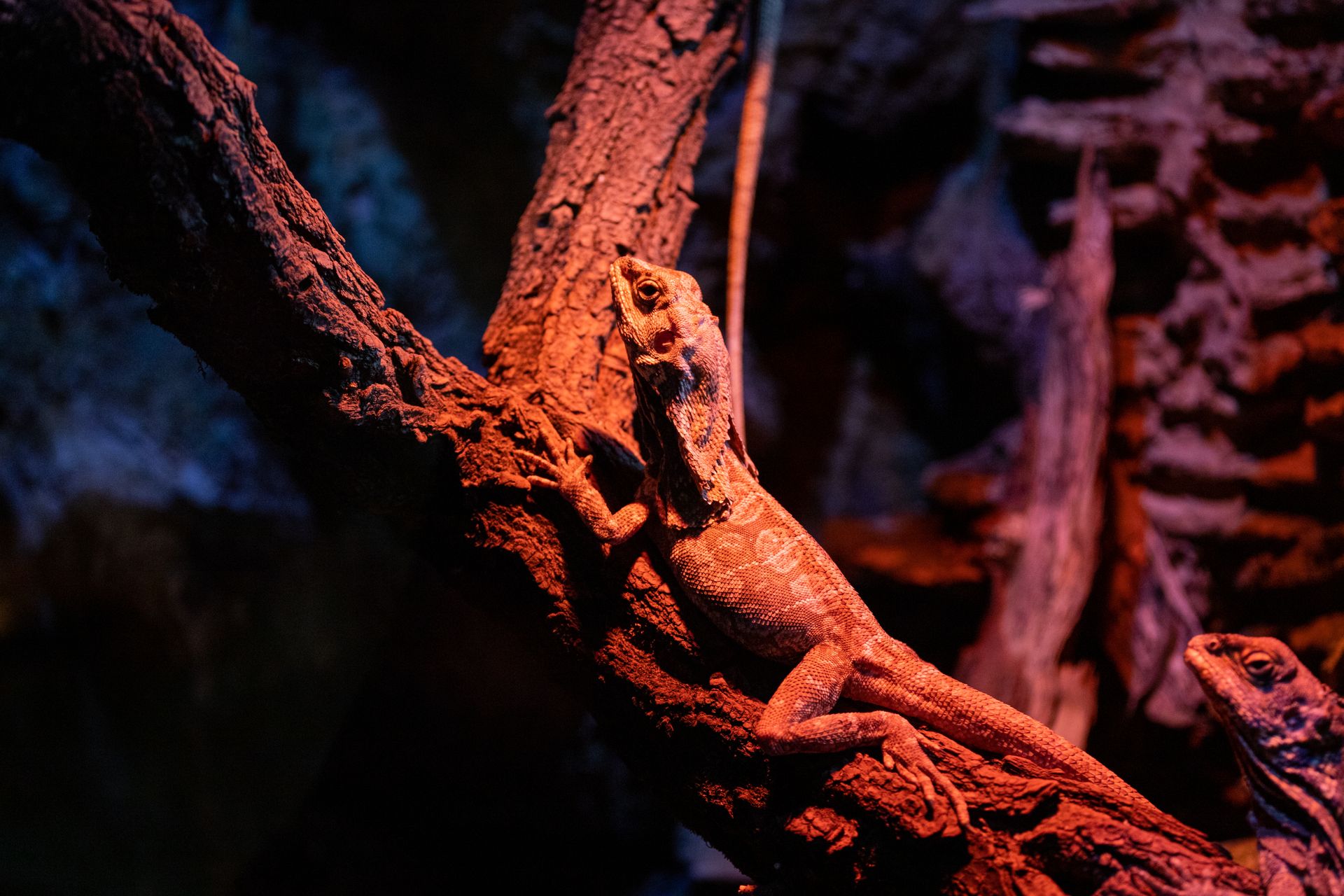
The top ten richest genera of reptiles are a fascinating group, and according to Table 2, they are dominated by lizards. Anolis is the richest genus with 384 species, followed closely by Liolaemus with 223 species.
Liolaemus, a genus of lizards, is particularly interesting, with 223 species. This genus is part of the Liolaemidae family.
The top ten richest genera of reptiles are mostly lizards, with only one genus of amphisbaenians and five genera of snakes. The remaining four genera are also lizards.
Here are the top ten richest genera of reptiles, as listed in Table 2:
Frequently Asked Questions
What are the 7 classifications of reptiles?
Reptiles are classified into seven groups: Lepidosauria (lizards and snakes), Rhynchocephalia (tuatara), Testudines (turtles), Archosauria (including dinosaurs and birds), and three subgroups within Archosauria: Crocodilia, Dinosauria, and Aves. Understanding these classifications can provide valuable insights into the evolution and diversity of reptiles.
What are the 5 subclasses of reptiles?
The four living clades of reptiles are Crocodilia, Sphenodontia, Squamata, and Testudines, which encompass various species of crocodiles, tuataras, lizards, snakes, and turtles. These clades are often referred to as the main subclasses of reptiles.
Featured Images: pexels.com