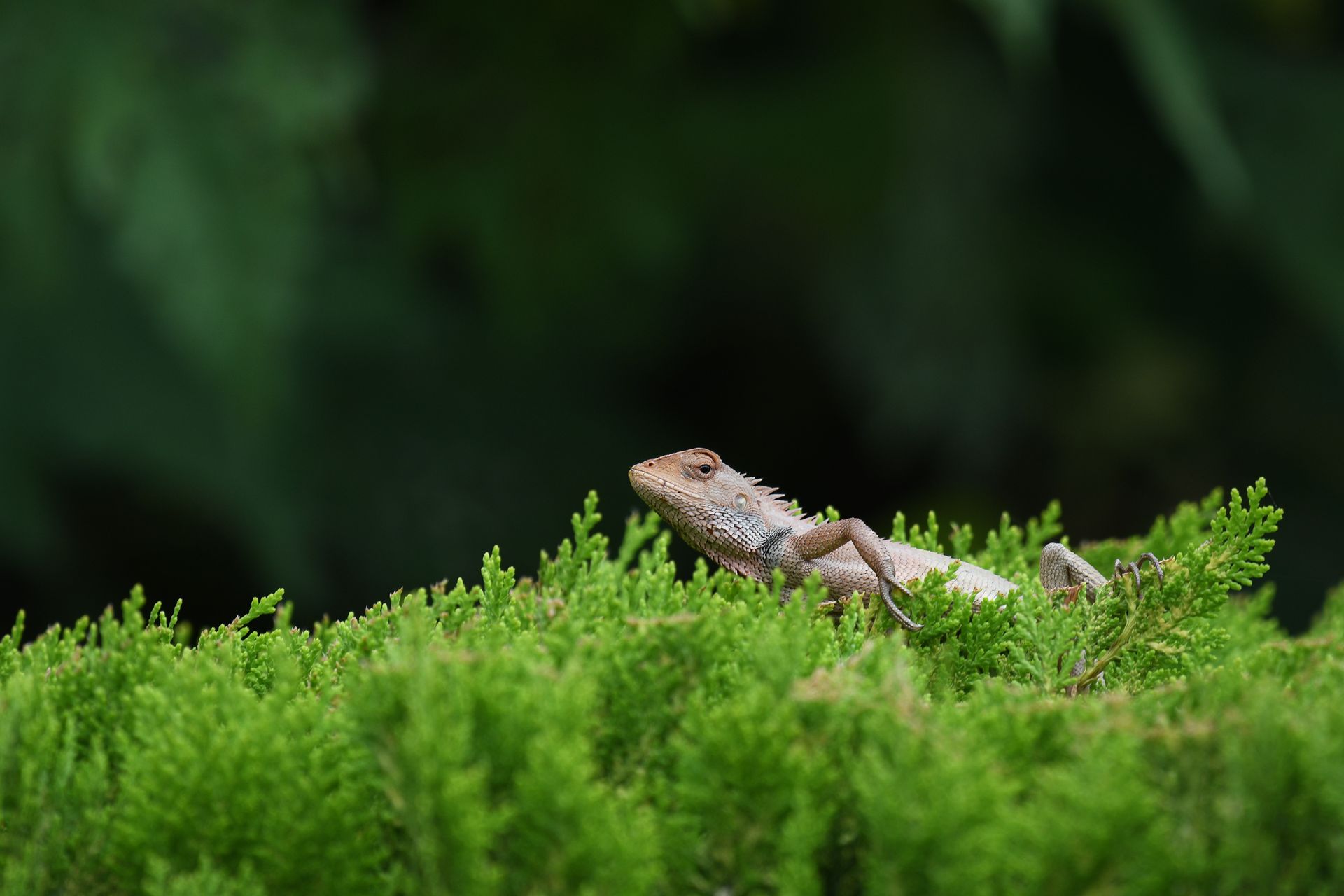
If you're new to the world of reptile ownership, don't worry - there are plenty of beginner-friendly options out there.
Bearded dragons are a popular choice for beginners, as they're relatively easy to care for and can thrive in a well-ventilated enclosure with a heat source.
They're also quite docile and can be handled regularly, making them a great pet for those who want to interact with their scaly friends.
Some species of geckos, such as the leopard gecko, are also great for beginners, requiring minimal space and care.
They're nocturnal, so they're happy to sleep during the day, and their small size makes them perfect for a small terrarium.
Leopard geckos are also quite hardy and can tolerate some mistakes in their care, making them a great choice for those new to reptile keeping.
Broaden your view: My Dogs Don't like the New Puppy
Choosing a Pet Reptile
Choosing a pet reptile can be a bit overwhelming, but don't worry, I've got you covered. Selecting the best reptile for your home depends on several factors, including their species, size, temperament, and care needs.
Recommended read: Reptile Business
Beginner-friendly reptiles are often ideal due to their docile nature and straightforward maintenance requirements. Leopard geckos and ball pythons are often recommended for beginners because they're easy to care for.
Smaller reptiles are generally easier to house and manage, making them perfect for most living spaces. Turtles and tortoises like Hermann’s and Horsfield’s tortoises, are compact and suitable for most homes.
Hardy reptiles are more resilient to changes in their environment and minor mistakes in care. Bearded dragons are known for their hardy nature, requiring less specialized knowledge to keep them healthy.
To help you narrow down your options, consider the following factors:
- Species: Research different species to understand their unique characteristics and needs.
- Size: Smaller reptiles are generally easier to house and manage.
- Hardiness: Hardy reptiles are more resilient to changes in their environment and minor mistakes in care.
- Maintenance: Pay attention to the care requirements, including diet, habitat and cleanliness.
- Cost: The initial purchase price, habitat setup and ongoing care costs vary widely.
- Lifespan: Consider the potential lifespan of your chosen reptile.
Remember, a reptile's lifespan can be a long-term commitment, so consider the potential lifespan of your chosen pet, like tortoises, which can live for decades.
Types of Pet Reptiles
Choosing the right reptile for your home depends on several factors, including their species, size, temperament, and care needs. Beginner-friendly reptiles are often ideal due to their docile nature and straightforward maintenance requirements.
Some popular pet reptile species are profiled in various categories, taking into account their size, behavior, and care needs.
For example, some reptiles are small and gentle, making them perfect for apartment dwellers or those with limited space.
Worth a look: Lionhead Rabbits Species Profile
Popular Pet Reptiles
Corn snakes are a fantastic choice for beginners, known for their docile nature and stunning colors. They're relatively manageable in size, reaching 4 to 6 feet in length.
These non-venomous snakes are easy to care for and can thrive for over a decade with proper care and a habitat that mimics their natural environment. Corn snakes are also excellent escape artists, so make sure their tank and lid are secure.
Ball pythons are another popular pet reptile species, suitable for beginners due to their calm demeanor and easy care requirements. They can grow up to 5 feet long and have a life expectancy of around 20 to 30 years.
Ball pythons are not very active snakes, making a 30-gallon enclosure a suitable option. They require a temperature of between 75- and 80 degrees Fahrenheit on the "cool" side of the tank and a basking spot with a temperature of between 88 and 92 degrees.
A unique perspective: Are Cats Easy Pets
A 4 x 2 x 2 feet enclosure is a regular size for a ball python, and they require ceramic heating and UVB lighting. Temperatures of 29-31ºC are ideal for these snakes, as this is the temperature they naturally enjoy.
Ball pythons are peaceful pets that require a controlled habitat with the right temperature and humidity to match their natural habitat in Africa. They're hardy and often curl into a ball when they feel shy or threatened.
Crested Geckos
Crested geckos are delightful arboreal lizards known for their sticky toe pads and quirky head crests. They thrive on a specialized diet of fruit-based food and live insects, making them both unique and relatively easy to care for.
These arboreal reptiles love to climb, so be sure to provide plenty of vertical space in their enclosures. Crested geckos are typically around 7-9 inches long, including their tail.
They require special UVB lighting, which makes their care similar to other reptiles. You can provide them with a vertical habitat, making them an ideal pet for people who may not have enough space for a standard horizontal enclosure.
A crested gecko's diet can include commercially available crested gecko diet powders, which are mixed with water and supplemented with regular feeding of live insects like crickets. They are generally docile and can be handled carefully.
These small, arboreal lizards are known for their unique appearance and docile nature. The long crests on their bodies and eyes give them a cartoon-like appearance.
Crested geckos should be fed a varied diet consisting of both commercially available crested gecko food and live insects.
Related reading: How Are Insects Different from Reptiles?
Corn Snakes
Corn snakes are one of the most popular pet snakes for beginners due to their calm temperament and striking patterns.
They typically grow to about 4-6 feet in length and can live up to 20 years with proper care.
Corn snakes are relatively docile and easy to care for, making them a great snake option for beginners.
Their secure enclosure should have a warm side and a cooler side to allow for thermoregulation.
Curious to learn more? Check out: Vetcheck Pet Urgent Care Center - Fishers in
A corn snake thrives on a diet of appropriately sized rodents, which are usually fed every 7-10 days.
Corn snakes are hardy and can live up to 20 years with proper care.
They require minimal care and are less likely to suffer from stress compared to other reptiles.
The average corn snake grows to between two and four feet and has a life expectancy of 15 to 20 years.
Young corn snakes only need to be fed defrosted food about once a week, while adults about every two weeks.
Corn snakes are excellent escape artists, so make sure their tank and lid are secure.
They have straightforward feeding habits, primarily consisting of appropriately sized mice or rats.
Bearded Dragons
Bearded dragons are a great choice for beginners, as they are passive creatures with an easy care routine and can live up to 10 years.
They require a setup that includes UVB, heating, and an enclosure that's at least 4 x 4 x 2 feet big, because they can grow up to 24 inches.
Bearded dragons thrive on a balanced diet of leafy greens, plenty of insects, and occasional fruits, and they're excellent pets for kids and beginners.
They can live more than a decade if they are well-cared for, and that's a lot of time to enjoy their endearing, head-bobbing behavior.
Bearded dragons are known for their impressive beard display and gentle nature, making them great companions for beginners.
They require a slightly larger enclosure, with appropriate heating, UV lighting, and a varied diet consisting of both live insects and vegetables.
Bearded dragons can live for 10 to 15 years with proper care, and they're one of the best reptiles for handling, as they enjoy being picked up.
Getting the environment right is the most difficult hurdle when keeping a bearded dragon as a pet, but it's worth it for their ease of care and passive nature.
They can be comfortably handled by younger children, but are still small enough to be kept in a standard aquarium.
Explore further: Evr_ex_hm_how Long Do Hamsters Live
Russian Tortoises
Russian tortoises are a fantastic choice for reptile enthusiasts, with a long lifespan of 40 to 50 years. They're relatively small, reaching about 6 to 10 inches in size.
These hardy creatures are easy to care for, requiring a well-lit and spacious enclosure to mimic their natural habitat. Russian tortoises enjoy a diet of leafy greens and grasses.
They're perfect for beginners and young kids, as they're gentle and love to explore the outdoors. You can even let them meander across your garden, watching them munch on vegetation.
Russian tortoises thrive in outdoor or indoor enclosures with proper heating, a varied diet, and access to fresh water. Be sure you're ready for the long-term commitment of caring for a tortoise that can live up to 50 years.
Friendly and Manageable
Bearded dragons are a top pick for beginners. They are known for their docile nature and can even enjoy human interaction. These lizards require a warm environment and a diet of insects and vegetables.
Leopard geckos are low-maintenance and easy to handle. They don't require complicated lighting setups because they're more active at night, and their charming smiles and colorful patterns make them irresistible.
Corn snakes are one of the most popular pet snakes for beginners. They typically grow to about 4-6 feet in length and are known for their striking patterns and colours.
Crested geckos are nocturnal and require special UVB lighting, which makes their care similar to other reptiles. They thrive in vertical enclosures with plenty of climbing opportunities and hiding spots.
Bearded dragons are relatively low-maintenance pets that are incredibly easy to handle. Native to the arid regions of Australia, these little buddies thrive on a balanced diet of leafy greens, plenty of insects, and occasional fruits.
Leopard geckos are docile and can be handled carefully, making them a great pet for those who prefer a hands-on approach. These little lizards thrive on a diet of live insects and don't mind being handled gently.
Ball pythons are a fantastic choice for those considering the best pet snakes. Known for their calm demeanor, these snakes often curl into a ball (hence the name) when they feel shy or threatened.
Curious to learn more? Check out: Low Maintenance Guard Dogs
Creating the Perfect Habitat
The size of the enclosure is crucial, and it depends on the species of your pet reptile. For small lizards like geckos, a smaller space is sufficient, but species like iguanas require a larger enclosure.
Terrariums or paludariums often serve well, but make sure to get one that fits your pet reptile's needs. For arboreal reptiles, include vertical space and branches for climbing.
A proper habitat includes the right size tank, temperature control, and specific lighting. Each reptile species has different requirements, so it's essential to do your research.
Ventilation is important to prevent mould and ensure fresh air, so aim for a comfortable, escape-proof enclosure. Adding plants, rocks, and hiding spots can make your reptile's habitat more comfortable and engaging.
A good enclosure should provide necessary stimulation, and these elements mimic their natural environment. Most terrestrial reptiles, such as lizards and snakes, need more floor space, heating, and insulation, so vivariums would work best for them.
You might like: Tinley Reptile Show
Reptile Care and Handling
Choosing the right reptile as a pet depends on several factors, including their species, size, temperament, and care needs. Beginner-friendly reptiles are often ideal due to their docile nature and straightforward maintenance requirements.
Some reptiles are naturally more friendly and calm, while others may be shy and require more patience. Start with short handling sessions and gradually increase the duration as your pet becomes more comfortable. Lifting them gently from underneath supports their body and reduces stress.
For more insights, see: Dog Friendly Splash Pad
Reptile Behaviour and Handling
Choosing the right reptile pet requires careful consideration of their behaviour and handling requirements. Some reptiles are naturally more friendly and calm, while others may be shy and require more patience.
Calm species like rosy boas are ideal for beginners, as they can be lifted gently from underneath to reduce stress. This gentle handling technique is crucial for their well-being and your safety.
Handling your reptile correctly is crucial for their well-being and your safety. Start with short handling sessions and gradually increase the duration as your pet becomes more comfortable.
Some reptiles, like bearded dragons, are social and enjoy being handled, while others, like leopard geckos, have a friendly and laid-back disposition. These traits make them excellent choices for beginners.
Reptiles like water dragons can be more reserved or shy, but with consistent handling, they can become more outgoing. It's essential to understand the natural behaviours of your pet to create a comfortable environment for them.
Leopard Geckos: Low Maintenance
Leopard geckos are a low-maintenance pet option.
They don't require complicated lighting setups because they're more active at night.
These little lizards thrive on a diet of live insects.
A basic setup with a heat source, hiding spots, and a shallow water dish is usually sufficient for their well-being.
You'll want to provide a habitat with a UVB light, heat pad, hide box, substrate, calcium bowl, and food and water bowl.
A 10-gallon aquarium or terrarium with a screen top is a good size for one gecko.
Leopard geckos usually feast on crickets, mealworms, and wax worms.
Corn Snakes: Gentle and Easy to Handle
Corn snakes are a great choice for beginners, known for their calm temperament and ease of handling. They are relatively docile and easy to care for, making them a great snake option for those new to reptile care.
Corn snakes require a secure enclosure to prevent escape, with a warm side and a cooler side for thermoregulation. They typically grow to 4-6 feet in length and come in a variety of stunning colors and patterns.
A diet of appropriately sized rodents is essential for a corn snake's health, and they should be fed every 7-10 days. They are hardy and can live up to 20 years with proper care.
Corn snakes are excellent escape artists, so it's crucial to ensure their tank and lid are secure. They spend most of their time hiding and digging, so a cage that allows for this behavior is necessary.
With proper care and a habitat that mimics their natural environment, corn snakes can thrive for over a decade. They have straightforward feeding habits, primarily consisting of appropriately sized mice or rats.
Corn snakes require a tank size of at least 30 gallons, with a substrate that only needs to be changed about once a month. Young corn snakes only need to be fed defrosted food about once a week, while adults should be fed about every two weeks.
If this caught your attention, see: Do Great Pyrenees Make Good Pets
Health and Nutrition
Reptiles have unique dietary needs, and providing a balanced diet is crucial for their health. Some reptiles eat insects, while others prefer greens or small rodents.
Each species requires a specific diet, so research is key to ensuring you're feeding your pet the right foods. I've seen some owners struggle with this, but it's worth the effort.
A proper diet is essential for reptiles, and it's not just about throwing some food in their enclosure. Many reptiles need a balance of fresh vegetables, insects, or even small animals to thrive.
If you're considering a pet snake, be prepared to feed live mice or keep frozen rodents in your freezer. If the thought of this makes you squirm, ball pythons might not be the best choice for you.
On a similar theme: Pets and Rodents
Veterinary Care
Regular veterinary care is crucial for the health and well-being of pet reptiles. Routine check-ups with a veterinarian experienced in caring for reptiles are essential to ensure early detection and prevention of potential health issues.
Reptile veterinarians can perform routine examinations, fecal testing, and blood work to monitor the reptile's overall health and identify any underlying conditions. A qualified reptile veterinarian can provide guidance on proper husbandry, including appropriate enclosure setup, temperature, humidity, lighting, and diet for your specific pet reptile.
Reptiles often hide signs of illness until conditions are quite advanced, so prompt veterinary attention is vital in the event of illness or injury. Your veterinarian can provide expert diagnosis, treatment, and guidance to help ensure the best possible care for your pet reptile.
Best Reptiles for Beginners
Choosing the right reptile as a pet can be a daunting task, but it's essential to consider their species, size, temperament, and care needs. Beginner-friendly reptiles are often ideal due to their docile nature and straightforward maintenance requirements.
Some popular species that can make great pets include those that are known for their docile nature and hardy nature. However, it's crucial to choose the right reptile based on your experience level and the environment you can provide.
Reptiles can be a great fit for beginners who are willing to do the research and provide the necessary care. Unlike warm-blooded humans, reptiles are cold-blooded animals that require specific care to stay healthy.
Some of the easiest reptiles to care for are those that are naturally more friendly and calm. These reptiles demand very specific care, but they can thrive in the right environment.
Beginner-friendly reptiles often have straightforward maintenance requirements, making them a great choice for those new to reptile ownership.
Other Considerations
Some reptiles are more prone to escaping than others, so make sure you have a secure enclosure.
Bearded dragons, for example, are skilled escape artists and can squeeze through tiny openings, so a sturdy enclosure is a must.
If you're considering a pet reptile, you'll also need to think about the space and equipment required to keep it happy and healthy.
3 Considerations Before Getting a Reptile Pet
Reptiles can make great pets for the right owner, but they require careful consideration before homing. Some species can be dangerous or difficult to care for.
It's essential to choose the right reptile based on your experience level and the environment you can provide. This will help ensure a happy and healthy pet.
Reptiles have different care needs, and some species require more maintenance than others. Beginner-friendly reptiles are often ideal due to their docile nature and straightforward maintenance requirements.
A reptile's temperament is a crucial factor to consider when deciding if it's the right pet for you. Some reptiles are known for their docile nature, making them suitable for families with children.
For another approach, see: Cats Low Maintenance Pets
3. Crested Geckos
Crested geckos are delightful pets that thrive in vertical enclosures with plenty of climbing opportunities and hiding spots.
They are known for their sticky toe pads, which allow them to climb smooth surfaces, and their natural habitat is New Caledonia.
Crested geckos are nocturnal and require special UVB lighting, making their care similar to other reptiles.
Their diet can include commercially available crested gecko diet powders, mixed with water, and supplemented with regular feeding of live insects like crickets.
A crested gecko is generally docile and can be handled carefully, making it a great pet for those who prefer a hands-on approach.
These small, arboreal lizards are known for their unique appearance and docile nature, giving them a cartoon-like appearance due to the long crests on their bodies and eyes.
Crested geckos should be fed a varied diet consisting of both commercially available crested gecko food and live insects.
They love to climb, so it's essential to provide plenty of vertical space in their enclosures to keep them happy and healthy.
4. Ball Pythons
Ball pythons are a fantastic choice for those considering the best pet snakes. They're hardy and peaceful pets that require a controlled habitat with the right temperature and humidity to match their natural habitat in Africa.
They're known for their calm demeanor, often curling into a ball when they feel shy or threatened. This calm nature makes them easy to handle.
A 4 x 2 x 2 feet enclosure is a regular size they require, complete with ceramic heating and UVB lighting. Temperatures of 29-31ºC should do the trick, as this is the temperature they naturally enjoy.
They can grow up to 5 feet long but are not as large as many other constricting snakes.
5. Russian Tortoises
Russian tortoises are a popular choice for reptile enthusiasts due to their hardy nature and relatively low maintenance requirements. They are relatively small, reaching about 6 to 10 inches in size.
These fascinating creatures thrive in outdoor or indoor enclosures with appropriate heating, a varied diet of grasses, weeds, and leafy greens, and access to fresh water. A 4 foot vivarium or a 3 foot tortoise table is ideal for housing them.
Russian tortoises can live for a long time, with a lifespan ranging from 40 to 50 years. This means that you should be prepared to care for your critter for a lifetime and know that your pet may outlive you.
7. Water
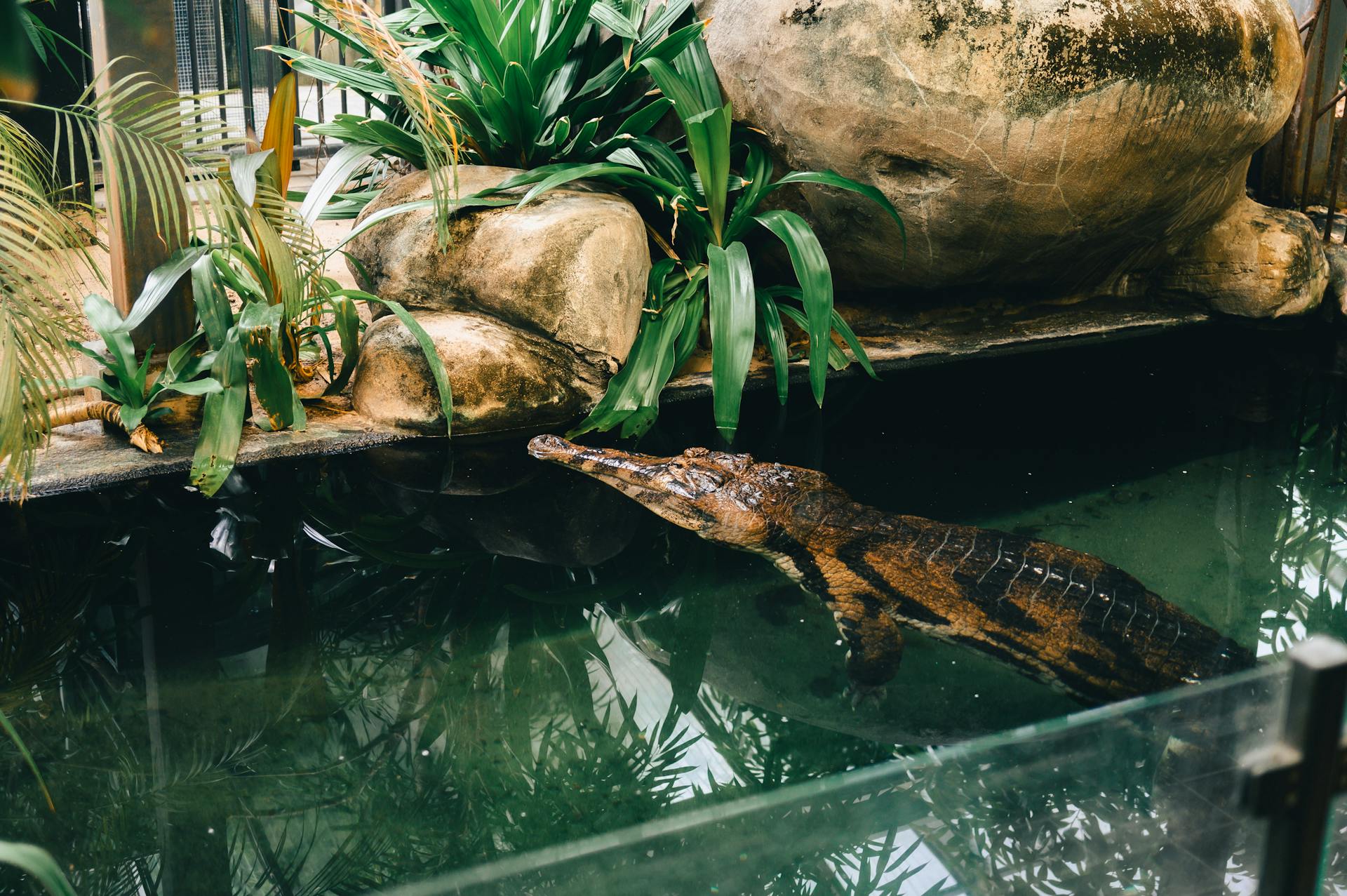
Water dragons are a fantastic option for those drawn to exotic-looking reptiles.
They thrive in vertical habitats with plenty of height and a water feature.
Their vibrant green coloration makes them a stunning addition to any reptile collection.
To keep water dragons happy, you'll need a spacious enclosure with ample climbing and basking areas.
A consistent heat gradient and high humidity levels are also essential to mimic their natural habitat.
Water dragons need regular and gentle handling to prevent them from becoming skittish around people.
A well-balanced diet consisting of insects, leafy greens, and occasional fruits is a must.
Chinese water dragons are known for their friendly disposition and skilled climbing.
They require large enclosures of about 5 to 6 feet long and 2 to 3 feet deep.
Their habitat should include a substrate, plenty of branches, and live plants like pothos, ficus, or dracaena.
Water dragons come in a range of colors, from light to dark green, with some having stripes of green or turquoise on their bodies.
Females grow to about 2 feet in length, while males reach 3 feet in length.
Water dragons are a popular pet, with Chinese water dragons being one of the most common varieties.
Additional reading: Rottweilers in Need
8. Rat Snakes
Rat snakes are easy to care for and nonvenomous, making them an ideal choice for beginners who want to start their snake journey. They're also adaptable and come in various colors depending on their subspecies.
These reptiles are known for maintaining a clean habitat, as they only need to eat every 7 to 10 days.
Frequently Asked Questions
What reptile is cuddly?
Bearded dragons are known for their friendly and affectionate nature, making them a popular choice for those seeking a cuddly reptile companion
What reptile pets don t smell bad?
Crested and leopard geckos are low-smell reptile pets, making them a great choice for those who prefer a odor-free experience.
Do any reptiles love their owners?
While reptiles don't show affection like mammals, some can form strong bonds with their owners through consistent interaction and care. With proper handling and attention, reptiles can develop a unique recognition and familiarity with their caregivers.
Featured Images: pexels.com