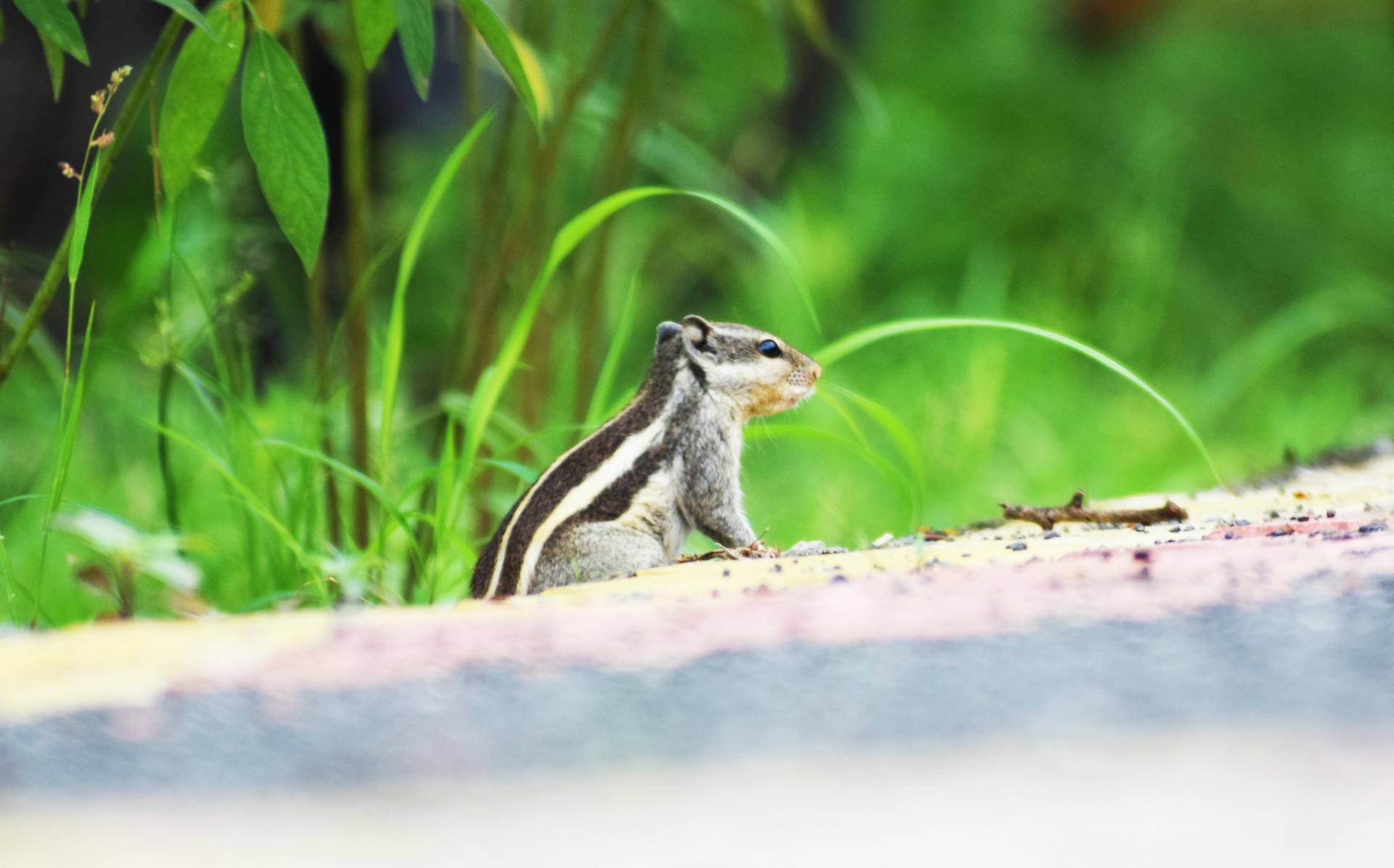
Rodents make wonderful pets, and with the right care, they can thrive in your home. Some popular pet rodents include hamsters, gerbils, and mice.
Hamsters are nocturnal, so they're most active at night, which means they'll be running on their wheels while you're sleeping. They're also solitary animals, so they prefer to be alone.
Gerbils are social creatures and do well in pairs or groups, making them a great choice for families. They're also relatively low-maintenance pets, requiring a simple cage setup and regular cleaning.
Mice are intelligent and curious, often enjoying puzzle toys and hidden treats. They're also relatively easy to care for, making them a great choice for beginners.
Expand your knowledge: Chinchilla Pet Care
Caring for Small Pets
Caring for Small Pets is a vital part of pet ownership, and it's essential to understand the unique needs of your furry friends. Whether you have a dog, cat, or other small pet, providing proper care is crucial for their health and happiness.
Dogs, for example, require regular exercise to stay healthy. A daily walk or playtime is a must for most breeds.
Cats are generally low-maintenance pets, but they still need regular grooming to prevent hairballs and matting. Brushing your cat's fur daily can make a big difference in their comfort and appearance.
Birds, on the other hand, require a lot of attention to their cage and environment. Cleaning their cage regularly and providing a variety of toys can help prevent boredom and stress.
Reptiles, such as snakes and lizards, have specific temperature and humidity requirements that must be met to keep them healthy. A proper enclosure with a heat source and UVB lighting is essential.
Pocket pets, like hamsters and gerbils, are social animals that thrive in pairs or groups. Providing a large enough enclosure with hiding places and toys can help reduce stress and promote socialization.
Here's a quick rundown of the basic care needs for some popular small pets:
Ferrets, like other small pets, require regular veterinary check-ups to stay healthy. Annual vaccinations and check-ups can help prevent health issues.
Assessing and Monitoring
To assess the health of your pet rodent, start by becoming familiar with their normal behavior, locomotion, haircoat, and stools. This will help you identify any abnormalities.
Observe your pet in its cage for mentation, activity, locomotion, dyspnea, head posture, haircoat, and any grossly observable abnormalities. Note respiratory and heart rates before restraint when possible. Also, observe the condition of cagemates.
If you notice dyspnea or severe depression, it's essential to warn the owner that the animal is critically ill and could die of stress brought on by an examination. Handle such animals as little as possible and initially treat them symptomatically, then perform a complete physical examination after their condition has stabilized.
To monitor surgical anesthesia, look for a withdrawal reaction in response to toe, tail, and ear pinch. If there's no reaction, it's a sign that surgical anesthesia has been reached.
Monitoring
Monitoring is a crucial part of assessing the health of pet rodents. To monitor anesthesia, observe the animal's pulse and respiratory rate, as these will drop to within normal ranges after induction.
A surgical plane of anesthesia is reached when the animal no longer reacts to toe, tail, and ear pinch. This is a key indicator that the animal is ready for surgery.
Monitoring the electrocardiogram (ECG) is also important, especially for small patients. You can do this by clamping alligator clips onto metal needles or steel sutures placed through the skin.
Doppler units taped over the chest provide accurate heart rates, while pulse oximeters offer a more convenient and sensitive option. These instruments can be taped to the animal's ear, foot, or tail.
Respirations during induction are often shallow and rapid, but become deep and regular as a surgical plane of anesthesia is reached. Keep an eye out for erratic or apneustic patterns, as these indicate deepening anesthesia.
Changes in respirations, especially decreased respiratory rates, are a sign that the anesthetic is too deep. Be prepared to lighten the plane of anesthesia if you notice this.
A key indicator of deepening anesthesia is the loss of the corneal reflex. If the animal had a corneal reflex after induction and then lost it, reduce the anesthetic.
Physical Examination
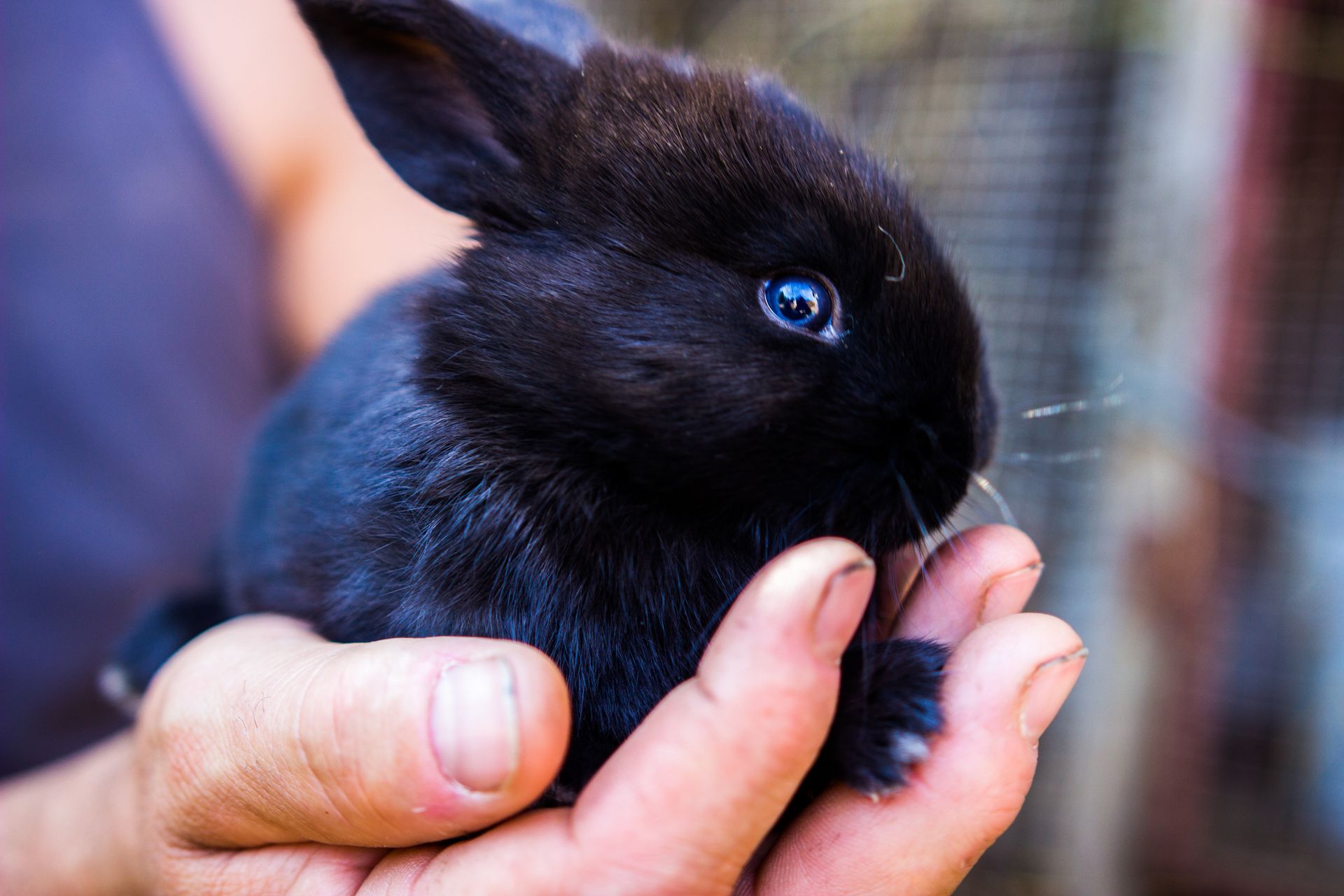
A physical examination is a crucial step in assessing the health of your pet rodent. It's essential to restrain the animal properly to ensure a safe and accurate examination.
Start by examining the head, checking the cranial nerves and nose for discharge. You'll also want to examine the mouth for signs of ptyalism, swelling, or overgrown incisors. To inspect the oral cavity, you can use an avian speculum or an otoscope with a pediatric head.
Gerbils, rats, and mice often produce red tears due to stress or disease, so be sure to note this if you see it. On the other hand, guinea pigs suffering from hypovitaminosis C may produce dry, white tears.
When checking the ears, look for discharge, foreign bodies, and mites. Bluish discoloration of the ears can indicate cyanosis, while bright red injected coloration is a sign of septicemia.
To evaluate the lymph nodes, check the submandibular, axillary, inguinal, and popliteal nodes for size and consistency. Enlargements often indicate infectious or neoplastic disease.
Here's a quick guide to evaluating the lymph nodes:
Finally, don't forget to check the skin and fur for conditions such as crusts, alopecia, masses, herniations, and wounds. Also, evaluate the extremities for trauma or other abnormalities.
Health and Disease
Bacterial diseases are a common health issue in pets, particularly in areas where sanitation and hygiene may be lacking. Ulcerative dermatitis, caused by Staphylococcus aureus, is a common syndrome that can lead to pododermatitis, mastitis, and abscesses.
Mastitis can also be caused by other bacteria such as Escheria coli, Pasteurella, Klebsiella, Pseudomonas, or Streptococcus species. This usually occurs due to poor sanitation, abrasive bedding, or overly aggressive young.
Preventing bacterial diseases is crucial, and administering antibiotics based on culture and sensitivity tests is often recommended. Chloramphenicol is a commonly used antibiotic for treating bacterial diseases in pets.
If you suspect your pet has a bacterial disease, it's essential to seek veterinary attention. Your vet may prescribe antibiotics such as ampicillin, chloramphenicol, and tetracycline, which are usually effective against the bacteria causing the disease.
Here are some common bacteria that cause bacterial diseases in pets:
- Staphylococcus aureus
- Escheria coli
- Pasteurella
- Klebsiella
- Pseudomonas
- Streptococcus
- Actinobacillus spp.
- Corynebacterium kutscheri
Subcutaneous Injections
Subcutaneous Injections are a common method of administering medications or fluids to pet rodents. This method involves injecting substances just under the skin.
When giving SC injections, it's essential to avoid certain areas, such as the shoulder blades or folds of skin on the flank, as these areas can be sensitive due to the presence of mammary tissue.
Administering SC injections in these areas can lead to an inflammatory response, which may increase the occurrence of mammary neoplasia.
Some substances, like streptomycin and procaine, should be avoided altogether in pet rodents due to a high incidence of toxicity and hypersensitivity reactions.
For example, I've seen cases where pet owners have used these substances, resulting in adverse reactions in their pets.
Curious to learn more? Check out: New Mexico Rodents
Pain Management
Pain Management is a crucial aspect of animal care, especially after surgical or dental procedures. Administering postoperative analgesics can greatly reduce stress and discomfort in rodents.
Common analgesics include buprenorphine, butorphanol, ketoprofen, carprofen, and meloxicam. These medications are specifically designed to manage pain in rodents.
Rodent owners should note that dosages may vary depending on the individual animal and the procedure performed. Consult Table 177-7 for accurate dosing information.
Dermatophytosis
Dermatophytosis is a fungal infection that can affect your pet rodents. Lesions are often hyperkeratotic, meaning they can become thick and scaly.
To diagnose dermatophytosis, your veterinarian may perform a skin scrape or isolate the fungus on culture. Most dermatophytes found in pet rodents do not fluoresce under a Wood's lamp.
Treatment for dermatophytosis typically involves a lime-sulfur dip or the use of griseofulvin.
Illness
Bacterial diseases can be a real challenge for our furry friends. Ulcerative dermatitis is a common syndrome caused by Staphylococcus aureus, characterized by pododermatitis, mastitis, and abscesses in other areas.
Administering antibiotics based on culture and sensitivity tests is crucial in treating bacterial diseases. Chloramphenicol is recommended pending culture results.
Mastitis can also be caused by other bacteria, such as Escheria coli, Pasteurella, Klebsiella, Pseudomonas, or Streptococcus species. This is often due to poor sanitation, abrasive bedding, or overly aggressive young.
Preputial gland abscesses are fairly common in males and are usually caused by E. coli or S. aureus. Local flushing and topical treatment are usually adequate.
Some bacterial diseases can be quite severe, such as SC abscesses, which can be caused by various bacteria, including Actinobacillus spp. or Corynebacterium kutscheri. Corynebacteria is associated with widespread abscesses, septic arthritis, gangrene, and ulcerated draining tracts.
Here are some common primary or secondary pathogens causing respiratory signs in mice:
- Streptococcus pneumoniae
- Corynebacterium kutscheri
- Pasteurella pneumontropica
- Pseudomonas aeruginosa
- Klebsiella pneumoniae
It's essential to note that treatment is empiric or based on culture and sensitivity of a tracheal swab sample.
Rodents are prone to bacterial diseases, and it's crucial to keep their environment clean and well-maintained to prevent the spread of diseases.
Sendai Virus
Sendai Virus is a common cause of pneumonia in newly acquired mice, especially suckling or weanling mice. It can be fatal in these young animals.
Transmission occurs through aerosol or direct contact, so it's essential to take precautions when handling new mice.
Clinical signs in adults are often caused by secondary bacterial infections, making diagnosis based on clinical signs and serologic testing crucial.
The good news is that recovered animals are resistant to new infection, so they won't need to be treated again.
To control the secondary bacterial infection, antibiotics are usually prescribed, and supportive care may be necessary.
It's also important to prohibit breeding for 4 to 6 weeks to prevent the spread of the virus.
A killed vaccine is available to help prevent the spread of Sendai Virus.
Parasites
Parasites can be a real problem for mice, causing a range of symptoms from diarrhea to weight loss.
Tapeworms, for example, usually don't cause any noticeable issues, but heavy infestations can lead to diarrhea or weight loss. One species, Hymenolepis nana, is particularly concerning because it can be directly transmitted to humans.
Pinworms, on the other hand, can cause anal pruritus, which is basically just itching in the anal area. In severe cases, they can even cause rectal prolapse.
Some protozoal parasites, like Spironucleus muris, can cause diarrhea and slow growth in young mice, leading to a pot-bellied appearance.
Related reading: Poems for Dogs Who Passed Away
Giardia spp. can also cause similar symptoms, and the good news is that it can be treated with metronidazole. Eimeria falciformis is another protozoal parasite that can cause similar symptoms, but it's relatively rare and can be treated with sulfadiazine/trimethoprim.
It's worth noting that most other protozoa are considered nonpathogenic, meaning they don't cause any problems.
Here are some parasites to watch out for in mice:
- •Hymenolepis nana (tapeworm)
- •Syphacia obvelata (pinworm)
- •Spironucleus muris (protozoal parasite)
- •Giardia spp. (protozoal parasite)
- •Eimeria falciformis (protozoal parasite)
Pet Rodents
Pet rodents can be a delightful addition to your family, but they require some special care. They need to be housed in a cage with solid glass walls and a secure wire-mesh top, like gerbils.
Rodents are social animals and should be kept in pairs or small groups. Guinea pigs, for example, thrive in the company of their own kind and should never be kept alone. They also require a lot of space to exercise and should have a large cage with tunnels, ropes, and platforms.
Some rodents, like gerbils and degus, are active during the day and need plenty of stimulation to keep them entertained. A digging box filled with organic soil and sand can be a great addition to their cage, as can a treat ball and selection of toys. Here are some specific requirements for different types of pet rodents:
It's also essential to provide your pet rodents with a balanced diet that includes a commercial pellet and fresh vegetables, like bell peppers. Some rodents, like guinea pigs, require a daily supplement of vitamin C to prevent scurvy.
Caging and Sanitation
Caging and Sanitation is a crucial aspect of pet rodent care. Cages should be made of materials that are easy to clean and sanitize, such as stainless steel, hard plastic, or glass.
A minimum floor space and height requirement is necessary for each species, and these requirements can be found in Table 177-1. All cages need secure lids, except for guinea pigs, which can be housed in open-topped enclosures with walls higher than 10 inches.
Guinea pigs require extra supervision to prevent access to their cages by dogs, cats, wild animals, or small children. Clean cages as needed, usually 1 to 3 times per week for most rodents.
A scrub brush, dish soap, and water are effective cleaning tools. If cages are not kept clean, ammonia, other irritants, moisture, and bacteria concentrations rise to harmful levels, predisposing animals to disease.
Disinfect the cage twice a month with 1 part sodium hypochlorite (household bleach) mixed in 30 parts water. Let the bleach solution stand for at least 15 minutes before rinsing the cage well afterward.
Bedding is essential for solid-floored cages, and it should be at least 2 inches deep. Shredded paper, non-resinous wood shavings, wood wool, and corn cobs are acceptable bedding options.
Wire mesh floors can be used, but the openings must be sized correctly to prevent injuries. The mesh size should be just large enough for an adult to retract a tarsal joint back through the mesh.
Here are some guidelines for cage bedding and wire mesh floors:
- Bedding options: shredded paper, non-resinous wood shavings, wood wool, and corn cobs
- Bedding depth: at least 2 inches
- Wire mesh floor size: just large enough for an adult to retract a tarsal joint back through the mesh
Rodents require visual security, which can be provided by tubes, jars, or cans made of nontoxic, nonabrasive substances. They also need objects for gnawing to maintain normal dentition.
A good room temperature range for most pocket pets is 70°F to 75°F, and 10 to 12 hours of darkness to 12 to 14 hours of light is essential for breeding.
Pet Rodents
Pet rodents are wonderful companions, but they require proper care and attention to thrive. They are social animals and need a companion, so it's best to keep them in same-sex pairs or small groups.
The ideal cage for pet rodents is made of stainless steel, hard plastic, or glass. These materials are easy to clean and resistant to gnawing or corrosion. Minimum floor space and height requirements vary by species, so be sure to check the specific needs of your pet.
A good rule of thumb is to clean the cage 1 to 3 times per week, using a scrub brush, dish soap, and water. If the cage is not kept clean, ammonia and bacteria concentrations can rise to harmful levels, predisposing animals to disease.
To disinfect the cage, mix 1 part sodium hypochlorite (household bleach) with 30 parts water and let it stand for at least 15 minutes. Rinse the cage well afterward.
Rodents require a balanced diet that includes a recommended amount of protein, fat, and carbohydrates. For example, laboratory rodent chow is recommended for rats, mice, and gerbils, while guinea pigs require guinea pig chow. Chinchillas, on the other hand, need high-quality, fresh grass hay and a limited amount of pellets.
Here's a brief summary of the dietary needs for different species of pet rodents:
It's also essential to provide a comfortable environment for your pet rodents, including a suitable temperature range (70°F to 75°F) and a light cycle of 10 to 12 hours of darkness to 12 to 14 hours of light.
Restraint
Restraint is an essential skill when it comes to handling pet rodents. Gentle pressure can direct the animal as needed, especially with frequent and gentle handling by owners.
Restraint is easier with experience, and pets that are handled regularly require minimal restraint. For less cooperative patients, grasp them by the scruff over the back of the neck with thumb and forefinger.
Take care to pinch enough skin to prevent the animal from turning around, yet leave enough slack for respiration. On smaller specimens, hold the base of the tail between the fourth and fifth fingers for additional restraint.
Handling guinea pigs requires a different approach. Hold them with the palm of one hand supporting the chest while the other hand supports the hind quarters. Place the thumb and forefinger of the first hand in the axillas for additional control.
Chinchillas lose hair easily, so take care to minimize damage to their fur when handling them. Grasp the animal by the tail and scoop it up into the palm of the same hand.
Here are some general guidelines for restraint:
- For guinea pigs, hold them with the palm of one hand supporting the chest and the other hand supporting the hind quarters.
- For chinchillas, grasp the animal by the tail and scoop it up into the palm of the same hand.
- For mice and rats, lift the hind quarters by the base of their tails to facilitate scruffing.
- For particularly aggressive patients, remove them from their cages by scooping them up in a can or bucket and then transferring them to a holding area or scale.
Remember, restraint should be done carefully and with the animal's comfort in mind. Even uncooperative rodents can be calmed by placing a towel over their head, allowing them to relax in a towel "burrow" for a physical examination.
Skin
If you suspect your pet rodent has an ectoparasite infestation, there are several signs to look out for. Alopecia and pruritus, especially on the back of the head and dorsal midline, are usually associated with lice, mites, or fleas.
Mite infestation can cause a greasy haircoat and folliculitis. Transmission of lice and mites occurs via direct contact, while fleas are transmitted by other household pets, such as cats and dogs.
To diagnose ectoparasites, your veterinarian may perform a skin scrape or use a cellophane tape test to visualize the parasites. Treatment options include Pyrethrin powder for fleas and lice, and Ivermectin for mites.
Here are some common ectoparasites found in pet rodents:
• Lice (Polyplax serrata)
• Mites (e.g., Mycoptes musculinus, Myobia musculini, Radfordia affinis)
• Fleas
Epiphora
Epiphora is a common condition in pet mice, often caused by ammonia fumes or overgrown incisors. These are the most common causes in pets owned for longer than 2 months.
Ammonia fumes can cause contact irritation, which can be diagnosed by examining an uncleaned cage and checking for a strong odor.
Overgrown incisors are easily diagnosed through an oral examination. Trimming the affected teeth and providing opportunities for gnawing are effective treatments.
Foreign bodies and corneal ulcers can also cause epiphora, which can be diagnosed with an eye examination, including a fluorescein stain. Treatment involves removing the foreign body and administering an ophthalmic antibiotic.
In newly acquired pets, epiphora may be the first sign of an upper respiratory infection, often caused by Pasteurella pneumotropica, a common pathogen.
Mice
Mice are fascinating pets that are relatively low-maintenance compared to other rodents. They're friendly and rarely bite, but can be difficult for small children to hold due to their small size and quick movements.
Pet mice are derived from the common house mouse, Mus musculus, and are randomly bred in the pet trade to reduce the risk of genetic problems. Mice have brown fat tissues between their scapulae, also known as hibernating glands, which provide an energy store.
Mice are compact pets that love to explore, gnaw, and have a cozy space to nap in. They have a surprisingly long list of requirements to lead their best mouse life.
Male mice have a 50% larger spleen than females, which may be an interesting fact for those interested in rodent anatomy.
Hamsters
Hamsters are extremely active pets who need lots of things to do to occupy their curious and intelligent minds, such as wheels, toys, and shredded paper.
Their nocturnal habits can be disappointing for children, as they're ready to explore and play when it's bedtime.
Hamsters may nip if they are disturbed from sleep, and their poor eyesight means they're easily startled by sudden movements.
Dwarf hamsters like company and prefer to be kept in same sex pairs or groups, whereas larger Syrian hamsters prefer a solitary life.
Chinchillas
Chinchillas are nocturnal animals that require a very large cage with tunnels, ropes, platforms, nesting areas, and a dust bath filled with chinchilla sand. They're enthusiastic dust bathers and can make a mess, so be prepared.
To keep your chinchilla happy, it's essential to provide a companion - either a female with a neutered male or littermates of the same sex. Chinchillas can live up to 15 years, so it's a long-term commitment.
Daily exercise time out of their cage is also crucial, as they can jump six feet in the air from a standing start. You can even teach them some basic tricks to earn a treat.
If you're handling a chinchilla, be gentle and take care not to damage their fur, as they lose hair easily. Grasp the animal by the tail and scoop it up into the palm of your hand, or if necessary, grasp the thorax just behind the axillas.
Here are some tips for handling chinchillas:
- Grasp the animal by the tail and scoop it up into the palm of your hand.
- Grasp the thorax just behind the axillas if necessary.
- Be gentle to avoid damaging their fur.
- Take care to minimize mess when handling chinchillas.
Remember to remove your chinchilla from its cage carefully, using a can or bucket to scoop them up and then slide them onto a slick surface.
Guinea Pigs
Guinea pigs are social creatures that thrive in the company of their own kind. They need a spacious cage with a solid bottom, as wire mesh floors can cause injuries.
Guinea pigs are prone to scurvy, a disease caused by a lack of vitamin C. To prevent this, they should be fed a commercial guinea pig pellet with added vitamin C, and supplemented with a daily vitamin C tablet made for guinea pigs.
These gentle animals love to burrow in deeper bedding, but it's essential to provide at least 2 inches of bedding and not fill the entire cage with it. This helps prevent poor sanitation and hidden waste buildup.
Guinea pigs are sensitive to temperature extremes and may hibernate if exposed to temperatures below 65°F. A good room temperature range for them is 70°F to 75°F.
To keep guinea pigs happy and healthy, it's crucial to provide them with a balanced diet. Here are some recommended food intake guidelines:
Guinea pigs are intelligent and social animals that require attention and interaction. They're perfect companions for adults and children who are willing to provide them with the care and love they need.
Rat
Rats are social creatures and need the company of other rats, so it's best to keep them together in pairs or groups.
Rats are intelligent animals and can be quite playful, they even laugh when they're tickled, emitting high-pitched squeaks that are too high for us to hear.
To care for your pet rat, make sure to provide a suitable environment, such as a large cage with plenty of hiding places and toys to keep them entertained.
Rats have a unique anatomy, with continually growing teeth that they need to keep at the correct length and shape by gnawing on objects, so be prepared to provide plenty of chew toys.
To ensure your rat's health and happiness, follow this handy checklist:
- Provide a large cage with plenty of hiding places and toys
- Ensure access to food, water, and hiding places at all times
- Keep the cage clean and well-ventilated
- Provide plenty of opportunities for exercise and play
If you're introducing a new rat to a existing group, it's best to quarantine the new rat for 30 days or more before mixing them with the others, and have a veterinary examination and fecal testing done during this period.
Geriatric Care
As our pet rodents age, it's essential to evaluate their quality of life and provide them with the necessary support.
Adequate pain control is ranked first in the "HHHHHMM" assessment, which includes Hurt, Hunger, Hydration, Hygiene, Happiness, Mobility, and More good days than bad.
Pain can lead to anxiety and panic in pet rodents, and it also takes a lot of energy to work at breathing, making dyspnea a top concern.
Assessing each of these aspects of life is useful for pet owners when evaluating the care their pet needs at the end of life.
Can your pet eat and drink normally? Maintain its coat and urinate and defecate without any issues? If arthritis is impeding movement or there is any pain, a pain medication is indicated.
As you interact with your pet, pay attention to whether it's happy and enjoying interactions and mental stimulation.
A different take: Dogs Names in Secret Life of Pets
Degus
Degus are diurnal, meaning they're active during the day, so they thrive in busy, active homes. They love human interaction and need plenty of space to exercise.
Degus can live between five to nine years, so it's a long-term commitment to care for them. They need wire cages with lots of levels and ramps to keep them active.
Degus love to dig, so a digging box filled with organic soil and sand is a great idea. This will keep them occupied and happy.
A treat ball and selection of toys will also help to keep them busy and stimulated. These small rodents are very sociable creatures.
Degus should never be kept alone because they're very social and need companionship. Hand feeding is a great way to build a closer bond with them.
Dental and Oral Care
Dental and oral care is crucial for your furry friend's health. Hamsters are predisposed to dental caries, which can lead to facial swelling, ptyalism, and anorexia. Overgrown incisors can also occur, causing problems.
A large percentage of affected teeth become abscessed, causing facial swelling, ptyalism, and anorexia.

To prevent dental issues, provide your hamster with a balanced diet and plenty of chew toys to keep their teeth trimmed. Regular check-ups with a veterinarian can also help catch any problems early on.
Incisor overgrowth occurs as in mice, and hamsters are prone to dental caries, which can lead to serious health issues.
Injectable Anesthesia
Injectable Anesthesia is an option for dental procedures, but it's essential to understand its limitations. Needed doses for injectable anesthetics are tremendously variable among species and individuals.
Ketamine in combination with diazepam is a common choice, easily obtainable and given intramuscularly. It has a wide margin of safety, but it doesn't provide good analgesia.
Intraperitoneal injections of barbiturates can provide surgical anesthesia, but they have a low margin of safety and a significant mortality rate. This is because barbiturate anesthesia can result in fatal ileus.
If you're considering injectable anesthesia for a dental procedure, it's crucial to weigh the risks and benefits. Always consult with a veterinarian or a qualified professional to determine the best course of action for your pet's specific needs.
Dental/Oral
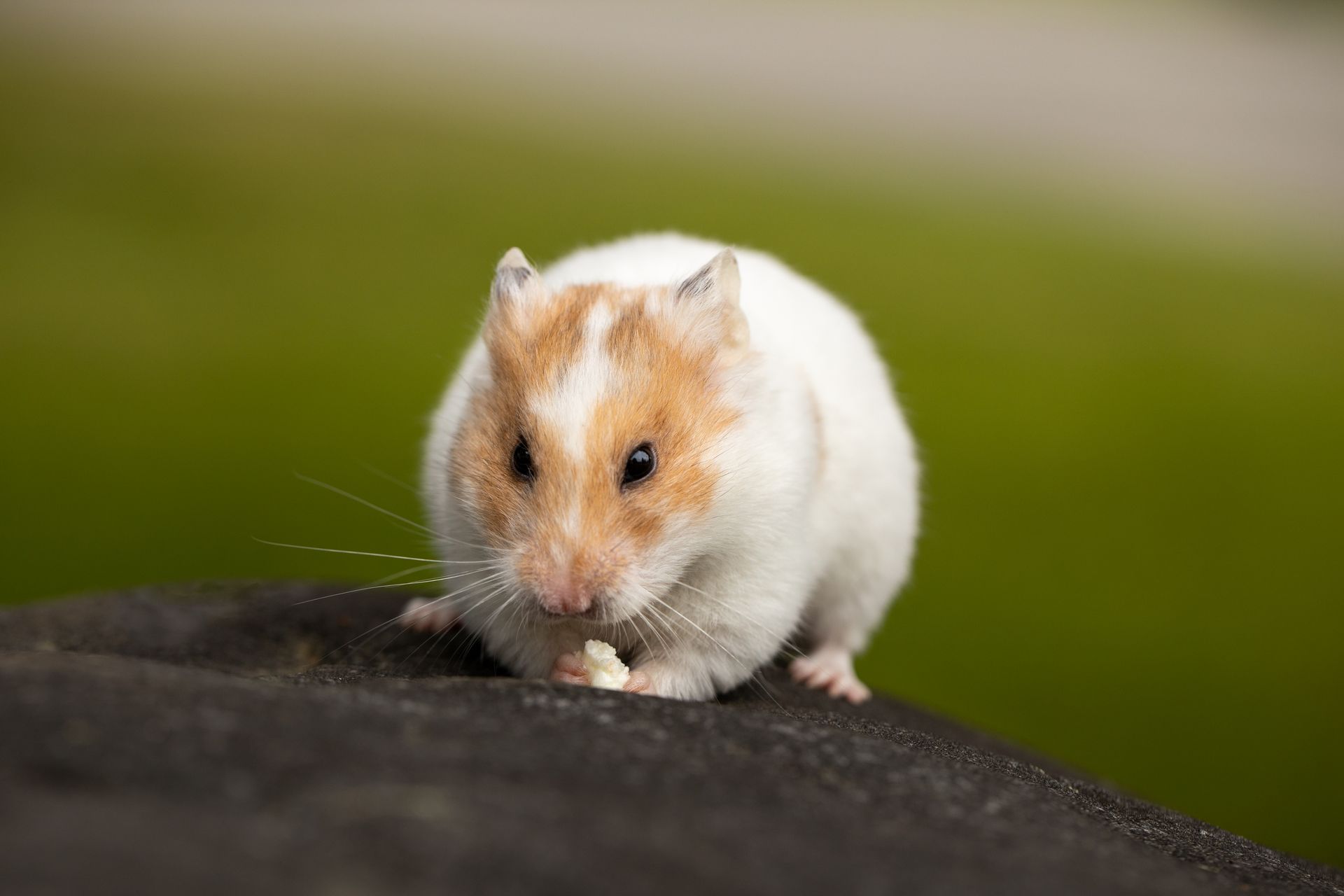
Hamsters are prone to dental caries, which can lead to facial swelling, ptyalism, and anorexia. A large percentage of affected teeth become abscessed.
To prevent dental problems, provide your hamster with a balanced diet that includes a mix of grains, fruits, and vegetables. Avoid giving them all-seed diets, as they can lead to nutritional deficiencies.
Incisor overgrowth is a common issue in hamsters, just like in mice. This can cause problems with eating and grooming.
Here are some common signs of dental problems in hamsters:
- Facial swelling
- Ptyalism (excessive drooling)
- Anorexia (loss of appetite)
- Abscessed teeth
If you suspect your hamster has a dental problem, take them to a veterinarian experienced in caring for small animals as soon as possible.
Nutrition
Proper nutrition is essential for the health and well-being of your pet rodent. A good, high-quality rodent chow, available from your veterinary office, online, or at pet stores, should be the main staple of their diet.
Most diets sold as "Premium", "Deluxe" or "Fully Balanced" are not ideal for your pet rodent. Species-specific pelleted diets are the best and most nutritionally complete diet for chinchillas, guinea pigs, and rats.
You might enjoy: Strategies for Rodent Control
Rodents need a balanced diet that includes a mix of nutrients. Hay and fresh vegetables can be offered to encourage chewing and wearing down their continuously growing teeth. Check with your veterinarian about this first.
Here's a rough breakdown of what your pet rodent should be eating:
- Mainly pellets (90% of the diet)
- 5-10% vegetables and fruits
- Occasionally a few treats (less than 5-10% of the total daily diet)
- Hay, such as timothy, clover, meadow or orchard grass, may also be offered free-choice as a source of fiber.
Guinea pigs, unlike most pets, do not make their own vitamin C and require a commercial, high fiber guinea pig pellet with added vitamin C. Fresh vegetables, such as bell peppers, can also be offered to supply supplemental vitamin C.
Rodents have different dietary requirements based on their species. Degus, for example, have a functioning cecum and require a high-fiber diet, while hamsters, mice, rats, and gerbils have a simple digestive tract and require a diet higher in energy.
See what others are reading: Are Chinchillas High Maintenance
Common Issues and Mistakes
As a rodent owner, it's easy to get caught up in the excitement of caring for your furry friends, but common mistakes can have serious consequences. Dirty or wet bedding, excessive ammonia, and an unsanitary environment can lead to health issues.
Some issues arise from neglecting the basics. Water runs out and sipper tubes malfunction, causing dehydration and stress. Abrupt diet changes, like running out of regular food and feeding a substitute, can also lead to digestive problems.
Rodents are social creatures, and improper social structures can lead to aggression and stress. For example, adding new animals to a collection without a quarantine period or veterinary exam can cause health risks.
Here are some common mistakes to watch out for:
- Dirty or wet bedding, excessive ammonia, unsanitary environment
- Water runs out, sipper tube malfunctions
- Abrupt diet change (e.g., running out of regular food and feeding a substitute)
- Inappropriate treats leading to diarrhea and other digestive symptoms
- Inappropriate social structure leading to aggression or stress
- Adding new animals to a collection without a quarantine period or veterinary exam
- Allowing contact between different rodent species
- Waiting too long to see a vet, worsens patient prognosis
Pet Information
When it comes to keeping your pet rodents healthy and happy, there are some common mistakes to avoid. Dirty or wet bedding, excessive ammonia, and unsanitary environments can lead to serious health issues.
For example, if you notice your rodent's water runs out or the sipper tube malfunctions, it's crucial to refill it immediately to prevent dehydration.
Abrupt diet changes can also cause problems, such as running out of regular food and feeding a substitute. This can lead to digestive issues and other health problems.
Giving your rodents inappropriate treats can also cause digestive symptoms like diarrhea. Be sure to stick to healthy treats that are specifically formulated for rodents.
In addition to dietary issues, social structure is also important. Inappropriate social structures can lead to aggression or stress in your pet rodents.
If you're planning to add new animals to your collection, make sure to quarantine them first and have a veterinary exam to ensure they're healthy.
Finally, it's essential to keep different rodent species separate to prevent the spread of diseases.
Here are some key areas to focus on for pet rodent care:
- Provide clean and dry bedding
- Ensure access to fresh water at all times
- Stick to a regular diet and avoid abrupt changes
- Choose healthy treats specifically formulated for rodents
- Establish a suitable social structure
- Quarantine new animals before introducing them to your collection
- Keep different rodent species separate
Frequently Asked Questions
Do pet rodents attract other rodents?
No, having pet rodents will not attract other rodents into your home. This common concern is a myth with no scientific evidence to support it.
Featured Images: pexels.com