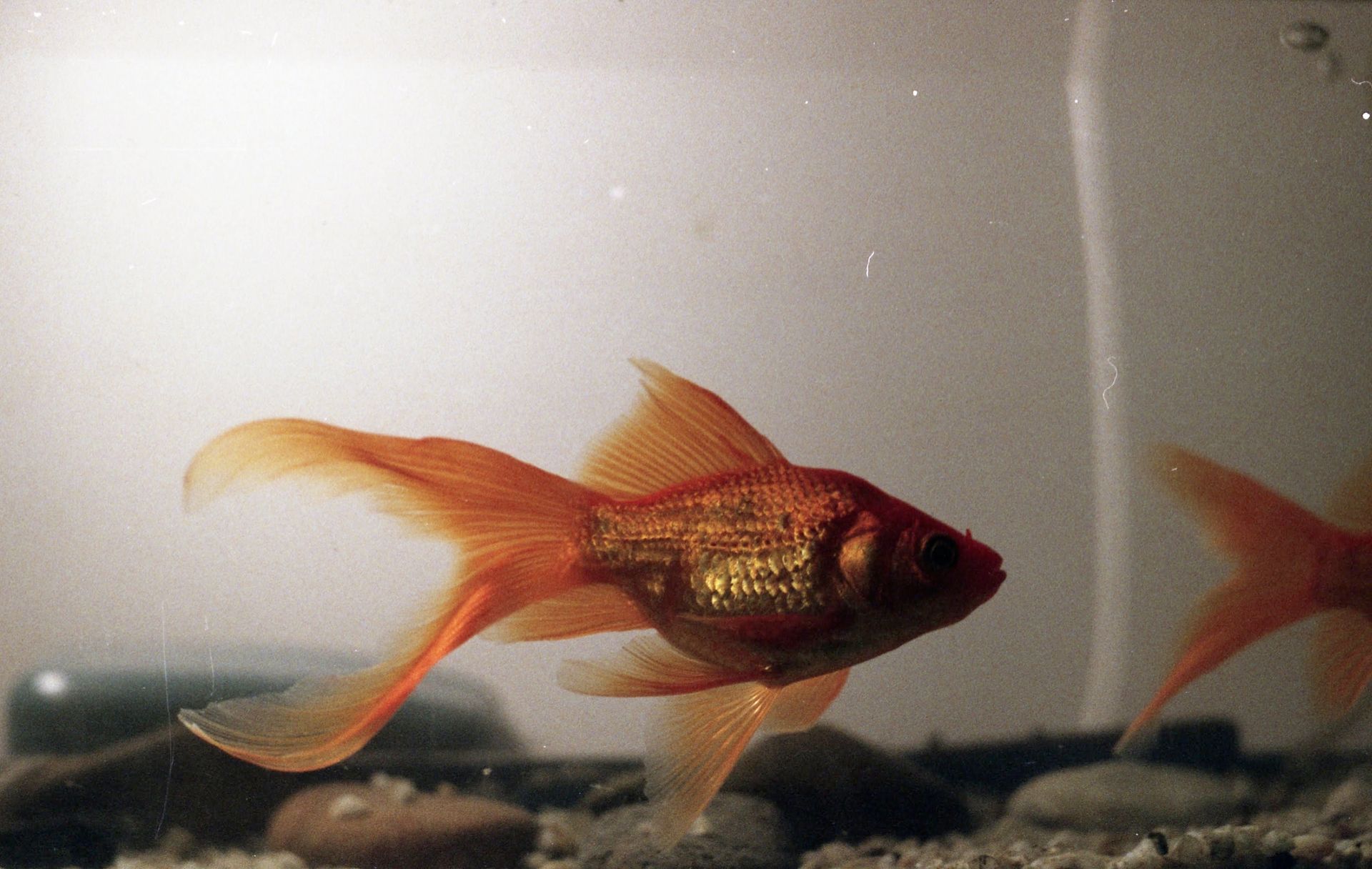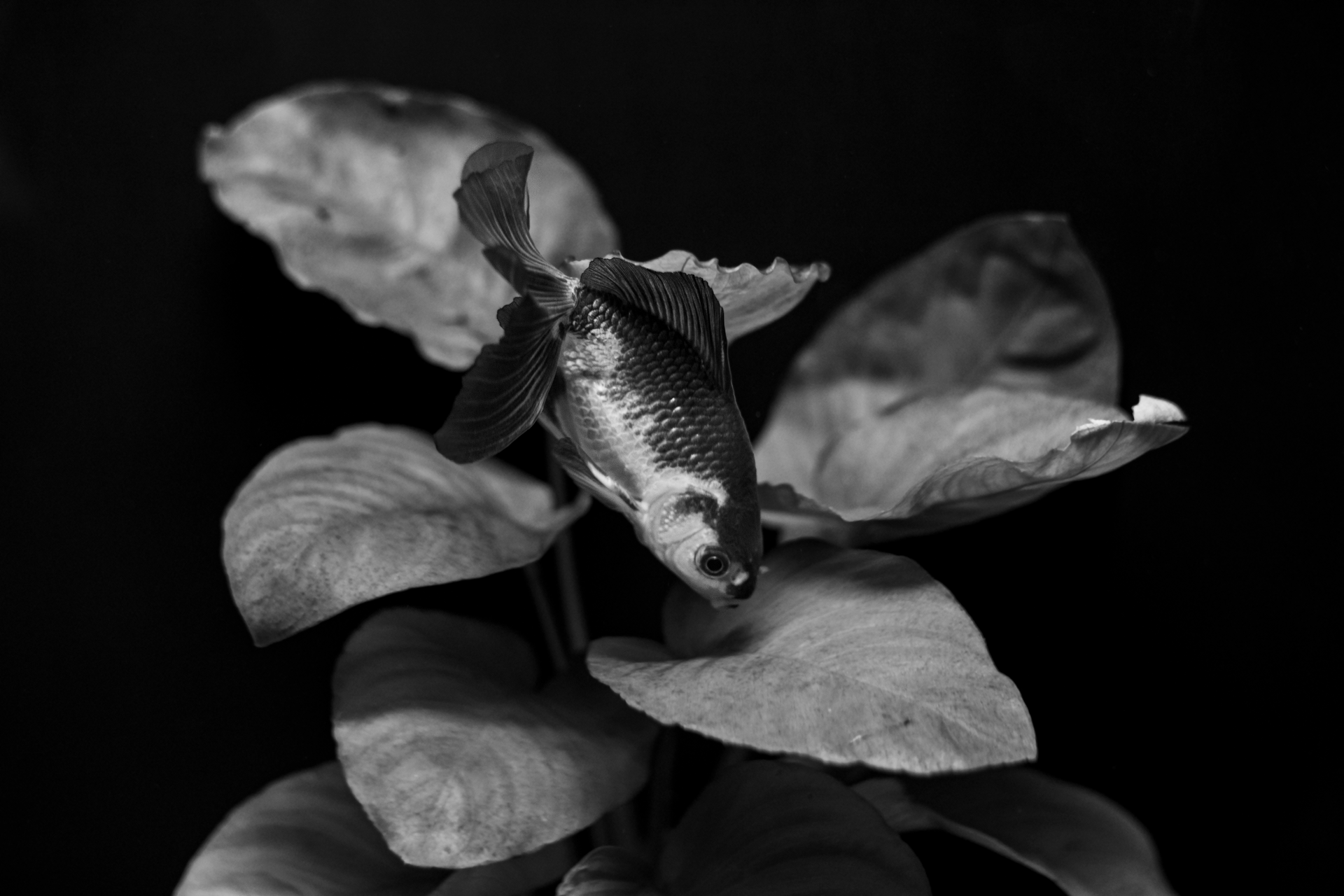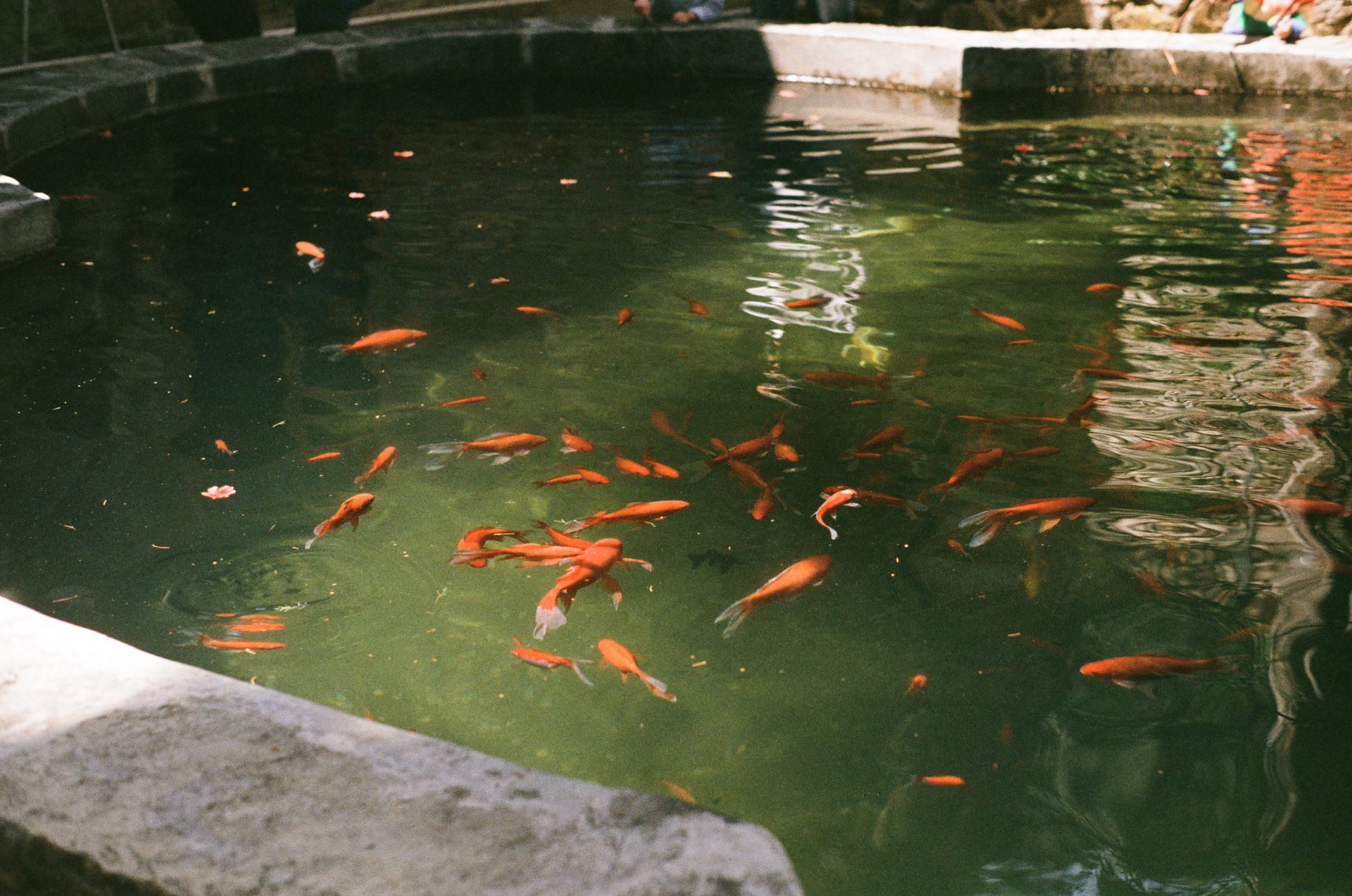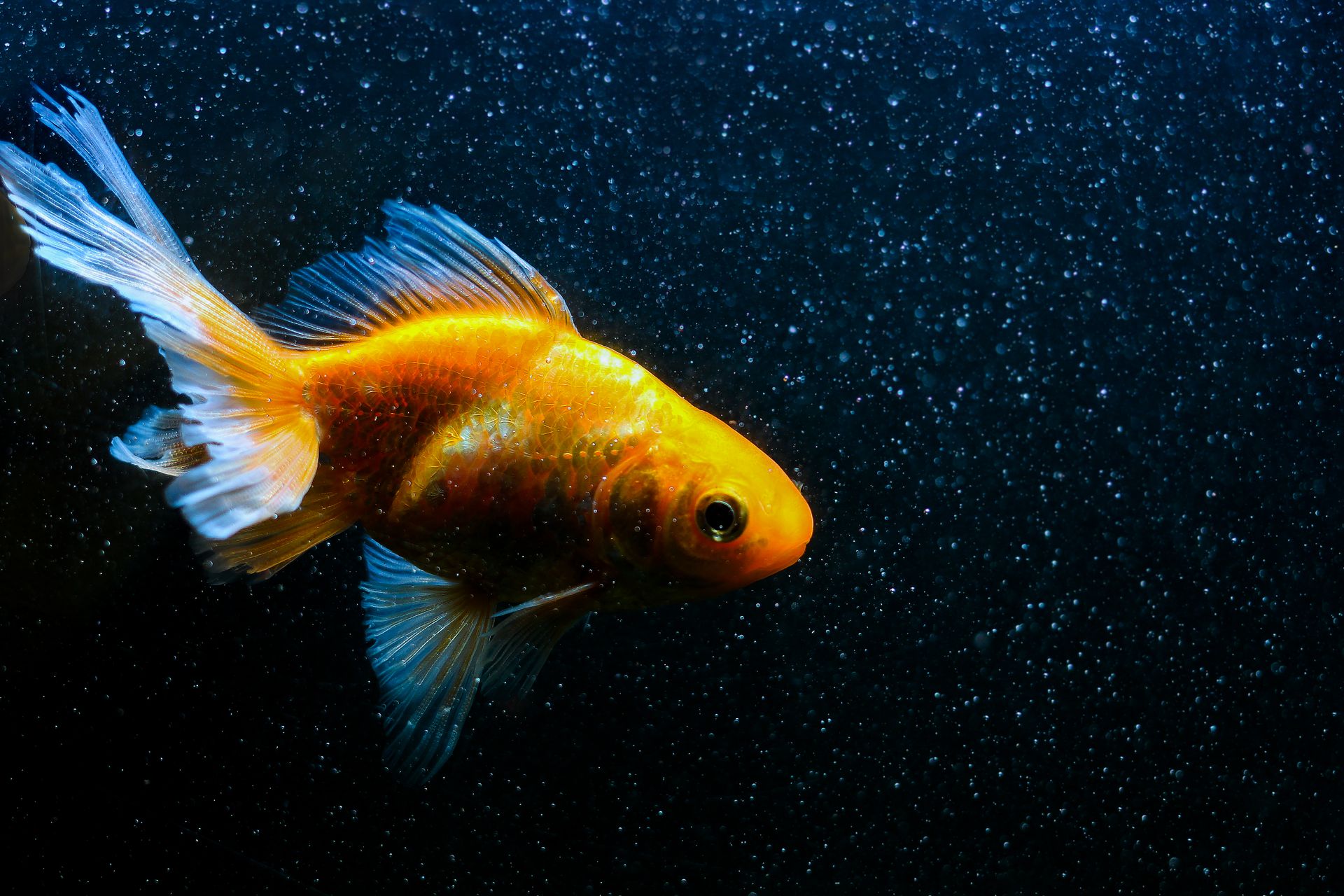
Goldfish have a remarkable ability to remember, contrary to the popular myth that they have a three-second memory. Research suggests that goldfish can remember their owners and even recognize their faces.
A study found that goldfish can recall a specific route through a maze after just a few attempts, demonstrating their ability to learn and remember. This suggests that goldfish have a more complex memory system than previously thought.
Some goldfish owners have reported that their pets can even recognize and respond to specific sounds, such as the sound of a food container being opened. This is likely due to the goldfish's ability to associate the sound with a reward, such as food.
Debunking Common Misconceptions
The three-second memory myth is just that - a myth. Goldfish have much longer memories than that.
The hippocampus, a key brain structure for forming memories, is absent in fish. This led many people to believe goldfish don't have the ability to store memories at all.
Research as early as the 1960s proved that goldfish do have memories. Scientists at the University of Michigan conducted a study showing goldfish improved at a shock-avoidance exercise over multiple trials and days.
Goldfish are capable of connecting events and objects at different points in time, a key indicator of explicit memory. This is evident in their ability to recognize human faces and even drive a makeshift robotic car.
The misconception about goldfish' memory likely comes from keeping them in small, circular bowls. This doesn't give them a chance to show off their intelligence.
Cognition Research
Goldfish have been showing off their impressive cognitive abilities in recent studies. In 2022, researchers at the University of Oxford found that goldfish can estimate distance by tracking the motion of objects around them, a process known as optic flow.
This ability is a key indicator of spatial cognition, and the study suggests that goldfish are able to navigate their surroundings and remember visual cues. I've seen goldfish swim around their tanks with ease, and it's amazing to think that they're using complex cognitive processes to do so.
Researchers have also found that goldfish can distinguish between photographs of different objects, such as plastic turtles and plastic frogs. This ability, known as object constancy, is a key indicator of intelligence.
Here's a breakdown of some of the cognitive abilities that goldfish have demonstrated in recent studies:
- Estimate distance through optic flow
- Navigate surroundings and remember visual cues
- Distinguish between photographs of different objects
- Recognize different objects from different angles
These abilities are impressive, especially considering that goldfish have a relatively simple brain structure compared to humans. However, researchers are still working to understand how goldfish store memory and process their surroundings.
Scientific Studies and Expertise
Scientists have proven that goldfish have good memories, disproving the long-held belief that they have little or no memory.
Goldfish can navigate their surroundings and accurately estimate distance. This was demonstrated in a study at Oxford University where nine fish were trained to travel 70cm and back, receiving a food reward at the end.
Researchers used a narrow tank covered with a repeating pattern of vertical stripes every 2cm to test the fish's ability to navigate. The stripes are a crucial part of the experiment, as they help the fish estimate distances by looking for the apparent motion of patterns in their environment, called optic flow.
Discover more: Permit Fish Good
Goldfish appear to process optic flow differently than terrestrial animals, including humans and honey bees, which estimate distances by measuring how the angle between their eye and surrounding objects changes as they travel.
Eight out of nine fish accurately remembered when to turn back to get their reward of food, without being prompted. This suggests that goldfish have a reliable memory for distances and can adapt to changes in their environment.
The study found that the fish continued to swim the correct distance even when their start position was shifted forwards. This shows that goldfish can adjust their navigation based on their surroundings.
Discover more: Cisco Fish Good
Goldfish Intelligence and Abilities
Goldfish are surprisingly good problem-solvers and can be trained to escape nets and navigate mazes, recalling and repeating these skills weeks or even months later.
They can even recognize and remember fellow goldfish after long periods apart, and some owners claim their pets can identify them apart from other people.
Goldfish have also been taught to perform tricks and can accurately estimate distances, a skill even humans struggle with. By training the fish to travel exactly 70 centimeters before turning around to receive a food reward, researchers found they could consistently and accurately swim that distance even when the starting point and stimuli were changed.
In experiments, goldfish have quickly learned to stay on one side of their tank at feeding times, even if they're not actually fed, and can show a preference for certain colors or cues long after the experiment is finished.
Goldfish memories last longer than 3 seconds, but the exact time span is hard to pinpoint, as different memories are more notable than others. You're more likely to remember a scary event than a mundane one, and the same goes for goldfish.
Challenging Periods in Goldfish Memory
Goldfish memory can be a bit tricky to pin down, and researchers have found that it's not as simple as previously thought. In fact, studies have shown that goldfish with lesions in the pallium performed worse on memory tasks than those without lesions, regardless of which part was altered.
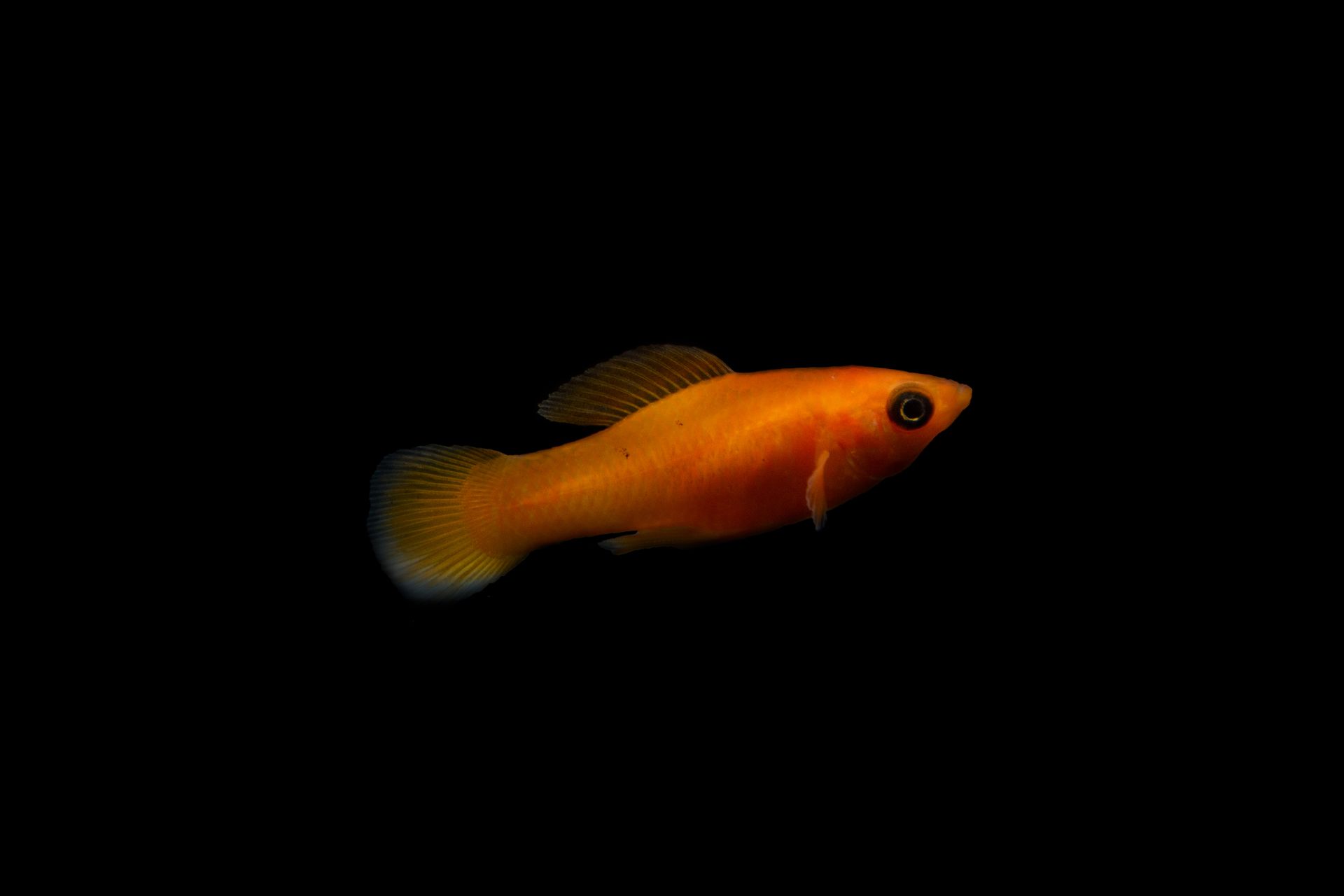
This suggests that goldfish may use both parts of the pallium for memory, challenging the previous assumption that just one part is involved. The study implies that goldfish memory is more complex than we thought.
Some memories, such as a frightening event, could be more impactful and long-lasting than mundane events. This is evident in goldfish that learn to congregate on one side of their tank during feeding times, and even learn to distinguish between a red paddle that brings food and a blue one that doesn't.
Here are some examples of challenging periods in goldfish memory:
- Learning to navigate a tank with multiple hiding places or obstacles
- Recalling a specific feeding schedule or routine
- Associating a particular color or object with food or a reward
These challenging periods highlight the impressive cognitive abilities of goldfish and demonstrate their capacity for complex learning and memory.
What We Don't Know About Memory
Goldfish have a brain region called the pallium that's similar to the hippocampus in humans. This region is thought to help goldfish connect events in time and space.
But here's the thing: scientists have found that goldfish with lesions in the pallium perform worse on memory tasks than those without lesions. This suggests that goldfish may use both parts of the pallium for memory.
Researchers are still figuring out which part of the pallium is responsible for storing spatial memory. As of late 2023, some studies have found that goldfish with lesions in one part of the pallium perform worse than those without lesions.
Difficult Period in Memory
The 3-second myth about goldfish memory is a fish tale. This widespread misconception has been debunked by research, which shows that goldfish memory lasts much longer than previously thought.
Goldfish can recall memories of a frightening event, which can be more impactful and long-lasting than mundane events. This suggests that goldfish have the capacity to form and store memories that are significant to their experience.
Professor Brown believes that fish have a serious PR issue, which contributes to the persistence of misconceptions about their intelligence and memory. This lack of understanding is partly due to the fact that most people don't interact with fish in the same way they do with other pets.
It's worth noting that the tide may be changing, as more organizations are working to educate the public about fish intelligence and memory. This increased awareness may eventually shift public opinion about goldfish and their abilities.
Featured Images: pexels.com