Reptile diseases can be a serious concern for anyone who handles or interacts with reptiles. Salmonella is a common bacterium that can be found in reptiles and can cause illness in humans, especially in children and people with weakened immune systems.
Handling reptiles can be a major risk factor for Salmonella infection, with an estimated 1 in 5 reptile owners contracting the disease.
It's essential to take precautions when handling reptiles to prevent the spread of disease.
Reptile Diseases and Human Health
Reptiles and amphibians can spread diseases to humans, including Aeromonas infection, Mycobacterium marinum infection, and Salmonella infection.
Some reptiles can live for a very long time, and they require special care to prevent the spread of disease. If you're considering getting a pet reptile or amphibian, make sure it's the right type of pet for your family.
Reptiles and amphibians can carry germs that make people sick, like Salmonella, even when they appear clean and healthy. These germs can spread through direct or indirect contact with the animals or their droppings.
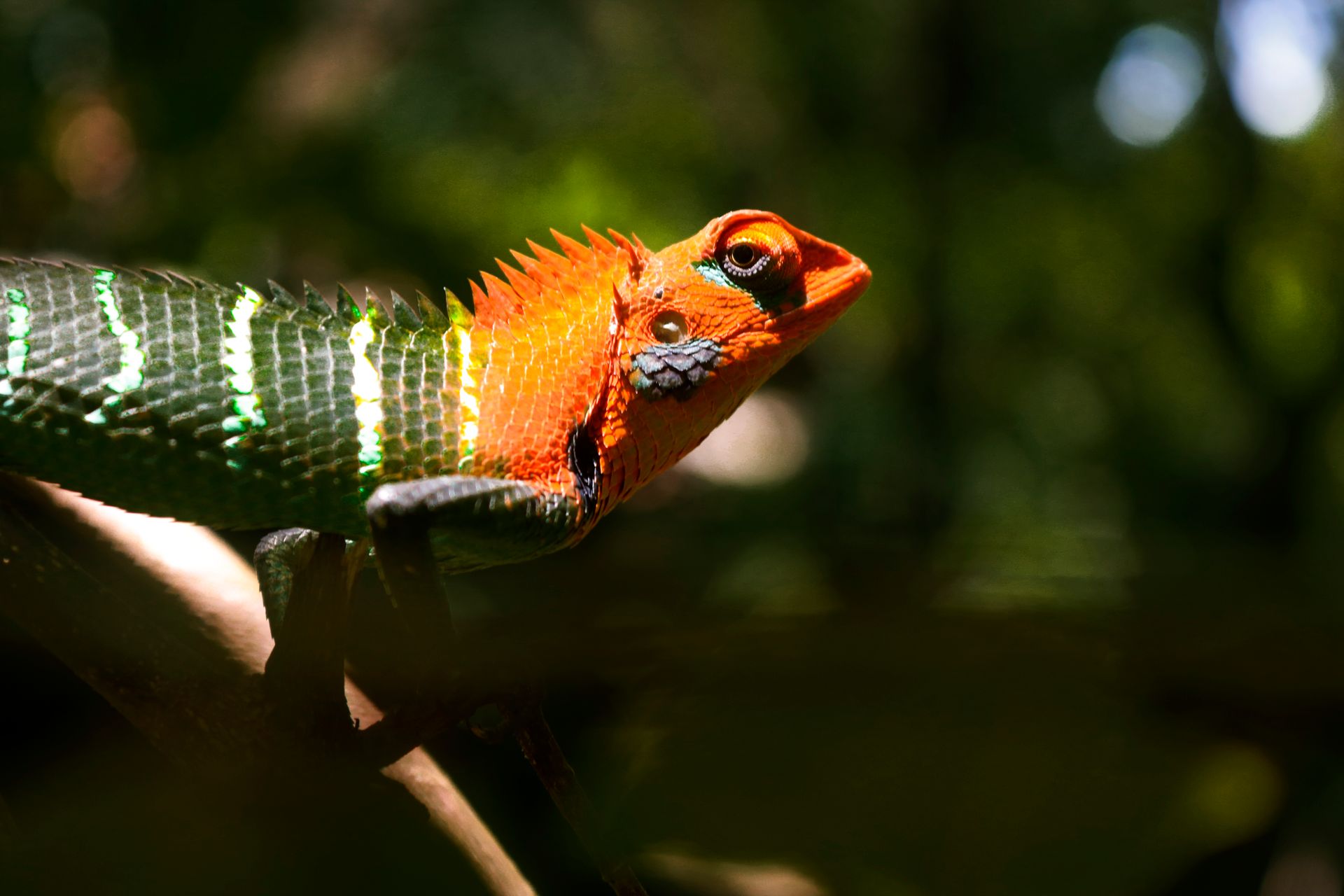
If you touch a reptile or amphibian and then touch your mouth without washing your hands, you can infect yourself with Salmonella. This is why it's essential to wash your hands after handling reptiles and amphibians.
Children under 5, adults over 65, and people with weakened immune systems are more likely to get sick from the germs carried by reptiles and amphibians. Regular tank cleaning and providing routine veterinary care can help prevent the spread of disease.
Here are some diseases that reptiles and amphibians can spread to humans:
- Aeromonas infection
- Mycobacterium marinum infection
- Salmonella infection
Prevention and Safety
Before bringing a reptile or amphibian into your home, consider the risks. Some reptiles can live for a very long time.
Reptiles and amphibians can carry germs like Salmonella, even when they appear clean and healthy. This is especially true for children younger than 5 years old, adults 65 and older, and people with weakened immune systems.
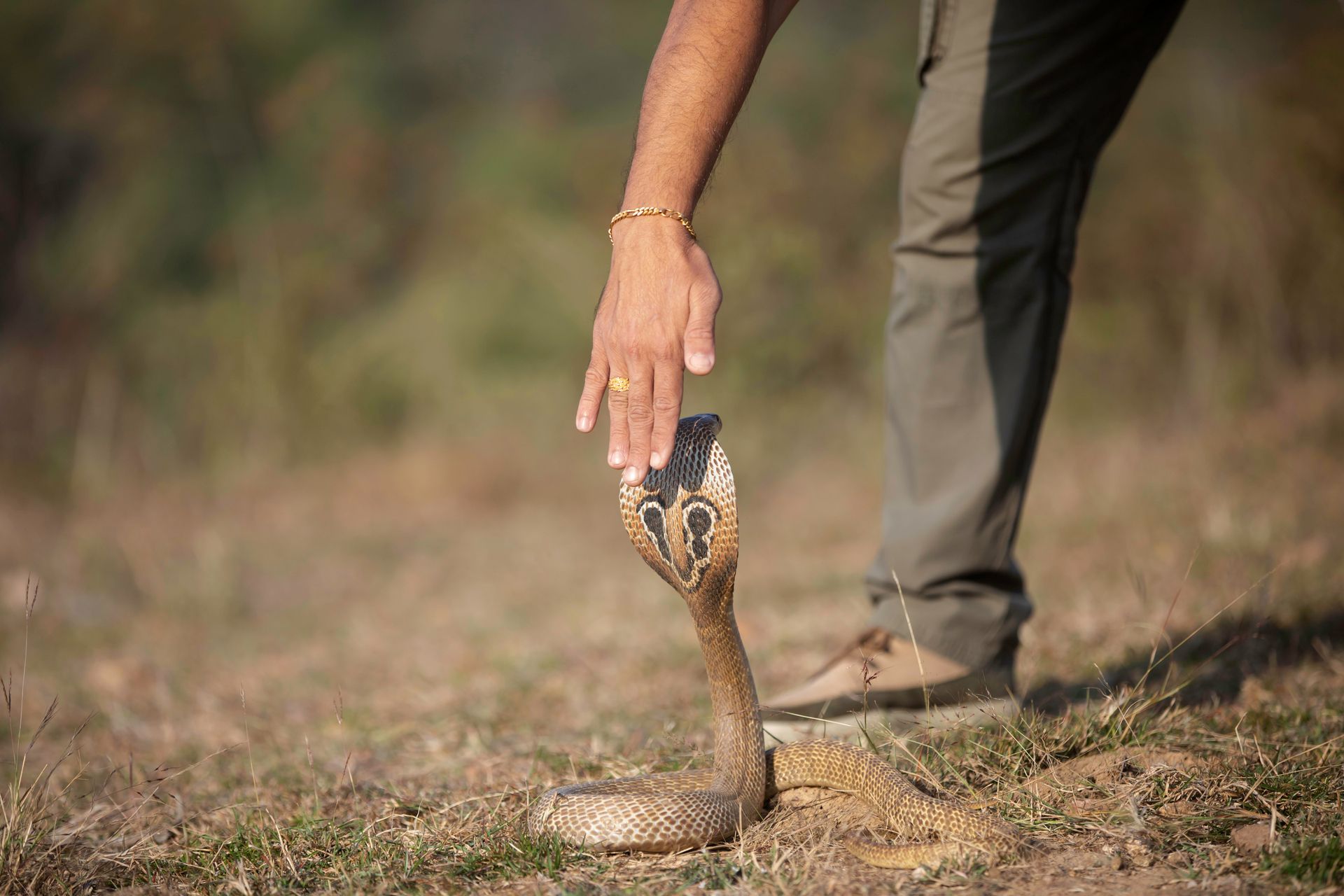
If you do decide to get a reptile or amphibian, take necessary precautions. Bites and scratches can be serious injuries and sometimes can become infected.
Reptiles without teeth, like most turtles, can still have painful bites that can spread germs and sometimes other toxic substances. This highlights the importance of handling them with care.
To stay safe around reptiles and amphibians, think about the people in your household. Some are at higher risk for serious illness from germs reptiles and amphibians can carry.
Pet Ownership and Health
When considering pet ownership, especially with reptiles and amphibians, it's essential to think about the people in your household. Some people are at higher risk for serious illness from germs these animals can carry.
Children younger than 5 years old, adults 65 and older, and people with weakened immune systems are more susceptible to illnesses. If you have any of these individuals in your household, it's crucial to take extra precautions.
Before Choosing a Pet
Before choosing a pet reptile or amphibian, think about the people in your household. Some people are at higher risk for serious illness from germs reptiles and amphibians can carry, especially children younger than 5 years old, adults 65 and older, and people with weakened immune systems.
It's worth noting that children are often drawn to reptiles and amphibians as pets, and they may not understand the risks involved. Children younger than 5 years old are particularly vulnerable to serious illness from germs reptiles and amphibians can carry.
In the United States, there are restrictions on owning certain types of amphibians and reptiles. Since 1975, it has been illegal to sell or distribute turtles with shells that measure less than 4 inches in length.
Despite the ban, it's still possible to find these turtles in some pet stores, flea markets, with street vendors, or sold over the Internet. This highlights the importance of doing thorough research and ensuring that any pet you choose is safe for your household.
Track Pet Health
Regular check-ups with an exotic veterinarian experienced in reptile and amphibian care (herpetology) are crucial for maintaining your pet's health.
A veterinarian can help you learn about proper temperature and humidity requirements for your pet, which can decrease stress and the chances of getting sick.
Proper cleaning and disinfection of the habitat are essential to prevent the spread of disease.
If your pet becomes sick or dies soon after purchase, take it to the veterinarian and inform the pet store or breeder about the pet's illness or death.
Salmonella and Reptiles
Reptiles and amphibians can carry Salmonella germs on their bodies, even when they appear healthy and clean. They can spread the germs through direct or indirect contact, and it's essential to take precautions.
Washing your hands thoroughly with soap and warm water immediately after touching a reptile or amphibian, or anything in the area where they live and roam, is crucial. Use hand sanitizer if soap and water are not readily available.
Young children are more susceptible to Salmonella infections because they don't always wash their hands properly after handling pet reptiles. Adults should always supervise hand washing for young children.
Reptiles can carry Salmonella bacteria in their droppings and on their skin. To keep yourself safe, wash your hands after handling reptiles, even if you wear gloves. Also, wipe any surfaces they touch with an anti-bacterial agent.
Symptoms of Salmonella infection include vomiting, diarrhea, and fevers, and it typically lasts for a couple of days. Infected people usually feel sick for about a week.
Worth a look: Wash Reptile Carpet
Here are some tips to reduce the risk of Salmonella infection from reptiles and amphibians:
- Wash your hands thoroughly with soap and warm water immediately after touching a reptile or amphibian, or anything in the area where they live and roam.
- Use hand sanitizer if soap and water are not readily available.
- Adults should always supervise hand washing for young children.
- Do not let children younger than 5 years of age handle or touch reptiles or amphibians or anything in the area where reptiles or amphibians live and roam.
- Keep reptiles and amphibians out of homes with children younger than 5 years old or people with weakened immune systems.
Aeromonas Infections
Aeromonas Infections are another disease that can spread from reptiles to humans. This bacterium triggers severe diseases.
Reptiles usually contract Aeromonas from contaminated water. Infected reptiles can spread it into their terrarium water and infect their human owners.
Never prepare human food in the same place as a reptile's, as this is one of the most common ways to spread this zoonotic disease.
Wear gloves when handling your reptile if you have any cuts on your finger, as this reduces the chance of direct contact between the wound and the infected water.
Aeromonas infections can cause skin lesions and ulcers, and in severe cases, necrosis may develop.
Consider reading: Clean Reptile Water Dish
Scratches and Bites
Reptile scratches and bites can be serious injuries and sometimes can become infected. Bites from reptiles and amphibians can spread germs and sometimes other toxic substances, depending on the type of animal.
Discover more: Dog Flea Bites on Humans Pictures
Not all reptiles and amphibians have teeth, but even those who don't can still have painful bites. Most turtles are an example of this.
Bites and scratches can be painful and even lead to infections. It's essential to be cautious when handling reptiles and amphibians.
Some reptiles can live for a very long time, which means you'll be caring for them for a long time too. This requires special care and attention to their health.
Even reptiles that appear clean and healthy can carry germs like Salmonella. This is a common germ that can make people sick.
Amphibian-Associated Zoonoses
Amphibians like frogs and toads can carry a type of bacteria called Salmonella, which can be transmitted to humans through contact with contaminated water or food.
One of the most common amphibian-associated zoonoses is the infection caused by the bacteria Batrachochytrium dendrobatidis, also known as Bd.
This fungus can cause skin lesions and respiratory infections in amphibians, and can be transmitted to humans through contact with infected animals or contaminated water.
In some cases, the fungus can be transmitted through the air when an infected amphibian is handled or disturbed.
The symptoms of Bd infection in humans can range from mild to severe, and may include skin lesions, respiratory problems, and in severe cases, death.
In addition to Bd, other amphibian-associated zoonoses include infections caused by the bacteria Aeromonas and Pseudomonas, which can cause a range of symptoms including diarrhea and respiratory problems.
Intriguing read: Dog Diseases and Symptoms
Featured Images: pexels.com