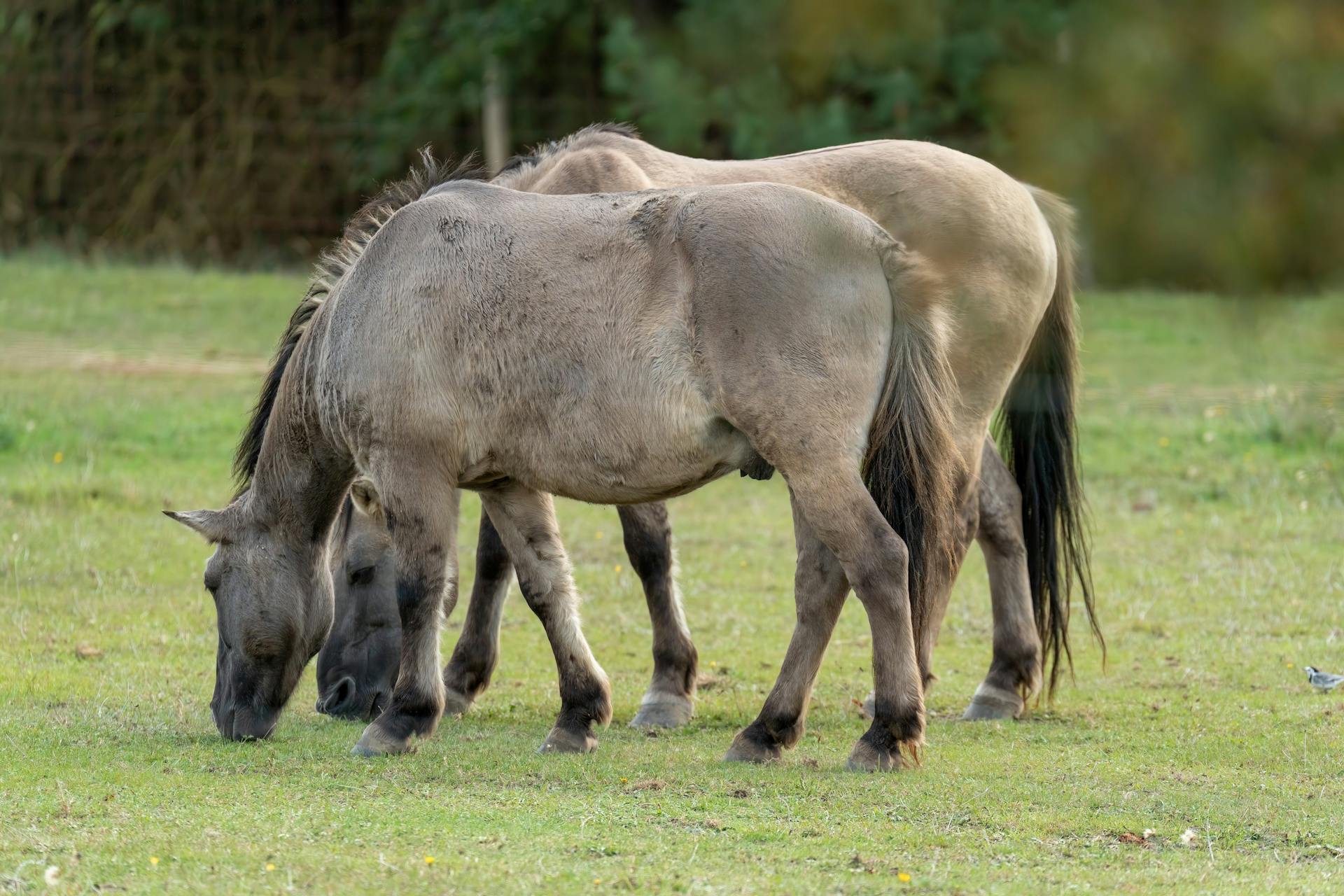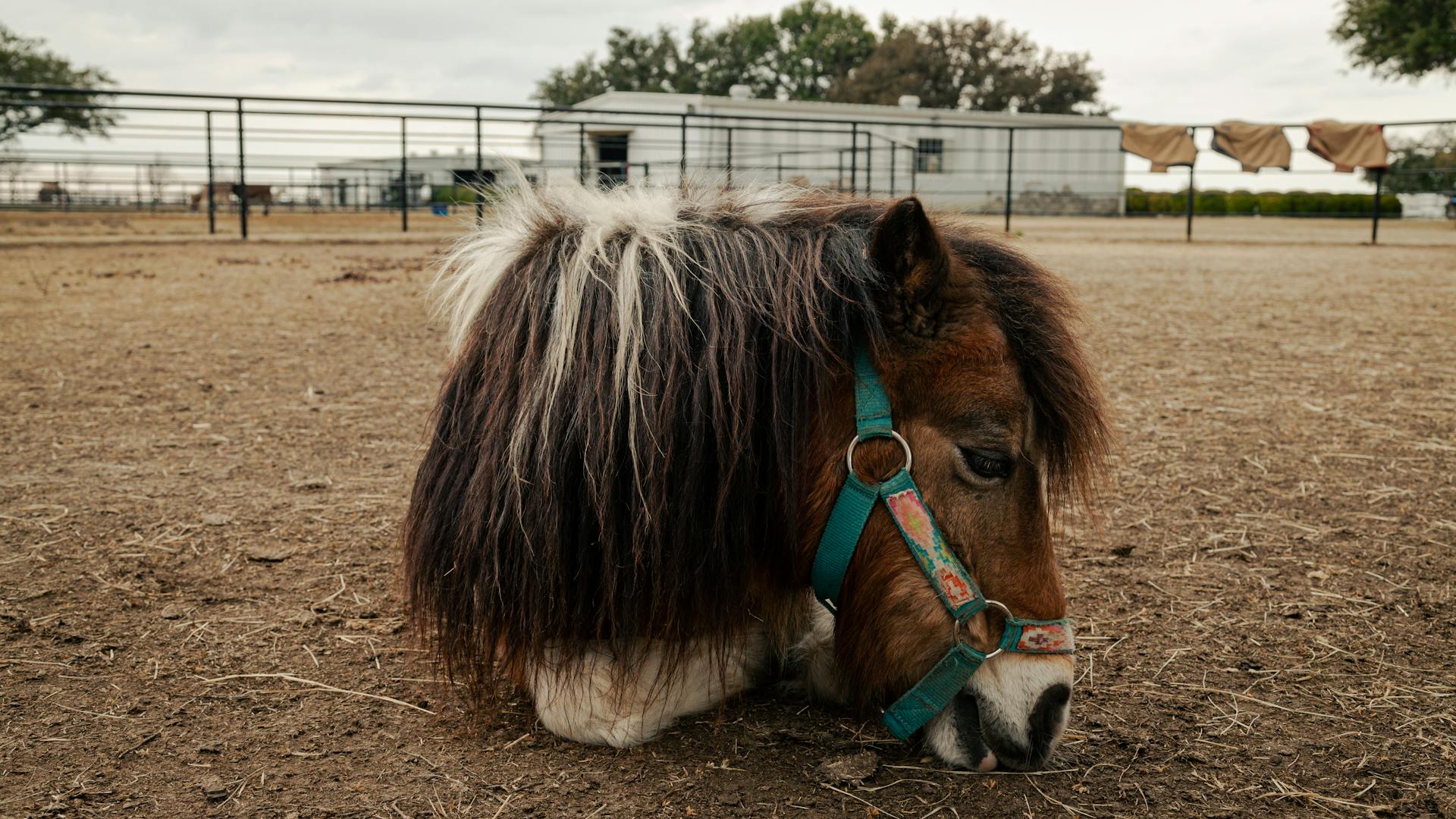
Miniature horses are intelligent animals that thrive on interaction and attention. They are known to form close bonds with their owners and can even be trained to perform tricks.
These small horses are surprisingly strong and can pull carts and carriages with ease, making them a popular choice for riding and driving. Their average weight is around 200-300 pounds.
Miniature horses are relatively low-maintenance pets, requiring less space and food than regular horses. They are also relatively easy to care for, with a lifespan of around 25-30 years.
Characteristics and Care
Miniature horses are generally quite hardy, with a usual life span of 25 to 35 years.
Their life expectancy is longer than that of some larger horse breeds.
They are more prone to certain health issues, such as dental misalignment and overcrowding, which can lead to problems like brachygnathism ("parrot mouth") and prognathism ("sow mouth").
These issues can contribute to poor mastication, which increases the risk of colic caused by enteroliths, faecoliths, or sand.
Miniature horses are also more likely to develop illnesses rare in larger horses, such as hyperlipaemia, which can lead to hepatic lipidosis.
Here are some common vitamin and mineral deficiencies in horses, including miniature horses:
- Zinc
- Copper
- Sodium
- Selenium (in certain geographic locations)
- Vitamin E
Grooming

Grooming is essential for miniature horses, and it's actually quite easy due to their smaller size.
Use a comb, brush, and hoof pick daily to remove dirt and debris from your horse's coat.
Miniature horses require regular grooming to stay clean and healthy.
You'll want to find a farrier who specializes in miniature horses to maintain your horse's hooves, as they are specifically trained to handle their unique needs.
Feeding Recommendations
Feeding your miniature horse requires some special considerations. Excess grass intake can lead to weight gain in minis, so it's a good idea to provide a grazing muzzle to slow down their grass intake.
Dry lots with selected hay are a great alternative to pasture. Avoid placing your mini's feed directly on the ground to prevent intake of sand or dirt, which can lead to colic.
Feeding hay in a slow feeder is a good way to ensure your mini has unrestricted access to forage while slowing down consumption. Slow feeders designed for standard size horses won't work for minis, so consider using double netting with nets that have holes no larger than 1 inch.
Related reading: Are Dalmatian Good Guard Dogs

Free-choice forage is essential for maintaining consistent intake throughout the day. This also helps reduce stress, which in turn reduces the risk of hyperlipemia.
Miniature horses have the same nutrient requirements as full-sized horses, just adjusted for body weight. This means they need a balanced diet that includes a comprehensive vitamin and mineral supplement.
Common vitamin and mineral deficiencies in horses include zinc, copper, sodium, selenium (in certain geographic locations), and vitamin E. A well-formulated supplement can help fill these gaps and ensure your mini gets all the nutrients they need.
Here are some key nutrients to look for in a supplement:
- Zinc
- Copper
- Sodium
- Selenium
- Vitamin E
When choosing a supplement, be sure to follow the recommended serving sizes and adjust according to your mini's body weight to avoid over-supplementing.
Care and Management
Miniature Horses need regular deworming and vaccinations, so work with your veterinarian to develop an annual wellness program.
Their housing requirements are similar to those of bigger horses, but they need safe space to move around. Regular turnout is essential for their physical and mental health.

As companions for full-size horses, Miniatures can live together safely, but owners should make introductions slowly to avoid injury. Their smaller size makes them more vulnerable to harm.
Regular trimming and farrier care are crucial for maintaining hoof balance and preventing angular limb deformities. Look for a qualified farrier with experience working with Miniature Horses.
If this caught your attention, see: Size Trailer
Breed Characteristics
Miniature Horses are about the same size as large dogs, but they pack a lot of personality into their small size.
Their elegant conformation sets them apart from other small breeds.
These horses are surprisingly versatile and can thrive in a variety of roles, from companions to working animals.
Their small stature allows them to be a great fit for people who live in small spaces or have limited mobility.
Miniature Horses are known for their intelligence and trainability, making them a joy to work with.
History and Origins
Miniature horses originated in Europe in the 1600s, where they became popular among the nobility for their unique appearance. They were also used for work in mines due to their small size.
These small horses started to arrive in the United States in the late 1800s, where they also went to work in mines. The first mention of a small horse being imported into the United States was in 1888.
The breed was developed through centuries of selective breeding, with Shetland ponies serving as the foundation breed. Miniature horses today can trace their lineage to 18th-century Europe, with articles and paintings from as early as 1765 depicting tiny equines.
History
Miniature horses originated in Europe, where there is written and iconographic documentation of them from the late eighteenth century. They were bred in England by Lady Estella Mary Hope and her sister Lady Dorothea in the first half of the twentieth century.
The Falabella was developed in Argentina in the mid-1800s by Patrick Newtall, who added additional bloodlines including the Welsh Pony, Shetland pony, and small Thoroughbreds.
Selective breeding of Shetland stock by Wynand de Wet of Lindley in South Africa began around 1945, resulting in the South African Miniature Horse breed. Today, there are about 700 of these horses in the country, with variable morphology ranging from an Arab appearance to a draft horse conformation.
The first small horses arrived in the United States in the late 1800s, where they worked in mines due to their small size. It took several decades before the miniature horse gained considerable popularity in the U.S.
Two main registries exist for the miniature horse: the American Miniature Horse Association and the American Miniature Horse Registry.
If this caught your attention, see: American Saddlebreds
Have Foals
Miniature horses give birth to adorable foals that are surprisingly independent from a young age. Mini horses stand up on their own just a few minutes after birth.
These tiny foals weigh an average of 20 pounds and range in height from 16 to 21 inches. They're small enough to carry around like a puppy.
After a few hours, mini horse foals can run around in the pasture all on their own, although they'll return to their mother's side to nurse.
Health and Behavior
Miniature horses are generally good-natured and easy to train, but they can be prone to several health issues.
Dwarfism mutations can cause health complications in miniature horses, so many registries are now trying to avoid breeding miniature horses with these genes.
Obesity is another common problem in miniature horses, often caused by owners not providing enough exercise or overestimating their food needs.
Miniature horses can have difficulty giving birth due to their small size.
Dental issues, such as tooth overcrowding, are also common in miniature horses.
Here are some common health issues in miniature horses:
- Dwarfism mutations
- Obesity
- Difficult births
- Dental issues
- Hyperlipidemia
- Hyperlipemia
- Colic
Common Health and Behavior Issues
Miniature horses are generally good-natured and easy to train, but they are prone to several health issues.
Dwarfism mutations are a common problem in miniature horses, causing several health complications. Many horse registries are now trying to avoid miniature horses with dwarfism genes for breeding.
Obesity is a significant issue in miniature horses, often caused by overfeeding or lack of exercise. Some owners treat them like house pets and don't provide them with the physical activity they need.
For more insights, see: Horse Health
Difficult births are a concern due to their small size, making it essential to monitor mares during foaling. Finding a veterinarian familiar with miniature horse anatomy and reproduction is crucial.
Miniature horses tend to have dental issues, especially tooth overcrowding. Regular dental care is essential to prevent these problems.
Here are some common health issues in miniature horses:
- Dwarfism mutations
- Obesity
- Difficult births
- Dental issues
- Hyperlipidemia
- Hyperlipemia
- Colic
Colic, a type of abdominal pain, can be fatal if not treated promptly. Veterinary care is necessary to prevent and treat this condition.
Dwarfism
Dwarfism is one of the biggest health concerns in Miniature Horses.
Dwarfism is caused by a mutation in the ACAN gene, which can lead to abnormally short legs, undershot jaws, and short necks.
Some Miniature Horses with dwarfism also have bulging foreheads and upturned noses, and may display signs of mental disorders like depression.
Research suggests that the gene responsible for Dwarfism gained prevalence in the Mini Horse population due to the selective breeding of heterozygous carriers with reduced stature.

Miniature Horses with dwarfism can experience joint problems, scoliosis, and other vertebral deviations, which can lead to progressive ambulatory disabilities.
Genetic testing can help breeders determine if their minis are carriers for the dwarfism gene.
The American Miniature Horse Association will refuse to register a Miniature Horse exhibiting dwarf characteristics.
Use and Purpose
Miniature horses are incredibly versatile, and they can be used for a variety of purposes. They make wonderful companion animals, often kept by people who value their gentle and affectionate nature.
Many miniature horses are trained for driving, and they can be hitched to carts or sleighs. They're also suitable for showing, and can participate in events like conformation contests.
In-hand jumping and obstacle-running are also popular activities for miniature horses. Some even participate in therapy programs, assisting people with vision and hearing impairments.
Miniature horses can also be used as guide animals, particularly for those who consider dogs unclean. They're relatively inexpensive to upkeep, making them a great option for many people.
Here are some of the many uses for miniature horses:
- Driving
- Showing
- In-hand jumping
- Guide horse
As pets, miniature horses are often valued for their companionship. They can also be used for therapy, and some even participate in dog sports-like competitions.
Breed and Registry
The American Miniature Horse Association (AMHA) is the largest registry of Miniature Horses globally, with over 240,000 minis registered by members in 38 countries.
The AMHA was founded in 1978 in Arlington, Texas, to promote mini horses in North America.
To be eligible for registration with the AMHA, horses must meet the height breed standards.
The AMHA closed its studbook in 1987 and began limiting registration to offspring from AMHA-registered parents to preserve the breed's integrity.
Appearance and Temperament
Miniature horses are often intelligent, curious, and playful. Their gentle dispositions make them a joy to be around.
Despite their small size, proper handling and training are still essential for horse and human safety. This is because these horses can grow and develop just like any other breed, and they need guidance to become well-behaved and confident companions.
Miniature horses typically have a willing temperament, which means they're eager to please and quick to learn. With patience and consistency, you can develop a strong bond with your miniature horse and enjoy a lifelong friendship.
Colors and Markings
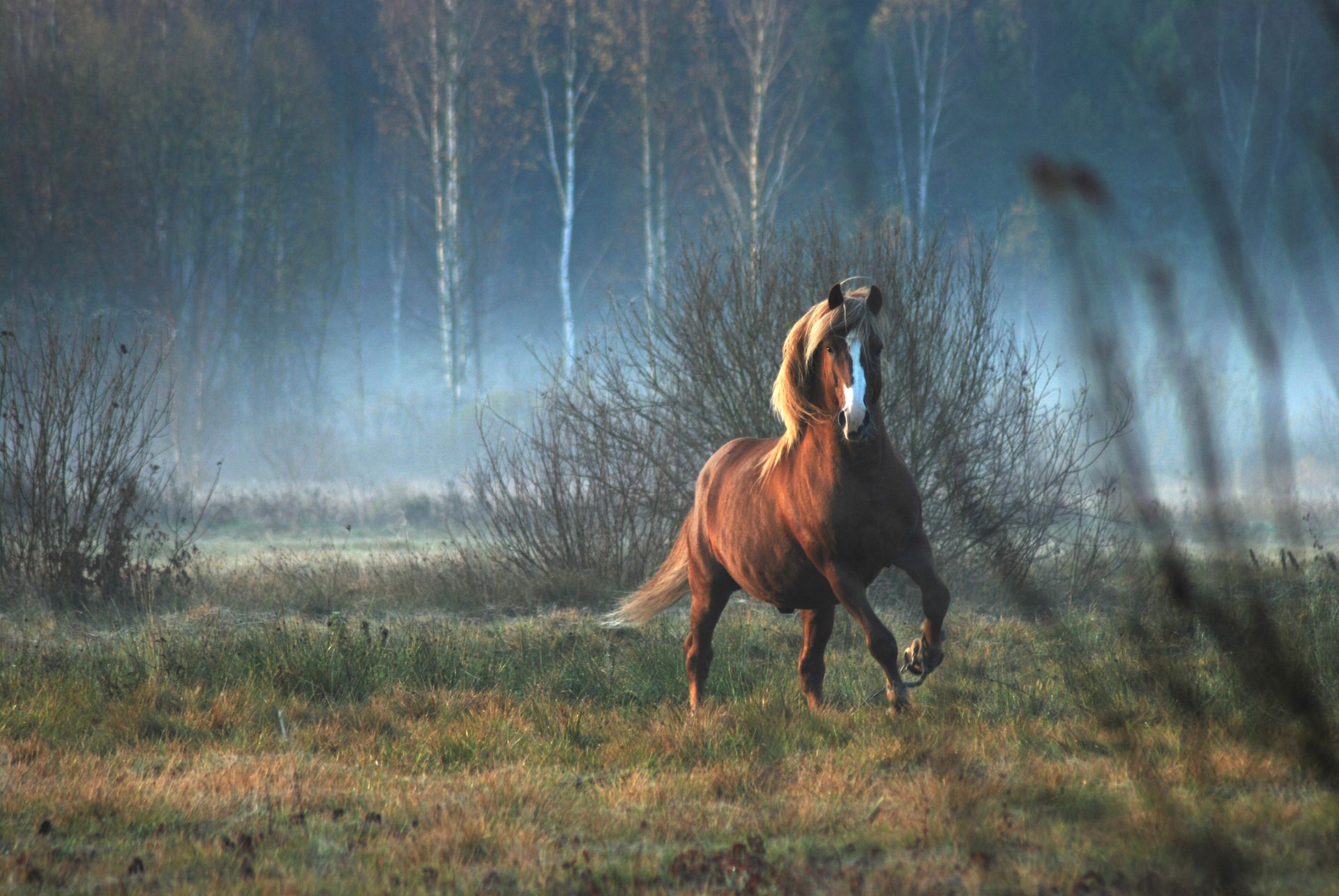
Miniature horses come in every equine color and coat pattern. You'll find solid coats, pintos, and spotted coats like that of the Appaloosa.
Their coats tend to be a bit thicker than those of full-size horses, and they usually have copious manes and tails.
Miniature horses can be any coat colour. All white markings and coat patterns are considered acceptable in the breed.
Here are some key characteristics of miniature horse coats:
- They can be solid, pinto, or spotted
- Their coats tend to be thicker than those of full-size horses
- They usually have copious manes and tails
Overall, miniature horses are a beautiful and diverse breed when it comes to their coats.
Temperament
Miniature horses are known for their gentle dispositions. They are often intelligent and curious, which can make them playful and engaging companions.
Proper handling and training are essential for horse and human safety, even for these smaller horses.
Purchase and Ownership
Miniature horses can cost around $1,000 on average, though you can often find horses to adopt for less.
Desirable breeding can drive up the price, with some miniature horses costing much more.
It's relatively easy to find reputable miniature horse rescues and breeders, but it's essential to do your research.
Adopt or Buy
Adopting a miniature horse can be a great option, and you can often find them for less than buying one. On average, miniature horses cost around $1,000.
If you do decide to buy, be prepared for the possibility of higher prices for horses with desirable breeding. Miniature horses of good breeding can cost much more than the average price.
Before bringing a miniature horse home, it's essential to spend time with them first. Ask the organization about the horse's history, health, and temperament.
If the organization can't answer your questions adequately, it could be a sign that you're not dealing with a reputable rescue or breeder. Ideally, you should work with a rescue or breeder that can provide you with all the information you need.
Additional reading: Frida the Rescue Dog Mural
Cart Purchase Options
If you're looking to purchase a cart for your Miniature Horse, you have a few options. Visit local AMHA-approved shows and talk with exhibitors in the driving classes, as they may have carts for sale or be able to recommend a good supplier.
You can also visit the AMHA Marketplace, which lists various vendors and suppliers.
To find a tack supplier for your Miniature Horse, check out the list of Tack stores on the AMHA website, under the AMHA Marketplace section.
Right for You?
If you're considering bringing a miniature horse into your life, you'll be happy to know that they're typically easy to keep and train.
Their small size and gentle nature make them a great choice for people with limited horse experience, and they require less food and lower medication doses than full-size horses.
Miniature horses are also very strong, so they need training just like any other horse.
They're often a great fit for families with kids, as their size and temperament make them easier to work with than larger horses.
Their upkeep costs are generally cheaper than full-size horses, which can be a big plus for many owners.
Readers also liked: Wolves in Great Britain
Champions and Celebrity
Miniature horses have become quite the stars in recent years. A miniature horse named Gideon played the lovable Li'l Sebastian on the TV show "Parks and Recreation".
Their charming personalities and small size have made them a favorite among celebrities. Actress Kaley Cuoco has turned her miniature horse, Shmooshy, into an internet celebrity.
Miniature horses are popping up in commercials and on social media, showcasing their unique charm. Their adorable faces and antics have captured the hearts of many.
Frequently Asked Questions
Do miniature horses make good pets?
Miniature horses can make excellent pets for those willing to invest time and effort into training, offering up to 50 years of companionship. They are intelligent, loyal, and well-suited for roles like guide animals.
What are the disadvantages of miniature horses?
Miniature horses may face challenges such as difficult births, dental issues, and health problems like hyperlipidemia due to their unique characteristics. Understanding these potential disadvantages can help you make an informed decision about owning a miniature horse.
What is the lifespan of a mini horse?
Miniature horses typically live for 25-35 years, outliving some full-sized breeds. With proper care, they can enjoy a long and healthy life as beloved family pets.
Featured Images: pexels.com