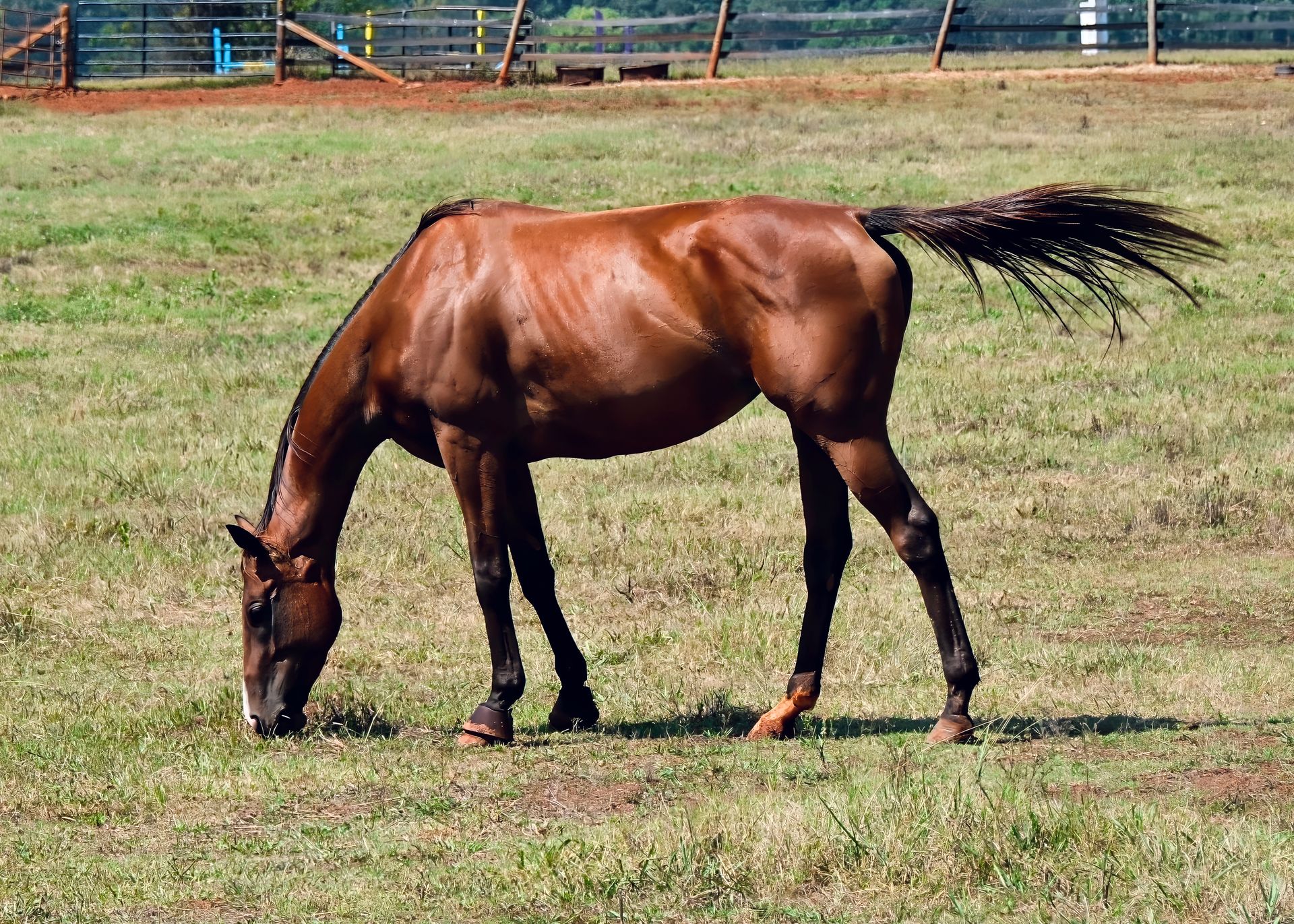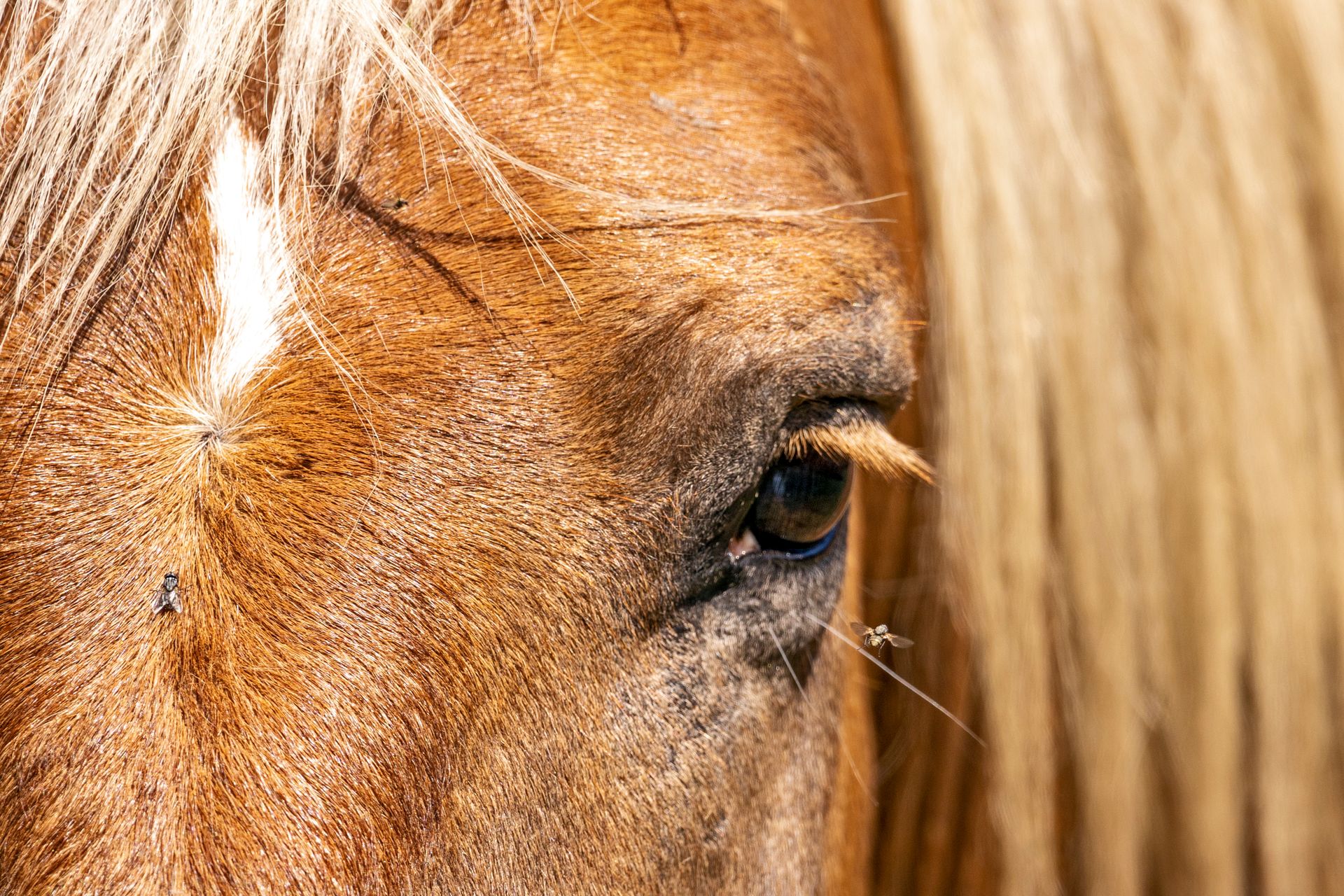
Horse skin diseases can be a real challenge for horse owners.
Horses can be prone to skin conditions such as rain rot, which is caused by fungal infections that thrive in damp environments.
Regular grooming is essential to prevent skin problems in horses.
A healthy diet and regular exercise can also help to keep a horse's skin in top condition.
Common Horse Skin Conditions
If you notice anything off about your horse's skin or coat, it's always best to contact your veterinarian, as many horse skin diseases can appear similar to each other.
Skin disorders in horses can be broken down into several categories.
Horse skin conditions can range from minor irritations to more serious life-threatening diseases.
These conditions can affect many different areas of your horse's body and have a variety of accompanying symptoms.
Your vet can help you properly identify and treat the root problem, making it essential to seek professional help if you notice any unusual skin issues in your horse.
Many horse skin problems can be identified by their symptoms, such as redness, itching, or hair loss, but it's always best to consult a veterinarian for a proper diagnosis.
For another approach, see: What Is the Best Horse Breed
Parasitic and Infectious Diseases
Parasitic and infectious diseases can be a real nuisance for horses, causing itchiness, hair loss, and even secondary infections. Mange, a parasitic infection caused by tiny mites, is one common skin condition that can be spread to humans.
Some common signs of mange include small, round bumps followed by bald spots and scaly, thickened skin, usually on the lower legs of draft horses with heavy feathering. In more severe cases, the skin may be rubbed raw and show signs of secondary infections.
Lice infestations are another type of parasitic infection that can cause noticeable itchiness in horses, and are also communicable to people. Ringworm, a common fungal infection, can cause an itchy, circular pattern of hair loss with a rash-like appearance, often affecting the girth and saddle region.
To prevent the spread of these parasitic and infectious diseases, it's essential to take precautions such as quarantining newcomers on your farm, especially if they have visible bald areas that appear to be itchy. You should also treat all horses who have been in contact with affected horses and change out all of the stall bedding used by affected horses.
Here's a list of common parasitic and infectious diseases that can affect horses:
- Mange (caused by tiny mites)
- Lice infestations
- Ringworm (a common fungal infection)
- Summer sores (caused by third-stage larvae of gastric worms)
Parasitic and Infectious Diseases
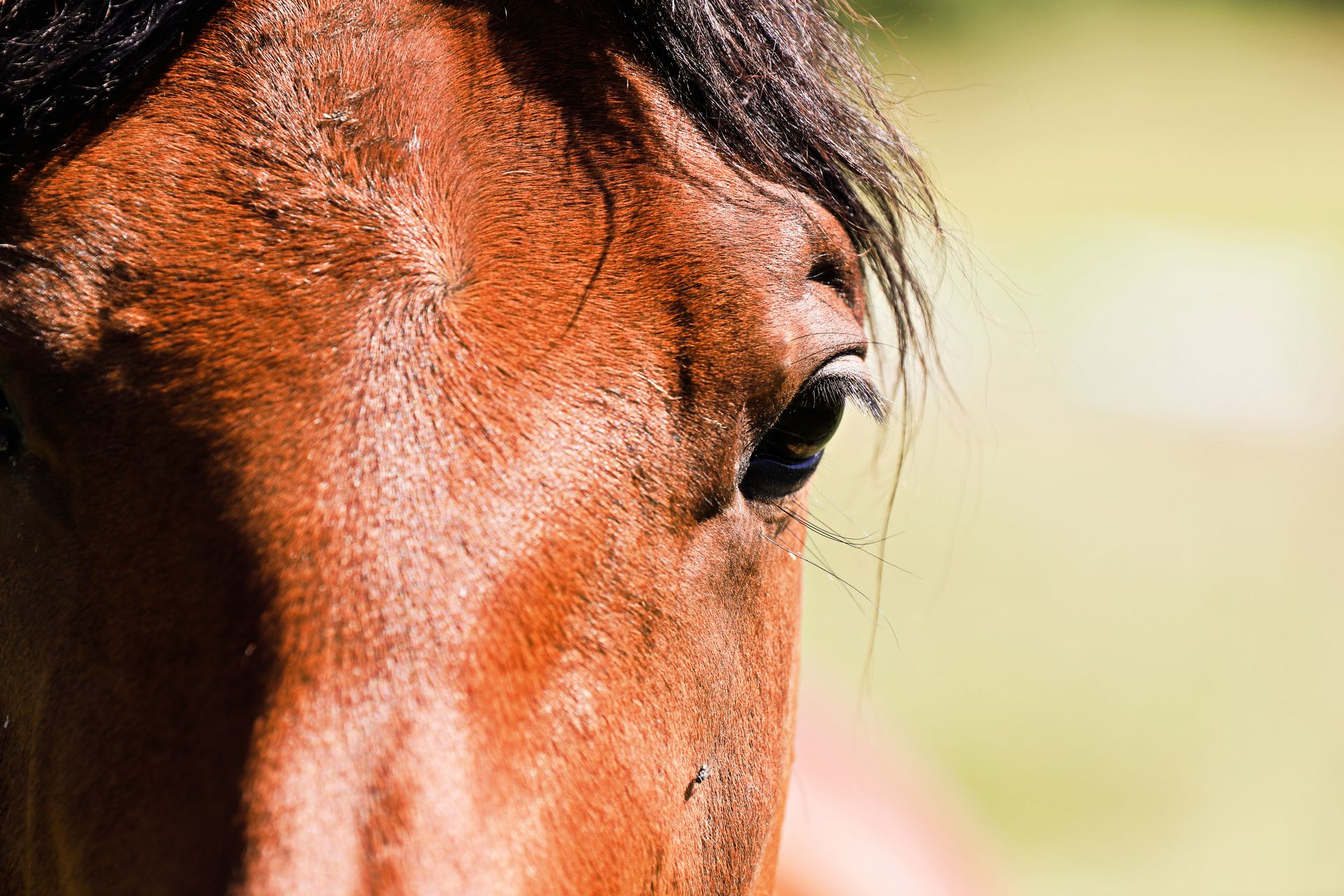
Horses can suffer from a range of parasitic and infectious diseases that affect their skin. These conditions can be caused by external factors such as insect bites or environmental allergens.
One of the most common parasitic diseases is Sweet Itch, also known as Queensland itch or summer eczema. It's caused by the saliva of midge flies as they bite a horse, leading to intense itching and scratching.
Horses with Sweet Itch often rub the affected area, resulting in open wounds and secondary infections. This can be a challenging condition to treat, and preventative measures such as stabling the horse from dusk until dawn and using special blankets and insect repellents are often necessary.
The symptoms of Sweet Itch can include excessive scratching, loss of fur or bald patches, and sores and lesions. Treatment may involve antihistamines, antibiotics, and anti-itch shampoos.
Some common signs of parasitic and infectious diseases in horses include hives, welts, and granulomas, which are small nodules that form along the horse's back. These conditions can be caused by allergies to environmental factors such as pollens or chemicals on riding equipment.
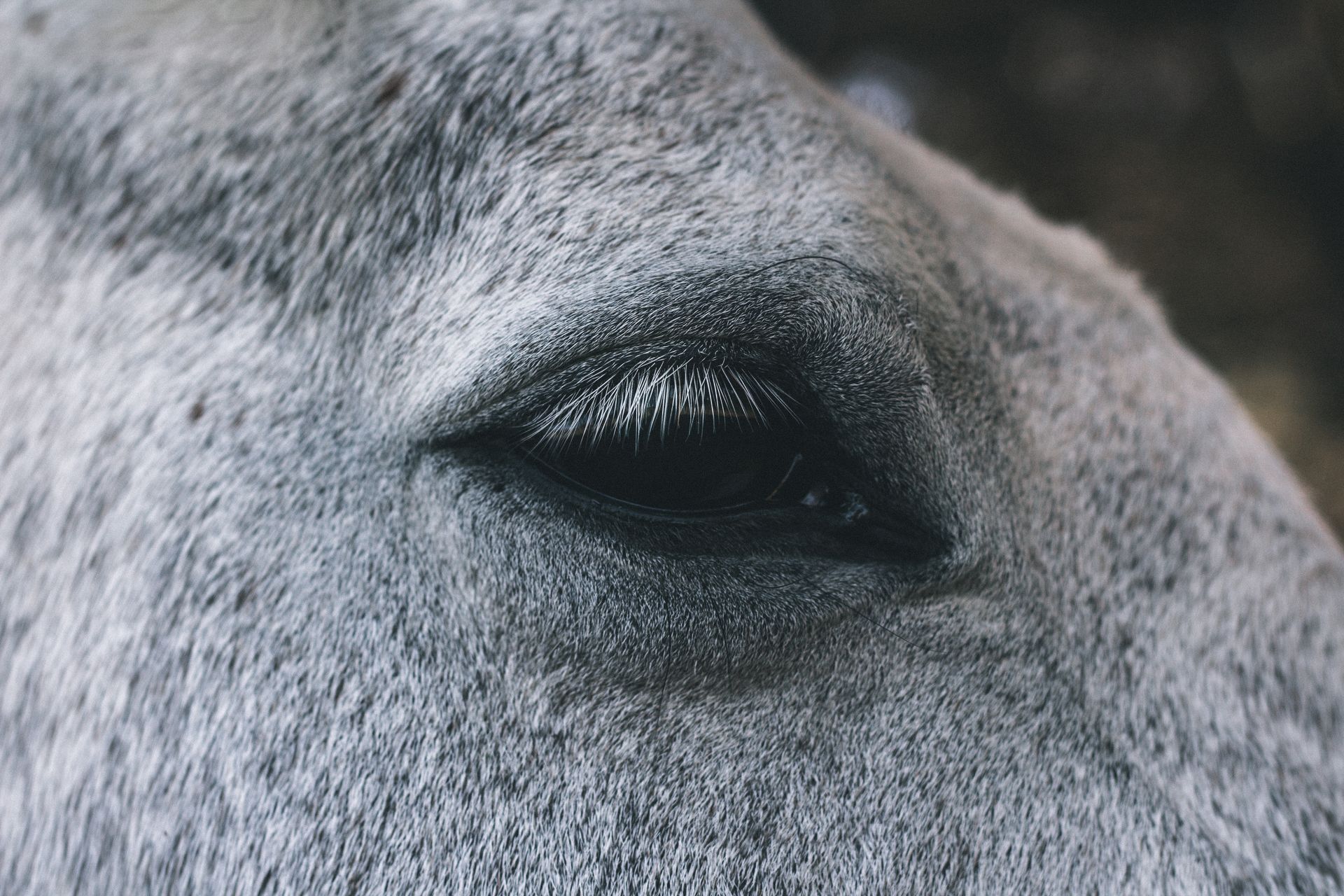
Here are some common parasitic and infectious diseases that affect a horse's skin:
- Atopic/Allergic: Hives, sweet itch/insect hypersensitivity, and granulomas
- Sweet Itch: Caused by midge fly bites, leading to intense itching and scratching
It's essential to identify and address these conditions early on to prevent them from becoming more severe and causing further discomfort for the horse.
Parasitic
Parasitic infections are a common problem for horses, and it's essential to be aware of the types of parasites that can affect them.
Some parasites, like mites, can cause mange, which leads to itchiness and hair loss in horses. These mites can even be spread to humans, making it a concern for horse owners and their families.
Lice infestations are less common in horses, but they can still cause noticeable itchiness and are communicable to people.
The most common parasitic infection is sweet itch, also known as Queensland itch, which is caused by the Culicoides insect. This insect injects salivary gland proteins into the horse's skin when it bites, leading to intense itching and open wounds.
Consider reading: Most Common Dog Diseases
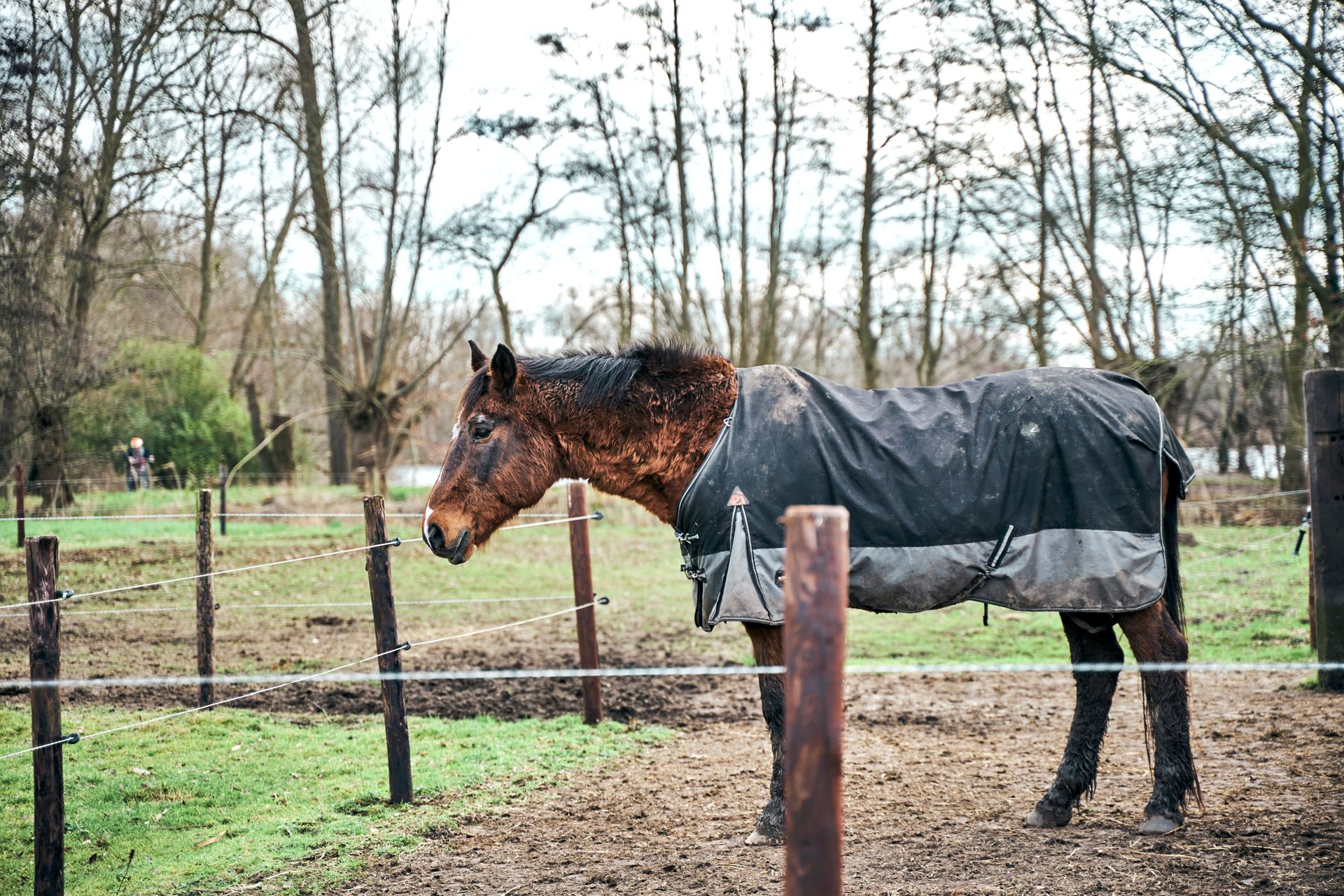
Horses with sweet itch often rub the affected area, resulting in secondary infections. The mane, tail, and withers are most often affected, and most horse breeds are susceptible to this condition.
Here are some common parasitic infections that affect horses:
Summer sores, also known as Habronemiasis, are caused by third-stage larvae of gastric worms that affect horses. These larvae are transmitted by flies and can cause ulcerated masses that bleed easily, may be itchy, and/or may contain dead or calcified granules.
Mange
Mange is a parasitic infection caused by tiny mites that can barely be seen by the naked eye. These mites can affect any horse, but they typically target the lower legs of draft horses with heavy feathering.
Mange can appear as small, round bumps at first, soon followed by bald spots with scaly, thickened skin. In severe cases, the skin may be rubbed raw and show signs of secondary infections.
The most common form of mange in horses in the United States is chorioptic mange, caused by the mite Chorioptes equi. This type of mange typically affects the lower legs of horses with feathering.
Mange is uncomfortable for the horse and can cause permanent thickening and scarring of the skin that can impede the movement of the pastern joints.
Treatment for mange involves using topical antiparasitic products, such as lime-sulfur solutions, organophosphates, or permethrins. These products can be applied by spraying, sponging, or dipping the leg.
Here are some common signs of mange:
- Small, round bumps
- Bald spots
- Scaly, thickened skin
- Itching
It's essential to treat mange promptly to prevent it from spreading to other areas of the body. If your horse has mange, you should also treat any horses that have been in contact with it, as well as change out the stall bedding used by affected horses.
Consider reading: Treat Heaves
Skin Cancers and Growths
Horse skin cancers and growths can be serious conditions that require prompt attention. They can range from minor irritations to life-threatening diseases.
Squamous cell carcinomas are a common type of skin cancer in horses, accounting for approximately 20% of all equine skin tumors. They can affect horses of any age, but are most common in horses between 12-16 years old.
Appaloosas and Paint horses appear to be predisposed to squamous cell carcinoma, with males at a slightly increased risk over females. UV light exposure is believed to contribute to developing tumors on the eyelids.
Melanoma is another type of skin cancer that affects horses, with grey horses being most commonly affected, up to 80% of all grey horses eventually developing this skin condition.
Squamous Cell Carcinoma
Squamous Cell Carcinoma is a common skin cancer in horses, accounting for 20% of all equine skin tumors.
It can affect horses of any age, but is most common in those between 12-16 years old.
Appaloosas and Paint horses appear to be predisposed to this condition, with males at a slightly increased risk over females.
Most squamous cell carcinoma tumors develop around the eyelid, penis, and perianal region.
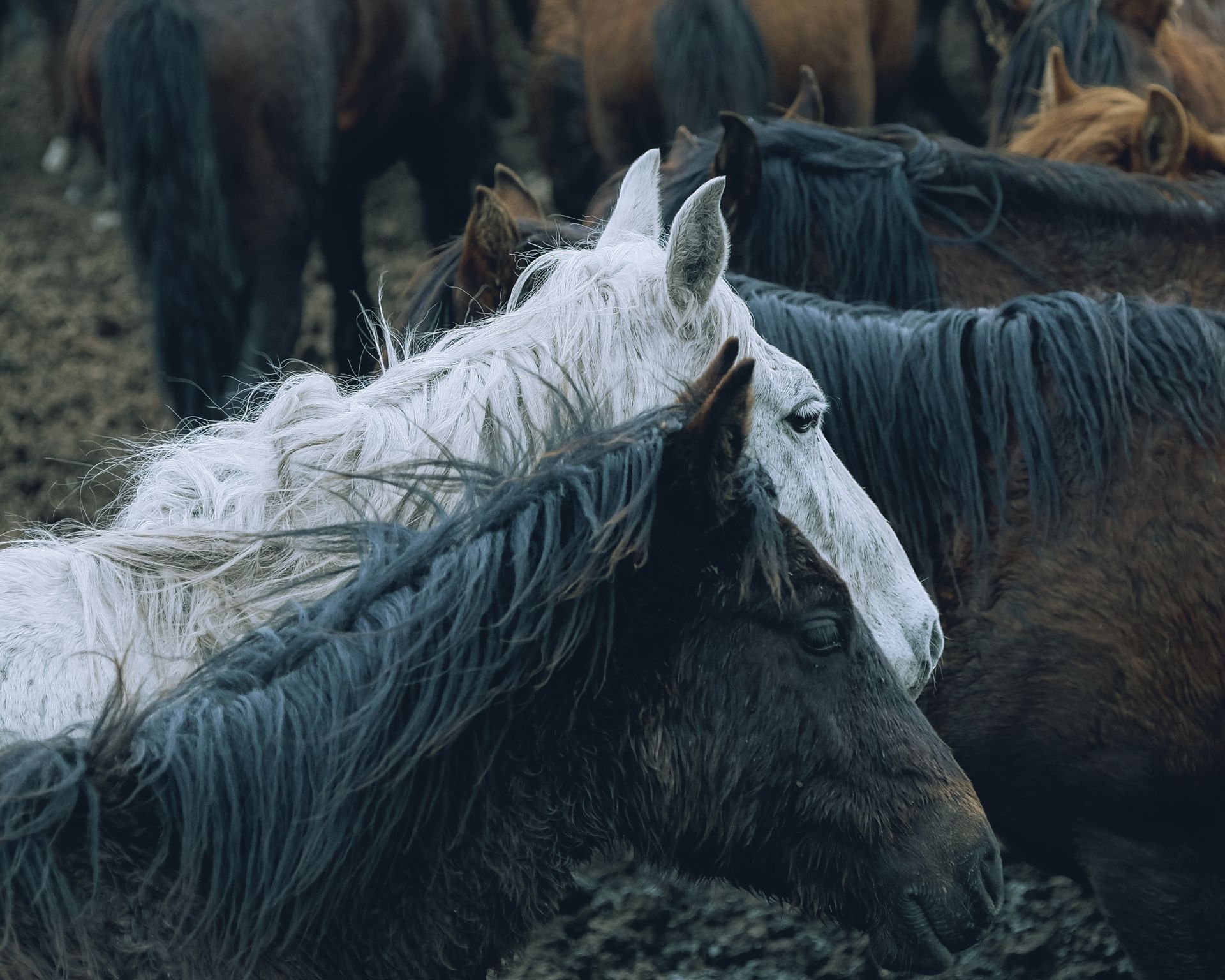
They often appear as a solitary, ulcerative and non-healing wound.
UV light exposure is believed to contribute to developing tumors on the eyelids.
Papillomavirus seems to be associated with penile squamous cell carcinomas.
Chronic inflammation, such as burns or non-healing wounds, can also be a site for tumor development.
Surgical excision of the tumor, along with chemotherapy, can resolve the disease in some cases.
However, this may not be possible in certain locations or with excessively large tumors, leaving other treatment options like cryotherapy, hyperthermia, radiotherapy, and photodynamic therapy.
If there is widespread metastasis, euthanasia is often the best option.
For more insights, see: How Often Should Horses Be Dewormed?
Melanoma
Melanoma is a serious skin condition that affects horses, with grey horses being the most commonly affected, making up to 80% of all grey horses eventually developing this condition.
Surgery and chemotherapy are the most common treatment options for horses with melanomas, which can develop into large solid masses from small individual tumors that eventually merge.
Warts
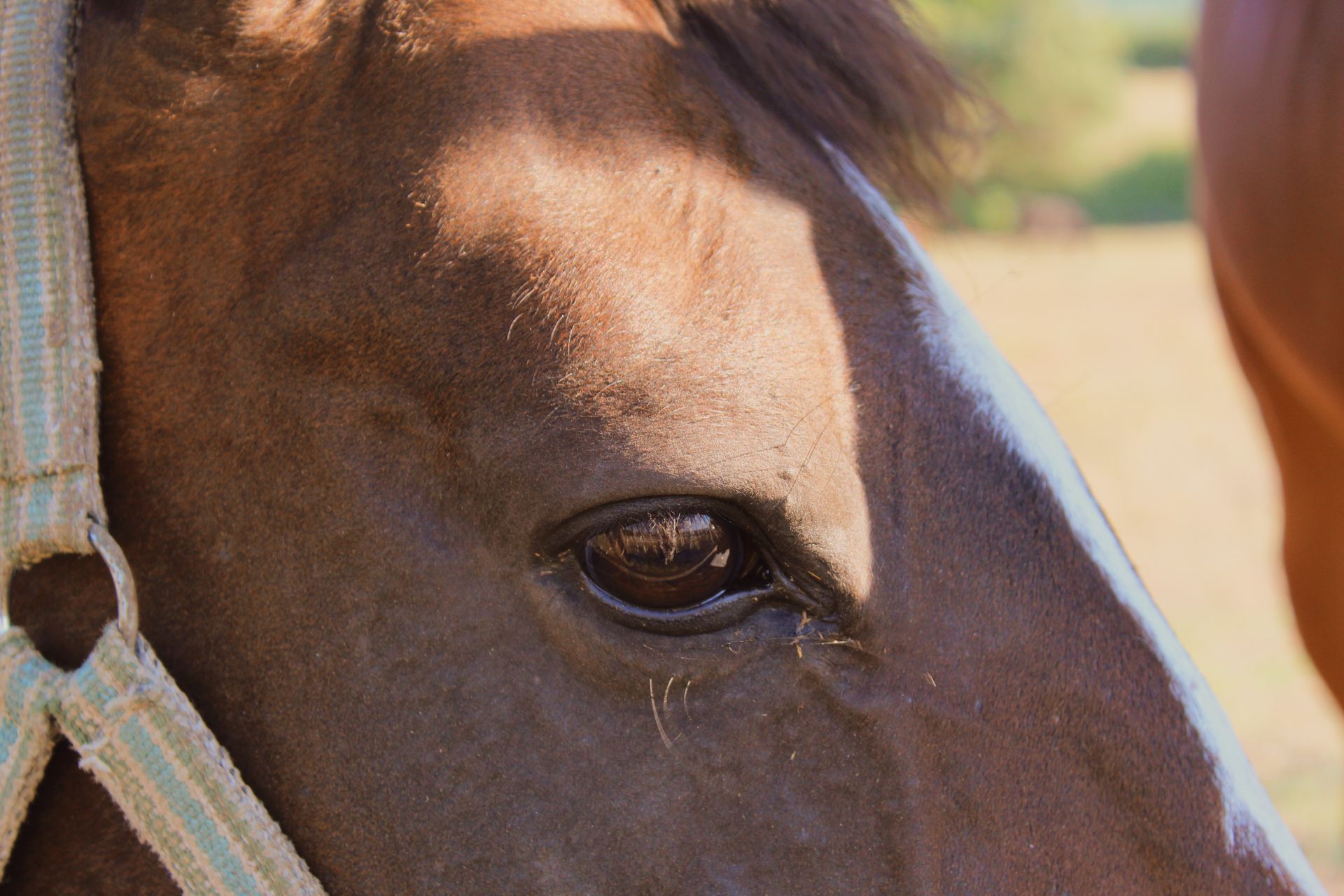
Warts are a common skin tumor in horses, usually appearing on the lower limbs or face of younger animals. They can be caused by a papillomavirus that's transmitted through open skin or biting insects.
The virus that causes warts is most active in young horses between one and three years of age, due to trauma and an immature immune system. This age group is most susceptible to warts.
Warts can appear as one lesion or up to several hundred, ranging in size from five to twenty millimeters in diameter. They can be categorized based on their location on the horse's body.
If a horse has warts in their ears, they'll take on the appearance of white, sensitive plaques that may bleed or develop infections. Fly bites in the ears can cause bleeding, and secondary bacterial or fungal infection is common.
Treatment for warts on horses can include surgical removal and antibacterial ointments. In some cases, horses with ear warts may need protection via a fly mask with ear covers.
Skin Infections and Irritations
Skin infections and irritations are common issues that can affect horses, causing redness, irritation, and inflammation. Scratches/pastern dermatitis/greasy heel is the most common condition, caused by damp conditions and skin irritation leading to bacterial overgrowth.
Horses with pastern dermatitis may develop chronic wounds with persistent inflammation, and it can be severe in some cases. This condition is most common in draft breeds or other breeds with heavy feathering on the lower legs.
The symptoms of skin infections and irritations can vary depending on the specific condition, but they often include redness, flaking, and crusting of the skin, as well as a bad odor in the case of thrush. Rain rot appears as clumps or small patches of raised bumps or scabs containing horse hair.
Here are some common skin infections and irritations that affect horses:
- Scratches/pastern dermatitis/greasy heel
- Thrush
- Rain rot
- Cellulitis
- Ringworm
- Seborrheic dermatitis
Treatment for these conditions often involves clipping and cleansing the affected area, using antibiotics, antifungals, and topical corticosteroids as needed.
Skin Infections and Irritations
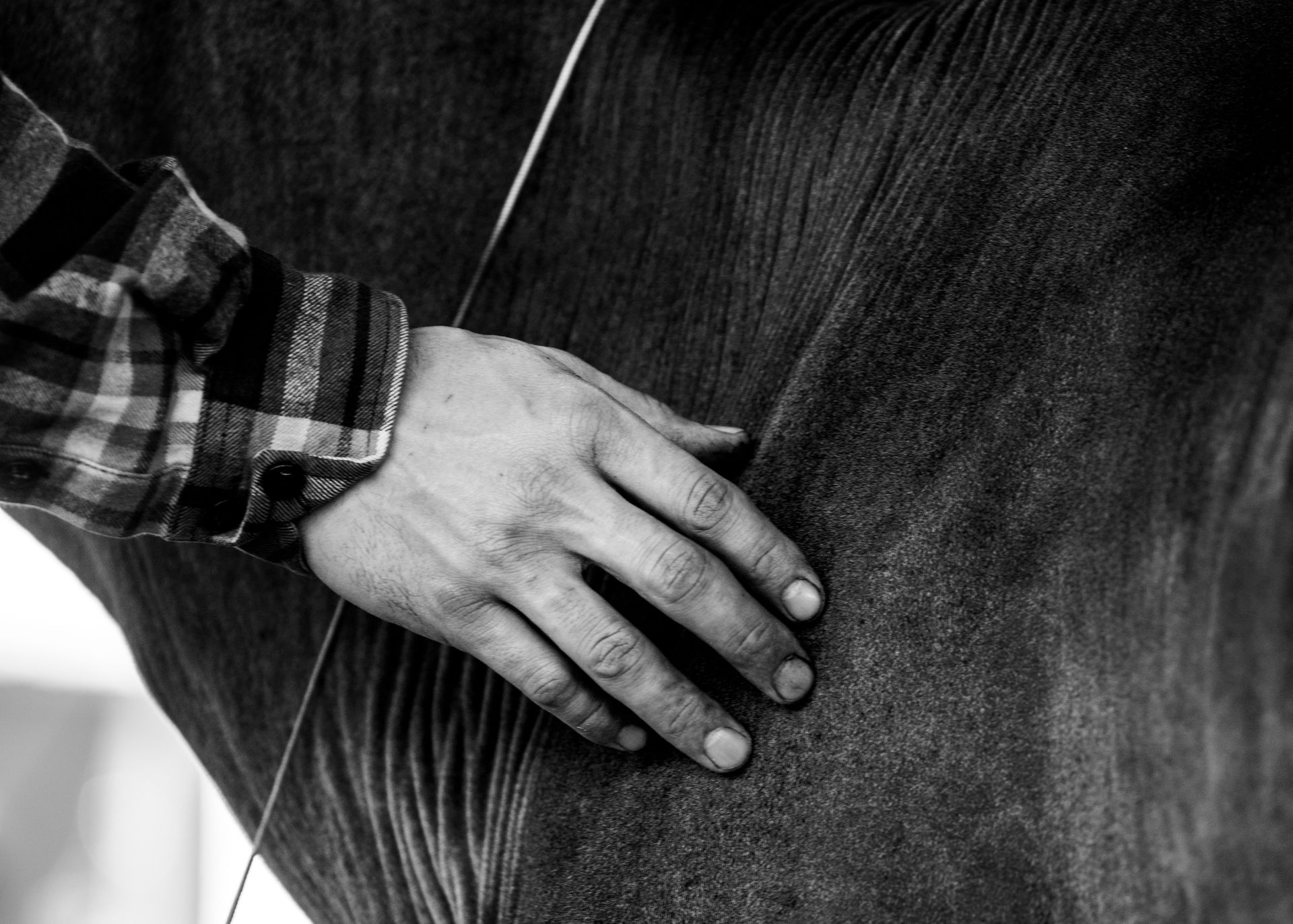
Skin infections and irritations can be a real nuisance for horses. Many horse owners have experienced the frustration of dealing with a skin issue that just won't go away.
One of the most common skin conditions affecting horses is pastern dermatitis, also known as scratches or greasy heel. This condition causes lesions on the back of the pasterns and can be severe in some cases.
Pastern dermatitis can occur in any breed of horse, but is most common in draft breeds or other breeds with heavy feathering on the lower legs. Horses with pastern dermatitis may develop chronic wounds with persistent inflammation.
Treatment for pastern dermatitis depends on the underlying cause and may include clipping and cleansing the area, antibiotics, antifungals, and topical corticosteroids.
Other skin infections and irritations that can affect horses include cellulitis, a bacterial infection that can spread to the lymph nodes and cause systemic illness if left untreated. Ringworm, a fungal infection that causes hair loss in characteristic circles, is also a concern.
Here are some common skin conditions and their characteristics:
It's essential to work with a veterinarian to properly identify and treat skin infections and irritations in horses.
Toxin/Liver Injury
Toxin/Liver Injury can cause horses to become excessively sensitive to sunlight, especially on areas with white hair, leading to severe sunburns and hair loss.
Intriguing read: Preserve Horse Hair
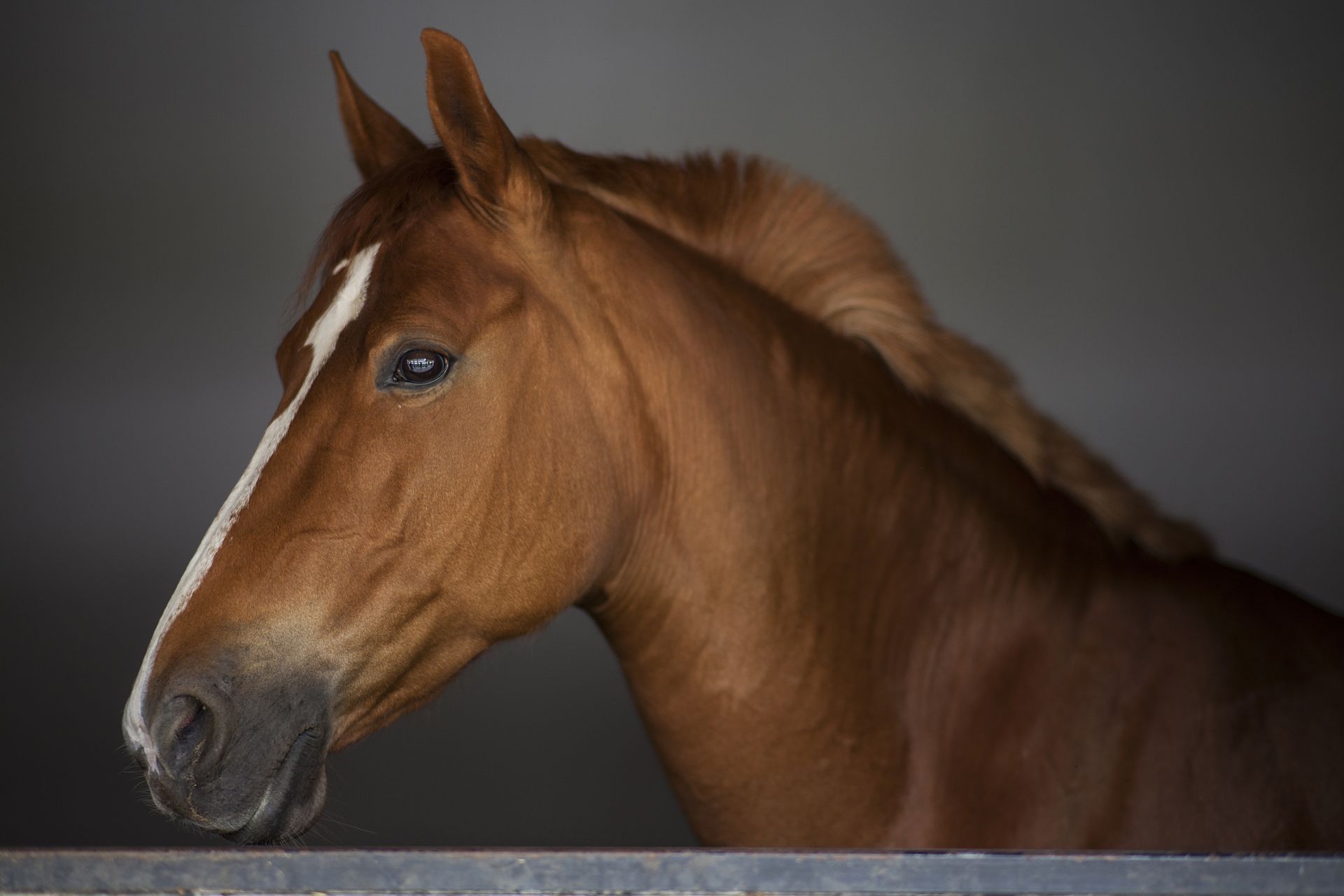
This condition, known as photosensitization, can result from either the ingestion of toxins like St. John's wort or liver injury.
If left untreated, photosensitization can lead to further complications and discomfort for your horse.
If you notice any symptoms of photosensitization, such as excessive sun sensitivity or hair loss, contact your veterinarian right away.
The sooner horse skin problems are addressed, the less likely they are to spread and cause your horse more discomfort.
Here are some common toxins that can cause photosensitization in horses:
- St. John's wort
- Other toxins
Rare and Genetic Conditions
HERDA is a genetic condition that causes a defect in the collagen fibers of the skin, leading to the separation of the epidermis and dermis resulting in loose skin and extreme scarring. This condition usually appears by the time a horse is two years old.
There is no cure or treatment for horses affected by HERDA, and horse owners commonly turn to euthanasia as a result. I've heard of several cases where this has been the only option due to the severity of the condition.
Vitiligo is another hereditary condition that affects horse skin, causing bleached splotches of skin that occasionally also affect the hair coat and hooves. It's mostly seen in Arabian horses and is noticeable in young adulthood.
HERDA
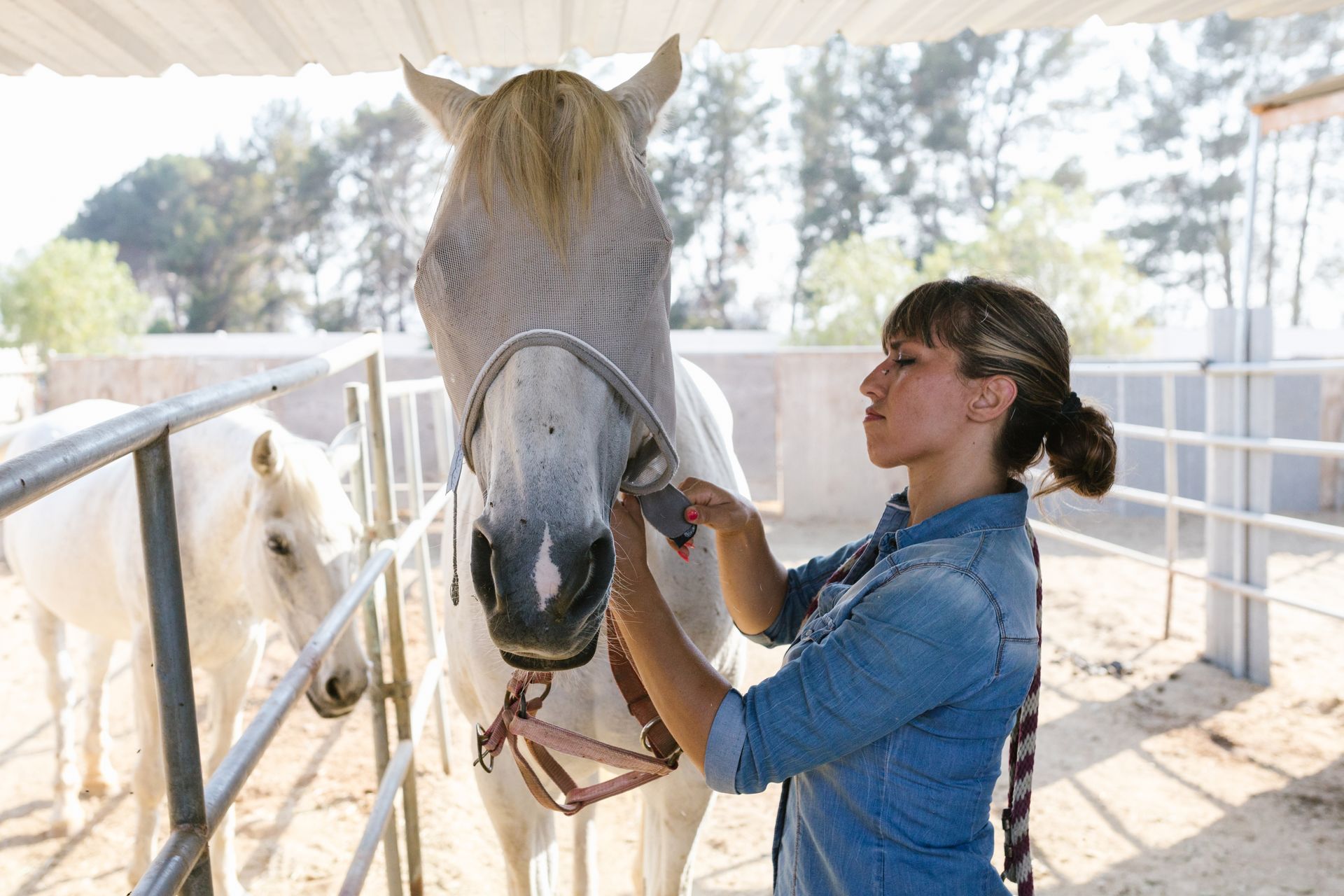
HERDA is a genetic condition that causes a defect in the collagen fibers of the skin, leading to the separation of the epidermis and dermis resulting in loose skin and extreme scarring.
HERDA is most commonly found in American Quarter horses, particularly in cutting horses and pleasure/working-cow horses.
The condition is inherited in an autosomal recessive pattern, meaning carriers should not be bred to other carriers.
Symptoms of HERDA usually appear by the time a horse is two years old and are caused by continuous pressure from the saddle which causes the skin to tear.
There is no cure or treatment for horses affected by HERDA, and horse owners often turn to euthanasia.
HERDA can cause disfiguring scars and loose, elastic skin in affected horses.
The condition is characterized by a defect in the collagen fibers of the skin, leading to the separation of the epidermis and dermis.
HERDA is also referred to as hyperelastosis cutis, a degenerative skin disease that is genetically inherited.
Eosinophilic Granuloma with Collagen Degeneration
Eosinophilic Granuloma with Collagen Degeneration is a rare skin condition that affects horses of any age, breed, or gender. It's characterized by the formation of firm, small nodules that can appear on the neck, back, and withers.
These nodules are usually not painful or itchy, but they can mineralize over time, making them feel harder. They're also not contagious and don't contain pus.
The exact cause of these nodules is still not fully understood, but it's believed to be related to hypersensitivity reactions to allergens, such as insect bites. Allergic reactions to insect bites are thought to be the most common cause.
If your horse has developed nodules, it's essential to take measures to protect them from biting flies, including using fly sprays and turnout sheets. This can help prevent the condition from worsening.
In some cases, nodules can appear at injection sites, especially if silicone-coated needles are used. To prevent this, it's best to ask your veterinarian to use noncoated needles for future injections.
For another approach, see: Prevent Enteroliths
Treatment options for Eosinophilic Granuloma with Collagen Degeneration include injecting corticosteroids into the nodules to shrink them. If the nodules persist after multiple injections, surgical removal may be recommended.
Here's a quick summary of the condition:
Pigmentary Abnormalities
True albinism is rare and always associated with pink or pale irises and with visual defects. Albinism is different from extreme white spotting.
Lethal white foal syndrome is a condition that results from breeding two Overo Paints. Some animals with extreme piebaldism or dominant white have associated neurologic anomalies or deafness in one or both ears.
Vitiligo is hereditary but not noticeable at birth. It is mostly seen in Arabian horses, also known as Arabian fading syndrome or pinky syndrome.
The onset of vitiligo is usually in young adulthood, and affected animals develop bleached splotches of skin that occasionally also affect the hair coat and hooves. Most splotches are on the face, especially the bridge of the muzzle or around the eyes.
Color loss may wax and wane, but complete remission is rare. Vitiligo causes no other health problems, and no treatment is available.
On a similar theme: Horse Fences White
Other Skin Conditions
If you notice your horse's skin or coat looks off, it's best to contact your veterinarian for proper identification and treatment.
Many horse skin diseases can appear similar to each other, making it difficult to diagnose without a professional's help.
Some skin disorders in horses can be caused by allergies, which can lead to conditions like hives or eczema.
Your vet can help you identify the root cause of your horse's skin issues, whether it's an allergic reaction or something else entirely.
Horses with allergies may exhibit symptoms like excessive scratching or chewing, so keep an eye out for these behaviors.
Your veterinarian can provide guidance on how to manage your horse's allergies and prevent future skin issues.
A fresh viewpoint: Weimaraner Skin Problems
Featured Images: pexels.com