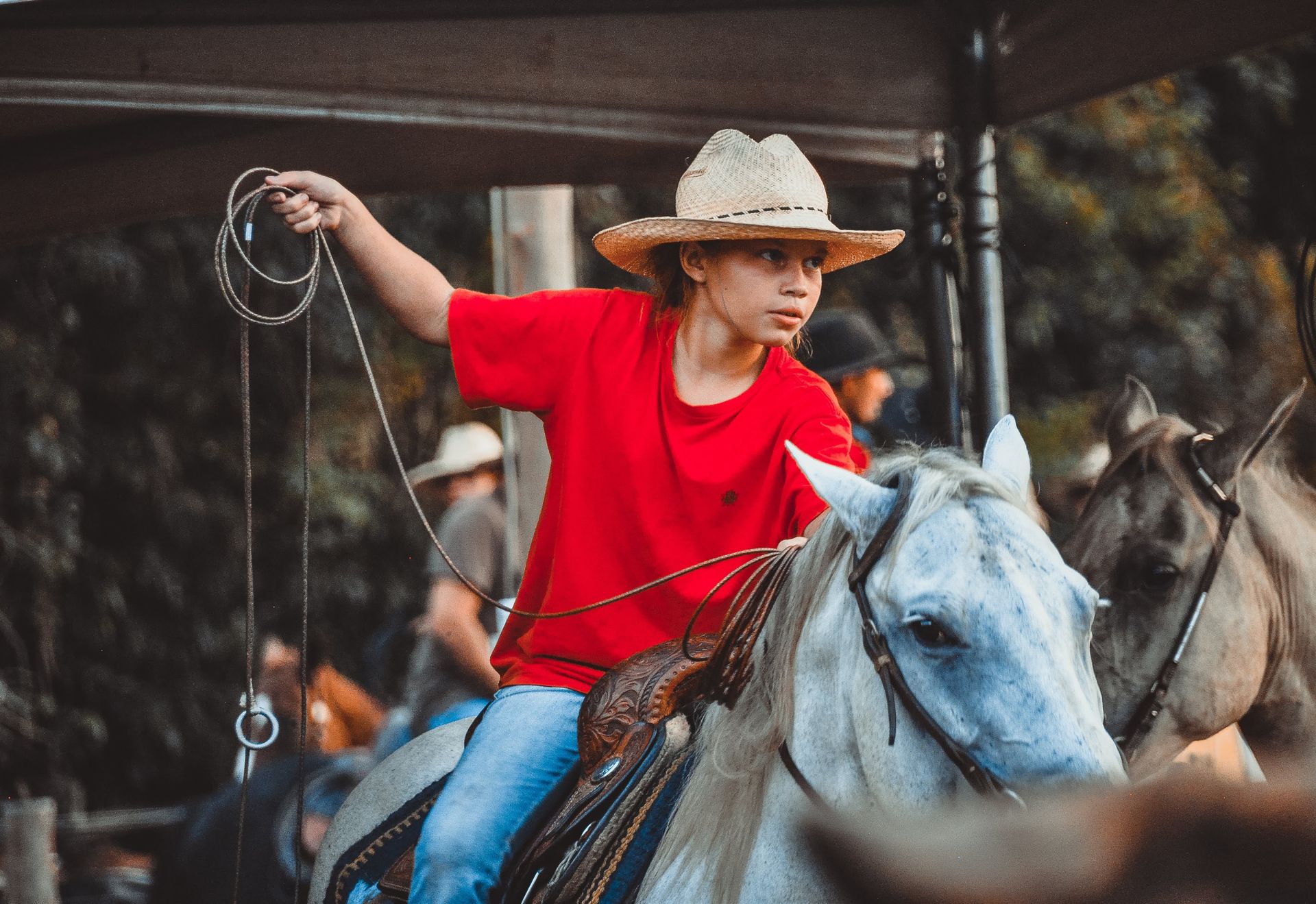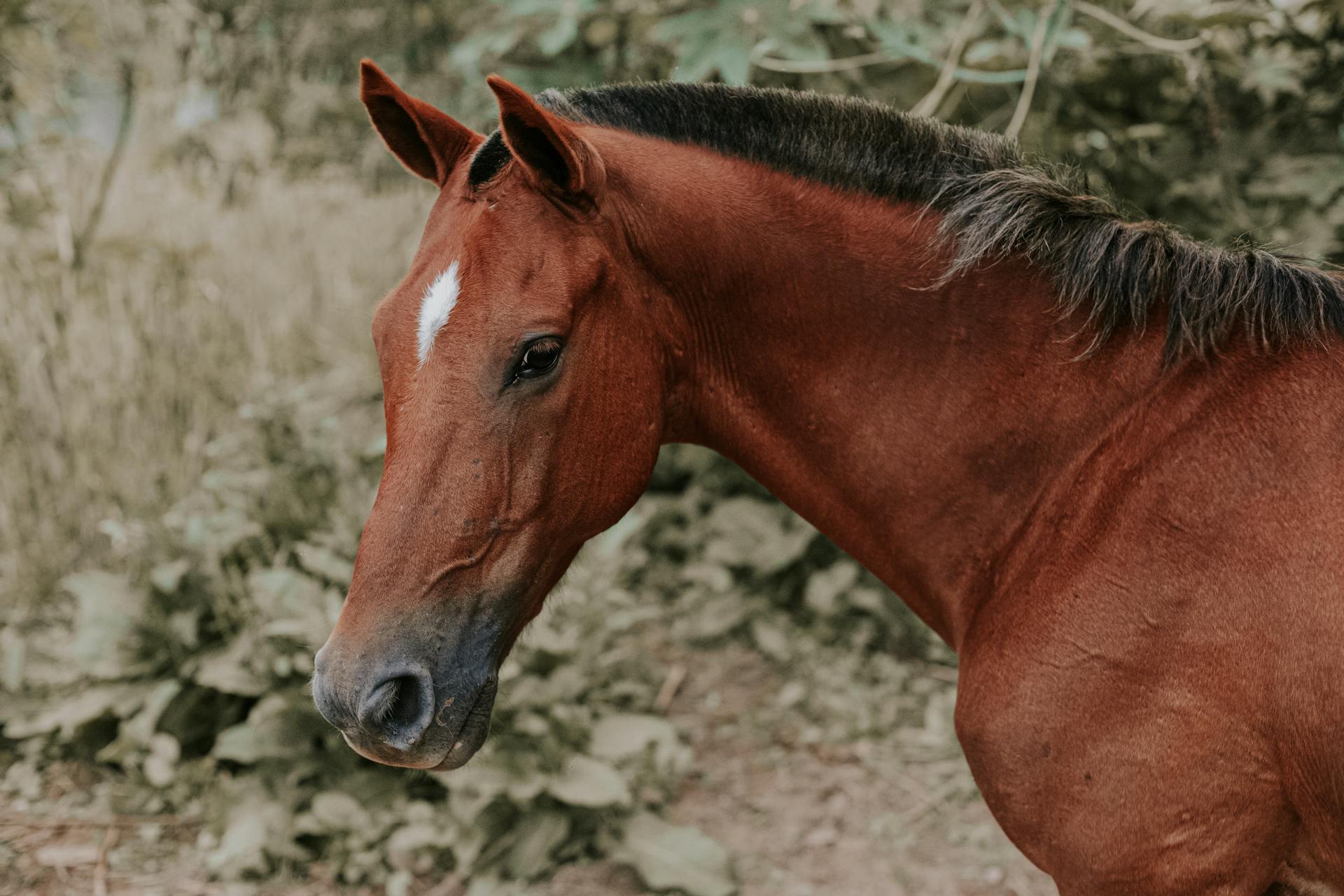
The Hanoverian horse is a majestic breed known for its athletic ability, intelligence, and striking appearance. They originated in Germany in the 17th century.
One of the most distinctive features of the Hanoverian is its muscular build and athletic ability, making it a popular choice for equestrian sports such as dressage and show jumping. This is due in part to its unique breeding history, which involved crossing the native German breeds with other European breeds.
Hanoverians are also known for their intelligence and willingness to please, which makes them highly trainable. This is evident in their ability to excel in a variety of equestrian disciplines.
History
The Hanoverian horse breed has a rich history that spans nearly 300 years. In 1735, George II founded the State Stud at Celle, which marked the beginning of the breed's development.
The initial goal was to create a horse suitable for all-purpose work in agriculture and in harness, as well as for breeding cavalry mounts. Local mares were refined with Holsteiner, Thoroughbred, and Cleveland Bay stock.
Related reading: Horse Breed
By the end of the 18th century, the Hanoverian had become a high-class coach horse. The breed's popularity continued to grow, and by the mid-19th century, it was one of the most sought-after breeds in Europe for coach and army work.
A law passed in 1844 made it mandatory for stallions to be approved by a commission before they could be used for breeding. This led to a more stringent selection process, which further improved the breed's quality.
Selective breeding and stallion approvals continued to play a crucial role in the breed's development. The first breed society was established in 1867, with the goal of producing the ideal horse for coach and military use.
You might like: Breeding Thoroughbred Horses
Characteristics
Hanoverian horses are elegant, strong, and robust, bred to be willing and trainable with a strong back and powerful body. They typically stand between 15.3 and 17.1 hands high.
Their coats come in a variety of colors, with chestnut, bay, black, and gray being the most common. Regulations prohibit horses with too much white or certain other colors, such as buckskin, palomino, and cremello, from being registered.
Hanoverian horses are generally known for their excellent health, thanks to rigorous testing that aims to prevent heritable defects from passing on to their offspring.
Additional reading: Schleich Hanoverian Horses
Breed Characteristics
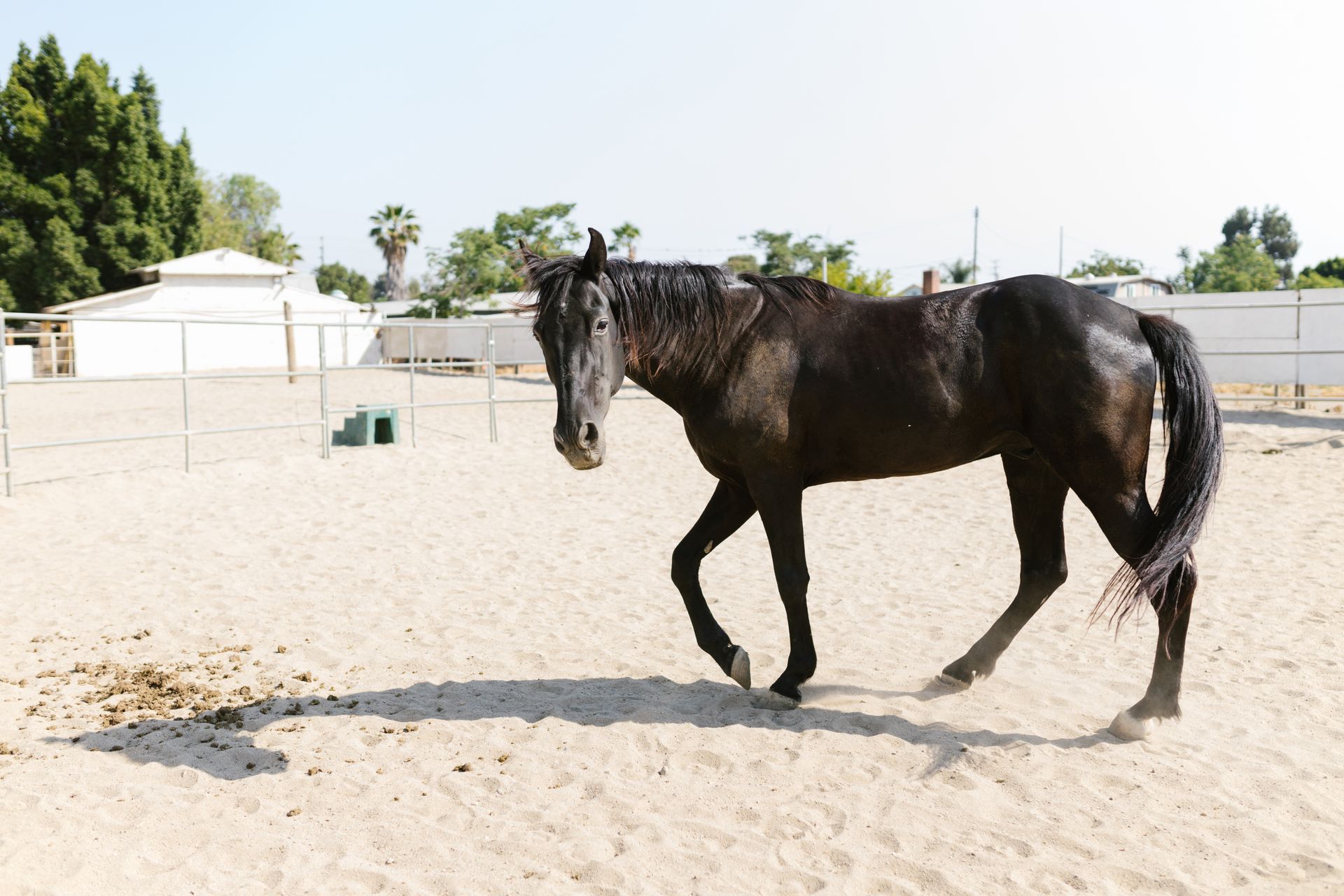
The Hanoverian breed is known for its elegance, strength, and robustness. They are bred to be willing and trainable, with a strong back, powerful body, athletic movement, and strong limbs.
Hanoverians come in a variety of coat colors, including chestnut, bay, black, and gray, with chestnut being the most common. You'll rarely see a Hanoverian with too much white, as regulations prohibit it.
In terms of size, Hanoverians typically range from 15.3 to 17.1 hands high, with an average height of 16.2 hands. Their rectangular shape, large frame, and long legs make them a striking sight.
Here are some key conformation traits to look for in a Hanoverian:
In addition to their physical characteristics, Hanoverians are also known for their calm and attentive nature, making them a great choice for riders of all experience levels. They're intelligent, determined, and courageous, with a strong willingness to work.
Colours
Hanoverian horses come in a variety of colours, but all of them must meet pedigree requirements.
The most common colours you'll see in Hanoverian horses include bay, chestnut, and black.
Breeding and Registration
The Hanoverian breed organization, the Hannoveraner Verband, is headquartered in Verden and oversees breeding stock inspection, horse registrations, and licensing and performance testing for stallions.
The Verband's inspections and performance tests evaluate conformation, gaits, and talent in both stallions and mares.
To be eligible for registration, foals must come from inspected and approved parents.
The American Hanoverian Society works closely with the German Hanoverian Verband to manage Hanoverian breeding in North America.
Hanoverian breeders produce horses with a particular ability in dressage, jumping, eventing, or driving, aligning with the Verband's breeding goals.
The Verden Auctions offer collections of foals, broodmares, and riding horses throughout the year to connect breeders with potential owners.
Outside stallions from approved registries can participate in the stallion licensing, but must pass strict evaluations and performance requirements to gain approval.
Recommended read: Breeding Friesian Horses
Health and Care
Hanoverian horses are generally healthy, but like any breed, they can be prone to certain health issues. Regular veterinary check-ups are essential for early detection and treatment of health issues, and a preventative wellness plan should be implemented alongside your veterinarian, trainer, and other equine practitioners.
You might enjoy: Horse Health
A well-planned deworming schedule is important to keep your horse free from worms and internal parasites, and regular farrier visits are vital for proper hoof care and trimming. Poor hoof balance can lead to musculoskeletal problems, so it's crucial to have your horse's hooves examined regularly by a farrier.
To keep your Hanoverian horse healthy, provide a standard diet of corn, barley, oats, and other grains, and include an adequate amount of fodder like green grass and hay. Aim to feed 2% of your horse's body weight in forage daily, so a 1,400-pound Hanoverian would eat roughly 28 pounds of forage.
Worth a look: How to Keep Flies off Horses?
Health Problems
Hanoverian horses are generally healthy, but like all breeds, they can experience health issues that impact their performance. Developmental orthopedic disease, such as osteochondrosis dissecans (OCD), can contribute to ongoing lameness and performance issues throughout a horse's life.
Extra wear and tear from intense training can increase the risk of musculoskeletal injury in Hanoverian horses. In fact, one survey of dressage horse owners identified overtraining, excessive lunging, and poor footing as risk factors for injuries in Hanoverians used for the sport.
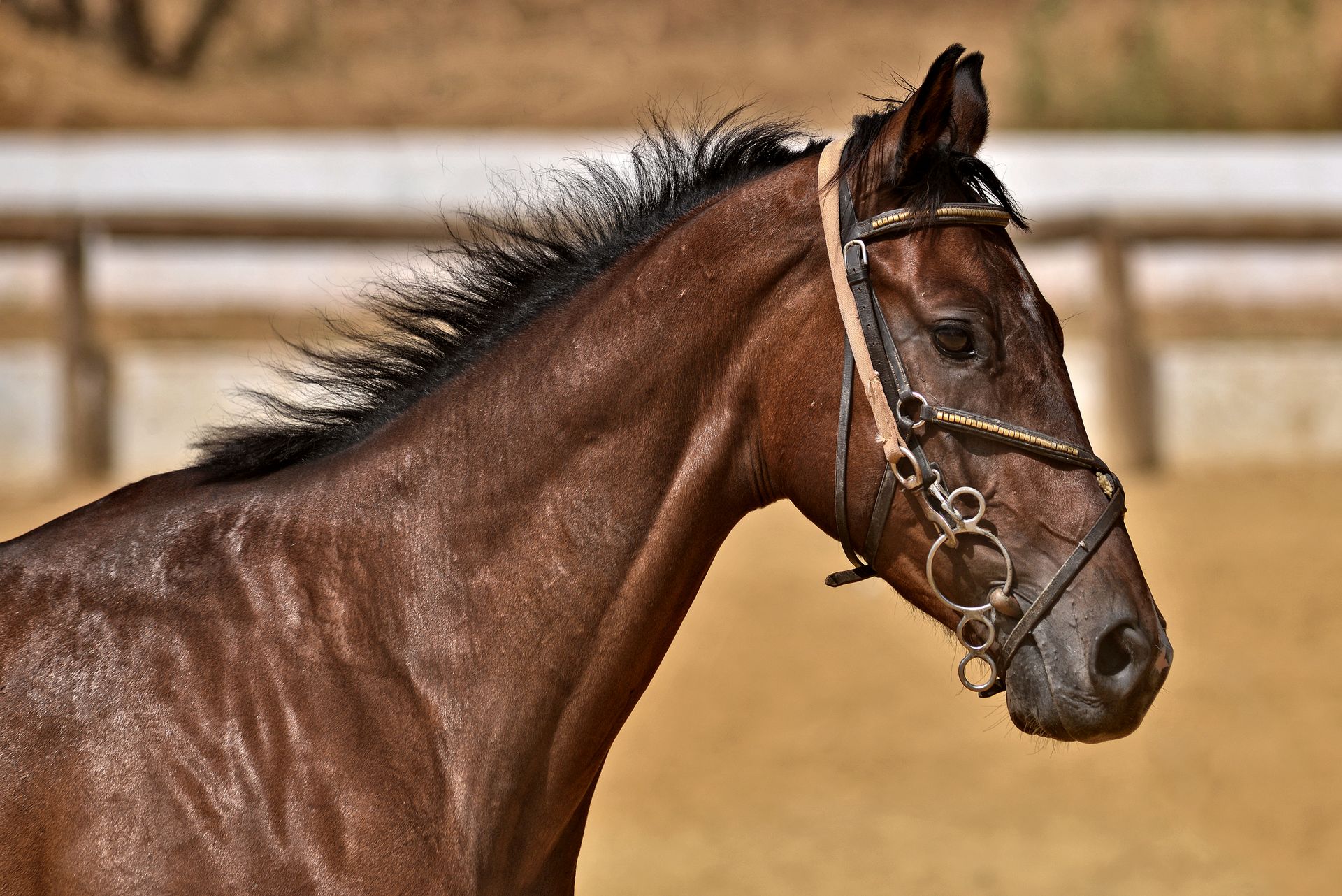
Gastric ulcers were the most common health issue reported in elite three-day eventing horses, followed by joint problems. Stress from competition and poor nutritional management can increase the risk of gastric ulcers in all Hanoverian horses.
Regular veterinary check-ups are essential for early detection and treatment of health issues. These check-ups can help catch injuries and health problems before they become severe.
Hanoverian horses are also prone to foot-related lameness, with jumpers having higher incidences of foot injury and disease than horses used for other disciplines. Providing proper hoof care and trimming through regular farrier visits can help prevent musculoskeletal problems.
Here's a list of common health issues in Hanoverian horses:
- Developmental orthopedic disease (e.g. OCD)
- Gastric ulcers
- Joint problems
- Foot-related lameness
- Musculoskeletal injuries
Care and Management
Regular veterinary check-ups are essential for early detection and treatment of health issues in Hanoverian horses. This includes annual dental check-ups, including teeth floating, to prevent dental problems.
A well-planned deworming schedule is important to keep your horse free from worms and internal parasites. Regular farrier visits are vital for proper hoof care and trimming, as poor hoof balance can lead to musculoskeletal problems.
Recommended read: Horse Health Problems
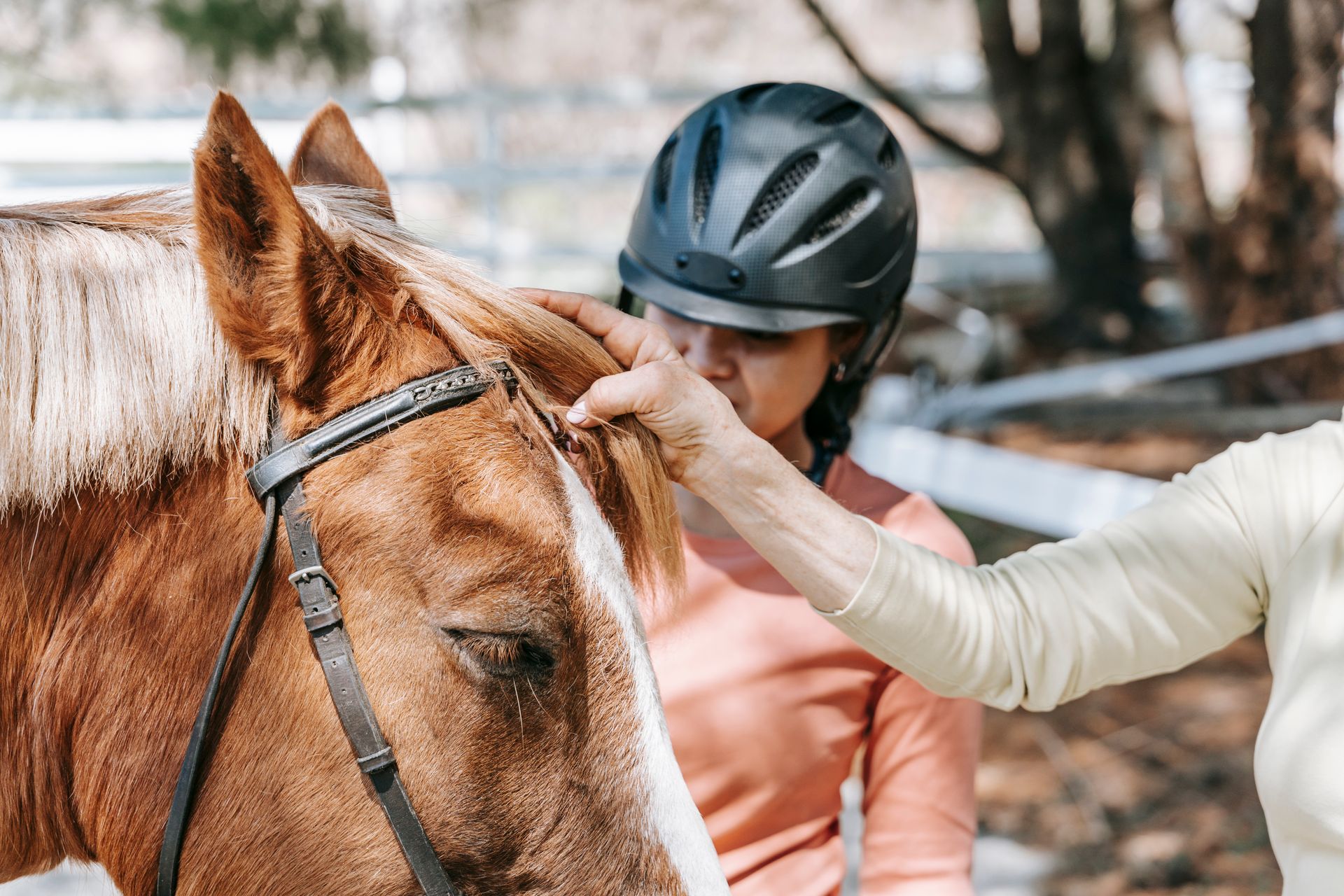
Not all injuries in sport horses are immediately apparent. Many are overuse injuries that develop gradually due to repetitive stress and strain, and regular lameness exams can catch these before they become severe.
Some Hanoverians might need joint injections or other veterinary interventions to maintain their soundness throughout their careers and into older age. Providing adequate protection from flies and insects is also crucial for their health and well-being.
Here are some essential care and management tips for Hanoverian horses:
- Veterinary Check-ups: Regular veterinary check-ups are essential for early detection and treatment of health issues.
- Vaccines: Follow your veterinarian’s advice on the appropriate vaccinations to protect your horse against various diseases.
- Dental Care: Annual dental check-ups, including teeth floating, are crucial.
- Parasites: A well-planned deworming schedule is important to keep your horse free from worms and internal parasites.
- Farrier Care: Regular farrier visits are vital for proper hoof care and trimming.
Daily turnout, allowing time for free movement, grazing, and socializing, is essential for Hanoverian horses. Consistent exercise programs with regular grooming also help to maintain their physical and mental health.
General Information
Hanoverian horses are a popular breed, known for their impressive size. They typically stand between 15.3 to 18 hands (61.2 to 68.8 inches) tall.
Their weight can vary, but they can weigh up to 1,400 pounds, making them a sturdy breed.
Their lifespan is relatively long, ranging from 25 to 35 years, which is a significant advantage for horse owners.
Here are some common colors you'll find in Hanoverian horses:
- Chestnut
- Gray
- Black
- Bay
What is a Horse?
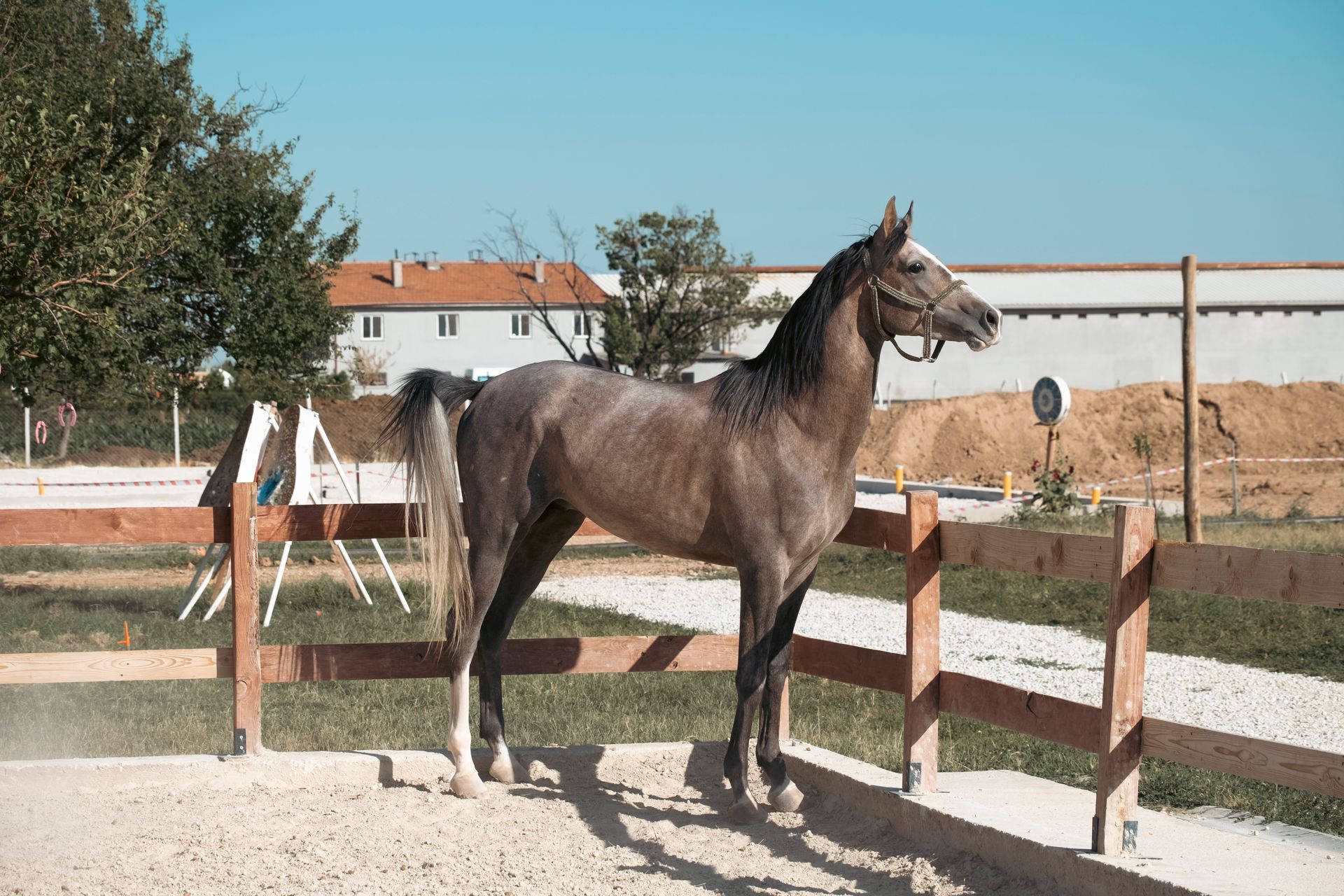
A horse is a magnificent creature with a long and storied history. The Hanoverian breed, for example, has one of the longest traceable genetic lineages of all horses in the world, dating back to 1735.
Horses can be bred for various purposes, such as cavalry and farming. The Hanoverian breed was initially developed for these purposes, but its purpose has since shifted to creating a more athletic riding horse.
The modern-day Hanoverian is a far cry from its predecessors, being much lighter and more athletic. This transformation is a result of many refinements to its genetic pool over the years.
Today, horses like the Hanoverian are suited for equestrian sports such as dressage, show jumping, and eventing.
Facts About
Hanoverian horses are quite impressive, and here are some key facts to know.
They can grow to be quite tall, ranging from 15.3 to 18 hands (61.2 to 68.8 inches) in height.
One of the heaviest Hanoverian horses can weigh up to 1,400 pounds.
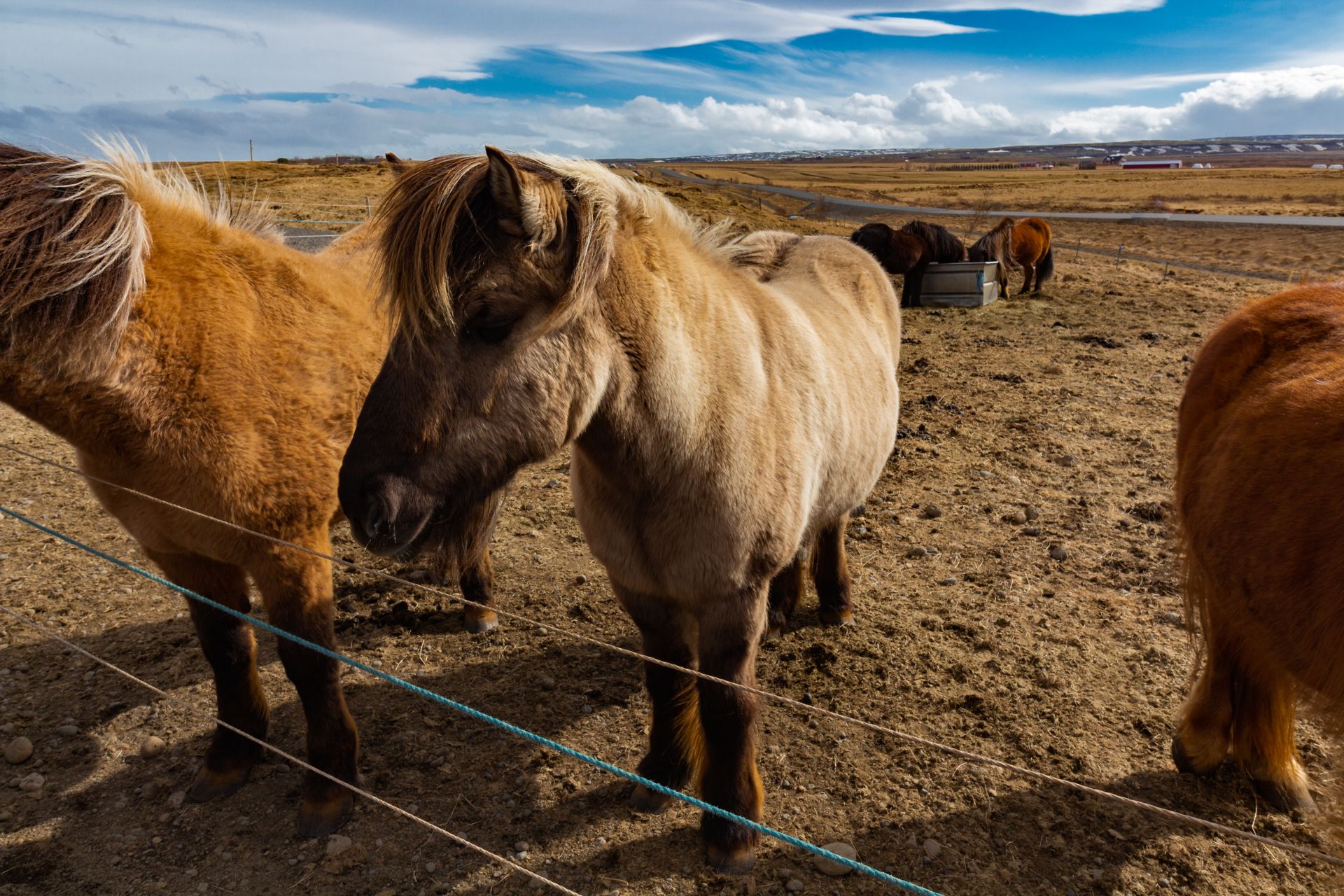
These horses have a relatively long lifespan, living for 25 to 35 years.
Hanoverian horses come in a variety of colors, with chestnut, gray, black, and bay being the most common.
Their friendly and approachable nature makes them very popular among riders.
Hanoverian stallions, mares, and foals can be quite expensive due to their success in tournaments.
In fact, the most expensive Hanoverian horse to be auctioned was worth 2.1 million euros.
Disciplines and Training
Hanoverian horses excel in a variety of equestrian disciplines, including driving, jumping, dressage, eventing, and show hunter. They're agile, fast, and have the strength and stamina to win competitions.
In fact, Hanoverians are used in the Olympics due to their impressive athletic abilities. Whether you're competing or just looking for a great riding horse, a Hanoverian can be a wonderful companion.
If you're interested in training your Hanoverian, it's best to use positive, consistent, patient, and gentle techniques. This approach will help your horse feel comfortable with people and follow cues.
Here are some key equestrian disciplines where Hanoverians excel:
- Driving
- Jumping
- Dressage
- Eventing
- Show hunter
By following these training tips, you can help your Hanoverian become a confident and willing learner.
Disciplines

Hanoverian horses excel in various equestrian competitions, including the Olympics, due to their agility, speed, strength, and stamina.
Their athletic abilities make them well-suited for a range of disciplines, such as driving, jumping, dressage, eventing, and show hunter.
Hanoverian horses can also be great companions for those seeking a riding horse with a wonderful personality and an eager-to-please attitude.
Here are some of the disciplines in which Hanoverian horses excel:
- Driving
- Jumping
- Dressage
- Eventing
- Show hunter
These horses have a natural aptitude for various equestrian activities, making them a popular choice for riders and trainers alike.
Training
Training a Hanoverian horse is a breeze, especially if you start early. They're smart and willing, so consistent, patient, and gentle training techniques work best.
Positive reinforcement is key, so be sure to reward your horse for good behavior. This will boost their confidence and willingness to learn.
Handling and socializing foals is ideal, as they'll learn to be comfortable with people and follow cues. They can then be trained to wear a halter before being led in groundwork.
As your horse grows, introduce more complex commands slowly, and ensure they're rewarded along the way. This will help them learn and grow in a positive environment.
If you purchase a trained horse, you'll likely find that they're easy to handle with proper introduction.
Suggestion: Why Was the Horse so Happy?
Frequently Asked Questions
Are Hanoverians good beginner horses?
Yes, Hanoverians are well-suited for beginners due to their calm and eager-to-learn nature, making them a great choice for new riders. Their friendly temperament and easy trainability also make them an excellent option for young riders.
Featured Images: pexels.com