Horse health problems can be a real concern for horse owners. One common issue is laminitis, a painful condition that affects the tissues connecting the hoof to the bone.
Laminitis can be caused by a variety of factors, including overeating, obesity, and genetics. Some horses may be more prone to laminitis due to their breed or age.
Symptoms of laminitis include lameness, swelling in the feet, and a reluctance to move. In severe cases, horses may be unable to walk or stand.
Preventing laminitis often involves managing a horse's diet and weight, as well as providing regular exercise and veterinary care. Regular trimming of the hooves can also help prevent laminitis.
Horses with Cushing's disease are also at risk of developing laminitis. Cushing's disease is a hormonal disorder that can cause a range of symptoms, including obesity, thinning of the coat, and changes in behavior.
Common Health Issues
Horses are prone to digestive problems, such as colic, which can be fatal if not treated promptly.
Know your horse's healthy gait and recognize any changes in it quickly, as lameness can be caused by a long list of problems.
Viruses and bacterial infections are a major concern, and making sure your horse is up-to-date on core vaccinations is critical to preventing painful and potentially deadly diseases.
Many horses develop allergy and asthma-like symptoms called "heaves" when exposed to molds and dust from old hay and straw, causing symptoms like coughing and phlegm.
Parasites like pinworms, ticks, lice, tapeworms, lungworms, and roundworms can infest horses, and regular deworming and bathing, along with keeping paddocks and stables clean, can help prevent this.
Horses have a large gastrointestinal tract that is prone to developing disease, including infections, obstructions, ulcers, and other conditions.
Musculoskeletal conditions, such as arthritis and back pain, can compromise a horse's ability to perform and can be identified early through regular evaluation by a veterinarian.
Hoof conditions are a common cause of lameness in horses, and may result in poor performance, lost performance days, and even early retirement.
A healthy horse is well-equipped to handle cold temperatures, especially if it has a thick mane and tail and has grown a winter coat.
Hoof and Skin Conditions
Hoof conditions are a common cause of lameness in horses, and may result in poor performance, lost performance days, and even early retirement. Regular trimming and shoeing can help prevent hoof problems.
Thrush is a bacterial infection that can occur in the hooves, especially during winter. Keeping the horse's living area clean and dry can help reduce the likelihood of thrush. Regular hoof picking and cleaning can also help prevent thrush.
Laminitis is a painful foot condition caused by inflammation of the laminae under the horse's hoof. It can be caused by endocrine disease, sepsis, or excessive weight bearing due to lameness on an opposing limb. Symptoms of laminitis include severe lameness, increased temperature in the hooves, and a "sawhorse stance" where the horse places their front limbs forwards and rocks backward onto their hindquarters.
Here are some common hoof and skin conditions that can affect horses:
- Hoof abscesses: a bacterial infection that causes a pocket of pus to form in the hoof
- Thrush: a bacterial infection that occurs in the hooves, especially during winter
- Laminitis: a painful foot condition caused by inflammation of the laminae under the horse's hoof
- Scratches: inflammation and irritation of the skin on the pasterns, often caused by bacterial or fungal infections
- Mud fever: a condition associated with humid and muddy conditions, where the infection is inflicted by something that survives in the mud
It's essential to keep an eye out for signs of these conditions and take prompt action if you suspect your horse is affected. Regular hoof care, cleaning, and trimming can help prevent many of these conditions.
Hoof Conditions
Hoof conditions are a common cause of lameness in horses, and may result in poor performance, lost performance days, and even early retirement. The hoof is the horse's major weight bearing structure, making it a crucial part of their overall health.
Thrush is a bacterial infection that can affect the bottom of a horse's feet, particularly in winter. It's essential to keep the horse's living area clean and dry to reduce the likelihood of thrush.
Laminitis is a very painful foot condition caused by inflammation of the laminae under the horse's hoof. In severe cases, the horse's pedal bone can penetrate the sole of the foot, causing severe pain.
Symptoms of laminitis include lameness, especially on hard ground, and the horse may lean back on its heels to relieve pain at the front of the hoof. Other signs include restlessly shifting weight between feet and signs of pain when tested at the frog of the affected foot.
Causes of laminitis include endocrine disease, sepsis, supporting limb laminitis, and toxins like black walnut. Horses can develop either acute or chronic laminitis, with acute symptoms including severe lameness, increased temperature in the hooves, and a "sawhorse stance."
Treatment for laminitis may include pain control medications, icing the hooves, corrective trimming and shoeing, surgical intervention, and diet and lifestyle changes. The prognosis for laminitis varies widely, depending on the underlying cause and degree of separation.
Here are some common hoof conditions and their symptoms:
Abscesses
An abscess is a painful and serious condition that can occur in a horse's hoof or skin.
A hoof abscess is usually caused by a bacterial infection that enters a crack or fissure in the hoof wall, producing a pocket of pus that can cause severe pain.
The most common sign of a hoof abscess is sudden onset severe lameness, but it can be difficult to diagnose without a veterinarian's evaluation.
Veterinarians use hoof testers to identify the location of the abscess and may also use X-rays to show a tract of air within the hoof.
Treatment for a hoof abscess focuses on draining the abscess to relieve pain, which can be done by a veterinarian or qualified farrier.
Once the abscess drains, a bandage or hoof boot with an antiseptic product helps prevent re-infection by keeping the drainage site clean.
A horse can develop an abscess due to pigeon fever, a bacterial infection caused by Corynebacterium pseudotuberculosis, which is most common in the western United States.
The bite wound from a fly can form an abscess under the skin surface that may rupture and drain, and is most common on the shoulder, neck, back, and chest.
Veterinarians can diagnose pigeon fever by examining a smear of the abscess material under a microscope or submitting it for bacterial culture.
Treatment for pigeon fever involves draining the abscesses and cleaning the area with an antiseptic, and most horses do not develop the condition again after their initial infection resolves.
In some cases, abscesses can form under the skin surface due to pigeon fever, causing skin irritation and swelling in the abdomen.
On a similar theme: Common Health Problems in Siberian Huskies
Hoof and Skin Conditions
Scratches, also known as mud fever, is a common hoof and skin condition that affects many horses. It's characterized by crusty, scabby skin on the pasterns, particularly on legs with white markings.
The most common locations for scratches are around the pasterns, legs, and under the tail. You can also spot it around the lips, eyes, and eyelids.
Horses with pink skin and white hair are more prone to scratches, but any horse can get it. Regular cleaning and drying of the affected area, along with applying a zinc oxide-based ointment, can help clear up the condition.
It can take weeks for scratches to clear up, and if you don't see any improvement after a week of treatment, or if the scratches are so painful that the horse is lame, it's time to consult a vet. Improving drainage or adding rubber mud grates around high-mud areas can also help prevent scratches.
Check this out: Common Health Issues with Chihuahuas
To prevent scratches, properly washing and drying the legs is crucial. You may want to keep a separate clean cloth just for this to avoid spreading the infection.
Here are some common signs of scratches:
- Red, crusty, or inflamed skin at the back of the pastern
- Crusty, scabby skin on the pasterns
- Itchy or painful skin
If you notice any of these signs, take action quickly to prevent the condition from worsening.
Ringworm
Ringworm is a common issue that can spread quickly from one horse to another, so it's essential to prioritize hygiene.
To prevent ringworm, use different tacks for each horse.
Hygiene should be your number one priority when it comes to preventing ringworm.
If you suspect one of your horses has ringworm, isolate it from the others immediately.
The same goes for new horses joining the team - keep them isolated until you're sure of their health.
Ringworm can be treated with an anti-fungal wash and by clipping the infected hair.
Proper cleaning of the yard and tack is crucial for further prevention.
Musculoskeletal and Traumatic Injuries
Musculoskeletal and Traumatic Injuries are common in horses, and can compromise their ability to perform in equestrian sports. Regular evaluation by a veterinarian can help identify conditions such as arthritis or back pain early.
Traumatic musculoskeletal injuries are very common in horses, with 40% of horse owners reporting their horse sustained an injury in the previous year. These injuries may include lacerations or other wounds, bone fractures, tendon or ligament tears or ruptures, and puncture wounds.
Horses with traumatic injuries may show symptoms such as squinting, ocular discharge, changes in the opacity of the eye, swelling around the eye, and holding the eye closed. Veterinarians use fluorescein dye to identify any foreign objects or tears in the eye surface.
In cases of severe injury, veterinarians quickly assess the horse before providing sedation to keep the horse calm for further evaluation. Pain control medications, such as anti-inflammatories or opioids, can also help facilitate evaluation by reducing the horse's pain levels.
Here are some common types of traumatic injuries:
- Lacerations or other wounds
- Bone fractures
- Tendon or ligament tears or ruptures
- Puncture wounds
Veterinarians may use X-rays, ultrasound, joint integrity through fluid analysis or joint tapping, and probing a wound using a sterile tool to evaluate the extent of damage.
In some cases, injuries may require surgery to heal completely, while others may require hospitalization for intensive treatment. With proper treatment, many horses can recover from traumatic injuries and return to their normal activities.
Back Problems
Back problems can develop if your horse pulls a muscle or ligament, or in some cases due to arthritis or a poorly fitted saddle.
Back pain is a common cause of lameness and poor performance in horses. Symptoms of back pain can include poor performance, resistance to bending one direction, bucking or kicking out, and difficulty with collection.
A thorough lameness examination is necessary to determine the cause of back pain, which may include palpation of the back, flexing the neck and spine, X-rays, or ultrasound.
Additional reading: Cold Back Horse
Treatment depends on the cause of back pain, and ranges from simply rest and anti-inflammatories to surgical intervention.
If your horse is experiencing back pain, you may notice reduced performance or behavioral problems such as stopping or bucking, signs of pain while you are grooming your horse, or resistance to being saddled.
A lameness evaluation is essential if you think that your horse is experiencing back pain, so contact your vet right away.
Here are some possible causes of back pain in horses:
- Arthritis
- Overriding spinous processes (“kissing spine”)
- Sacroiliac disease
- Fractures
- Pain in the muscles running along the spine
- Pain in a lower limb causing soft tissue strain within the back
Musculoskeletal and Traumatic Injuries
Musculoskeletal and Traumatic Injuries can be a real challenge for horses. Colic, a common gastrointestinal problem, can sometimes be caused by untreated dental issues. Colic can range from a mild stomach ache to an intestinal twist requiring emergency surgery.
If you suspect your horse is suffering from colic, contact your vet right away. You may want to try walking your horse around the arena or paddock to help relieve their discomfort. Do not try to prevent your horse from getting down on the ground or rolling.
Some common signs of colic include scraping at the ground, looking at their abdomen, restlessness, rolling, increased heart rate, and high temperature. These symptoms can vary greatly depending on the severity of pain your horse is experiencing.
Here are some possible signs of colic:
- Reduced appetite
- Lethargy
- Reduced fecal production
- Grinding teeth
- Flehmen response
- Laying down or rolling
- Pawing
- Biting, nipping, or kicking at the flanks and abdomen
- Sweating
- Inability to stand
- Thrashing on the ground causing self-injury
- Stretching out
In some cases, colic can lead to more severe conditions like gastric ulcers. Gastric ulcers can be caused by a variety of factors, including a poor diet and stress. Treatment for gastric ulcers usually involves medications like omeprazole to reduce stomach acid and allow the stomach lining to heal.
Exercise-Induced Pulmonary Hemorrhage
Exercise-induced pulmonary hemorrhage (EIPH) is a common condition that affects performance horses, particularly those involved in racing and high-intensity activities.
This condition is characterized by bleeding from the lungs and airways during strenuous exercise, which can be a result of increased heart rate and blood pressure damaging the fragile capillaries within the lungs.
EIPH is most common in racehorses and eventing horses, and the only symptom is often a mild nosebleed after performance.
A diagnosis of EIPH is typically confirmed through endoscopy after exercise, where a veterinarian passes a camera into the lungs to check for blood.
Currently, there is no known treatment for EIPH, but some horses may respond to administration of furosemide 4 hours prior to exercise, which can help reduce blood volume and lower blood pressure.
Here are some common symptoms of EIPH:
- Fever
- Lethargy
- Reduced appetite
- Coughing
- Nasal discharge
- Eye discharge
Most horses can continue their performance careers with an appropriate furosemide treatment plan, but it's essential to work closely with a veterinarian to manage the condition effectively.
Navicular Syndrome
Navicular syndrome is a common cause of front limb lameness in horses, affecting one-third of all chronic lamenesses in the front limbs. This syndrome is not a single condition, but rather a collection of injuries causing pain in the podotrochlear apparatus.
The podotrochlear apparatus includes ligaments, soft tissues, and bones surrounding the navicular bone. These structures can become damaged due to poor hoof trimming, obesity, conformational abnormalities, or excessive work on hard surfaces.
Symptoms of navicular syndrome include poor performance, stiffness, and shortening of the stride, unwillingness to turn, and increased lameness when working on hard surfaces. These symptoms can worsen over time despite treatment, often leading to early retirement from performance careers.
Veterinarians typically diagnose navicular syndrome based on a lameness examination, followed by additional diagnostics such as X-rays, MRI, ultrasound, or bone scans to identify the painful structure. Treatment plans depend on the affected structure and may include corrective trimming and shoeing, pain control medications, injections, bisphosphonates, or surgical intervention.
Here are some common treatment options for navicular syndrome:
- Corrective trimming and shoeing
- Pain control medications
- Anti-inflammatory injections of the navicular bursa or coffin joint
- Bisphosphonates, such as tiludronate or clodronate
- Surgical intervention
Traumatic Injuries
Traumatic injuries are a common occurrence in horses, with 40% of horse owners reporting their horse sustained an injury in the previous year. These injuries can be caused by various factors, such as lacerations, bone fractures, tendon or ligament tears or ruptures, and puncture wounds.
In cases of severe injury, veterinarians quickly assess the horse before providing sedation to keep the horse calm for further evaluation. Pain control medications, such as anti-inflammatories or opioids, can also help facilitate evaluation by reducing the horse’s pain levels.
Traumatic injuries to the eye surface are also a concern, with horses being at risk of scratches or penetration from foreign materials, lacerations, whiplash injury, or blunt force trauma. Horses with eye injuries often show symptoms such as squinting, ocular discharge, changes in the opacity of the eye, swelling around the eye, and holding the eye closed.
Veterinarians use fluorescein dye to evaluate the eye and identify any foreign objects or tears in the eye surface. Treatment involves removing any foreign objects present, then encouraging healing of the eye surface with topical medications.
To prevent traumatic injuries, it's essential to ensure your horse has adequate footing and traction, especially in areas prone to ice or snow. Treating these areas with sand or salt can help prevent slips and falls.
Here are some common types of traumatic injuries in horses:
- Lacerations or other wounds
- Bone fractures
- Tendon or ligament tears or ruptures
- Puncture wounds
- Eye injuries, such as scratches or penetration from foreign materials, lacerations, whiplash injury, or blunt force trauma
In cases of severe injury, veterinarians may use various diagnostic tests, such as X-rays, ultrasound, and joint tapping, to assess the extent of damage. The immediate treatment plan depends on the type of injury, with some injuries requiring surgery to heal completely.
Frostbite
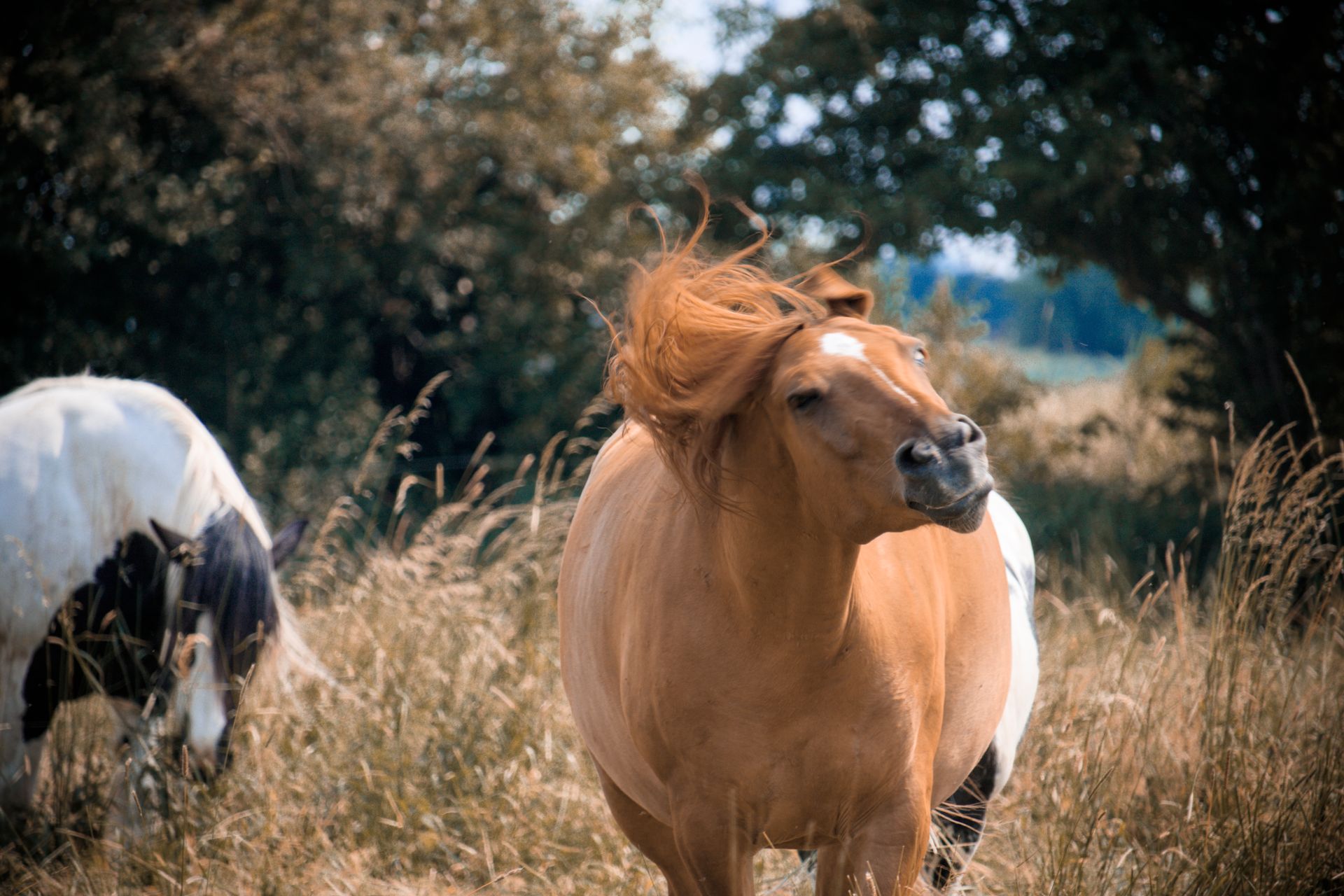
Frostbite is a concern for pregnant mares due to foal in winter, especially if they're exposed to cold snaps.
Living in a cold northern state or province increases the risk of frostbite for horses.
Providing adequate shelter is your best defense against frostbite.
If a foal is born outside during a cold snap, it's crucial to get both the foal and the mare into a warm, dry barn or shelter as soon as possible.
Loss of Condition
Loss of condition is a real concern for horses, especially during winter. A healthy horse can stand to lose a few pounds, but losing weight over winter can be a problem for skinny or senior horses.
Horses very rarely get frostbite, and a healthy horse is well-equipped to handle cold temperatures. A thick mane, tail, and winter coat all help to keep them warm.
For horses that go into winter in less-than-ideal condition, blanketing may be necessary, even if they're not clipped. They still need to be checked every day, and can lose weight even with a blanket.
Good hay is a great way to keep weight on, as it not only provides calories but also helps to digest and increase a horse's core temperature. This helps them stay warm from the inside out.
Diseases and Viruses
Potomac Horse Fever is a serious disease caused by the Neorickettsia risticii bacteria, which can be transmitted through contaminated water or moist grass hosting aquatic insects. Symptoms include fever, reduced appetite, lethargy, colic, diarrhea, and laminitis.
Rhinopneumonitis virus, also known as equine herpesvirus, circulates in all equine populations and can be transmitted through nasal secretions from carrier horses. Symptoms include cough, nasal discharge, and fever.
Equine Herpes Virus (EHV) is another significant virus affecting horses, causing respiratory and neurological problems, as well as abortions. Vaccinations are available to prevent the spread of the disease.
Strangles is an infection caused by the highly infectious bacterium Streptococcus equi, which can be transmitted through the environment or contact with an infected horse. Symptoms include fever, lethargy, swelling of the lymph nodes, and nasal discharge.
Here are some common symptoms of diseases and viruses that affect horses:
- Fever
- Lethargy
- Swelling of the lymph nodes
- Nasal discharge
- Difficulty breathing
It's essential to recognize the symptoms of these diseases and viruses quickly and seek veterinary care to prevent further complications and ensure the best possible outcome for your horse's health.
Diseases and Viruses
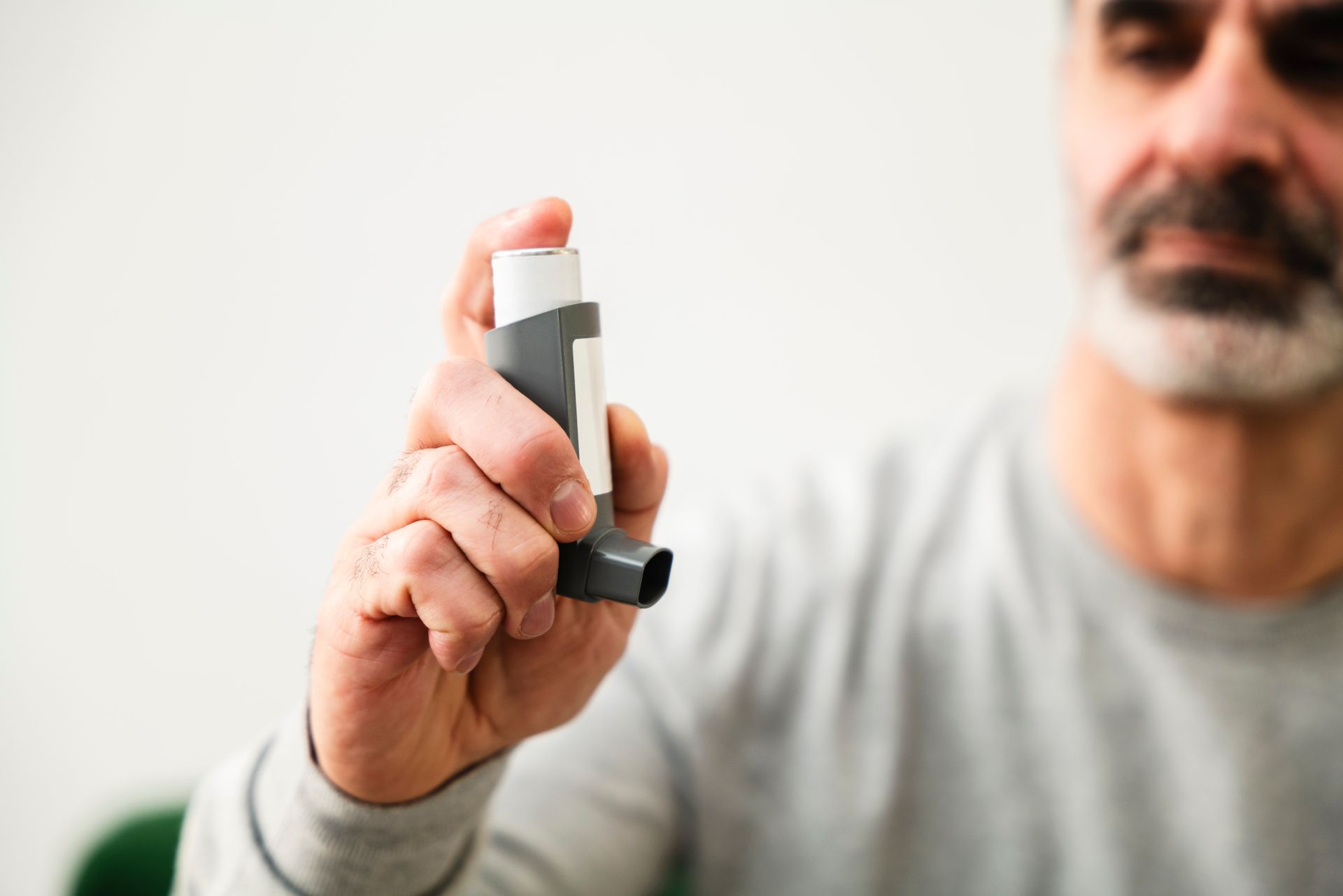
Internal parasites are a common problem in horses, with most horses carrying at least one type of parasite within their gastrointestinal tract. These parasites can be acquired through ingesting parasite eggs from the environment.
Common internal parasites in horses include small and large strongyles, tapeworms, ascarids, threadworms, pinworms, and stomach bots.
Internal parasites can cause a range of symptoms, including diarrhea, colic, weight loss, swelling of the lower abdomen, failure to shed foal coat, and stunted growth. In foals, parasites can be particularly problematic as they have not yet developed any natural immunity.
A fecal egg count is the primary method for diagnosing internal parasites, and veterinarians recommend these tests annually to monitor parasitic infections. Treatment typically involves an antiparasitic medication such as ivermectin or praziquantel.
Equine Protozoal Myeloencephalitis (EPM) is a parasitic infection caused by the protozoan Sarcocystis neurona, which can lead to widespread inflammation in the brain and spinal cord. This parasite is typically acquired through ingesting contaminated water or feed.
Symptoms of EPM include uncoordinated movement, asymmetrical muscle atrophy, head tilt, and difficulty chewing. Confirming a diagnosis of EPM can be challenging, but veterinarians typically rule out other causes of ataxia first using X-rays, neurologic examination, and viral testing.
Treatment for EPM typically involves antiparasitic medications, such as ponazuril, and can take around 28 days. Some horses may relapse after the initial treatment regimen and require a longer treatment period.
Diseases and Viruses
Potomac Horse Fever is a serious disease caused by an infection of Neorickettsia risticii bacteria, which can be transmitted through contaminated water or grazing on moist grass hosting aquatic insects.
Symptoms of PHF include fever, reduced appetite, lethargy, colic, diarrhea, and laminitis.
Diagnosing PHF involves a combination of bloodwork and diagnostic testing to identify the DNA of N. risticii, and treatment typically involves oxytetracycline antibiotics.
Most horses with mild PHF symptoms make a full recovery within 3-5 days of treatment, but horses with more severe symptoms or who develop laminitis have a poorer prognosis.
Rhinopneumonitis virus, or equine herpesvirus, is a common disease that circulates in all equine populations and can cause upper respiratory infections.
Carrier horses can shed the virus in their nasal secretions during periods of stress, and horses contacting these secretions may develop rhinopneumonitis.
Symptoms of rhinopneumonitis include cough, nasal discharge, and fever.
Veterinarians typically diagnose rhinopneumonitis based on the horse's symptoms alone, and nasal swabs or blood tests can confirm a diagnosis of herpesvirus.
There is no definitive treatment for herpesvirus, so affected horses must recover from the infection on their own.
Quarantine of these horses is also prudent as they can continue to shed the virus for up to 2 weeks after symptoms resolve.
Equine Herpes Virus (EHV) is the primary reason for respiratory and neurological problems and abortions, and symptoms usually include nasal discharge, loss of appetite, cough, and fever.
Vaccinations are available to fight against the virus and prevent the further spread of the disease.
Shipping fever, also called pleuropneumonia, is a respiratory infection commonly associated with long periods of transport.
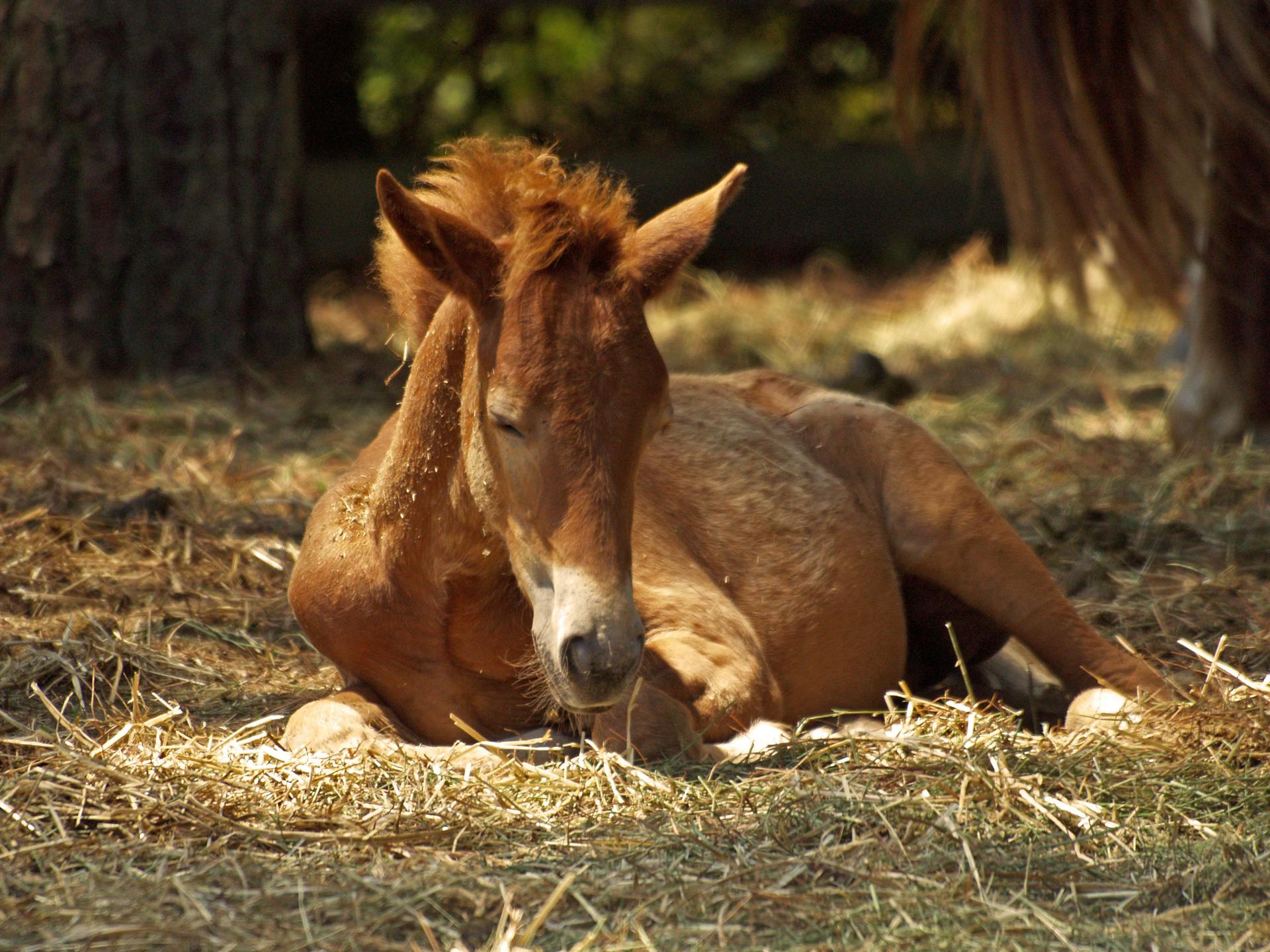
Pleuropneumonia causes symptoms such as fever, rapid breathing, nasal discharge, coughing, and exercise intolerance.
Veterinarians can diagnose pleuropneumonia on ultrasound, which shows fluid within the chest and surrounding the lungs.
Treatment involves antibiotics that target the bacteria causing the infection, and anti-inflammatories.
The prognosis of pleuropneumonia is highly variable, depending on the severity of infection, time between infection and treatment, and the horse's response to treatment.
Here are some common respiratory infections and their symptoms:
- Potomac Horse Fever: fever, reduced appetite, lethargy, colic, diarrhea, and laminitis
- Rhinopneumonitis virus: cough, nasal discharge, and fever
- Equine Herpes Virus (EHV): nasal discharge, loss of appetite, cough, and fever
- Shipping fever (pleuropneumonia): fever, rapid breathing, nasal discharge, coughing, and exercise intolerance
Strangles
Strangles is a highly infectious disease caused by the bacterium Streptococcus equi, which affects the respiratory tract of horses. Young horses are most susceptible to infection.
Symptoms of strangles include fever, lethargy, swelling of the lymph nodes, rupture of lymph nodes with pus, nasal discharge, and difficulty breathing. These symptoms can be serious and even life-threatening if left untreated.
Veterinarians typically take nasal swabs or samples of pus material to submit for laboratory evaluation to confirm the presence of S. equi. These tests can identify the bacteria itself or its DNA.
Quarantine of affected horses is crucial to prevent further spread of the disease. Treatment usually involves anti-inflammatories to reduce fever and hot packing of abscesses to encourage drainage. Antibiotics are not typically used unless the infection progresses beyond the lymph nodes and the horse is seriously ill.
Horses are usually quarantined until they have a negative result on three separate diagnostic tests, which is a common practice to ensure the bacteria is fully cleared. Most horses make a full recovery from strangles infection.
There is a strangles vaccine available that can reduce the severity of symptoms if a horse becomes infected. This vaccine is a valuable tool in preventing the spread of the disease.
Moon Blindness
Moon Blindness is a serious condition that affects horses, causing destruction of tissues within the eye. It's the most common cause of blindness in horses.
Studies have shown that bacterial infections, particularly Leptospira infection, can contribute to the development of Moon Blindness. Viral infections, including equine herpesvirus, can also play a role.
Age is another risk factor, and some breeds, particularly leopard spotted breeds, are more prone to the condition due to genetic predisposition. This means that older horses, especially those with a family history of Moon Blindness, are more likely to develop the condition.
The symptoms of Moon Blindness can be quite noticeable and may include squinting, ocular discharge, and a cloudy appearance to the eye. Swelling around the eye and eyelids, constricted pupil, and excessive tearing are also common symptoms.
A thorough ocular examination is necessary to diagnose Moon Blindness, which may involve using an ophthalmoscope, applying fluorescein dye, measuring ocular pressure, and taking an ultrasound of the eyeball. These tests can help distinguish Moon Blindness from other eye disorders.
Unfortunately, Moon Blindness is a lifelong disorder with no known cure. Treatment focuses on preventing flare-ups and managing symptoms if they do occur. Most horses will eventually become blind from Moon Blindness.
Here are some of the known risk factors for Moon Blindness:
- Bacterial infections, particularly Leptospira infection
- Viral infections, including equine herpesvirus
- Age
- Genetic predisposition, particularly in leopard spotted breeds
Rain Rot
Rain rot is a skin infection caused by the bacterium Dermatophilus congolensis, which can only infect skin that's damaged from injuries, biting insects, or excessive moisture.
This bacteria has a characteristic railroad track appearance under a microscope, making it easy to diagnose.
Rain rot is most common over the rump, back, and neck, where you'll notice "paintbrush lesions" - scabs containing a tuft of hair that looks like a paintbrush.
To prevent rain rot, it's essential to keep your horse dry, especially in damp environments.
If your horse is experiencing rain rot, changes in management like stabling or blanketing can help it resolve within four weeks.
The condition can also be caused by wearing a too-heavy blanket for too long, creating a breeding ground for bacteria.
In winter, having a shelter big enough to fit your entire herd is crucial, even if you're blanketing your horse.
Pigeon Fever
Pigeon fever is a bacterial infection caused by Corynebacterium pseudotuberculosis.
It's most common in the western United States, which might be due to the types of biting flies that are prevalent in that region.
Horses develop an infection when biting flies deposit the bacteria into a bite wound.
The bite wound forms an abscess under the skin surface that may rupture and drain.
Abscesses are most common on the shoulder, neck, back, and chest.
Many horses also have skin irritation and swelling in the abdomen.
Veterinarians can diagnose pigeon fever by examining a smear of the abscess material under a microscope or submitting it for bacterial culture.
Treatment involves draining the abscesses and cleaning the area with an antiseptic.
Most horses do not develop pigeon fever again after their initial infection resolves.
Preventing Colic
Colic is one of the most common health problems that affect the digestive system of horses. Most equine veterinary clinics can perform check-ups in your yard, so while you are waiting for the vet, you can walk your horse to a large area so that he can roll and reduce the pain.
A different take: Why Was the Horse so Happy?
A well-balanced diet is essential to prevent colic. Horses need to eat a proper, clean diet with plenty of fresh, clean water. If your horse is reluctant to eat, is constipated, nips at his or her sides, is drooling, teeth clenching, parking, getting up and down frequently, or showing any other signs of pain, call an equine veterinarian immediately.
Regular dental care is crucial to prevent colic. Get your horse's teeth inspected every once in a while to prevent untreated dental problems. Impaction colics are caused by a blockage in the horse's intestinal tract, which can be prevented by providing plenty of forage fed little and often.
Hay is much drier than grass, which can increase the likelihood of dehydration and impaction colics. Soaking or steaming hay before feeding can help increase moisture content and improve digestibility, but water must be available at all times if a horse is on dry hay.
A hydrated horse can produce enough saliva to break down his food, meaning it passes more easily through his gut. Keep drinkable water on offer at all times, especially if your horse is going from grass to hay.
Here are some management guidelines to reduce the chances of impaction colic in winter:
- Focus on forage: Eliminate or reduce grain in favor of hay.
- Keep them hydrated: Ensure access to drinkable water at all times.
- Provide regular turnout: Give your horse plenty of space to move around.
- Monitor their diet: Keep an eye on your horse's food intake and adjust as needed.
Pituitary Pars Intermedia Dysfunction
Pituitary Pars Intermedia Dysfunction is a progressive condition that affects the pituitary gland in horses, causing hormonal imbalances.
It's most common in horses over 15 years of age, with between 15-30% of aged horses having the disorder.
Symptoms of PPID include poor or reduced shedding, increased drinking and urination, muscle atrophy, pot-bellied appearance, exercise intolerance, laminitis, loss of topline, and poor immune function.
Veterinarians diagnose PPID through blood tests for ACTH, one of the major hormones produced by the pituitary gland.
Treatment involves daily administration of the medication pergolide (Prascend), which counteracts the changes in the pituitary gland and restores normal hormone function.
Horses with PPID and concurrent insulin resistance should be fed a diet low in hydrolyzable carbohydrates.
Ongoing monitoring is necessary to prevent symptom relapse, as PPID is a lifelong disease.
Many horses with PPID can have comfortable lives and even performance careers with appropriate management.
Prevention and Management
Prevention and Management is key to keeping your horse healthy and happy. By understanding common equine health concerns, you can take proactive steps to prevent them and know when to call a veterinarian for help.
Staying up to date with routine preventive care like dental floatation, farriery, vaccines, fecal egg counts, and regular check-ups provide the best conditions for your equids to live a long, happy life. A balanced and robust nutrition is another cornerstone of preventive health care, maximizing forage intake and properly balancing your horse's diet goes a long way to set them up for continued success.
To prevent digestive problems, make sure your horse eats a proper, clean diet (gradually, throughout the day) with plenty of fresh, clean water. If your horse is reluctant to eat, is constipated, nips at his or her sides, is drooling, teeth clenching, parking, getting up and down frequently, or showing any other signs of pain, call an equine veterinarian immediately.
To prevent lameness, keep horses well-conditioned for the jobs they do and do not overwork them. Regularly check your horse's hooves for any shoe problems, stones, cracks or abnormalities, and contact your veterinarian immediately for assistance at the first signs of lameness.
Here is a list of common equine health concerns and their prevention strategies:
- Lameness: keep horses well-conditioned, don't overwork them, and regularly check their hooves.
- Digestive problems: provide a proper, clean diet with plenty of fresh water, and monitor your horse's behavior for signs of pain or discomfort.
- Viruses and bacterial infections: keep your horse up-to-date on core vaccinations and other recommended vaccinations.
- Parasites: stick to a proper deworming and bathing schedule, and keep the paddocks and stables cleaned out regularly.
Preventing Rain Rot
Preventing rain rot is crucial to keep your horse's coat healthy and prevent skin irritation. To prevent rain rot, only blanket as much as necessary and change blankets regularly.
Regularly inspecting your horse's coat and skin can help you catch any issues early on, just like how staying up to date with routine preventive care like regular check-ups can help prevent health concerns.
Using lightweight coolers as a base layer under the more expensive outer layer can be a cost-effective solution to prevent rain rot. This strategy is similar to maximizing forage intake and balancing your horse's diet to set them up for success.
Here are some tips to prevent rain rot:
- Only blanket as much as necessary
- Change blankets regularly
- Use lightweight coolers as a base layer under the more expensive outer layer
By following these tips, you can help prevent rain rot and keep your horse's coat healthy and thriving. Regular care and attention can make all the difference in preventing common health concerns.
A Matter of Management
As horse owners, we all want to do everything we can to keep our equine friends healthy and thriving. One of the most effective ways to achieve this is through proper management, which includes a combination of good nutrition, regular veterinary care, and attention to common health issues.
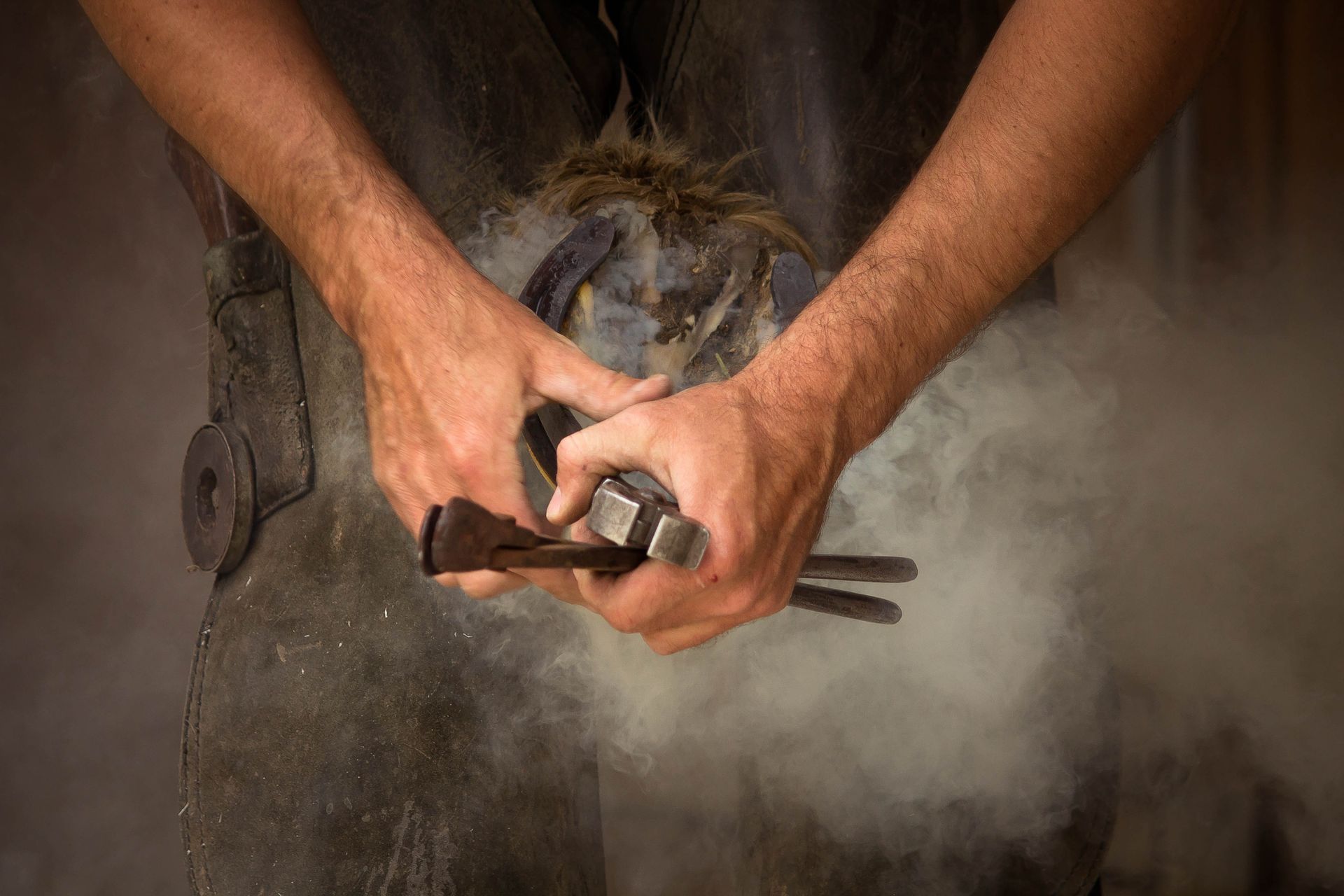
Regular check-ups with a veterinarian are crucial to prevent and detect health problems early on. Staying up to date with routine preventive care like dental floatation, farriery, vaccines, fecal egg counts, and regular check-ups provide the best conditions for your equids to live a long, happy life.
A well-balanced diet is essential for your horse's overall health. Maximizing forage intake and properly balancing their diet goes a long way to set them up for continued success. In fact, it's recommended to focus on forage, eliminating or reducing grain in favor of hay to keep the intestines moving and prevent colic.
Proper hydration is also vital, especially during the winter months. Keeping water at a tempting temperature, such as between 45°–65°F, can encourage your horse to drink more. You can achieve this by using heated automatic waterers, immersion heaters, or even just adding hot water from a kettle.
Here are some common signs of digestive problems to watch out for:
- Reluctance to eat
- Constipation
- Nipping at the sides
- Drooling
- Teeth clenching
- Parking
- Getting up and down frequently
- Showing any other signs of pain
If you notice any of these signs, it's essential to contact an equine veterinarian immediately, as digestive problems can be fatal if not treated promptly.
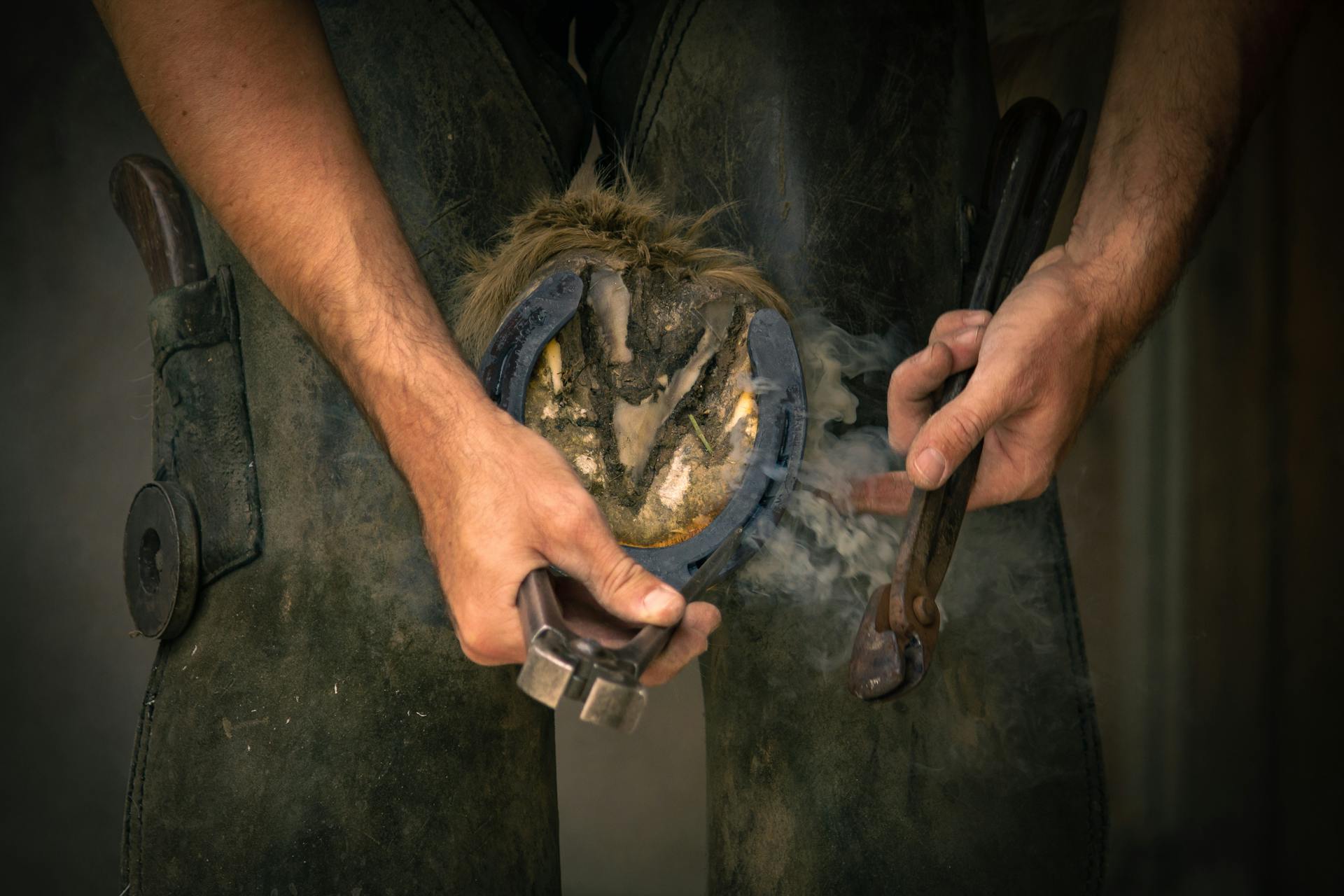
In addition to regular veterinary care and proper nutrition, being aware of common health issues can also help you prevent and manage them. Some common health problems to watch out for include lameness, respiratory problems, and parasites.
By staying informed and taking proactive steps to prevent and manage common health issues, you can help your horse live a long, happy, and healthy life.
Related reading: Staffordshire Bull Terrier Diseases
Equine Metabolic Syndrome
Equine Metabolic Syndrome is a common health issue in horses, and it's often linked to their diet and lifestyle. Horses with this syndrome tend to be overweight or obese, which can put a strain on their joints and digestive system.
Their large gastrointestinal tract is prone to developing disease, making it harder for them to digest food properly. This can lead to a range of problems, including ulcers and infections.
A horse's respiratory system is also affected by their weight, as excess pounds can put pressure on their lungs and make it harder to breathe. Conditions like equine asthma can significantly compromise a horse's performance capacity and future potential.
Symptoms of Equine Metabolic Syndrome include poor performance, increased abdominal effort when breathing, and a "heave line" - increased prominence of the abdominal muscles. These symptoms can be similar to those of other health issues, making diagnosis challenging.
Veterinarians often use a combination of endoscopy and bronchoalveolar lavage to diagnose equine asthma, which is a common condition affecting horses with respiratory problems. Management changes, such as increasing turnout and soaking hay, can help reduce a horse's exposure to allergens and improve their respiratory health.
Here are some common signs of Equine Metabolic Syndrome:
- Poor performance
- Increased abdominal effort when breathing
- A "heave line" - increased prominence of the abdominal muscles
- Increased respiratory rate
- Poor digestion and weight gain
- Increased risk of lameness and joint problems
These symptoms can be managed through a combination of dietary changes, exercise, and veterinary care. By working with a veterinarian and making lifestyle changes, horse owners can help their horses manage Equine Metabolic Syndrome and improve their overall health.
Frequently Asked Questions
What are the most common illness in horses?
Common horse illnesses include arthritis, gastric stomach ulcers, colic, laminitis, and back problems, which can cause pain, stiffness, and discomfort. Understanding these conditions is crucial for providing proper care and treatment for your equine companion.
What is the most common cause of death in horses?
For horses under 20 years old, colic is a leading cause of death, while for older horses, it's often a combination of colic, neurologic issues, and cancer. Understanding these risks can help horse owners and caregivers take preventative measures to ensure their equine companions live long, healthy lives.
Featured Images: pexels.com