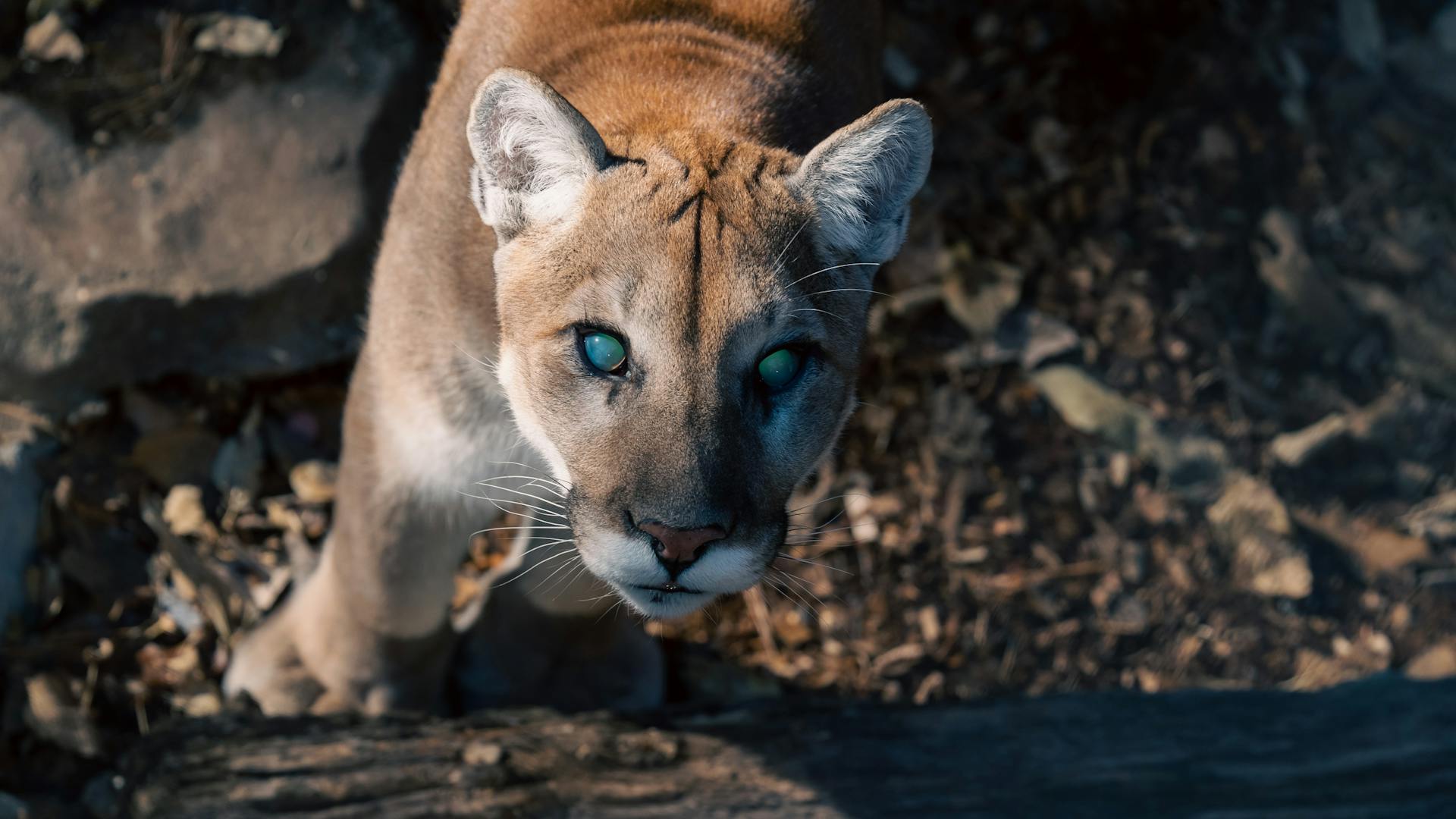
The eastern mountain lion, once a majestic presence in the Nittany Valley and beyond, is now extinct.
The last confirmed sighting of an eastern mountain lion in the region was in the 1800s.
Historical records show that the eastern mountain lion was a solitary and elusive animal, rarely seen by humans.
Its habitat was primarily in the mountainous regions of the eastern United States, where it roamed freely for centuries.
Unfortunately, human activities such as hunting and habitat destruction led to the decline of the eastern mountain lion population.
The Cougar Extinction
The USFWS declared the eastern cougar extinct, citing decades without a verified sighting.
The subspecies likely disappeared forever at least 70 years ago, based on data from researchers in 21 states and Canadian provinces across its former range.
Accounts suggest that most eastern cougars disappeared in the 1800s due to massive deforestation and overharvesting of white-tailed deer, their primary prey.
The last known, verified sighting of an eastern cougar was in 1932 in Maine.
Extinction in Nittany Valley

The Nittany Valley, a region in Pennsylvania, is a crucial habitat for the cougar.
The cougar's presence in the Nittany Valley dates back to the last ice age.
The valley's unique geography, with its rolling hills and forests, provided an ideal environment for the cougar to thrive.
However, by the mid-19th century, the cougar population began to decline due to habitat loss and hunting.
The last confirmed sighting of a cougar in the Nittany Valley was in 1877.
Eastern Cougar Declared Extinct
The US Fish & Wildlife Service declared the Eastern Cougar extinct, removing it from the Federal List of Threatened and Endangered Wildlife protection.
This decision was made after decades without a verified sighting, with the last known, verified sighting being in 1932 in Maine.
Data from researchers across 21 states and Canadian provinces indicate the Eastern Cougar likely disappeared forever at least 70 years ago.
Most Eastern Cougars disappeared in the 1800s, killed out of fear for human and livestock safety and due to massive deforestation and overharvesting of white-tailed deer, their primary prey.
Cougars occasionally occur in eastern North America, but they are of other subspecies, such as Florida panthers, animals dispersing from western populations, or animals released or escaped from captivity.
Many suspected cougar sightings are probably mistakenly identified bobcats or other animals.
Habitat and Reintroduction
The Adirondack Mountains in New York contain prime cougar habitat, making it a potential place for states to reestablish a mountain lion presence.
Researchers have been tracking small pockets of cougar populations east of their current established range since about 1990.
Some Western cougars have been popping up in the Midwest, with occasional sightings as far East as Connecticut, and even in Maine.
A young male cougar was killed by a car in Connecticut in 2011, and scientists determined he'd begun his journey 1,500 miles away in South Dakota.
Given the elusive nature of cougars, it's likely that other cougars have made similar journeys.
Areas with cougar populations have much larger concentrations of plant and animal life than areas without them, as found in Zion National Park.
No current reintroduction plans are in place, except for one in Florida, where cougars from Texas have been bred to boost the population numbers and diversity of Florida panthers.
The complications of introducing a species where it's listed as endangered have been removed, making it a promising start for a species trying to reinhabit its once continent-wide territory.
Worth a look: Florida Diamondback Rattlesnake
Featured Images: pexels.com