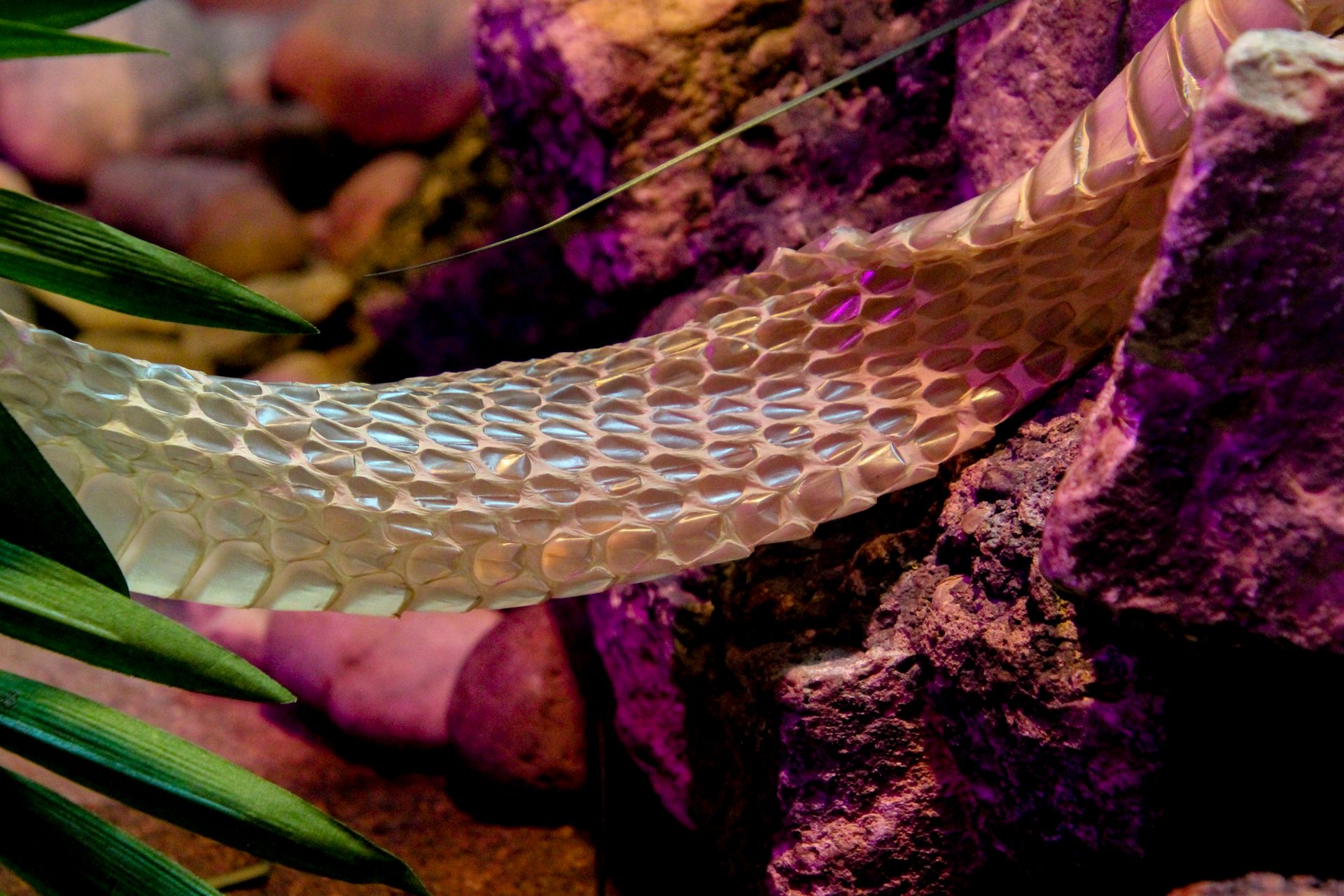
Chinchillas are known to shed their fur, and it's a natural process for them. They have a unique coat that requires regular grooming to prevent matting and tangling.
Chinchillas shed their fur in response to changes in temperature and humidity, typically during spring and fall. This is because they have a thick undercoat that helps them stay warm in cold temperatures.
Their fur can shed heavily, with some chinchillas losing up to 50% of their coat in a single shedding season. This can be a challenge for owners, but regular grooming and proper care can help minimize the amount of shedding.
Causes of Shedding
Chinchillas shed due to natural processes that help them maintain a healthy coat. This shedding can be triggered by temperature changes, causing chinchillas to grow a new coat and get rid of the old one.
Priming, or the shedding of fur in small amounts, occurs roughly every three to four months. It's a gradual process where chinchillas shed fur near the head and tail, forming a noticeable line along their back.
Rough handling, fights between chinchillas, and high-energy environments can cause fur slip, leading to a clump of fur falling off. This is an adaptation that helps chinchillas get away from predators.
Chinchillas can also shed more than usual due to stress caused by loud noises or high-energy environments. This can result in a noticeable increase in shed hair, but not a complete release of fur.
Providing regular dust baths can help reduce shedding, especially for chinchillas with dense fur. Giving your chinchilla a dust bath 2 to 3 times per week with 2 inches of dust can keep their coat healthy and reduce shedding.
Causes of Excessive Hair Loss
Excessive hair loss in chinchillas can be caused by a variety of factors.
Rough handling is a common cause of excessive hair loss, as it can cause the chinchilla to fur slip, leading to loose fur.
Fights between chinchillas can also cause excessive hair loss, especially if they are not introduced properly or suddenly fall out.
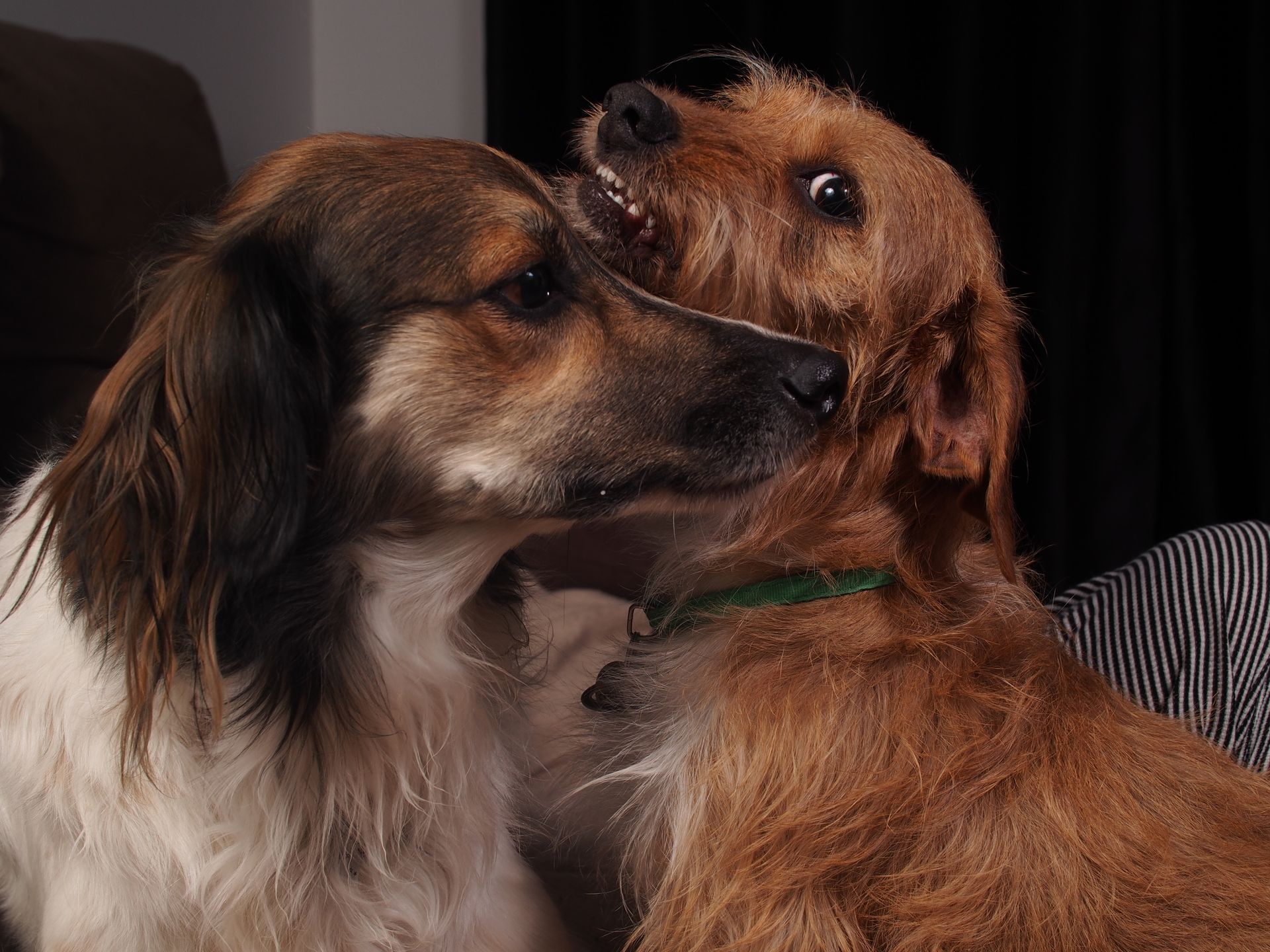
Chinchillas that get stressed or anxious can also experience excessive hair loss, often in the form of bald patches.
Old age can also cause excessive hair loss in chinchillas, as their fur naturally becomes thinner with age.
Here are some common causes of excessive hair loss in chinchillas:
- Dominance issues: Dominant chinchillas may barber their cage-mates' fur, leading to bald patches.
- Stress and anxiety: Chinchillas that get stressed may chew their fur, causing bald spots.
- Old age: As chinchillas age, their fur naturally becomes thinner.
If you notice excessive hair loss in your chinchilla, it's essential to identify the underlying cause and take steps to address it. Regular dust baths and plenty of hiding places can help reduce stress and prevent hair loss.
Why Is My?
Shedding is a natural process for chinchillas, and it's essential to understand the reasons behind it. One reason is to maintain the condition of their fur, preventing tangles, mats, and dirt from accumulating.
Chinchillas shed to replenish their coat with new fur, especially after losing hairs due to vigorous bathing, fighting, or parasites. This process is crucial to prevent baldness, and chinchillas need to shed regularly to stay healthy.
In the wild, chinchillas shed to adapt to seasonal changes, growing a thicker coat for colder seasons and a less dense coat for warmer seasons. This is reflected in the fact that priming can be triggered slightly early by temperature changes.
Chinchillas also shed to regulate their body temperature, which can be a challenge for them. In warmer months, they shed extra fur to prevent overheating, which is a serious health concern.
As a chinchilla owner, you might notice that your pet sheds more than usual in the spring and summer. But, shedding is a year-round process for chinchillas, and it's a natural way for them to keep their coats healthy.
Preventing and Helping
Regular dust baths can help reduce loose fur in your chinchilla's coat, as the chinchilla rolls around in the dust, loose hairs come flying free.
Grooming your chinchilla occasionally can also help get rid of loose fur, but it won't stop fur slip entirely.
Additional reading: Chinchilla as Pet
Some chinchillas seem to tolerate grooming well, but others get stressed or unhappy, so it's essential to pay attention to your pet's behavior.
If your chinchilla doesn't like the brush, you can try grooming by hand - simply wet your hand, dry it off, and run it over your chinchilla's back.
This method is quick and painless, and can pick up lots of loose hairs.
Understanding Shedding
Chinchillas shed their fur, but it's not a sudden event, it's a gradual process that occurs every three to four months. This is called priming, and it's a natural part of a chinchilla's life cycle.
You can tell when a chinchilla is priming because it has a noticeable line along its back, with fur shed near the head and tail. This line can look like a horseshoe shape from behind.
Chinchillas shed their fur in small amounts, but it can be triggered by temperature changes. If your chinchilla is shedding more than usual, it may be due to its fur being denser, which means it sheds more frequently.
Regular dust baths can help reduce shedding, and it's essential to provide enough dust during these baths, about 2 inches in the dust bath container.
When They're Scared
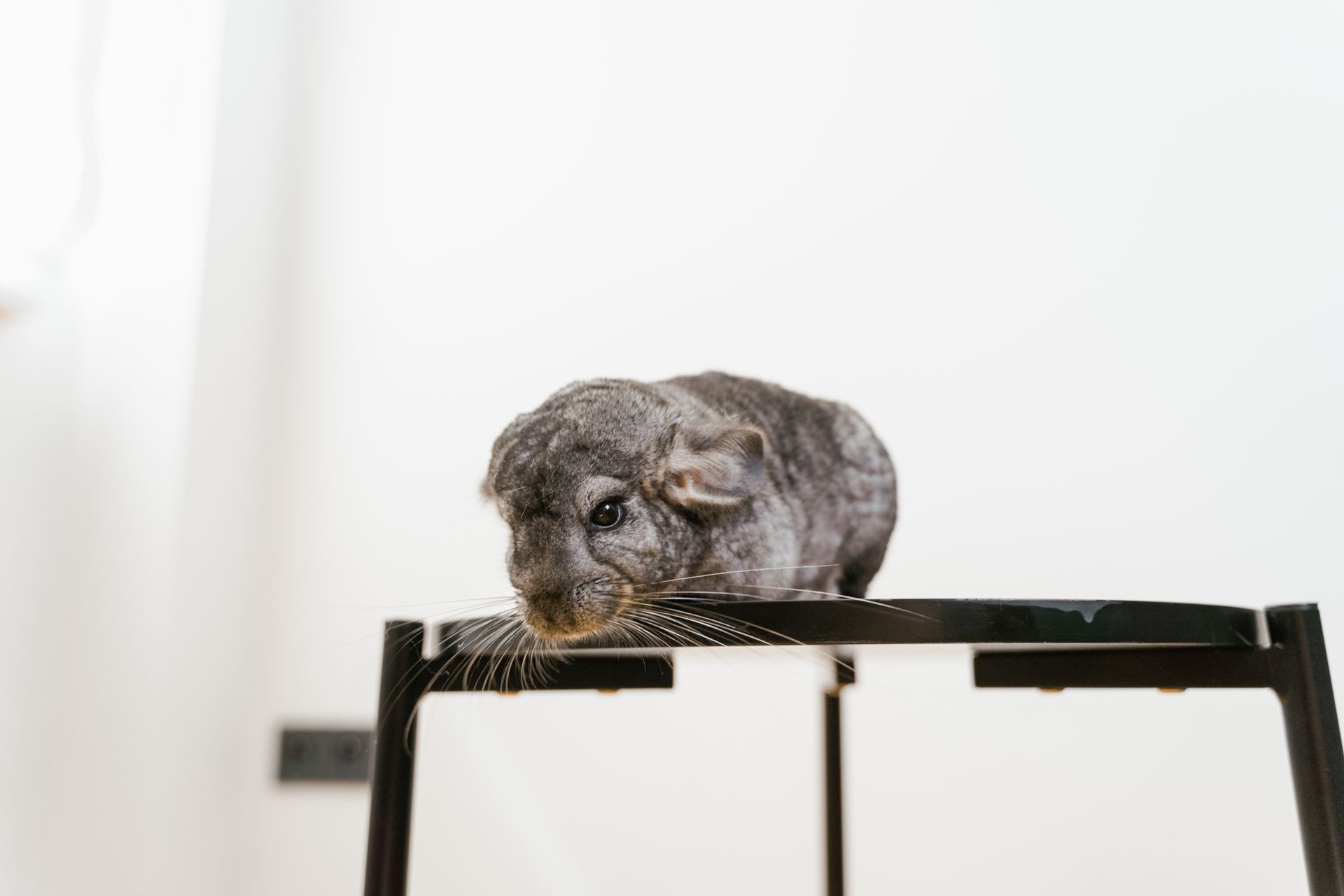
Chinchillas shed fur when they're scared, and it's a defense mechanism they developed in the wild to get away from predators. This phenomenon is known as fur slip, and it's a natural behavior for chinchillas.
If you grab your chinchilla without warning, it will likely shed fur as a way to defend itself. This is because chinchillas have a sensitive response to being handled suddenly.
The amount of fur that comes out can range from hardly any to a large clump, leaving a bald patch behind. This is why some chinchillas will shed no matter who handles them, while others will only shed if they're extremely stressed.
Chinchillas may find handling stressful, so it's essential to respect their wishes and not handle them too much. Limiting handling can help reduce the amount of fur that sheds.
If you notice your chinchilla shedding more than usual, it's likely due to a lack of dust baths or not enough dust provided during baths. Regular cleaning tasks, like dust baths, can help minimize shedding.
What Is the Process?
Chinchillas shed their fur every three to four months, a cycle that continues throughout their lives. This cycle is not seasonal, and chinchillas shed all year long.
The shedding process starts at the head and moves towards the tail, with new hair growing towards the surface and pushing out the older hairs. This process can take a couple of months to complete.
A distinct line on the chin's fur, known as the priming line, is a sign of the shedding process. This line will move all the way down the chin's body until the coat is completely refreshed.
Chinchillas shed their fur to refresh their coat, and this process is a sign of their health. Shedding is a natural process that keeps the chinchilla healthy.
As chinchillas shed their fur, you might notice they shed more in the summer or spring to stay cool. However, this is not the only time they shed.
The shedding process is different from a fur slip, which is a quick release of a patch of fur. Fur slips are a defense mechanism used when a chinchilla feels trapped or threatened.
Hair Loss Issues
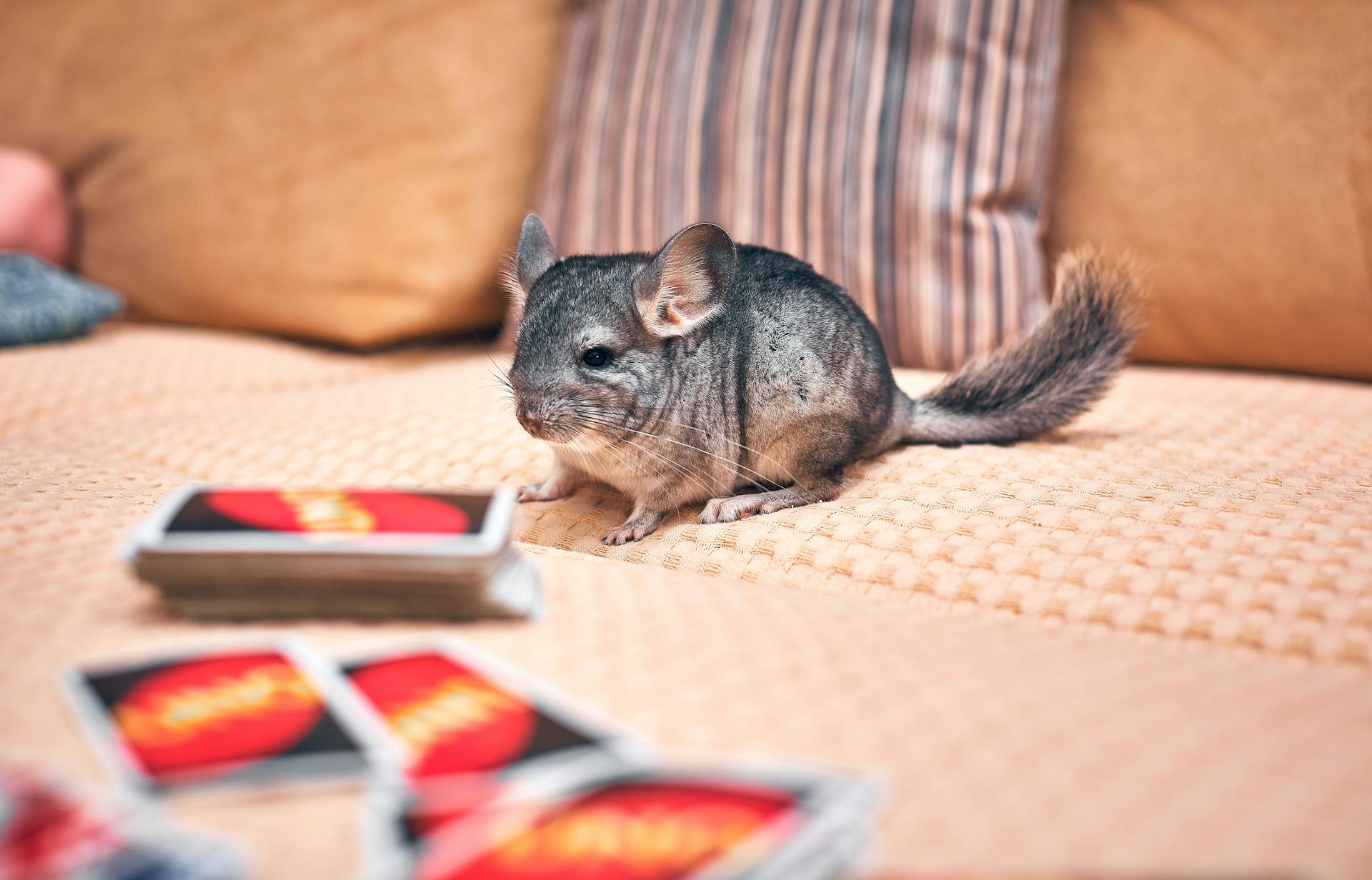
Chinchillas do shed, but excessive shedding can be a sign of a problem. Chinchillas can get bald spots if they experience fur slip, health issues, or parasites like mites or fleas.
Dominant chinchillas can cause bald patches by barbering their cage-mates' fur. Stress and anxiety can also lead to bald spots, as chinchillas may chew their fur if they're stressed.
Chinchillas can regrow their fur, but it may take time. If a chinchilla's skin is damaged, no fur will grow back in that area.
If you notice large bald patches, it's likely that there's something else going on besides normal shedding. Check for signs of parasites or health issues.
Here are some common causes of bald spots in chinchillas:
- Dominance issues
- Stress and anxiety
- Old age
Keep in mind that chinchillas can get stressed or anxious due to loud noises or high energy environments, which can lead to fur-slip.
Q
Most chinchillas don't enjoy the grooming process, so it may take several sessions for your chinchilla to accept it.
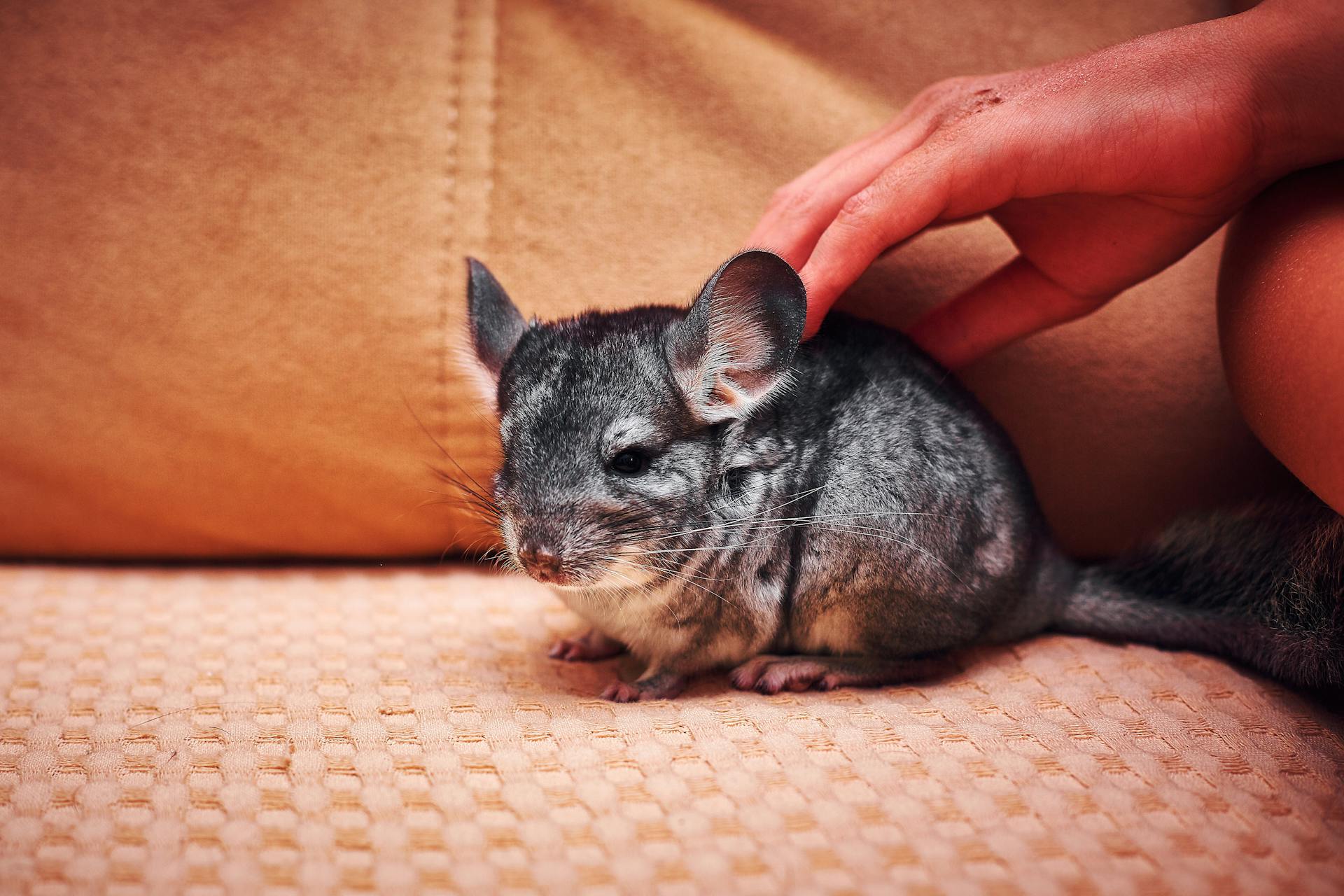
To groom your chinchilla, place a towel across your lap and settle it on your lap, keeping a good hold of it at all times.
Don't place your hand or fingers in front of the chinchilla's mouth while grooming, as this can lead to nipping or biting if it feels stressed.
Some people like to hold the chinchilla's rear end, while others prefer a firm hold of the backside and base of the tail closest to the body.
This leaves your other hand free to gently run a comb or brush through the fur.
Frequency and Duration
Chinchillas shed every three or four months, and this cycle continues throughout their whole life.
A chinchilla's first shed occurs when it's between five months and eight months of age.
Shedding occurs in a frequent cycle, taking a couple of months to fully shed their coats.
Chinchillas do not solely shed before summer; they shed all year long.
Observing and Addressing
Chinchillas shed heavily during spring and fall, with some owners reporting up to 50% of their chinchilla's coat falling out in a single month.
Regular grooming is key to managing shedding. Brush your chinchilla daily to prevent matting and tangling of their fur.
Shedding can be reduced by providing a humid environment, as dry air can cause chinchillas to shed more. A humidifier can help maintain a humidity level between 50-60%.
Chinchillas also shed more when they're stressed or experiencing changes in their environment. Try to minimize changes and provide a stable routine to reduce shedding.
Some owners find it helpful to use a deshedding tool specifically designed for chinchillas, but be gentle and avoid using it too frequently.
Chinchilla Care and Grooming
Regular grooming can help remove excess fur and prevent matting in chinchillas. Chinchillas are not naturally groomed in the wild, so they might resist being groomed if they're not used to it.
You should consider your chinchilla's personality before trying to groom them, as forcing them to be brushed can cause unnecessary stress. Some chinchillas actually enjoy being brushed and will curl up and fall asleep during the grooming.
Chinchillas also need regular dust baths to remove dust and oils from their fur. They only need dust baths a few times a week, and excessive amounts can lead to serious skin issues.
Pet Grooming
Chinchilla grooming brushes are different from normal brushes, with teeth that are very close together to help pick apart the chinchilla's dense fur.
You can use a flea comb as an alternative, or even a greyhound brush if you have one.
Chinchillas are not brushed or groomed in the wild, so your pet chin might resist being groomed if they're not used to it.
Some chinchillas actually enjoy being brushed and will curl up and fall asleep during the process.
Never force your chinchilla to be brushed, as this could cause unnecessary stress and lead to a fur slip.
If your chinchilla does like to be brushed, try to brush them on a regular basis to remove any excess fur, especially if they have a thick coat.
You should also let your chinchilla take dust baths on a regular basis, a few times a week, to remove dust and oils and excess fur.
Just be sure to remove the dust bath from their cage after they're done to avoid skin issues.
Chinchillas
Chinchillas shed year-round, with the heaviest shedding taking place every 3 months. This is completely normal and nothing to worry about.
Chinchillas with denser fur shed more frequently than those with less dense fur. This makes sense, as denser fur requires more maintenance.
You can use a chinchilla shedding brush to help keep their fur under control. These brushes have closely spaced teeth that help pick apart the chinchilla's dense fur.
Keep their cage clean to reduce excessive oils and dander, which can lead to irritated skin and more shedding. I personally clean my chinchilla's cage daily, and I also give her a dust bath every third day.
Chinchillas shed far less than most animals, which is one of the reasons they're considered hypoallergenic. This is a great advantage for people with allergies.
If you can't get your chinchilla to a dust bath during playtime or every third day, it's okay to have her take a dust bath in her cage. She'll enjoy it just as much!
Self-Groom
Chinchillas are naturally friendly and love to groom themselves, other chinchillas, and even their owners if they trust them.
They are skilled self-groomers, even during heavier shedding periods, which is normal year-round.
Chinchillas will often groom themselves so thoroughly that they'll even curl up and fall asleep during the process.
However, if your pet is shedding excessively, the shed fur can get into their mouth during grooming, which can be a serious issue.
In fact, if you notice this happening, a vet trip may be in order to play it safe.
It's essential to let your chinchilla take dust baths on a regular basis, which can help remove excess fur and oils, as well as dust and dirt.
Just be sure to remove the bath from their cage after completion, as excessive amounts of dust baths can lead to serious skin issues.
Whiskers?
Chinchillas can shed their whiskers as they might shed any hair. They're made from keratin, just like normal hairs, and grow from follicles like normal hairs.
Whiskers are super sensitive to touch, thanks to more nerve endings at their bases. This is why they're so important for a chinchilla's navigation and balance.
It's not a major problem if your chinchilla loses a whisker or two, as they'll grow back eventually. They don't hurt to fall out, and your chinchilla still has its other whiskers to use in the meantime.
Regrowth and Health
Chinchilla fur will always grow back after fur slip or shedding, as it's a vital part of their survival in the wild. They have follicles that produce hairs, which start out short but get longer, eventually dropping out or being damaged.
If your chinchilla's skin is damaged in some way, no fur will grow back in that area. But most small wounds don't result in noticeable bald patches because the fur is so dense that it covers up the hairless area.
Chinchilla whiskers will also grow back, and it's not uncommon to see one or two whiskers on the floor of a cage every once in a while.
Fur Regrowth
Chinchilla fur will always grow back after shedding or fur slip. It's a vital process for their survival in the wild.
Chinchillas have follicles that produce hairs, which start out short and get longer before dropping out or being damaged. This process is completely normal and happens to all animals with fur.
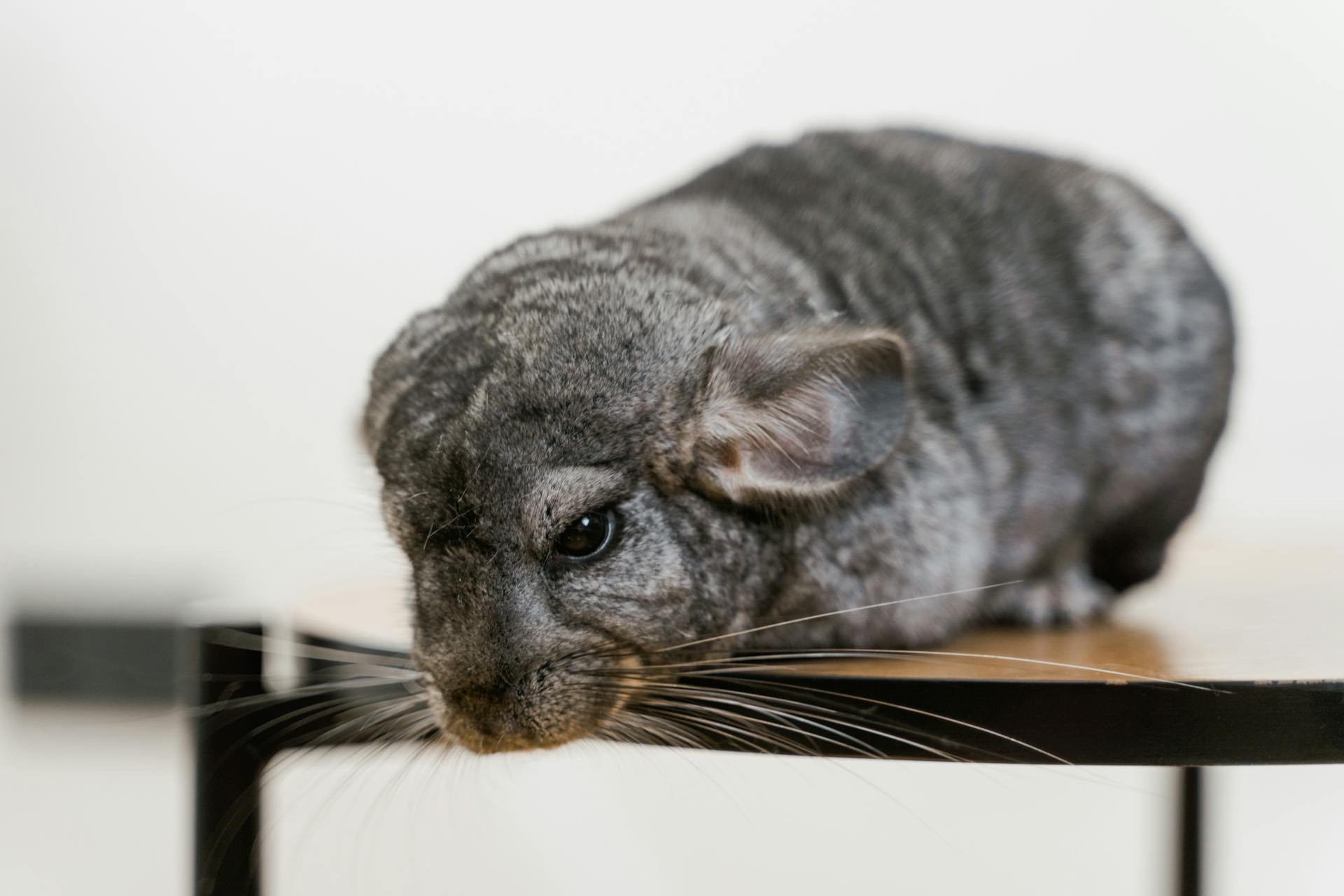
Chinchilla whiskers will also grow back, and it's not uncommon to see one or two whiskers on the floor of a cage every once in a while. This can occur whether your chinchilla lives with a cage mate or on its own.
A small bald patch caused by fur slip will take a couple of weeks to become less noticeable, and the fur will stop being noticeable when it gets to about half its original length.
Dangers
Dangers of excessive shedding are real, and they can lead to serious health issues for your chinchilla. Excess fur can cause digestive problems or intestinal blockage if your chinchilla eats too much of it.
Cleaning your chinchilla's cage regularly is crucial to prevent this from happening. Regular cage cleaning will also help prevent matting of their fur.
Matted fur can cause serious problems, including the inability of your chinchilla to remove oil from their skin. This can lead to heat loss and skin irritation.
Excessive heat loss and skin irritation can cause a range of health problems for your chinchilla. These problems can be serious and even life-threatening if left untreated.
Featured Images: pexels.com