Costa Rica is a nature lover's paradise, with its lush rainforests, exotic wildlife, and stunning beaches. The country is home to over 8,000 species of plants and animals, many of which can be found nowhere else on the planet.
From the majestic quetzal bird to the playful sloth, Costa Rica's wildlife is as fascinating as it is diverse. The quetzal, with its vibrant feathers and long tail, is a symbol of the country's rich cultural heritage.
One of the most iconic birds in Costa Rica is the resplendent quetzal, which can be found in the country's cloud forests. This bird is known for its bright plumage and distinctive call, which sounds like a series of whistles.
Costa Rica Wildlife
Costa Rica is a paradise for wildlife enthusiasts, with its incredible biodiversity and variety of ecosystems. The country is home to four percent of the world's species, despite making up only one thirtieth of a percent of Earth's landmass.
Corcovado National Park is a must-visit destination for any wildlife lover. Marino Ballena National Park, Monteverde Cloud Forest, Manuel Antonio National Park, Tortuguero National Park, and the Southern Caribbean Coast are also top spots to see wildlife in their natural habitat.
Costa Rica has an astonishing 12 climatic zones, providing a diverse range of habitats for its incredible array of species. This variation is the key to the country's remarkable biodiversity.
Some of the unique species you can find in Costa Rica include frogs, snakes, lizards, finches, hummingbirds, gophers, mice, cichlids, and gobies. These endemic species exist nowhere else on earth, making Costa Rica a truly unique destination for wildlife enthusiasts.
Here are some of the UNESCo World Heritage Sites in Costa Rica that are natural assets:
- The Talamanca Mountain Range – La Amistad Reserves / International Friendship Park (declared in 1983)
- The Isla del Coco National Park (declared in 1997)
- The Guanacaste Conservation Area (declared in 1999)
Costa Rica's diverse ecosystems include tropical rainforests, deciduous forests, Atlantic and Pacific coastline, cloud forests, and mangrove forests.
Birds and Insects
Costa Rica is a bird lover's paradise, with an incredible 941 bird species recorded in the country. This is more than all of the United States and Canada combined!
The resplendent quetzal, a stunning trogon with a long grey and black tail, can be found in cloud forests and is most active in the canopy. Unfortunately, its cloud forest habitat has been widely destroyed across Central America.
Scarlet macaws are a common species in Costa Rica and are known to form monogamous breeding pairs that mate for life. Both males and females help care for young and raise chicks for up to two years before they fledge.
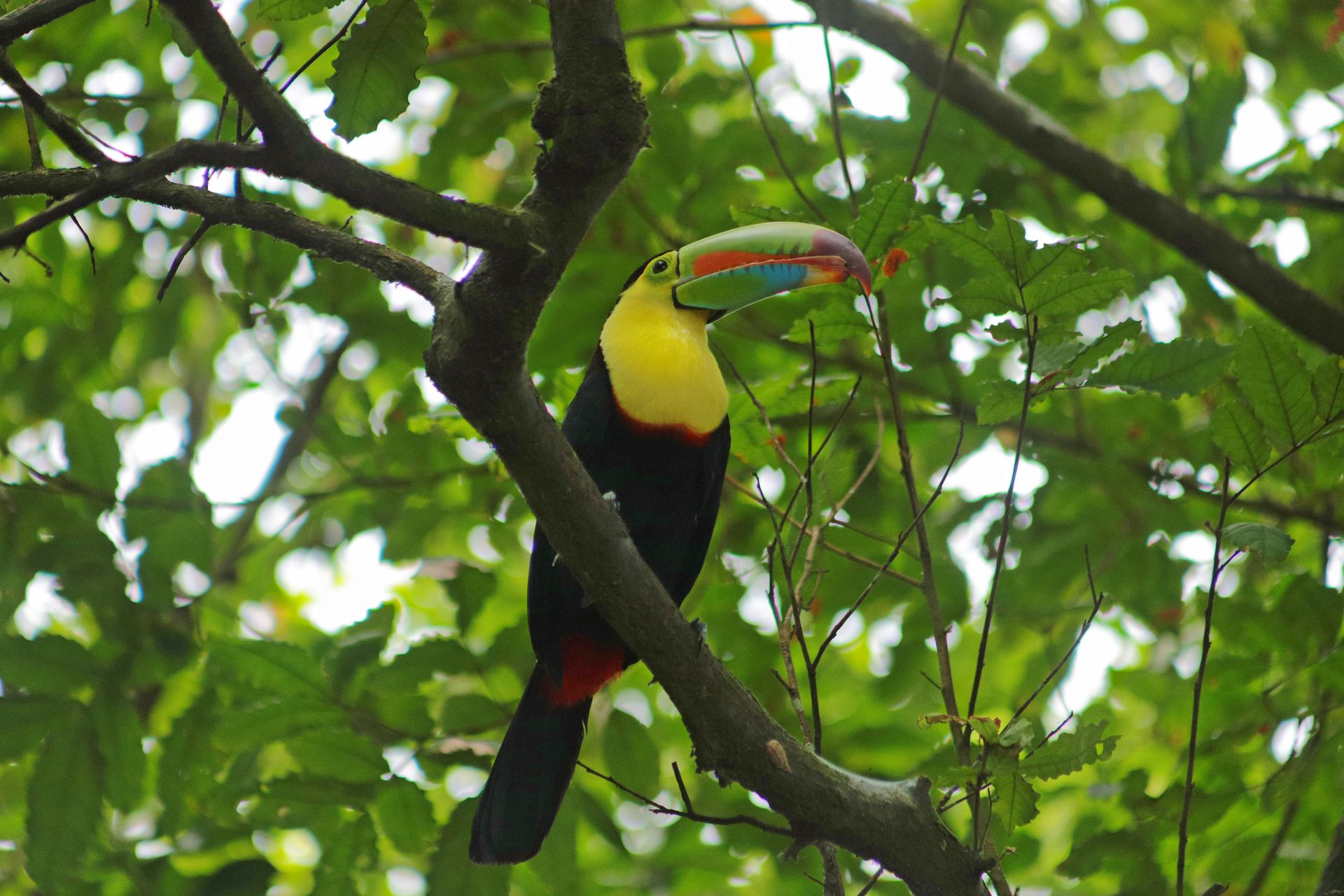
There are six species of toucans found in Costa Rica, with the Keel-Billed Toucan and the Chestnut-Mandibled Toucan being the most iconic. These birds are frugivorous, feeding primarily on fruit.
The best places to see toucans in Costa Rica include the Caribbean Lowlands, Arenal & La Fortuna, Monteverde Cloud Forest, Manuel Antonio National Park, and the Osa Peninsula & Corcovado.
If you're interested in spotting toucans, try visiting during early morning and late afternoon when they're most active. Listen for their calls, which can sound like frogs croaking or loud yelping. Bring binoculars to get a closer look, and stay near fruit trees as they love to feed on wild figs and other tropical fruits.
Readers also liked: World Wildlife Foundation Endangered Species
Costa Rica is also home to 18% of the world's butterfly species, with over 60 varieties of glass-wing butterflies alone. You can see these beautiful creatures up close at a Butterfly Conservatory, where you can learn more about these fabulous friends.
Here are some top destinations for spotting scarlet macaws:
- Carara National Park (Central Pacific Coast)
- Osa Peninsula (Southern Pacific Coast)
- Palo Verde & Tempisque Basin
Scarlet macaws are known for their bright red, yellow, and blue plumage, and are often seen flying overhead in pairs or small groups. They're also known for their big vocalizations and can even mimic human speech.
Primates and Mammals
Costa Rica is home to nearly 250 species of mammal, with a diverse range of medium-sized forest-dwelling mammals, including four species of monkeys, two species of sloths, and the white-nosed coati.
Bats are a significant part of Costa Rica's mammalian fauna, making up more than half of the species, and can be found in various foraging methods and foods, including nectar, fish, insects, and parasitized blood.
The northern tamandua is the most commonly seen of Costa Rica's three anteater species, while the giant anteater is huge and endangered.
Costa Rica is also home to two species of sloths: the two-toed sloth and the three-toed sloth. The three-toed sloth is diurnal and can be spotted in the treetops, while the two-toed sloth is nocturnal and can be found on guided night hikes.
Here are some top destinations for monkey sightings in Costa Rica:
Mammals
Costa Rica is home to nearly 250 species of mammal, with a diverse range of sizes, from the 3-gram thumbless bat to the 250 kg Baird's tapir.
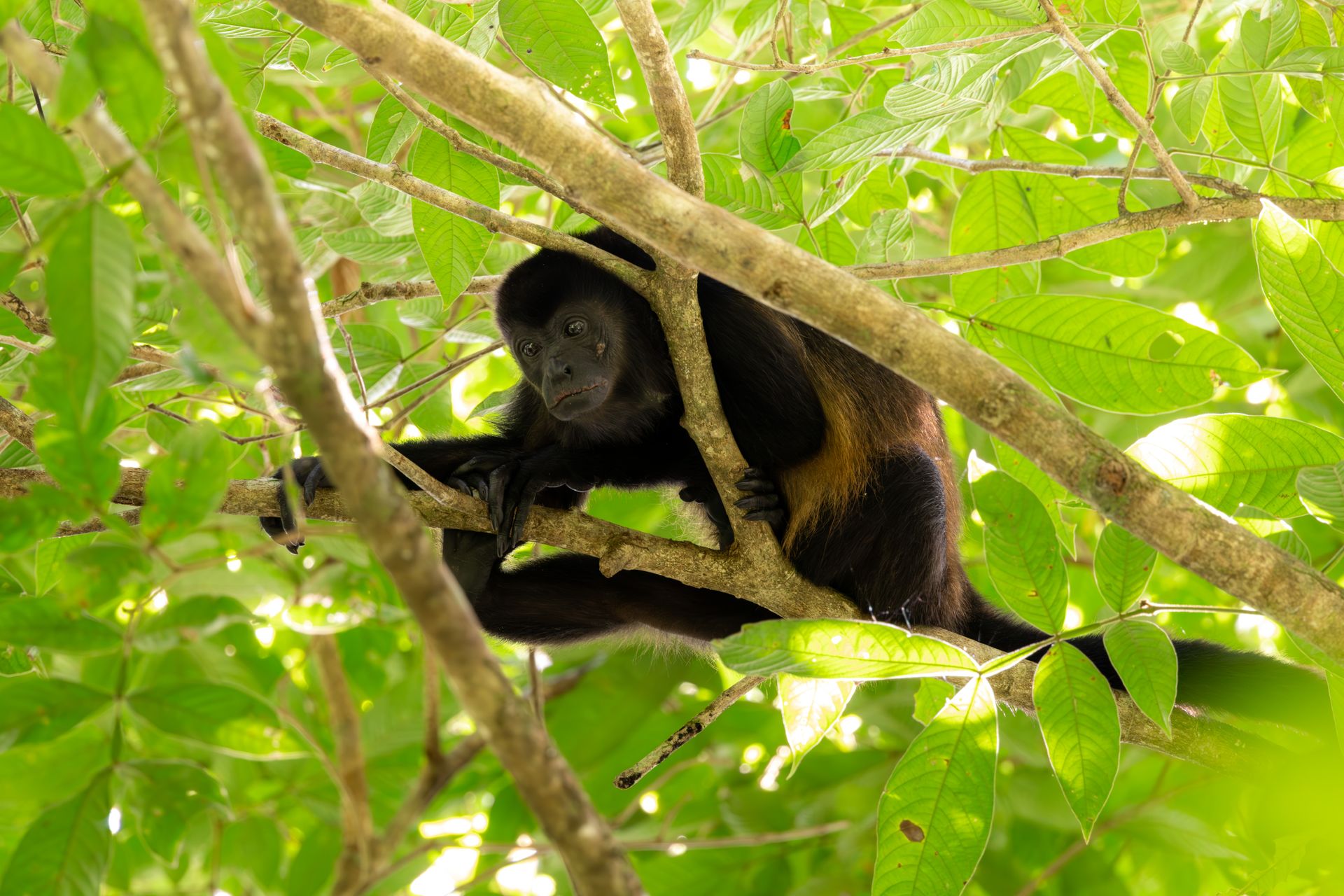
Medium-sized forest-dwelling mammals are a highlight of the country's fauna, including four species of monkeys like the white-headed capuchin and mantled howlers, two species of sloths, the white-nosed coati, and the tayra.
Bats comprise more than half of the mammal species in the country, outnumbering rodents twice over. You can spot bats using various foraging methods and foods, including nectar, fish, insects, and parasitized blood.
Anteaters are common in lowland and middle elevation throughout Costa Rica, with the northern tamandua being the most commonly seen species.
If you're looking to spot sloths, Manuel Antonio National Park, Tortuguero National Park, and Monteverde Cloud Forest are top spots with regular sightings along easy trails.
To increase your chances of spotting sloths, consider booking an evening hike in regions like Cahuita or Arenal, or hiring a naturalist guide who can spot sloths you'd easily miss.
Sloths are often found in trees, so bring binoculars to get a closer look. Be patient, as sloths live up to their name and move very little, making them easier to observe once spotted.
Monkeys are a favorite amongst travelers, with four species found in Costa Rica: white-faced capuchin, mantled howler, squirrel monkey, and spider monkey.
These monkeys can be found up and down both coasts, but are less common in the central valley and interior highlands. Consider visiting Manuel Antonio National Park or the Osa Peninsula for the best monkey sightings.
To spot monkeys, go early or late, when they're most active, and consider booking a guide who can enhance your experience with their wildlife knowledge. Observe and respect wildlife by keeping your distance and avoiding loud noises.
Readers also liked: Costa Rican Monkeys
The white-faced capuchin is more than just a pretty face, with a diverse diet and a strong impact on the vegetative populations in their habitats. They're also one of the smartest monkeys, with knowledge of using crude tools and medicinal plants.
Wild cats in Costa Rica include jaguars, ocelots, pumas, jaguarundi, margays, and little spotted cats. The jaguar is the largest wild cat in Costa Rica, while the little spotted cat is the smallest, living in cloud forests up to 3200 meters.
Here's a list of the six wild cat species found in Costa Rica:
- Jaguar
- Puma (Mountain Lion)
- Ocelot
- Margay
- Oncilla (Tigrillo)
- Jaguarundi
What is the National Animal?
The national animal of many countries is the lion, which is also a primate's natural predator. In fact, lions are known to prey on primates in the wild.
The lion's majestic appearance and powerful roar have made it a symbol of strength and courage in many cultures. This is evident in the fact that the lion is featured on the coats of arms of several countries, including South Africa and the United Kingdom.
The lion's social structure, which consists of a pride led by a dominant male, is also worth noting. This social structure is similar to that of some primate species, such as chimpanzees and gorillas.
Sea and Freshwater Animals
Costa Rica is a paradise for wildlife enthusiasts, and its protected coastal areas are a haven for sea turtles. You can witness the incredible sight of green turtles nesting from July to October, and occasionally hawksbills from March to May.
Tortuguero is a must-visit destination for any sea turtle lover, with the chance to see these magnificent creatures haul their shells ashore to lay their eggs. It's a truly magical experience that will leave you in awe.
The Pacific Coast of Costa Rica is also home to an incredible array of whales, with the longest whale watching season in the world. From December to early April, you can spot Northern Hemisphere California Humpback Whales, and from late April to July to November, Southern Hemisphere Antarctic Humpback Whales make an appearance.
Sea Turtles
Costa Rica is a paradise for sea turtle enthusiasts. Several species of turtles return every year to the same beaches along both coasts to nest in a grand procession termed arribada.
If you're looking to spot sea turtles, Tortuguero National Park is a must-visit destination. You'll find green turtles and occasionally hawksbills nesting from July to October, while leatherbacks might emerge to lay their eggs from March to May.
Leatherback sea turtles and hawksbill sea turtles can be found on both the Caribbean Coast and the Pacific Coast. Ostional Beach, Tortuguero National Park, and Playa Grande are all well-known beaches for turtle nesting.
To increase your chances of witnessing turtle nesting, book your trip during the nesting season. However, keep in mind that an arribada is never guaranteed.
Here's a breakdown of the best turtle nesting seasons by month:
- Winter (Dec – Feb): Leatherbacks on both coasts; humpback whales also present (bonus!).
- Spring (Mar – May): Leatherbacks still nesting on the Caribbean; Hawksbills start in the Southern Caribbean.
- Summer (Jun – Aug): Green turtles arrive in Tortuguero; Olive ridleys begin arribadas on the Pacific.
- Fall (Sep – Nov): Peak turtle season! Green turtles, olive ridleys, and hawksbills all nesting.
Whales
Whales are a thrilling sight to behold, and Costa Rica is one of the best places in the world to see them. You can spot humpback, pilot, blue, and Pseudo-Orca whales along the country's Pacific Coast.
The humpback whale is the most popular species to see, and it's present in Costa Rica nearly year-round. From December to early April, Northern Hemisphere California Humpback Whales migrate to the Pacific Coast to breed.
The largest concentrations of whales can be found along the southern coast and the Osa Peninsula. This is a great spot for whale watching, as the waters are rich with marine life.
Explore further: Best Place to See Wildlife in Costa Rica
Amphibians
Costa Rica is home to an incredible array of amphibians, with around 175 species found in the country. The most common type of amphibian in Costa Rica is the frog, with 85% of the species falling into this category.
Some of the most notable frog species in Costa Rica include the red-eyed tree frog, poison dart frogs, and the semitransparent glassfrogs. These frogs have adapted to their environments in unique ways, such as laying eggs in water pools in bromeliads or in wet soil.
The red-eyed tree frog is a particularly striking species, with its bright green body, striking red eyes, and blue-and-yellow striped sides. These frogs are masters of camouflage, sleeping with their eyes closed and legs tucked in during the day to blend in with their surroundings.
Red-eyed tree frogs are nocturnal, so if you want to spot them, you'll need to go out after dark. They're found in many regions of Costa Rica, including Monteverde, Manuel Antonio, and Tortuguero, but be careful not to step on them!
Some other notable frog species in Costa Rica include the large smoky jungle frog and the giant toad, which can eat almost anything, including vegetables, ants, spiders, and even small mammals.
Here are some key facts about the amphibians of Costa Rica:
- There are around 175 amphibian species in Costa Rica.
- 85% of the amphibian species in Costa Rica are frogs.
- The red-eyed tree frog has a unique defense mechanism, with bright red eyes that scare predators.
- Some frogs in Costa Rica lay eggs in water pools in bromeliads or in wet soil.
- The giant toad can eat almost anything, including small mammals.
Kingfisher
Kingfishers are master dive bombers with flair, shooting past at incredible speeds and catching fish with their hunting spear bill.
Costa Rica is home to six species of the family Alcedinidae, named after Alcyone, daughter of Aeolus, the Greek god of the winds.
Kingfishers are inspired by Alcyone's devotion to her husband Ceyx, who was struck by a thunderbolt and drowned at sea.
Their love story is a reminder of the kingfisher's remarkable abilities, which have captivated people for centuries.
In Costa Rica, you might see a kingfisher disappear into the water and come flying out just as fast with a fish in its beak.
For more insights, see: Fish and Wildlife Western Pond Turtle
Wildlife Guides and Tips
Costa Rica is a wildlife enthusiast's paradise, and with the right guidance, you can have unforgettable encounters with its incredible creatures. Expert tips from local guides can make all the difference in spotting these amazing animals.
Arribada events, where tens of thousands of Olive Ridley sea turtles nest at once, typically occur between September and November at Ostional. This is a once-in-a-lifetime experience that you won't want to miss.
Book a guided night tour to witness these incredible events, as most turtles nest after dark. This will ensure you get the best possible views and a deeper understanding of these amazing creatures.
To spot butterflies, look near sunny forest clearings, flowering plants, and riverbanks. They're also attracted to bright colors, so wear something vibrant to entice them to land on you.
If you want to get up close and personal with butterflies, visit a butterfly conservatory or garden. These controlled environments guarantee close-up encounters with these beautiful creatures.
Butterflies are most active during the sunny mornings after rain when they bask and feed. If you're lucky, you might even spot a Blue Morpho, which is a fast flyer and a thrill to watch.
To increase your chances of spotting monkeys, go early or late in the day, when they're most active. This is between 6-9 AM and 3-5 PM, so plan your day accordingly.
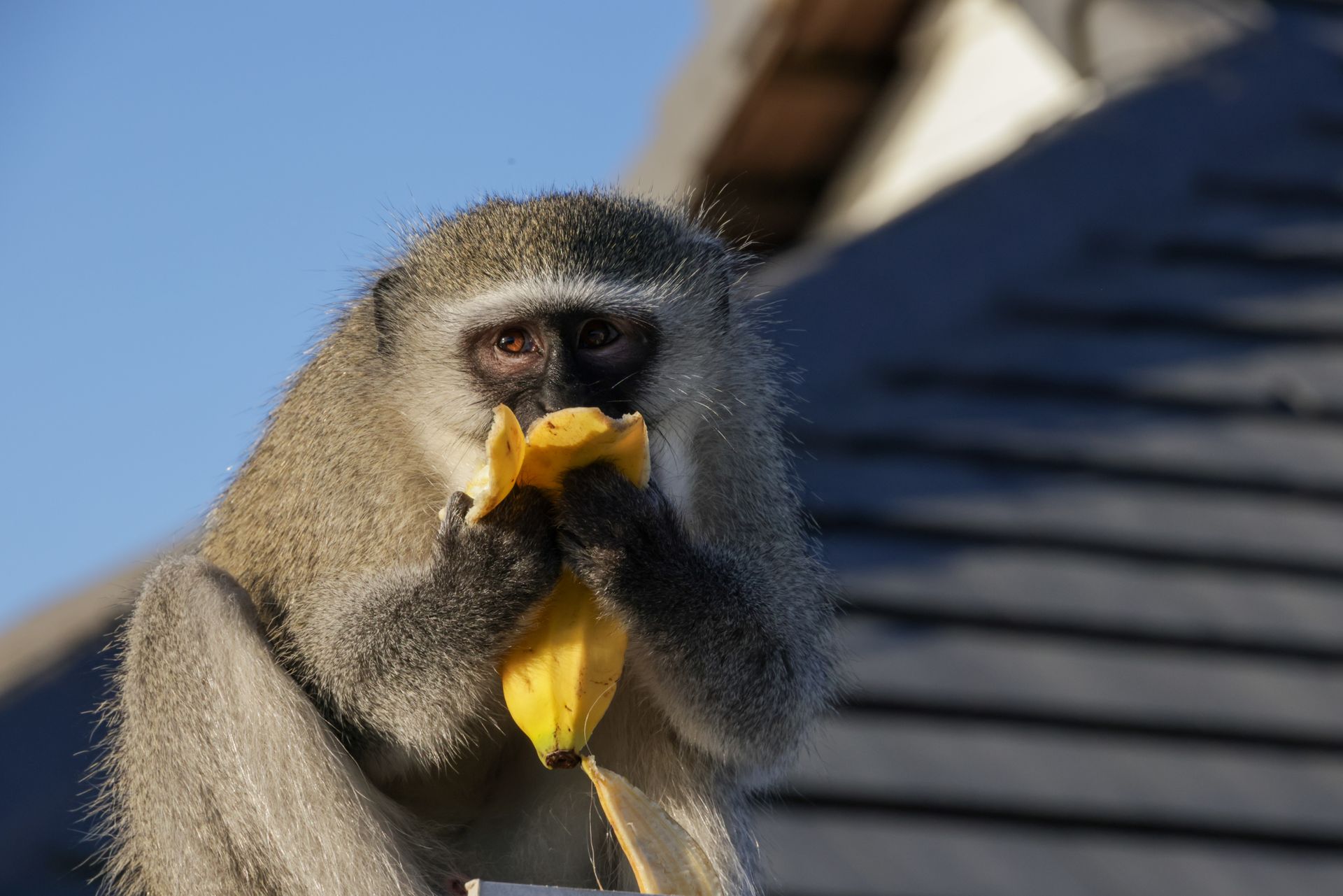
Be patient and keep a safe distance when observing monkeys. Avoid loud noises and never feed them, as this can disrupt their natural behavior and even harm them.
To make the most of your wildlife experience in Costa Rica, consider booking a guide who knows the best spots to see each species. This will not only enhance your experience but also support conservation efforts.
Here are some key times to keep in mind when planning your wildlife adventure:
Where to Find Wildlife
If you're looking to spot some incredible wildlife in Costa Rica, you're in the right place. Costa Rica is a nature lover's paradise, with an incredible array of species to discover.
Some of the best places to see wildlife in Costa Rica include Corcovado National Park, Marino Ballena National Park, Monteverde Cloud Forest, Manuel Antonio National Park, Tortuguero National Park, and the Southern Caribbean Coast. Each of these locations offers a unique opportunity to observe a wide range of species.
If you're looking for a specific type of wildlife, such as frogs, you'll want to head to areas with temporary rain puddles or ponds. Frogs often breed in these types of water sources.
Here are some specific locations to look for frogs in Costa Rica:
- Tortuguero National Park
- Monteverde Cloud Forest
- Arenal
- Osa Peninsula
In addition to these locations, you can also spot frogs on broad-leafed plants, such as heliconias, banana plants, or palm fronds.
Frequently Asked Questions
What is the top predator in Costa Rica?
The top predator in Costa Rica is the jaguar, found primarily in remote rainforests like Corcovado National Park.
What is the biggest animal in Costa Rica?
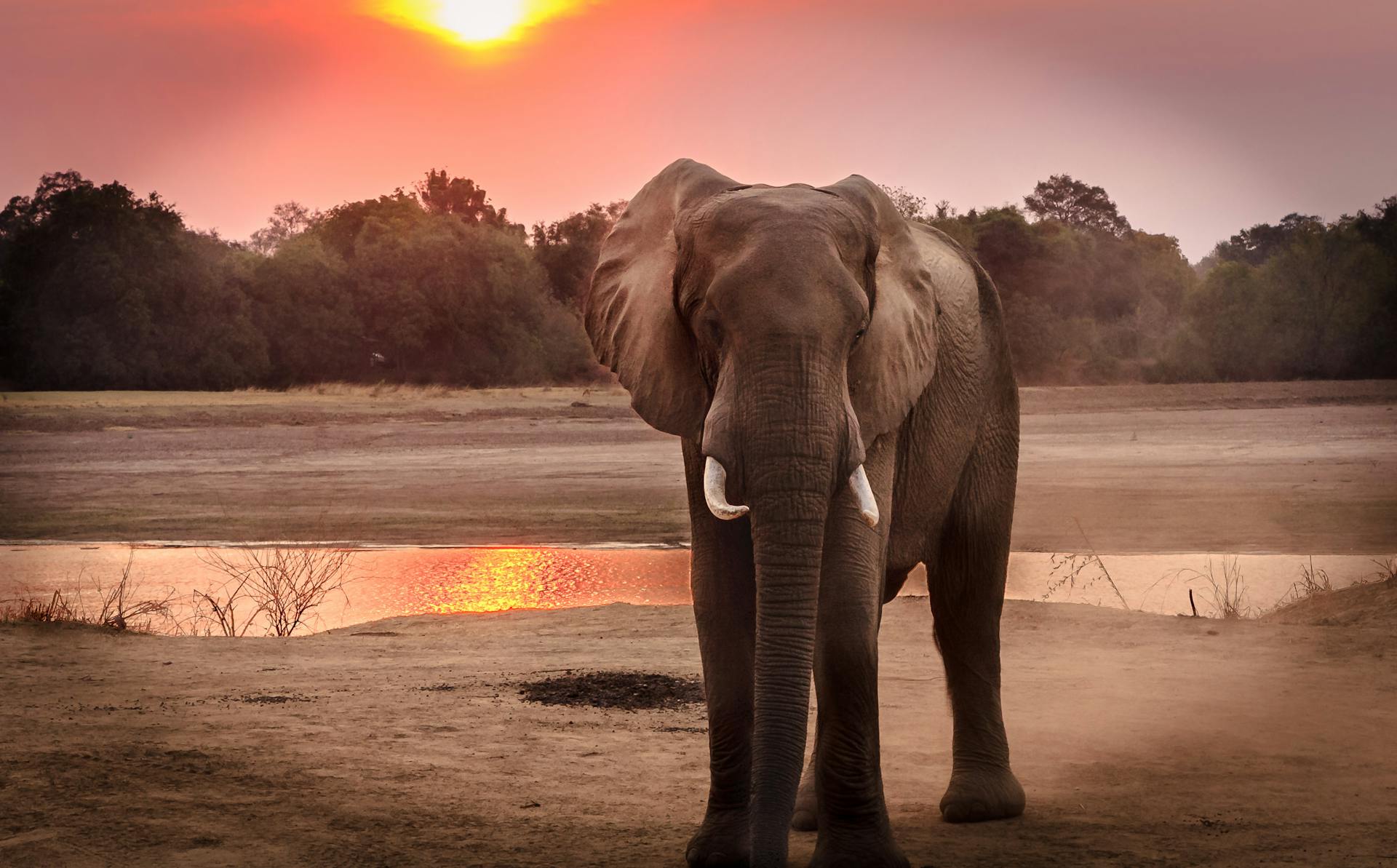
The largest mammal in Costa Rica is the endangered tapir. This massive creature requires large territories to thrive.
Featured Images: pexels.com