The Australian Swamp Rat is a fascinating creature. It's a type of rodent that's native to Australia.
These rats are found in the country's eastern regions, particularly in areas with dense vegetation and access to water. They thrive in wetlands and swamps.
One interesting fact about the Australian Swamp Rat is that it's a skilled swimmer. It can swim long distances to escape predators or find food.
Their diet consists mainly of plant material, including fruits, seeds, and vegetation. They also eat insects and small invertebrates.
Physical Characteristics
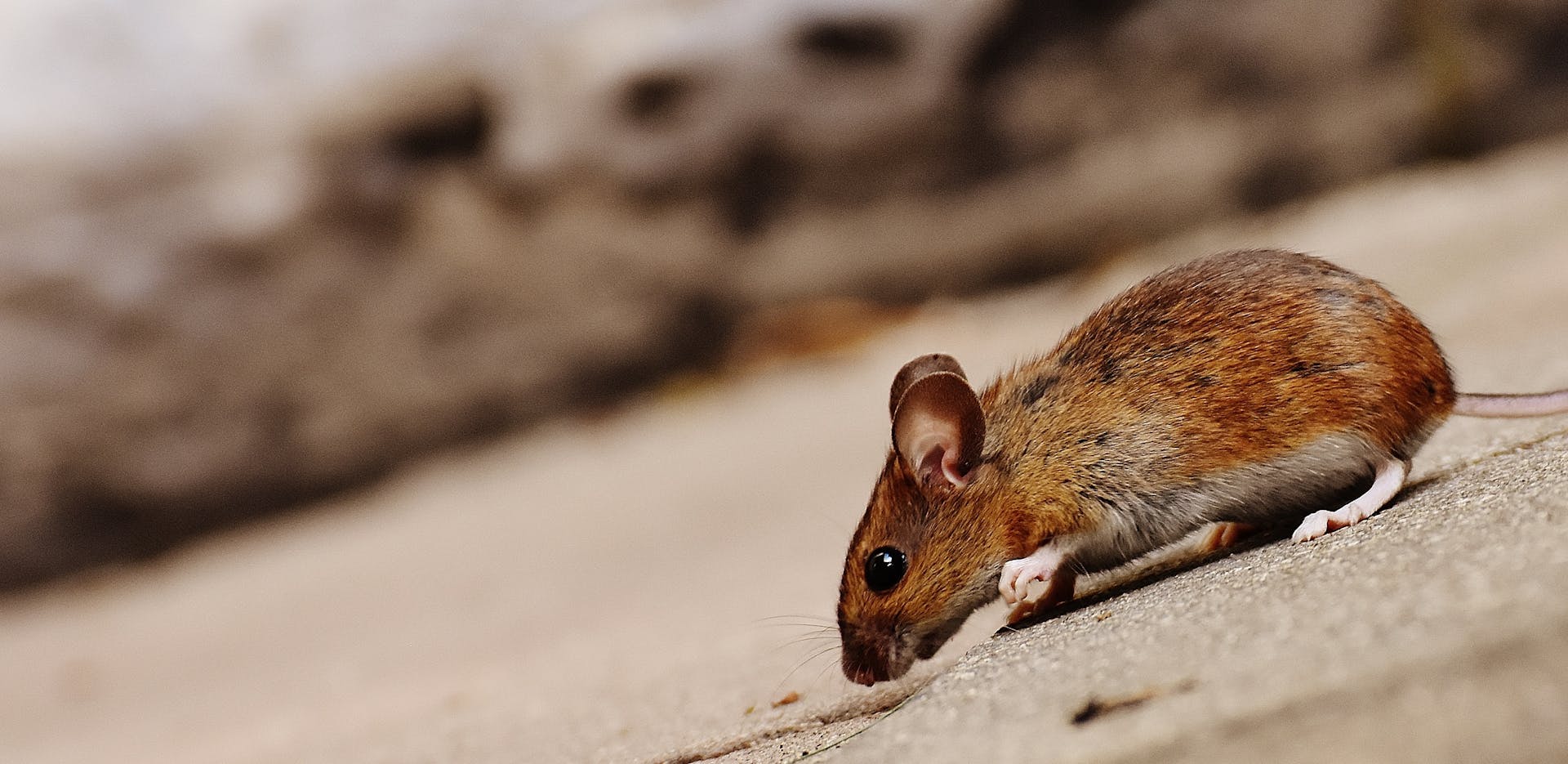
The Australian swamp rat is a small rodent with a stocky build.
It grows to have a body length of approximately 160 millimetres (6 in) with a tail length of approximately 110 mm (4.3 in).
Its mass is about 120 grams (4 oz), which is roughly the weight of a small apple.
The Australian swamp rat has black-brown fur, giving it a distinctive appearance.
Its feet are black, which contrasts with its brownish-colored fur.
You might enjoy: Subantarctic Fur Seal
Its ventral surface is cream to brown in color, providing a nice visual contrast to its dorsal surface.
The tail is dark grey, scaly, and sparsely haired, which helps to distinguish it from other rodents.
Its ears are small and nearly concealed by hair, giving it a rather inconspicuous appearance.
Habitat and Distribution
The Australian swamp rat is found near the coast of south and eastern Australia.
It occurs in lowland country from Fraser Island down the coast of New South Wales and Victoria to the Mount Lofty Ranges in South Australia.
A subspecies velutinus can be found in Tasmania, and another subspecies lacus lives in isolated patches of high altitude rainforest near Atherton, Queensland.
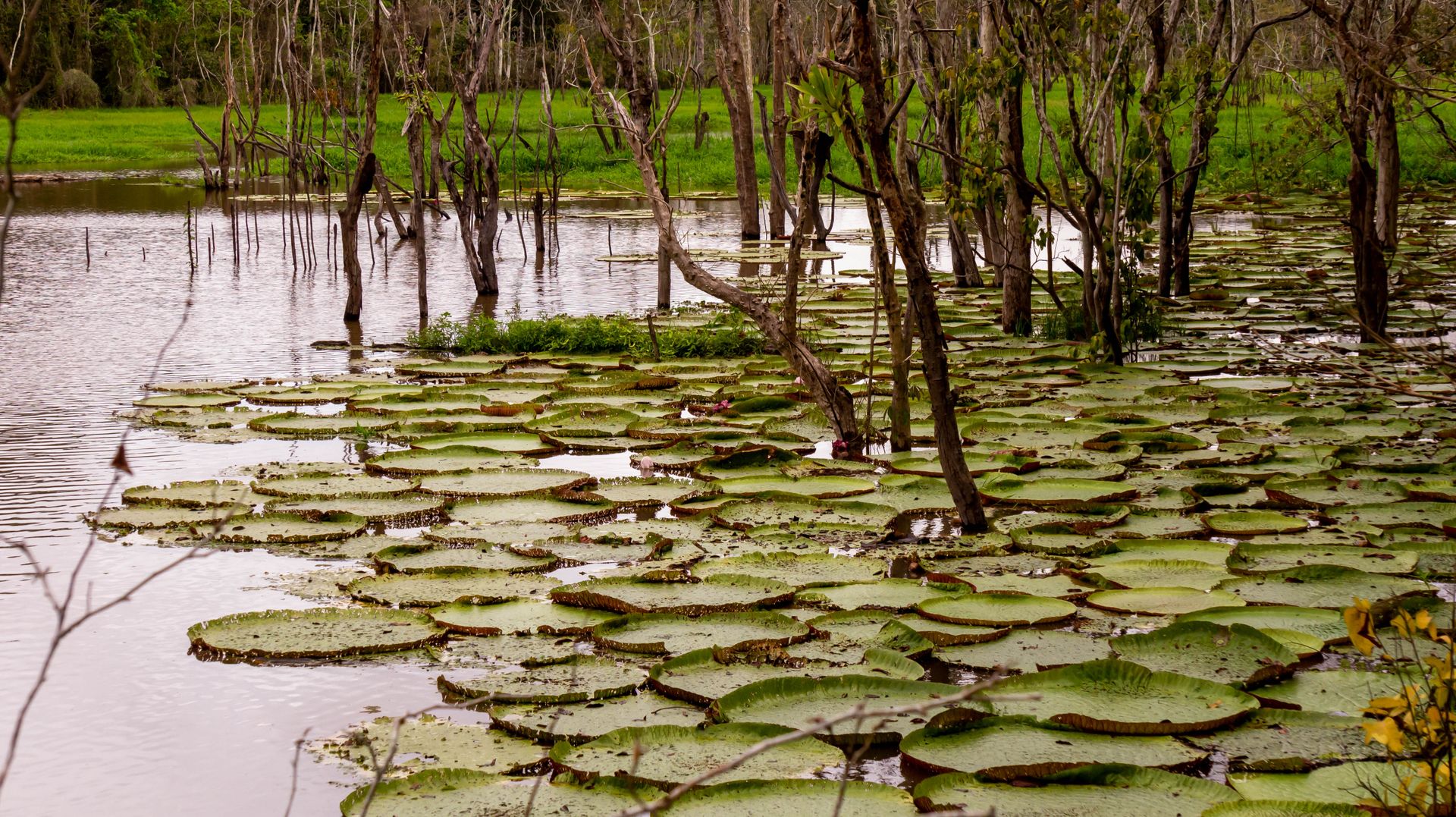
The preferred habitat of the swamp rat is thick vegetation along watercourses and in swamps.
Dense vegetation of islands above the high water mark is also suitable for the swamp rat.
They can also live in areas of coastal heath, dune scrub, grasslands and sedgelands.
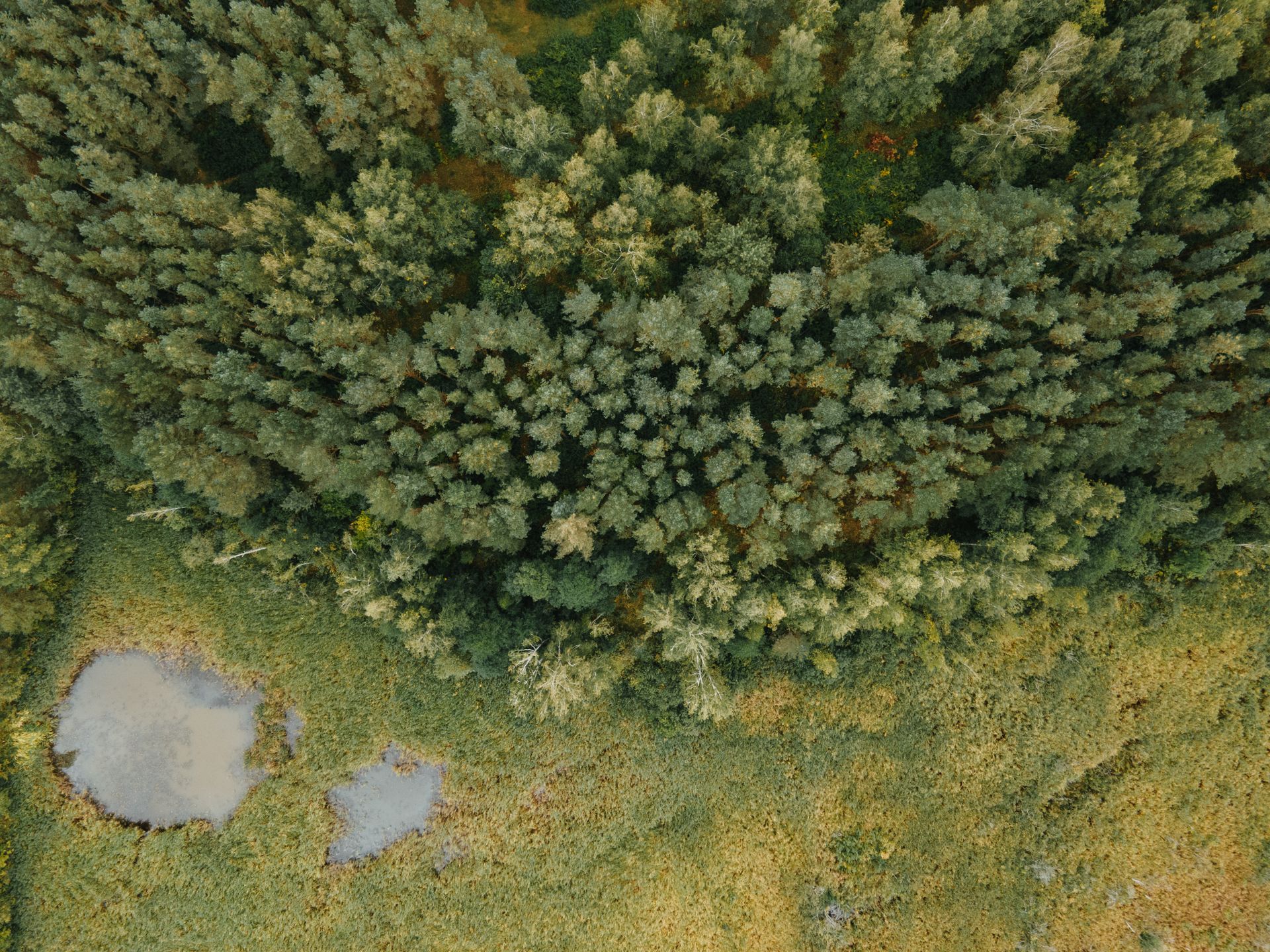
The rats will form tunnels through the vegetation through which they can move.
The species tends to choose the habitat based on density of vegetation in the area.
Areas prone to fire tend not to be recolonised by the swamp rat.
The swamp rat can be seen at places like the Healesville Sanctuary, where they live in the grounds.
Conservation Status
The Australian swamp rat, also known as Rattus lutreolus, is a species that's struggling to find its place in the world.
Most of its original habitat has now been farmed and made unsuitable for this species.
Conservation efforts are necessary to protect the remaining habitats of the Australian swamp rat.
Rattus lutreolus is common throughout its limited range.
Expand your knowledge: Rattus
Classification and Taxonomy
The Australian swamp rat, Rattus lutreolus, is classified under the kingdom Animalia. It belongs to the phylum Chordata, which includes animals with a notochord, a dorsal nerve cord, and a post-anal tail.
The Australian swamp rat's classification is as follows:
- Kingdom: Animalia
- Phylum: Chordata
- Subphylum: Vertebrata
- Class: Mammalia
- Order: Rodentia
- Family: Muridae
- Genus: Rattus
- Species: Rattus lutreolus
This classification shows that the Australian swamp rat is a vertebrate, a mammal, and a rodent. It's part of the family Muridae, which includes Old World mice and rats, gerbils, whistling rats, and their relatives.
Reproduction and Life Cycle
Swamp Rats are known to breed throughout the year, with a peak in reproductive activity during the warmer months.
Females can give birth to multiple litters each year, with each litter consisting of 3-5 young on average.
The gestation period for Swamp Rats is approximately 23 days.
Young Swamp Rats are born hairless and blind.
They are weaned after about 3-4 weeks.
Sexual maturity is reached at around 3-4 months of age.
These tiny creatures grow up quickly, and their rapid reproduction helps maintain the balance and diversity of wetland habitats.
By consuming plant material, Swamp Rats help keep their ecosystems in check, and they also provide a food source for other species, like birds of prey and larger mammals.
Their role in the ecosystem is vital, but it's worth noting that Swamp Rats can have negative impacts in certain situations, particularly when they come into contact with human populations or agricultural areas.
They can cause damage to crops, gardens, and infrastructure by feeding on plants and burrowing into the ground.
Like other rodents, Swamp Rats are also potential carriers of diseases that can affect both humans and other animals.
Conclusion
Swamp Rats are native to the wetland habitats of Central Coast and Lake Macquarie, NSW, Australia.
They can cause damage and pose health risks if they come into contact with residential or agricultural areas.
By understanding their biology and ecology, homeowners can take preventative measures to minimize the risk of infestations.
Swamp Rats can still cause problems even if they're less commonly associated with human populations compared to other rodent species.
Homeowners and land managers need to take action to protect their properties and families from these native rodents.
By being aware of the potential impacts of Swamp Rats, we can take steps to prevent infestations and keep our communities safe.
Discover more: Native Australian Animals
Frequently Asked Questions
What is the difference between a bush rat and a swamp rat?
Bush rats are smaller than swamp rats and have pink foot pads, whereas swamp rats have dark brown foot pads. This distinctive difference can help identify the two species.
Are swamp rats marsupials?
No, swamp rats are not marsupials. They are actually closely related to mice and rats, belonging to the genus Rattus.
Featured Images: pexels.com