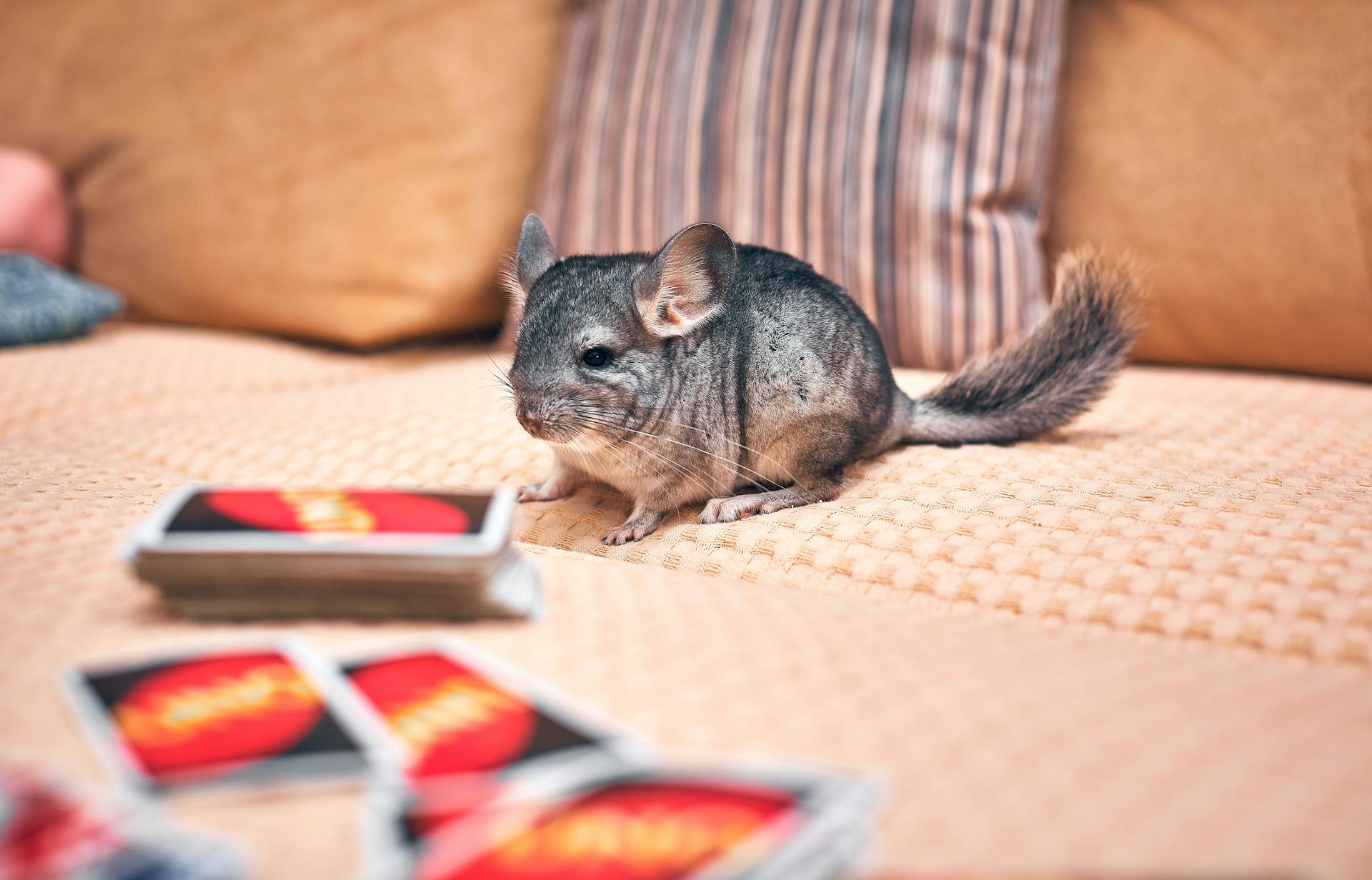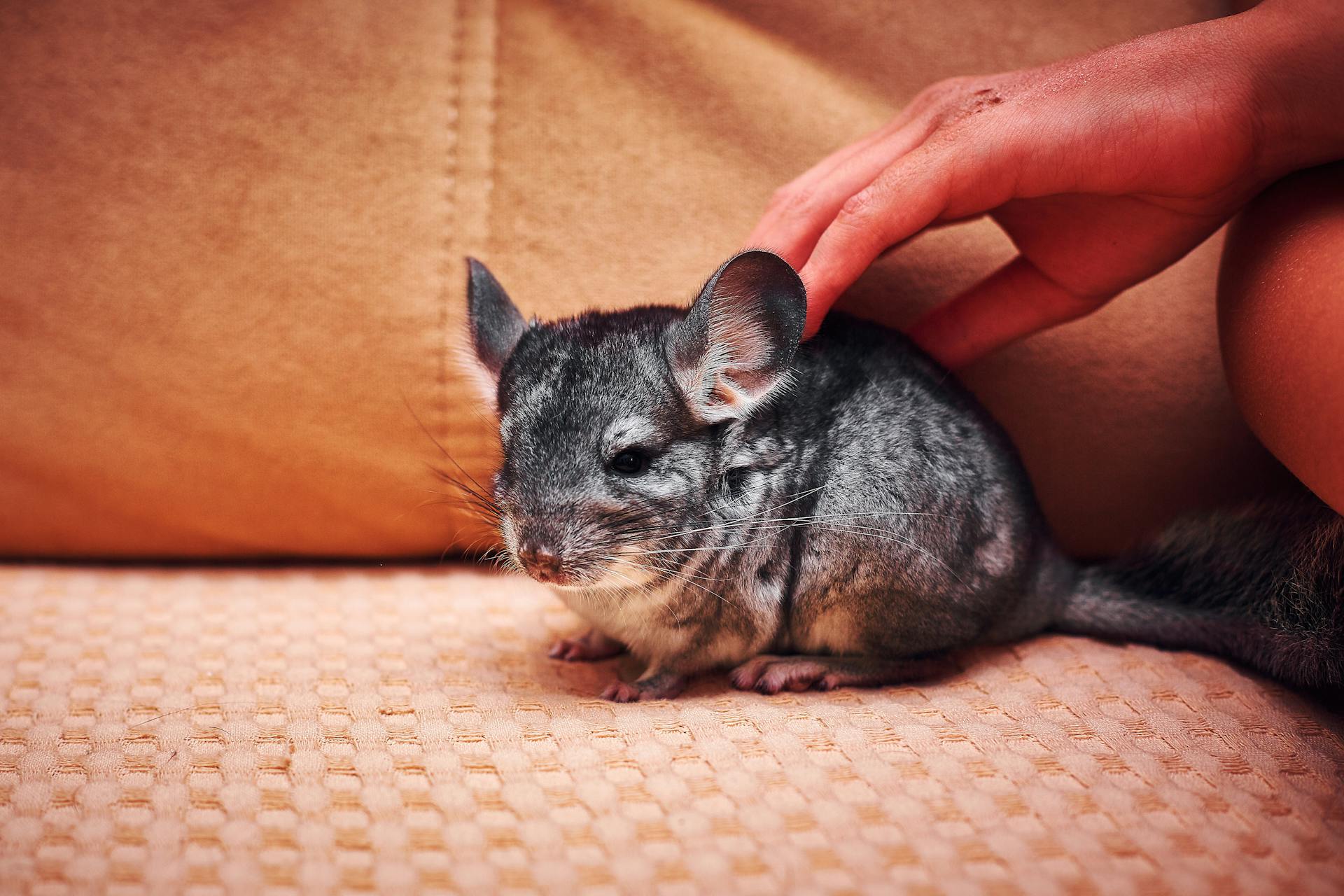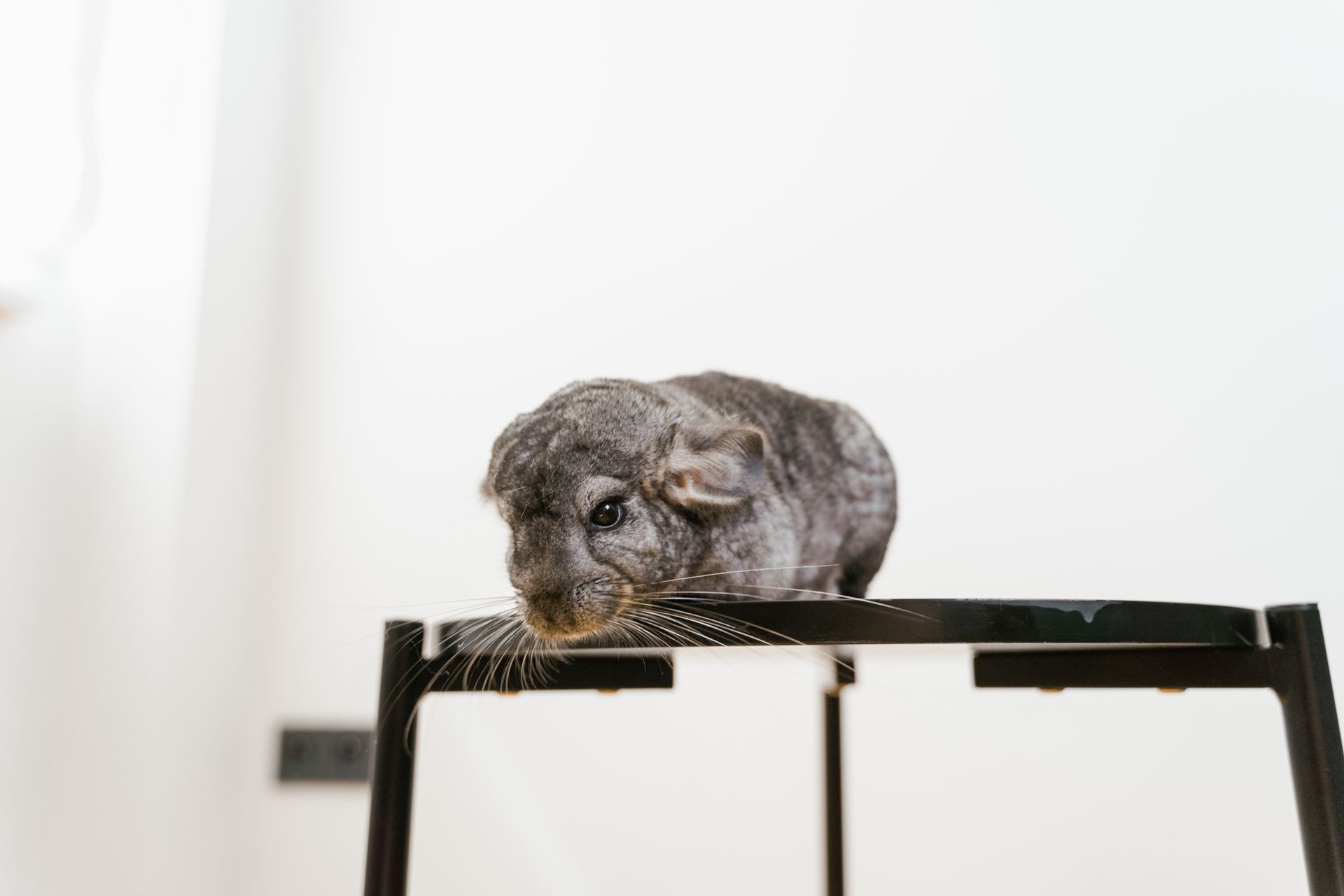
Chinchillas can be quite territorial and may nip if they feel threatened or scared. This is because they have a natural instinct to defend themselves.
Chinchillas are social animals and thrive in the company of their own kind, but they can be wary of humans. They may take time to warm up to new people and environments.
In the wild, chinchillas have to compete for food and resources, which can make them quite aggressive. However, domesticated chinchillas are often quite friendly if handled correctly.
Some chinchillas can be quite skittish and may not enjoy being handled at all. This is often due to a lack of socialization or handling from a young age.
Recommended read: How Often Do Chinchillas Need a Dust Bath
7 Tips to Prevent Pet Aggression
Chinchillas are not naturally mean animals, but there are some circumstances that can cause them to become aggressive. Chinchillas are not built to display aggression or act mean towards their owners or other chinchilla mates.
To prevent pet aggression, it's essential to create a safe and trusting environment for your chinchilla. You can do this by offering safe treats, such as regular pellets or strands of timothy hay, to create a positive association with your presence and being handled.
One way to get your chinchilla used to your scent is to sleep with some non-pill fleece for a few nights and then place it in their cage. This will help them become comfortable with your presence.
If your chinchilla is scared or territorial, try to interact with them outside of their cage where they won't feel defensive. You can also try hand feeding them to show your intentions are good.
To further prevent pet aggression, it's crucial to work with your chinchilla's behavior rather than trying to control it. If your chinchilla is scared, do everything you can to make them feel reassured and safe.
Here are 7 tips to prevent pet aggression in chinchillas:
- Offer safe treats to create a positive association with your presence and being handled.
- Get your chinchilla used to your scent by sleeping with non-pill fleece and placing it in their cage.
- Work with your chinchilla's behavior rather than trying to control it.
- Interact with your chinchilla outside of their cage to prevent territorial behavior.
- Try hand feeding your chinchilla to show your intentions are good.
- Make your chinchilla feel reassured and safe if they are scared.
- Don't try to stroke or hold your chinchilla during playtime, as this can scare them further.
Remember, every chinchilla is different, so it's essential to tailor your approach to their individual needs and personality.
Understanding Chinchilla Behavior
Chinchillas are naturally skittish creatures, so patience is required when you first adopt them. This means they may take some time to get used to their new environment and you.
They are very active creatures that require plenty of exercise and are most active during dusk and dawn hours. This is because they are crepuscular animals.
Chinchillas will "test bite" almost all new objects they encounter for edibility, which can be unpleasant for humans. This behavior has nothing to do with being vicious, but rather a natural instinct.
A tame, comfortable chinchilla is curious; exploring, sniffing and hopping. A frightened chinchilla will cower in the corner of its cage.
Handling a chinchilla is best done by grabbing it near the base of its tail (as close as possible to the body, but not so close that you grab them on their back) in the bend between your thumb and index finger.
Chinchillas can and will bite you if they feel threatened, but they are highly unlikely to bite you if you handle them properly.
Recommended read: Why Are Chihuahuas so Mean
Socialization and Training
Chinchillas are not built to display aggression or act mean towards their owners or other chinchilla mates. However, with proper socialization and training, you can ensure your chinchilla feels safe and trusts you.
To create a positive association in your chinchilla's mind, offer safe treats, such as regular pellets or strands of timothy hay, when handling them. This helps them understand that your presence is a good thing.
Chinchillas are prey animals and can be easily scared by noise or movement, so it's essential to move calmly and quietly around them. If your chinchilla is scared, do everything you can to make them feel reassured and safe.
To help your chinchilla get used to your scent, sleep with non-pill fleece for a few nights and then place it in their cage. This will help them become familiar with your smell and feel more comfortable around you.
Here are some tips to follow:
- Offer safe treats, such as regular pellets or strands of timothy hay, to create a positive association.
- Get your chinchilla used to your scent by sleeping with non-pill fleece and placing it in their cage.
- Work with your chinchilla to make them feel reassured and safe, especially if they're scared or territorial.
Help Your Pet Enjoy Being Held
To create a positive association in your chinchilla's mind with your presence and being handled, offer safe treats at times when they haven't bitten. This can be as simple as giving them their regular pellets or strands of timothy hay.
Regular pellets, such as Oxbow Essentials, Mazuri, and Science Selective, along with Timothy hay, can be offered in unlimited quantities.
Get your chinchilla used to your scent by sleeping with non-pill fleece for a few nights and then placing it in their cage. This will help them become comfortable with your presence.
Sit with your chinchilla during playtime sessions to help them get used to you. Avoid trying to stroke or hold them during this time, as it can scare them further.
If your chinchilla is scared, do everything you can to make them feel reassured and safe. This might mean speaking calmly and moving slowly around them.
Here are some safe treats you can offer your chinchilla:
- Oxbow Essentials
- Mazuri
- Science Selective
- Timothy hay
Children
Children can be a bit too rambunctious for chinchillas, as they tend to make loud noises that can startle these sensitive animals.
Chinchillas need to be handled with great care, which can be hard to teach to young children. They require gentle handling, so it's essential to supervise interactions between children and chinchillas.
Supervision is key when children are around chinchillas, as it helps prevent rough handling and teaches children how to properly care for them.
Expand your knowledge: How to Look after Chinchillas
Addressing Problem Behavior
Chinchillas can be misunderstood as mean animals, but their behavior is often a result of their natural instincts and needs. They are crepuscular animals, meaning they are most active during dusk and dawn hours.
Chinchillas are herd animals in the wild, which means they enjoy the company of others and can become stressed if left alone for too long. If you're considering housing multiple chinchillas, it's essential to bond them properly to avoid fighting.
Recommended read: Animals Similar to Chinchillas
To bond chinchillas, introduce them gradually and monitor their behavior. Improper bonding can lead to aggression, which can result in significant injuries. If your chinchillas don't get along, it's best to separate them to maintain their safety.
Chinchillas can bite if they feel threatened, but they are unlikely to bite if handled properly. To handle a chinchilla, grab it near the base of its tail, in the bend between your thumb and index finger.
Here are some common reasons why your chinchilla might be biting:
- Territorial behavior: Chinchillas can be protective of their territory and may bite if they feel threatened.
- Fear: Chinchillas that are skittish or try to run away from you may bite out of fear.
- Dominance or aggression: Chinchillas that exhibit dominance or aggression may bite to assert their dominance.
To address problem behavior, it's essential to understand the underlying cause. By recognizing the signs of territorial, fearful, or dominant behavior, you can take steps to address the issue and provide a safe and happy environment for your chinchilla.
Common Issues
Some chinchillas can be quite aggressive, especially if they're not handled properly from an early age. This is because they have a strong prey drive and may see their owners as predators.
Chinchillas are naturally skittish animals and can be easily startled, which can lead to biting or scratching.
They're also known to be territorial and may defend their space if they feel threatened or if their environment is not stable.
In fact, some chinchillas may become more aggressive as they age, especially if they're not getting enough social interaction or exercise.
Chinchillas may also exhibit aggressive behavior if they're in pain or discomfort due to health issues, such as dental problems or respiratory infections.
Their thick fur can also cause them to become overheated, leading to irritability and aggression.
If you notice any of these signs, it's essential to address the underlying issue and provide a suitable environment for your chinchilla to thrive.
Frequently Asked Questions
Will chinchillas cuddle with you?
Chinchillas are not typically cuddly, but they can be very affectionate with their owners. They may show affection in other ways, such as through gentle interactions and bonding.
Featured Images: pexels.com