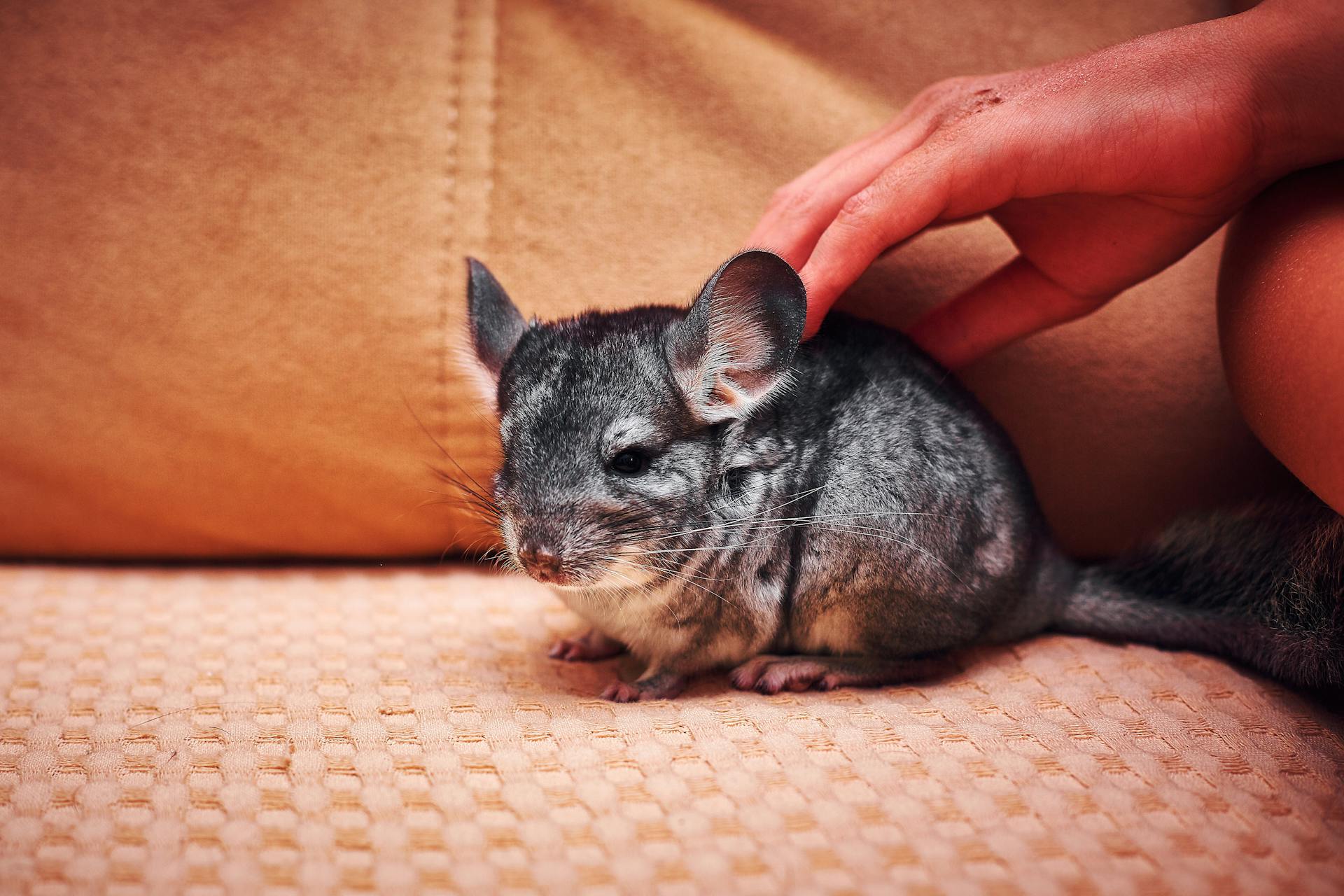
Chinchillas are often considered a popular choice for people with allergies, but are they truly hypoallergenic? The truth is, chinchillas can still trigger allergies in some people.
Chinchillas produce a type of protein in their saliva, urine, and dander that can cause allergic reactions in some individuals. This protein is similar to the one found in cat dander.
If you're allergic to chinchillas, you may experience symptoms such as sneezing, runny nose, itchy eyes, and skin rashes. The severity of these symptoms can vary from person to person.
Chinchillas also have a thick coat of fur that can be a source of allergens, but regular grooming can help reduce the amount of loose hair and dander.
Chinchillas
Chinchillas are small, fluffy rodents native to South America, typically weighing between 1.5 and 3.5 pounds.
Their thick fur is made up of two layers: a soft undercoat and a longer, guard hair layer. This unique double coat requires regular grooming to prevent matting and tangling.
Chinchillas are known for their gentle nature and can make great pets for those who are willing to provide the proper care and attention.
Their large ears help them to dissipate heat and regulate their body temperature in their native high-altitude habitats.
Chinchillas are social animals and do best in pairs or groups, but they can also thrive alone with proper attention and interaction.
Their diet consists mainly of plant-based foods, including hay, grass, and vegetables, with limited amounts of pellets and treats.
Chinchillas are crepuscular, meaning they are most active at dawn and dusk, and require a quiet, dark environment to sleep.
Allergies and Chinchillas
Chinchillas are often considered hypoallergenic pets because they shed fewer allergy-triggering skin cells and less dead skin than other furry pets.
However, it's possible for someone with severe allergies to have an allergic reaction to a chinchilla, so it's essential to consider their needs and potential allergens.
Chinchillas produce minimal dander and barely shed, making them a popular choice for people with allergies.
If this caught your attention, see: What Does Hypoallergenic Mean in Dogs
But, there are still some potential allergens to be aware of, such as the dust from their dust baths and the timothy hay they eat.
Timothy hay can be a significant allergen for some people, and there's no good remedy for this, so it's essential to take precautions when handling it.
Wearing a mask and gloves when filling your chinchilla's hay feeder can help minimize exposure.
Hay cubes can be a good alternative to loose hay, as they reduce the amount of loose hay in the cage and around it.
Chinchillas are also prone to producing urine-soaked bedding, which can be a source of allergens.
Using safe bedding materials like kiln-dried pine shavings, aspen shavings, or Carefresh can help minimize this issue.
Regular cleaning of the cage is crucial to prevent the buildup of allergens.
Some people may also be allergic to the bedding material itself, so it's essential to choose hypoallergenic options.
Here are some common allergens found in a chinchilla's cage:
- Wood shavings
- Hay
- Mould spores
- Urine-soaked bedding
By being aware of these potential allergens and taking steps to minimize exposure, you can enjoy the companionship of a chinchilla while managing your allergies.
Chinchilla Allergens
Chinchillas can produce allergens that trigger reactions in some people.
Chinchilla dust, in particular, is a common allergen that can cause respiratory issues.
The dust is kicked up when a chinchilla rolls around in its dust bath, making it difficult to avoid exposure.
While there is no hypoallergenic chinchilla dust, minimizing the problem is possible.
Cleaning the chinchilla's cage and surrounding area regularly can help remove particles that trigger allergic reactions.
Explore further: Chinchilla as Pet
What Causes Allergies?
Chinchilla allergies in humans are often not caused by the chinchillas themselves, but from the allergens in their environment.
The primary source of these allergens is dust, which can come from their bedding or dust baths. Dust from these sources can become airborne and be inhaled, triggering allergic reactions.
Chinchillas create dust when they roll around in their dust baths, which is a natural behavior for them. This dust can then settle on their fur and be transferred to their owners.
Dust from their bedding can also be a culprit, especially if it's not changed regularly.
Not Trigger Free
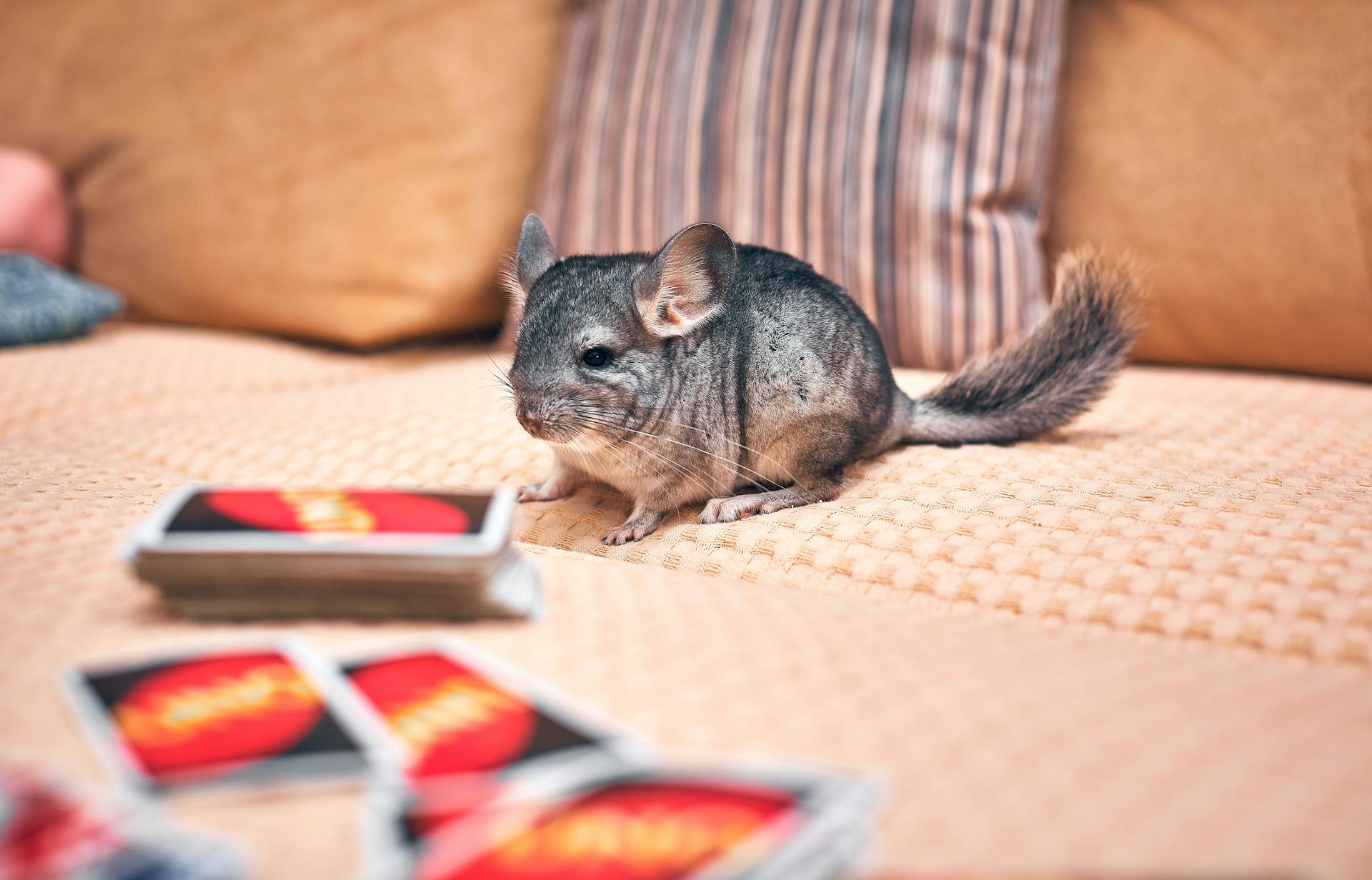
Chinchillas can still trigger allergic reactions in some people, even if they don't shed dander like cats and dogs.
Their dust baths can kick up fine dust into the air, which can cause respiratory issues in people with allergies. This dust can't be avoided entirely, but there are ways to minimize it.
Some people may be allergic to the hay that chinchillas eat, similar to how some people have horse allergies. This hay can carry dust and mould, which can exacerbate allergies.
Even hypoallergenic chinchillas aren't completely trigger-free, as they can still produce some allergens. However, some people with allergies may find that chinchillas are a better option than other pets.
The wooden bedding in chinchilla cages can also produce fine dust, which can trigger allergic reactions in some people. This is especially true for those with severe allergies.
Managing Allergies
Chinchillas are considered hypoallergenic pets, but that doesn't mean you won't experience any allergic reactions. You can be allergic to chinchillas, although it's not as common as dog or cat allergies.
Regularly cleaning your chinchilla's cage and surrounding areas is crucial to reduce dander and dust. Use hypoallergenic bedding materials and wash your hands after handling your pet to remove any allergens.
Wearing a mask when handling your chinchilla or cleaning their cage can help prevent inhalation of allergens. Consult with an allergist to explore medical prevention options, including medications or immunotherapy treatments.
Some people are allergic to the accessories in a chinchilla's cage, such as the dust in their dust bath or the hay they eat. These allergens can be reduced by cleaning up the dust and using safe bedding materials like kiln-dried pine shavings or fleece.
To minimize allergies, consider using a regular cleaning schedule and keeping your chinchilla's cage clean. You can also use a dust-reducing product or replace the hay with a hay alternative.
Here are some allergens found in a chinchilla's cage:
- Dust from their dust bath
- Hay they eat
- Wooden bedding that produces fine dust
- Fleece or other bedding materials that can harbor allergens
By understanding and managing these allergens, you can enjoy owning a chinchilla while minimizing the risk of allergic reactions.
Chinchillas and Allergy Symptoms
Chinchillas are often considered hypoallergenic pets because they shed fewer allergy-triggering skin cells and less dead skin.
If you're allergic to other animals, you might think chinchillas are a safe choice, but it's not a guarantee. Research shows that allergies are getting worse due to climate change, making proper diagnosis and treatment even more important.
Some common allergy symptoms associated with chinchillas include sneezing, runny or congested nose, itchy or watery eyes, and skin reactions like hives or eczema. These symptoms can be caused by exposure to chinchillas or their environment, and may be exacerbated during high pollen periods.
Here are some common allergic reactions associated with pet chinchillas:
- Rhinitis: Contact with chinchillas, especially its fur, can cause allergic rhinitis in both children and adults.
- Conjunctivitis: Chinchillas suffering from conjunctivitis can pass on the ocular disorder to their owners.
- Asthma: Chinchillas and the fine dust they roll in can cause problems for people with asthma.
- Contact urticaria: Chinchillas can provoke a wheal and flare reaction in some people with severe pet allergies.
Identifying Allergies
Identifying allergies in relation to chinchillas involves recognizing symptoms and observing their occurrence in relation to exposure to chinchillas or their environment. Much like other animal allergies, symptoms may include sneezing, runny or congested nose, itchy or watery eyes, and sometimes skin reactions like hives or eczema.
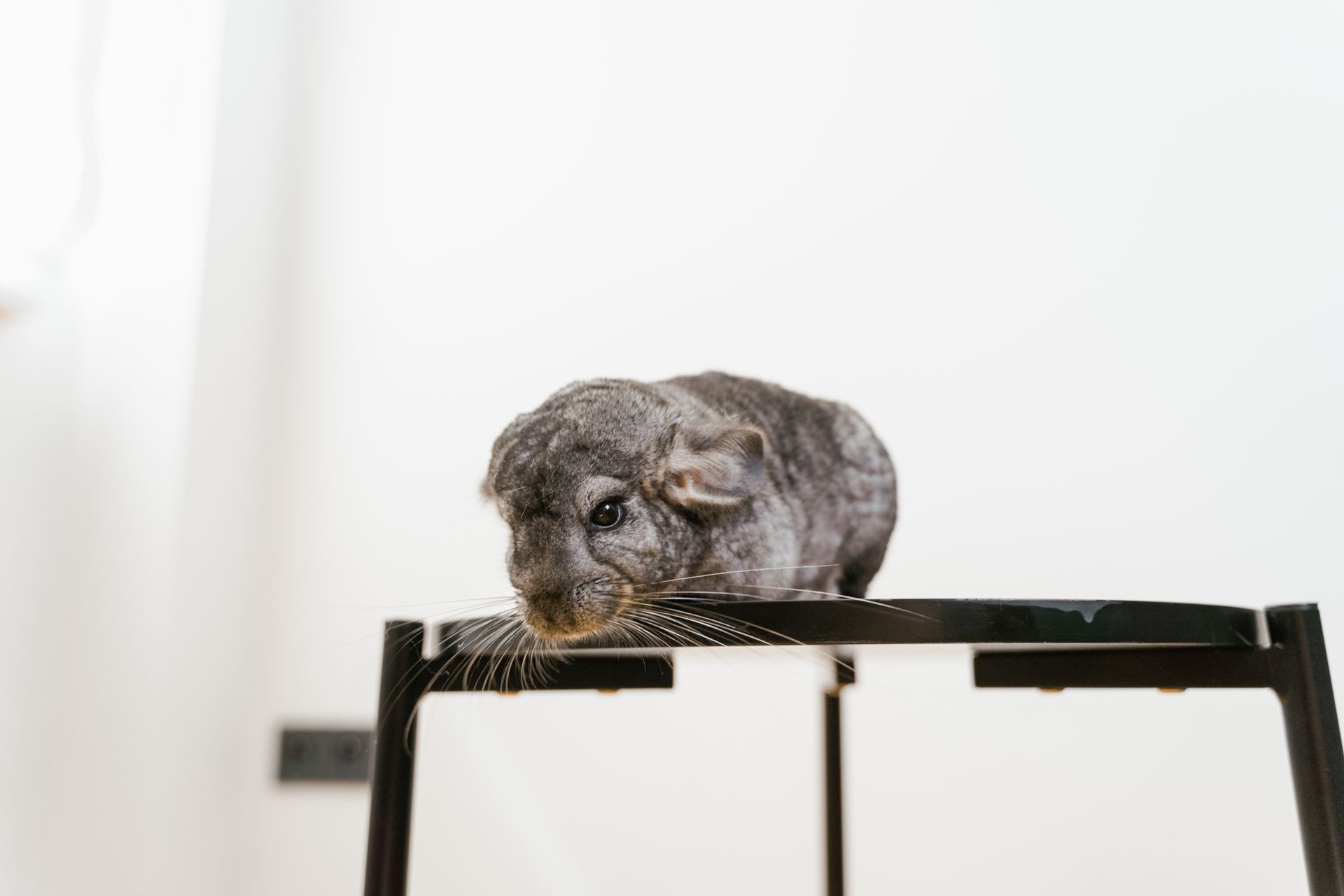
Sneezing and a runny or congested nose are common symptoms of chinchilla allergies. These symptoms can occur after handling your chinchilla or cleaning their cage.
Itchy or watery eyes and skin reactions like hives or eczema are also possible symptoms of chinchilla allergies. These reactions can be similar to those caused by other allergens or health conditions.
Changes in the severity or frequency of symptoms with the change of seasons may indicate that chinchilla allergies are exacerbated during high pollen periods. This is especially true during periods with high pollen counts, such as the Summer 2023 report on pollen allergy counts for Chico, CA.
Consulting with a healthcare professional is the best course of action if you suspect an allergy and are experiencing symptoms. Proper diagnosis and treatment are crucial, especially as research shows that allergies are getting worse due to climate change.
Allergy Symptoms
If you're experiencing symptoms like sneezing, runny or congested nose, itchy or watery eyes, and skin reactions like hives or eczema after handling your chinchilla or cleaning their cage, it's likely that you may have an allergy.
These symptoms are not exclusive to chinchilla allergies and can be caused by other allergens or health conditions, so it's best to consult with a healthcare professional for a proper diagnosis.
Some common allergy symptoms associated with chinchillas include rhinitis, conjunctivitis, asthma, and contact urticaria.
Chinchillas can provoke a wheal and flare reaction in some people with severe pet allergies.
If you notice changes in severity or frequency of these symptoms with the change of seasons, it's possible that your chinchilla allergy is exacerbated during high pollen periods.
Here are some specific allergy symptoms to watch out for:
- Rhinitis: Contact with chinchillas, especially its fur, can cause allergic rhinitis in both children and adults.
- Conjunctivitis: Chinchillas suffering from conjunctivitis can pass on the ocular disorder to their owners.
- Asthma: Chinchillas and the fine dust they roll in can cause problems for people with asthma.
- Contact urticaria: Chinchillas can provoke a wheal and flare reaction in some people with severe pet allergies.
Featured Images: pexels.com