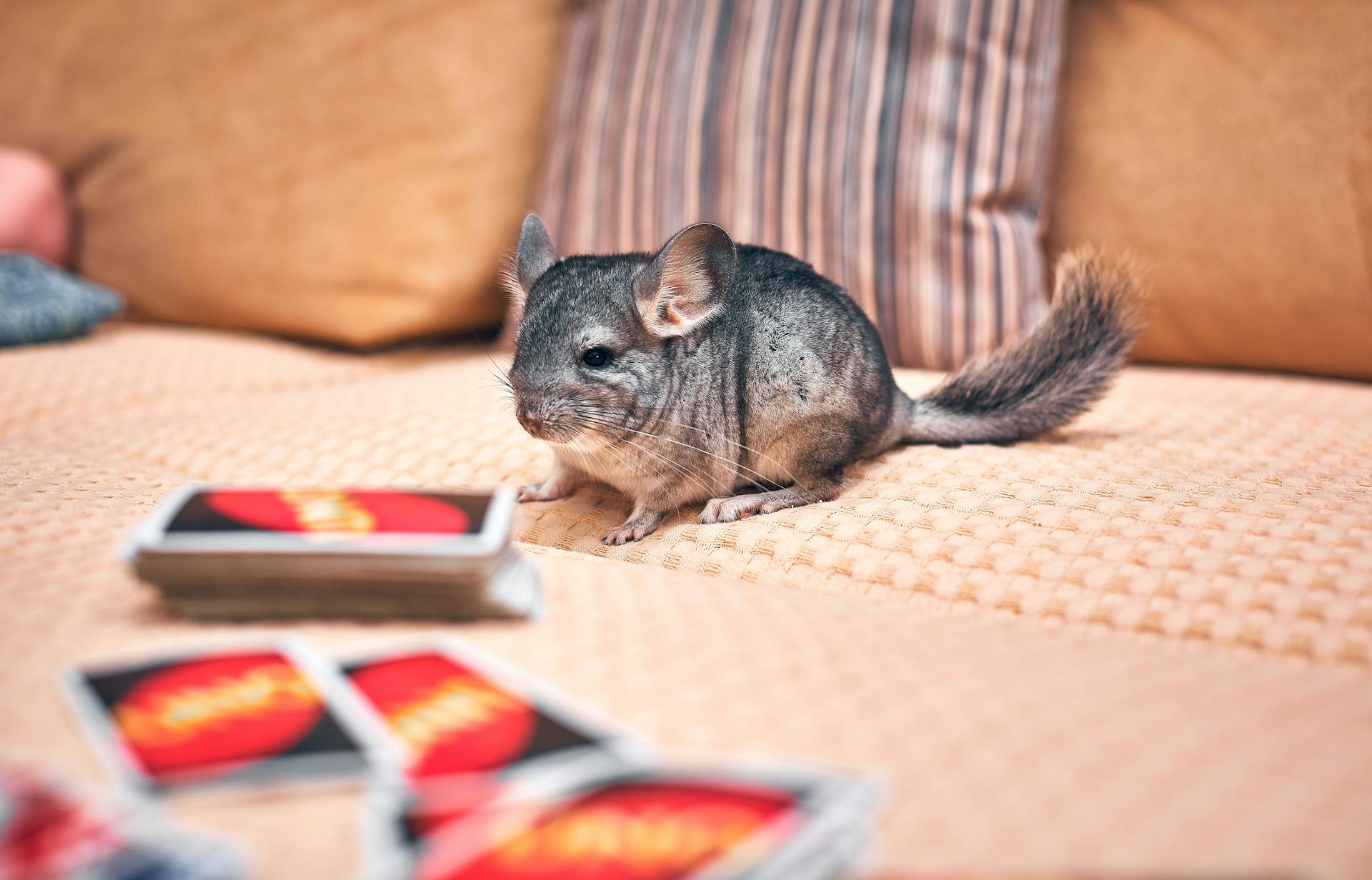
Chinchillas can make wonderful pets for the right owner. They are social animals that thrive on interaction and can form strong bonds with their owners.
Chinchillas are relatively low-maintenance pets, but they do require regular dust baths to keep their fur clean and healthy. This is a crucial aspect of their care that should not be overlooked.
Chinchillas are nocturnal, which means they are most active at night and may be more energetic than you're used to. This can be a challenge for owners who are not used to nocturnal pets.
Chinchillas are generally quiet and won't disturb you with excessive noise.
For another approach, see: How Much to Chinchillas Cost
Chinchilla Care
Chinchillas are active animals that don't like to be restrained or held for extended periods, so it's best to pick them up gently and carefully.
Chinchillas have a delicate skeleton, so be sure to cradle their body in your arms, supporting their rear end while keeping their front end secure, and never grab them by the tail or limbs.
Curious to learn more? Check out: Chinchilla Lifespan Pet
Daily care is essential for chinchillas, and they require about one to two hours of attention per day to meet their needs adequately.
To keep your chinchilla happy and healthy, provide a standard diet of roughage, including lots of grass hay and specially-formulated pellets.
Chinchillas also need a cool, quiet place to live, away from direct sunlight and warm areas of the house, as they're prone to overheating.
Chinchilla Habitat
Chinchillas are social and friendly animals and like to be around their pet parents. They thrive on interaction and attention from their owners.
Ideally, you should house your chinchilla in an area where you spend a lot of time, like your living room. This way, you can keep an eye on them and ensure they feel secure.
Avoid placing their enclosure in direct sunlight or a drafty area, as this can cause discomfort and stress for your chinchilla. The optimal temperature for chinchillas is between 55–70 F, so make sure their space is well-ventilated.
Humidity should be below 40–50% to keep your chinchilla healthy and happy.
Chinchilla Pet Care Ease
Chinchillas are relatively easy pets to take care of, making them a great first pet for many people. However, they do require some specific care and attention.
A chinchilla will likely need one to two hours per day to have their needs met adequately. This can be broken up into regular feeding, cleaning, and playtime.
Chinchillas are crepuscular, meaning they're most active during dusk and dawn, and they can be skittish at first, so they need some time to adjust to their new surroundings.
They require a standard diet of roughage, with grass hay being the staple food, and specially-formulated pellets providing additional nutrition. You can also give them fresh veggies and fruits, but in moderation.
Chinchillas need a cage in a cool, quiet part of the house, as they can be prone to overheating, especially in direct sunlight or warmer areas of the home.
They're not fond of being cuddled, which can be upsetting for some people, but they can show affection in other ways, such as through hand-feeding and training.
Researching Chinchillas
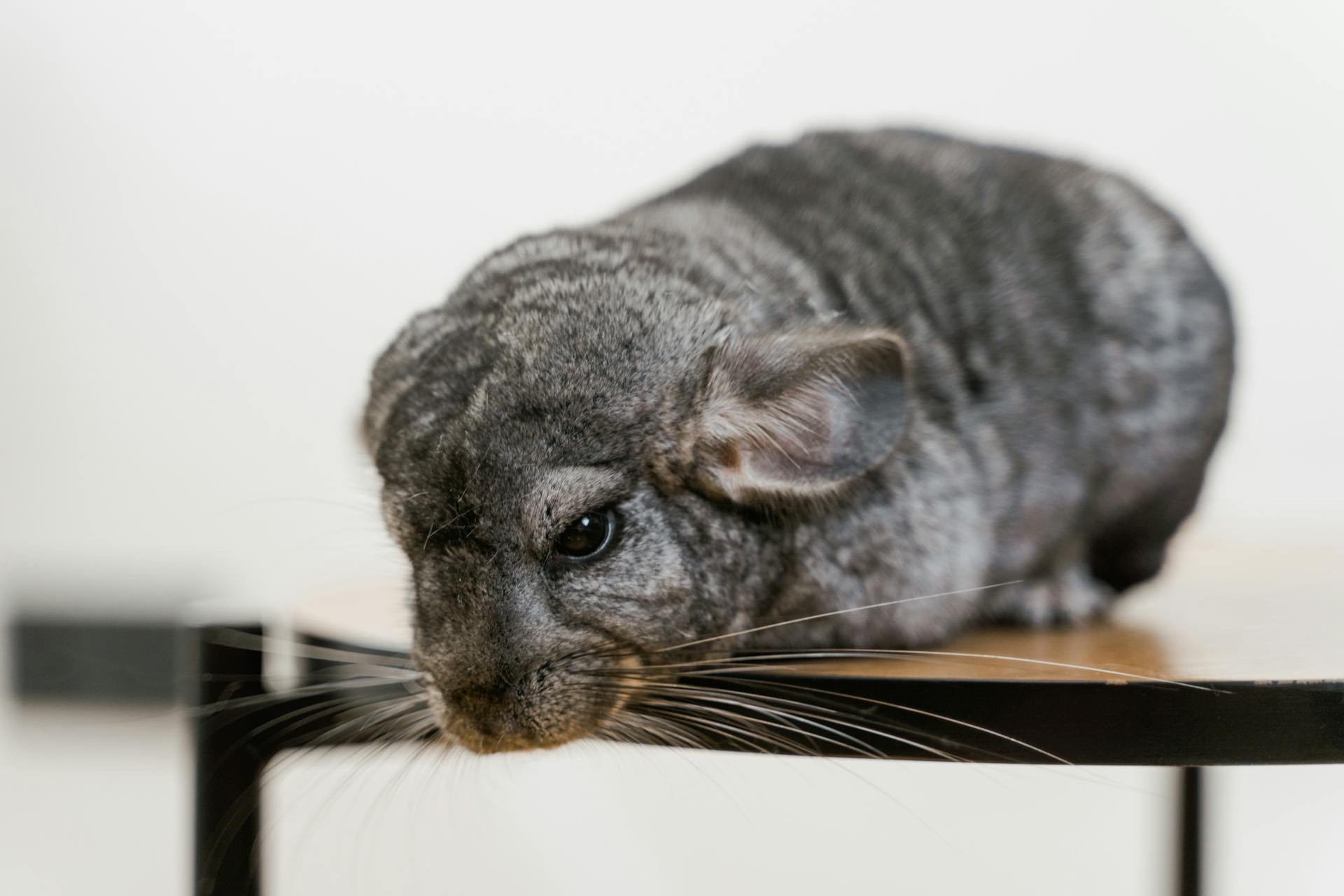
Before bringing a chinchilla home, you need to understand that they probably won't want to be handled much.
Chinchillas thrive with proper care, but they require daily attention. It's essential to be willing to give them the care they need, which can last over a decade.
Do your research to make sure you're capable of giving them the care they need. This includes learning about their specific needs and requirements.
When looking for a place to get a chinchilla from, be cautious and make sure they take good care of their animals. Don't be afraid to ask lots of questions before committing to bring the chinchilla home.
Additional reading: Chinchillas as Pets
Nutrition and Grooming
Chinchillas require regular dust baths to keep their coats clean and oil-free, and a dust box with 1-2 inches of dust is essential for this purpose.
Their fur should be brushed with a soft-bristled brush in the direction of their fur to prevent matting and tangling.
You should avoid bathing your chinchilla altogether, as their fur takes a while to dry and can cause skin inflammation.
A dust bath should be provided for at least 30 minutes outside of their enclosure to prevent conjunctivitis.
The dust box should be about 6 inches by 6 inches by 9 inches in size.
Chinchilla Nutrition
Chinchillas are herbivores and their diet should consist mainly of high-quality hay, such as timothy hay.
Chinchillas need a constant supply of fresh water to stay hydrated, so make sure to change their water bottle or bowl daily.
A good quality chinchilla pellet should be the main staple of their diet, providing essential nutrients and fiber.
Chinchillas also need access to plenty of fresh veggies daily, such as leafy greens like kale and spinach.
Fruits like berries and melons are a tasty treat, but should be given in moderation due to their high sugar content.
Chinchillas have a sensitive digestive system, so it's essential to introduce new foods gradually to prevent digestive upset.
A diet rich in fiber helps to keep a chinchilla's teeth trimmed and healthy, which is essential for their overall health.
A unique perspective: Is Fresh Pet Good for Dogs with Allergies
Grooming
Grooming is an essential part of chinchilla care, and it's actually quite simple. Chinchillas require regular dust baths to keep their fur clean and oil-free.
To give your chinchilla a dust bath, you'll need a dust box that's about 6 inches by 6 inches by 9 inches with 1–2 inches of dust. This will provide them with a safe space to get clean.
Chinchillas should be brushed with a soft-bristled brush in the direction of their fur, not against it. This will help prevent matting and tangling of their fur.
It's also important to note that chinchillas should not be bathed or gotten wet, as their fur takes a long time to dry and can become inflamed.
Consider reading: Pets Not Dogs or Cats
Easy to Care For?
Chinchillas are relatively easy pets to take care of, making them a great first pet for most people. They're most active during dusk and dawn, so you'll find them up and moving about during those early morning and late-night hours.
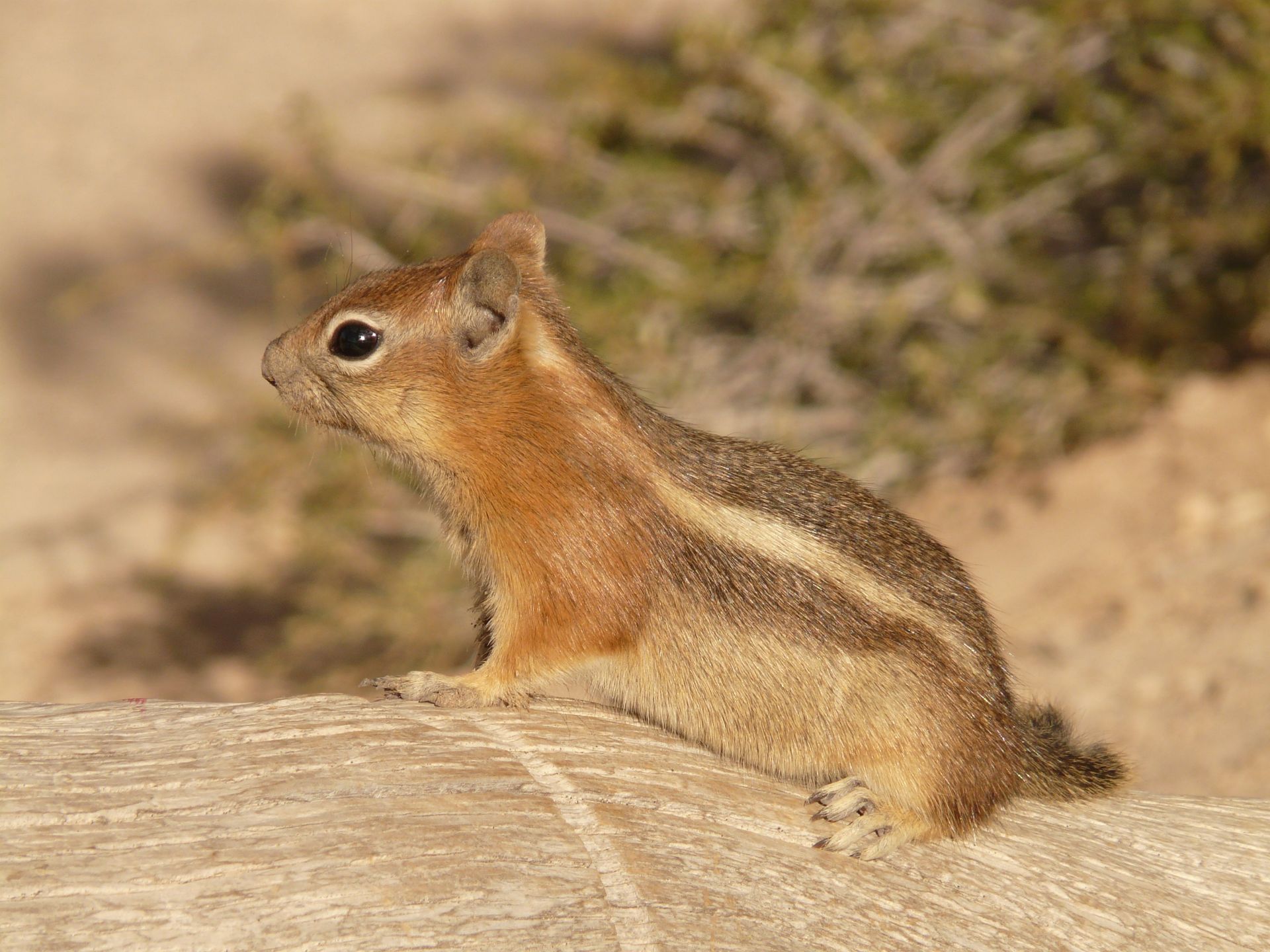
Their diet consists mainly of roughage, with grass hay being the staple food, similar to rabbits. You'll want to feed them lots of hay and supplement with specially-formulated pellets to provide the necessary nutrition.
Chinchillas require a cage in a cool, quiet part of the house, as they're prone to overheating, especially in direct sunlight or warmer areas like upper floors. They come from colder parts of South America, so their thick fur helps them there, but not always in domestic environments.
To keep your chinchilla happy and healthy, you'll need to spend about one to two hours per day meeting their needs, which includes their diet, environment, and any other needs they might have.
Annual Care and Maintenance
Annual Care and Maintenance is crucial for your chinchilla's health and well-being.
You'll need to schedule annual checkups with an exotic veterinarian to ensure your chinchilla is thriving in your care.
It's not a lot of time, but chinchillas do require around one to two hours of daily attention to meet their needs adequately.
Disinfecting and Cleaning
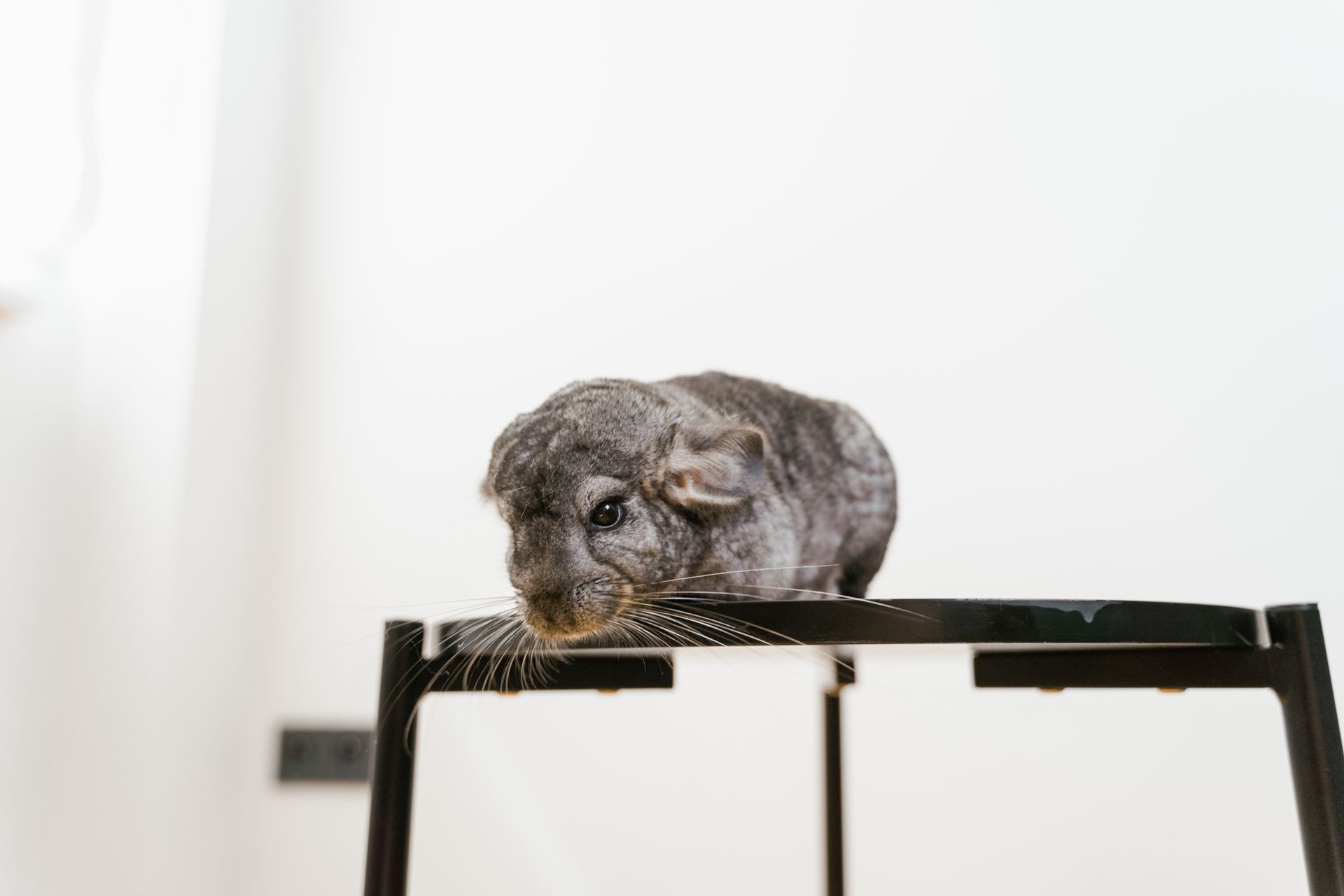
Disinfecting and cleaning is a crucial part of annual care and maintenance for your pet's cage. It's recommended to empty and clean the cage at least weekly with soap and water.
Bedding should be replaced weekly to maintain a clean and hygienic environment. This is especially important for pets that produce a lot of waste.
Food bowls and water bowls should be cleaned daily with soap and water to prevent bacterial growth. A quick rinse can make a big difference in keeping your pet healthy.
The cage should be spot cleaned once a day to remove feces, wet/soiled bedding, and leftover food. This daily habit will save you from a bigger mess later on.
A fresh viewpoint: Good Food for Labradors
Annual Care
Annual checkups with your exotic veterinarian are crucial to ensure your chinchilla is healthy and thriving in your care.
Chinchillas need annual checkups to stay healthy, and regular visits to the vet can help catch any potential health issues early on.
Some pets may be more prone to health problems than others, but with regular checkups, you can help keep your chinchilla in top shape.
Annual checkups can also help your vet monitor your chinchilla's overall health and make any necessary adjustments to their care routine.
By staying on top of your chinchilla's annual care, you can help them live a long and happy life.
Pros and Cons
Chinchillas make great pets for many reasons. They have lively dispositions and like to explore, making them entertaining to watch.
Their soft, dense fur is incredibly cuddly and one of the softest found in the animal kingdom. Chinchillas are also happy to spend most of their time in their cage, making them a good choice for busy people or those living in small apartments.
Here are some of the key pros of having a chinchilla as a pet:
- Personality – Chinchillas have lively dispositions.
- Soft – Chinchilla’s fur is among the softest fur found anywhere in the animal kingdom.
- Cage Dwellers – Chinchillas will want to spend most of their time in their cage.
- Chinchillas as pets are undeniably cute.
They're Low Maintenance
Chinchillas are relatively low-maintenance pets, especially when you get the basics down. They're easy to care for and don't require a lot of complicated feeding rituals.
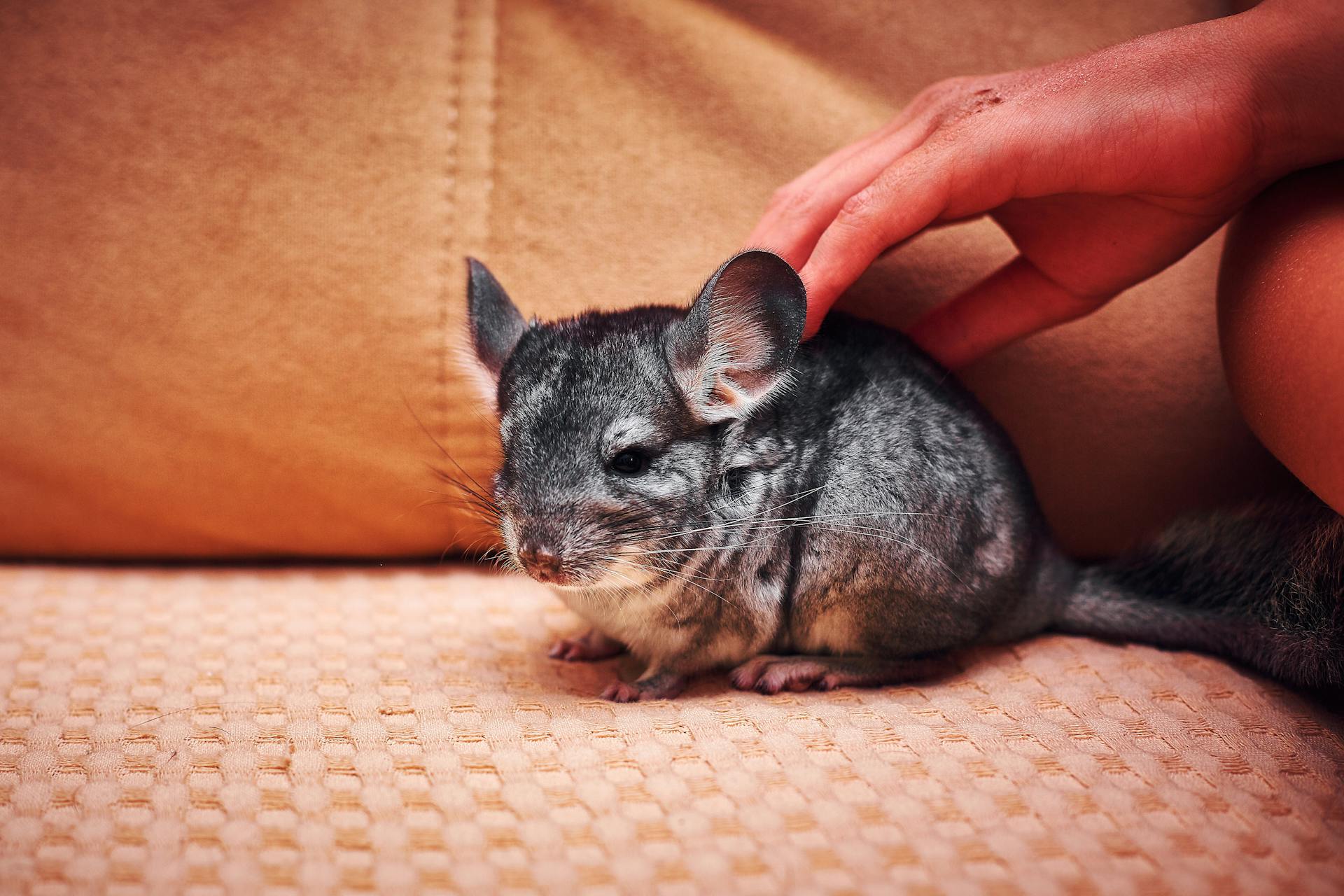
Their diet mainly consists of hay, fresh veggies, and chinchilla pellets. They also need plenty of fresh water to stay hydrated. Chinchillas are naturally clean animals and don't require regular baths like other small pets.
To keep their fur soft and squeaky clean, chinchillas need dust baths. This is an adorable little ritual to watch, and it's a great way to bond with your pet. They're also neat freaks and will appreciate a clean environment.
Here's a breakdown of what you'll need to provide for your chinchilla:
- Hay
- Fresh veggies
- Chinchilla pellets
- Fresh water
- Dust baths
Overall, chinchillas are a great choice for busy people or those who live in small apartments. They're happy to spend their time in their cage and don't require a lot of attention or exercise.
Cons
Chinchillas can be a handful when it comes to their sleep patterns. They sleep most of the day and then get active at dawn and dusk, which might keep you up at night unless you're a heavy sleeper.
Chinchillas are sensitive to temperature, so you'll need to keep their environment temperature-controlled at all times. This is especially important since they can't sweat. Air conditioning is a must-have for chinchilla owners.
Dust baths are a crucial part of chinchilla care, but they can be messy. Chinchillas need to take a dust bath in a specially-formulated dust product a few times a week to keep their coats healthy.
Chinchillas are also quite expensive to care for. In addition to the initial cost of the animal, you'll need to budget for a spacious cage, specialized food, dust for baths, exercise wheels, and more. These expenses can add up quickly.
Chinchillas have a long lifespan, typically living between 15 and 20 years in captivity. Some have even been known to live up to 29 years. This can be a pro or a con, depending on whether you're committed to caring for a chinchilla for that long.
Here are some estimated costs associated with chinchilla ownership:
Chinchillas are not ideal pets for young children due to their specific care and attention needs. They require a lot of time and effort to keep them happy and healthy.
Are Chinchillas Good Pets?
Chinchillas can be wonderful pets if handled daily and treated as members of the family. They're unusually long-lived for small animals, making them a great companion for many years.
Their diet is relatively inexpensive, with food costs not exceeding $100-$300, which is a fraction of the cost of a purebred dog. They also have a lovable personality, being playful, active, and affectionate towards their owners.
Chinchillas are relatively easy pets to care for, making them a great first pet. They require a standard diet of roughage, with grass hay being the staple food, and specially-formulated pellets providing additional nutrition.
Readers also liked: Do Great Pyrenees Make Good Pets
Key Takeaways
Chinchillas can make wonderful pets if you're willing to treat them like family members and spend time with them daily.
To keep your chinchilla happy and healthy, it's essential to provide them with high-quality pelleted food, hay, and fresh water.
Chinchillas don't need vitamins or supplements unless your veterinarian advises otherwise, so make sure to stick to a balanced diet.
Here are the basic needs of a chinchilla:
- High-quality pelleted food
- Hay
- Fresh water
By meeting these basic needs and giving your chinchilla attention and love, you can enjoy a fun and rewarding pet experience.
Great Pets
Chinchillas can make wonderful pets for the right person. They're relatively low-maintenance, easy to care for, and have a unique personality.
Chinchillas are crepuscular, meaning they're most active during dusk and dawn, and they're more active at night than during the day. They require a standard diet of roughage, including lots of grass hay, and specially-formulated pellets.
Chinchillas are naturally clean animals and don't require regular baths, but they do need dust baths to keep their fur soft and squeaky clean. They're also neat freaks and are known to be very particular about their surroundings.
If you're interested in getting a chinchilla, you need to understand that they probably won't want to be handled much, and you'll need to be willing to give them daily attention and care for over a decade. They thrive with proper care and can be very affectionate, but they're not cuddly pets.
Here are some key things to consider when deciding if a chinchilla is right for you:
- Chinchillas need daily care and attention.
- They require a cool, quiet environment, away from direct sunlight and warm areas.
- They need a balanced diet of hay, pellets, and fresh veggies.
- They're nocturnal, so they'll be more active at night.
Overall, chinchillas can make great pets for the right person, but it's essential to understand their unique needs and personalities before deciding to bring one home.
Special Considerations
Chinchillas are social animals and thrive on interaction, so if you're thinking of getting one as a pet, be prepared to spend quality time with it every day.
Chinchillas have a high energy level and need plenty of space to move around, so a spacious cage or enclosure is a must.
They are crepuscular, meaning they are most active at dawn and dusk, so you'll need to plan your playtime accordingly.
Chinchillas are sensitive to heat and humidity, so their environment needs to be kept cool and dry.
Their thick fur requires regular grooming to prevent matting and tangling, which can be a bit of a challenge.
Chinchillas are prone to health issues such as respiratory problems and heat stress, so regular veterinary check-ups are crucial.
Their diet consists mainly of hay, grass, and specialized chinchilla pellets, which can be a bit expensive.
Chinchillas can live up to 15-20 years, so owning one is a long-term commitment.
Frequently Asked Questions
Do chinchillas get aggressive?
Yes, chinchillas can be aggressive, especially during introductions or breeding. Proper introduction and housing can help minimize aggression and ensure a harmonious group dynamic.
What states is it legal to have a pet chinchilla?
All 50 U.S. states allow ownership of pet chinchillas, making them a popular exotic pet choice.
Is it hard owning a chinchilla?
Owning a chinchilla can be challenging due to their high space and dietary needs. However, with proper care and setup, it can be a rewarding experience for experienced pet owners.
Do chinchillas like to be petted?
Chinchillas are generally affectionate but prefer to initiate contact and may not enjoy being picked up or petted on their own terms. They appreciate gentle, voluntary interaction.
Will chinchillas cuddle with you?
Chinchillas are not typically cuddly, but they can be very affectionate with their owners. They may show affection in other ways, such as through gentle nuzzling or soft vocalizations.
Featured Images: pexels.com