Pakistan is home to a staggering array of wildlife, with over 200 species of mammals, 600 species of birds, and countless reptiles, amphibians, and fish.
The country's diverse landscape, ranging from the Himalayan mountains to the Arabian Sea, provides a habitat for an incredible range of species.
From the majestic snow leopard to the majestic Indus River dolphin, Pakistan's wildlife is as majestic as it is varied.
The Indus River dolphin, found only in Pakistan, is one of the rarest animals in the world, with a population of less than 1,500 individuals.
Additional reading: World Wildlife Foundation Endangered Species List
Mammals of Pakistan
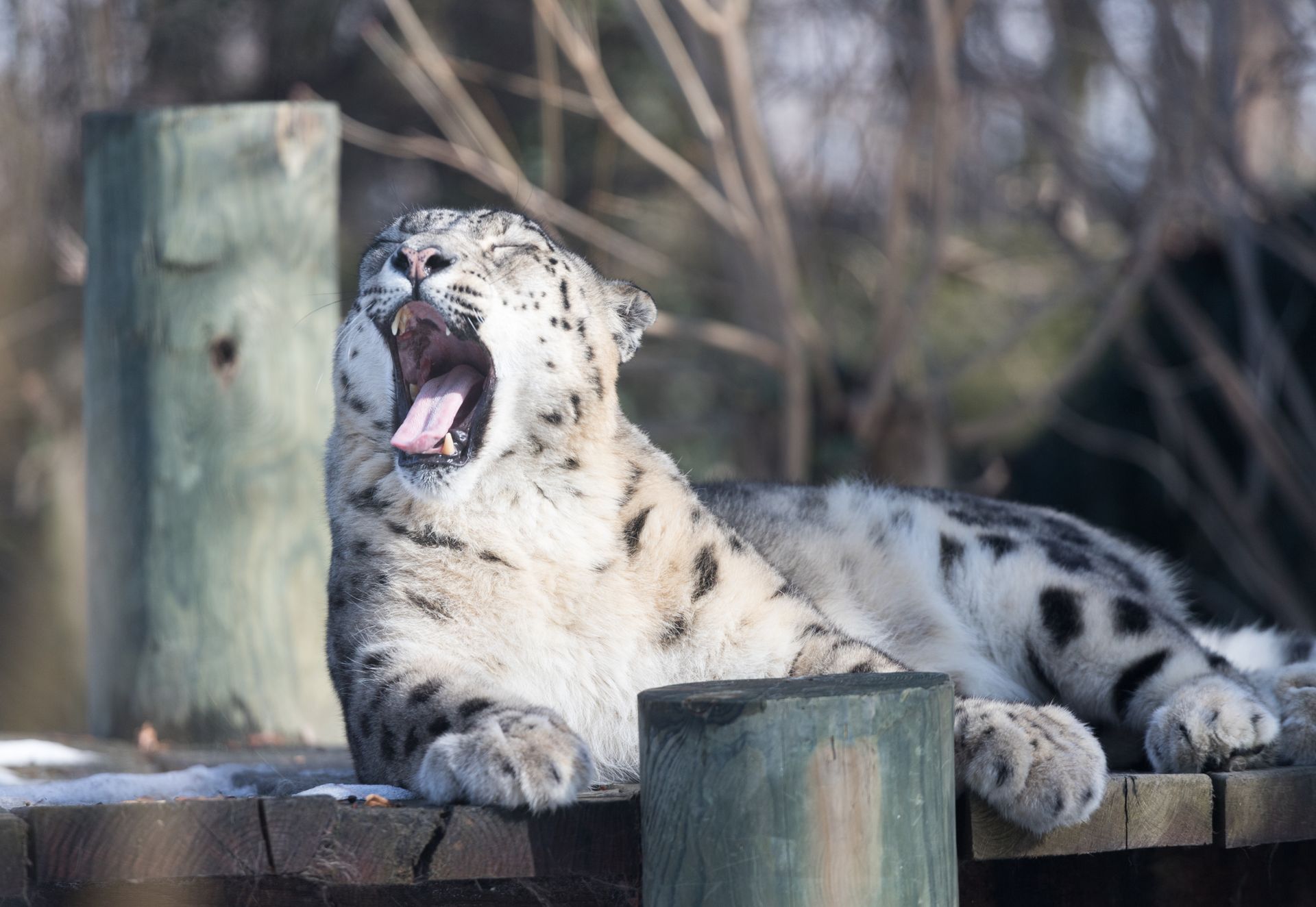
Pakistan is home to a diverse range of mammals, including the majestic Snow Leopard, which roams the cold northern mountains.
The Snow Leopard is an endangered species in Pakistan due to hunting and habitat loss, making sightings truly special.
The Markhor, Pakistan's national animal, is also an endangered species and can be found in the northern and western mountains.
The Indus River Dolphin, a rare and unique species, lives only in the Indus River and relies on sound to navigate its surroundings.
The Balochistan Black Bear, a subspecies of the Asiatic black bear, can be found roaming the hills and forests of Balochistan, facing threats from habitat destruction and hunting.
The Leopard, a protected species in Pakistan, is naturally associated with the humid temperate jungles of the northern areas, where four subspecies have been identified.
Markhor
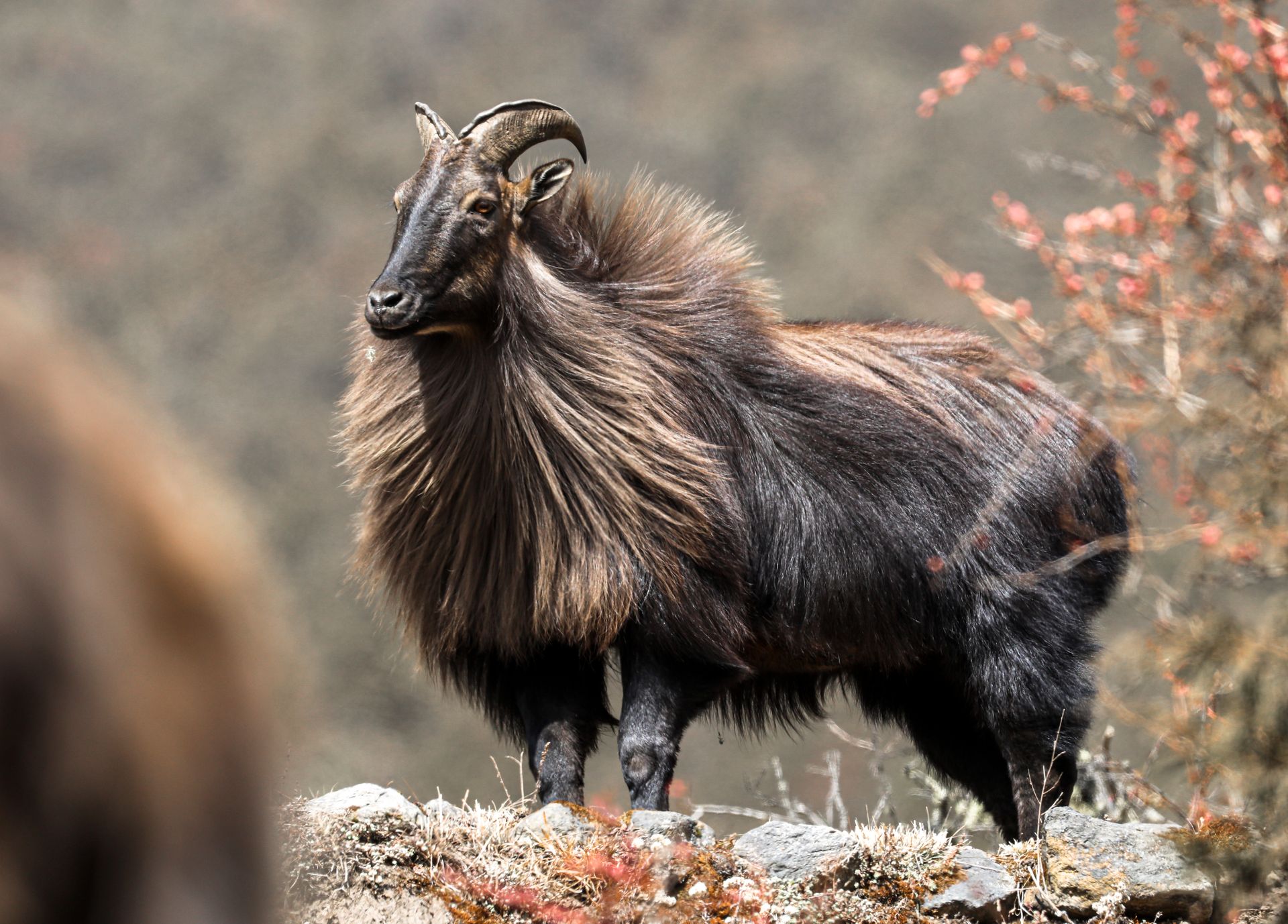
The Markhor is a majestic creature, found in the rugged mountains of northern Pakistan, specifically in Chitral and Gilgit-Baltistan. It's known for its agility and spiraled horns.
This wild goat is a member of the goat family and can weigh up to 110 kg (240 lb), making it a formidable sight. The Markhor's spiraling horns are a unique feature, and they can be straight or flare outward.
As the national animal of Pakistan, the Markhor is a symbol of the country's rich wildlife heritage. Unfortunately, it's an endangered species due to intensive hunting, habitat loss, and competition from domestic livestock.
The Markhor's ability to fend off snakes and protect its harem has earned it the name "snake eater." Its impressive spiraled horns and muscular build make it a truly majestic creature.
The Markhor is found in the mountainous regions, and its unique horns differ slightly from those of its counterparts in other regions.
Baluchistan Forest Dormouse
The Baluchistan Forest Dormouse is a small, elusive rodent found in the forests of Balochistan.
It's recognized by its distinctive bushy tail, which is a great adaptation for its nocturnal habits.
Thriving in rocky terrains and dry woodlands, this dormouse is perfectly suited to its environment.
Its elusive nature makes it a challenging sighting, even for experienced wildlife enthusiasts.
Mountain Weasel
The Mountain Weasel is a fascinating species native to Pakistan, but unfortunately, mature individuals continue to decline in numbers.
They are found in central and east Asia, with a range spanning China, Pakistan, India, Nepal, Bhutan, Kazakhstan, Kyrgyzstan, Tajikistan, Mongolia, and parts of Siberia in the Russian Federation.
Mountain Weasels inhabit exterior closed jungle habitats, typically in alpine meadows, boulder areas, and rocky slopes. They also venture into dried-out steppes and plains, waterway valleys with reeds and undergrowth, and alpine meadows.
These adaptable mammals are found in a variety of habitats, from alpine meadows to dried-out steppes and plains.
Their range includes the Himalaya in India, Kashmir eastward to Arunachal Pradesh, and parts of Siberia in the Russian Federation.
Smooth Coated Otter
The Smooth Coated Otter is only found in the southern swamp forests, large rivers, and mangrove jungles of Pakistan.
This region provides the perfect habitat for these otters, with plenty of space to roam and hunt for food.
Major threats to the local otter population include the loss of wetlands due to the production of hydroelectric power plants, which disrupts their natural habitat.
Pollution of water channels by insect killers is another significant threat to the otters' survival.
Habitat loss and poaching also play a significant role in the decline of the Smooth Coated Otter population in Pakistan.
A fresh viewpoint: Certified Wildlife Habitat by the National Wildlife Federation
Sand Cat
The Sand Cat is a small wild cat that inhabits Pakistan's desert and scrubland areas.
It's particularly found in the arid regions of Balochistan.
This cat is known for its sandy-colored fur, which helps it blend in with its surroundings.
As a nocturnal creature, the Sand Cat is most active at night, making it difficult to spot.
Birds of Pakistan
The Himalayan snowcock, a pheasant species, thrives in the Himalayas and northern areas of Pakistan, often found in steep rocky cliffs and alpine pastures.
The Himalayan snowcock is one of the many bird species found in Pakistan, which also includes the Asian White-backed Vulture. This species was once the most plentiful large bird of prey on the planet, but its population has declined drastically.
In the 15-year span from 1992 to 2007, the White-rumped Vulture population declined by an astonishing 99.9%.
Sociable Lapwings
The Sociable Lapwing is a wader in the lapwing Aves family.
These birds are known for their unique appearance, with long black legs and a short black bill.
Summer adults are covered with grey feathered back and breast, dark abdomen and white under the tail.
The head has a prominent pattern, with a black circlet and ochre upper neck.
Their call is a harsh kereck, instantly recognizable.
The Sociable Lapwing's length is 27–30 cm, making them a medium-sized bird.
You can spot these birds in Pakistan, particularly in areas with rocky hills and mountains, where they can be found alongside the national bird, the Chukar Partridge.
Himalayan Snowcock
The Himalayan snowcock is a pheasant species that thrives in the Himalayas and northern areas of Pakistan.
These birds are often found in steep rocky cliffs and alpine pastures.
They can be found in the same regions as the Himalayas, which is also home to other unique bird species.
Their habitat preference is a key factor in their ability to adapt to the rugged terrain of Pakistan's northern areas.
Indian Vulture
The Indian Vulture is a fascinating bird species that can be found in Pakistan and India. It breeds mainly on crags in the mountains of Pakistan and India.
This bird is a forager and a scavenger, feeding on dead animals that it finds by towering in flocks over savanna and around human habitation. It's a unique way of finding food, and it's a vital part of the ecosystem.
The Indian Vulture has some distinctive physical characteristics, including a hairless head, very wide wings, and short tail feathers. It weighs between 12 to 14 pounds, which is quite heavy for a bird of its size.
It measures between 2.5 to 3.25 feet in length, and has a wingspan of 6.5 to 7.5 feet. That's quite impressive, considering its size.
Asian White-backed Vulture
The Asian White-backed Vulture is a bird of prey that was once found in huge numbers in Pakistan and other parts of southern Asia. These birds are now extremely rare and are facing extinction.
They were once considered a nuisance, but in 1986, they were illustrated as probably the most plentiful large bird of prey on the planet. That's a staggering difference in just a few decades.
These vultures are normal-sized birds with featherless heads. They're not as big as some of the other vultures found in Pakistan, like the Bearded Vultures, which have impressive wingspans.
Reptiles and Amphibians of Pakistan
Pakistan is home to a diverse range of reptiles, each with their unique characteristics.
Mugger Crocodiles are a common sight in rivers and lakes of Sindh and Balochistan, thriving in warm weather.
These powerful reptiles are an important part of Pakistan's ecosystem.
Monitor Lizards are found in the Thar Desert and Sindh, known for their strength and speed.
They play a crucial role in maintaining the balance of nature.
Green Sea Turtles inhabit the southern coast, particularly near Karachi, and are a protected species.
Despite protection, they still face dangers from pollution and fishing nets.
Sea Creatures of Pakistan
Pakistan's marine life is a treasure trove of wonder. Whale Sharks can be seen in the Arabian Sea, and despite being the largest fish in the ocean, they are completely harmless.
The marine life in Pakistan is full of beauty and wonder, with creatures that will leave you in awe.
Conservation in Pakistan
Conservation in Pakistan is a growing effort to protect the country's rich and diverse wildlife. Many animals in Pakistan are in danger due to hunting and habitat loss.
The snow leopard, a stunning big cat, is shy and rarely seen in the cold northern mountains of Pakistan. Sadly, it's an endangered species.
More national parks in Pakistan and wildlife protection projects, supported by groups like the WWF, are being established to help protect these animals.
The Indus River dolphin, a rare and unique animal, lives only in the Indus River and uses sound to move around in the water. It cannot see.
Supporting conservation in Pakistan can help keep this beautiful wildlife safe and alive for future generations.
Wildlife Wonders of Pakistan
Pakistan is home to several remarkable species that are found nowhere else in the world. From arid deserts to lofty mountains, its unique habitats serve as home to a range of endemic wildlife.
The Markhor, a majestic species, is one of the most iconic animals in Pakistan. It's also the national animal of the country.
Pakistan's diverse wildlife can be found in various habitats, from deserts to mountains, which is a testament to its unique geography.
The Sindh Ibex is another remarkable species that can be found in Pakistan.
Featured Images: pexels.com