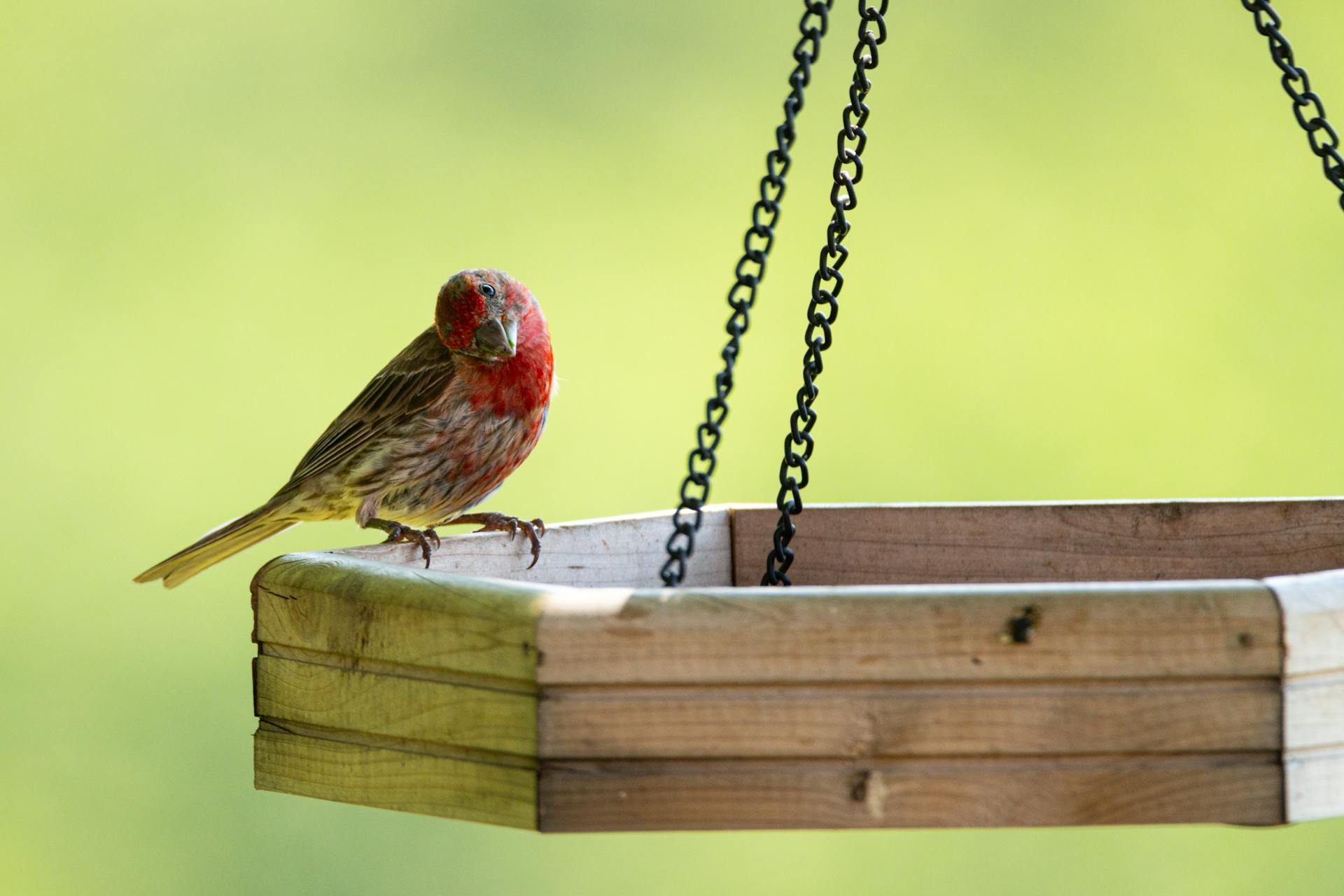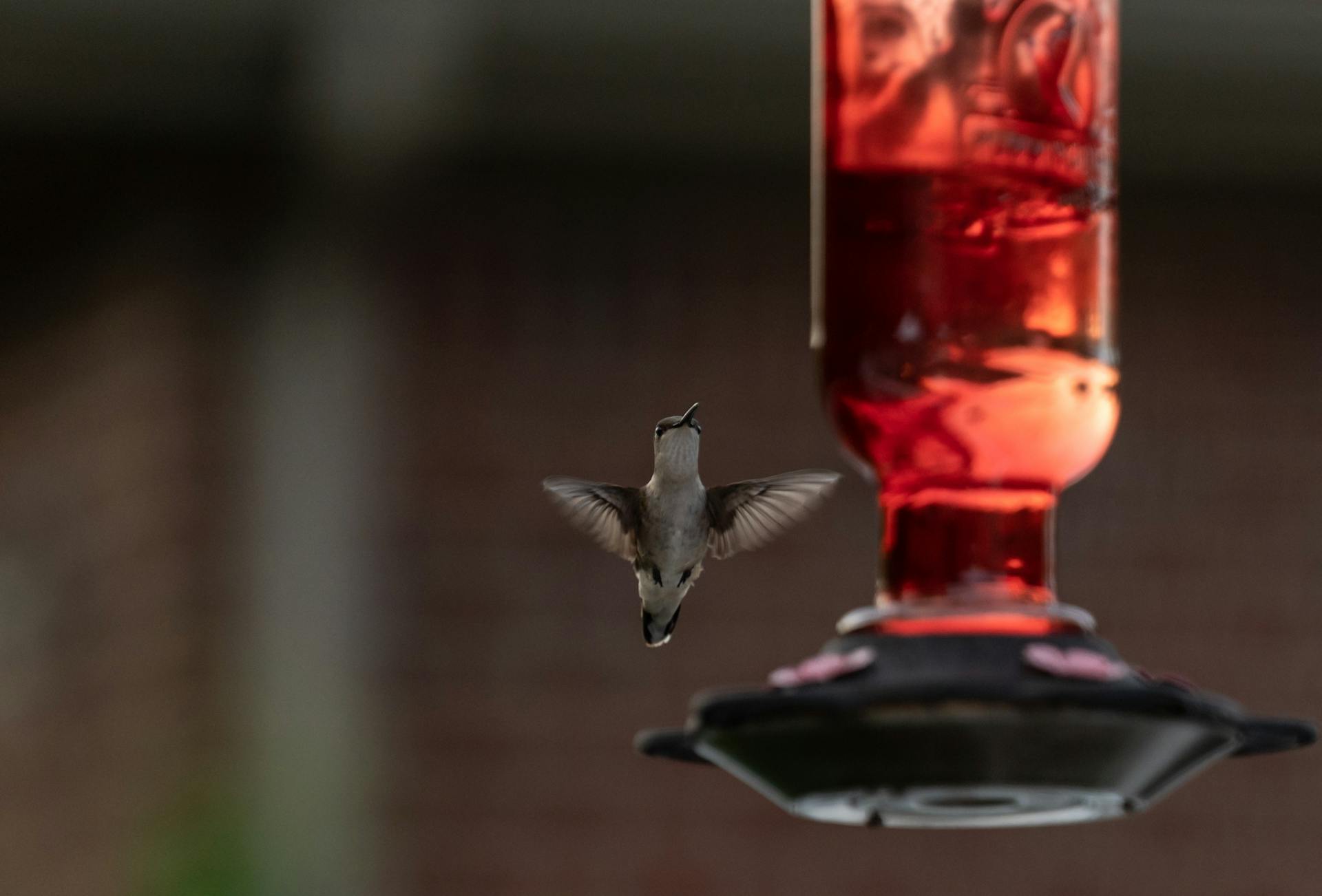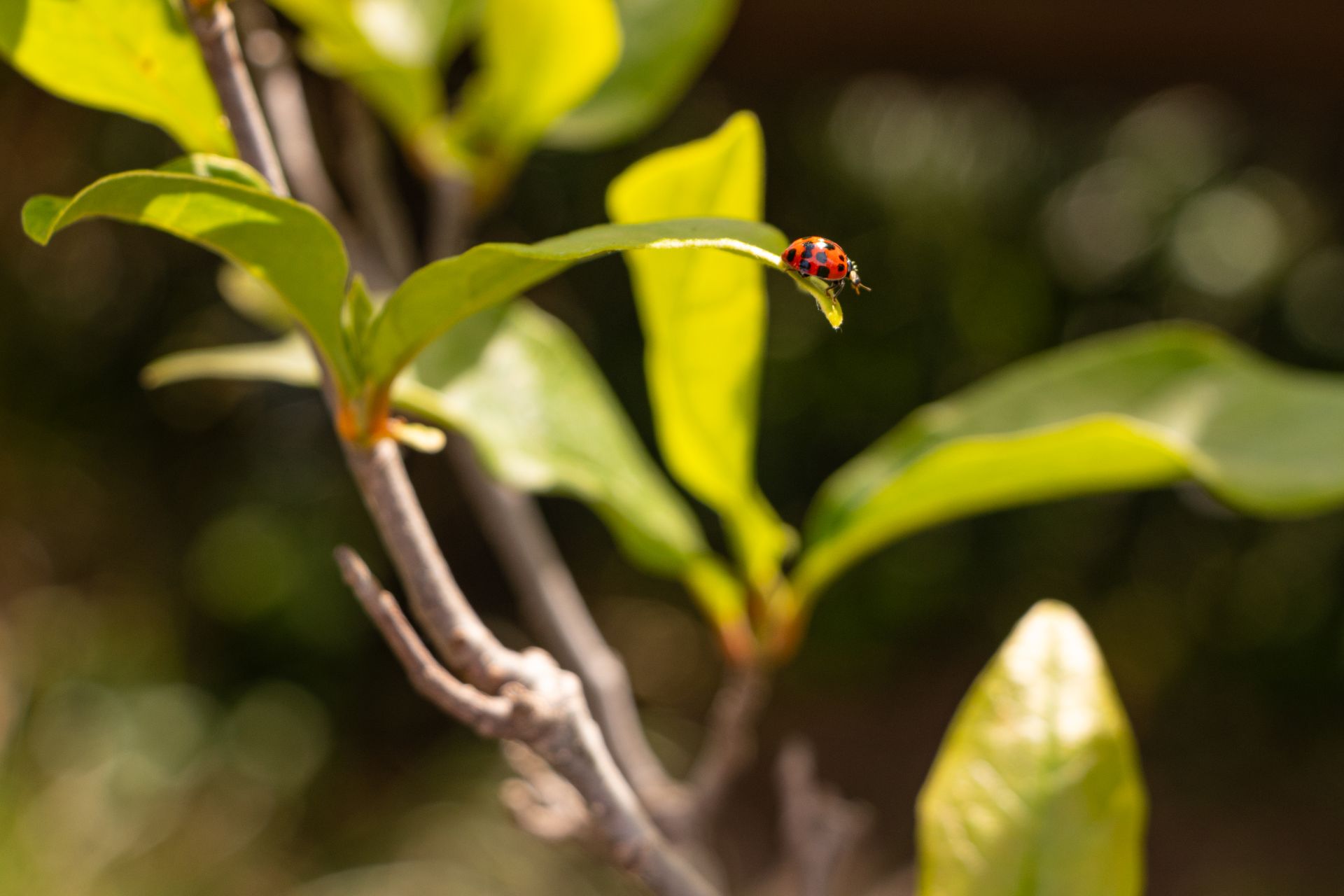
Creating a National Wildlife Federation Certified Backyard Habitat is a great way to make a positive impact on the environment and support local wildlife. This certification recognizes gardens and yards that provide a safe haven for animals and plants.
To get started, you'll want to choose plants that are native to your area, such as coneflowers and black-eyed susans, which are low maintenance and provide food for pollinators.
Native plants also require less water and care, making them a great choice for busy gardeners.
A source of water is essential for attracting wildlife, so consider installing a birdbath or shallow dish that's easy for animals to access.
What Is a Habitat?
A habitat is a safe haven for local wildlife, providing them with the essential elements they need to survive. It's a natural space that supports healthy wildlife.
To create a habitat, you need to focus on four key elements: food, water, cover, and a place to raise young. This is the core of the Certified Wildlife Habitat program.
A certified wildlife habitat has water sources, which can be as simple as a birdbath or a small pond. Having a source of water is crucial for wildlife.
Your landscape must also have various food sources, such as plants that provide nectar, seeds, or fruits. This can be achieved by planting a mix of native plants.
Protective cover is another essential element, providing a safe place for wildlife to rest, hide, and escape from predators. This can be in the form of trees, shrubs, or even a small rock pile.
Certification is granted by the National Wildlife Federation, which is a great way to ensure your habitat meets the necessary standards.
Preparing Your Yard
To prepare your yard for a Certified Wildlife Habitat, you'll want to focus on providing the four essential elements: food, water, shelter, and places to raise young. Start by increasing plant diversity, which can be as simple as adding native plants that attract specific wildlife, like milkweed for monarchs or holly for birds.
Implementing changes can be straightforward, and a few effective modifications include adding a water feature, such as a birdbath or small pond, or creating shelter using shrubs, hedges, or brush piles.
To provide food sources, you'll need at least three different types, such as native berries, seeds, or nectar plants. For water sources, aim for one reliable source, like a bird bath or pond.
Shelter options are crucial, with a minimum of two different types, such as dense shrubs, brush piles, or mature trees. Places to raise young are also essential, with a minimum of two different spaces, such as trees, nesting boxes, or host plants.
Here are some specific features to consider:
Remember to provide a variety of habitat features to accommodate different species, such as placing bird baths at both ground level and elevated spots.
Essential Features
Creating a National Wildlife Federation Certified Backyard Habitat requires some planning, but it's easier than you think. To get started, you'll need to provide four essential features that wildlife need to survive.
Food sources are crucial, so make sure you have at least three different types of food sources, such as native berries, seeds, and nectar plants.
Water sources are also essential, and you'll need at least one reliable source, like a bird bath or pond.
Shelter options are vital for protection from predators, and you should have at least two different types, such as dense shrubs, brush piles, or mature trees.
Places to raise young are also important, and you'll need at least two different spaces, like trees, nesting boxes, or host plants.
Here's a summary of the essential features you'll need to create a National Wildlife Federation Certified Backyard Habitat:
By incorporating these essential features, you'll be well on your way to creating a National Wildlife Federation Certified Backyard Habitat that will attract a variety of wildlife and provide them with the resources they need to thrive.
Certification Process
To get your backyard certified as a wildlife habitat, you'll need to provide food, water, cover, and places to raise young for wildlife. This is the foundation of creating a Certified Wildlife Habitat.
A different take: Is There a Certification for Service Dogs
The National Wildlife Federation and North Carolina Wildlife Federation offer certification for yards that meet these basic needs. You can apply online or print and mail your application.
By making simple adjustments to your outdoor space, you can create a rich environment that attracts birds, butterflies, and other wildlife. This is a fulfilling journey that encourages a deeper connection with nature.
To meet the NWF's certification requirements, follow the steps outlined above. This will help you positively impact the environment and contribute to wildlife conservation in your community.
Start your journey today and take pride in creating a Certified Wildlife Habitat in your backyard.
Explore further: National Wildlife Federation Reston Va
Benefits and Results
Creating a National Wildlife Federation Certified Backyard Habitat can have a significant impact on your local environment. By providing the four essential elements of food, water, cover, and habitat, you can attract a variety of wildlife species and support biodiversity.
A small space as little as 50 sq. ft. can make a difference, and even a rooftop garden can become certified as a wildlife haven. You don't have to live in a rural area or have a large yard to create a certified habitat.
Related reading: Certified Behavior Consultant Canine
Certified habitats increase local biodiversity, support pollinators, and even boost property value. They can also encourage the use of native plants and reduce the need for chemical controls, resulting in a low-maintenance garden.
The benefits of creating a certified wildlife habitat are numerous. You'll be doing your part to help protect endangered species, and you'll also be rewarded with a natural, lush, and animal-friendly landscape that's the envy of your neighbors.
Here are some key benefits of creating a certified wildlife habitat:
Bird species diversity can increase by up to 50% compared to traditional landscaping, and certified habitats support three times more bird species than non-certified areas.
For another approach, see: Bangladesh National Bird
Getting Started
To create a National Wildlife Federation certified backyard habitat, start by choosing a location that receives at least 6 hours of sunlight a day.
This is crucial because many plants and animals require sunlight to thrive.
Select a spot that is close to a water source, but not so close that it becomes a flood risk.
Water is essential for many species, and having a nearby source can make a big difference in attracting wildlife.
Professional Design Services
Getting professional help can make the process of certification much easier. Ecological landscapers can evaluate your property and design environments that attract and support wildlife.
These professionals often work with native plant nurseries to choose and maintain plants without harmful chemicals, which is essential for meeting certification standards.
Local landscape architects and ecological designers can offer expertise in native plants and eco-friendly practices. They can help you source the right vegetation to create thriving habitats.
Next Steps
Now that you've got a good understanding of the National Wildlife Federation's guidelines, it's time to take action.
Start by evaluating your property using the National Wildlife Federation's guidelines. This will help you identify existing features that support wildlife and pinpoint areas where improvements are needed.
Next, develop a plan to address the four key habitat elements. Don't be overwhelmed – start small with easy actions like setting up a birdbath for water or planting native flowers to attract pollinators.
For your interest: National Wildlife Turkey Federation Scholarship
Assess and document your property to track your progress. This will also help you identify what's working and what areas need improvement.
Add essential habitat features like a water source and native plants to your property. These are crucial for creating a wildlife-friendly space.
Implement eco-friendly practices to meet the remaining requirements. This might include using natural pest control methods or reducing chemical use.
To get certified, submit your application once your habitat meets the National Wildlife Federation's criteria.
Frequently Asked Questions
What are the cons of having a backyard wildlife habitat?
Having a backyard wildlife habitat can attract unwanted species that may become pests, requiring careful planning and management to mitigate these issues
How legitimate is the National Wildlife Federation?
The National Wildlife Federation is a legitimate 501(c)(3) charitable organization, verified by the Internal Revenue Service, dedicated to wildlife conservation and education. Learn more about our mission and structure in the About Us section of our website.
Featured Images: pexels.com