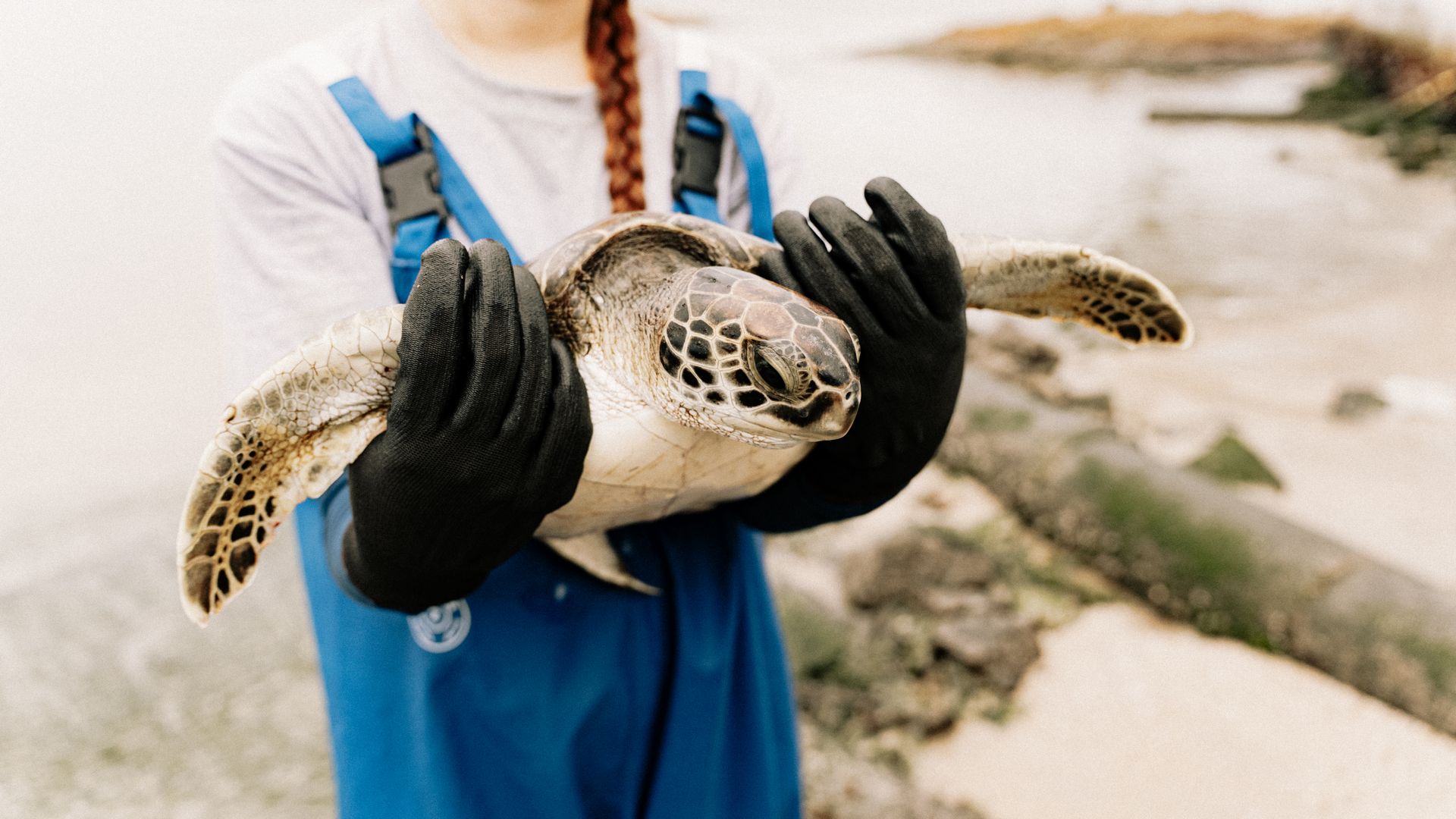
A wildlife rehabilitator is someone who cares for injured or orphaned wildlife with the goal of releasing them back into the wild. They work to nurse the animals back to health, often in a specialized facility or even in their own homes.
Wildlife rehabilitators typically have a deep understanding of animal behavior, habitat, and nutrition. They also need to know how to handle and care for a wide range of species, from birds to mammals.
To become a wildlife rehabilitator, you'll need to gain hands-on experience by volunteering or interning at a rehabilitation center. This will give you the opportunity to learn from experienced professionals and get a feel for the work.
It's also essential to obtain the necessary permits and licenses to care for wildlife in your area. This may involve completing a training program or passing a certification exam.
Discover more: Wildlife Rehabilitator Job Work Environment
What is a Wildlife Rehabilitator?
A wildlife rehabilitator is a person who cares for injured, sick, or orphaned wild animals with the goal of returning them to their natural habitats.
Wildlife rehabilitators work with many types of animals, including birds, mammals, and sometimes reptiles, and follow strict guidelines to keep the animals wild.
To be a wildlife rehabilitator, you must be at least 18 years old, and in some cases, you may need to be licensed by the Commonwealth of Virginia or the Federal Government.
Wildlife rehabilitators often work from their own homes, without receiving payment for their services.
Here are some of the different types of wildlife rehabilitators:
Wildlife rehabilitators provide food, shelter, medical care, and a safe space for animals to heal, and their work helps give wild animals a second chance at survival in the wild.
What Does a Wildlife Rehabilitator's Workplace Look Like?
A wildlife rehabilitator's workplace is often hands-on, active, and closely connected to nature. They may work at a wildlife rehabilitation center, animal shelter, or sanctuary, or even from home-based facilities if properly licensed.
Many wildlife rehabilitators spend their days cleaning cages, preparing food, and giving medication to animals in need. This can be a physically demanding job, especially during spring and summer when baby animals are most often rescued.
Long hours are common, especially during peak seasons, and safety is a top priority. Rehabilitators use gloves, protective clothing, and follow strict guidelines to protect themselves and the animals in their care.
In addition to hands-on care, wildlife rehabilitators also spend time doing paperwork, updating records, and talking with the public. They may also participate in educational outreach to teach others about coexisting with wildlife.
Whether indoors or outdoors, the workplace of a wildlife rehabilitator combines compassion, skill, and dedication to help animals return to the wild where they belong.
Careers in Animal Rehabilitation
Wildlife rehabilitators play a crucial role in caring for injured, sick, or orphaned wild animals, with the goal of returning them to their natural habitats. They work with a variety of species, including birds, mammals, and reptiles, and follow strict guidelines to keep the animals wild.
If you're interested in pursuing a career in animal rehabilitation, you can consider various roles, such as a general wildlife rehabilitator, bird specialist, mammal specialist, marine wildlife rehabilitator, or orphan care specialist. These professionals work in different settings, including wildlife centers, zoos, and as independent volunteers.
Here are some related careers in animal rehabilitation:
These careers require various degrees, including Animal Sciences, Aquaculture, Conservation Biology, and Veterinary Medicine.
Is Wildlife Rehab a Good Fit for You?
Wildlife rehabilitation requires a unique set of skills and personality traits. Wildlife rehabilitators tend to be investigative individuals, meaning they're intellectual, introspective, and inquisitive.
They're curious and methodical in their approach, which is essential for caring for injured or sick animals. This involves following strict guidelines to keep animals wild and avoid making them too used to people.
Wildlife rehabilitators often work closely with veterinarians and wildlife agencies, so they need to be rational and analytical. They also help educate the public about how to protect local wildlife, which requires being articulate and expressive.
Rehabilitators work with many types of animals, including birds, mammals, and sometimes reptiles. This variety requires a flexible and adaptable approach.
If you're considering a career in wildlife rehabilitation, take our free career test to find out if it's one of your top matches.
Careers in Animal Fields
If you're passionate about helping animals and want a career that makes a difference, you might consider becoming a Wildlife Rehabilitator. These dedicated professionals care for injured, sick, or orphaned wild animals with the goal of returning them to their natural habitats.
Wildlife Rehabilitators work with many types of animals, including birds, mammals, and sometimes reptiles. They follow strict guidelines to keep the animals wild, avoiding too much human contact, so they don't become too used to people.
To become a Wildlife Rehabilitator, you'll need to assess animal condition, provide medical treatment, feed and house the animals, and prepare them for release. You'll also need to keep detailed records of each animal's condition, treatment, and release.
Rehabilitators often work closely with veterinarians and wildlife agencies, and they also help educate the public about how to protect local wildlife. They may specialize in specific areas, such as bird care, mammal care, or marine wildlife care.
Curious to learn more? Check out: How Do You Become a Wildlife Rehabilitator
Here are some examples of careers in animal rehabilitation:
- Wildlife Rehabilitator
- Animal Rehabilitator
- Wildlife Biologist
- Wildlife Ecologist
- Wildlife Enforcement Officer
- Wildlife Photographer
These careers require a strong foundation in animal science, conservation biology, and ecology. If you're interested in pursuing a career in animal rehabilitation, consider earning a degree in one of the following fields:
- Animal Sciences
- Conservation Biology
- Ecology
- Equine Science
- Marine Biology
- Veterinary Medicine
- Veterinary Technology
- Zoology
Requirements and Commitment
As a wildlife rehabilitator, you'll need to be prepared for a significant time commitment. Wildlife rehabilitation is a 24-hour job, especially during spring and summer when you'll be caring for baby birds and infant mammals around the clock.
You'll need to be available to attend to the needs of animals in your care at all hours, which can be exhausting. Feeding baby birds every 20 minutes, for example, requires a lot of time and energy.
Your name, email, and phone number will be made public when you accept a wildlife rehabilitation permit, so be prepared for a high volume of phone calls. You'll spend a lot of time advising people on how to handle wildlife, or convincing them not to interfere with animals in the wild.
Education
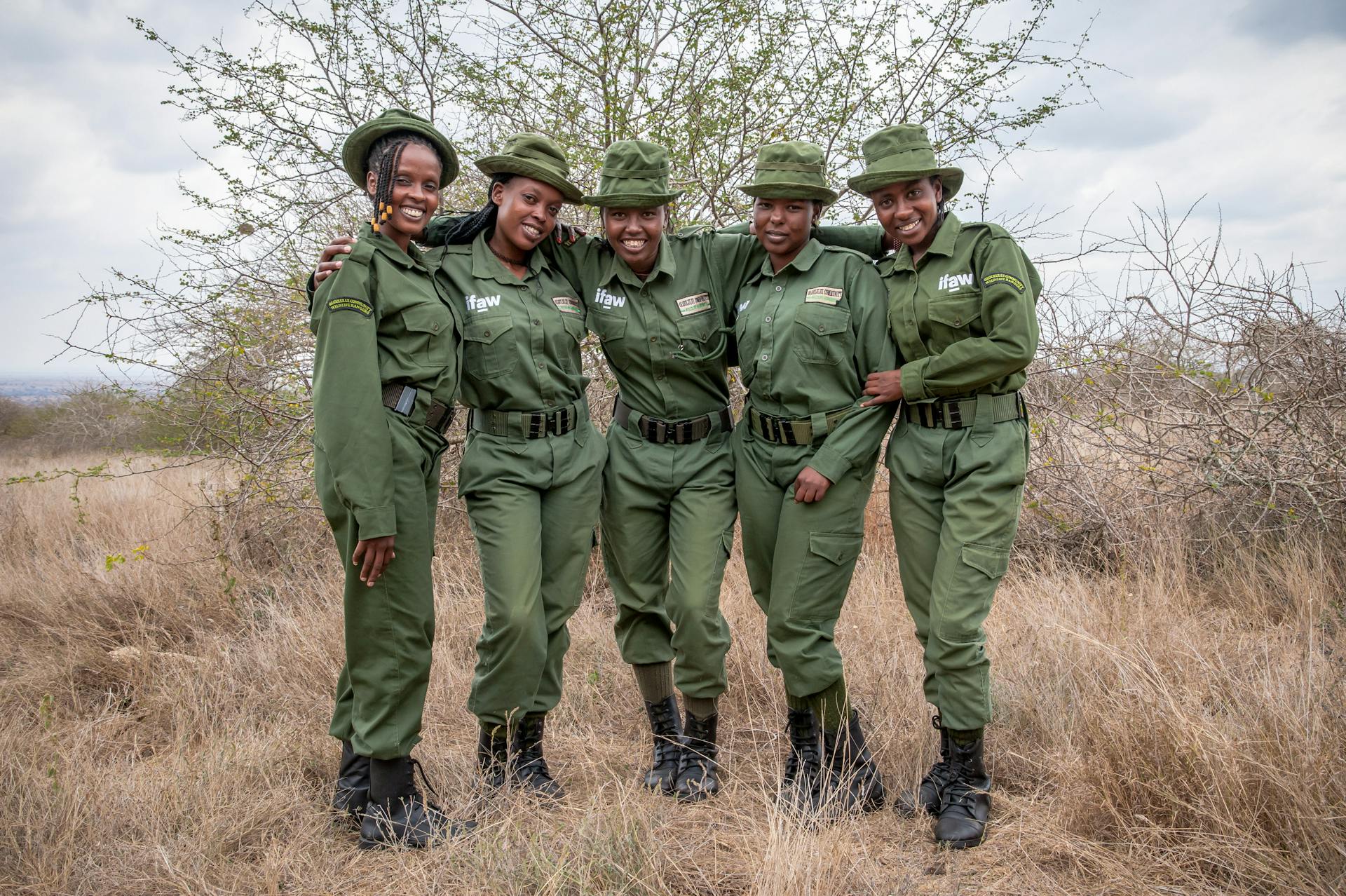
Staying up to date on the latest information is crucial to being a successful wildlife rehabilitator. To do this, you should join professional organizations that provide opportunities for continued education and increased skill.
The National Wildlife Rehabilitators Association (NWRA) and International Wildlife Rehabilitation Council (IWRC) publish newsletters and journals to keep you informed. These publications are a great resource for staying current on issues like wildlife diseases.
NWRA and IWRC also sponsor conferences every year, which is a fantastic way to network with fellow rehabilitators and learn from experts in the field. Conferences and workshops can be a great way to gain hands-on experience and learn from others who have been in your shoes.
A unique perspective: Great Pyrenees Kills 8 Coyotes
Time Commitment
Wildlife rehabilitation is a 24-hour job, with the busiest times being spring and summer when you may be feeding baby birds every 20 minutes.
Attending to the needs of animals in your care must be your primary focus of attention.
You'll be on call around the clock, including evenings and weekends, to bottle-feed infant mammals every couple of hours.
Your name, email, and phone number will be made public when you accept a wildlife rehabilitation permit, which can lead to a high volume of phone calls.
You'll spend a significant amount of time answering phone calls, trying to convince people not to interfere with wildlife, or advising them on transport and natural history of the species.
Featured Images: pexels.com