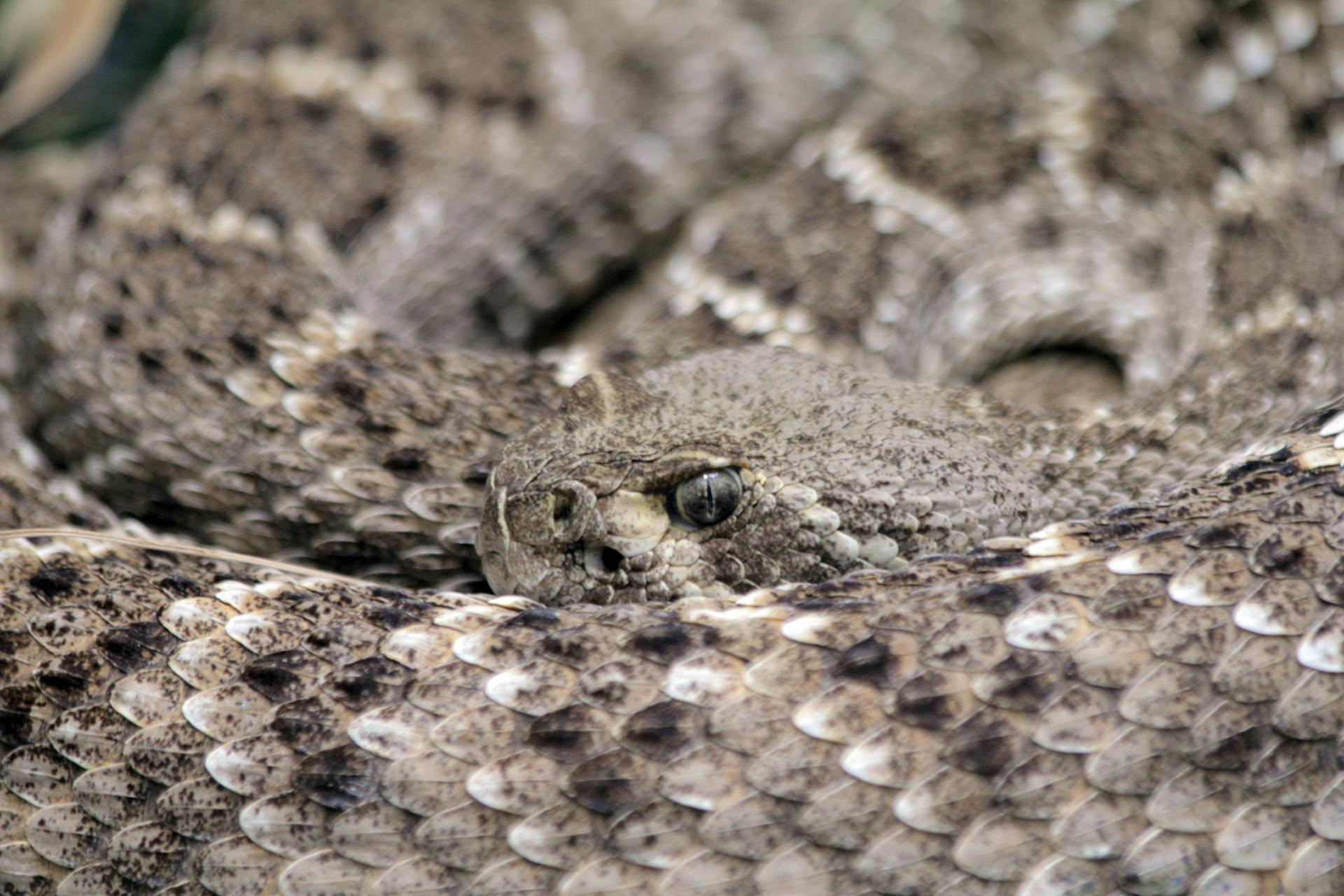
Western hognose snakes are a popular pet choice, and with proper care, they can thrive in a well-designed enclosure.
These snakes require a secure, escape-proof enclosure with a minimum length of 2x the snake's total length, including the heat source.
A temperature gradient is essential, with a warm spot around 85-90°F (29-32°C) and a cooler area around 75-80°F (24-27°C).
A shallow water dish is necessary for soaking, and a hiding place or two will help reduce stress.
Natural History
The western hognose snake is a unique species that's well adapted to its environment. They have a hardened scale at the front of their face that allows them to burrow and manipulate their surroundings with ease.
These snakes are technically rear-fanged venomous, but their venom is very mild and only causes harm in those who are allergic to it. This means that even if your western hognose snake bites you, it's unlikely to cause any serious harm.
Western hognose snakes are known for their distinctive hissing sound, which they make when they're under stress or trying to intimidate potential predators. They're much more vocal than other small snakes, so you may hear this sound if your pet is feeling anxious or threatened.
When threatened, western hognose snakes will often flatten the space directly behind their skull to form a hood, similar to a cobra snake. This is a defense mechanism that helps to make them look larger and more intimidating.
It's worth noting that western hognose snakes are not often seen in adults in captivity, and when they are threatened, they may attempt to feign death by opening their mouth, rolling onto their back, and releasing an odor.
Housing and Environment
A secure cage is essential for your Western Hognose, even though they're not as skilled at escape as other snakes. A plastic, 5-gallon reptile terrarium with a secure lid is ideal for a hatchling.
For adult Western Hognoses, a 20-to 40 gallon equivalent enclosure is recommended, with a focus on floor space since they're ground-dwelling species. Height is not as important.
To provide ample ventilation, especially in humid regions, consider drilling holes into your enclosure. I normally use three different sizes of shoe or sweater boxes for housing several specimens: 5-liter boxes for established hatchlings, 30-quart boxes for adult males, and 40-quart boxes for adult females.
Additional reading: Adult California Kingsnake
Enclosure Set Up
A secure cage is a must for your Western Hognose snake, even though it's not as adept at escape as other species. A plastic, 5-gallon reptile terrarium with a secure lid is ideal for a hatchling.
For a single adult, a minimum of a 36x18x18" enclosure is recommended, especially if it's a male. This will provide enough space for your snake to roam and exercise.
Western Hognoses are ground-dwelling species, so it's best to opt for an enclosure with a greater amount of floor space, rather than height. A 20-to 40 gallon equivalent enclosure is suitable for an adult Western Hognose.
Readers also liked: Common Snapping Turtle Species
If you're housing several specimens, large, clear, plastic shoe or sweater boxes can be a cost-effective option. For example, a 5-liter box is suitable for established hatchlings, while a 30-quart box is better for adult males and a 40-quart box for adult females.
Keep the cage furniture simple, with a sturdy water bowl and a hide box or two. This will help your snake feel secure and relaxed in its environment.
For young Hognose snakes, tiny tubs with foliage can be an effective way to get them established as eaters. As they grow and become more confident, bigger enclosures and bioactive setups can add enrichment to their environment.
It's a good idea to graduate your Hognose as they grow, starting with smaller enclosures and gradually increasing the size as they become more established.
For your interest: Common Box Turtle
Substrate
Newspaper is a great substrate for hatchling Western hognoses because it's inexpensive and prevents bacterial growth.
For adult Western hognoses, shredded aspen bedding is a popular choice because it's easy to clean and allows for burrowing.
Recycled newspaper products are also a safe and convenient option for adult Western hognoses, as they absorb odors well and make cleaning up after the snakes easy.
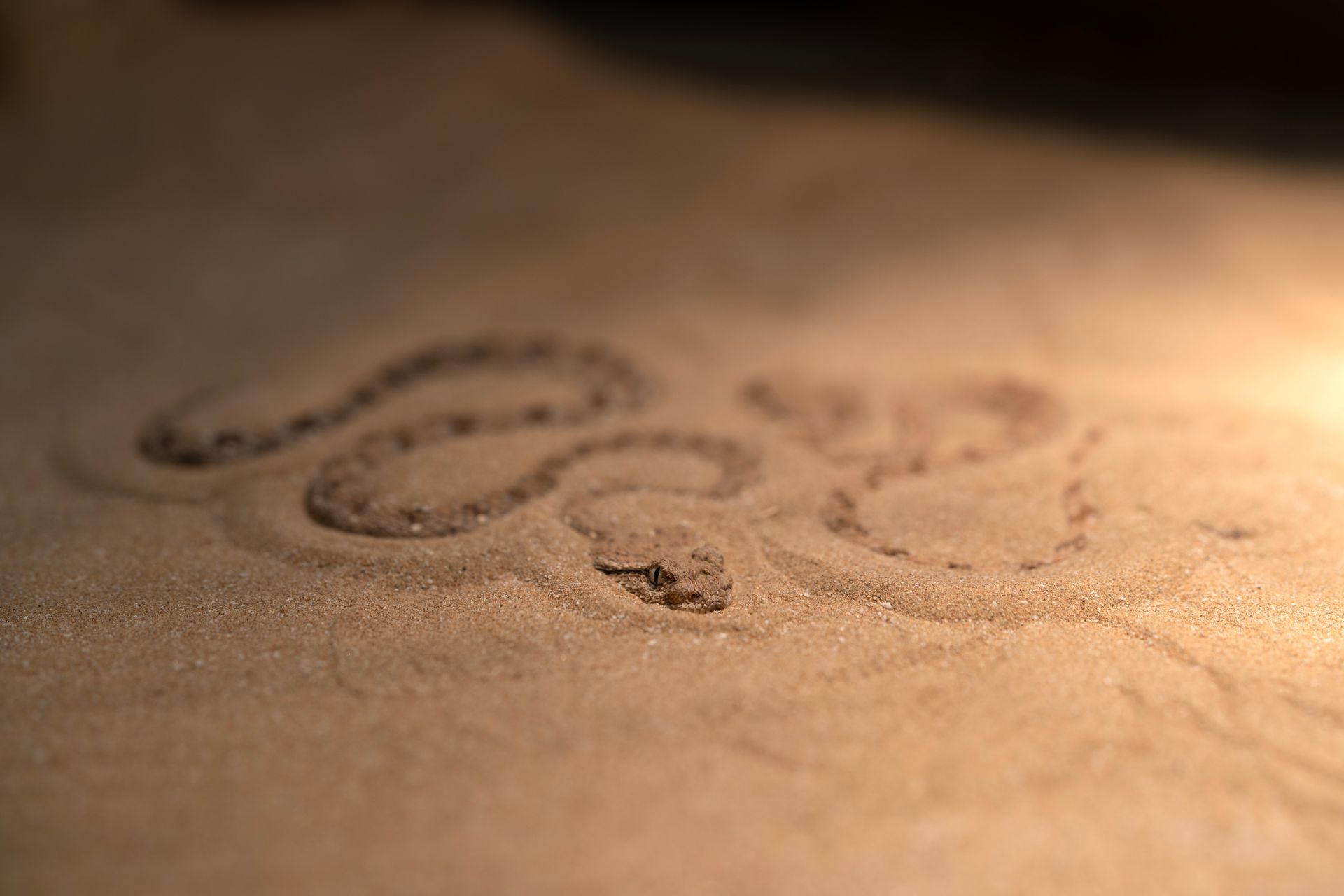
Sand is not recommended as a substrate for Western hognoses because it can cause impaction if ingested.
A deep layer of dry substrate, such as Aspen or Lignocel, is recommended to facilitate burrowing and provide a comfortable environment for the snakes.
You can also use a more natural substrate like Arcadia EarthMix to create a natural and inviting space for your Western hognose.
Uvb Lighting
Western hognose snakes don't require UVB to use calcium in their diet, but it's still a beneficial addition to their enclosure.
Providing some UVB will help mimic their natural environment, where they'd be exposed to sunlight in the wild. A 5% T8 UVB tube, 2-5% T5 UVB tube, or a more powerful but smaller unit should be sufficient.
The UV tube should be mounted to the ceiling at the back of the enclosure to create a light gradient that runs parallel to the temperature gradient.
Partial and full hiding spots should be placed along the width of the enclosure to allow the snake to choose when to have less or no UVB.
A range of full-spectrum lighting products are available at local pet retail outlets that can fulfill the requirements of your Western hognose snake.
Under-tank heaters can be used to provide a hot spot basking area maintained at about 90 degrees Fahrenheit.
A thermostat controller is essential to keep the heat pad regulated, and never use medical heat pads found in pharmacies as they can be a fire hazard.
Hot rocks are also to be avoided, and the cooler end of the enclosure can be maintained in the high 70s.
For another approach, see: Full Grown California Kingsnake
Care and Feeding
Established Western hognoses are usually eager feeders and can be quick, making it best to use tongs, forceps, or hemostats when feeding them. They should be fed an appropriately sized meal, about the same diameter as their head, one to two times per week.
In the wild, Western hognoses consume a variety of prey items, including small rodents, lizards, amphibians, and the eggs of ground-nesting animals. Pets do very well on a diet of pre-killed or frozen/thawed mice.
Responsible breeders will not offer Western hognoses for sale unless they are established feeders, so be sure to ask about their feeding history before purchasing. It's also a good idea to feed babies with small hemostats to better manipulate the prey item and draw their attention.
Western hognoses may eat more frequently than some other species of snakes due to their fast metabolism and active nature, so it's recommended to feed growing individuals every 5-7 days and adults every 7-10 days.
Discover more: Why Are Dogs so Careful with Eggs?
Heterodon nasiscus nasiscus
The Western hognose snake is a harmless, diurnal North American colubrid that has grown in popularity in collections around the globe.
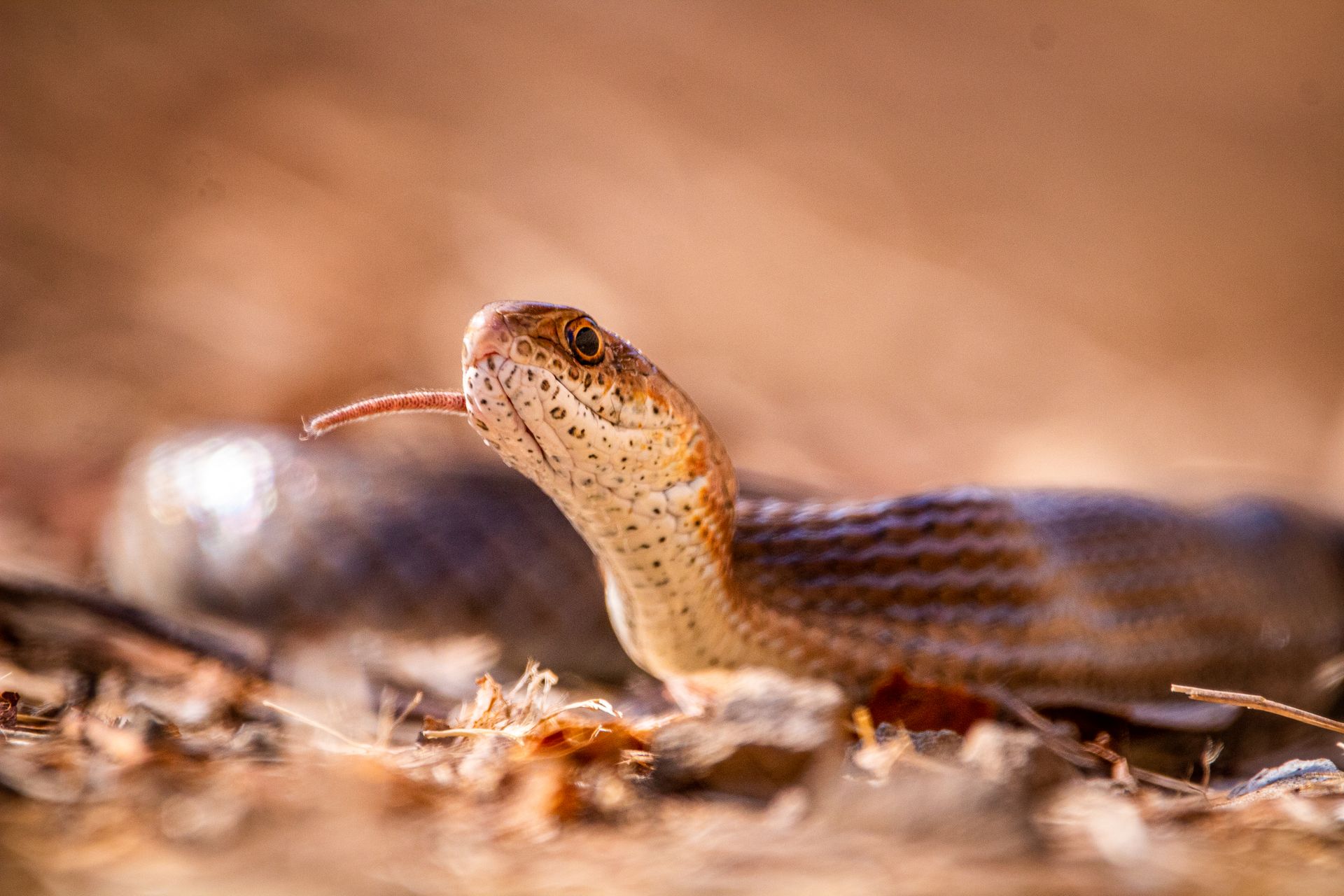
Its natural range extends from southern Canada through the central U.S., including Arizona, New Mexico, and Texas, into northern Mexico. This snake has a stout build, is covered in keeled scales, and possesses a sharply upturned snout that is used for digging and burrowing in loose sandy soils and to hunt for prey.
The Western hognose comes in a variety of colors, including tan, brown, gray, olive, and peach, with darker blotches or bars, or rows of parallel spots that run longitudinally along the body. Ventrally, the Western hognose has glossy black scales, often interspersed with white, yellow, or orange.
A Western hognose will often hiss loudly when threatened, achieved by forcing air through its unique skull and rostral bone structure. This hiss can be quite impressive, especially with mature animals.
An alarmed Western hognose will also strike repeatedly with a closed mouth in a series of either forward or sideways movements, hitting the predator with its heavily keeled snout but not biting.
Lighting and Temperature
Western hognose snakes require a specific lighting and temperature setup to thrive. UVB lighting is beneficial, but not essential, as they don't need it to use calcium from their diet.
A 5% T8 UVB tube or a more powerful but smaller unit should be sufficient, and it should be mounted to the ceiling at the back of the enclosure to provide a light gradient.
Full-spectrum lighting should be provided 14 to 16 hours per day during spring and summer, and eight to 10 hours during autumn.
One of the most important things to consider is the temperature gradient, which should be maintained between the hot end (around 90 degrees Fahrenheit) and the cooler end (high 70s).
Under-tank heaters or heat tape can be used to provide a hot spot basking area, but make sure to get an appropriately sized heater to allow for a heat gradient.
A thermostat controller is essential to regulate the heat pad and prevent overheating or fire hazards.
A basking bulb or ceramic heat emitter is necessary for providing a basking opportunity, and it should be protected with a guard to prevent burns.
The basking temperature should be around 32C, with the cooler end of the tank being around 22-25C, giving a good gradient for thermo-regulation.
Temperatures can be monitored using a digital thermometer for accuracy, and it's essential to ensure a natural temperature drop at night, around 15C.
A good example of a bulb that can be used is Arcadia's ShadeDweller or a 6% T5 strip bulb, which provides a beneficial addition to the vivarium, especially for providing day and night cycles.
For another approach, see: African Sideneck Turtle Tank Size
The lifespan of UVB bulbs is around 6-12 months, after which the UV will fade despite the bulb still glowing, so it's essential to keep track of the lifespan.
Having a small daylight bulb in the tank helps provide a natural photoperiod, allowing the snake to distinguish clearly between night and day, and this isn't strictly necessary, but it has plenty of benefits and is very inexpensive.
Additional reading: Western Hognose Snake Lifespan
Humidity
A standard room humidity of 50-60% is fine for your hognose.
You don't need to spray the tank and keep a medium size water bowl on the cold side to avoid evaporation causing humidity.
A damp moss box can be provided during shedding periods to give your hognose a humid spot to go to. Some hognoses may not use it, though.
Feeding
Western hognoses are eager feeders and can be quite quick, so it's best to use tongs, forceps, or hemostats when feeding them.
They typically eat one to two times per week, and it's essential to feed them an appropriately sized meal that's about the same diameter as their head.
In the wild, they consume a variety of prey items, including small rodents, lizards, amphibians, and the eggs of ground-nesting animals.
Pets do well on a diet of pre-killed or frozen/thawed mice, and many keepers prefer frozen/thawed rodents because they're easier to digest.
Established feeders should be able to eat on their own, but if you're buying a neonate, make sure it has eaten three to four times on its own before purchasing.
Responsible breeders won't offer Western hognoses for sale unless they're established feeders.
Some hatchlings can be challenging to get to accept mice, but scenting a thawed pinky mouse with canned tuna or salmon juice may encourage them to eat.
Braining a pinky mouse by making a small pinhole in the skull and squeezing out some brain matter can also work, but it's not for the squeamish.
It's not recommended to use toads as a scenting medium for Western hognoses, as it can introduce parasites and be difficult to wean them off.
Western hognoses have a fast metabolism and are active snakes, so they may eat more frequently than other species.
You might like: What Do Western Rattlesnakes Eat
They typically eat every 5-7 days for growing individuals and every 7-10 days for adults.
It's essential to use a pair of tongs when feeding them, as they're not super precise feeders and can often miss.
They start on pinkies and most adults will max out at small to medium mice, although large females may take large or even XL mice.
Western hognoses primarily rely on toads, frogs, and small rodents in the wild, but do well on frozen/thawed mice in captivity.
Hatchlings and babies may require scenting if they're not interested in frozen/thawed mice, but this should be used as a last resort.
Braining, salmon, and tuna can be used as scenting alternatives, but should be weaned off gradually.
Western hognoses can undergo cold temperature differences and go months without food during brumation, but this is not recommended.
They can live many years in captivity if their enclosures are kept clean and meet proper requirements.
Intriguing read: Small Reptiles as Pets
Water
Water is essential for your snake's health, even if it's native to dry areas. Change the water and wash the water bowl at least every week.
Make sure to provide a ready supply of clean water at all times.
Discover more: Blotched Water Snake
Health and Handling
Western hognose snakes are generally docile and easy to handle, but it's essential to understand their behavior and needs to ensure a safe and healthy experience for both you and your pet. Always wash your hands before handling a snake to prevent triggering a feeding response, and do so after handling as well for good hygiene practice.
To minimize the risk of a bite, be attentive to your snake's behavior when entering its enclosure, and look for initial feeding responses. If your snake exhibits bluffing behavior, wait until it calms down before handling it. Western hognose bites are rare, but they can occur due to overeager feeding responses, so use hemostats, tongs, or forceps to reduce the chance of an accidental bite.
Some common health issues in western hognoses include scale rot, stuck sheds, respiratory infections, mites, regurgitation, and dehydration. To maintain your snake's health, ensure you have located an exotic vet nearby before purchasing a western hognose, and be prepared to address any issues promptly.
Recommended read: Bird Health Care
Health and Handling
Western hognose snakes are generally healthy animals, but like any pet, they require proper care and handling to thrive. They are prone to health problems if their environment is not maintained at the right temperature.
Proper temperature is crucial for digestion, gestation, and breeding. Western hognose snakes need a temperature gradient in their enclosure, with a hot spot around 90 degrees Fahrenheit and a cooler end in the high 70s.
It's essential to provide a basking opportunity for your Western hognose snake, which can be achieved with a basking bulb or ceramic heat emitter. This should be protected with a guard to prevent burns.
The ideal basking temperature for Western hognose snakes is around 32C, with the cooler end of the tank being around 22-25C. This provides a good gradient for thermoregulation.
During the night, the temperature can safely drop to around 15C, which is a natural drop in the wild. It's also essential to provide UVB lighting, which can be achieved with a full-spectrum lighting product or a UVB bulb.
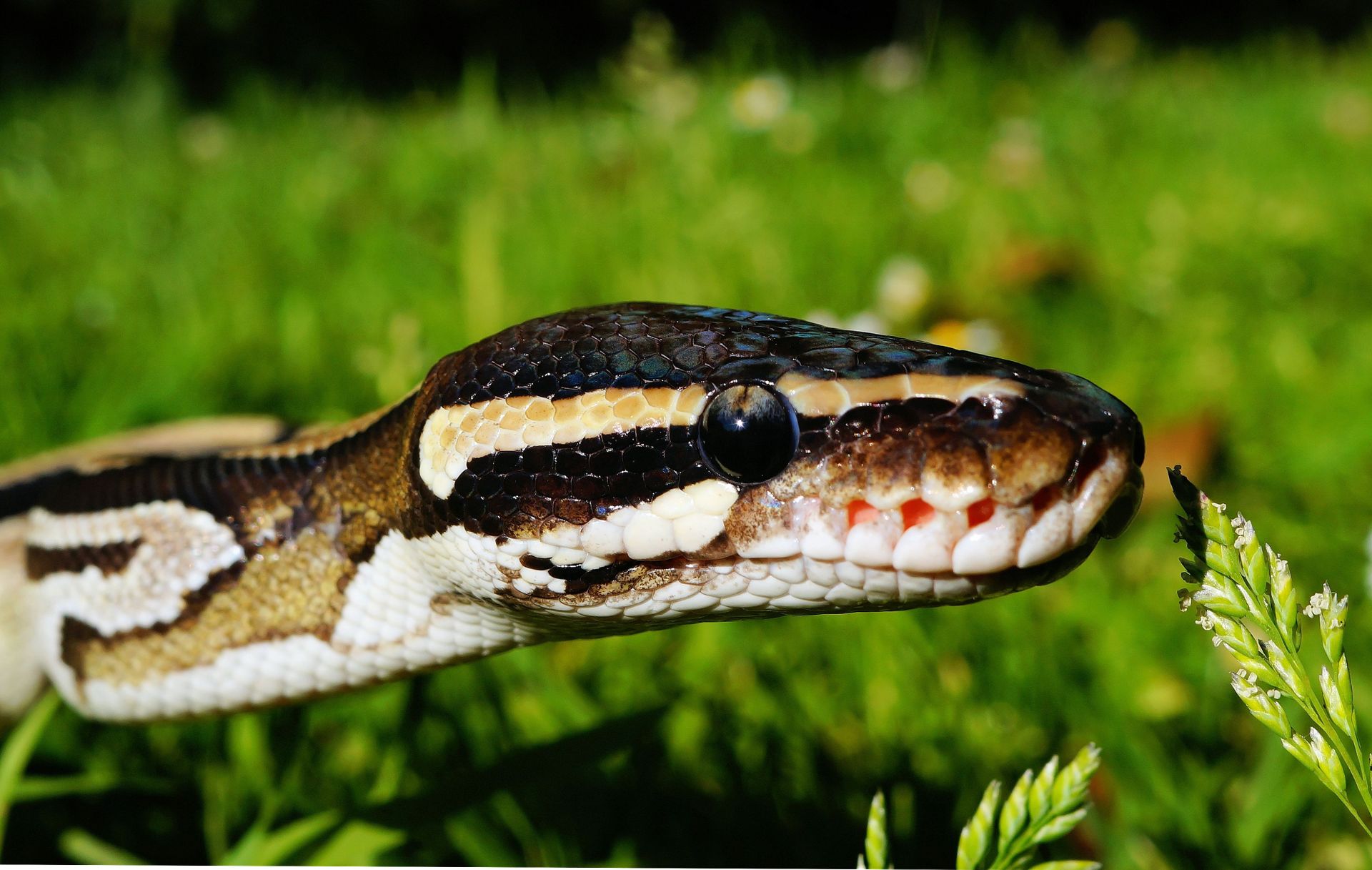
Western hognose snakes are carnivorous and have a high metabolism, so they require a diet rich in protein. They should be fed defrosted mammal species, such as mice, which will gradually get larger with your snake.
It's essential to keep your Western hognose snake's environment clean and well-ventilated to prevent respiratory problems. You should also provide a medium-sized water bowl containing fresh water at all times, kept on the cool end of the tank to avoid increasing humidity.
In the wild, Western hognose snakes burrow and dig, so they need a secure and stable enclosure. You should also provide a hiding place or two to help your snake feel secure.
Handling your Western hognose snake requires care and patience. They are not constrictors and do not coil, so they may not respond to handling in the same way as other snakes. However, with gentle and regular handling, they can become tame and enjoy human interaction.
It's essential to wash your hands before and after handling your Western hognose snake to prevent the transfer of bacteria and other diseases. You should also handle your snake gently and carefully, supporting its body and avoiding sudden movements.
In terms of health, Western hognose snakes are generally hardy animals, but they can be susceptible to certain health problems if their environment is not maintained properly. By providing the right temperature, humidity, and lighting, you can help prevent health problems and keep your snake healthy and thriving.
For another approach, see: Dog Health Care
Uvb for
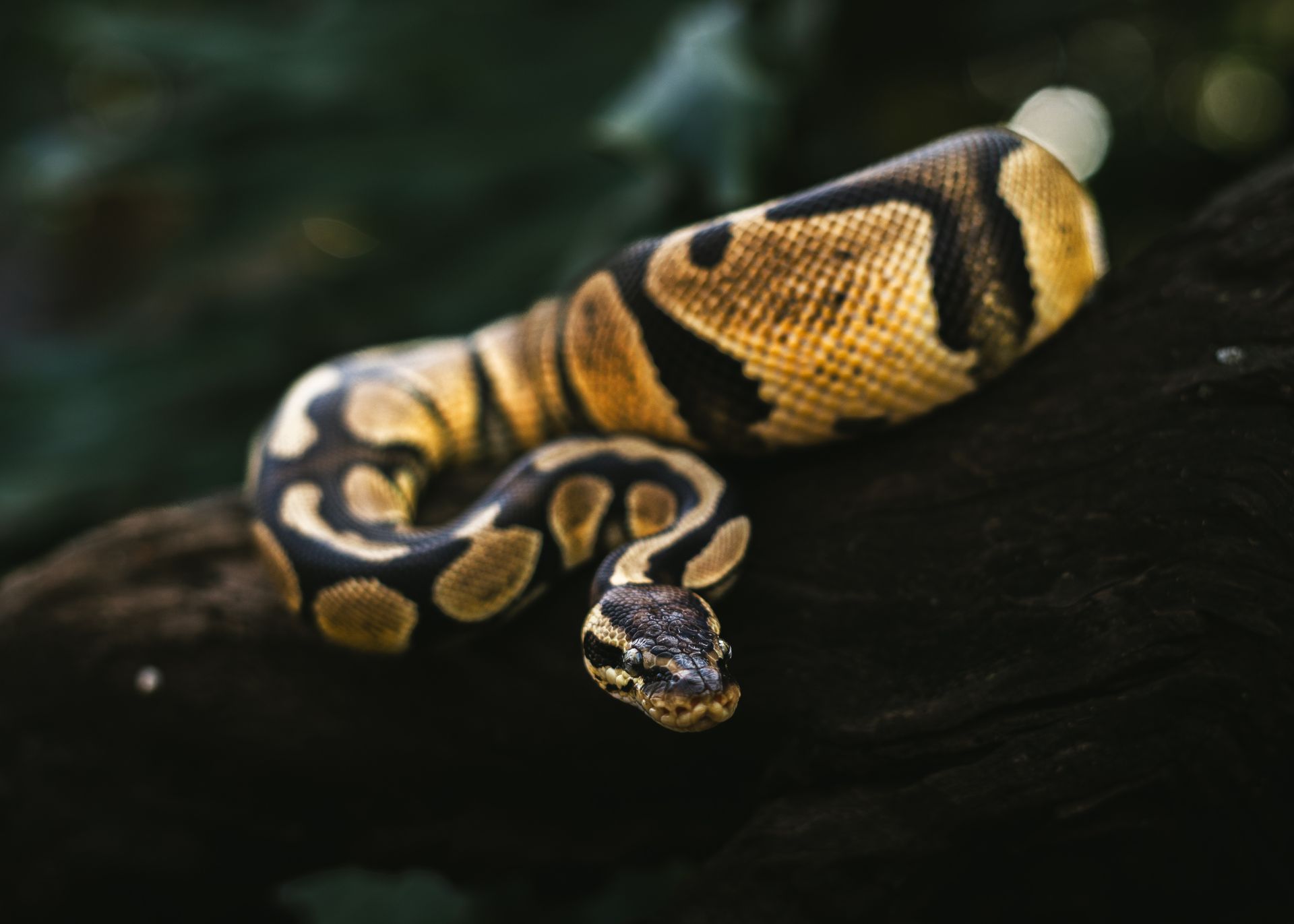
UVB for Western Hognose Snakes is optional, but highly recommended. It's shown to increase appetite, activity, and brighter coloration.
Most snakes, including Western Hognose Snakes, are active at dawn and dusk and may bask in full sunlight.
A UV Index of 2-3 in the tank is achievable with a 6% T8 UVB at 10-15″ height.
Using a UVB guard is essential to prevent damage to the snake or the bulb.
A T5 6% UVB or a T8 12% UVB can also provide the desired UV Index at a 15-18″ height.
Health
Before bringing home a Hognose, it's essential to have an exotic vet nearby in case of emergencies.
Having a reliable vet on hand can make a huge difference in your pet's health and well-being.
Common health issues in Hognoses include scale rot, stuck sheds, Respiratory Infection (RI), Mites, Regurgitation, and Dehydration.
Some of these issues can be easily treated with minimal intervention, while others may require a vet appointment.
Make sure to click "Read More Health" for more information on maintaining your Western Hognose's health.
Handling
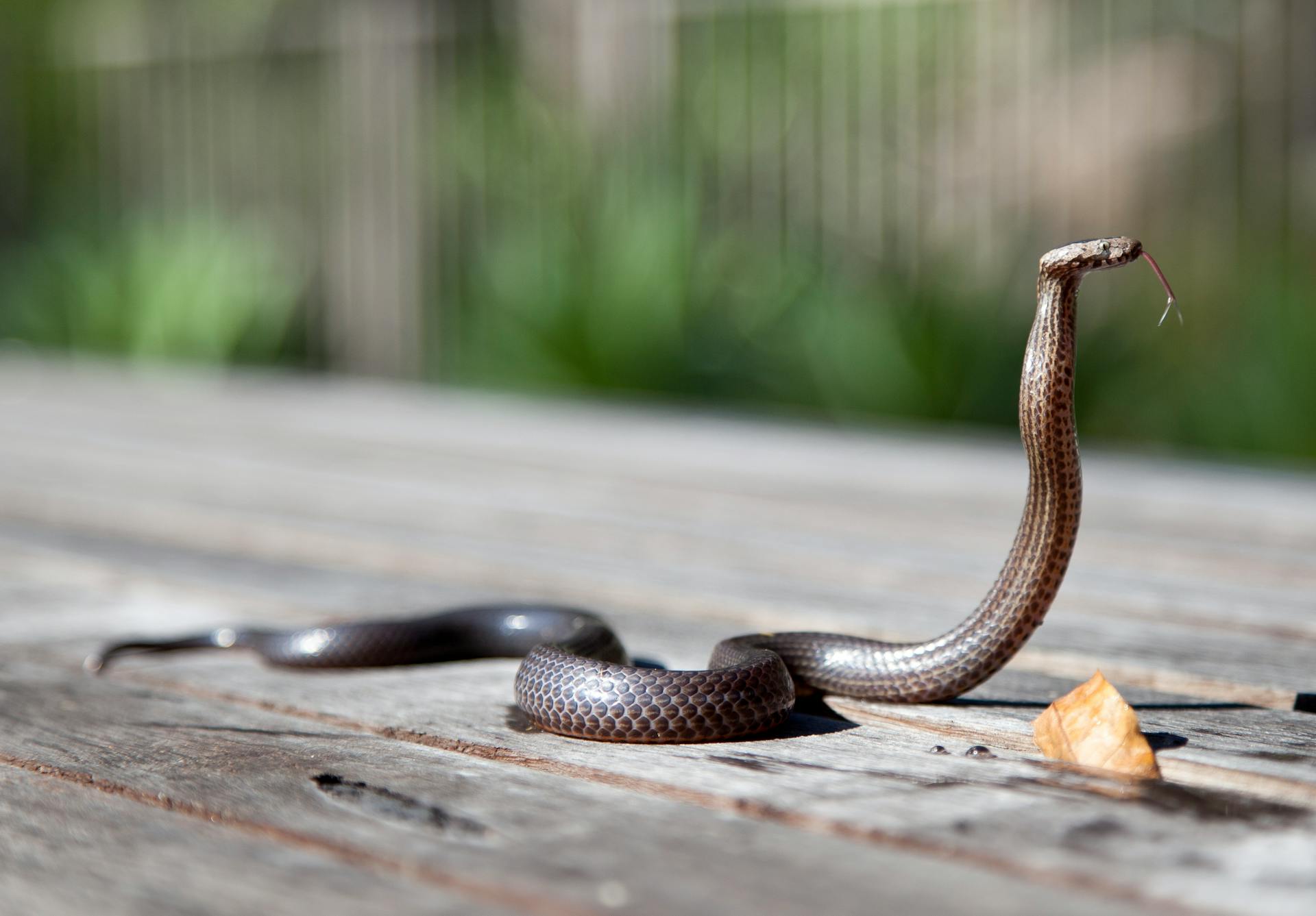
You can handle Western Hognose snakes with confidence, as they are generally docile and easy to handle.
Western Hognose bites are extremely rare, but they can occur due to a snake's overeager feeding response. To minimize the risk of a bite, always use hemostats, tongs, or forceps when feeding your snake.
It's essential to wash your hands before handling a snake to prevent putting it in feeding mode. After handling, wash your hands again as good hygiene practice.
Enter the enclosure calmly and confidently, and don't hesitate at bluff strikes. This will help your snake realize you're not a threat and make handling easier.
Don't handle your snake for 24-48 hours after feeding, as this can cause stress and increase the risk of a bite.
Additional reading: Common Snapping Turtle Bite
Breeding and Life Cycle
Breeding Western Hognose Snakes is a natural process that can happen without any encouragement, as long as the conditions are good and the snakes are healthy. The female will lay her eggs in a nesting box with a soil mix that's kept humid but not wet.
You'll need to consider whether you want the babies to hatch, as incubating eggs requires a specific temperature of 84oF and a moisture-rich substrate like Hatchrite. The eggs will start to hatch after around 60 days.
Before breeding, make sure your adults are healthy and genetically free of problems, and that the female is fully mature. The male should be at least 70g and a year old, while the female should be at least 250g and two to three years old.
Breeding
Breeding Western Hognose Snakes can be a rewarding experience, but it's essential to consider the health and maturity of your adults.
You'll need to ensure your male and female are healthy and free of genetic problems that might be passed down.
Before introducing the pair, think about what you'll do with the babies if you incubate the eggs.
A gravid female should have access to a nesting box to lay her eggs, which should be large enough for her to turn around comfortably.
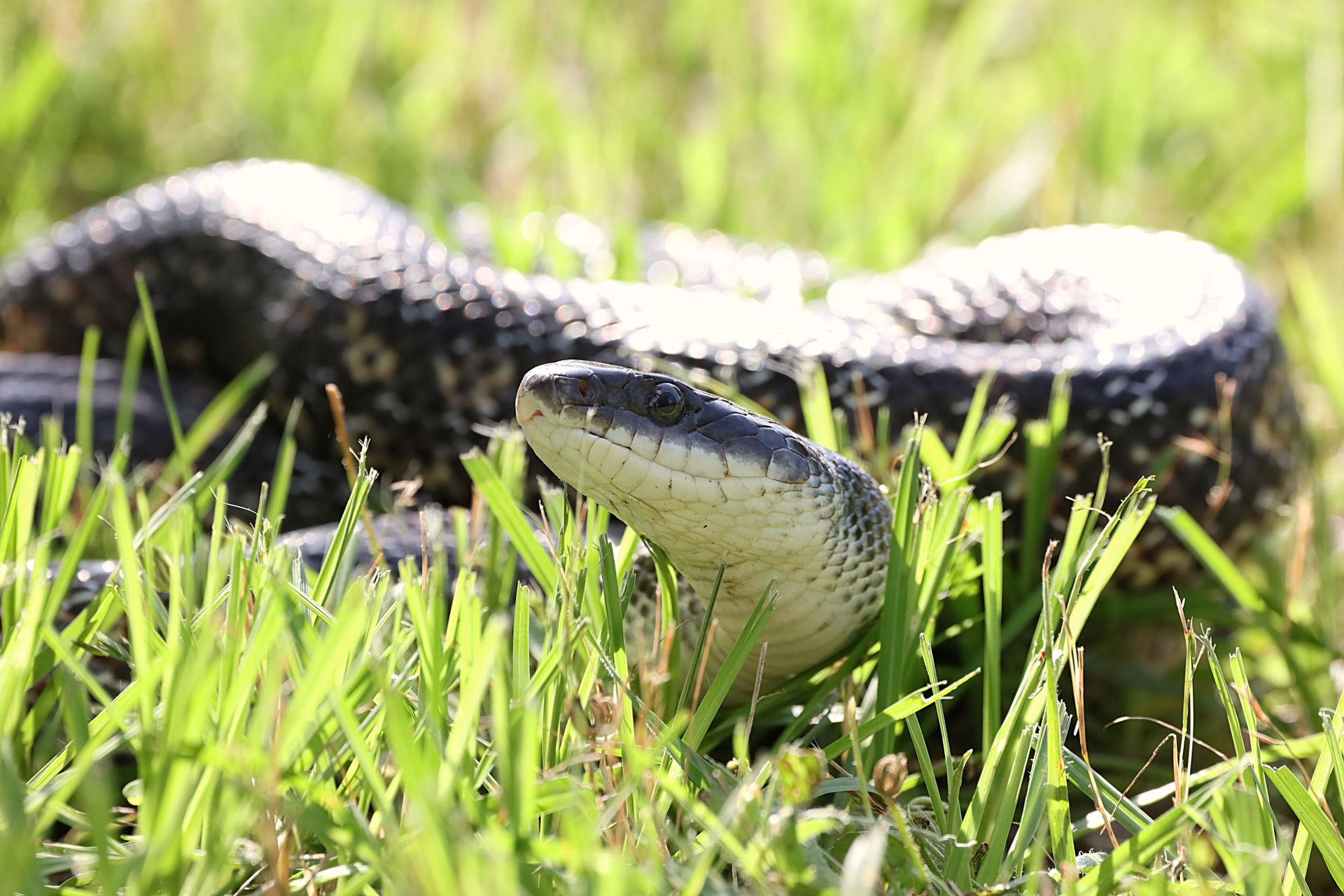
We use a soil mix like ProRep spider life, kept humid but not saturated, in the nesting box.
Once laid, the eggs should be incubated in an incubator at 84°F, ideally in sealed boxes with a moisture-rich substrate like Hatchrite.
After around 60 days, the eggs will start to hatch, with the first babies encouraging the rest of the eggs to hatch.
Male Western Hognoses should be at least 70g and a year old to breed, while females should be at least 250g and two to three years old.
You'll also need to be prepared to house all your hatchlings separately, get them feeding, and find new homes for them.
Western Hognose Snakes breed readily in captivity, but it's recommended to have some experience with problem feeders or feeding scented mice.
The female will ovulate within about 3-4 weeks of the temperature reaching normal levels, triggering a swelling two-thirds down her body.
It's usually safe to assume that the first shed after brumation indicates ovulation, and now is a great time to introduce the male.

Leaving the shed in the tank can increase the pheromones, helping the male detect the female.
Gestation depends on the temperature in the enclosure and the female's changing time, but is quite short, ranging from 30-45 days.
The female may start to refuse food towards the end, so try a smaller food item to ensure she has enough to eat during this period.
When preparing an egg-laying box, use a large tupperware box with a hole cut in the lid, and fill it with damp sphagnum moss.
This will provide a safe and comfortable space for the female to lay her eggs, which can range from 6 to 25.
You might enjoy: Box Turtles of North America
Incubation
Incubation is a delicate process, and it's essential to get it right to ensure the health and well-being of your Western Hognose Snakes. We recommend using vermiculite or perlite as an incubation medium in Tupperware tubs.
For optimal airflow, it's best to drill holes in the sides of the enclosure rather than the top. Western Hognose Snakes eggs don't tend to stick together, so you can place them with a small distance between them to allow for growth.
Be very careful not to turn your eggs at any point, as the air pocket is at the top. This is crucial to prevent any potential damage to the developing embryos.
Incubate your eggs at a temperature of 78 – 84 F, and they should hatch within 50 – 60 days. This temperature range is key to successful incubation.
Once the eggs have hatched, leave them in the incubation chamber until you're sure they've absorbed the entire yolk sac. This is usually a good indication that they're ready to start their new lives.
Size and Life Span
Female Western hognoses can grow to a maximum size just short of 3 feet, with a weight that normally does not exceed 800 grams.
Males are somewhat smaller, averaging between 14 to 24 inches.
In captivity, Western hognoses may live up to 18 years, which is a significant commitment for any snake owner.
Size
When it comes to the Western Hognose Snake, size is an interesting aspect. Females can grow to a maximum size just short of 3 feet.
Males are significantly smaller than females, averaging between 14 to 24 inches in length. This is a notable difference in size between the two sexes.
Readers also liked: California King Snake Size
Life Span

Western hognoses may live up to 18 years in captivity. They can thrive in captivity with proper care, making them a long-term companion.
Getting Started
To care for a Western Hognose snake, you'll need to provide a suitable enclosure. In this section, I plan to give you all the information needed to care for a Western Hognose snake – particularly hatchling/babies.
First, choose a secure, escape-proof enclosure that's specifically designed for snakes. I plan to give my take on important topics such as Health, Enclosure, Feeding, Temperatures, and Handling.
Here are some essential items to include in your snake's enclosure:
- Heating and lighting equipment
- A hiding place or two, such as a cave or a plant
- A shallow water dish for drinking
Remember, keeping your snake's enclosure clean and well-maintained is crucial for their health and happiness. I plan to give my take on important topics such as Health, Enclosure, Feeding, Temperatures, and Handling.
So You Want a?
So you want a pet snake? First, consider the specific needs of the species you're interested in. A Western Hognose snake, for example, requires a secure enclosure with a temperature gradient.

To care for a Western Hognose snake, especially hatchlings, you'll need to provide a proper enclosure. This means a secure, escape-proof enclosure with a heat source and a hiding place or two.
Hatchling Western Hognose snakes need a temperature range of 75-85°F (24-29°C) with a slight drop at night. This temperature range is crucial for their growth and development.
Feeding your snake is also a crucial aspect of their care. Hatchling Western Hognose snakes feed on pinkie mice, which are young mice that are just weaned from their mother's milk.
Handling your snake requires patience and gentle movements. Hatchling Western Hognose snakes are delicate and should be handled carefully to avoid injury.
Here is a summary of the key points to consider when getting started with a Western Hognose snake:
Meet the
Meet the Western Hognose is a great species to start with, and they're relatively small, with males reaching 18-24″ and females 24-30″ in length.
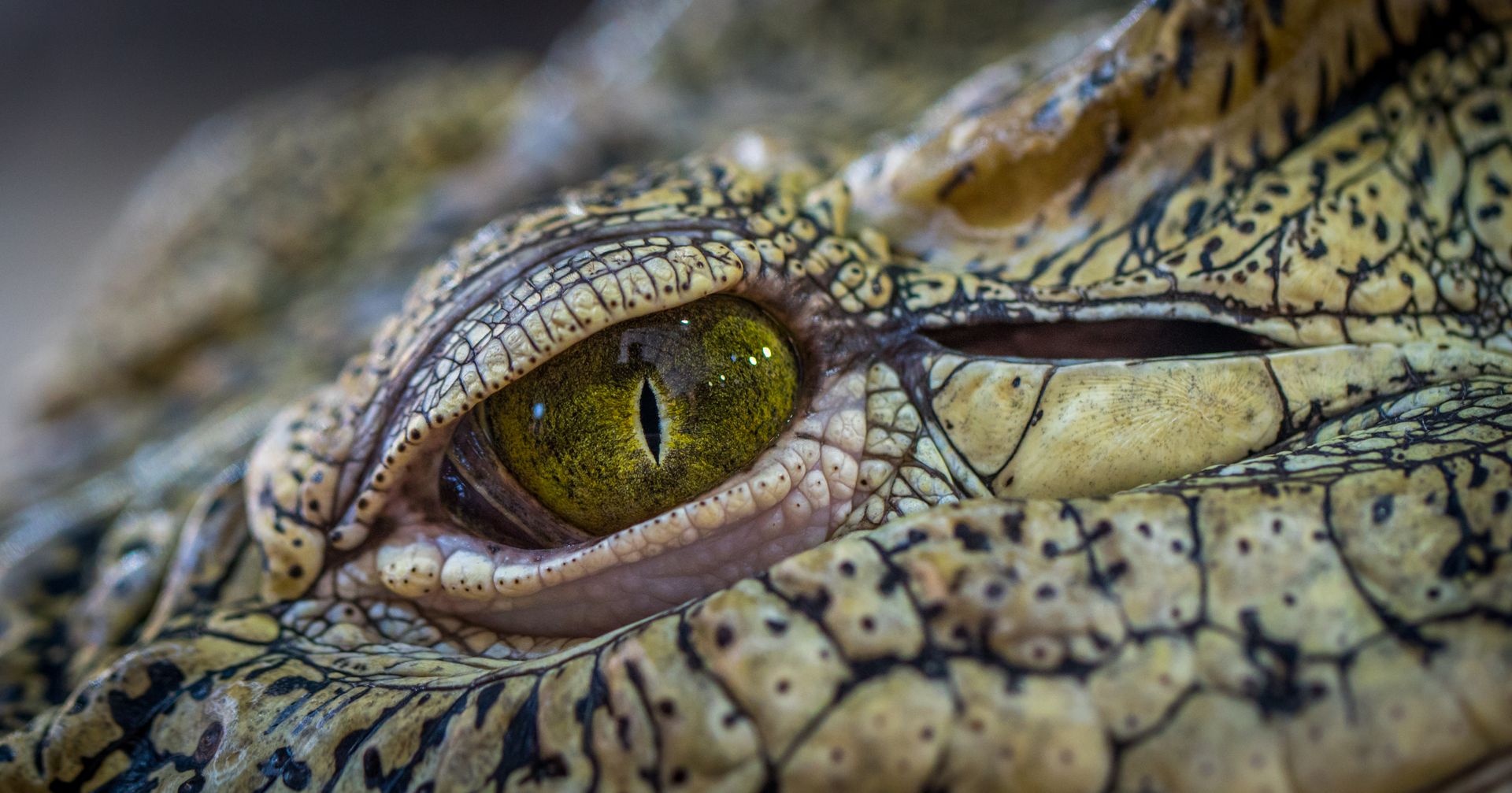
They're native to North America and have a unique upturned nose that helps them dig and burrow to find their prey.
These snakes are diurnal, meaning they're awake during the day, making them an active and interesting species to watch.
They're also considered safe and harmless, with a saliva that paralyzes small rodents and frogs, but not a true venom like a venomous snake.
As a breeder, I can attest that they're big bluffers and tend to be defensive rather than aggressive.
Frequently Asked Questions
Do western hognose snakes like to be held?
Western hognose snakes can benefit from regular handling, but it's essential to limit it to 1-2 times a week to prevent stress, especially for young snakes. Handling them regularly can be a great way to bond and exercise your pet, but over-handling can have negative effects.
What size tank does a western hognose need?
For a single western hognose, a minimum tank size of 24" x 18" x 18" is recommended, but larger is always better. Housing multiple hognoses together is not recommended.
What does the western hognose snake eat?
The western hognose snake primarily feeds on toads and also consumes a variety of other small animals, including frogs, lizards, mice, birds, and reptiles. Its diet is diverse and includes a range of invertebrates and vertebrates.
Featured Images: pexels.com