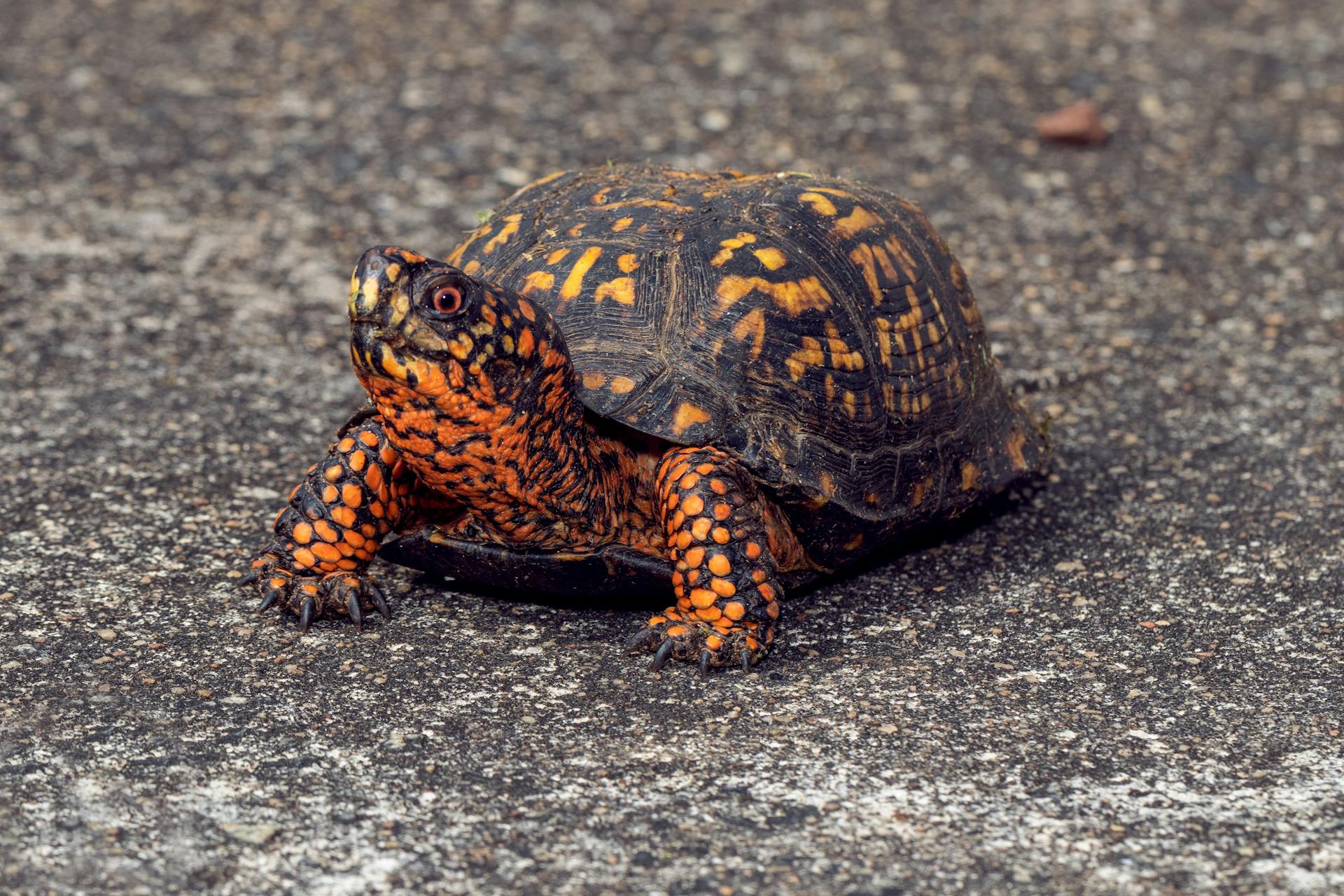
Taking care of a common box turtle requires a habitat that mimics its natural environment, with a temperature range of 75 to 85 degrees Fahrenheit and a humidity level of 50 to 60%.
Common box turtles are primarily terrestrial, so a large enclosure with adequate space for movement is essential.
They are also omnivores and need a diet rich in protein, including insects, fruits, and vegetables.
In the wild, they can live up to 40 years, but with proper care, they can thrive in captivity for just as long.
It's essential to provide a shallow water dish for drinking and soaking, as they can drown easily in deep water.
Regular veterinary check-ups are crucial to monitor their health and detect any potential issues early on.
Classification and Description
The common box turtle has a fascinating classification and description. It was first described by Carl Linnaeus in his 1758 edition of Systema Naturae as the type species for the genus Terrapene, with the eastern box turtle subspecies being the one recognized by Linnaeus.
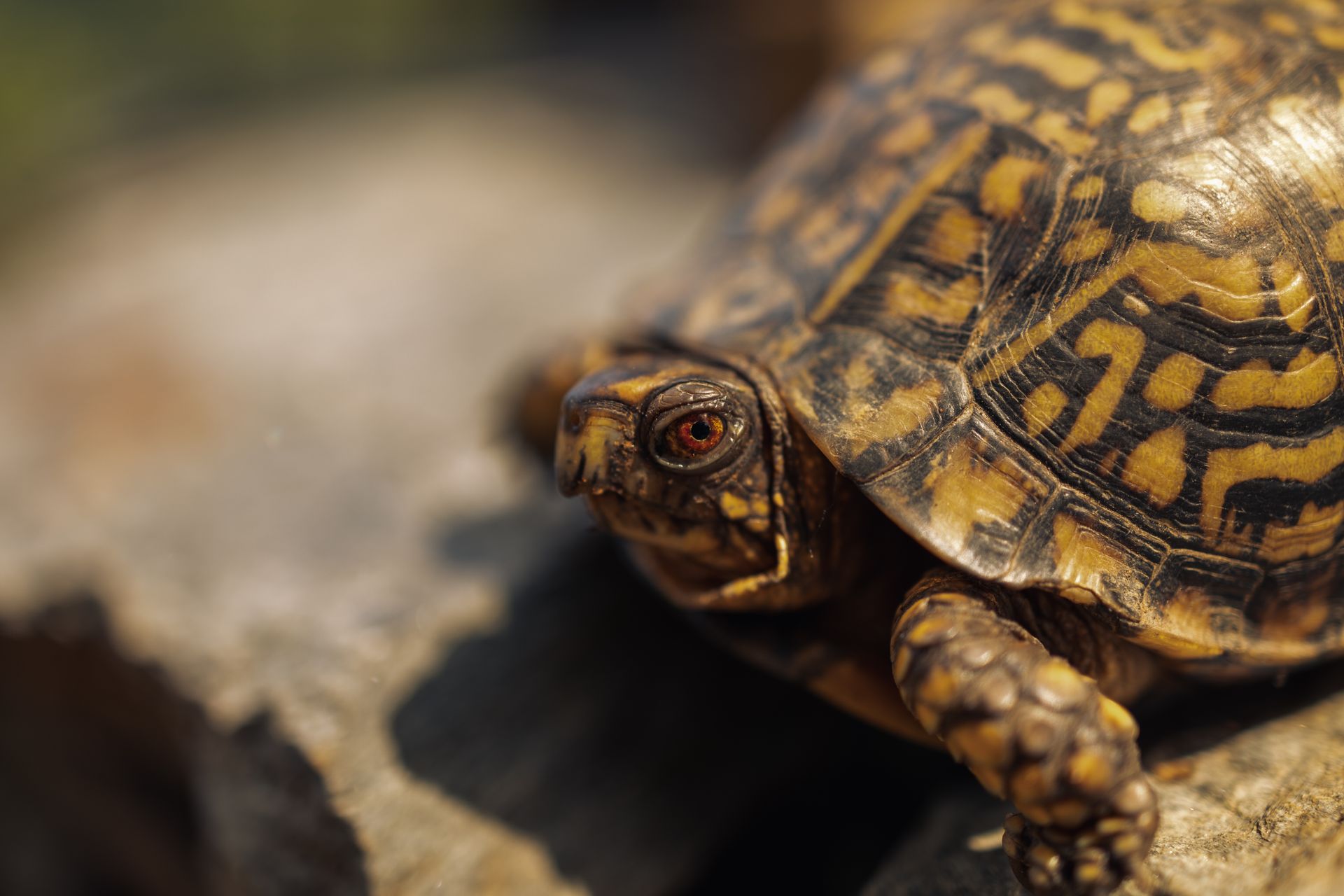
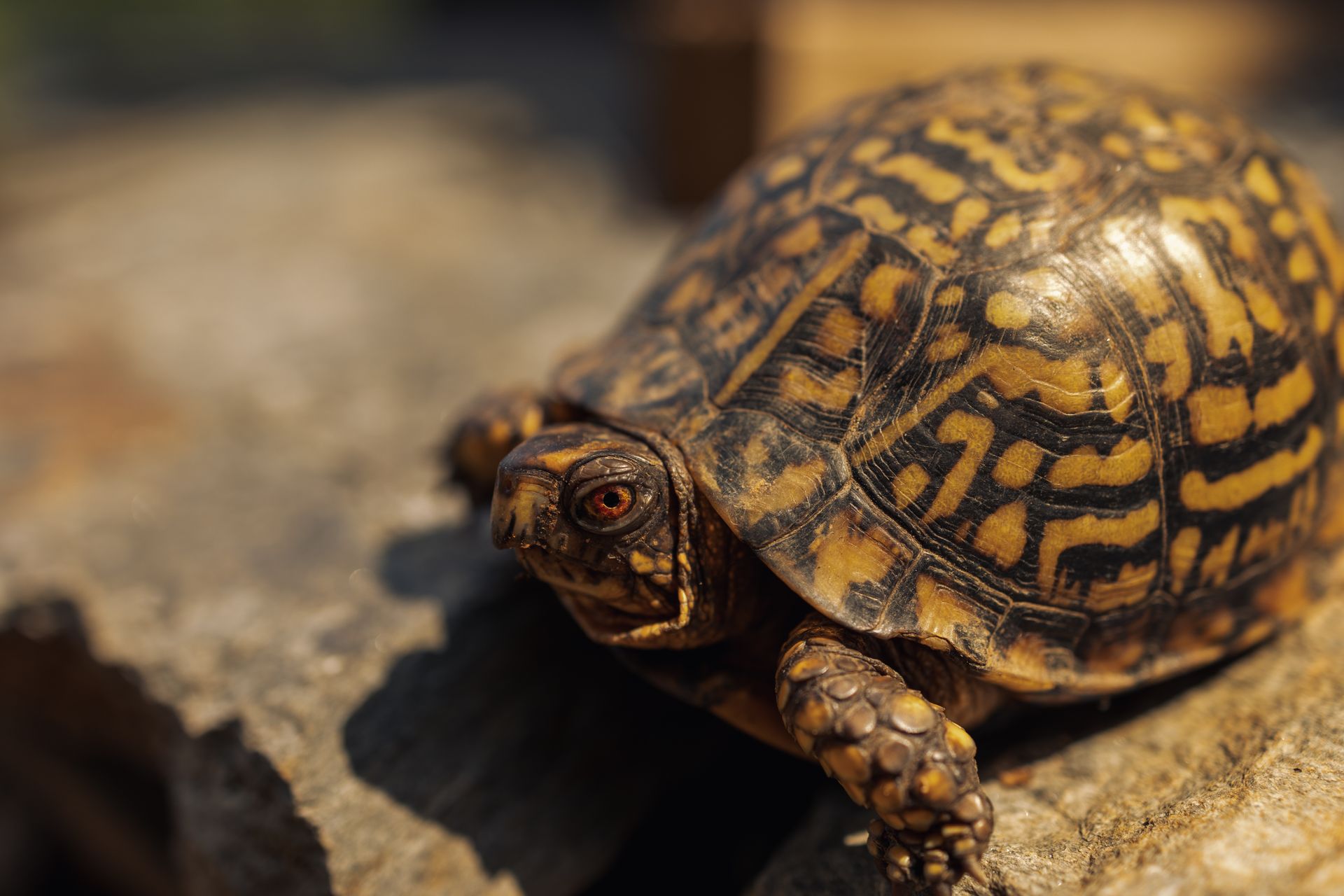
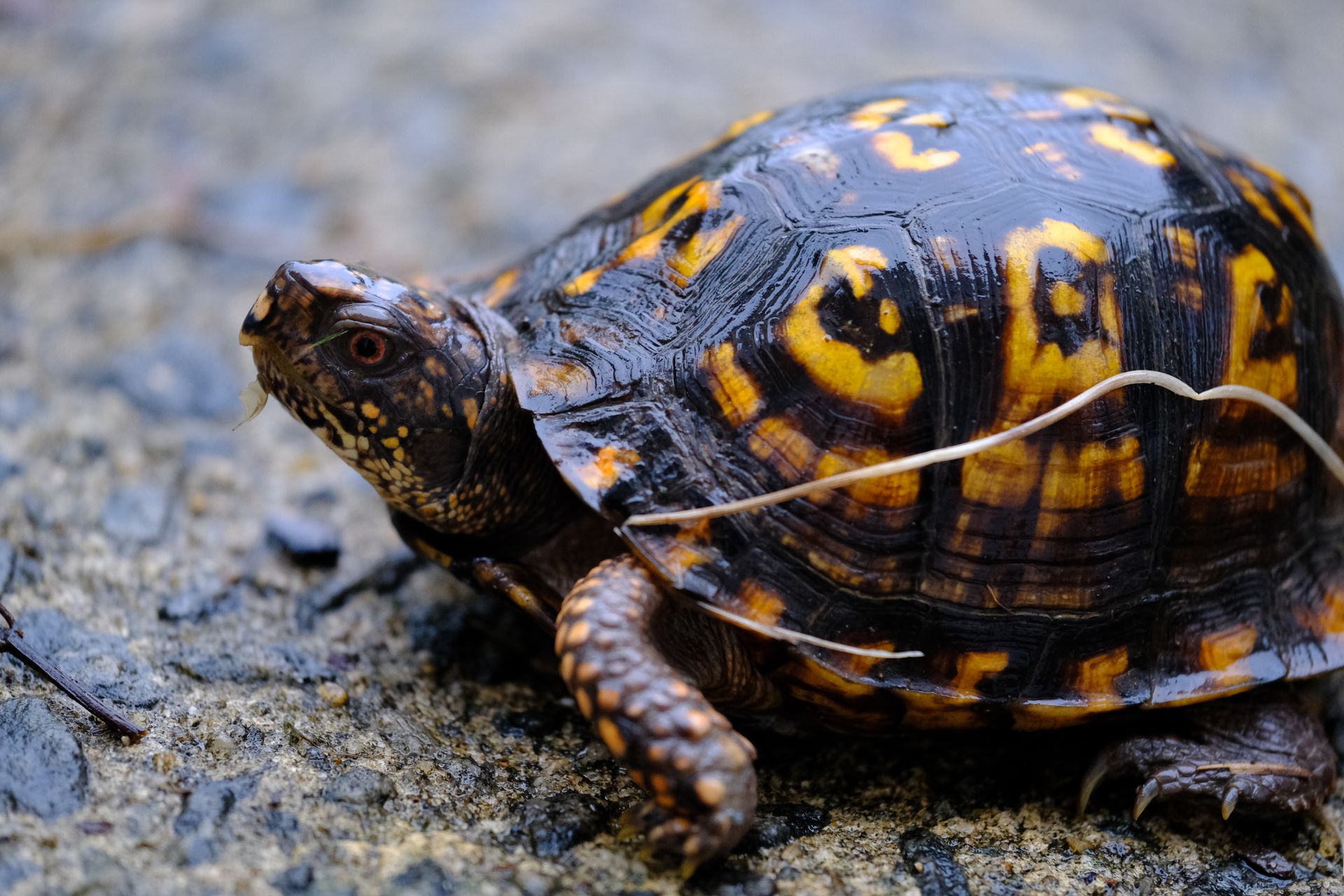
The common box turtle has a unique shell structure, often referred to as a "box" due to its high domed carapace and hinged plastron, which allows it to close its shell safely. The carapace is typically brown with a variable pattern of orange or yellow lines, spots, bars, or blotches.
The common box turtle has a small to moderately sized head and a distinctive hooked upper jaw. Adult males have red irises, while females have yellowish-brown irises. Males also have shorter, stockier claws and longer, thicker tails compared to females.
Here are the five living subspecies of the common box turtle, each with distinct characteristics:
Classification
The common box turtle, also known as Terrapene carolina, has a rich classification history. It was first described by Carl Linnaeus in his 1758 edition of Systema Naturae.
The common box turtle has several subspecies, with the eastern box turtle being the one recognized by Linnaeus. The other four subspecies were classified later in the 19th century.
Here are the five living subspecies of the common box turtle:
One extinct subspecies, the giant box turtle, is also recognized.
Gulf Coast
Gulf Coast box turtles are the largest of the common box turtle group, and tend to have the most pronounced flaring of the rear marginal scutes.
Their skin color is typically a uniform deep black or brown color, broken only by white on the chin and lower jaw.
The black or brown carapace may be marked with faint yellow spots or striations.
Males have longer tails than the females and a definite plastral concavity, but commonly lack the red eye color found in other male box turtles.
Males are very aggressive towards each other, and should be kept apart to avoid the risk of a fatality.
These turtles hail from the very humid south and in captivity spend considerable time in water.
One male I have rarely leaves the pond, where he feeds on trout chow along with my red-eared sliders.
The other male takes an occasional soak, but seems content to remain partially buried in vegetation in the damper areas of his enclosure.
Suggestion: Red Tail Boa Constrictor Snake
Behavior and Temperament
Common box turtles are not typically affectionate pets, but they do show some level of intelligence and can be trained to eat out of your hand.
They are social animals and can be kept in groups, allowing you to observe a variety of behaviors as they interact with each other. They generally prefer consistent surroundings and do not like to be handled, so overhandling can cause anxiety and nipping.
Box turtles can carry salmonella, so it's essential to wash your hands thoroughly after handling them or anything in their habitat. They can also recognize their keepers and may follow their movements or beg for food once they feel comfortable.
If you're considering keeping a box turtle as a pet, it's crucial to understand their complex care needs. They require regular cleaning of their enclosures, which should be done at least weekly, and a daily or every-other-day feeding schedule.
Box turtles are not ideal pets for young children or new owners due to their stress susceptibility, which can affect their health.
Here's an interesting read: Dog Names That Are Not Common
Conservation and Care
The common box turtle is a vulnerable species due to habitat destruction, human fire management, and collection for the pet trade. Its long lifespan and slow reproductive rate make it particularly vulnerable to these threats.
The IUCN Red List classifies the common box turtle as vulnerable, and it's listed on Appendix II of the Convention on International Trade in Endangered Species (CITES), requiring careful monitoring of international trade. In contrast, NatureServe considers it Secure.
Some populations of the common box turtle occur in protected areas, such as the Sierra del Abra Tanchipa Biosphere Reserve in Mexico, which can help safeguard them from development threats.
Broaden your view: Common Snapping Turtle Species
Conservation
The common box turtle is a vulnerable species due to various threats, including habitat destruction from agricultural and urban development, road kills, and collection for the pet trade. Its long lifespan and slow reproductive rate make it particularly vulnerable.
Human fire management is degrading the habitat of the common box turtle, making it harder for the species to survive. This is a major concern for conservation efforts.
Broaden your view: Common Snapping Turtle Habitat
The common box turtle is listed on Appendix II of CITES, which means that international trade in this species should be carefully monitored to ensure it's compatible with the species' survival. This is a crucial step in protecting the species.
In addition to the threats mentioned earlier, the common box turtle is also impacted by the destruction of its habitat due to development. This is a major issue for conservation efforts.
Conservation recommendations for the common box turtle include establishing management practices during urban developments that are sympathetic to this species, as well as further research into its life history and the monitoring of populations.
Here are some key statistics about the common box turtle's conservation status:
Protected areas, such as the Sierra del Abra Tanchipa Biosphere Reserve in Mexico, can provide a safe haven for the common box turtle. However, more research is needed to understand the impact of these protected areas on the species' populations.
Care Level
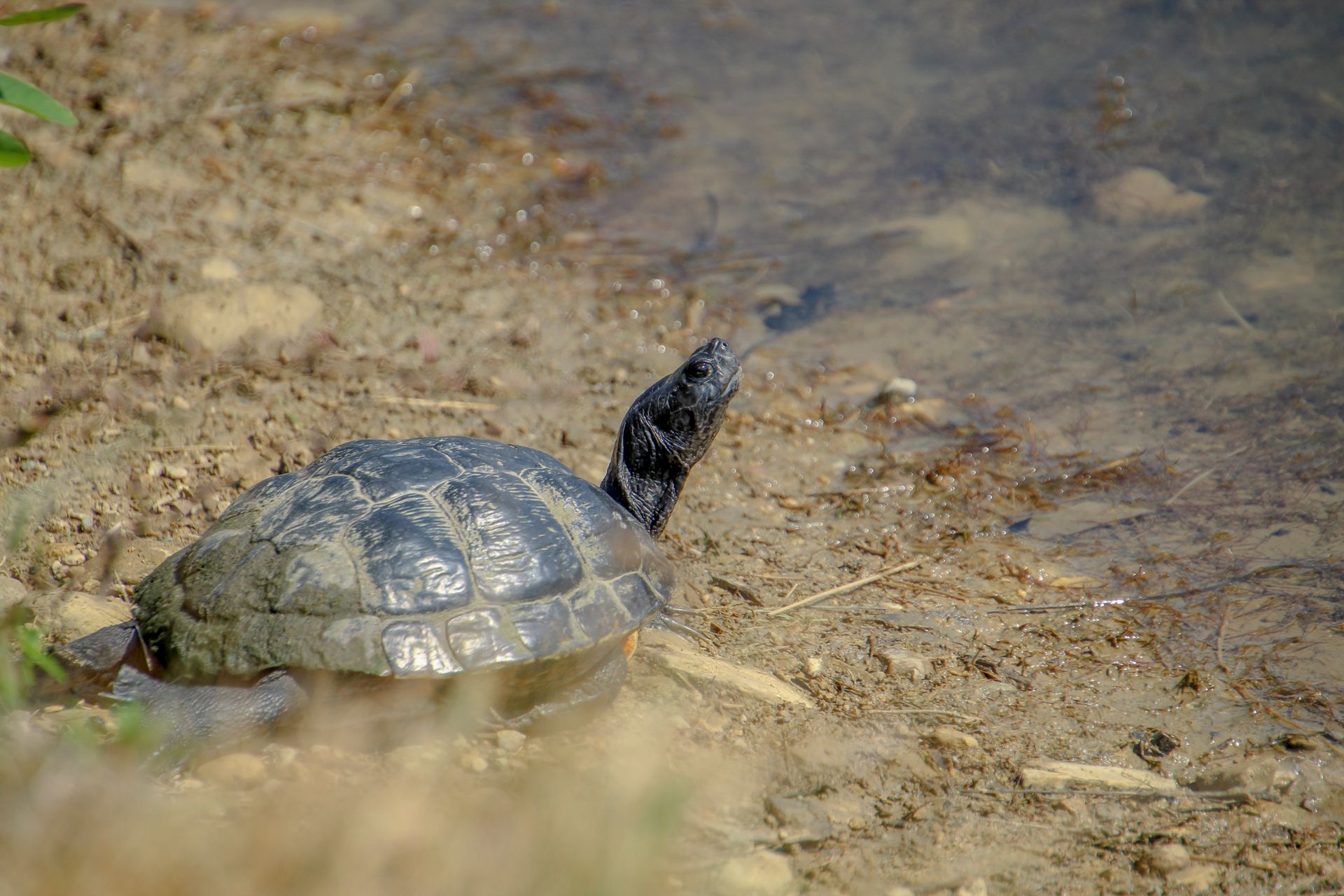
Box turtles require more care than many other turtle species, making them a pet suitable for intermediate reptile/amphibian owners.
Box turtles are quite popular, but they are also one of the most misunderstood pets. They need to be maintained properly to live happy lives in captivity.
Much of the problems with captive box turtles arise in the way they are collected and in the way they are kept before being shipped to pet stores.
A different take: Pet Common Snapping Turtle
Housing Your Pet - Habitat Setup
If you live in an area where temperatures drop below 50 degrees Fahrenheit, it's best to keep your pet box turtle indoors or wait until the temperatures warm up before letting them stay outside.
Outdoor setups need to have a constant temperature between 70 and 85 degrees Fahrenheit during the day, and no cooler than 50 degrees Fahrenheit at night.
For an outdoor enclosure, make sure it measures at least 4 feet by 2 feet for two turtles, and provide shade if your setup doesn't already have it.
Indoor setups are preferred by many box turtle owners, and for a single turtle, use an enclosure that's a minimum of 36 inches long and 12 inches wide.
For two to three pet turtles, the enclosure needs to be at least 48 inches long and 15 inches tall, and if you're using a wood enclosure, make sure it's waterproof.
A good substrate for your box turtle's enclosure is a 2- to 3-inch layer of peat-based potting soil mixed with fine orchid bark, avoiding soggy materials like silica sand or aquarium gravel.
Box turtles do best in a turtle-safe outdoor pen that mimics their natural environment, with walls at least 18 inches tall and an overhang to prevent escape.
If you can't keep your turtle outdoors year-round, try to do so for at least part of the year, as indoor box turtles can be challenging to care for.
United States
In the United States, there are two recognized species groups of box turtles: the common box turtle group (carolina) and the ornate group (ornata).
Box turtles of these groups only occur in North America, which is a unique characteristic of this species.
The name Terrapene, which is used for the genus of box turtles, is derived from a native American (Algonquian) word for turtle.
Check this out: Squirrel Monkey Species Common Characteristics
The
The concept of conservation and care is built around a single, powerful word: "The". This word may seem simple, but it's the foundation of many conservation efforts.
The most well-known example is the "The Nature Conservancy", a global environmental organization that protects ecosystems and preserves natural habitats.
The word "The" is also a crucial part of the phrase "The Endangered Species Act", a law that protects threatened and endangered animals and plants.
The preservation of natural resources is a key aspect of conservation, and "The" is often used to refer to specific resources, such as "The Amazon rainforest" or "The Great Barrier Reef".
The use of "The" in conservation efforts emphasizes the importance of preserving unique and valuable resources for future generations.
Diet and Health
Box turtles need a balanced diet that includes both meat and plant matter. Feed your pet box turtle two types of food during each feeding, one being meat products or live foods, and the other being plant matter.
Acceptable types of meat products include low fat canned dog food, finely cut cooked chicken, and finely cut pieces of beef heart. Dog food should only make up 20 percent of your box turtle's diet, maximum.
Box turtles also enjoy live foods like crickets, mealworms, and earthworms. Plant matter provides valuable minerals and vitamins, so make sure to include a variety of berries, vegetables, and greens in their diet.
Here's a breakdown of what you can feed your box turtle:
- Meat products: low fat canned dog food, finely cut cooked chicken, finely cut beef heart
- Live foods: crickets, mealworms, earthworms, pink mice, small slugs or snails
- Plant matter: berries, red fruit, vegetables and greens, small quantities of other fruits like cantaloupe, peaches, apricots, and apples
If your box turtle refuses to eat, even after offering a variety of foods, they may be entering a hibernation period, which can last a few weeks.
Diet
Box turtles need to be fed every other day, unless they're hibernating. This means you'll need to plan their meals accordingly to ensure they're getting the nutrients they need.
Their diet should consist of two types of food during each feeding: meat products or live foods, and plant matter. This variety will stimulate both their sight and smell, making mealtime more appealing.
Acceptable meat products include low-fat canned dog food, finely cut cooked chicken, and finely cut pieces of beef heart. Dog food should only make up 20 percent of their diet, maximum.
For live food, you can offer live crickets, mealworms, and superworms, as well as earthworms, pink mice, and small slugs or snails. Just remember to cut their food into small pieces to prevent choking.
Plant matter is also essential, providing valuable minerals and vitamins. Box turtles seem to love red and pink fruits, such as berries and red fruit. They'll also enjoy vegetables and greens like thawed frozen broccoli, tomatoes, and cauliflower.
Remember to offer a variety of foods to keep mealtime interesting. If your turtle is a picky eater, don't worry – they just need a change of pace.
Related reading: Small Dog
Health
Box turtles are prone to various health issues, including metabolic bone disease, respiratory infections, and parasitic infections. These conditions can be caused by factors such as insufficient UVB exposure, low temperatures, and poor nutrition.
Metabolic bone disease is a painful condition that can lead to weakened bones and even death. It's essential to provide your box turtle with a balanced diet and adequate UVB lighting to prevent this condition.
Respiratory infections are common among box turtles, especially if they're not kept in a humid environment. Symptoms include wheezing, mucus around the mouth and nose, lethargy, and a lack of appetite. If your turtle experiences frequent respiratory infections, it may be a sign of vitamin A deficiency.
Parasitic infections are also a concern for box turtles, particularly those that are not captive-bred. These infections can be diagnosed by a veterinarian who specializes in reptiles.
Shell rot is another health issue that can affect box turtles. This painful condition is caused by a bacterial or fungal infection and can be treated by a veterinarian.
To keep your box turtle healthy, it's essential to provide a balanced diet that includes a variety of foods. Box turtles should be fed every other day, as long as they're not hibernating. They like to be nice and warm before they eat, so make sure your vivarium or enclosure's lights have been turned on for at least a couple of hours before offering food.
A different take: African Sideneck Turtle Diet
Here are some acceptable types of food for box turtles:
- Low fat canned dog food (should only make up 20% of their diet)
- Finely cut cooked chicken and beef heart
- Live foods such as crickets, mealworms, and earthworms
- Plant matter such as berries, vegetables, and fruits
Remember to always cut your box turtle's food into small pieces and provide a variety of foods to keep them interested. If your turtle still refuses to eat, they may be entering a hibernation period.
Size and Lifespan
Box turtles are relatively small creatures, with Eastern box turtles growing to an adult size between 4.5 and 6 inches.
The largest recorded Eastern box turtle measured an impressive 7 13/16 inches. Three-toed box turtles reach a similar size, with some individuals growing up to 6.5 inches in length.
Gulf Coast box turtles are slightly larger, with a recorded maximum size of 8 ½ inches. Ornate box turtles, on the other hand, are the smallest variety, typically growing to just 4 or 5 inches in length.
Box turtles can live for decades with proper care, but their lifespan varies depending on the species. A captive-bred and raised common box turtle can have a potential lifespan between 30-40 years.
The record lifespan for a captive-born Florida box turtle was more than twenty-two years, while eastern and three-toed box turtles can live for over twenty-six years.
Here's an interesting read: African Sideneck Turtle Lifespan
Size
Box turtles grow surprisingly fast, reaching their adult size in about five to six years. They start small, about the size of a quarter, and can grow up to 7 13/16 inches in length.
The average adult size of Eastern box turtles is between 4.5 and 6 inches. Three-toed box turtles also reach a similar size, between 4.5 and 6 inches.
Gulf Coast box turtles tend to be a bit larger, growing to between 5 and 7 inches. In fact, the largest recorded Gulf Coast box turtle was 8 ½ inches in size.
Ornate box turtles are the smallest of the four varieties, with hatchlings measuring just an inch and adults growing to 4 or 5 inches in length. Female ornate box turtles often grow larger than their male counterparts.
Here's an interesting read: Adult California Kingsnake
Lifespan
Box turtles are known to live a long life, with some species outliving others. The record lifespan for a captive-born Florida box turtle is more than twenty-two years.
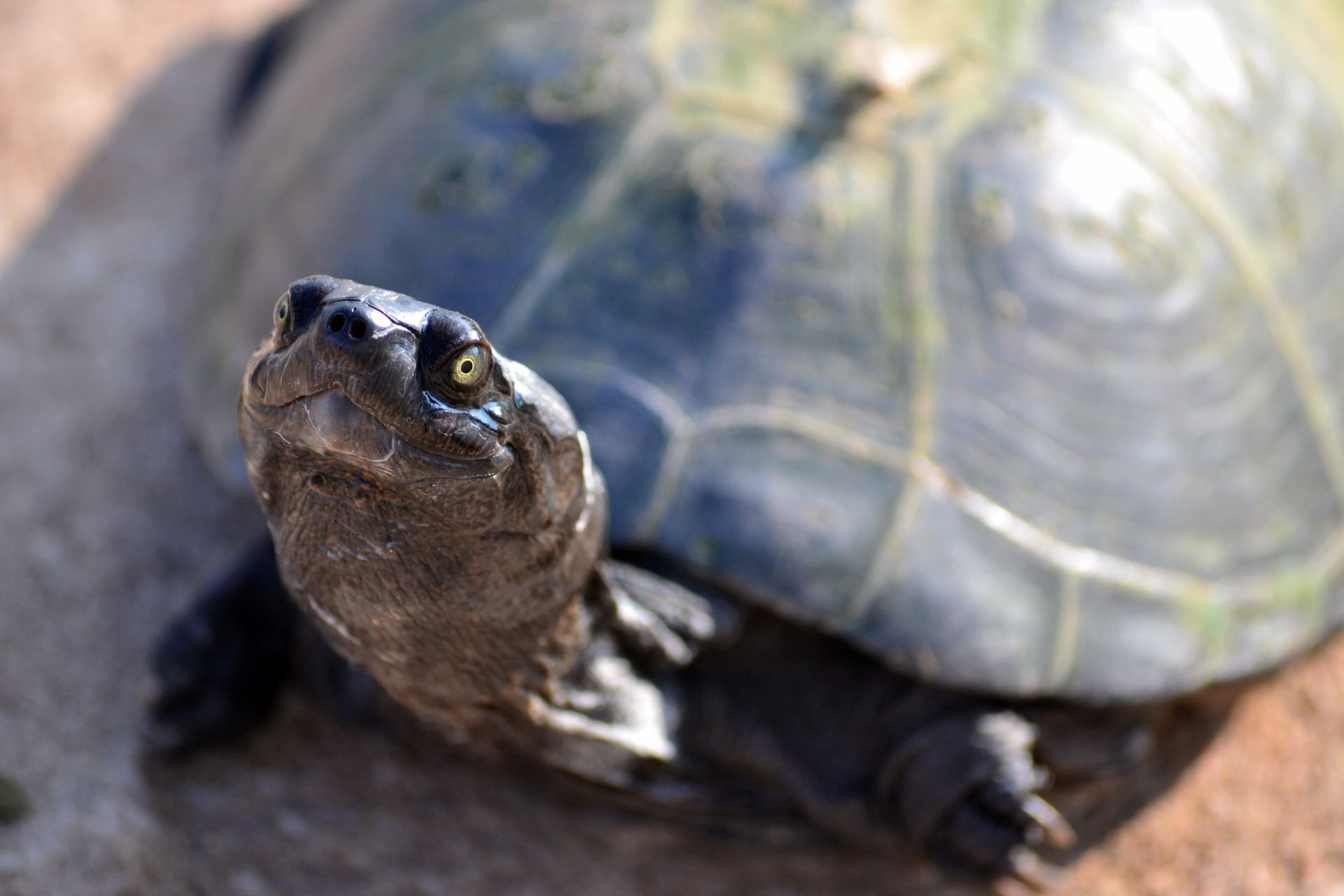
Proper care and conditions can greatly impact a box turtle's lifespan, with some individuals living up to 40 years. Ornate box turtles, however, rarely live for more than seven years.
A captive-bred and raised common box turtle can have a potential lifespan between 30-40 years. There have even been reports of individual specimens living to be older than 100, although these are not confirmed.
Curious to learn more? Check out: Florida Softshell Turtle Lifespan
Appearance and Handling
Box turtles have a unique appearance that earns them their nickname. Their shells are domed and hinged at the bottom, allowing them to hide and seal out predators.
Their shells are made up of three parts: the carapace, plastron, and scutes. The scutes are the horny plates that make up the surface of a turtle's shell.
Box turtles also have hooked upper jaws and varied colorings and patterns that can spread to their body. Their shells can take on brilliant oranges, reds, and yellows.
Box turtles don't like being handled and do best with limited to no contact. They may learn to come to their owners when presented with food, but it's best to let them be.
To avoid infection with salmonella bacteria, it's essential to practice proper hand washing after touching your turtle, its environment, or any of its furnishings. This is especially important in homes with children, elderly, or people with compromised immune systems.
Suggestion: Best Breed of Turtle for a Pet
Appearance
Box turtles have a unique appearance that allows them to pull their head, legs, and arms completely inside their shells, giving them a boxy appearance.
Their shells are made up of three parts: the carapace (the upper part of the shell), the plastron (the lower part of the shell), and the scutes (the horny plates making up the surface of a turtle's shell).
Box turtles have hooked upper jaws that help them grasp food.
Their shells are domed and hinged at the bottom, which allows them to hide and seal out predators.
Box turtles are extremely varied in appearance, with their colorings and patterns varying depending on where they come from.
Their shells can take on brilliant oranges, reds, and yellows, with patterns that spread to the animal's body.
Here's an interesting read: Common Snapping Turtle Shell
Handling Your

Box turtles are not fond of being handled, so it's best to limit contact to a minimum. They may learn to come to their owners when presented with food, but it's essential to respect their boundaries.
Box turtles can be great display animals, and with patience, they may even learn to eat from your hand.
To avoid the risk of salmonella infection, it's crucial to practice proper hand washing after touching your turtle, its environment, or any of its furnishings, such as feeding dishes or hiding shelters.
This is especially important in homes with children, elderly, or people with compromised immune systems, like those undergoing cancer treatment.
Popular Varieties and Species
There are four subspecies of the common box turtle that are available to buy at pet stores. The Eastern box turtle (Terrapene Carolina carolina) and the Three-toed box turtle (T. c. triunguis) are two of the most popular varieties.
You can also consider the Ornate box turtle, which is known for its unique appearance. The Gulf Coast box turtle (T. c. major) is another subspecies that's worth looking into.
Here are some of the popular varieties of box turtles:
- Eastern box turtle (Terrapene Carolina carolina)
- Three-toed box turtle (T. c. triunguis)
- Ornate box turtle
- Gulf Coast box turtle (T. c. major)
Popular Varieties
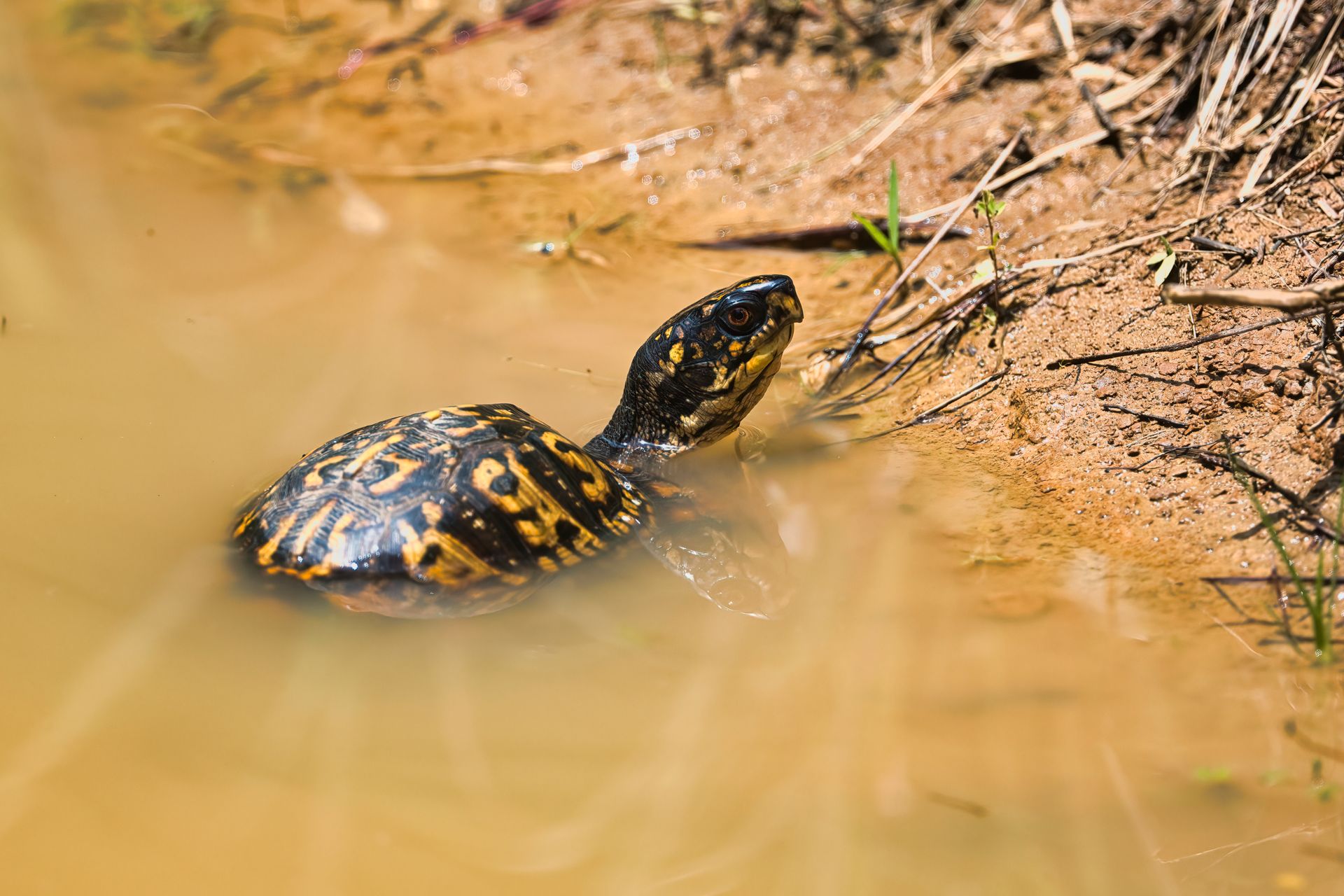
The world of box turtles is fascinating, and there are several popular varieties to choose from. The Eastern box turtle, Three-toed box turtle, Gulf Coast box turtle, and Ornate box turtle are all available at pet stores.
These varieties are all subspecies of the common box turtle, but they have some unique characteristics. The Eastern box turtle is one of the most common varieties found in the pet trade.
If you're new to box turtles, it's worth noting that they have different eating habits depending on their age. Young box turtles eat daily, while older ones eat every two to three days.
Here are some popular varieties of box turtles:
- Eastern box turtle
- Three-toed box turtle
- Gulf Coast box turtle
- Ornate box turtle
Florida T. bauri
Florida T. bauri are a protected species, so they're not often seen in California. Their carapace features white or yellow radiating lines.
They have two narrow stripes on their head, a narrower and more elongate body shape, and a very domed carapace. A dorsal keel or ridge runs along the carapace above the spine.
One distinctive feature of Florida T. bauri is their plastron, which tends to be relatively plain. They also have only three toes on their hind feet.
Young Florida T. bauri tend to have more carnivorous habits, which may reflect their preference for meat. However, as they grow, their diet may change.
History and Key Takeaways
Box turtles have a long history, and their popularity as pets has changed significantly over the past few decades.
They can be found in Mexico and across a wide area of the United States, including the eastern, central, and southwestern regions.
The commercial pet trade has led to thousands of box turtles being caught and sold each year, often in a stressed, diseased, or dehydrated state.
Many turtle enthusiasts worry that if the current trend continues, box turtles may eventually gain protected status and become harder to find in pet stores.
History
Box turtles have a rich history, and their popularity as pets has varied over the years. Twenty to thirty years ago, they weren't as common in the pet trade.
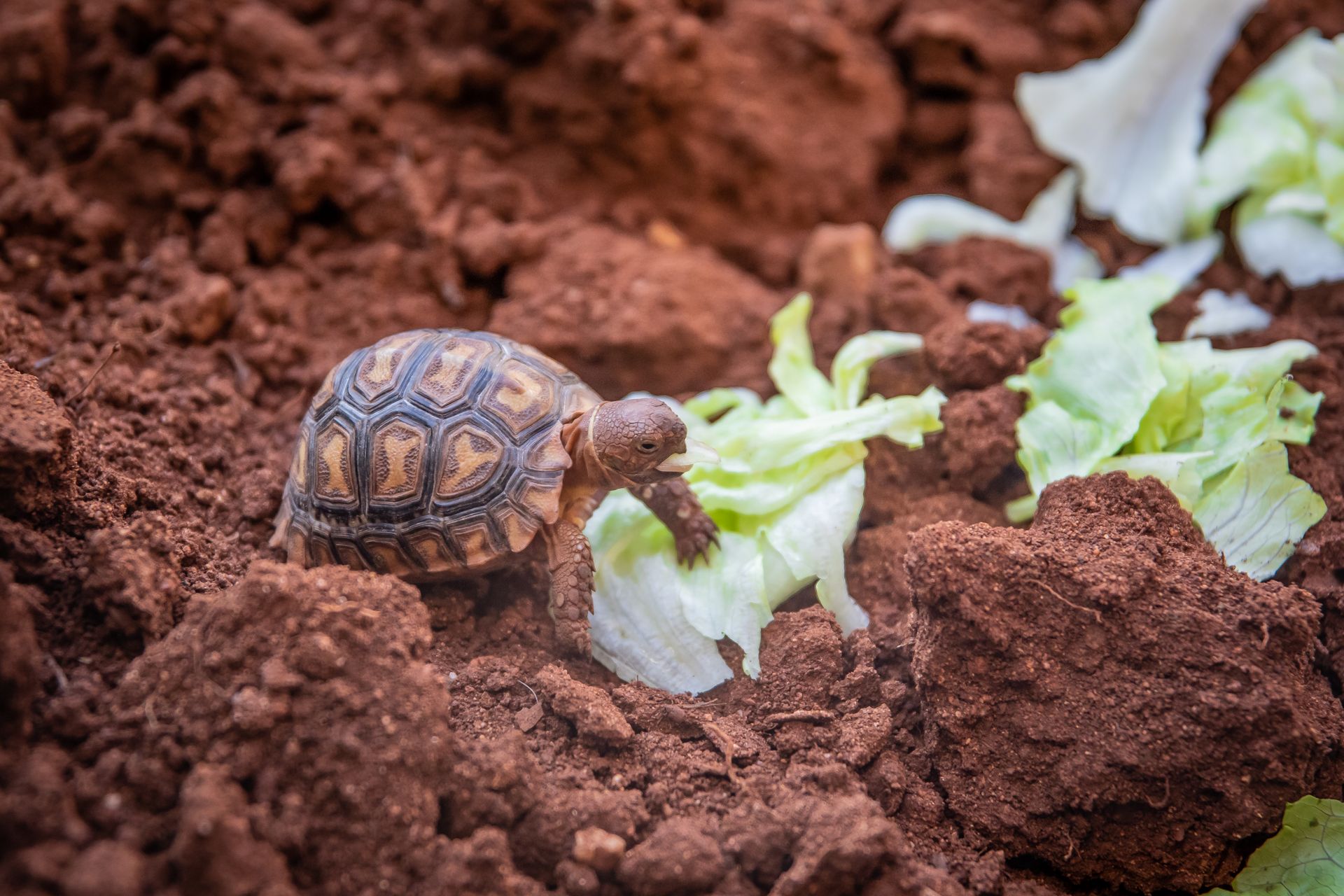
In the United States, box turtles can be found in the eastern, central, and southwestern regions, as well as in Mexico. They're extremely widespread, which has contributed to their popularity as pets.
Box turtles were once considered a rare find, but today, commercial trappers catch and sell them by the thousands. This surge in demand has led to concerns about the turtles' welfare.
Key Takeaways
Box turtles are a long-term commitment, living for several decades, and require a complex environment to thrive.
To create the right environment, you'll need to provide specific temperature, humidity, and UVB lighting conditions. This can be a challenge, especially for young children or first-time pet owners.
Obtaining a captive-bred box turtle from a reputable source is crucial to avoid health issues and support conservation efforts.
Here are some key facts to keep in mind:
- Some box turtles prefer more humid enclosures, while others require higher temperatures.
- One species even prefers slightly salty (brackish) water to fresh water.
The common box turtle, native to North America, has a high-domed brown shell with yellow or orange patterns.
Frequently Asked Questions
What is the difference between a common box turtle and an eastern box turtle?
The eastern box turtle can be distinguished from the common box turtle by its unique orange and yellow markings on a dark brown shell, as well as its four toes on the hind feet. This distinctive appearance sets the eastern box turtle apart from its common counterpart.
Featured Images: pexels.com