The Vietnamese Mossy Frog is a unique and fascinating pet that requires careful attention to its specific needs.
This species of frog is native to Vietnam and is known for its distinctive moss-like appearance.
To keep your Vietnamese Mossy Frog happy and healthy, it's essential to provide it with a suitable enclosure, which should be well-ventilated and maintained at a temperature range of 75-85°F (24-29°C).
A 10-20 gallon aquarium is a good size for a single adult frog, and the enclosure should be equipped with a heat source, such as a heat lamp or ceramic heat emitter, to maintain the desired temperature.
The Vietnamese Mossy Frog is an aquatic species that requires access to water for swimming and soaking, so a shallow water dish and a spray bottle for misting the enclosure are necessary.
Physical Description
The Vietnamese mossy frog is a master of disguise, resembling a clump of moss thanks to its green color, black spots, and visible tubercules and spines. Its ability to blend in is impressive, making it almost impossible to spot when sitting still.
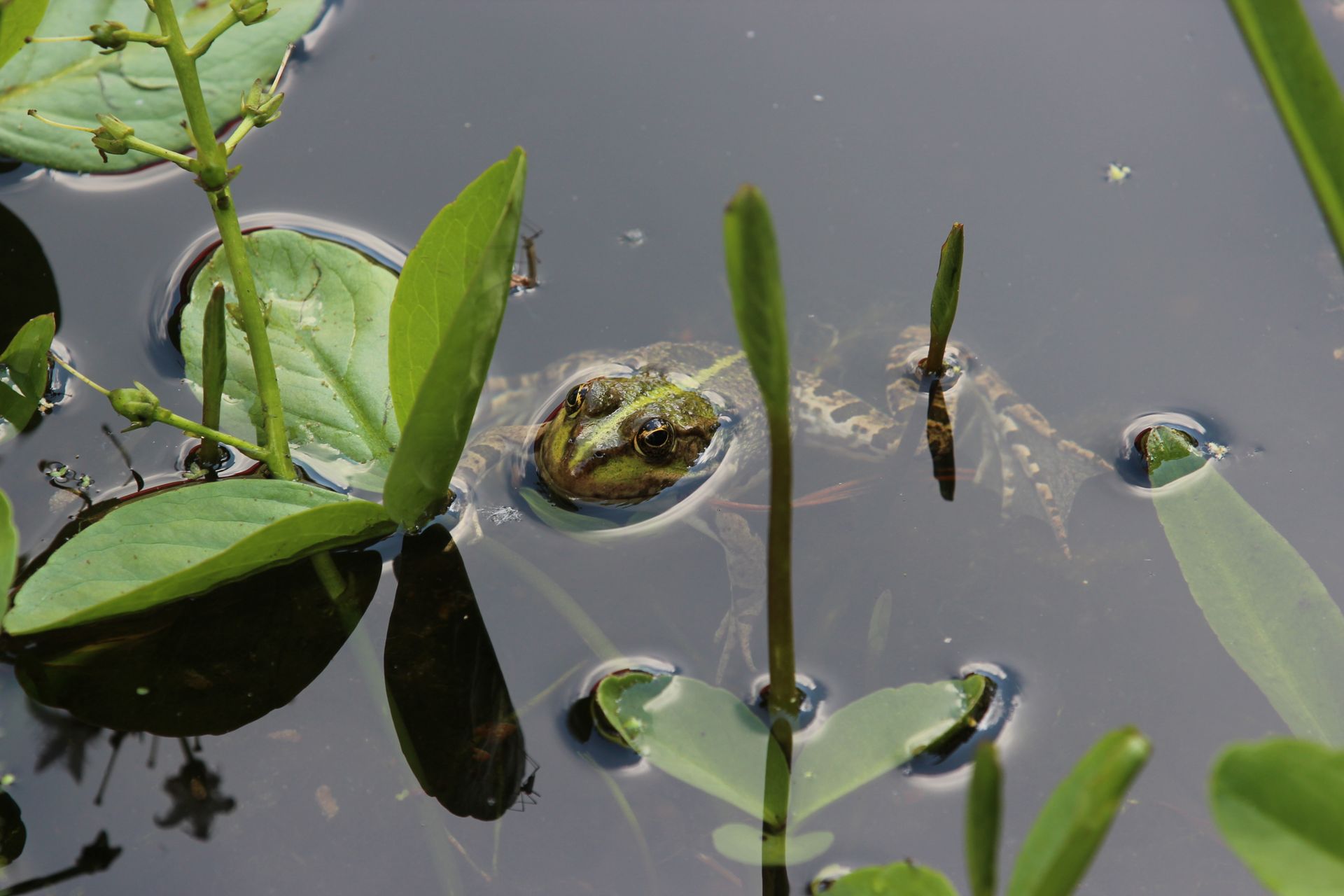
These tree frogs have a unique way of hiding in basins of water found in crevices, with only their eyes protruding to keep watch. Their eyes are relatively large in size and protruding, with horizontal pupils.
The Vietnamese mossy frog has adhesive toe pads, which enable it to jump and climb. Males have a pronounced breeding callus on the base of their inside finger.
Here's a breakdown of the species' physical characteristics:
- Body length: 2.5 – 3 in (6 – 8 cm)
- Females are generally larger, while males are smaller
- Stocky body form with short limbs
- Dense covering of bumpy, warty projections on the skin
- Coloring: moderately mottled mixture of dark green, black, and brown, with occasional reddish or pinkish hues
- Expanded toe pads on the feet
Size and Habitat
The Vietnamese mossy frog is a semi-aquatic species that thrives in specific environments. It's found in northern Vietnam, particularly in limestone cliffs and evergreen rainforests.
These frogs spend most of their time hiding in water under rocks and floating plants, and will also attach themselves to rock crevices, making them appear like moss. They require a nearby source of water and have a strong preference for mountain streams at elevations of 2,300 to 3,280 feet.
In the wild, the Vietnamese mossy frog is nocturnal and mainly inhabits humid, high-altitude forests, typically above 800 meters.
Size
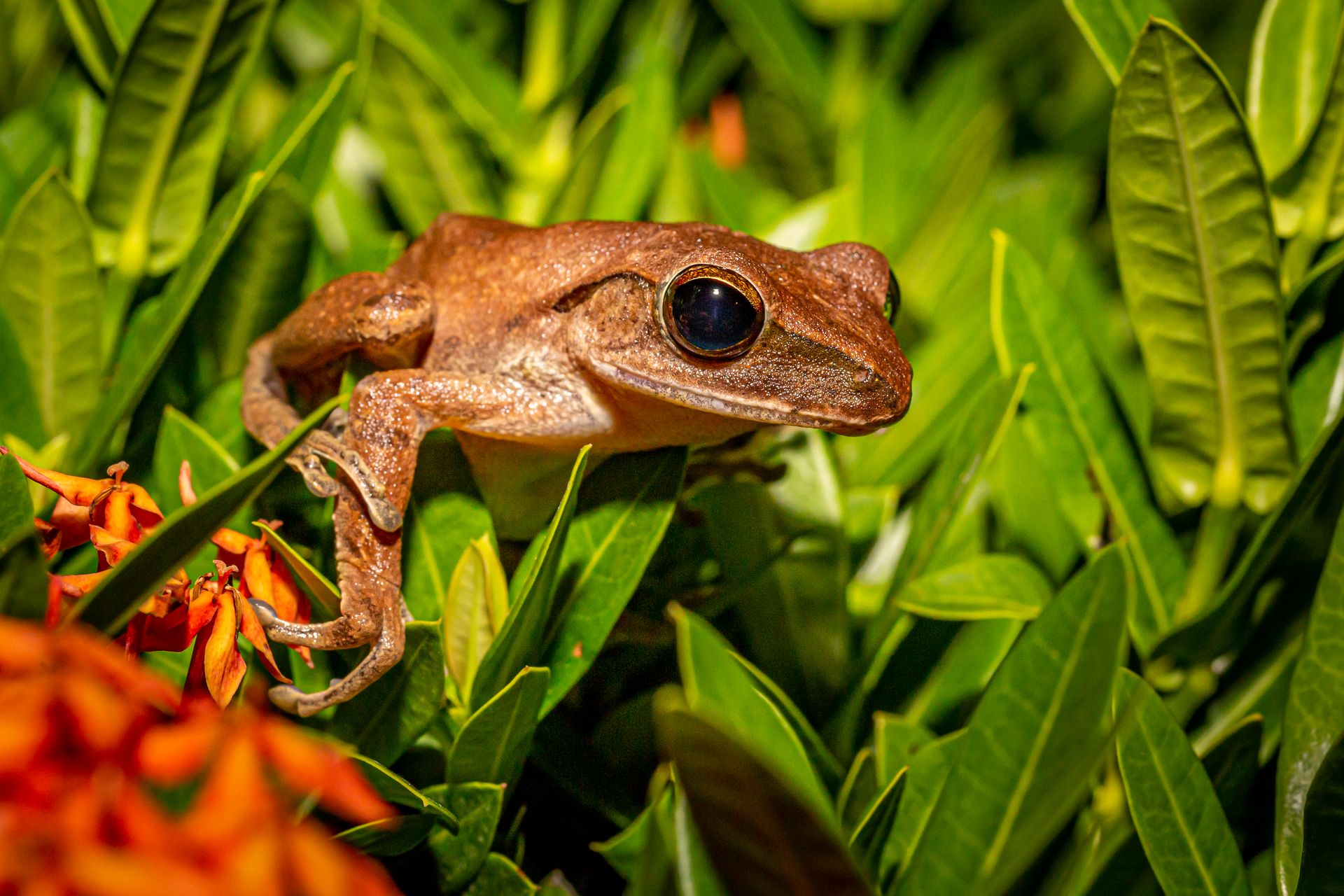
The Vietnamese mossy frog is a relatively small creature, growing up to 3.5 inches in length. This size range is between 7 to 8 centimeters. Males tend to be smaller and thinner than females.
Distribution, Habitat, Ecology
The Vietnamese mossy frog is a semi-aquatic species that spends much of its time hiding in water under rocks and floating plants.
It's found in flooded caves and on the banks of rocky mountain streams at elevations of 2,300 to 3,280 feet.
This species requires a nearby source of water, which is a crucial part of its habitat needs.
The Vietnamese mossy frog has been seen on the banks of mountain streams situated at elevations of approximately 3,000 ft, or in flooded caves.
Unconfirmed reports also exist of small populations in other surrounding regions, including the province of Hainan in China, and possibly Laos.
The breeding patterns of the Vietnamese mossy frog are quite specific, mainly taking place in partially flooded rock cavities.
The female typically lays a clutch of 8 – 10 eggs, placed just above the water, which generally hatch over a period of 7 – 14 days.
After hatching, the numerous newborns instinctively quickly drop into the water waiting below them.
The ensuing metamorphosis from a tadpole into a fully mature frog typically requires around 3 months.
The exact lifespan of the frog in the wild is unknown, but estimates place it at 10 years.
Take a look at this: Titicaca Water Frog
Conservation and Care
The Vietnamese government protects Vietnamese mossy frogs, but their habitat is threatened by development and clear-cutting.
Their demand in the international pet trade is also a major concern.
To help mitigate these threats, it's essential to support conservation efforts that safeguard their habitat and prevent over-collection.
You might like: Southern Leopard Frog Habitat
Conservation Efforts
The Vietnamese government protects Vietnamese mossy frogs, but their habitat is threatened by development and clear-cutting and they are in demand in the international pet trade. This shows that conservation efforts are often hindered by human activities.
Their habitat is threatened by development and clear-cutting, which can lead to the destruction of their natural environment.
The international pet trade is also a significant threat to these frogs, as they are in high demand by collectors.
This highlights the importance of addressing the root causes of species decline, rather than just treating the symptoms.
Keeping Theloderma corticale
Keeping Theloderma corticale requires a specific temperature range, between 22-25°C (72-77°F), to thrive in captivity.
This species is native to the tropical forests of Southeast Asia, where the humidity is consistently high.
Maintaining a humidity level of 70-90% in the enclosure is crucial to replicate the frog's natural environment.
Theloderma corticale is a nocturnal species, so it's best to keep the enclosure dark during the day and only provide low-wattage lighting at night.
A diet rich in live insects, such as crickets and mealworms, is essential for the frog's survival.
In the wild, Theloderma corticale is known to feed on a variety of insects and small invertebrates.
A shallow water dish should be provided to allow the frog to soak and regulate its body temperature.
The enclosure should be well-ventilated to prevent the buildup of ammonia from the frog's waste.
Reptile Care
Reptiles need a proper enclosure that mimics their natural habitat, with adequate ventilation and a temperature range that suits their species.
The temperature range for most reptiles is between 75°F and 90°F, with a slight drop in temperature at night.
Providing a shallow water dish for drinking is essential, as reptiles need to stay hydrated.
Some reptiles, like turtles, also require a basking area with a heat lamp or a UVB light to regulate their calcium levels.
Reptiles have specific lighting requirements, with some needing a photoperiod of 10-12 hours of light and 12-14 hours of darkness.
A substrate, like reptile carpet or paper towels, should be used to line the enclosure, as it's easier to clean than a sand or gravel substrate.
Regular cleaning of the enclosure is crucial to maintain the health and well-being of your reptile.
A reptile's diet consists of a variety of foods, including insects, fruits, and vegetables, depending on the species.
Some reptiles, like bearded dragons, require a diet rich in calcium and vitamin D3 to maintain strong bones.
It's essential to research the specific dietary needs of your reptile to ensure you're providing the right foods.
Enclosures and Equipment
When creating an enclosure for your Vietnamese Mossy Frog, consider a setup that mimics their natural rainforest habitat. This means providing a humid environment with plenty of vertical space for climbing.
A large, escape-proof enclosure is a must, as these frogs are skilled climbers and can easily jump out of small spaces. The enclosure should be at least 2x3x4 feet in size to accommodate their arboreal lifestyle.
To replicate their rainforest habitat, add plenty of branches and plants to create a dense, mossy environment. This will allow your frog to climb and hide among the foliage, just like in the wild.
A heat source is also necessary, as Vietnamese Mossy Frogs are ectothermic and regulate their body temperature using external sources. A temperature gradient of 75-85°F (24-29°C) will help your frog thrive.
To maintain humidity levels, you can use a misting system or spray the enclosure with water daily. This will help keep the environment humid, just like in the rainforests of northern Vietnam.
A shallow water dish is necessary for drinking and soaking, but make sure it's not too deep, as these frogs are not strong swimmers.
Facts
The Vietnamese Mossy Frog is a remarkable amphibian that goes by several names, including the distinctive mossy frog and Tonkin bug-eyed frog. It's also known as Theloderma corticale, a technical designation that's a mouthful for non-scientists.
This frog was first officially recognized as a separate species by George Albert Boulenger in 1903. He's a highly respected Belgian-British zoologist who made some significant contributions to the field of zoology.
The Vietnamese Mossy Frog has a limited range, but its population seems to be stable for now. However, this situation can change, and the IUCN currently lists it as Least Concern on the Red List of Threatened Species.
The main threats to this frog's existence are loss of habitat due to deforestation, the international pet trade, and climate change. These threats can have a significant impact on the frog's population and its ability to survive.
Here are some key facts about the Vietnamese Mossy Frog:
- The Vietnamese Mossy Frog is also known as the mossy frog and Tonkin bug-eyed frog.
- Its scientific name is Theloderma corticale.
- It was first recognized as a separate species in 1903 by George Albert Boulenger.
- The IUCN currently lists it as Least Concern on the Red List of Threatened Species.
- The main threats to its existence are loss of habitat, the international pet trade, and climate change.
What Is the Vietnamese Mossy Frog?
This frog is native to Vietnam and is typically found in the country's central highlands.
The Vietnamese Mossy Frog has a distinctive appearance, with a brown or grayish-brown back and a pale yellow or white belly.
The Search for Wild
The Search for Wild Vietnamese Mossy Frogs is not for the faint of heart. It requires trekking through streams and rocky paths, some of which are so deep that even waterproof boots can't keep the water out.
Proper documentation is a must for entering national parks in Vietnam at night, as many parks straddle borders with neighboring countries. This includes obtaining a special permit.
The best chance for spotting wildlife, including the elusive Vietnamese mossy frog, is during the rainy season.
On a similar theme: Vietnamese Mossy Frog Care
Frequently Asked Questions
Are Vietnamese Mossy Frogs endangered?
Vietnamese Mossy Frogs are at risk, with 5 out of 24 species listed as threatened on the IUCN Red List, including 3 as Endangered and 2 as Vulnerable
Featured Images: pexels.com