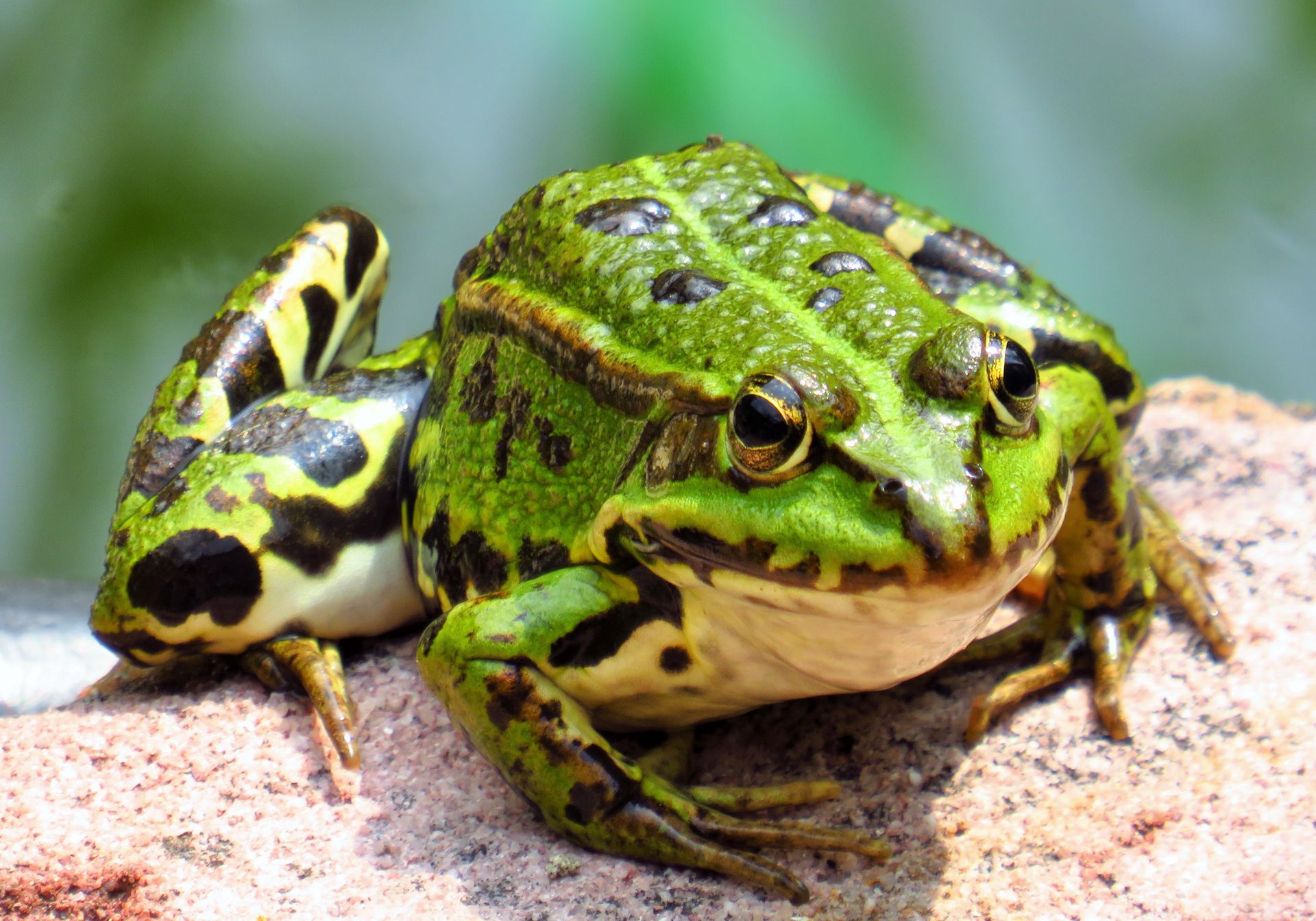
Frogs in China are incredibly diverse, with over 250 species found throughout the country.
The Chinese giant salamander, found in the Yangtze River Valley, is one of the largest amphibians in the world. It can grow up to 2 feet in length and weigh up to 15 pounds.
The majority of China's frog species are found in the southern provinces, where the climate is warm and humid. This is due to the region's extensive network of wetlands and waterways.
Frogs in China
China is home to a vast array of frog species, with many found only in the country. One notable group is the True Frogs (Ranidae), which includes over 20 species such as the Amolops ricketti and Amolops torrentis.
The True Frogs can be found in various parts of China, including the provinces of Sichuan, Yunnan, and Guangdong. They inhabit a range of environments, from mountainous regions to low-lying areas near water.
Some of the most common True Frogs in China include the Amolops monticola and the Babina adenopleura. These frogs are known for their distinctive calls and vibrant coloration.
Tree frogs are another type of frog found in China, and they are known for their arboreal habits. Species such as the Hylarana latouchii and Hylarana macrodactyla are common in the country's forests and woodlands.
Here's a list of some of the most notable Tree Frog species found in China:
- Annam tree frog
- Hylarana latouchii
- Hylarana macrodactyla
- Hylarana taipehensis
- Japanese tree frog
- Chinese flying frog
These species are just a few examples of the many frogs that can be found in China. The country's diverse geography and climate support a wide range of frog life, making it a fascinating destination for frog enthusiasts and scientists alike.
Toads in China
Toads in China are a fascinating group of amphibians. The Ailao toad is one of the many species found in China.
The Asiatic toad is another species that calls China home. It's worth noting that there are several species of true toads (Bufo) found in China, including Bufo cryptotympanicus and Bufo pageoti.
Some of these species are quite unique, like the Bufo wolongensis, which is only found in the Wolong Nature Reserve in Sichuan.
True Toads (Bufo)
True Toads (Bufo) can be found in various parts of China. The Ailao toad is one of the species that inhabit this region.
The Asiatic toad is another species that calls China home. Bufo cryptotympanicus and Bufo pageoti are also part of the True Toads (Bufo) family.
Bufo tuberculatus is a species that is native to China. The Korean water toad is another species that can be found in China.
Here's a list of some of the True Toads (Bufo) species found in China:
- Ailao toad
- Asiatic toad
- Bufo cryptotympanicus
- Bufo pageoti
- Bufo tuberculatus
- Korean water toad
- Pseudepidalea pewzowi
Horned Toads (Xenophrys)
Horned Toads (Xenophrys) are a fascinating group of toads found in China. They belong to the genus Xenophrys.
Some species of horned toads are quite specific to certain regions, like the Convex-tailed horned toad and the Convex-vented horned toad.
These toads are known by many different names, such as Boettger's horned toad, Glandular horned toad, and Omei horned toad.
There are many different species of horned toads in China, including the Great piebald horned toad and the Jingdong horned toad.
Check this out: Argentine Horned Frog
Some species are only found in very specific locations, like the Mount Dawei horned toad and the Xenophrys daweimontis, which is only found in the Daweishan Nature Reserve in Hunan.
Here's a list of some of the different species of horned toads found in China:
- Convex-tailed horned toad
- Convex-vented horned toad
- Great piebald horned toad
- Jingdong horned toad
- Kuatun horned toad
- Mangshan horned toad
- Medog horned toad
- Mount Dawei horned toad
- Nankiang horned toad
- Boettger's horned toad
- Glandular horned toad
- Omei horned toad
- Xenophrys daweimontis
- Spiny-fingered horned toad
- Wuliangshan horned toad
- Wushan horned toad
- Zhang's horned toad
Specific Species
The Leishan Odorous frog is a new species discovered in China, specifically in the Leigongshan National Nature Reserve in Guizhou Province. It's known to occur in mountain forest areas with bamboo and streams nearby, at elevations between 1,600 and 1,900 meters.
The Leishan Odorous frog is part of the genus Odorrana, which includes 65 species, 42 of which are found in China. The females are slightly larger than the males, and the males don't possess vocal sacs, but have glandular nuptial pads on their fingers during breeding season.
Here are some other species of frogs found in China:
- Odorrana andersonii
- Odorrana anlungensis
- Odorrana schmackeri
- Rana amurensis
- Rana chensinensis
True Frogs (Ranidae)
True Frogs (Ranidae) are a diverse group of amphibians found in China. They are characterized by their webbed feet and are often found near water.
Some species of True Frogs include Amolops aniqiaoensis, Amolops bellulus, and Amolops chunganensis. These species are found in various regions of China and are known for their unique characteristics.
Amolops aniqiaoensis is a species of True Frog found in the Anqi County of Guangdong Province. It is a relatively small species, reaching a length of approximately 5-7 centimeters.
Other notable species include Amolops gerbillus and Amolops granulosus. Both of these species are found in the mountainous regions of China and are known for their distinctive markings.
Here is a list of some of the species mentioned in the article:
- Amolops aniqiaoensis
- Amolops bellulus
- Amolops chunganensis
- Amolops gerbillus
- Amolops granulosus
These species are just a few examples of the many fascinating species of True Frogs found in China. Each one has its unique characteristics and habits, making them a fascinating subject of study.
Zhenhai Brown Frog
The Zhenhai Brown Frog is a common species found in Southeast China, specifically in tropical and subtropical habitats.
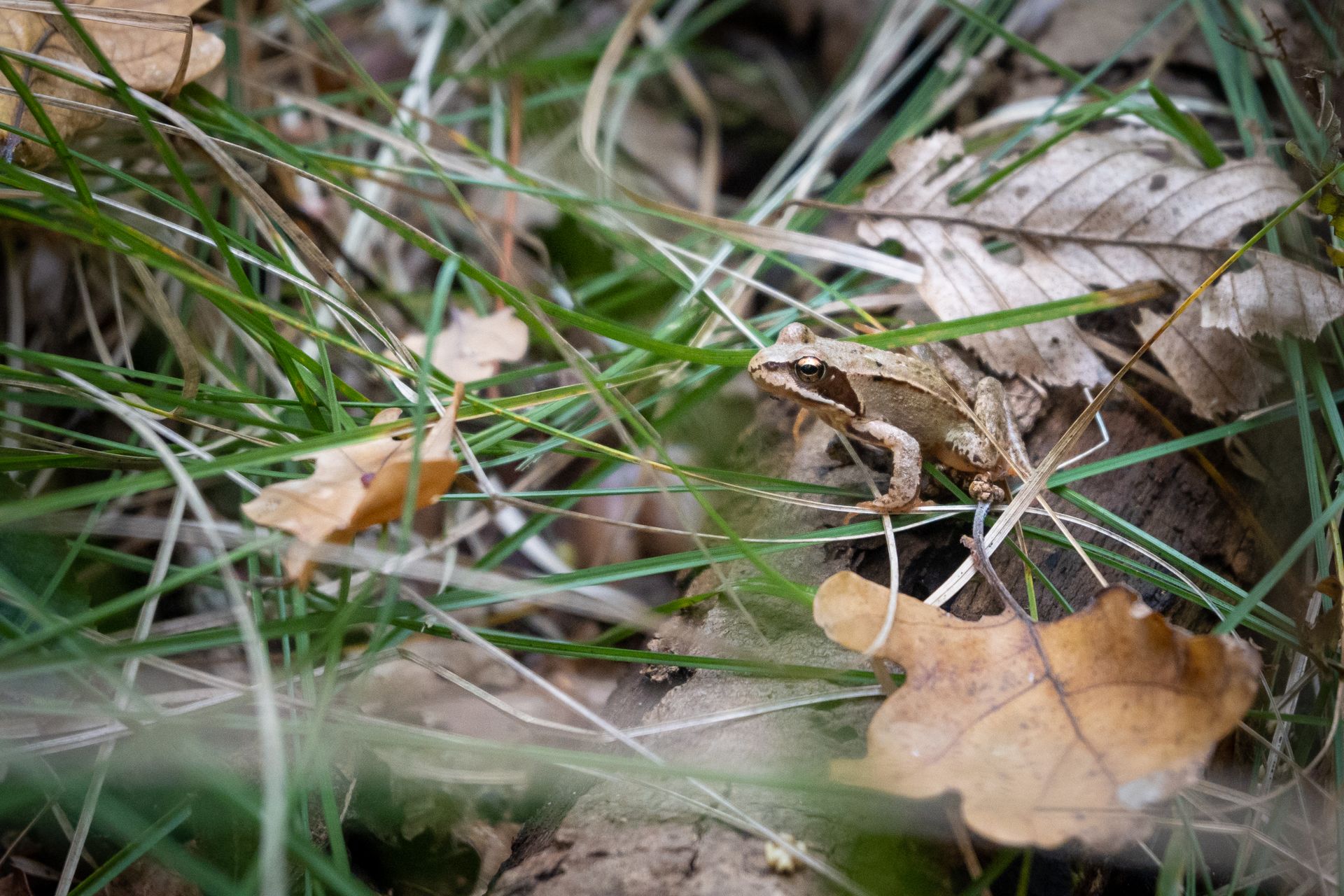
It's brown in color with darker brown ear patches, which is quite distinctive.
This frog is often sighted in irrigated agricultural lands during breeding season, which is a great example of how humans and frogs can coexist.
The Zhenhai Brown Frog is not considered endangered, although it does face threats from building developments and water pollution.
Here's a list of some of the other frogs in the Dicroglossidae family, which includes the Zhenhai Brown Frog:
- Chinese edible frog
- Concave-eared torrent frog
- Doichang frog
- Fejervarya limnocharis
- Fejervarya moodiei
- Fejervarya multistriata
- Limnonectes longchuanensis
- Nanorana arnoldi
- Nanorana blanfordii
- Nanorana bourreti
- Nanorana conaensis
- Nanorana feae
- Nanorana liebigii
- Nanorana maculosa
- Nanorana medogensis
- Nanorana pleskei
- Nanorana polunini
- Nanorana quadranus
- Nanorana taihangnica
- Nanorana unculuanus
- Nanorana ventripunctata
- Nanorana yunnanensis
- Northern frog
- Kuhl's creek frog
- Quasipaa verrucospinosa
- Quasipaa boulengeri
- Quasipaa exilispinosa
- Quasipaa jiulongensis
- Quasipaa shini
- Quasipaa spinosa
- Quasipaa yei
- Round-tongued floating frog
Tree Frogs
Tree frogs are a diverse group, with many species found across the globe. The Annam tree frog is one of them.
Some tree frogs are quite specific to their habitats, like the Hyla zhaopingensis, which is only found in Zhaoping County, Guangxi. This highlights the importance of preserving natural habitats to protect these species.
There are many species of tree frogs that are commonly known, such as the Common Chinese tree frog and the Japanese tree frog. These species are often found in forests and near water sources.
Here are some examples of tree frog species:
- Annam tree frog
- Common Chinese tree frog
- Hyla sanchiangensis
- Hyla zhaopingensis
- Hylarana latouchii
- Hylarana macrodactyla
- Hylarana taipehensis
- Japanese tree frog
- Chinese flying frog
- Feihyla palpebralis
- Gracixalus gracilipes
- Gracixalus jinxiuensis
- Gracixalus medogensis
- Gracixalus nonggangensis
- Kurixalus naso
- Kurixalus odontotarsus
- Kurixalus verrucosus
- Papurana milleti
- Raorchestes longchuanensis
- Raorchestes menglaensis
- Rhacophorus kio
- Rhacophorus nigropunctatus
- Rhacophorus rhodopus
- Rhacophorus tuberculatus
- Rohanixalus vittatus
- Romer's tree frog
- Sylvirana cubitalis
- Sylvirana guentheri
- Sylvirana maosonensis
- Sylvirana nigrovittata
- Sylvirana spinulosa
- Zhangixalus burmanus
- Zhangixalus chenfui
- Zhangixalus dorsoviridis
- Zhangixalus dugritei
- Zhangixalus feae
- Zhangixalus hui
- Zhangixalus hungfuensis
- Zhangixalus omeimontis
- Zhangixalus puerensis
- Zhangixalus smaragdinus
- Zhangixalus yaoshanensis
Shrub Rhacophoridae
The Shrub Rhacophoridae family is a fascinating group of frogs, and I'm excited to share some interesting facts about them.
The Shrub Rhacophoridae family includes several species of frogs, including Liuixalus hainanus and Liuixalus ocellatus, which are both found in China.
Some species within this family are quite rare, like Theloderma kwangsiense, which is only found in the Dayaoshan Nature Reserve in Guangxi, China.
Here are some of the species within the Shrub Rhacophoridae family:
- Liuixalus hainanus
- Liuixalus ocellatus
- Theloderma kwangsiense
- Philautus kempii
- Polypedates impresus
- Polypedates megacephalus
- Polypedates mutus
- Theloderma asperum
- Theloderma moloch
- Theloderma rhododiscus
New Smelly Species Found
The Leishan Odorous frog is a new species that was discovered in China. It's found in the Leigongshan National Nature Reserve in Guizhou Province.
The frog's name, Leishan Odorous frog, comes from the county where it was found, Leishan County in Guizhou Province. The scientific name, Odorrana leishanensis sp. nov, is a bit more complicated, but it's a unique identifier for the species.
The Leishan Odorous frog is a bit smaller than other frogs in its genus, especially the females, who are slightly larger than the males. During breeding season, the males have glandular nuptial pads on their fingers.
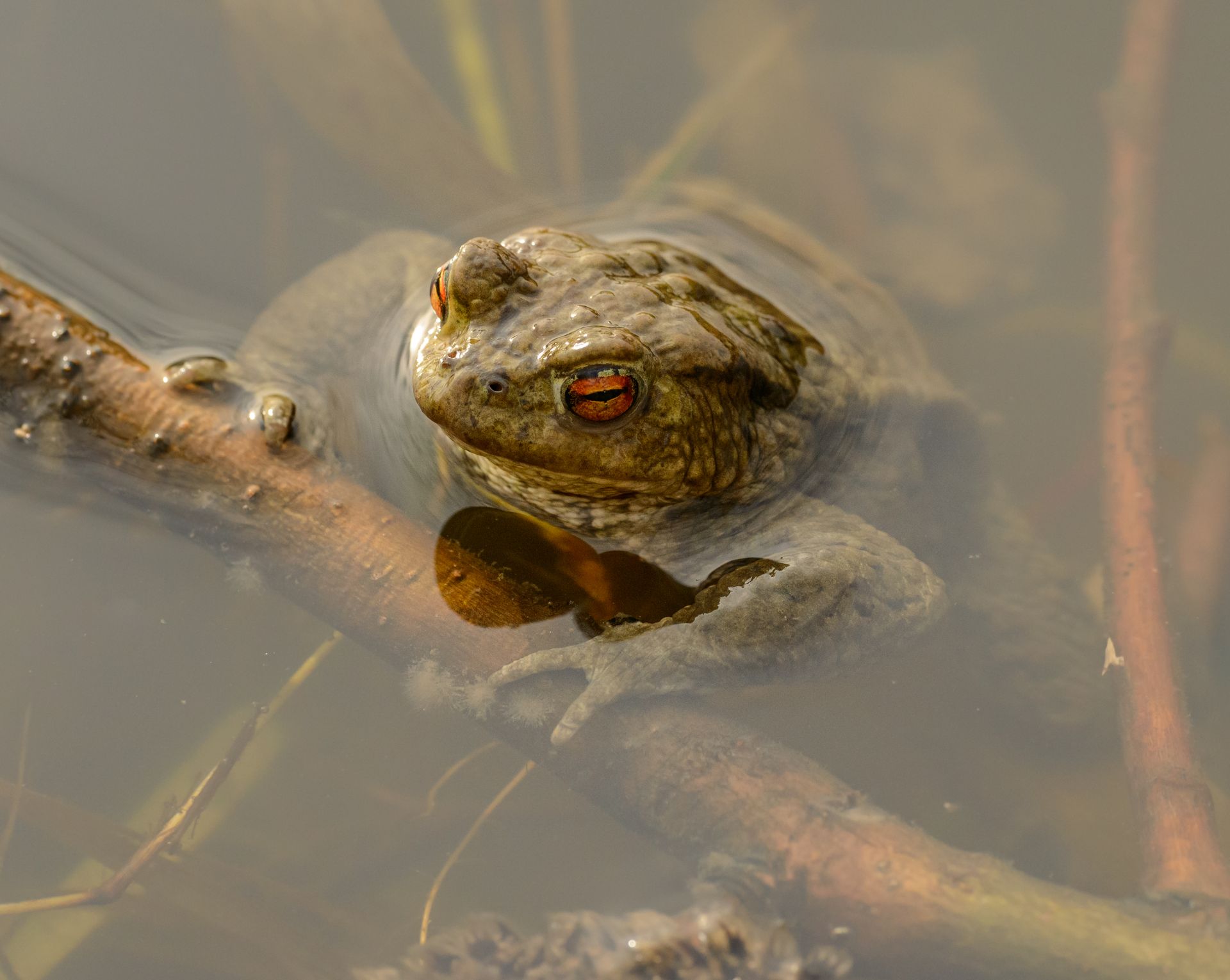
The frog lives in mountain forest areas with plenty of bamboo and streams nearby. It's found at elevations between 1,600 and 1,900 meters.
Researchers think the Leishan Odorous frog had an independent evolutionary history from other frogs in its genus. This is based on molecular phylogenetic analyses that showed the frog is distinct from other species in the genus.
Description
The Chinese giant frog, H. chinensis, is a large and robust species, with some individuals reaching up to 12 centimetres in snout-vent length.
Females of this species tend to be larger than males.
They primarily feed on insects, which makes up the bulk of their diet.
Conservation Efforts
Conservation efforts are underway in China to protect its native amphibians, which are crucial to ecosystems due to their sensitivity to environmental changes.
China has partnered with local organizations and international nonprofits to develop amphibian conservation action plans. These plans involve assessing current population sizes, protecting important habitats, and establishing recovery plans for rapidly declining species.
One of the key initiatives is to educate local communities about the importance of amphibian conservation. This can be achieved through awareness programs and community engagement.
Here are some of the native amphibians found in China that are in need of conservation efforts:
Conservation efforts require a collaborative approach, involving international cooperation and local community engagement.
Lists and Information
There are 65 species in the genus Odorrana, with 42 species known to exist in China, and 27 of them endemic to China.
The Leishan Odorous frog is one of the newly discovered species in the genus Odorrana.
It can be found at elevations between 1,600 and 1,900 meters in mountain forest areas, with plenty of bamboo and streams nearby.
The Leishan Odorous frog is known to occur in the Leigongshan National Nature Reserve, Leishan County, Guizhou Province, China.
The Leishan Odorous frog is morphologically distinct from the O. schmackeri complex, with vocal sacs absent and smaller body size in females.
Females of the Leishan Odorous frog are slightly larger than males.
Males of the Leishan Odorous frog don't possess vocal sacs and during breeding season, the glandular nuptial pads can be seen on the fingers.
The name Leishanensis comes from the county in which the frog was found, Leishan County in Guizhou Province.
Frequently Asked Questions
What is the Chinese saying about frogs?
The Chinese saying "A frog stuck in a well doesn't understand the sea" illustrates the limited perspective of those who are unaware of the bigger picture. It highlights the idea that leaders or others may have a broader understanding that is not accessible to those with a narrower view.
Featured Images: pexels.com