Snakes have been a part of Chinese culture for thousands of years, with evidence of snake worship dating back to the Shang Dynasty.
In ancient China, snakes were associated with royalty and power, with the dragon being a symbol of the emperor's authority.
The Chinese have a long history of using snakes for medicinal purposes, with snake venom being used to treat a range of ailments, including arthritis and skin conditions.
Snake wine, a popular Chinese beverage, is made by infusing snakes in rice wine, which is believed to have health benefits.
Venomous Snakes in China
China is home to a staggering 35 venomous snake species, including keelbacks, kraits, cobras, sea snakes, and vipers. These snakes can be found in the land and seas of southern China.
The Chinese cobra, monocoled cobra, and king cobra are three species of cobras that inhabit southern China. The Chinese and monocle cobras are often mistaken for each other due to their similar appearance.
For your interest: Indochinese Spitting Cobra
Kraits are nocturnal hunters, and the banded krait is one of the largest species, reaching lengths of up to two meters. Krait venom is known for being one of the strongest snake venoms.
Two true vipers, Fea's viper and Russell's viper, make their home in southern China. Russell's viper is known for being one of the most bad-tempered and deadliest snakes.
Most venomous snakes in southern China are pit vipers of the genus Trimeresurus. These snakes have similar biology but inhabit slightly different niches.
The Chinese moccasin is one of the most toxic Asian pit vipers, reaching lengths of up to 1.55 meters. A bite from this snake can cause immediate swelling, tissue damage, and internal bleeding, and may be fatal.
Some of the most fascinating venomous snakes in China include the Mangshan Viper, which can reach lengths of up to 2 meters and has a brightly colored tail tip to attract prey. This snake is also known for its large, spear-shaped head and folded fangs.
Related reading: Do Female Snakes Have Two Reproductive Organs
Snakes in Chinese Culture
Snakes hold a special place in Chinese culture, particularly in indigenous folklore stories from communities across China. In one well-known creation story, humanity is painstakingly hand-crafted by a half-snake, half-woman goddess named Nüwa.
You can still visit temples dedicated to Nüwa in Gansu and Shanxi provinces, showcasing the enduring impact of snake mythology on Chinese culture. The Qiang minority also consider encounters with wild snakes as an auspicious omen.
The famous serpent in Chinese folklore, Bai Suzhen (白素貞), also known as “Lady White Snake“, disguises herself as a beautiful woman and falls in love with a human man.
Notable in Chinese Mythology
Snakes hold a special place in Chinese mythology, particularly in indigenous folklore stories from communities across China.
One well-known creation story tells of humanity being hand-crafted by a half-snake, half-woman goddess named Nüwa. You can still visit temples dedicated to her in Gansu and Shanxi provinces.
In Chinese folklore, the serpent Bai Suzhen, also known as "Lady White Snake", disguises herself as a beautiful woman and falls in love with a human man. She is later trapped underneath Leifeng pagoda by a treacherous Daoist monk.
Lady White Snake breaks free and reunites with her lover, and the two have a child, illustrating mankind's fusion with the natural world. This story highlights the intersectionality between natural and cultural heritage in Chinese mythology.
Michael Ring, an expert leading a Herpetological Expedition in China, notes that snake goddesses like Nüwa and Lady White Snake are revered in Chinese folklore.
Snake Stunts
Snakes have been revered in Chinese culture for their symbolic meaning of good luck, prosperity, and renewal.
In many Chinese New Year celebrations, snakes are a key part of the festivities, often depicted in decorations and performances.
During the Chinese New Year, the snake is one of the twelve animals in the zodiac cycle, representing those born in the year of the snake.
Snakes are also associated with the element of water, which is linked to the Chinese concept of yin and yang.
The snake is a symbol of transformation and renewal, as it sheds its skin and emerges anew.
Snake and Crocodile Restaurants in Guangzhou
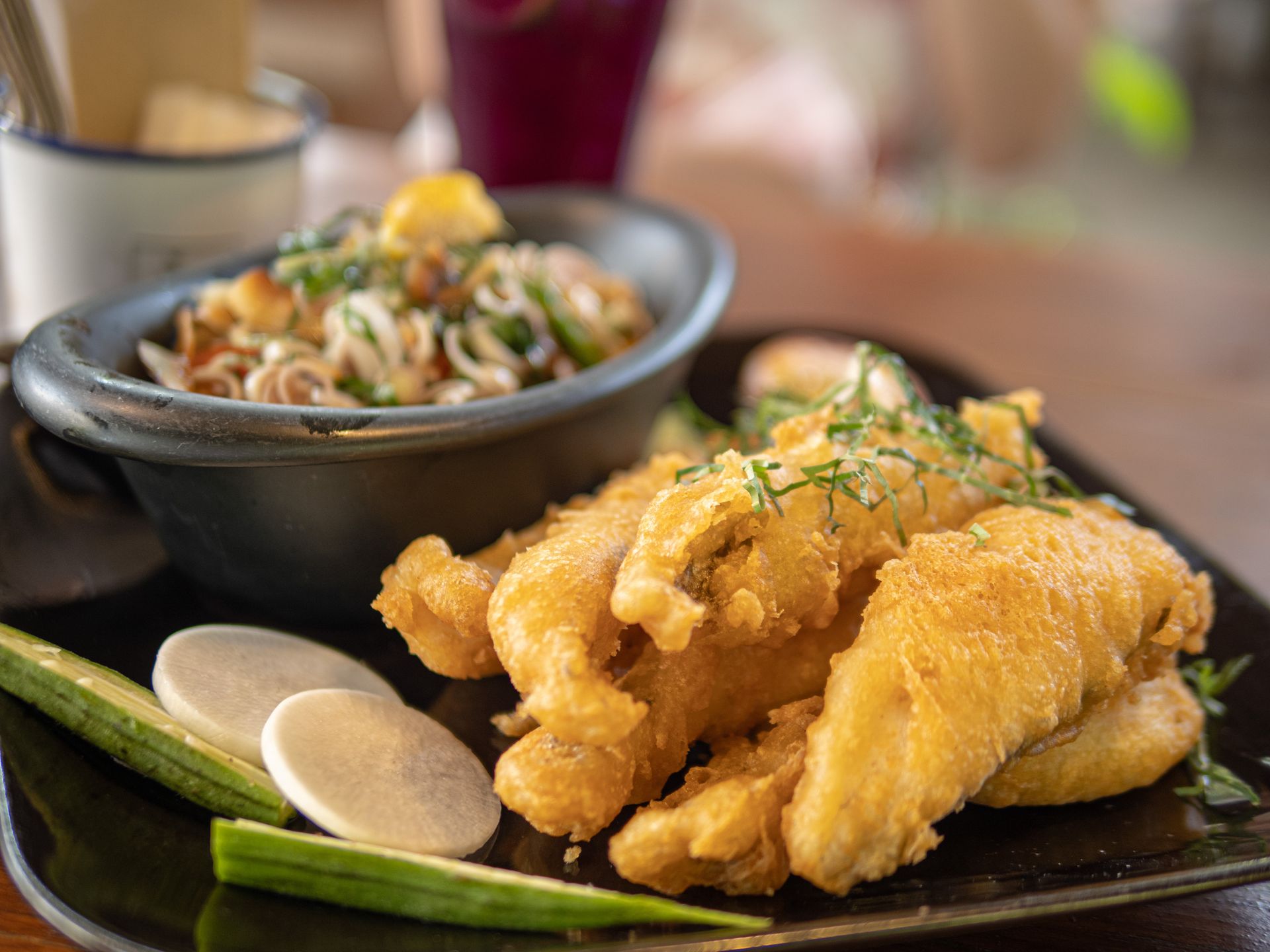
In Guangzhou, you can find restaurants that serve snake and crocodile dishes, often with a unique twist. The Snake Restaurant in Canton offers a variety of snake dishes, including fricasseed snake with cat meat and braised snake slices with chicken liver.
Tourists who order snake in southern China are often treated to watching the poor reptile killed, skinned, and drained of blood right before their eyes. The bill for four people is often less than $30.
The Flying Dragon Snake Farm in Panyu serves snake skin with peppers and sells snake-based traditional medicines. They also have a snake stage show and a cobra petting zoo.
Crocodile is believed to cure coughs and prevent cancer, and it's available steamed, braised, or stewed at the Yuim seafood restaurant in Guangzhou. Crocodiles with their jaws taped shut roam the restaurant's floors.
People don't care about the cost, they just care about health, according to a manager at the Yuim seafood restaurant.
Check this out: Western Hognose Snake Care
Zisiqiao Village
Zisiqiao Village is a tiny snake breeding village located about 200 kilometers from Shanghai, employing hundreds of people to breed three million snakes a year.
The village has been a centre of China's snake industry for nearly four decades, with a unique "snake culture" that's even been recognized with a museum.
In Zisiqiao, breeding snakes is a family affair, with many families keeping them in backyard holds to sell to restaurants or traditional medicine traders.
Breeding typically begins in April or May, with winter being the off-season, and snake breeders need a permit to do so.
Yang Hongchang, a 60-year-old farmer, introduced snake breeding to the village decades ago and has since become a successful entrepreneur, even starting his own company to formalize his business.
Today, more than three million snakes are bred in the village every year by the 160 farming families, with Yang's company researching and developing new products, such as dried snake, snake wine, and snake powder.
The original breeding method used in Zisiqiao was simply putting males and females together, but now meticulous research is done on how the snakes breed, select good females, and incubate eggs to increase survival rates.
Snake Business and Treatment
Snake Business in China is a thriving industry, with 7,000-9,000 tonnes of snake traded annually before the coronavirus pandemic.
Snakes are highly valued for their medicinal properties in traditional Chinese medicine, with people drinking snake soup or wine to boost their immunity.
Yang Xiubang, a 46-year-old snake farmer, has been raising snakes for over twenty years and has seen his annual income steadily rise due to high demand for traditional Chinese medicine.
The demand for snake products is so high that they are being exported globally to countries like the United States, Germany, Japan, and South Korea, with some products even being sold in bustling cities like Hangzhou.
Each part of the snake is considered treasured, with store manager Gao Chenchang stating that China has a strong snake culture and many people enjoy eating snakes.
However, rearing snakes comes with risks, as farmers have been bitten by deadly snakes and had to be saved by anti-venom medicine, with some even giving up the profession due to the dangers involved.
Snake Business
In China, snake farming is a thriving business, with 7,000-9,000 tonnes of snake traded every year. The demand for snake products, particularly in traditional Chinese medicine, has led to a lucrative market.
Snake farmers in Zisiqiao village are making hundreds of thousands of yuan per year, thanks to the high demand for their products. The villagers are exporting their snake products globally, including to the United States, Germany, Japan, and South Korea.
Each part of the snake is considered valuable, with snake powders and other products being sold in cities like Hangzhou. The snake culture in China is strong, with many people enjoying snake meat as a delicacy.
However, rearing snakes comes with risks, including the danger of being bitten by deadly snakes. Some farmers have been bitten and saved only by receiving anti-venom medicine.
Life as a snake farmer can be precarious, and some farmers have given up rearing certain species, like venomous vipers, after being bitten.
Snake Bite Treatment
If you're bitten by a snake, the first thing to do is stay calm and keep still, as movement can cause venom to spread more quickly.
It's essential to immobilize the limb that's been bitten and elevate it to at or below the level of the heart.
Don't try to cut open the wound or suck out the venom, as this won't work and could make things worse.
You should also avoid applying ice or a tourniquet, as this can restrict blood flow to the affected area.
Trying to figure out whether the bite was from a venomous snake or not is a bad idea, so seek medical attention immediately.
A broad constrictive bandage can be applied to the whole limb to limit the spread of venom, starting at the site of the bite and reaching to the extremities.
If possible, take a photo or remember what the snake looked like to ensure the proper antivenom is used when getting medical help.
Don't wash the wound, as this can remove venom residue that's needed for quicker identification and administration of antivenom.
Seek medical attention immediately, either by getting to a hospital or dialing 120 for an ambulance.
Featured Images: pexels.com