The Argentine Horned Frog is a unique and fascinating pet, native to the subtropical regions of South America. They have a distinctive appearance, with a stout body and a pair of horn-like protrusions on their head.
Their natural habitat is in the wild, where they inhabit areas with high humidity and moderate temperatures. This environment is crucial to replicate in captivity to ensure the frog's well-being.
In the wild, Argentine Horned Frogs are carnivorous, feeding on a variety of small invertebrates, including insects and worms. This dietary preference should be taken into account when selecting a suitable diet for your pet.
Biology and Behavior
The Argentine Horned Frog is a formidable predator, with a voracious appetite that includes mice, rats, other amphibians, lizards, snakes, and insects.
Their mouth is enormous, making up nearly half of their total length, which is a key factor in their ability to devour a wide range of prey.
They have powerful jaws and bony "teeth" called odontoid structures that project from the lower jaw, allowing them to bite and eat their meals with ease.
In fact, studies have shown that other frogs make up to 80% of their diet, with invertebrates, birds, and rodents making up the balance.
These frogs are assisted in hunting by their huge mouths and powerful jaws, making them rather clumsy, but not a threat to handle safely, as long as you grasp them behind the front legs.
Their skin is permeable, allowing them to absorb water and oxygen through their skin, but also making them susceptible to chemicals and possible poisons.
Tadpoles of the Argentine Horned Frog undergo a rapid metamorphosis, transforming into froglets in just one month.
Care and Handling
Handling Argentine Horned Frogs requires care, as they have powerful jaws that can inflict painful bites. These bites are a natural response to movement, even after years in captivity.
To safely pick up a Horned Frog, grasp it behind the front legs. This is the best way to avoid getting bitten.
It's essential to handle amphibians only when necessary, and then with wet hands to preserve the protective mucus on their skin.
Short Video
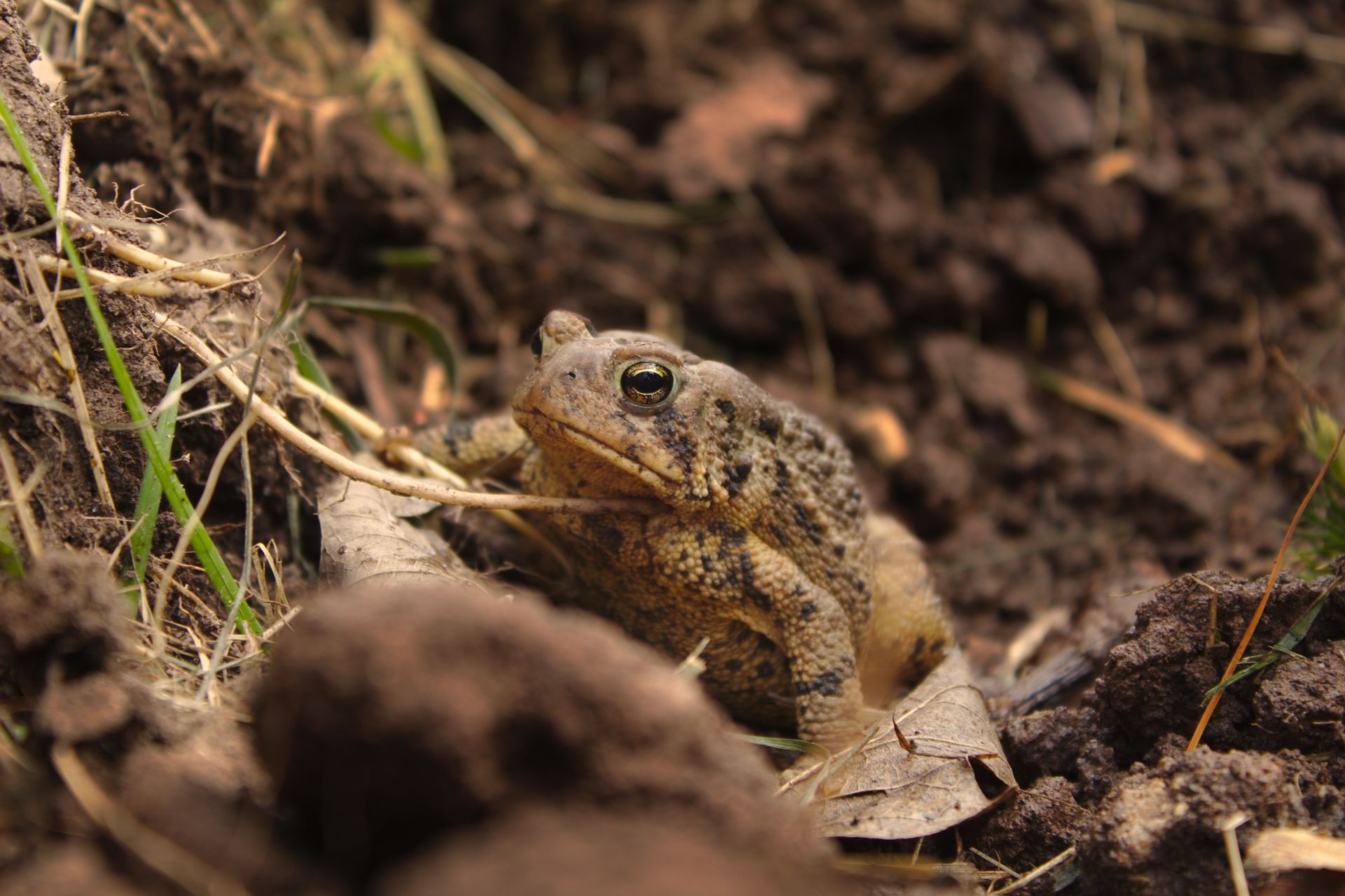
I've got a great short video to share with you on the Short Argentine Horned Frog. Here it is!
This little guy is a fascinating creature, and learning about its habits and habitat can be really helpful in caring for it.
The Argentine Horned Frog is a carnivorous species that thrives in its natural habitat, which is typically found in the wetlands and grasslands of Argentina.
Explore further: Southern Leopard Frog Habitat
Stock Images
There are over 94,700 stock photos and images available of the Argentine Horned Frog.
These photos showcase the frog's unique features, such as its horn-like protrusions and vibrant colors, including a yellow color variant.
You can browse through these images to get a better understanding of the frog's appearance and behavior.
The Chacoan Horned Frog, a type of Argentine Horned Frog, has been captured in a sleeping state in a cave, highlighting its ability to rest in a variety of environments.
These stock images can be useful for pet owners, researchers, or anyone interested in learning more about these fascinating creatures.
Special Considerations
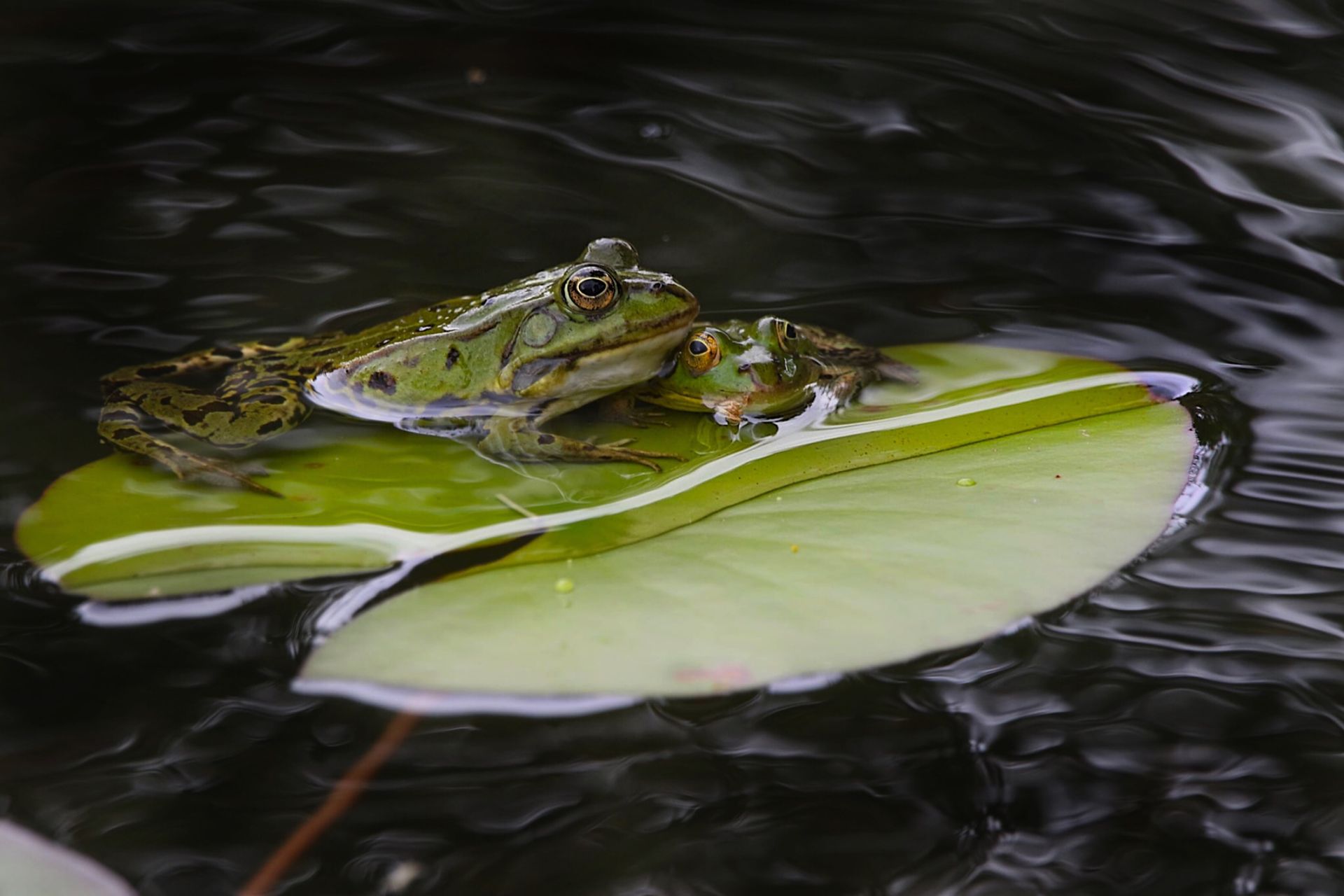
Horned Frogs have powerful jaws equipped with sharp, tooth-like structures, and can inflict painful bites.
Handling a Horned Frog requires some caution, even after years in captivity. An instinctive feeding response will cause them to bite fingers moved about within range.
To safely pick up a Horned Frog, grasp it behind the front legs. This is a simple and effective way to minimize the risk of a bite.
Handling amphibians like Horned Frogs should be done only when necessary, and then with wet hands, to prevent removing their protective mucus from their skin.
Characteristics and Life Cycle
The Argentine Horned Frog is a unique and fascinating creature. They can grow to be 16.5 centimeters (6.5 inches) snout to vent, with females being slightly larger than males.
Males typically reach a size of 11.5 centimeters (4.5 in) snout to vent. Their average lifespan is 6 to 7 years, although they can live up to 10 years or more in captivity.
Their most distinctive feature is their large mouth, which accounts for roughly half of their overall size. Coloration is typically bright green with red markings, but they can also be found in dark green, parti-color black, and albino versions.
Sexing this species is very challenging before they reach sexual maturity, due to the lack of obvious dimorphism traits between the sexes. However, males can be identified by their dark pigmented throats and nuptial pads on the forelimbs.
Discover more: European Green Toad
Natural History
Argentine Horned Frogs inhabit savannas (grasslands) in Argentina, Uruguay, and Brazil. In some regions, they become dormant during cool, dry periods.
Seven related species have been described, and the Cranwell’s or Chaco Horned Frog (Ceratophrys cranwelli) is most frequently seen in the pet trade.
Horned Frog tadpoles communicate with one another by sound, the only vertebrate larvae known to do so.
Characteristics
The Horned frog is a relatively small species, with females growing up to 16.5 centimeters (6.5 inches) snout to vent (SV) and males reaching 11.5 centimeters (4.5 in) SV.
Their lifespan is quite impressive, with an average of 6 to 7 years, and in captivity, they can live up to 10 years or more.
Their distinctive feature is their large mouth, which makes up roughly half of the animal's overall size.
Their coloration is typically bright green with red markings, although other variations like dark green, parti-color black, and albino exist.
Sexing this species is quite challenging, especially before they reach sexual maturity, due to the lack of obvious dimorphism traits between the sexes.
Reproduction
The Argentine Horned frog's reproductive process is quite fascinating. They reproduce sexually, which means males and females play a crucial role in creating offspring.
Female Argentine Horned frogs lay around 2000 eggs in water, which is a significant number.
Feeding and Nutrition
Argentine horned frogs are carnivores and will eat almost anything that fits in their mouths, including rodents, small reptiles, birds, large spiders, and insects.
In the wild, they have a varied diet that includes mice, passerine birds, small reptiles, other frogs, large spiders, and locusts.
Their fearless reputation is well-deserved, as they will attempt to consume animals that are equal to or even larger than themselves.
If threatened, they can deliver a painful bite using their odontoid projections along their bottom and top jaws.
These frogs are relatively easy to feed in captivity, and their diet can be recreated with a staple of calcium-dusted crickets and night crawlers.
As adults, they also enjoy live fish and can be fed pink mice less often, ideally once every 7-10 days.
However, studies have shown that primarily feeding mice to Argentine horned frogs can lead to fat build-up, blindness, and death.
To provide a varied diet, you can offer a range of foods, including whole fishes, pink mice, crickets, earthworms, and commercially available species like crayfishes and roaches.
It's essential to provide a nutritious diet for your feeders before giving them to your Argentine horned frog, as this will ensure the best possible nutrition for your pet.
Food should be powdered with Zoo Med ReptiCalcium plus D3 or a similar product, and vitamin/mineral supplements like Reptivite should be used 2-3 times weekly.
Young Argentine horned frogs do best when fed daily or every-other-day, while adults require only 1-2 feedings per week or smaller, more frequent meals.
If you use moss or other substrates, it's best to offer food via tongs or in a separate, bare-bottomed enclosure to limit substrate ingestion.
Frequently Asked Questions
Is a horned frog venomous?
No, horned frogs are not venomous. They may bite, but their bites are harmless to horses and likely to be so for humans as well.
What size tank does a Argentine horned frog need?
For a single adult Argentine horned frog, a minimum tank size of 60 x 45 x 30cm (24 x 18 x 12 inches) is recommended. A larger tank may be necessary for multiple frogs or a more spacious environment.
Featured Images: pexels.com