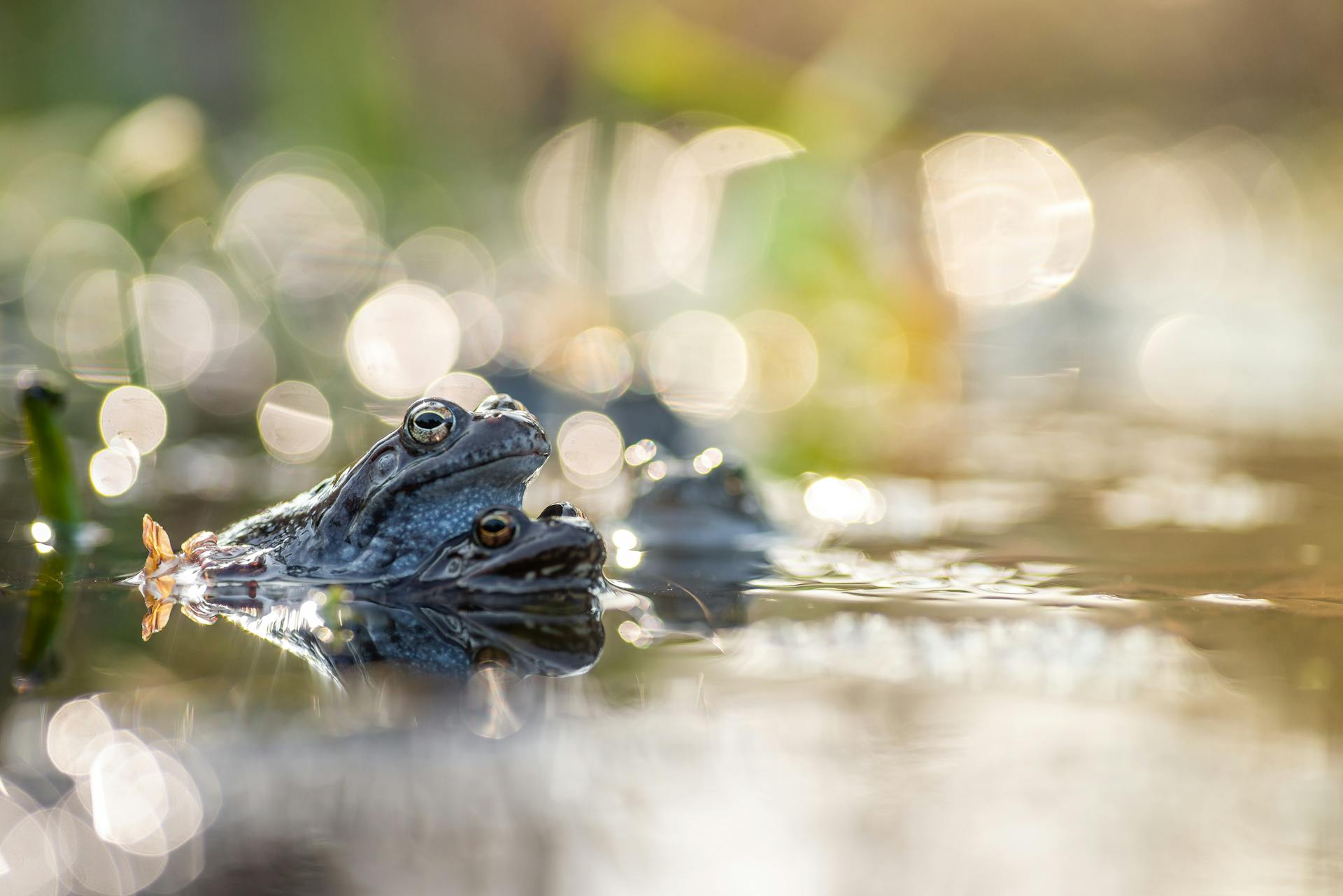
Frogs have been a part of human culture for thousands of years, with ancient civilizations worshipping them as deities. In many cultures, frogs are still revered for their unique life cycle and adaptability.
In ancient Egypt, frogs were associated with the goddess Heqet, who was believed to protect women in childbirth. This association likely arose from the fact that frogs lay eggs in water, which was seen as a symbol of fertility.
Frogs have also been a popular motif in art and literature throughout history. In medieval Europe, they were often depicted in illuminated manuscripts and stained glass windows, representing the cycle of life and death.
In many cultures, frogs are seen as a symbol of transformation and renewal, reflecting their remarkable ability to undergo metamorphosis from tadpole to adult.
Frogs in History
Frogs in History have been a part of many world mythologies, with folklorist Andrew Lang listing myths about a frog or toad that swallows or blocks the flow of waters occurring in many cultures.
In some mythologies, frogs are linked to the underworld, which is associated with sickness and death, as noted by researcher Anna Engelking.
Frogs have also been the subject of creative expression, such as in the short poem "What a queer bird" that appeared in magazines in the 1920s, offering a unique perspective on the qualities of a frog from a bird's point of view.
You might enjoy: Wonderful Bird
Frogs in Folklore and Mythology
Frogs have been a part of folklore and mythology in many cultures around the world. In some cultures, frogs are seen as symbols of fertility and new life, especially during times of flooding. In ancient Egypt, frogs embodied fertility and new life, especially during the Nile floods.
The Chinese culture honors the three-legged money frog (Ch'an Chu) as a sign of prosperity, good fortune, and wealth. This mythological narrative highlights frogs' roles in fostering growth and abundance across various traditions. Frogs are also associated with the creation of life and the cycle of birth and death in some cultures.
In some cultures, frogs are seen as powerful symbols of transformation and metamorphosis, representing personal growth and adaptability. The story of "The Frog Prince" highlights themes of inner beauty and transformation, making frogs a popular symbol in popular culture.
Medieval to Early Modern
In medieval Christian tradition, land frogs were seen as symbols of righteous congregationists, while water frogs represented sinful ones. This distinction was based on the Physiologus.
The Physiologus was a medieval bestiary that associated different animals with moral lessons. Medieval people believed that land frogs were more virtuous than water frogs, which were seen as more worldly and corrupt.
Frogs were also associated with witchcraft during this time. In some cultures, frogs were believed to be used in love potions or other magical concoctions.
If this caught your attention, see: Titicaca Water Frog
Folk and Fairy Tales
Frogs in folk and fairy tales are a fascinating topic. The frog or toad appears as a potential suitor to a female human in variants of the Aarne–Thompson–Uther type ATU 440, "The Frog King". This is seen in stories like The Frog Prince, Puddocky, The Frog Princess, and The Three Feathers.
The frog also acts as a helper of the heroes and heroines, such as in the beginning of the story of the Sleeping Beauty, and in French literary fairy tales like The Benevolent Frog and The Little Green Frog.
In Hans Christian Andersen's lengthy fairy tale "The Marsh King's Daughter", a beautiful young woman is transformed, night after night, into a large, mournful frog. With the first rays of dawn, she changes back to human form.
The toad appears as a transformation for the hero Jiraiya in the Japanese story The Tale of the Gallant Jiraiya. The frog appears in the form of a beautiful maiden, named Bheki, in a tale from Sanskrit legend, symbolizing the sun.
Here are some examples of folk and fairy tales featuring frogs:
These stories showcase the versatility of the frog as a character in folk and fairy tales, highlighting its potential as a suitor, helper, or symbol of transformation.
Frogs in Art and Literature
Frogs have been a popular subject in art and literature for centuries. They've been depicted in various forms, from ancient Egyptian art to modern digital art.
The Moche people of ancient Peru worshipped animals and often depicted frogs in their art, with examples like the Moche frog from 200 AD. Similarly, the Dutch Golden Age painters included frogs in their compositions, such as Ambrosius Bosschaert II's "Dead Frog with Flies" from 1630.
Frogs have also been used as symbols in various cultures. In ancient Egypt, frogs represented fertility and new life, especially during the Nile floods. In Chinese culture, the three-legged money frog (Ch'an Chu) is a sign of prosperity, good fortune, and wealth.
In literature, frogs have been used to symbolize transformation and personal growth. The story of "The Frog Prince" by the Brothers Grimm is a classic example, where a frog turns into a prince, highlighting personal growth. Norse mythology features Loki transforming into a frog, illustrating adaptability and trickery.
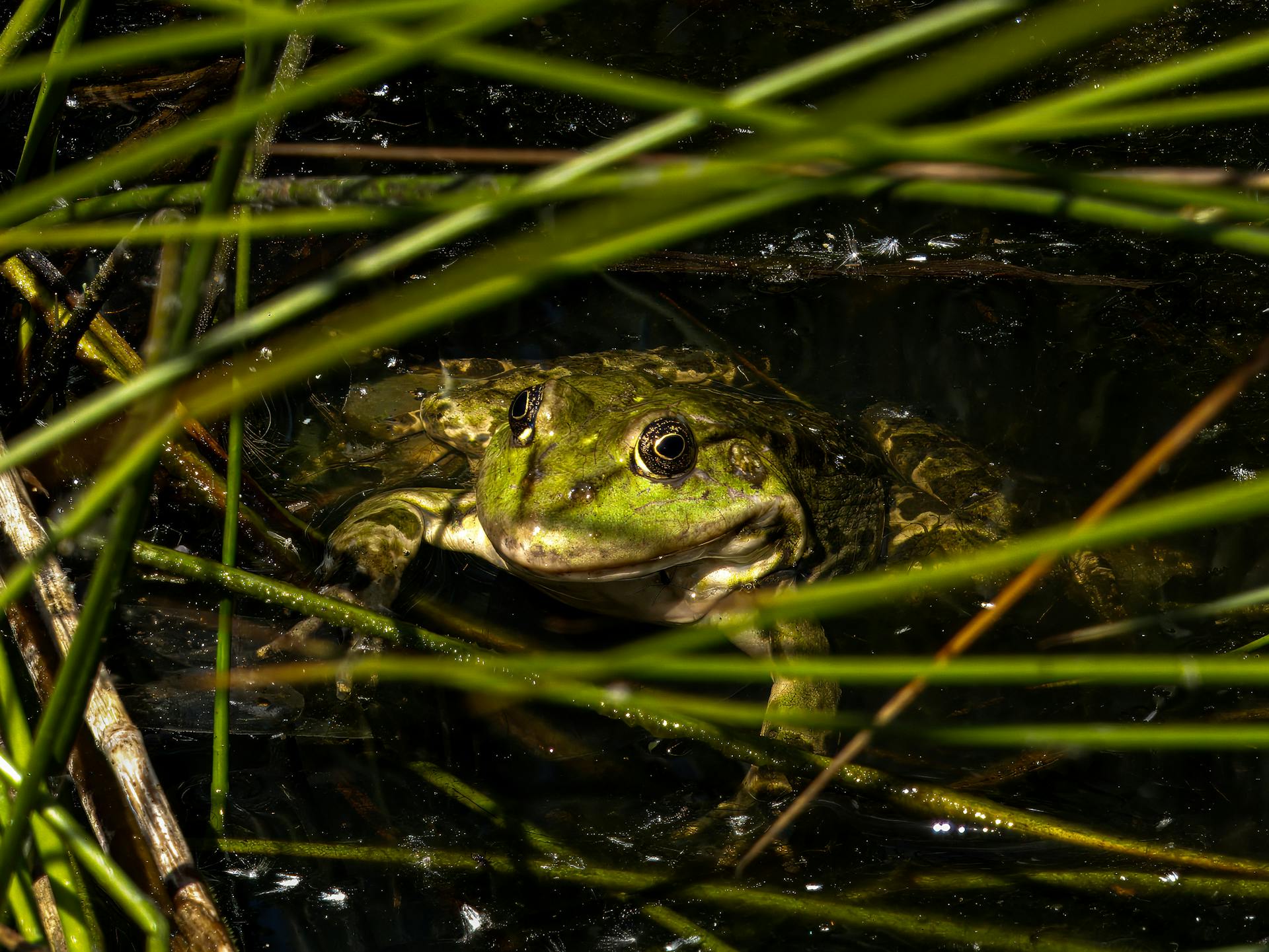
Here are some examples of artistic representations of frogs:
- Ancient Egyptian art showcases the frog-goddess Heqet, symbolizing fertility and the Nile’s annual floods.
- African art portrays frogs as survivors, reflecting their resilience in nature.
- Contemporary artists use frogs to represent transformation and emotional healing, aligning with their symbolic meanings of rebirth and personal growth.
These artistic representations reinforce frogs’ enduring significance as powerful cultural symbols. Whether in ancient art or modern digital art, frogs continue to inspire and captivate us with their symbolism and beauty.
Frogs in Modern Culture
Frogs have been a part of modern culture for decades, and their symbolism continues to evolve and inspire us. In popular culture, frogs often represent transformation and personal growth, as seen in the story of "The Frog Prince".
Frogs have also become a staple in branding and marketing strategies, with companies leveraging the positive associations of frogs with luck and prosperity to create memorable and appealing brands. This is evident in logos featuring frogs that convey messages of growth, sustainability, and good fortune.
In the area of spirituality, many individuals view frogs as guides for emotional healing and resilience, with practices such as meditation incorporating frog symbolism to encourage adaptability and the embracing of new beginnings. This is a powerful reminder of the importance of taking time for self-reflection and personal growth.
See what others are reading: Pop Culture Dog Names
In education and psychology, frogs symbolize the process of development and transformation, with educators using frog metaphors to teach students about life cycles, adaptation, and change. This is a great way to make learning fun and engaging for students.
Here's a breakdown of the cultural aspects of frog symbolism in modern culture:
Overall, frogs continue to inspire and guide us in various facets of contemporary life, from popular culture to spirituality and education.
Frog Symbolism and Meaning
Frogs have been revered as symbols of fertility and abundance in many cultures. In ancient Egypt, the goddess Heqet was depicted as a frog-headed goddess of fertility, and her association with birth and rebirth was even used by early Christians to symbolize the resurrection of Jesus Christ.
Frogs are also associated with water and rain in many cultures. In Mongolian myths, frogs are credited with creating the elements, including water, and in some cultures, they are revered as goddesses of water. The North American Chumash believe that frogs are the Queen of the Water, controlling all the streams in the world.
Frogs also represent transformation and renewal in many cultures. Their life cycle, from tadpoles to adult frogs, is a powerful symbol of personal growth and adaptability. In ancient Egypt, frogs symbolized fertility and new life, especially during the Nile floods.
In many cultures, frogs are also associated with luck and abundance. The Chinese three-legged money frog (Ch'an Chu) is a popular charm for attracting wealth and prosperity, and businesses often display these statues to enhance financial success.
Frogs have also been used in branding and marketing strategies to convey messages of growth, sustainability, and good fortune. Companies have leveraged the positive associations of frogs to create memorable and appealing brands.
Here are some examples of frog symbolism in different cultures:
Frogs continue to inspire and guide us in various facets of contemporary life, from cultural expressions to economic practices and personal development.
Friends or Foes?
In many cultures, frogs are seen as a symbol of good luck and prosperity.
In ancient Egypt, frogs were associated with the goddess Hekt, who was revered for her role in protecting the pharaohs from harm.
Frogs have also been a popular motif in art and literature, often representing transformation and renewal.
In some African cultures, frogs are believed to have healing properties and are used in traditional medicine.
In Japan, the frog is a symbol of good fortune and is often depicted in art and literature as a bringer of prosperity.
In many cultures, frogs are also associated with water and are considered a sign of fertility and abundance.
Related reading: How Often to Feed African Dwarf Frogs
Featured Images: pexels.com