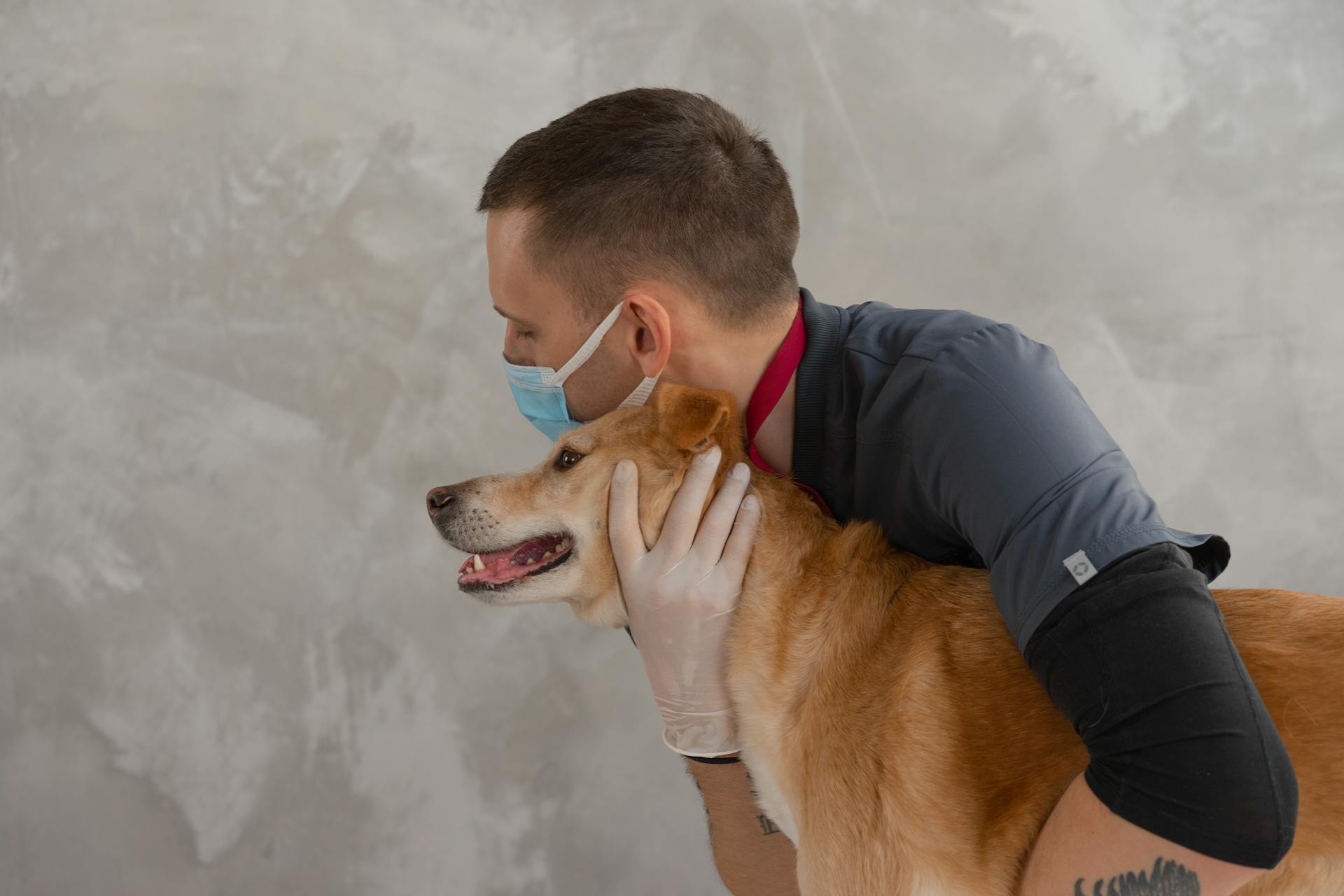
There are over 20 recognized veterinary specialties, ranging from surgery to dentistry to zoological medicine.
Some of the most in-demand specialties include surgery, cardiology, and ophthalmology, which often come with higher salaries.
Veterinarians who pursue a career in surgery, for example, can earn upwards of $200,000 per year.
These high salaries are often a result of the specialized training and expertise required in these fields.
Suggestion: Veterinary Surgery Technician
Veterinary Specialties
Veterinary specialties can significantly impact your earning potential as a veterinarian. Board certification is a key factor in higher salaries, with board-certified veterinarians earning a median income of $157,000 per year in private practice.
Specializing in certain areas, such as ophthalmology or nutrition, can also lead to higher salaries, with top-paying specialties including ophthalmology ($215,000), nutrition ($202,000), and surgery ($183,000).
To become a specialist, you'll need to complete a residency program and pass board certification exams in your chosen specialty. This advanced training and certification can lead to average salaries ranging from $200,000 to $250,000 per year.
Here are some top-paying veterinary specialties:
Anesthesiologists
Veterinary anesthesiologists are a special breed of veterinarians. They focus on administering anesthesia and managing pain for animals undergoing surgery or other medical procedures. This requires additional residency training and certification.
Their responsibilities include developing anesthesia protocols, monitoring patients during procedures, managing pain, and ensuring animals under anesthesia stay safe. This critical role contributes to their higher earnings.
The average salary for a veterinary anesthesiologist is $345,000 per year. This is significantly higher than the average salary for a veterinarian. They can earn between $290,000 and $400,000 per year.
Here's a breakdown of the salary range for veterinary anesthesiologists:
Their high salary is due to the advanced training requirements and specialized knowledge required for anesthesia management.
Specialists
Specialists are the rock stars of the veterinary world, tackling challenging cases that require expertise beyond general practice. They undergo years of additional training and certification, making their skills highly valuable.
Some of the top specialties for veterinarians include surgery, oncology, cardiology, and dermatology. These specialists can earn an average salary of $200,000 to $250,000 per year.
Veterinary ophthalmologists, who specialize in diagnosing and treating eye diseases and conditions in animals, can earn an average salary of $237,750 per year. They require an internship, additional years of residency training, and board certification to fulfill the qualifications.
Veterinary pathologists, who study diseases in animals, often work in laboratories to analyze tissue samples and diagnose illnesses. They can earn an average salary of $216,250 per year and require advanced training and board certification.
Board certification is a key factor in determining salary for veterinarians. According to the American Veterinary Medical Association, board-certified veterinarians in private practice can earn a median salary of $157,000 per year, while those in public/corporate employment can earn a median salary of $133,000 per year.
Here are some average salaries for veterinary specialists:
- Veterinary ophthalmologist: $237,750 per year
- Veterinary pathologist: $216,250 per year
- Board-certified veterinarian: $200,000 to $250,000 per year
- Veterinary radiologist: $154,250 per year
- Veterinary internal medicine specialist: $154,250 per year
These figures demonstrate the high earning potential for veterinarians who specialize in a particular area and obtain board certification.
Veterinary Specialties
Emergency veterinarians are the first responders for pets in critical condition, providing critical care in urgent and life-threatening situations. Their work is demanding and requires a high level of expertise and quick decision-making.
The average salary for an emergency veterinarian is $132,250 per year, but can range from $25,000 to $239,500 per year.
Emergency room veterinarians, also known as ER vets, thrive in high-pressure environments where quick decisions save lives. They work long hours and are rewarded with a salary of $94,518 per year.
To become an ER vet, gaining experience in emergency clinics or hospitals with 24/7 services is key.
Here's a comparison of the salaries for emergency veterinarians and ER vets:
Number Six: Equine
Equine veterinarians have a deep understanding of horses' health, care, and treatment. They work in various settings such as private practice, military, and government agencies, zoos, research laboratories, and universities.
To become an equine vet, you'll need a bachelor's degree in veterinary medicine from an accredited college or university. This basic education requirement is a must-have for any aspiring equine veterinarian.
Equine veterinarians diagnose and treat anatomical and physiologic issues in horses. They also need clinical experience and certifications in areas like internal medicine or surgery.
A unique perspective: Equine Veterinary Assistant
You'll need to apply for licensure through the state where you plan to practice medicine, and pass their exam before practicing medicine legally. This is a crucial step in becoming a licensed equine veterinarian.
Volunteering at an animal shelter or veterinary clinic is a great way to get hands-on experience with different types of animals. This experience will help you prepare for an entry-level position in the veterinary industry.
Highest Paying Jobs
Veterinary careers are diverse, and some roles come with significantly higher paychecks than others.
The top-paying jobs in veterinary medicine are often those that require specialized training or experience.
Veterinary careers like veterinary surgery can pay upwards of $200,000 per year.
Veterinarians who work in academia or research can earn salaries ranging from $150,000 to over $250,000.
Veterinary careers like veterinary medicine can pay upwards of $150,000 per year.
Veterinarians who work in private practice or as consultants can earn salaries ranging from $100,000 to over $200,000.
Additional reading: Aspca Executive Salary
Zoological Careers
If you're considering a zoological career, you'll find plenty of options to choose from.
Wildlife rehabilitation specialists care for injured or orphaned animals with the goal of releasing them back into the wild.
A zoologist can work in research, conservation, or education, and may specialize in areas like primatology or herpetology.
Zoos and wildlife parks employ zookeepers, who are responsible for animal care and maintenance.
A career as a zoo curator involves overseeing the daily operations of a zoo, including animal care, exhibit design, and conservation efforts.
Readers also liked: Zoo Veterinary Technician
Veterinary Careers in Medicine
Veterinary ophthalmologists can earn a median pay of $110,695 per year, with a low range of $73,999 and a high range of $153,674 per year. This salary range is according to Salary.com.
To become a veterinary ophthalmologist, you'll need to earn a bachelor's degree, then a master's degree, and complete rigorous training after graduating from veterinary school. You'll also need to pass a national board exam to become certified by the American College of Veterinary Ophthalmologists (ACVO).
Veterinary ophthalmologists typically work in animal hospitals, but may also work in research facilities or university settings. After earning certification, you can apply for jobs in private practice, at veterinary schools, or in research facilities.
Number 4
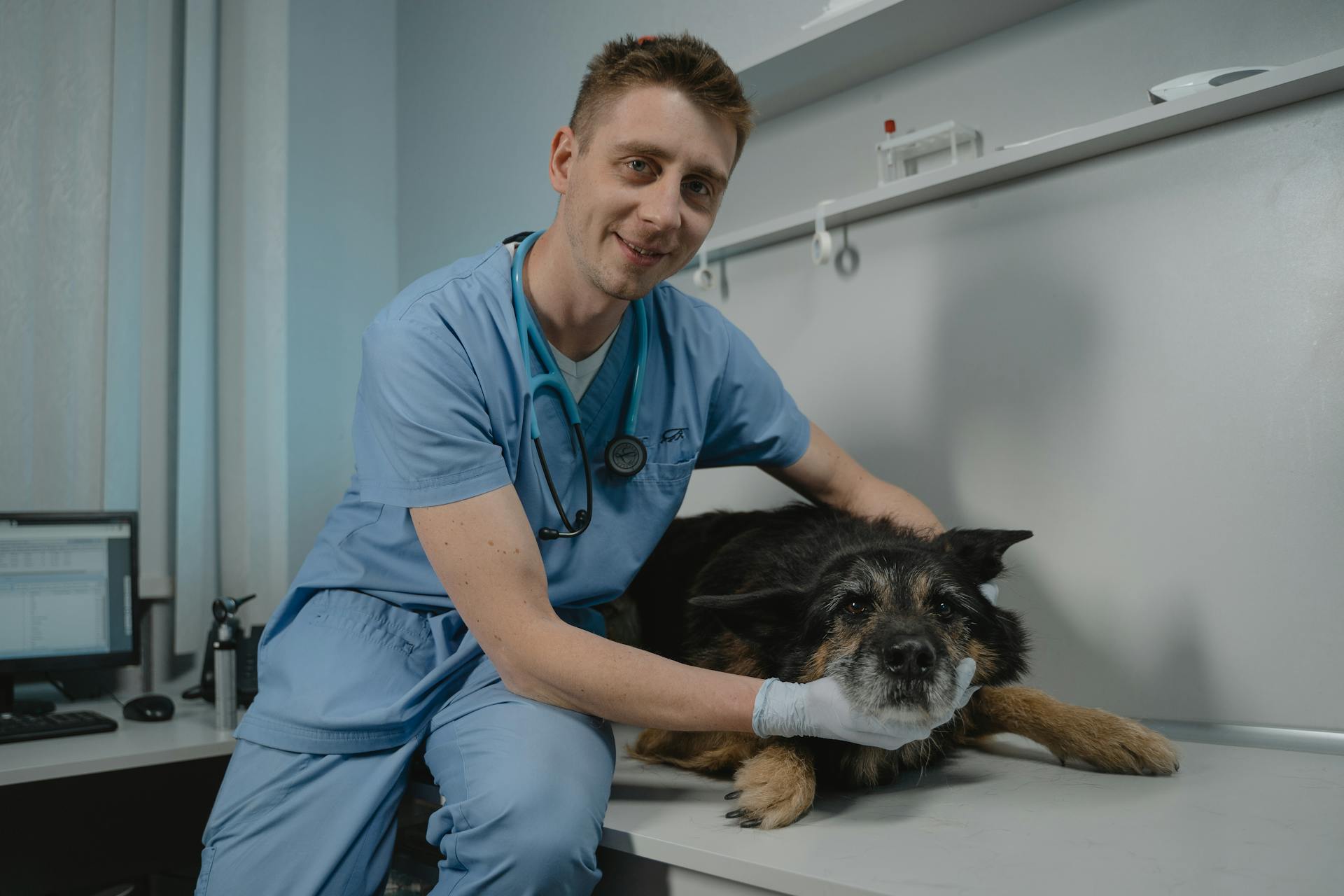
Veterinary ophthalmologists can earn a median pay of $110,695 per year, with a low range of $73,999 and a high range of $153,674 per year.
Their work involves performing diagnostic tests and surgeries on animals' eyes, including removing cataracts and repairing trauma to the eye.
To become a veterinary ophthalmologist, you need to earn a bachelor's degree, then a master's degree, and complete rigorous training after graduating from veterinary school.
You must also pass a national board exam to become certified by the American College of Veterinary Ophthalmologists (ACVO).
The career path for a veterinary ophthalmologist is long and requires dedication and hard work.
Here's a breakdown of the salary range for veterinary ophthalmologists:
Medical Director
As a medical professional, you may be considering a career as a medical director in the veterinary field. The role of a veterinary medical director is a senior-level position that requires extensive experience and expertise in veterinary medicine.
You'll oversee the clinical and operational aspects of veterinary services, ensuring the highest quality of care for patients. This role demands strong leadership and management skills.
The average salary for a veterinary medical director is $170,000 per year, with a wide range of $67,500 to $210,000 per year. This high salary is due to the demand for extensive experience, specialized knowledge, and increased responsibilities in the role.
If you're considering a career as a veterinary medical director, it's essential to have a strong foundation in veterinary medicine and leadership skills.
Research and Science
Research and Science is a vital aspect of veterinary medicine, and those who pursue a career in this field can expect a high salary.
Veterinary research scientists are among the highest paid, with an average salary of $130,117 per year.
Their work involves conducting groundbreaking studies on animal health and treatments, often with grants for high-impact projects that push the field forward.
To get into this field, you'll need to pursue advanced degrees, such as a PhD, alongside your DVM degree to specialize in research methodologies.
This requires dedication and hard work, but the payoff is well worth it - a lucrative career in veterinary research science awaits those who are willing to put in the effort.
Factors Influencing Salaries
Specialization plays a big role in determining how much a veterinarian can earn. Advanced training leads to higher salaries, and sometimes longer hours, but it's worth it for specialists who often earn significantly more than general practitioners.
Experience is another key factor, with salaries improving with age - or rather, years of experience. The more you work, the more you earn, just like fine wine or cheese.
Location also affects salaries, with urban areas tending to offer higher salaries due to increased demand for specialized services and higher costs of living. If you're considering a move, check the local job market and cost of living before making a decision.
Type of practice is another important consideration, with private practices generally paying more than government or non-profit organizations. If you're looking for a higher salary, a private practice might be the way to go.
Here's a breakdown of the factors influencing salaries:
Veterinary Salary Information
Veterinary salary varies widely depending on several factors. Specialization is a key factor, with advanced training leading to higher salaries and sometimes longer hours.
Veterinarians with board certification tend to earn significantly more than those without it. In private practice, board-certified veterinarians can earn a median salary of $157,000 per year, compared to $91,000 for those without certification.
Experience also plays a role in determining salary, with salaries improving with age and years of experience. Entry-level positions typically start around $80,000 to $100,000, but can grow significantly over time or with specialization.
Location is another important factor, with urban areas tending to offer higher salaries due to increased demand for specialized services and higher costs of living. Private practices generally pay more than government or non-profit organizations.
Here are some median salaries for veterinarians in different specialties:
Relief work can also be a flexible way to boost income, with some veterinarians earning up to $135 per hour.
Featured Images: pexels.com