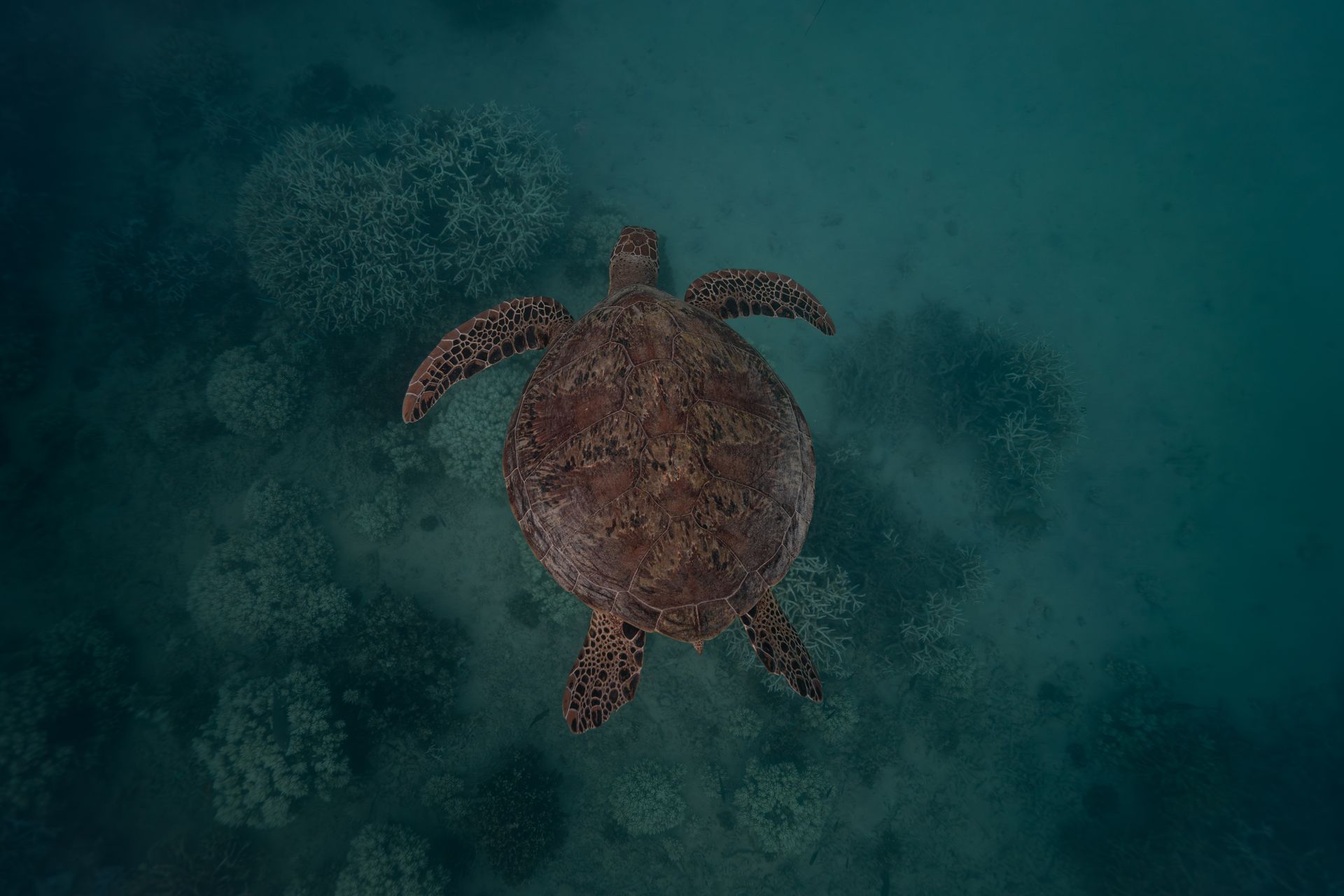
Sea turtles have been around for over 100 million years, but their populations are still threatened by human activities.
The Sea Turtle Conservancy is one of the oldest and most respected sea turtle organizations, founded in 1959 to protect sea turtles and their habitats.
Their efforts have led to the establishment of several protected areas, including the Tortuguero National Park in Costa Rica, which is a critical nesting site for the green sea turtle.
The World Wildlife Fund (WWF) works closely with local communities to develop sustainable fishing practices that reduce bycatch and protect sea turtle habitats.
Sea turtles are often caught in fishing nets intended for other species, a problem that the WWF is actively working to address through education and outreach programs.
Adopt a Sea Turtle
Adopting a sea turtle is a great way to support global conservation efforts. By doing so, you'll be contributing to the protection of these incredible creatures.
Sea turtles face numerous threats, including fisheries bycatch, which is considered the greatest threat to their populations worldwide. Since 1990, millions of sea turtles have been accidentally captured by fisheries.
Pollution is another significant threat, with plastic pollution, oil spills, and chemical runoff all impacting sea turtles. A recent study found plastic in the stomachs of over one-third of leatherback turtles found dead since 1968.
You can make a difference by adopting a sea turtle today. Your support will help fund conservation programs and protect these amazing animals.
Here are the top five threats that endanger sea turtles:
- Fisheries bycatch: Considered the greatest threat to sea turtle populations worldwide.
- Pollution: Plastic pollution, oil spills, and chemical runoff all impact sea turtles.
- Coastal development: Development of coastal areas where sea turtles breed and nest can impact sea turtles.
- Direct take: Sea turtles and their eggs are taken by people (both legally and illegally) for consumption and use of shell material.
- Climate change: Rising sea levels, hotter temperatures, and increased storm frequency caused by climate change may be leading to the loss of suitable nesting habitats.
Conservation Organizations
Oceanic Society and the Nevis Turtle Group are two organizations that have made significant contributions to sea turtle conservation.
The Oceanic Society leads the only globally focused sea turtle conservation program, supporting thousands of individuals and institutions worldwide.
The Nevis Turtle Group was formed in 2003 by Lemuel Pemberton, with a mission to develop a Sea Turtle Conservation Program for Nevis that involves local communities.
NTG volunteers work tirelessly at night to tag sea turtles and collect information about nesting and movement, while also conducting morning surveys to gather data on nest predation and poaching.
Recommended read: Bird Conservation Organizations
Anna Maria Island Shorebird Monitoring
Anna Maria Island Shorebird Monitoring is a vital part of conservation efforts on the island. For 30+ years, Anna Maria Island Turtle Watch has coordinated conservation efforts for 12 miles of Manatee County shoreline.
Monitoring shorebird activities is crucial for understanding the health of the ecosystem. In three decades, they've watched 271,680 hatchlings depart to become a future generation of loggerheads.
Protecting turtle nests is a key part of their conservation work. They've protected 4454 nests, safeguarding the next generation of loggerheads.
For your interest: Animal Conservation Organizations
Oceanic Society Supports Conservation
Oceanic Society is a leader in sea turtle conservation, with a globally focused program that supports thousands of individuals and institutions worldwide. They partner with organizations like NOAA Fisheries to share technical information and manage conservation efforts on the ground.
By working with local and indigenous communities, Oceanic Society strengthens engagement and promotes sea turtle conservation. This approach helps to balance and benefit ecosystems, and ensures that sea turtle populations remain stable.
Oceanic Society's sea turtle conservation efforts focus on protecting nesting sites from threats like poaching, predation, and pollution. They also monitor nesting sites to alert relevant entities of declining trends.
Here are some key strategies used by Oceanic Society to support sea turtle conservation:
- Protects nesting by reducing threats from poaching, predation, and pollution (artificial lights and obstructions).
- Monitors nesting to alert relevant entities for more urgent or expanded attention to threats and sites where there is a declining trend in nesting.
- Reduces threats in coastal waters through bycatch assessments, gear testing, and incorporation of gear modification and fishing practices to protect sea turtles.
- Strengthens engagement with local and indigenous communities, local and national NGOs, government authorities, and other relevant stakeholders to promote sea turtle conservation.
- Collaborates and shares information between projects and with individuals, programs, and community; government and regional authorities; and institutions.
- Increases the number of local champions for sea turtle conservation.
Oceanic Society's work is guided by scientifically-sound, core conservation principles, and they collaborate with the Marine Turtle Specialist Group, a volunteer network of over 300 leading sea turtle experts worldwide.
Supporting Conservation Worldwide
Oceanic Society is a leading organization in sea turtle conservation, with a globally focused program that supports thousands of individuals and institutions worldwide. They work with partners like NOAA Fisheries to share technical information and manage conservation efforts on the ground.
With your donation to Oceanic Society's sea turtle programs, you help provide tools, resources, and support to their network of thousands of sea turtle conservationists worldwide. This support is crucial in improving sea turtle science, setting priorities for research and conservation, and providing needed resources to conservation projects.
The Oceanic Society works closely with NOAA Fisheries on international sea turtle conservation, and together they share technical information and manage complementary conservation efforts on the ground. They also lead sea turtle conservation efforts on nesting beaches, while NOAA leads conservation and recovery efforts at sea.
Here are some key strategies used by Oceanic Society and their partners to support sea turtle conservation worldwide:
- Protects nesting by reducing threats from poaching, predation, and pollution (artificial lights and obstructions).
- Monitors nesting to alert relevant entities for more urgent or expanded attention to threats and sites where there is a declining trend in nesting.
- Reduces threats in coastal waters through bycatch assessments, gear testing, and incorporation of gear modification and fishing practices to protect sea turtles.
- Strengthens engagement with local and indigenous communities, local and national NGOs, government authorities, and other relevant stakeholders to promote sea turtle conservation.
- Collaborates and shares information between projects and with individuals, programs, and community; government and regional authorities; and institutions.
- Increases the number of local champions for sea turtle conservation.
By working with partners across international boundaries, Oceanic Society helps ensure that sea turtle populations are stable and that those born here safely return to U.S. beaches to lay their eggs.
Research and Programs
The University of Central Florida Sea Turtle Research Program is a great example of a research group dedicated to studying sea turtles. They have a team of professional scientists and student volunteers who work together to conduct research and support conservation efforts.
Their research focuses on marine turtles, which is a crucial area of study as these animals are facing numerous threats in the wild. The group studies sea turtles along the Atlantic shores, where females return to nest and juvenile green turtles gather in the nearby Indian River Lagoon.
The Hospital
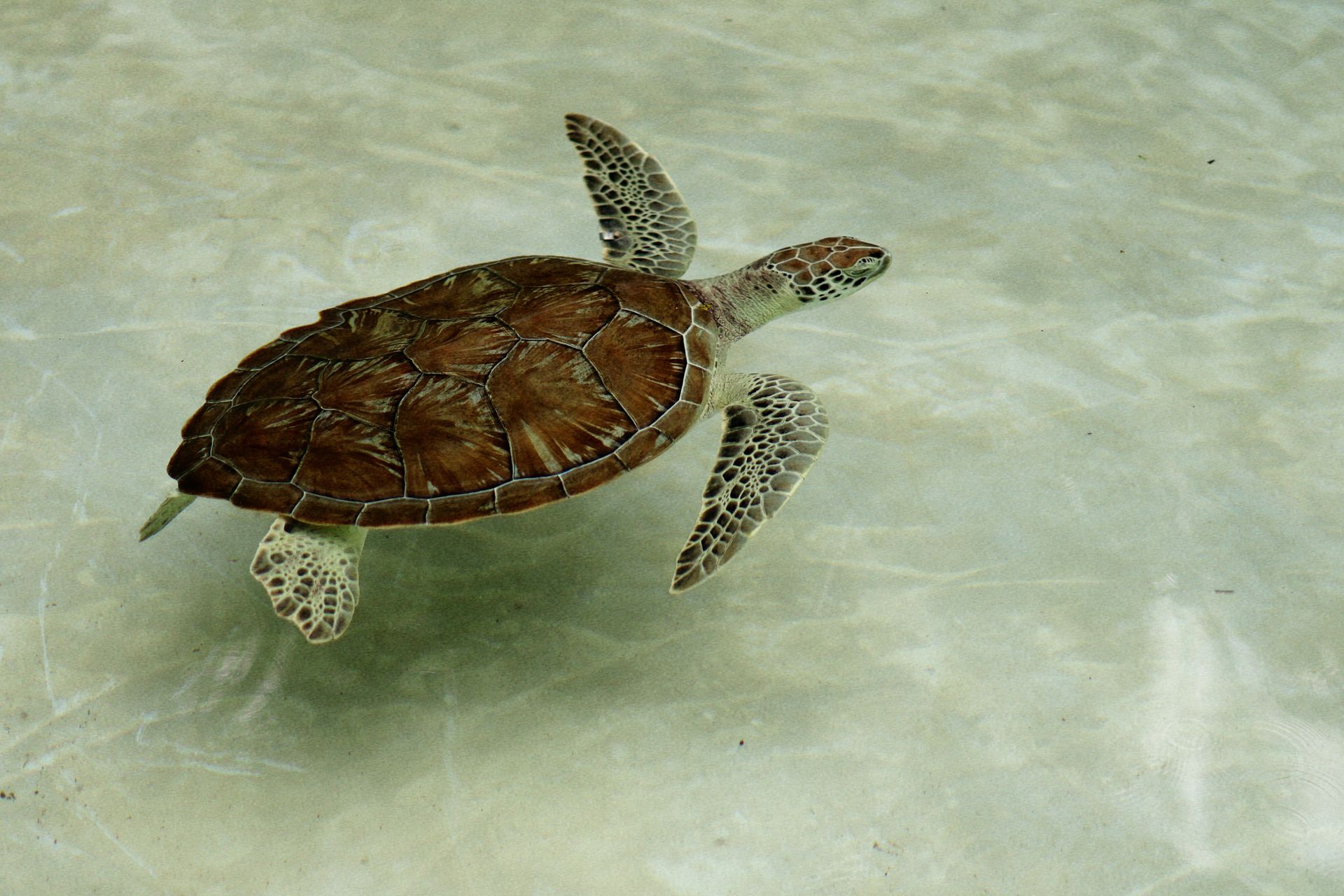
The Hospital plays a crucial role in rehabilitating injured sea turtles and releasing them back into their natural habitat. The Turtle Hospital in Marathon, Florida Keys, has been doing just that since 1986.
Rehabilitation is a top priority, with a focus on returning injured sea turtles to their natural habitat. The hospital's staff works tirelessly to nurse these incredible creatures back to health.
The hospital's efforts have been successful, with a high rate of turtles being released back into the wild. In fact, the hospital has been rehabilitating sea turtles for over three decades.
The hospital's goals are ambitious, but they're working towards making a real difference in the lives of sea turtles.
A fresh viewpoint: Common Snapping Turtle Habitat
Species Recovery with Local Communities
We have a proven track record of leadership and success in species recovery efforts, particularly when working with local communities. Our projects have impressive results, such as a 87 percent decrease in loggerhead mortality in Cape Verde since 2009.
Loggerhead sea turtles in Cape Verde have benefited from our support, with a significant decrease in mortality and the formation of the Cape Verde Sea Turtle Partnership. This partnership facilitates collaboration among local organizations and Cape Verdean authorities.
Our hawksbill sea turtle project in Panama has led to a 350 percent increase in nests, from fewer than 400 to thousands. This project was made possible by our funding and collaboration with the local Ngabe communities.
Working closely with local communities is crucial for species recovery, as seen in our projects in Cape Verde and Panama. By supporting local initiatives, we can make a significant impact on species populations.
By supporting projects like these, we can create a positive impact on species populations and help them recover.
A different take: Common Snapping Turtle Species
SWOT Program
The SWOT Program is a global effort to protect sea turtles, founded in 2003 by Oceanic Society. It's a powerful collaboration of hundreds of institutions and individuals working together to compile and publish data that support conservation and management efforts.
The SWOT database is continually updated and made publicly available, and it's widely used by researchers, conservationists, students and teachers, funding agencies, and government officials. This means that anyone can access the data and use it to make a positive impact on sea turtle conservation.
Each year, the SWOT Team publishes a new volume of The State of the World's Sea Turtles Report, an award-winning magazine that highlights the team's success stories, innovations, and new findings. This report is distributed to the SWOT Team members, who can use it in their local outreach campaigns to educate communities about sea turtle conservation.
University of Central Florida Research Program
The University of Central Florida is home to a dedicated research program that focuses on marine turtles. The Marine Turtle Research Group is made up of professional scientists and student volunteers working together to advance our understanding of these incredible creatures.
Led by a group of UCF graduate and undergraduate students, the research program is centered around studying sea turtles along the Atlantic shores. These students are passionate about learning more about the habits and habitats of sea turtles.
As female sea turtles return to the beach to nest, the students are on hand to observe and learn from this important process. The Indian River Lagoon is also a key location for the research program, where juvenile green turtles can be found gathering.
The program's focus on supporting local capacity building and environmental awareness efforts is crucial for successful conservation. By working together with the community, the University of Central Florida's research program is making a real difference in the lives of marine turtles.
The Nevis Group
The Nevis Group is dedicated to the development of a Sea Turtle Conservation Program for Nevis. This program involves local communities and ensures that sea turtles will be there for the use of present and future generations.
The Nevis Turtle Group (NTG) was formed in 2003 by Lemuel Pemberton. It brought together a number of concerned volunteers who help monitor the nesting beaches on Nevis.
NTG volunteers work at night on beaches around Nevis to tag sea turtles. They collect information about the nesting and movement of Nevis' sea turtles during these nighttime efforts.
NTG also conducts morning surveys to collect additional information, such as levels of nest predation and poaching.
Frequently Asked Questions
What jobs work with sea turtles?
Jobs that work with sea turtles include Sea Turtle Monitor, Wildlife Keeper II, and Park Ranger I, which involve hands-on care and conservation of these marine animals. Consider roles like Junior Turtle Ecologist Support Specialist or Assistant Aquarium Curator for a deeper involvement in sea turtle research and education.
Featured Images: pexels.com