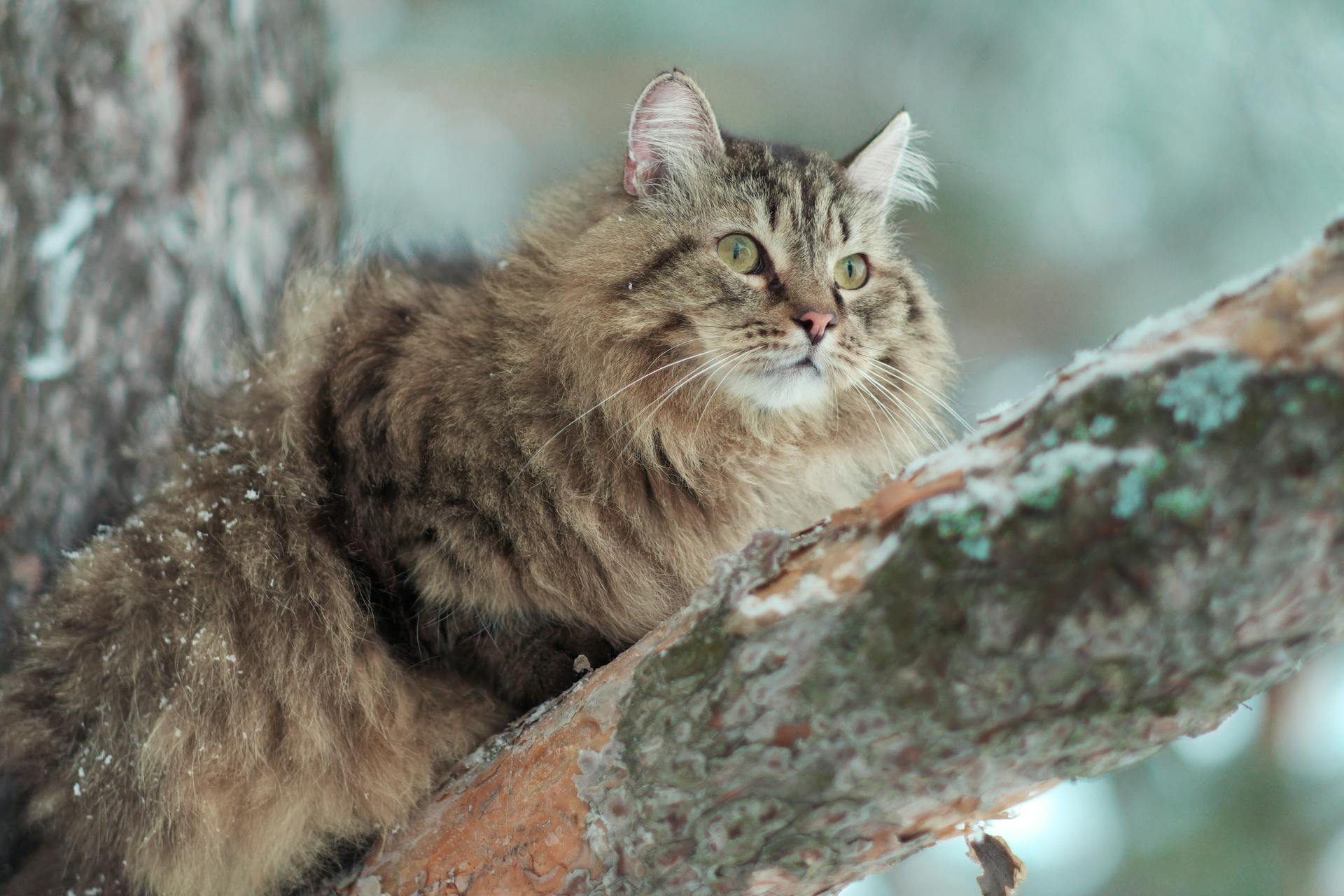
Cat organizations are making a real difference in community cat care. Many of these organizations are working tirelessly to trap, neuter, and release (TNR) feral cat populations, reducing the number of unwanted litters and keeping communities healthier.
These groups are also providing essential services like vaccinations, microchipping, and spaying/neutering to help control cat populations. For example, the ASPCA's Community Cats program offers low-cost spay/neuter services to help reduce the number of homeless cats.
By addressing the root causes of cat overpopulation, these organizations are helping to improve the lives of both cats and humans in their communities.
Discover more: Dog Organizations
Community Outreach
Community Outreach is key to making a positive impact on community cat care. By supporting community cat caretakers, you can help provide winter shelters and fresh straw for bedding each winter.
Providing access to pet food pantries is also a big help. Many community cat caretakers struggle to provide for the cats in their care, so this can be a game-changer.
You can also help by spreading the word about trap-neuter-return (TNR) to cat caretakers. Unfortunately, many of them may not realize the importance of spaying and neutering.
TNR programs can help reduce the number of unwanted litters and prevent suffering for community cats. By telling cat caretakers about TNR and helping them find organizations that can assist them, you can make a real difference.
The Humane Society of the United States (HSUS) offers a Pets for Life Toolkit that can help you become a great force for change in your community. This toolkit provides practical tips and resources for promoting TNR and supporting community cat caretakers.
Funding and Resources
If you're looking for funding to help cats, there are several organizations that offer financial assistance. Visit HumanePro.org for information on organizations that offer financial assistance as well as tips on grant writing and fundraising ideas.
For national TNR (Trap-Neuter-Return) organizations and resources, Alley Cat Allies, Alley Cat Rescue, ASPCApro, Best Friends Animal Society, and Humane World for Animals (formerly HSUS) are great places to start.
Recommended read: Dog Training Organizations
Find Funding
Finding funding for a good cause can be a challenge, but there are resources available to help. Visit HumanePro.org for information on organizations that offer financial assistance.
You can also consider applying for grants to support your efforts. For example, some organizations offer grant writing and fundraising ideas on their websites.
It's worth noting that researching and reaching out to potential funders can be time-consuming. However, it's a crucial step in securing the funding you need.
HumanePro.org is a valuable resource that can help you get started on your funding journey.
Check this out: Dog Registry Organizations
National Resources
National Resources are plentiful for those looking to make a difference in the lives of animals in need. Alley Cat Allies is a national organization dedicated to TNR (Trap-Neuter-Return) efforts.
Alley Cat Rescue is another national organization working to end the killing of cats in shelters. Their efforts focus on Trap-Neuter-Return and advocacy.
ASPCApro is a resource for professionals working in animal welfare, offering training, advice, and best practices. They provide valuable guidance for those looking to make a positive impact.
Worth a look: Trap Raccoons

Best Friends Animal Society is a leading national animal welfare organization, working to end the killing of dogs and cats in shelters. They also have a strong focus on Trap-Neuter-Return efforts.
Humane World for Animals, formerly known as HSUS, is a national organization that works to protect animals from cruelty, abuse, and neglect.
If this caught your attention, see: How to Stop Cruelty towards Animals
TNR Programs
There are many ways to launch a community cat program. A return-to-field program is one option, where eligible cats are sterilized, vaccinated, ear-tipped, and returned to their original location.
You can empower Trap-Neuter-Return (TNR) efforts in your area even if you lack a budget for a full-fledged program. There are many low-cost or no-cost ways to do so.
Spread the word about TNR to cat caretakers who may not be aware of its importance. They may be providing food to community cats without realizing the need for spaying and neutering.
New York City has many organizations that support TNR efforts. Some examples include Bronx Community Cats, Brooklyn Bridge Animal Welfare Coalition, and Little Wanderers NYC.
Long Island also has its own TNR organizations, such as All About Spay Neuter, Animal Rescue Fund of the Hamptons, and Second Chance Animal Rescue League.
The Humane Society of the United States (HSUS) offers a Pets for Life Toolkit that can help you become a great force for change in your community.
Additional Solutions for Overpopulation
To tackle cat overpopulation, spaying and neutering is key. Approximately 80% of community cats need to be sterilized to effectively reduce the population.
Spaying and neutering owned cats before they're 5 months old is crucial, as cats can have kittens while they're still kittens. This simple act can prevent unwanted litters and reduce the number of cats that end up in shelters.
Helping people keep their own cats when faced with challenges like behavior issues, financial struggles, or housing problems can make a big difference. This approach can help reduce the number of cats that are abandoned outdoors.
A fresh viewpoint: How Many Kittens Can a Cat Have at One Time?
Providing people with options and assistance for rehoming cats they can no longer keep can also help. This way, those cats won't end up living on the streets.
To keep cats happy and active indoors, owners can try various strategies. This might include providing toys, scratching posts, and climbing structures to keep them entertained and exercised.
Here are some additional solutions to consider:
Frequently Asked Questions
What is the best charity for cats?
There are many reputable charities dedicated to cat welfare, but some top organizations include International Cat Care and Alley Cat Rescue, which provide vital services and support to cats in need. Consider donating to or volunteering with these organizations to make a positive impact on feline lives.
What is the largest cat association?
The International Cat Association (TICA) is the world's largest genetic cat registry, with a global presence. Founded in North America, it now encompasses a worldwide network of cat enthusiasts and breeders.
Is there a cat equivalent of the Kennel Club?
Yes, the Governing Council of the Cat Fancy (GCCF) is a cat equivalent of the Kennel Club, registering pedigree cats and providing information through their website. You can contact them directly to learn more about registering your cat.
Featured Images: pexels.com