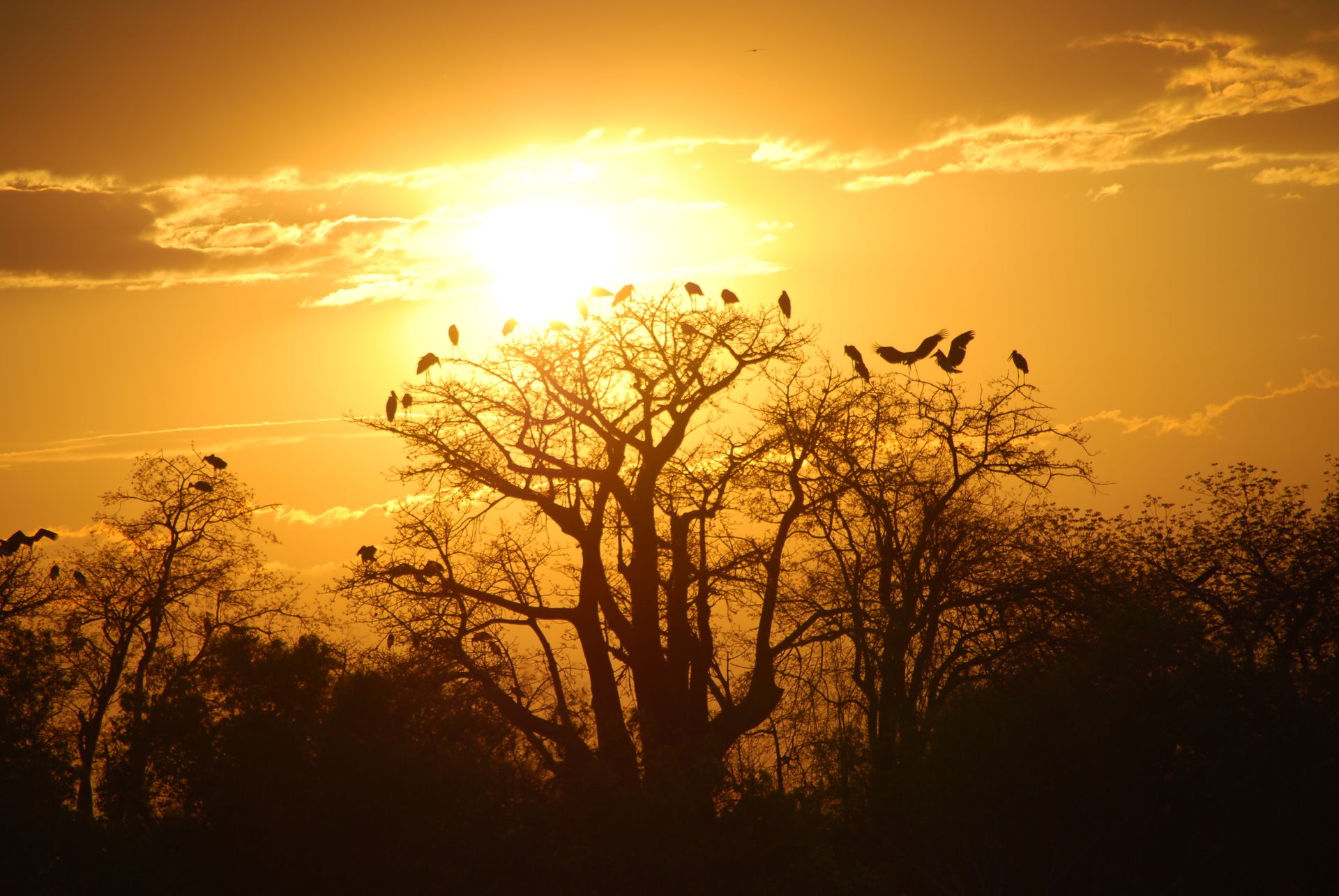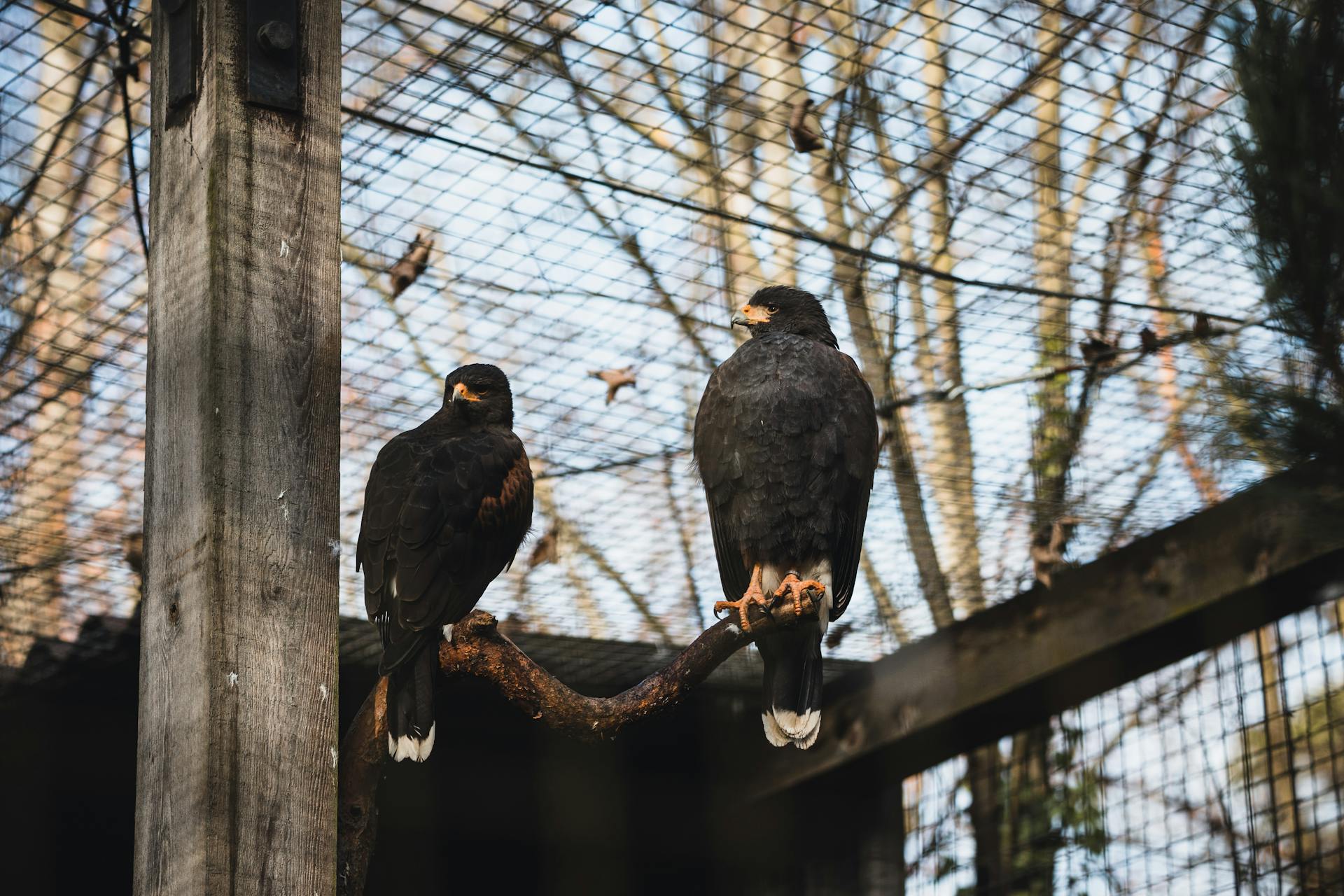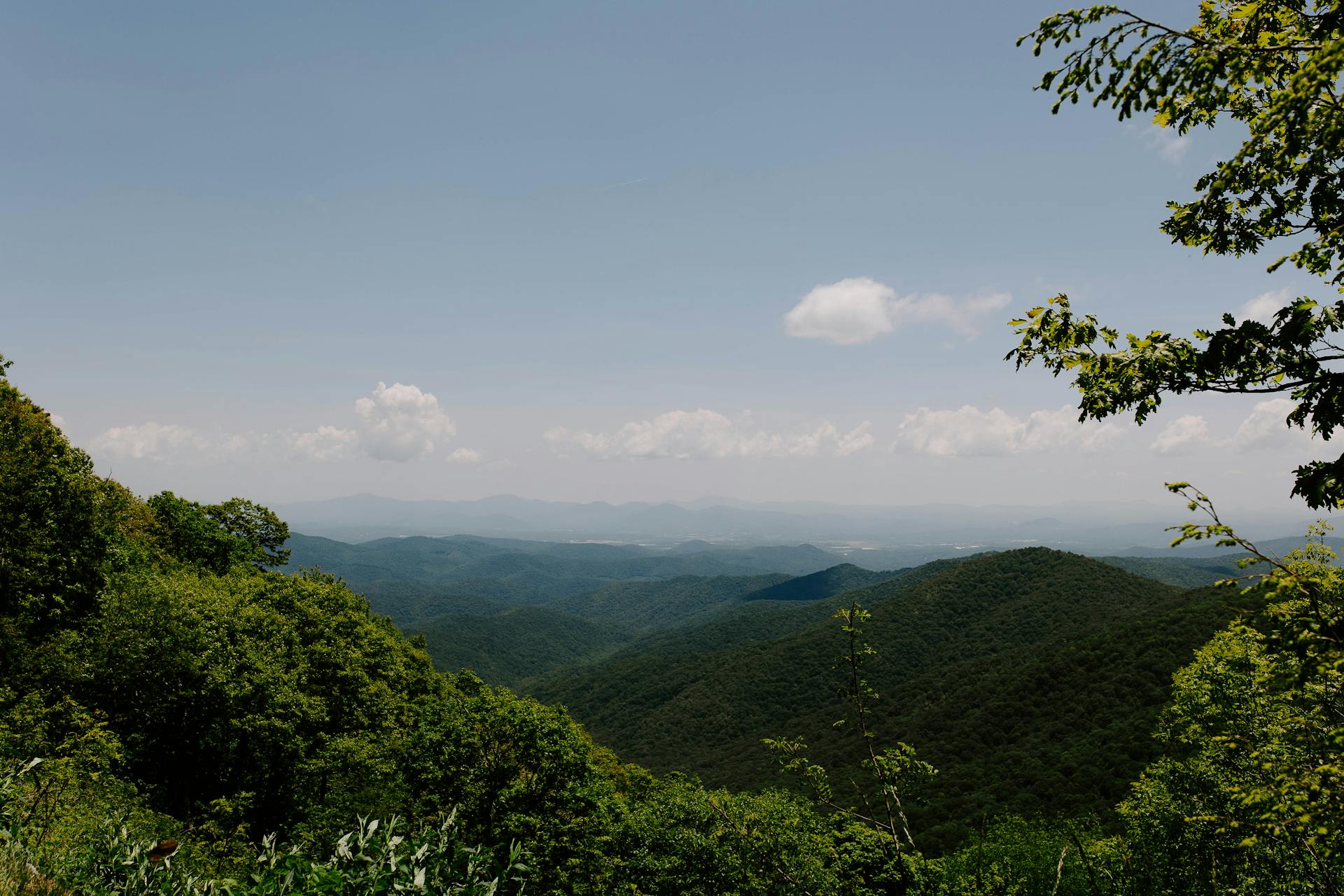
North Carolina is a paradise for bird hunters, with its diverse landscape and rich avifauna. The state is home to over 400 species of birds, including waterfowl, upland game birds, and songbirds.
The Piedmont region of North Carolina is a hotspot for bird hunting, with its mix of forests, fields, and wetlands providing a perfect habitat for species like the woodcock and the American wood duck. Hunters can expect to find a variety of bird species in this region.
The Coastal Plain region of North Carolina is also a great destination for bird hunters, with its marshes, swamps, and beaches providing a home for species like the mallard and the American golden-eye. This region is particularly popular for waterfowl hunting.
The North Carolina Wildlife Resources Commission (NCWRC) regulates bird hunting in the state, setting seasons, bag limits, and hunting hours to ensure sustainable hunting practices. Hunters must obtain a license and follow all regulations to hunt birds in North Carolina.
A unique perspective: North American Opossum
Licenses and Regulations
To hunt waterfowl in North Carolina, you'll need to obtain a state hunting license, the North Carolina Waterfowl Privilege, and a Federal Duck Stamp. The North Carolina Waterfowl Privilege is required in addition to a Federal Duck Stamp, and you can find information on which licenses include this privilege in the "License Type" section of the North Carolina Inland Fishing, Hunting and Trapping Regulations Digest.
You'll also need to get HIP (Harvest Information Program) Certification, which is free of charge, but required for each state you hunt in. If you're a non-resident hunter who's already been certified in another state, you'll still need to get HIP certified in North Carolina. The HIP certification process is straightforward, and you can get more information on it in the regulations digest.
Here's a quick rundown of the licenses and costs you'll need to consider for waterfowl hunting in North Carolina:
- State hunting license
- North Carolina Waterfowl Privilege (required for most license types)
- Federal Duck Stamp
- HIP Certification (free of charge)
License Requirements
To hunt waterfowl in North Carolina, you'll need a state hunting license, which comes in several types.
You'll also need to get the North Carolina Waterfowl Privilege, unless you hold a Sportsman’s license or a Comprehensive Hunting license. For non-resident hunters with a Lifetime Sportsman’s license, this privilege is not required, but it is needed for those with short-term or basic non-resident hunting licenses.
A Federal Duck Stamp is another required license for waterfowl hunting.
HIP (Harvest Information Program) Certification is also necessary, and it's free of charge. Don't forget that you'll need to be HIP certified in each state you hunt in, even if you've already been certified in another state.
Here's a breakdown of the licenses you'll need for waterfowl hunting in North Carolina:
Non-Toxic Shot Requirements
Non-toxic shot is required for hunting waterfowl and coots.
On posted waterfowl impoundments on Game Lands, it's unlawful to hunt with or have in possession any shotgun shell containing lead or toxic shot while hunting, except for shotgun shells containing lead buckshot that can be used while deer hunting.
Nontoxic shot is also required for the taking of captive-reared mallards on shooting preserves, in field trials, and during bona fide dog training activities.
You can find a listing of non-toxic shot approved by the U.S. Fish & Wildlife Service at http://www.fws.gov/birds/bird-enthusiasts/hunting/nontoxic.php.
Discover more: Shotgun Choke
Waterfowl Baiting Laws
Baiting as it applies to waterfowl hunting is a complex topic, and it's crucial to understand the laws surrounding it. Both state and federal law prohibit the take of migratory game birds by the aid of baiting.
Hunters should be aware that a baited area is considered to be baited for 10 days after the removal of the bait. This means if you remove bait from a spot, you can't hunt migratory game birds there for 10 days.
Federal law prohibits take on or over any baited area which could serve as a lure or attraction, and the "zone of influence" may extend a much greater distance. Substantial penalties for violations apply.
State law prohibits take of migratory game birds within 300 yards of a baited area.
Federal Harvest Estimates
The federal government releases annual reports on migratory game bird harvest estimates, which can be a valuable resource for hunters.
The 2014-15 Nationwide Federal Migratory Game Bird Harvest Estimates report provides a comprehensive look at the number of birds harvested during that season.
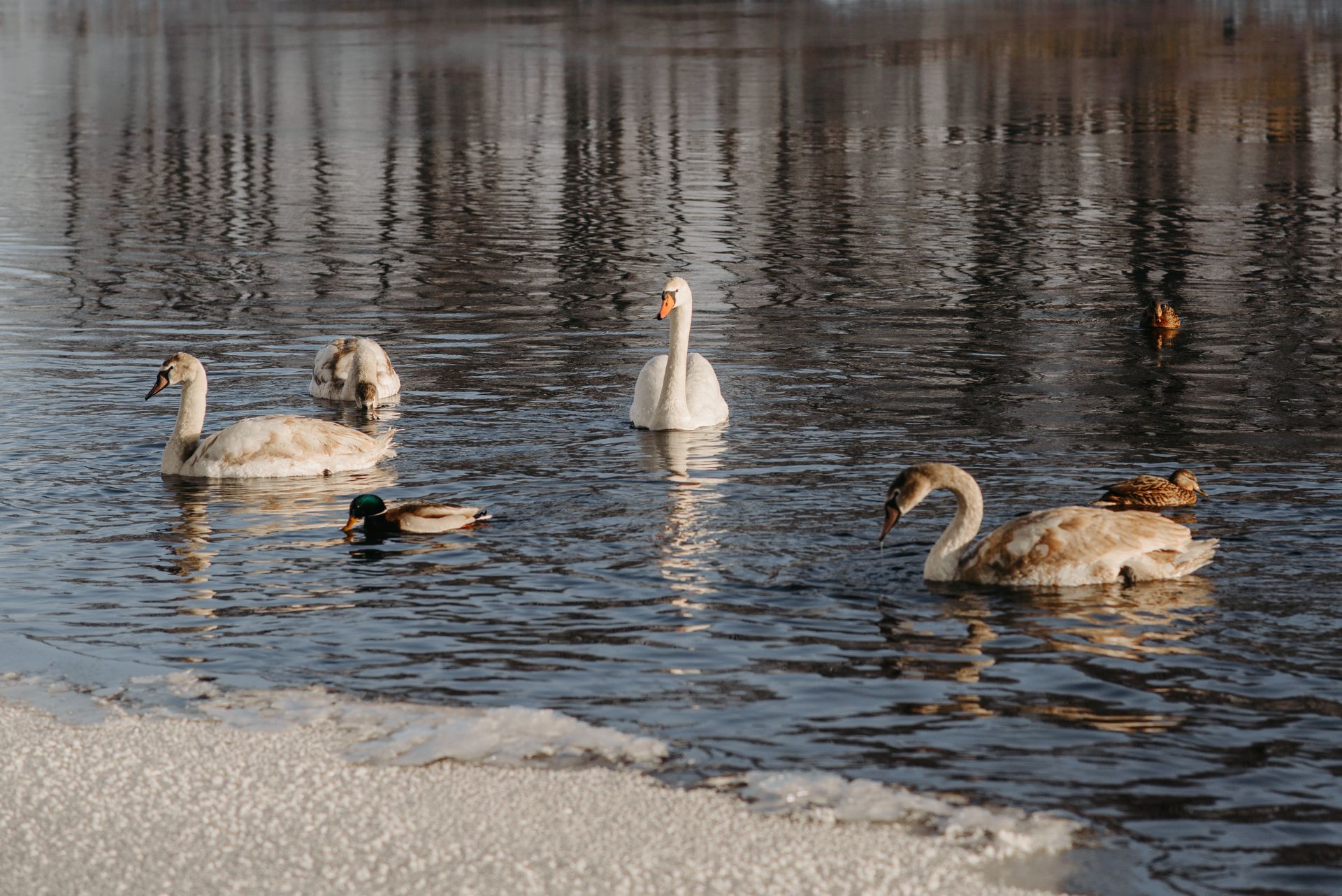
For example, the report breaks down the total harvest by species, with waterfowl making up a significant portion of the total.
If you're interested in hunting in North Carolina, the North Carolina Waterfowl Harvest Estimates are a good place to start.
Here are some specific estimates from the report:
- 2017 Hunting Season - Adaptive Harvest Management Report (PDF)
- 2014-15 Nationwide Federal Migratory Game Bird Harvest Estimates (PDF)
- North Carolina Waterfowl Harvest Estimates
Season and Dates
The regulation of bird hunting seasons in North Carolina is a collaborative process between the state and federal government. The U.S. Fish & Wildlife Service establishes hunting season guidelines, which are then set by the state within those frameworks.
The Atlantic Flyway Council, which North Carolina is part of, plays a crucial role in this process. They review population survey data and formulate harvest strategies to determine the best season dates for various bird species.
The season dates for key upland game bird species in North Carolina vary by species. Here's a quick rundown of the typical season dates for some popular species:
- Bobwhite Quail: (no specific dates mentioned)
- Ruffed Grouse: (no specific dates mentioned)
- Pheasant: (no specific dates mentioned)
- American Woodcock: (no specific dates mentioned)
Dove Season Rules
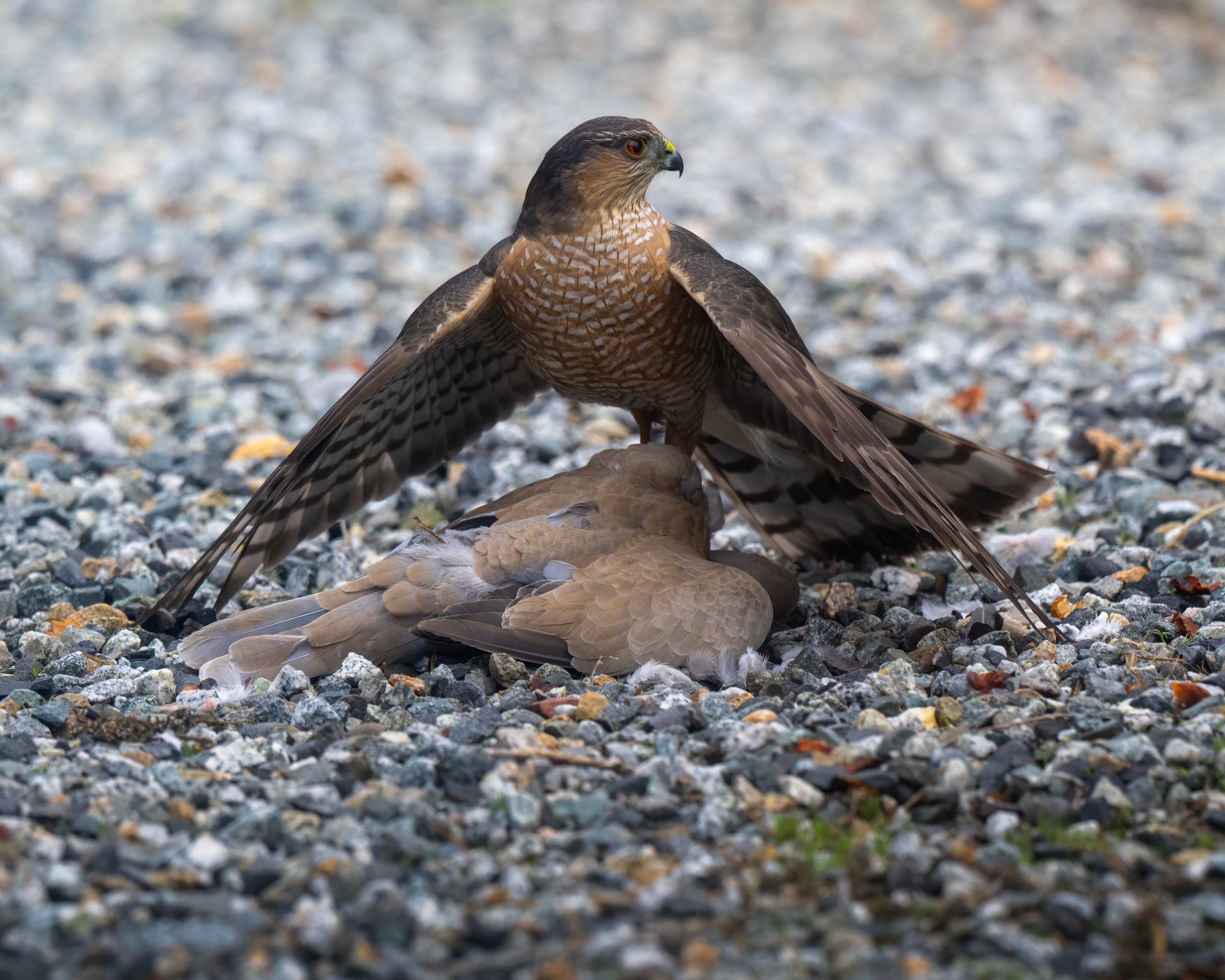
In most states, the daily bag limit for mourning doves is 15 birds.
The season typically runs from mid-September to late January, with exact dates varying by state.
Some states allow hunting on Sundays, while others have a complete ban on Sunday hunting.
In states where hunting is allowed on Sundays, the bag limit still applies.
If you're new to dove hunting, be sure to check the specific regulations for your area, as they can change from year to year.
Mourning dove hunting is usually done with shotguns, and the use of electronic calls is often allowed.
Season Dates
The hunting season for waterfowl is regulated by the federal government, but state agencies like North Carolina's also play a role in setting season dates.
In North Carolina, the Atlantic Flyway Council and Technical Section work together to recommend hunting season guidelines to the USFWS. This collaborative process involves reviewing population survey data and formulating harvest strategies.
Check this out: Florida Wild Turkey Season
The Atlantic Flyway Technical Section is comprised of biological staff from member states, including North Carolina. They review population survey data and formulate harvest strategies before recommending hunting season guidelines to the Atlantic Flyway Council.
The Council then forwards their recommendations to the USFWS for consideration. Proposed regulations are issued and can be commented on by any agency, group, or individual before they become final.
Here are some key upland game bird species in North Carolina, along with their typical season dates:
- Bobwhite Quail: Unfortunately, no specific season dates are provided in the article section for this species.
- Ruffed Grouse: No specific season dates are available for this species in the article section.
- Pheasant: No specific season dates are mentioned in the article section for this species.
- American Woodcock: No specific season dates are available in the article section for this species.
Species and Hunting
In North Carolina, you can hunt over 50 species of birds, including waterfowl, upland game birds, and songbirds.
The most popular game bird species in the state are the wood duck, American black duck, and mallard.
Mallards are known for their distinctive quacks and are often hunted in large numbers during the fall season.
Curious to learn more? Check out: Bird Species in North Carolina
Waterfowl Privilege
To hunt waterfowl in North Carolina, you'll need to have the North Carolina Waterfowl Privilege on your person. This privilege is required for hunters 16 years of age and older.
The North Carolina Waterfowl Privilege is an additional license that must be carried along with a Federal Duck Stamp. If you're planning to hunt waterfowl, make sure you have both of these licenses.
You can find more information on the North Carolina Waterfowl Privilege and the required licenses in the North Carolina Inland Fishing, Hunting and Trapping Regulations Digest.
Northern Pintails
Northern Pintails are tracked using satellite technology as part of the Atlantic Flyway Satellite Telemetry Project.
The Eastern Population Tundra Swan Management Plan also references the tracking of Northern Pintails, highlighting the importance of understanding their migration patterns.
Northern Pintails can be found in Eastern North America, where they are part of the Atlantic Flyway.
Their migration patterns are likely influenced by the availability of food and water sources along their route.
Satellite tracking has provided valuable insights into the behavior and migration patterns of Northern Pintails.
For more insights, see: Eastern Wild Turkey Poults
Conservation and Recovery
The North Carolina Wildlife Resources Commission manages the state's wildlife populations, including waterfowl, to ensure sustainable hunting opportunities.
Broaden your view: Wildlife Rehabilitator Raleigh Nc
The commission's waterfowl management plan focuses on maintaining a balance between hunting and conservation, with a goal of achieving a stable population of 50,000 to 100,000 ducks and geese.
To achieve this goal, the commission sets hunting seasons and bag limits, monitors waterfowl populations, and works with other agencies to protect and restore habitats.
Benefits of Hunting
Hunting on private preserves offers a unique set of benefits that can enhance your overall experience. Private preserves often have smoother terrain, making it easier to move around and find your footing.
Hunters on private preserves have a higher chance of success due to the known presence of birds in these areas. This is especially beneficial for new hunters or those looking for a more accessible experience.
The terrain on private preserves is generally more conducive to hunting, with fewer obstacles to navigate. This allows you to focus on the hunt rather than struggling to move through difficult terrain.
Related reading: Irish Setter Terrain
If you're interested in teaching gun skills to youth or new hunters, a private preserve is an ideal environment. The high activity level and known presence of birds provide a perfect setting for learning and practicing hunting skills.
Here are some key benefits of hunting on private preserves:
- Higher chances of success due to known bird presence
- Smaller, smoother terrain for easier movement
- Increased activity for dogs, providing a true workout
- Perfect environment for teaching gun skills to youth or new hunters
Wildlife Conservation
Private preserves can be a great option for new hunters or those looking for a more accessible experience. Chances of success are higher in a familiar environment, making it easier to learn and enjoy the hunt.
Hunting on public land can be challenging due to uneven terrain, but private preserves often have smoother ground, allowing hunters to move more easily with their dogs. This makes it a perfect environment for teaching gun skills to youth or new hunters.
If you're interested in hunting migratory birds, be aware that federal laws take precedence over state laws. To take or kill migratory birds during the closed season, you'll need to obtain a federal permit from the U.S. Fish and Wildlife Service.
If you're planning to hunt Canada geese, you may be able to obtain a depredation permit from the Wildlife Resources Commission during the April 1–Aug. 31 time period. This is specifically for commercial agriculture situations where geese are causing damage.
Banded Bird Recovery Locations
Hunter recoveries of waterfowl banded during the preseason banding period can offer insights into the production areas that feed birds into migration and wintering regions.
Each year, state, federal, and provincial wildlife agencies devote considerable manpower and funds to band waterfowl, with a focus on the preseason banding period (July – September) when most waterfowl are associated with breeding areas.
The maps created from data supplied by the United States Geological Survey & United States Fish & Wildlife Service for waterfowl recovered before the 2007 hunting season show preseason banding locations of common species which winter in North Carolina or pass through the state during migration.
These maps can indicate production areas for ducks wintering in the Tarheel state, but caution should be used when interpreting them, as banding effort is not always equal across a species geographic range.
You can view leg band recovery maps for individual species by clicking on the links below:
Preserves and Resources
If you're planning a bird hunting trip to North Carolina, it's essential to know about the preserves and resources available to you.
For a unique and exclusive hunting experience, consider visiting the Black River Shooting Preserve, part of Legacy Farms and Ranches of FM Realty.
To ensure a successful and enjoyable hunt, familiarize yourself with the state's regulations and resources, including the North Carolina Wildlife Resources Commission and the North Carolina Pheasant Hunting License.
Here are some essential resources to get you started:
- North Carolina Wildlife Resources Commission
- North Carolina Pheasant Hunting License
- North Carolina Guides & Outfitters Directory
- North Carolina Pheasant Forum
Black River Shooting Preserve
The Black River Shooting Preserve is a unique resource for outdoor enthusiasts. It's located at Legacy Farms and Ranches of FM Realty.
This preserve offers a chance to experience the thrill of shooting in a safe and controlled environment. The preserve is well-maintained and provides a variety of shooting ranges for different skill levels.
If you're interested in visiting the Black River Shooting Preserve, be sure to check with Legacy Farms and Ranches of FM Realty for availability and regulations.
Related reading: Black Birds
Resources
If you're interested in pheasant hunting in North Carolina, you'll want to start by checking out the North Carolina Wildlife Resources Commission.
For specific information on obtaining a pheasant hunting license in North Carolina, look no further than the North Carolina Pheasant Hunting License.
The North Carolina Guides & Outfitters Directory is a great resource for finding experienced guides and outfitters to help you navigate the state's pheasant hunting regulations and terrain.
If you're looking for a community of fellow pheasant hunters to connect with, the North Carolina Pheasant Forum is a great place to start.
Here are some key resources to keep in mind:
- North Carolina Wildlife Resources Commission
- North Carolina Pheasant Hunting License
- North Carolina Guides & Outfitters Directory
- North Carolina Pheasant Forum
Frequently Asked Questions
Are there wild pheasants in North Carolina?
Yes, wild pheasants can be found in North Carolina, specifically in the Outer Banks where they reproduce naturally. However, their presence is limited to this region.
What animals can be hunted year round in North Carolina?
In North Carolina, the following animals can be hunted year-round with no closed seasons or bag limits: groundhog, nutria, coyote, striped skunk, armadillo, and wild hogs. Visit www.ncwildlife.org/foxseasons for more information on hunting regulations.
Featured Images: pexels.com