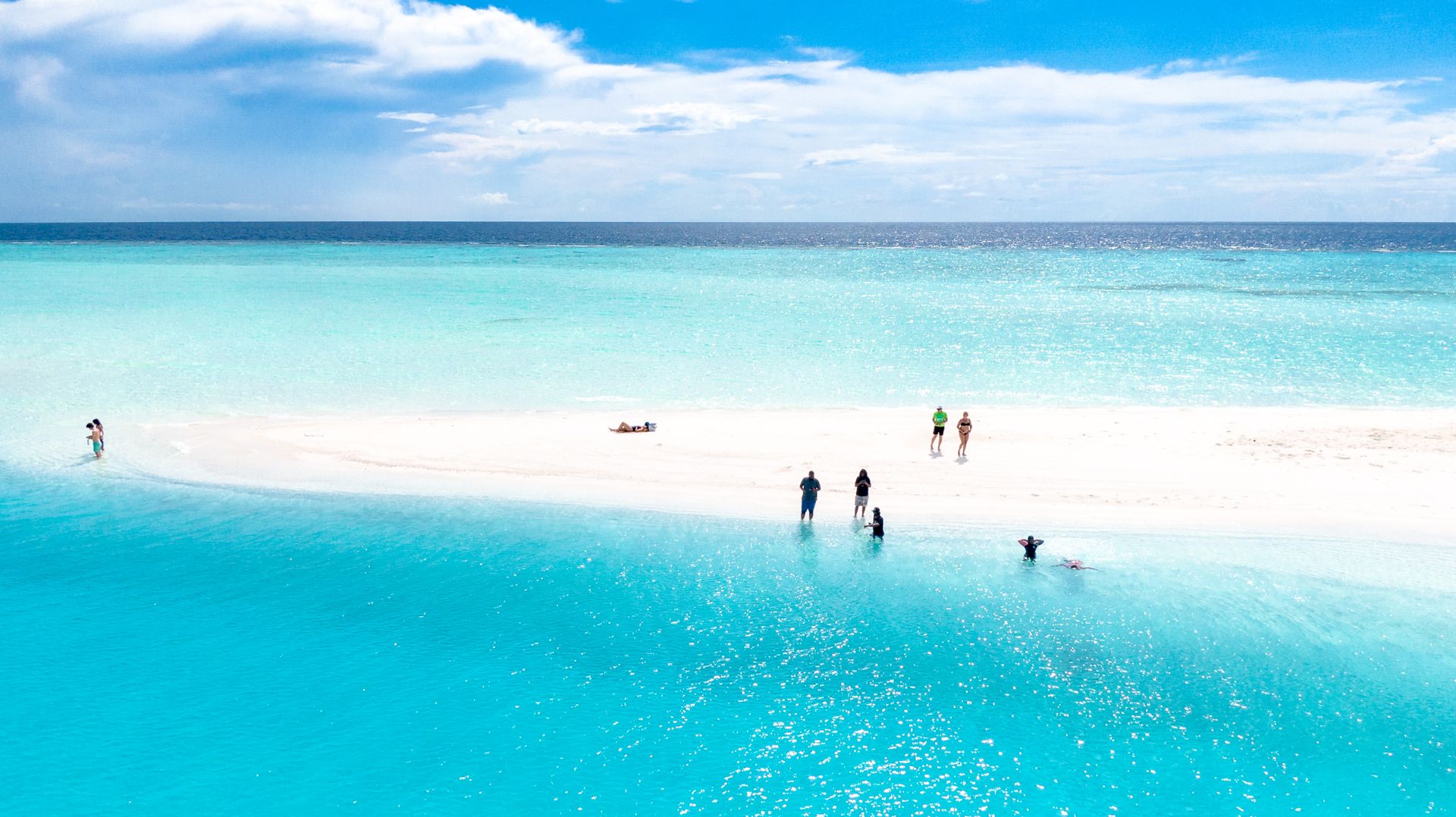
The Maldives is a haven for wildlife enthusiasts, with its crystal-clear waters and coral reefs teeming with marine life. The country's unique geography, comprising over 1,000 coral islands, creates a diverse array of habitats that support an incredible variety of species.
Manta rays and whale sharks are two of the largest fish in the ocean, and can be found in the Maldives' waters. These gentle giants can grow up to 20 feet in length and weigh over 20 tons.
The Maldives is also home to a variety of smaller fish species, including parrotfish, butterflyfish, and angelfish. These colorful creatures are a sight to behold, with their vibrant scales and intricate patterns.
The coral reefs in the Maldives are some of the most biologically diverse ecosystems on the planet, supporting over 2,000 species of fish and invertebrates.
Marine Life
The Maldives is home to an incredible array of marine life, with over 2,000 species of fish, including colourful reef fish, blacktip reef sharks, moray eels, and a wide variety of rays.
You can spot manta rays, with their long thin tails, gliding effortlessly through the water, feeding on plankton. They can be found all year round, but migrate seasonally within the Maldives.
The Maldivian waters are also home to whale sharks, the largest fish in the world, which can grow up to 20 meters in length. You can see them in the South Ari Atoll, which is known to be the best place to spot these gentle giants.
Some of the most common fish species in the Maldives include the powder-blue surgeonfish, threadfin butterflyfish, bullseye, parrotfish, clownfish, and redtail butterflyfish. You can find these species in the crystal-clear waters of the reef, where the coral and other marine life provide a vibrant and diverse ecosystem.
The coral reefs of the Maldives are renowned for their beauty and diversity, supporting an abundance of marine life. They act as natural barriers protecting the islands from erosion, but face many threats such as coral bleaching, climate change, and human intervention.
Here are some of the fish species you might see in the Maldives:
- Powder-blue surgeonfish (Acanthurus leucosternon)
- Threadfin butterflyfish (Chaetodon auriga)
- Bullseye (Priacanthus hamrur)
- Parrotfish (Scaridae)
- Clownfish (Amphiprioninae)
- Redtail butterflyfish (Chaetodon collare)
- Spotted eagle ray (Aetobatus narinari)
- Maldives Blenny (Ecsenius minutus)
- Threefin Blenny (Helcogramma maldivensis)
Marine Life
The Maldives is a snorkeler's and diver's paradise, with an incredible array of marine life. The waters are home to over 2,000 species of fish, ranging from colourful reef fish to majestic manta rays and whale sharks.
The Maldives is one of the best places in the world to see manta rays, with some individuals reaching an impressive wingspan of up to 5.5 metres. Hanifaru Bay in the Baa Atoll is a popular spot to see these gentle giants, especially during the wet season from May to November.
Manta rays are not the only exciting species to spot in the Maldives. The waters are also home to stingrays, which can be found in the Ari Atoll and other areas. While stingrays can sting in self-defence, it's best to admire them from a safe distance.
If you're planning to snorkel or dive in the Maldives, be aware of some venomous fish in the area. Stingrays, stonefish, and lionfish may attack if provoked, and barracudas can be overly curious. However, most fish in the Maldives are harmless, and with proper precautions, you can have a safe and enjoyable experience.
The Maldives is also home to a variety of other marine life, including coral, sea turtles, and dolphins. The South Ari Atoll is known for its dolphin sightings, with eight different species commonly encountered. Whales, including blue whales and sperm whales, can also be spotted in the area.
Here's a list of some of the most common marine life species you might see in the Maldives:
- Manta rays
- Stingrays
- Whale sharks
- Dolphins
- Sea turtles
- Coral
- Box jellyfish (rarely spotted in the Lhaviyani Atoll)
Remember to always snorkel or dive with a reputable tour operator and follow local safety guidelines to ensure a safe and enjoyable experience.
Mollusks
Maldivian reefs are home to a diverse array of mollusks, including octopuses, squids, and clams. These creatures can be found in the reef shelf.
The giant clam (Tridacna gigas) is a common sight on Maldivian reefs, and can grow to be quite large.
Insects
The Maldives is home to a variety of insects, some of which can be a nuisance, while others are harmless and even beneficial.
Mosquitoes, known locally as "Madiri", can occasionally be a problem on some islands, so it's a good idea to bring your own repellents, just in case.
Most resorts in the Maldives are regularly sprayed and fogged to control insects, which helps minimize their presence.
Carpenter bees, known locally as "Maaburu", are a common sight in the Maldives, known for their large size and shiny black bodies.
These solitary bees play a crucial role in pollinating tropical flowers and are harmless to humans, despite their intimidating appearance.
Here are some common insects you might encounter in the Maldives:
- Mosquitoes (Madiri)
- Carpenter Bees (Maaburu)
Reptiles and Amphibians
The Maldives is home to a diverse range of reptiles and amphibians, despite its small land area.
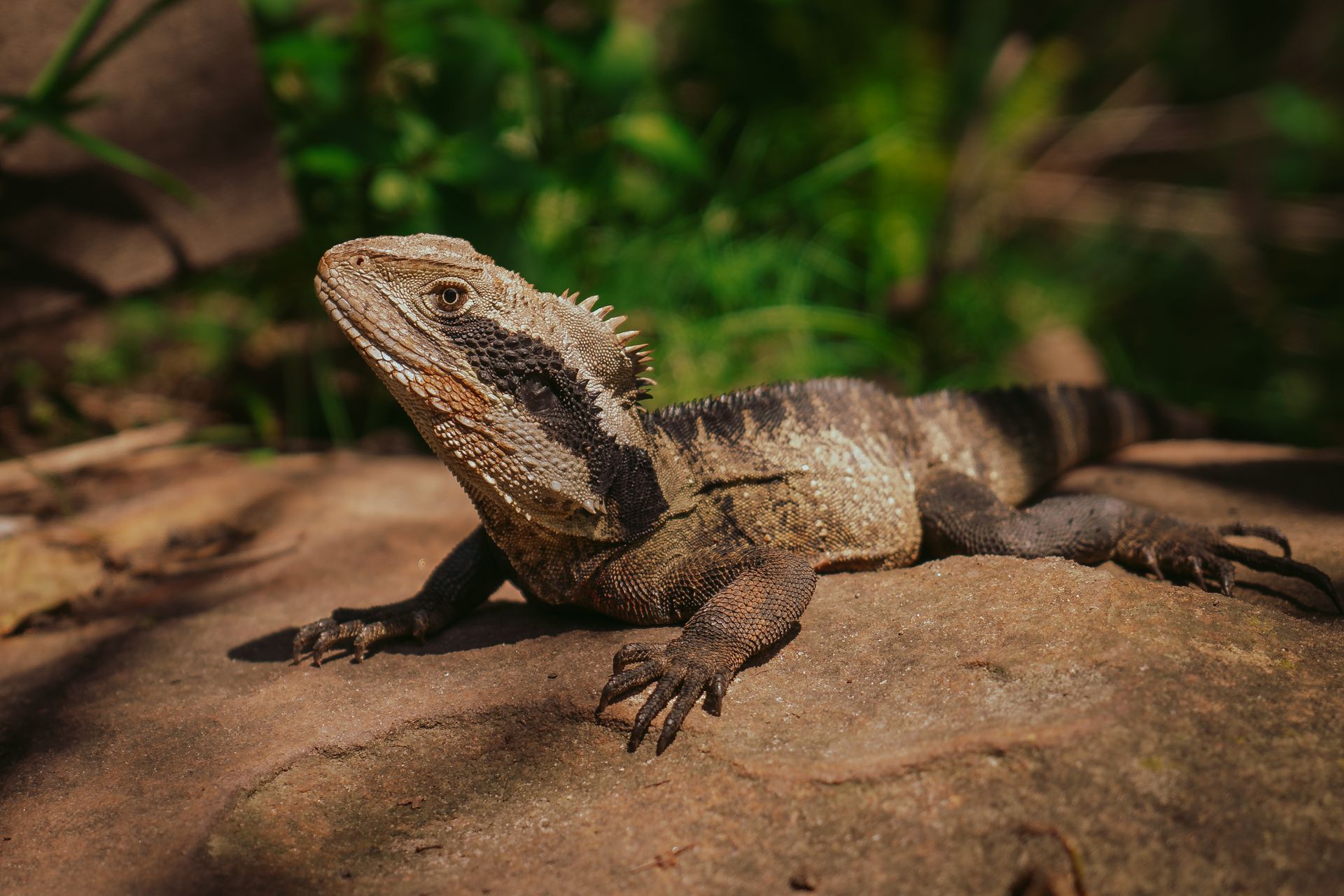
Land-based reptiles are relatively rare, but you can spot a few species, including geckos, agamid lizards, and snakes like the Indian wolf snake and brahminy blind snake.
The white-spotted supple skink is another species you might encounter.
Saltwater crocodiles have been known to reach the islands and dwell in marshy areas, but this is relatively rare.
The southern burrowing frog and Asian common toad are two amphibian species found in the Maldives.
Here's a list of some of the reptiles and amphibians you might see in the Maldives:
- Geckos
- Agamid lizards (oriental garden lizard)
- Snakes (Indian wolf snake, brahminy blind snake)
- Saltwater crocodiles
- Southern burrowing frog
- Asian common toad
In the sea, you can find a variety of marine reptiles, including sea turtles and sea snakes.
The green sea turtle, hawksbill sea turtle, and leatherback sea turtle are some of the species you might encounter.
Sea snakes, like the yellow-bellied sea snake, are occasionally washed up on the shore after storms.
It's essential to remember that these creatures are wild animals and should be treated with respect.
Mammals
The Maldives is home to a surprisingly small number of land mammals. Only a flying fox and a shrew are endemic to the islands.
You might be surprised to learn that cats, rats, and mice have been introduced by humans, often causing problems in uninhabited areas of the islands.
Bringing dogs to the Maldives is strictly forbidden, so you won't see any furry friends on the beach.
In the ocean surrounding the islands, you can spot several species of whales and dolphins. Occasionally, stray seals from sub-Antarctic waters have been recorded on the islands.
As the sun sets on a Maldivian island, you'll likely hear the squabbling of Fruit Bats emerging from the tree cover. They're quite the noisy bunch!
Birds and Mammals
The Maldives is a haven for birdwatchers, with a diverse range of species calling the islands home. The Common Mynah and House Crow are frequently seen and heard in and around the islands.
If you're lucky, you might spot a Common Sandpiper or Green Sandpiper in the shallow water around the islands. The Green Sandpiper is a rare sight, but it's worth keeping an eye out for.
The Grey Heron is a common sight in many resorts, and can often be seen wading in the shallow water. These birds are quite large, so they're hard to miss.
Out at sea, look out for Pelagic birds like the Great and Lesser Frigatebirds. These birds are known to steal food from other birds by forcing them to regurgitate their recently consumed fish.
The Striated Heron and Indian Pond Heron are two other species you might see in the Maldives. The Indian Pond Heron has a distinctive white front and buff-coloured back.
Marine Mammals
The Maldives is a paradise for marine mammal enthusiasts, with a diverse range of species calling these waters home.
Dolphins are a delight to watch as they playfully leap through the ocean, and you'll have plenty of opportunities to spot them on a "Dolphin Cruise" excursion offered by nearly every resort. These magnificent creatures can be seen year-round, but are most active early in the morning or late in the day, usually staying in deeper waters.
You might even catch a glimpse of them from your resort's beach! If seeing dolphins is a priority for you, planning your trip during the dry season is ideal.
Dolphins come in different sizes, with the Spinner Dolphin (Stenella longirostris) reaching up to 235cm in length and known locally as "Koamas".
The Maldives is also a great destination for whale watching, with 14 of the world's whale species residing in these waters. The blue whale, the largest animal in the world, has been spotted in these waters along with others such as the humpback whale, sperm whale and minke whale.
Dolphins
Dolphins are a delight to watch as they playfully leap through the ocean. You can spot them in the Maldives, where nearly every resort offers a "Dolphin Cruise" excursion.
Spinner Dolphins (Stenella longirostris) are one of the species you might see, known locally as "Koamas". They can dive to depths of up to 600m and reach sizes of up to 235cm.
Dolphins are most active early in the morning or late in the day, usually staying in deeper waters. They tend to be less active during bad weather, so planning your trip during the dry season is ideal if seeing dolphins is a priority for you.
Whales
Whales are an incredible sight to behold, and the Maldives is one of the best places to see them. 14 of the world's whale species reside in these waters.
The blue whale, the largest animal in the world, has been spotted in the Maldives, along with other species like the humpback whale, sperm whale, and minke whale. These gentle giants can be seen on a whale-watching excursion, and it's not uncommon to also see dolphins jumping through the waves.
The best times for whale watching in the Maldives are from September to early December and February to early May, when the sea is calmer. This makes for a more comfortable and enjoyable experience for everyone on board.
If you want to get super technical, it's rumoured that the best time for whale watching in the Maldives is during the El Niño years, when the sea warms up due to the El Niño effect.
Wildlife Encounters
In the Maldives, you can spot colourful tropical fish swimming in the crystal-clear waters. These vibrant fish are a common sight in the Indian Ocean.
The Maldives is also home to moray eels, which can be seen lurking in the coral reefs. Their slithery bodies are a fascinating sight.
Whale sharks, the largest fish in the world, are a rare but exciting encounter in the Maldives.
Choosing the Right Time and Place
Planning your beach holiday during the dry season from December to March can increase your chances of seeing a wide range of Maldives flora and fauna. This is the best time for optimal visibility.
The dry season is ideal for spotting various species, and it's a great time to enjoy the beautiful beaches of the Maldives.
However, if you're keen to swim up close with manta rays, the best season is between May and November. This is when the marine activity is at its peak, making it an exciting time for marine enthusiasts to explore the ocean.
Uncovering Natural Splendour and Wildlife Wonders
The Maldives is a true haven for wildlife enthusiasts. Its crystal-clear waters are home to a vast array of marine life, including colourful tropical fish, moray eels, whale sharks, and rays.
To increase your chances of spotting these incredible creatures, it's essential to plan your visit during the right season. The dry season, which runs from December to March, offers optimal visibility for exploring the Maldives' wildlife.
Swimming up close with manta rays is a thrilling experience, and the best time to do so is between May and November. This period sees an increase in marine activity, making it an exciting time for marine enthusiasts to explore the ocean.
The Maldives' coral reefs are a sight to behold, teeming with life and colour. With a little planning and patience, you can experience the natural splendour and wildlife wonders of this incredible destination.
Conservation and Tourism
The Maldives is a paradise for wildlife enthusiasts, but it's crucial to prioritize eco-tourism to minimize our impact on the marine environment.
Choosing tour operators that adhere to strict ethical guidelines is essential to protect these natural habitats. By doing so, we contribute to the conservation efforts that safeguard the delicate balance of the underwater ecosystem.
Responsible tourists can make a big difference by being mindful of their actions and respecting the wildlife and their habitats.
Featured Images: pexels.com