Australia is home to a vast array of unique and fascinating animals. The country's diverse geography and climate have given rise to an incredible variety of species, from the tiny to the massive.
The eastern grey kangaroo is one of the most recognizable Australian animals, found throughout the country's grasslands and open forests. These powerful hoppers can grow up to 2 meters tall and weigh as much as 85 kilograms.
Australia is also home to a wide range of birds, including the iconic kookaburra. With its loud, cackling call and distinctive laugh-like sound, the kookaburra is a beloved symbol of Australian wildlife.
From the stunning beauty of the platypus to the deadly venom of the inland taipan snake, Australia's fauna is a true marvel.
Iconic Australian Fauna
Australia is home to some of the most unique and fascinating animals in the world. The country's iconic animals are a must-see when visiting.
The wombat, Australia's second-largest marsupial, is a rotund grass-muncher that can reach speeds of up to 40 kilometres per hour. They may look slow, but they're surprisingly agile.
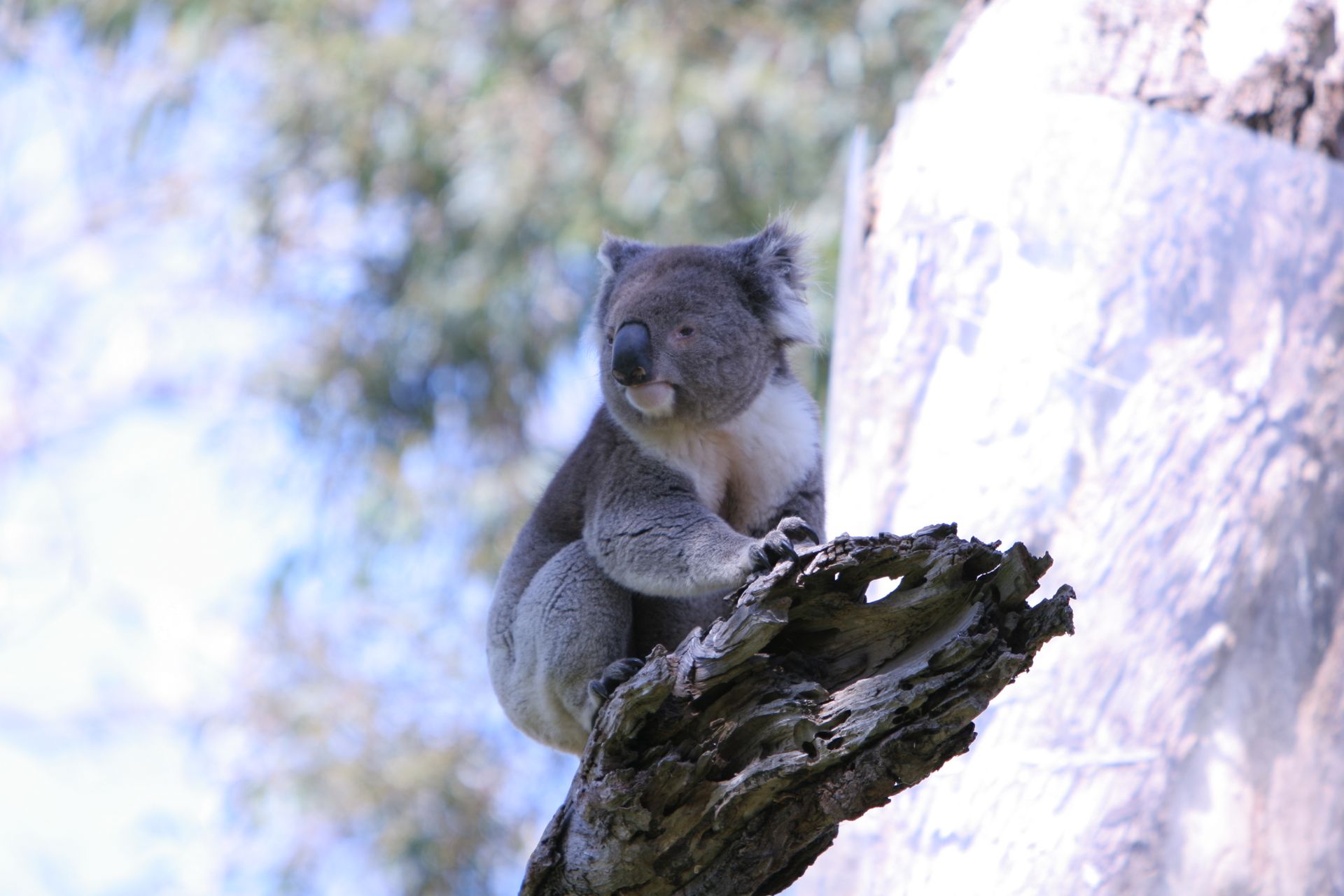
Koalas are another iconic Australian animal, known for being lazy and sleeping up to 22 hours a day. They spend the rest of their time eating eucalyptus leaves, consuming up to one kilogram every day.
Quokkas
Quokkas are the world's happiest animal, found only on Rottnest Island near Perth. They're small macropods with teddy bear ears and tiny doe eyes.
Quokkas are nocturnal creatures and about as large as a common house cat. They look like a tiny, chubby kangaroo.
These adorable animals have a pouch where the baby joey lives in for six months. Quokkas have grown accustomed to humans and often make attempts to sneak into restaurants and campsites in search of food.
It's best not to feed quokkas human food, as this is discouraged and can lead to attacks. Bites have been reported, usually when people are trying to feed them.
Quokkas are naturally inquisitive creatures with little fear of humans and will often approach people on their own, sporting a huge picture-perfect smile.
Where to Wallabies
You're likely to spot wallabies bounding along roads in the outskirts of major Australian cities, where they've even been known to hang around gardens and backyards.
Locals have reported seeing wallabies in these areas, so keep an eye out for them as you explore the suburbs.
The Hunter Valley in New South Wales is another great spot to see wallabies, with many reports of them lying between grapevines in the vineyards.
Wildlife in Australia
Australia is home to an incredible array of wildlife, from its iconic marsupials to its massive saltwater crocodiles.
Two species of crocodiles can be found in Australia: the freshwater crocodile and the saltwater or estuarine crocodile, which can grow up to 6 m/ 20 ft long and weigh up to one tonne.
Saltwater crocodiles, also known as "salties", can remain completely motionless for as long as an hour while waiting for prey, and can hold their breath for about one hour.
The Great Barrier Reef is home to 1,625 known fish species and six of the world's seven types of sea turtle, making it a snorkeler's and scuba diver's paradise.
You can spot kangaroos, wallabies, koalas, wombats, echidnas, and even platypuses in Australia's forests and grasslands, which are often located just a short distance from major cities.
The outback is home to the red kangaroo, emus, dingoes, and even wild camels, as well as the thorny devil, a harmless and outlandishly spiky lizard.
Fairy penguins nest on the beaches of Australia's southern coastline, while seals and sea lions can be spotted lazing on the sand of certain beaches.
The northern tropical zone is home to saltwater and freshwater crocodiles, water buffalo, the southern cassowary, and countless species of birds, including the black-necked stork and the elegant brolga.
Discover more: Southern Brown Bandicoot
Endangered Species
Unfortunately, many Australian animals are struggling to survive due to various threats. The Tasmanian devil, once widely distributed on mainland Australia, is now only found on the island of Tasmania, where its population has declined by over 85% between 1990 and 2020.
Loss of habitat and Devil Facial Tumor Disease are the main causes of the decline, making conservation efforts challenging. A simple touch can be enough to spread the disease among devils, which often fight over mates.
Some other endangered Australian animals include the northern hairy-nosed wombat, several species of potoroo and rock wallaby, and the bilby, among others.
Tasmanian Tigers and Devils
The Tasmanian tiger, also known as the thylacine, was the largest living carnivorous marsupial known. It resembled a large, long dog with a long, stiff tail and brown fur marked with thirteen to twenty dark brown to black stripes on the rear portion of the body.
The thylacine was active mostly at night and preyed on small animals and birds. It occasionally killed and ate sheep and chickens kept by European settlers.
Thylacine females had a back-opening pouch with three to four young in a litter. Pouch life is presumed to have been about four months.
The Europeans feared the thylacine, probably because of its bizarre appearance, its nocturnal habits, and its presumed attacks on domestic animals. A bounty was placed on the animal, and it was trapped, poisoned, and shot.
The last known thylacine died in an Australian zoo in September 1936. Occasional sightings of thylacines have been reported, but in 1986, the species was declared extinct.
The Tasmanian devil, a relative of the thylacine, is smaller, about two feet long with a tail about one foot long. It weighs up to twenty-six pounds and is heavily built, with a broad head and a short, thick tail.
The devil's powerful jaws and strong teeth help it to completely devour its food, bones, fur, and all. It is mainly a scavenger and will eat whatever is available.
The female devil has a back-opening pouch with four nipples. Since more than four young are born in a litter, the extra young die. On average, about two or three young survive in the pouch.
The Tasmanian devil is restricted to the island of Tasmania, off the southeast coast of the mainland. It is believed that the dingo ousted the devil from the mainland.
The Tasmanian devil's population declined by more than 85 percent between 1990 and 2020. In 2008, the Tasmanian devil was listed on the endangered species list.
Intriguing read: Tasmanian Pademelon
What Are Endangered?
Australia is home to many endangered species. Some of our vulnerable, endangered or critically endangered mammals include the northern hairy-nosed wombat, several species of potoroo and rock wallaby, the western ringtail possum, several species of quoll, the bilby, koala, Australian sea lion, bandicoot and some species of whale.
Habitat loss or degradation is a major contributor to population decline. This can be due to natural disasters or climate change.
The bilby is one of the many species under threat. Its population decline can be attributed to habitat loss or degradation.
Several species of albatross and parrot, Cape Barren Goose, and the grey falcon are also at risk. These bird species play a critical role in the ecosystem.
In Australia, we're not just talking about birds and mammals. Threatened species of insect, fish, and reptile also exist.
Mammals
Australia is home to a diverse range of mammals, including marsupials and placental mammals. The country's unique fauna is a result of its geographical isolation and the introduction of non-native species by humans.
Kangaroos, wallabies, and koalas are all marsupials, which means they carry their young in a pouch. These animals are known for their distinctive hopping ability, with some species reaching speeds of up to 30 miles per hour.
The koala is a well-recognized marsupial, although it's often referred to as a bear due to its resemblance to a teddy bear. Mainly a tree dweller, the koala's favorite food is the highly fragrant leaves of eucalyptus trees.
Dingo
Dingos are wild dogs that can be found all over Australia except for Tasmania, and they mainly live in the country's outback.
They have a distinctive appearance, with a brown furry coat, bushy tail, and larger pointed ears compared to domestic dogs.
Dingos are carnivorous, meaning they primarily feed on small animals.
They are known to be highly individualistic and naturally cautious, often avoiding unfamiliar threats and confrontation.
Dingos are not typically kept as pets, but it is legal to do so in certain states with a license, which requires large amounts of space, lots of bonding, and extensive training.
In the wild, dingos can be seen on Fraser Island off the coast of Queensland, where they roam freely.
Dingos are classed as a unique species called Canis dingo, and their origin is much debated, with recent studies suggesting they migrated from central Asia over 18,000 years ago.
Readers also liked: German Shepherd Dogs Australia
Echidna
The echidna is a small animal, growing up to 40-50 cm in length and weighing about 5-6 kg.
It has a prickly coat similar to a porcupine or a hedgehog, with spines covering its body.
Echidnas are nocturnal, meaning they are active at night, and are mainly insect-eaters with a long, sticky tongue.
They roll into a small ball to protect themselves when frightened, making them a unique and interesting creature to observe.
Australian mammals
Australia is home to a diverse range of mammals, including marsupials and placental mammals.
The country's unique fauna includes the kangaroo, a marsupial that can be found in the wild in rural areas, with the highest chances of spotting one in Flinders Ranges, Kangaroo Island, or Pebbly Beach in New South Wales.
The koala, a well-recognized marsupial, is mainly a tree dweller that feeds on the highly fragrant leaves of eucalyptus trees.
Eastern quolls, carnivorous marsupials, are found in Australia and are known for being fierce and territorial.
For your interest: Dromaius Baudinianus
The platypus, a monotreme, is a unique mammal that lays eggs and has a spur on its hind legs capable of delivering a painful venom.
You can see koalas in the wild on Kangaroo Island, a natural island sanctuary home to many of Australia's native animals, or in sanctuaries and zoos in Queensland, where you can even hold them.
Kangaroos are found in nearly all Australian wildlife sanctuaries and zoos, and spotting them in the wild is a treat, especially at dusk.
Wombats are stout marsupials that can be found in southeastern Australia and Tasmania, and are known for their ability to dig burrows with their long claws.
The echidna, a monotreme, is a prickly-coated animal that eats mainly insects and can be found in Australia, where it rolls into a ball to protect itself when frightened.
The Tasmanian devil, a carnivorous marsupial, is known for its powerful jaws and teeth, and is the largest carnivorous marsupial in Australia.
Quolls
Quolls are unique creatures with a stocky body and a long tail, much like a cross between a Tasmanian Devil and a cat. Their sharp teeth are perfect for munching on birds, reptiles, and small mammals.
Quolls are mainly nocturnal animals, but they'll sometimes bask in the sunshine. They're also similar to Tasmanian devils in this behavior.
Females have a pouch where their young live for the first few months of life, and it's located towards the rear, just like wombats. Only the spotted-tail quoll has a true pouch.
Larger quolls can live up to four to five years, while smaller quolls have a shorter lifespan of about two years.
Reptiles and Birds
Australia's birds are a real treat. Many species of parrots are collected for the pet trade, with the small budgerigar or parakeet being the most popular.
Some Australian birds are quite unique, like the bowerbirds that build elaborate structures to attract females for mating.
See what others are reading: Import Birds
Bowerbirds construct their structures using branches, grasses, and bits of bone or shell.
The kookaburra is another notable bird, known for its loud and distinctive call that's often described as the "laughing jackass bird".
The cassowary and emu are two large, flightless species found in Australia.
The cassowary can grow up to 65 inches tall and weigh up to 140 pounds, making it a formidable creature.
In contrast, the emu is a bit shorter, but still impressive at five to six feet in height.
Both birds are well-adapted to their environments, with the cassowary inhabiting the tropical rainforests of the Australian northeast coastal region and the emu found throughout Australia.
Southern Cassowary
The Southern Cassowary is a prehistoric-looking large colourful bird that can grow up to 180 centimetres and normally weighs around 60 kilograms.
If you're visiting Tropical North Queensland, keep your eyes out for this elusive bird, as it can be spotted at some of the accommodations in Port Douglas and Mission Beach, or perhaps on a guided tour through the rainforest.
The Southern Cassowary is easy to recognise with its unique look, especially the helmet-shaped protrusion on its head and its blue-coloured neck.
It's a shy bird but can be seen in certain areas, so be patient and keep a lookout for this amazing creature.
Reptiles
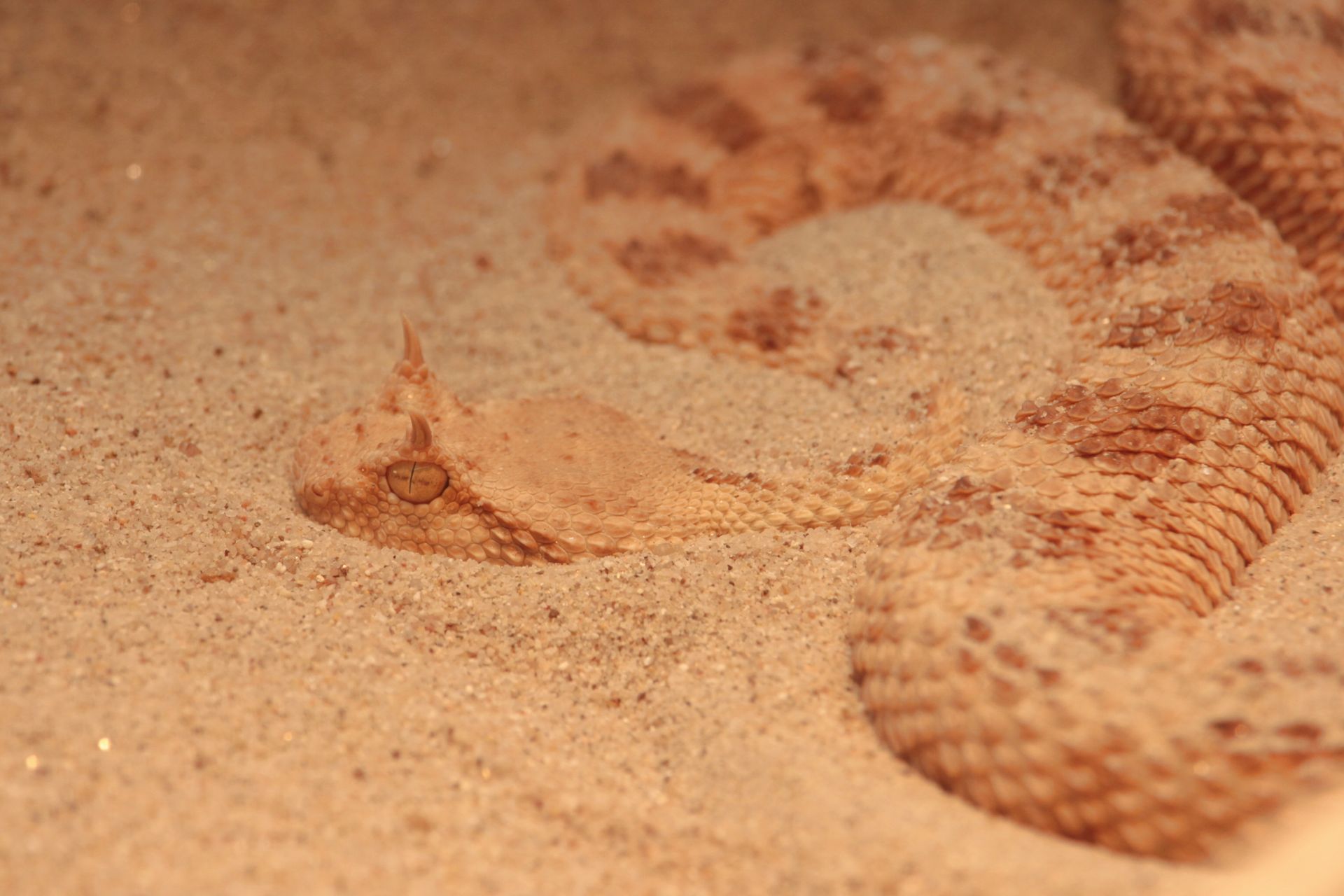
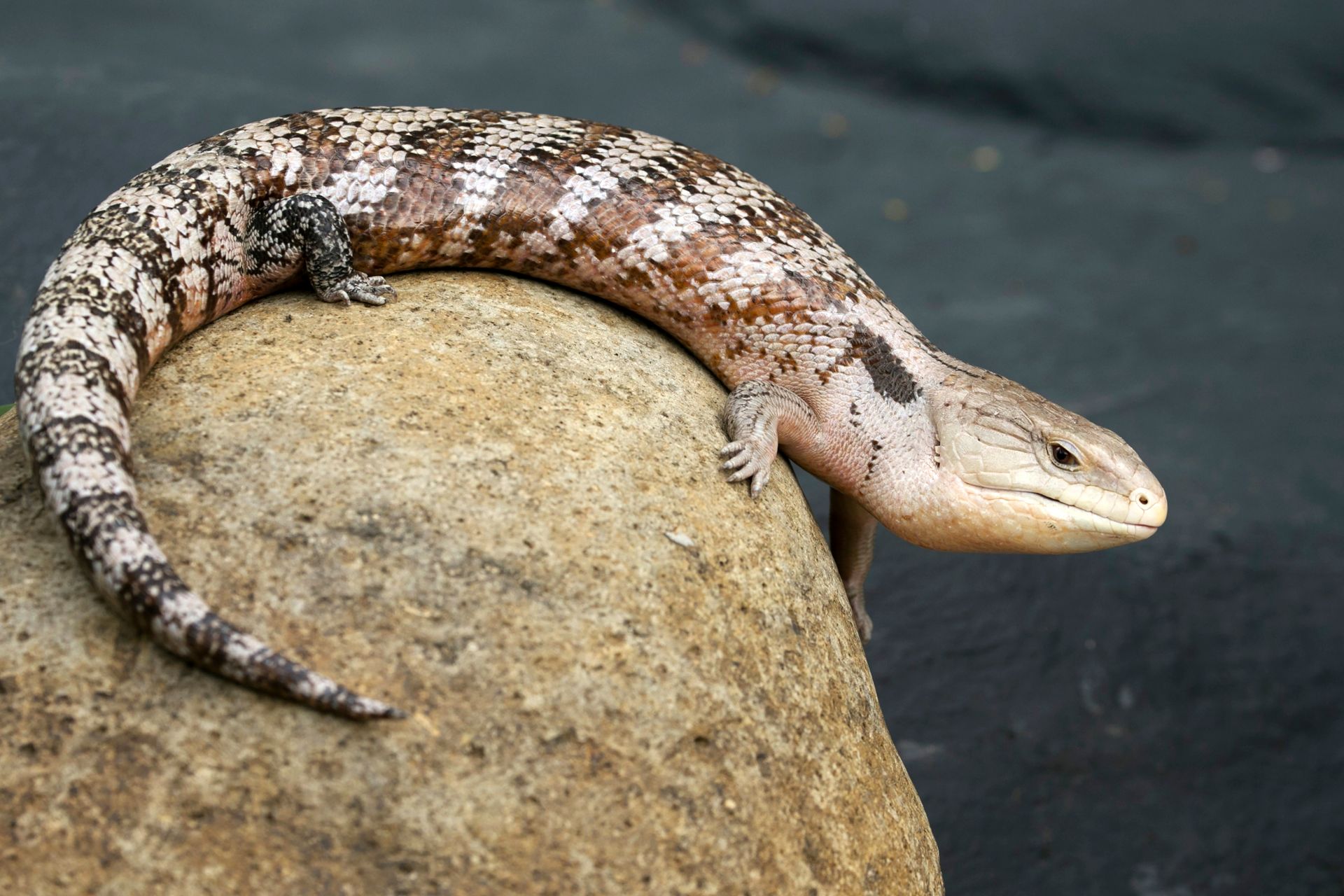
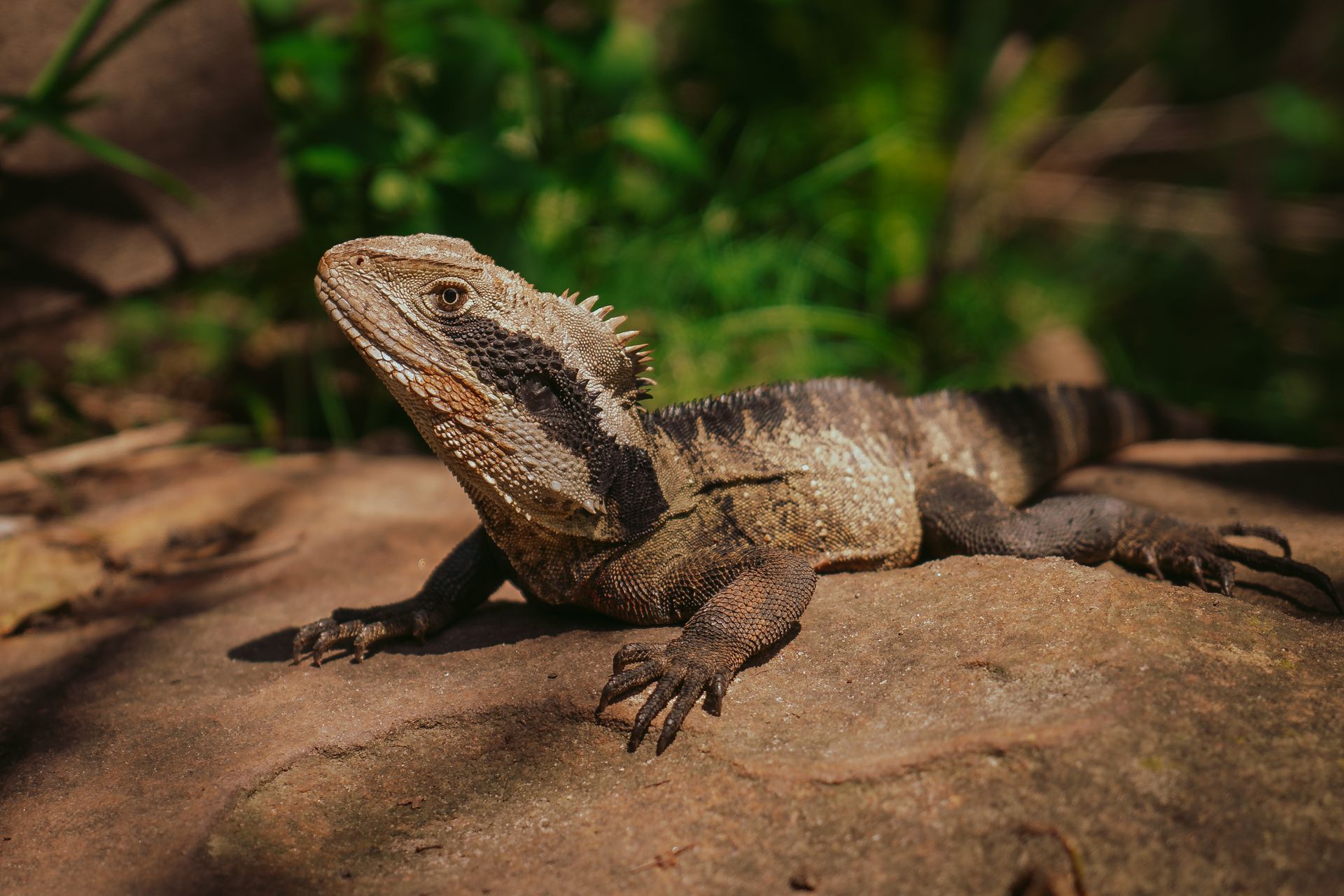
Reptiles are fascinating creatures that can be found in various parts of Australia. The Australian reptiles consist of many species of snakes, some of which are poisonous, several monitor lizards, and the most feared reptile, the crocodile.
The estuarine or saltwater crocodile is the largest and probably most dangerous Australian reptile, with specimens reaching up to thirty feet long. It can live in freshwater billabongs, brackish coastal estuaries, and has been observed swimming 150 miles out at sea.
You might be surprised to learn that the saltwater crocodile was once hunted for its hide, with populations dropping from over 150,000 to around 7,000. However, after hunting was banned, the population rebounded to over 70,000.
The giant goanna, a type of monitor lizard, is the largest of its kind and can grow up to almost nine feet long. It lives in rock crevices in desert regions, feeding on any animals that come within reach.
If you're visiting Tropical North Queensland, keep an eye out for the elusive cassowary, a prehistoric-looking large colourful bird that can grow up to 180 centimetres long.
Broaden your view: Largest Lizards in Australia
Birds
Birds are a fascinating group in Australia, with many species on display.
The parrots are perhaps the most well-known Australian birds. The small budgerigar, also known as the parakeet, is a popular pet due to its ability to mimic human speech and its affectionate nature, often referred to as "love birds."
Some Australian birds are quite unique, like the bowerbirds, which build elaborate structures to attract females for mating. These structures are made from branches, grasses, and other materials.
The kookaburra, a bird known for its loud call, is often heard in the Australian outback. Its call is so distinctive that it's been nicknamed the "laughing jackass bird."
Two large, flightless species of birds can be found in Australia: the cassowary and the emu. The cassowary stands at an impressive 52 to 65 inches tall and weighs up to 140 pounds.
The emu, another flightless bird, can grow up to 5-6 feet tall and is known to feed on a variety of foods, including fruits, seeds, and insects.
Readers also liked: Birds Native to Australia
Unique Australian Fauna
Australia is home to an incredible array of unique and fascinating wildlife, with kangaroos being one of the most iconic and recognizable symbols of the country.
Kangaroos are marsupials and macropods, meaning "big foot", and come in various species, including red kangaroos, eastern gray kangaroos, and Kangaroo Island kangaroos. Red kangaroos are the largest marsupials and Australian mammals, sometimes standing at over 6 feet tall.
Male kangaroos are known for their aggressive behavior towards each other, fighting over mates, but they generally keep to themselves and hop away on sight of a human.
In the wild, kangaroos can be found in rural areas, and some of the best places to spot them include Flinders Ranges, Kangaroo Island, Pebbly Beach in New South Wales, and Maria Island, Tasmania.
The chances of seeing a kangaroo in the wild are very high, with Australia estimated to have between 30 and 40 million kangaroos and more than 55 different species.
Tree kangaroos, on the other hand, are a bit harder to spot, but can be seen in zoos and wildlife parks throughout Queensland, or on guided tours in the Daintree Rainforest and Atherton Tablelands near Cairns.
Kangaroo Island, off the coast of South Australia, is also a must-visit destination for wildlife enthusiasts, with its stunning landscapes and breathtaking wildlife.
Key Information
Australia is a megadiverse country, home to an incredibly high number of plant and animal species, making it a fascinating place to explore.
Four out of five animals that live in Australia can only be found there, highlighting the uniqueness of its fauna.
There are almost 400 mammal species in Australia, with about 140 species of marsupials, which carry their young in a pouch.
Half of the birds that live in Australia can only be found there, making it a paradise for birdwatchers.
Best Time of Year
If you're planning a trip to Australia, timing is everything. You can swim with whale sharks in the autumn months.
Autumn is a great time to see these gentle giants up close. If you're a bird enthusiast, winter is the perfect season to spot a wide variety of bird species.
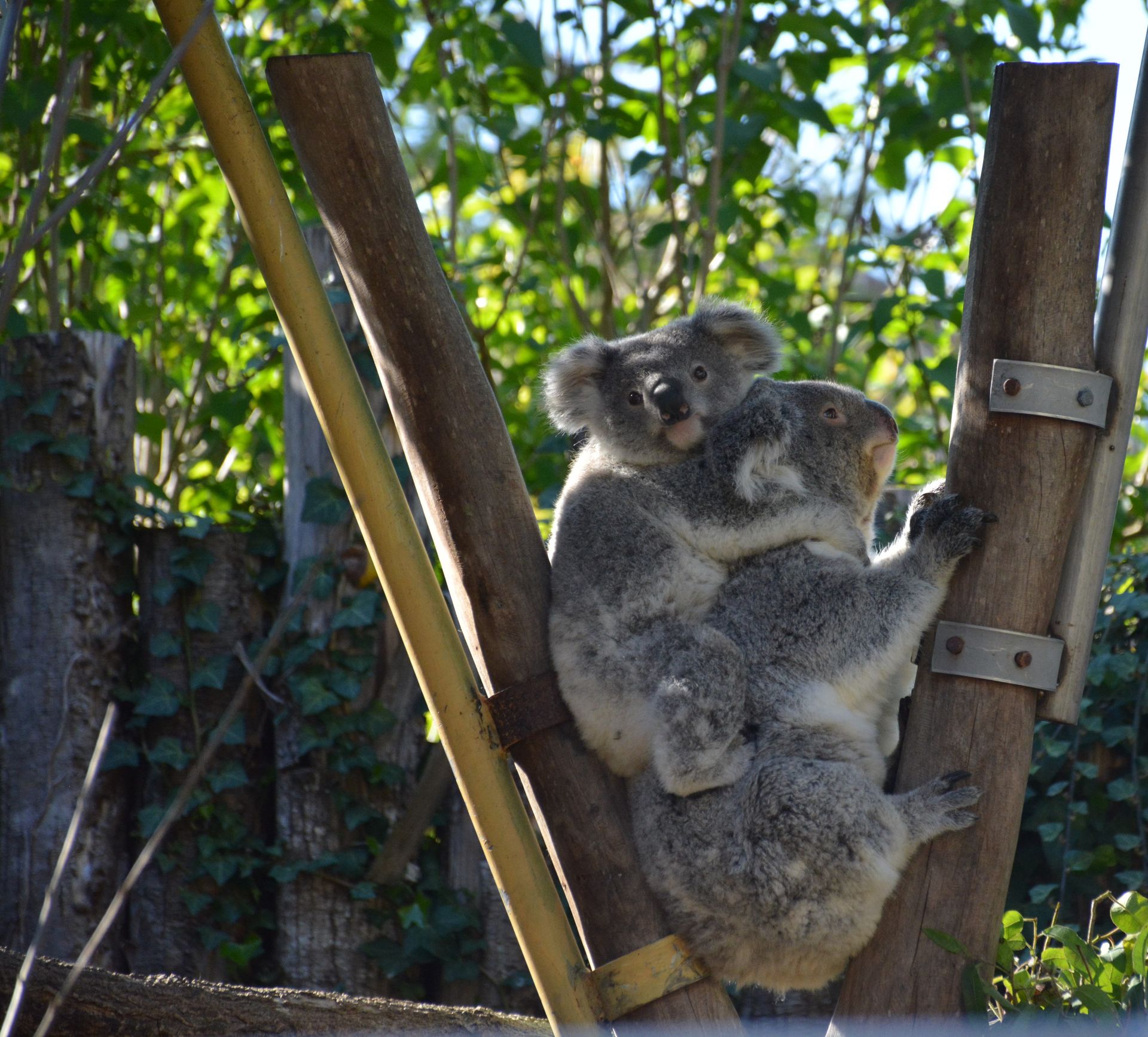
Baby koalas start popping out of their pouches in the spring, making it a magical time to visit. The summer months bring the excitement of watching turtle hatchlings head to sea for the first time.
Experience Wildlife Responsibly
To experience Australian wildlife responsibly, you should follow the stringent animal welfare guidelines in place for all tour operators. This will ensure a positive experience for both you and the animals.
Small group sizes are a must for an immersive experience that focuses on conservation activities. With expert interpretive guiding and a commitment to protecting Australia's unique fauna, your experience will be truly meaningful.
Learning about native wildlife through the lens of an Aboriginal guide is a unique and invaluable experience. Aboriginal guides can share their deep understanding of the cultural connection to nature and the land.
Consider your ecological footprint when booking your trip and get involved in conservation initiatives and rewarding volunteer programs. This will not only leave the environment better than you found it, but also contribute to the protection of Australia's precious wildlife.
Key Facts
Australia is a megadiverse country with an incredibly high amount of plant and animal species. This means you'll find a wide variety of unique and fascinating creatures here.
There are almost 400 mammal species in Australia, with about 140 of them being marsupials. Marsupials are animals that carry their young in a pouch.
Among the endemic animal species, you'll find the platypus and two species of echidna, which are the world's only egg-laying mammals.
Australia has no poisonous snakes, but its snakes are known for their dangerous bites and don't often spit like African cobras.
Here are some of the typical Australian bird species you might encounter:
- Kookaburra
- Emu
- Rainbow lorikeet (a colourful parrot with a red beak and multicolour plumage)
Over half of the birds that live in Australia can only be found there, making them a unique part of the country's biodiversity.
Specific Fauna
The Tasmanian tiger, also known as the thylacine, was the largest living carnivorous marsupial known, resembling a large dog with brown fur and 13-20 dark stripes.
It was a shy and secretive animal, but the Europeans feared it due to its appearance and nocturnal habits, leading to its extinction in 1936.
The Tasmanian devil, a relative of the thylacine, is smaller and heavier, with a broad head and powerful jaws that help it devour its food, bones and all.
It's a scavenger that eats whatever is available, including wallabies, small mammals, and birds, and has been suggested to help maintain countryside sanitation by cleaning up carcasses.
The female devil has a back-opening pouch with four nipples, but extra young often die, leaving only two or three to survive in the pouch.
Tasmanian Devils
The Tasmanian devil is a unique and fascinating creature. It's a marsupial that only lives on the island of Tasmania.
These devils are relatively small, about 2 feet long, and weigh up to 26 pounds. They have a broad head and a short, thick tail.
Their diet consists of small native animals like wallabies, wombats, and possums, as well as reptiles, birds, and even sheep. They're also known to scavenge for food.
The Tasmanian devil's name comes from their frightening growls, high-pitched screeches, and unearthly screams. They've been given a fearsome reputation due to their coloration and behavior.
Devil Facial Tumor Disease (DFTD) has caused a significant decline in the devil population, with over 85% decline between 1990 and 2020. This disease is highly contagious among devils.
You can spot Tasmanian devils in the wild in rocky areas, or in wildlife parks like Cradle Mountain-Lake St Clair National Park. They're also found in the Tasmanian Wilderness World Heritage Area.
Where to Lyrebirds
If you're looking to see lyrebirds in their natural habitat, the Yarra Valley and Dandenong Ranges near Melbourne are great spots. These areas are just an hour away from Melbourne and offer a chance to spot wild lyrebirds.
The lyrebirds at Healesville Sanctuary near Melbourne love to show-off their songs to visitors, making it a great place to see these birds up close.
To increase your chances of spotting lyrebirds in the wild, you should visit the rainforests of Victoria, New South Wales, or Queensland.
For more insights, see: Brumby Horses in Australia
Frequently Asked Questions
What is Australia's rarest animal?
The Orange-bellied Parrot is considered Australia's rarest animal, with fewer than 50 individuals remaining in the wild. Conservation efforts are underway to protect this critically endangered species.
Featured Images: pexels.com