Nicaragua is home to a rich and diverse array of wildlife, with over 200 species of birds, including the resplendent quetzal and the keel-billed toucan.
The country's unique geography, spanning from the Pacific coast to the Caribbean Sea, supports a wide range of habitats, from rainforests to dry forests and mangrove swamps.
The resplendent quetzal, a national symbol, is found in the cloud forests of Nicaragua, where it inhabits the dense foliage and feeds on fruit and insects.
Nicaragua's wildlife is threatened by habitat loss, hunting, and climate change, making conservation efforts crucial to protect the country's biodiversity.
Suggestion: Lake Nicaragua Fish
Mammals and Primates
Nicaragua is home to a diverse range of mammals, including several species of New World monkeys, such as the Geoffroy's spider monkey, which is currently listed as an endangered species.
The jaguar is the largest felid indigenous to Nicaragua, and other species include the cougar, jaguarundi, margay, and ocelot. Unusual mammals found in Nicaragua include the three-toed sloth, northern tamandua (lesser anteater), and two species of armadillo.
To spot some of these amazing creatures, visit Mombacho Nature Reserve's wind-stunted dwarf forest or the cloud forest at Maderas Volcano on Ometepe Island, where you can find sloths.
Here are some of the mammals you might see in Nicaragua:
- Agouti (Dasyprocta punctata)
- Common Opossum (Didelphis marsupialis)
- Coyote (Canis latrans)
- Forest Rabbit (Sylvilagus brasiliensis)
- Gray Four-eyed Oppossum (Philander opossum)
- Gray Fox (Urocyon cinereoargenteus)
- Great Fruit Bat (Artibeus lituratus)
- Hooded Skunk (Mephitis macroura)
- Jaguarundi (Herpailurus yagouaroundi)
- Nine-banded Armadillo (Dasypus novemcinctus)
- Northern Raccoon (Procyon lotor)
- Paca (Agouti paca)
- Prehensile-tailed Porcupine (Coendou mexicanus)
- Puma (Puma concolor)
- Spotted Skunk (Spilogale putorius)
- Striped Hog-nosed Skunk (Conepatus semistriatus)
- Variegated Squirrel (Sciurus variegatiodes)
- Virginia Opossum (Didelphis virginiana)
- White-tailed Deer (Odocoileus virginianus)
- Wolly Opossum (Caluromys derbianus)
Primates are also abundant in Nicaragua, with three main species: white-faced capuchin monkeys, howler monkeys, and spider monkeys.
Sloth
Sloths are found in Nicaragua, specifically in the tropical trees of the forest.
They love to cling upside down to these branches, emerging only once a week to dump their "loads" on the ground.
To spot a sloth, head to the Mombacho Nature Reserve's wind-stunted dwarf forest or the cloud forest at Maderas Volcano on Ometepe Island.
Avoid dry ecosystems, as sloths prefer the forest environment.
They tend to pick a favorite pocket of the forest where they live for years at a time, making them homebodies.
Lost Canyon Mammal List
The Lost Canyon Nature Reserve is home to a diverse range of mammals, including the agouti, which is a type of rodent found in Nicaragua.
The agouti (Dasyprocta punctata) is just one of the many fascinating creatures you can spot at the Lost Canyon Nature Reserve.
The reserve is also home to the common opossum (Didelphis marsupialis), which is a nocturnal animal that's often seen rummaging through trash cans.
Other mammals found in the reserve include the coyote (Canis latrans), forest rabbit (Sylvilagus brasiliensis), and gray four-eyed oppossum (Philander opossum).
Here's a list of some of the mammals you can find at the Lost Canyon Nature Reserve:
Great Green Macaw
The Great Green Macaw is an endangered bird from the parrot family, known for its bright green plumage and loud, friendly demeanor.
They're relatively large birds, and one of the most striking features is the red forehead and blue-tipped wings.
In Nicaragua, you can find these birds in the wild, particularly in the Bosawás Biosphere Reserve in the north and the Indio Maíz and Cerro Silva Reserves in the southeast.
These tropical birds love to eat almonds, and they're often found near the Mountain Almond Tree, which is grown near the edges of rainforests.
Only about 1,500 Great Green Macaws remain in the world, making them a rare and majestic sight to behold.
They're relatively approachable, even letting humans get close while feeding.
Birds and Motmot
Nicaragua is a birdwatcher's paradise, with an incredible array of species to spot. Many of the country's birds are brilliantly colored, including parrots, toucans, trogons, and hummingbirds.
The national bird of Nicaragua is the Turquoise-browed Motmot, a distinctive bird with a blue brushed plumage. It's also known as the Guardabarranco, or "ravine guard", due to its habit of perching in plain view on tree branches, fences, and even telephone lines.
The Motmot is a social bird that's easily spotted in the wild, and its abundance makes it a great bird for beginners to spot. In fact, many Motmots are fearless and will even let you approach them before taking off.
Motmot
The Motmot is a truly unique bird, and one that's easily spotted in Nicaragua. It's the national bird of the country, and you can even find its image on the 200-córdoba note.
This bird is known for its striking blue brushed feathers and social behavior, often perching in plain view on tree branches or telephone lines. It's a fearless bird, too, and won't hesitate to let you approach before taking off.
Despite its love of being seen, the Motmot actually prefers to live underground. It digs into the side of a dirt mound and resides inside the tunnel with its mate, often stealing preexisting lizard nests in the process. You can spot the round holes along the sides of roads or anywhere you find natural dirt banks.
The Laguna de Apoyo nature reserve is a great place to catch a glimpse of the Turquoise-browed Motmot, even if you're not an expert birder.
Lost Canyon Bird List
The Lost Canyon Nature Reserve is home to a diverse range of bird species. Here are some of the birds you can spot in the area.
The reserve is a haven for tinamous, with the Thicket Tinamou and Crested Guan being two of the most common species. These birds are known for their distinctive calls and can be heard throughout the reserve.
One of the most striking birds in the area is the Plain chachalaca, with its vibrant plumage and distinctive crest. This bird is a common sight in the reserve, particularly in the early morning hours.
The reserve is also home to a variety of woodpeckers, including the Hoffmann's Woodpecker and the Lineated Woodpecker. These birds are known for their acrobatic abilities and can be seen climbing up and down trees in search of insects.
Here are some of the bird species you can expect to see in the Lost Canyon Nature Reserve:
The reserve is also home to a variety of raptors, including the Osprey and the Peregrine Falcon. These birds of prey are a sight to behold, with their impressive wingspans and sharp talons.
The Lost Canyon Nature Reserve is a must-visit destination for any bird enthusiast. With its diverse range of bird species and stunning natural beauty, it's a place that will leave you in awe.
Reptiles and Amphibians
Nicaragua is home to a diverse range of reptiles and amphibians, many of which are found nowhere else in the world. The country's unique geography and climate support a wide variety of species.
Sea turtles, including the critically endangered hawksbill sea turtle and leatherback sea turtle, nest on Nicaragua's beaches. These turtles are protected by conservation efforts.
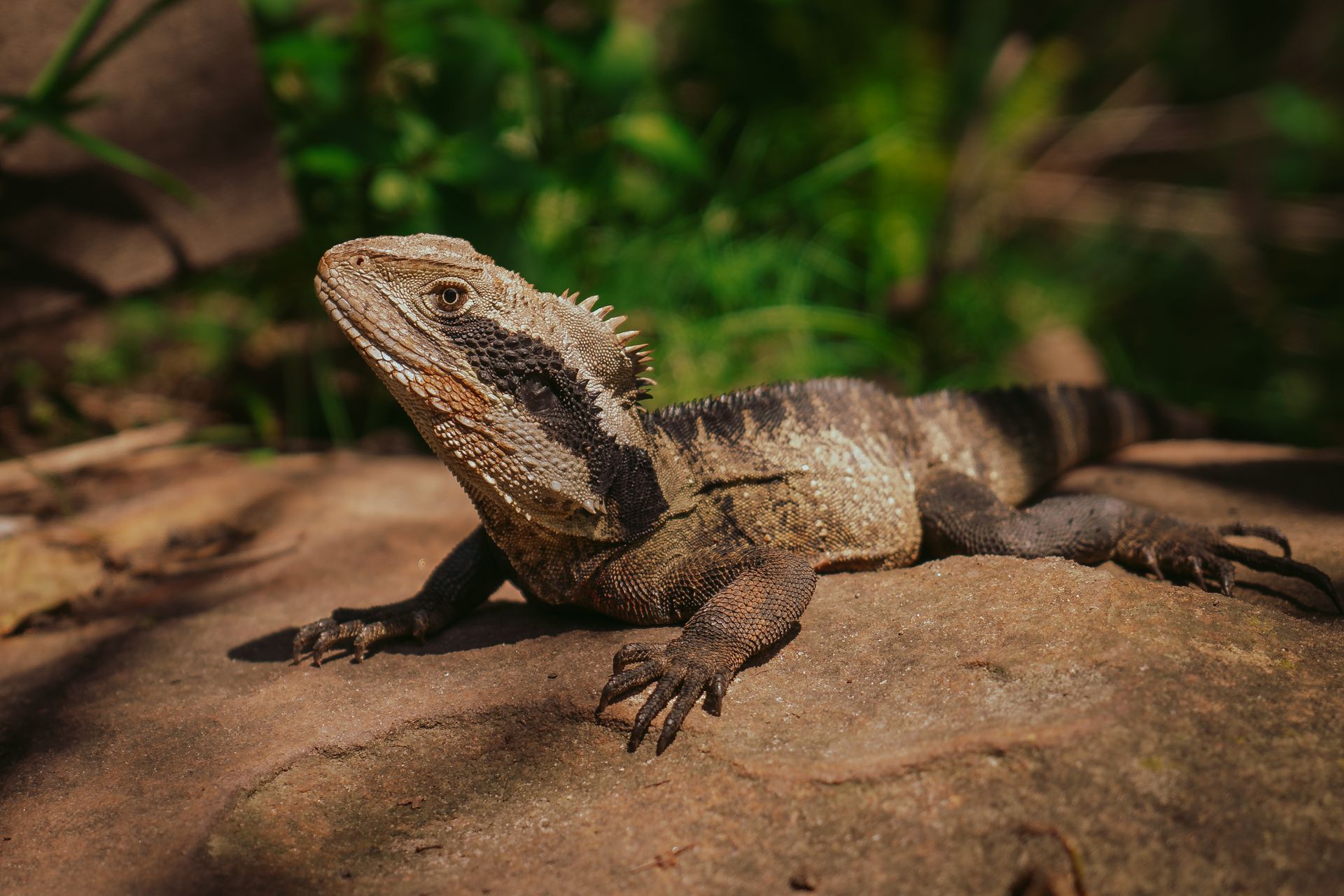
Nicaragua is also home to a large number of snake and lizard species. The country's diversity of reptiles includes the spectacled caiman and American crocodile.
Here's a list of some of the reptiles and amphibians you can find in Nicaragua:
The Mombacho Salamander is a rare and unique species found only on the canopies of Nicaragua's Mombacho Volcano. It's best seen at night, when it forages for food under bromeliad leaves.
The Red-eyed Tree Frog is a vibrant and colorful amphibian found in Nicaragua's humid forests. It relies on water sources to breed and can be seen in cloud forests or rainforests during the rainy season.
Fish and Molluscs
Nicaragua is home to a fascinating array of fish and molluscs, with the bull shark being a notable example. It's a species of shark that can thrive in freshwater environments, and can be found in Lake Nicaragua and the San Juan River.
The Nicaragua shark, as it's often called, is a protected species in the country, with freshwater fishing banned due to declining populations. This is a testament to the government's efforts to conserve its unique wildlife.
Many species of molluscs are indigenous to Nicaragua, including at least 79 species of terrestrial snails and slugs.
Fish
The bull shark is a remarkable species that can thrive in freshwater environments, and it's often found in Lake Nicaragua and the San Juan River.
This shark is so well adapted to freshwater that it's even referred to as the "Nicaragua shark" in these areas.
Nicaragua has recently banned freshwater fishing of the Nicaragua shark and the sawfish due to declining populations.
The Midas cichlid, native to the San Juan River basin, has been reclassified as a species complex with dozens of species.
These species are found in extremely reduced ranges, and some of them are even unique to specific lakes, like Lake Apoyo, a volcanic crater lake in Nicaragua.
Molluscs
Nicaragua is home to a diverse range of molluscs, with at least 79 species of terrestrial snails and slugs calling the country their own.
The variety of molluscs in Nicaragua is truly remarkable, with species that thrive in different environments and ecosystems.
Nicaragua's Fauna and Landscapes
Nicaragua is home to a diverse range of landscapes, each offering a unique habitat for a wide variety of wildlife. From lush forests to vibrant rainforests, Nicaragua's natural beauty knows no bounds.
The country is home to around 30,000 species, including 370 plant species, 215 bird species, 85 mammal species, and various reptiles, fish, and insects. This abundance of biodiversity encompasses both terrestrial and aquatic habitats, supporting a delicate balance of life.
Nicaragua's forests are remarkable hotspots of biodiversity, with many species making their homes in forest ecosystems. Some forest-dwelling animals in Nicaragua include pumas, jaguars, ocelots, margays, various monkeys, deer, and peccaries.
Here are some of the fascinating creatures that call Nicaragua home:
- The Ometepe salamander, known for its striking black and yellow markings, is endemic to Nicaragua and found only on the volcanic island of Ometepe.
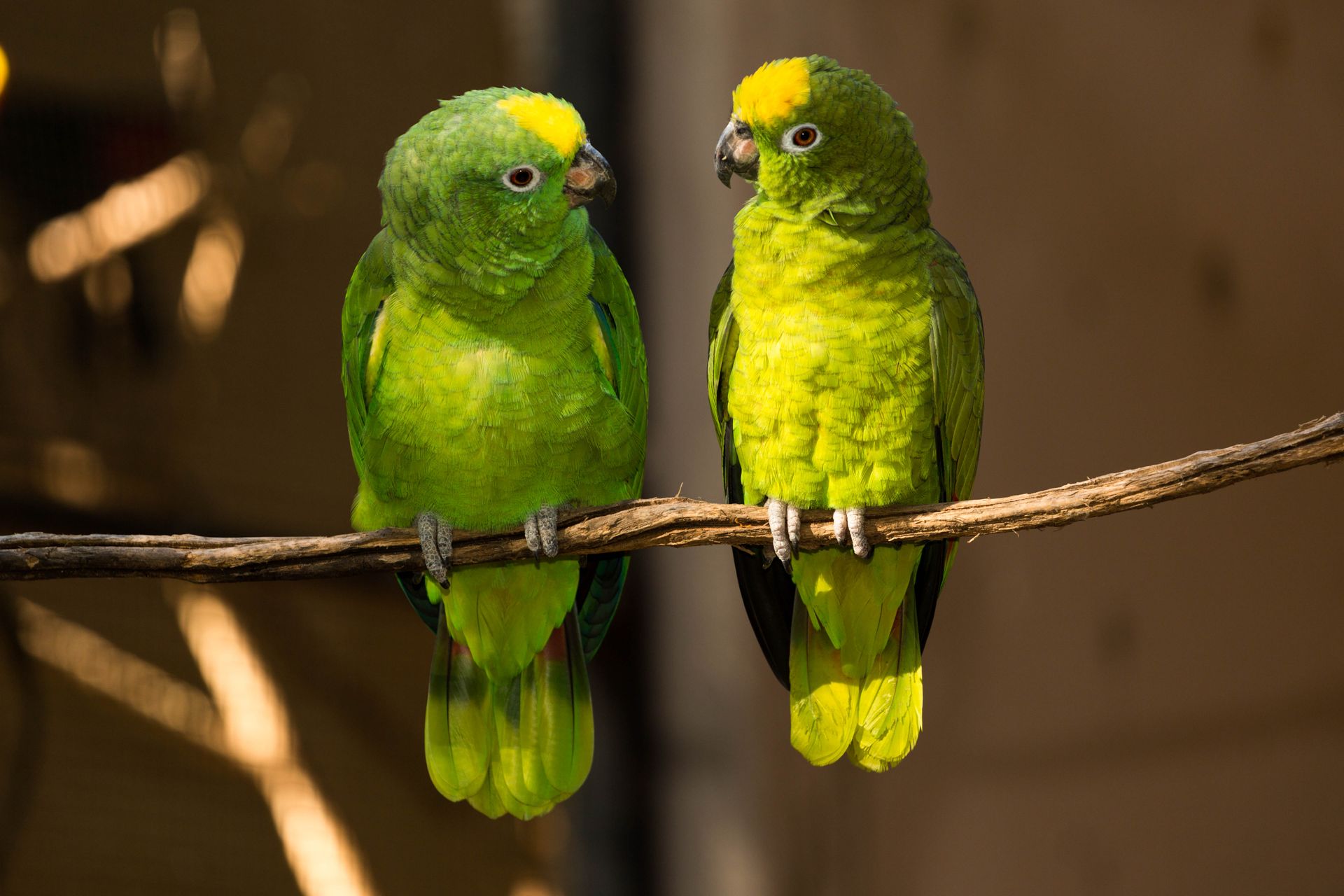
- The yellow-naped parrot, with its beautiful green plumage and vibrant personality, graces the skies of Nicaragua, captivating birdwatchers and nature enthusiasts alike.
- Nesting turtles, including the olive ridley, hawksbill, and leatherback species, rely on the pristine beaches of Nicaragua for their survival.
Nicaragua's Diverse Landscapes
Nicaragua is home to a variety of breathtaking landscapes, each offering a unique habitat for a diverse range of wildlife. From lush forests to vibrant rainforests, from misty cloud forests to rich mangroves and dry tropical forests, Nicaragua's natural beauty knows no bounds.
Nicaragua's varied environments provide a sanctuary for numerous species, including some remarkable and endangered ones. The country's diverse landscapes are home to around 30,000 species, including 370 plant species, 215 bird species, 85 mammal species, as well as various reptiles, fish, and insects.
The country's forests are remarkable hotspots of biodiversity, with many species making their homes in forest ecosystems. Some forest-dwelling animals in Nicaragua include pumas, jaguars, ocelots, margays, various monkeys, deer, and peccaries.
Nicaragua's forests have experienced a significant loss of forest cover, with around 21% of the country's forests disappearing between 1990 and 2005. This has threatened the sustainability of its ecosystem and put numerous species at risk.
Here are some of the diverse landscapes found in Nicaragua:
- Lush forests
- Vibrant rainforests
- Misty cloud forests
- Rich mangroves
- Dry tropical forests
These diverse environments provide a sanctuary for numerous species, including some remarkable and endangered ones.
Lake Nicaragua
Lake Nicaragua is home to a staggering array of life, including bull sharks that prefer shallow waters and are known for their aggressive and unpredictable behavior.
This freshwater lake contains oceanic life, making it a unique and fascinating ecosystem. The bull sharks in Lake Nicaragua are also known as Nicaragua sharks.
These sharks are recognizable by their stout body shape and are found in many different parts of the world. They are considered one of the more dangerous sharks for swimmers due to their aggressive nature.
The presence of bull sharks in Lake Nicaragua highlights the diversity of life in the country's ecosystems. From forests to freshwater lakes, Nicaragua is teeming with fascinating wildlife.
Conservation and Protection
Nicaragua is home to an impressive 78 protected areas, covering over 22,000 square kilometers, or about 17% of its landmass.
These protected areas shelter a wide range of ecosystems and harbor more than 1,400 animal species, with over 12,000 plant species classified so far.
Fauna & Flora, a prominent conservation organization, has been actively working in Nicaragua since 1998 to preserve the country's biodiversity.
One of their key areas of work has been the reduction of sea turtle poaching and the protection of nesting sites, which has led to an increase in protection of nesting leatherback turtles and critical nesting populations.
To effectively address the threats faced by Nicaragua's unique flora and fauna, collaborative approaches involving indigenous communities, local organizations, and international partners are essential.
Enforcing laws to prevent wildlife poaching and habitat destruction, preventing illegal land occupation, promoting sustainable livelihoods, and raising awareness about the importance of biodiversity conservation are all crucial actions.
Here are some key initiatives and their impacts:
By working together, we can preserve the natural heritage of Nicaragua and ensure the survival and thriving of its diverse wildlife.
Lists and Inventories
The Lost Canyon Nature Reserve in Nicaragua is home to a diverse range of mammals. The reserve is a haven for wildlife enthusiasts, with over 20 species of mammals documented.
Some of the most notable mammals found in the reserve include the Agouti, a large rodent that is native to Central America, and the Gray Fox, a small omnivorous mammal that is known for its ability to climb trees.
The reserve is also home to several species of opossums, including the Common Opossum and the Virginia Opossum. These fascinating creatures are known for their prehensile tails and ability to "play dead" when threatened.
The reserve's mammal list is extensive, with over 20 species documented. Here is a list of some of the mammals found in the reserve:
The reserve's bird list is equally impressive, with over 100 species documented. Some of the most notable birds found in the reserve include the Thicket Tinamou, a large ground-dwelling bird that is native to Central America, and the Crested Guan, a large bird with a distinctive crest on its head.
The reserve is also home to several species of hawks and eagles, including the Sharp-shinned Hawk and the Peregrine Falcon. These birds of prey are known for their impressive hunting skills and are a thrill to watch.
The reserve's bird list is extensive, with over 100 species documented.
Key Information and Perspectives
Nicaragua is home to an impressive 30,000 species, including 370 plant species, 215 bird species, 85 mammal species, and various reptiles, fish, and insects.
The country's diverse landscapes support a delicate balance of life, encompassing both terrestrial and aquatic habitats.
Nicaragua spans an area of 130,370 km² and has a population of approximately 5.97 million.
A staggering 21% of the country's forests disappeared between 1990 and 2005, threatening the sustainability of its ecosystem and putting numerous species at risk.
To address this issue, the government and organizations like Fauna & Flora are working towards protecting Nicaragua's biodiversity.
Indigenous communities, such as the Mayagna, play a crucial role in preserving the country's flora and fauna.
Here's a breakdown of the main species groups found in Nicaragua:
Urgent action is needed to safeguard Nicaragua's unique ecological treasures for future generations.
Featured Images: pexels.com