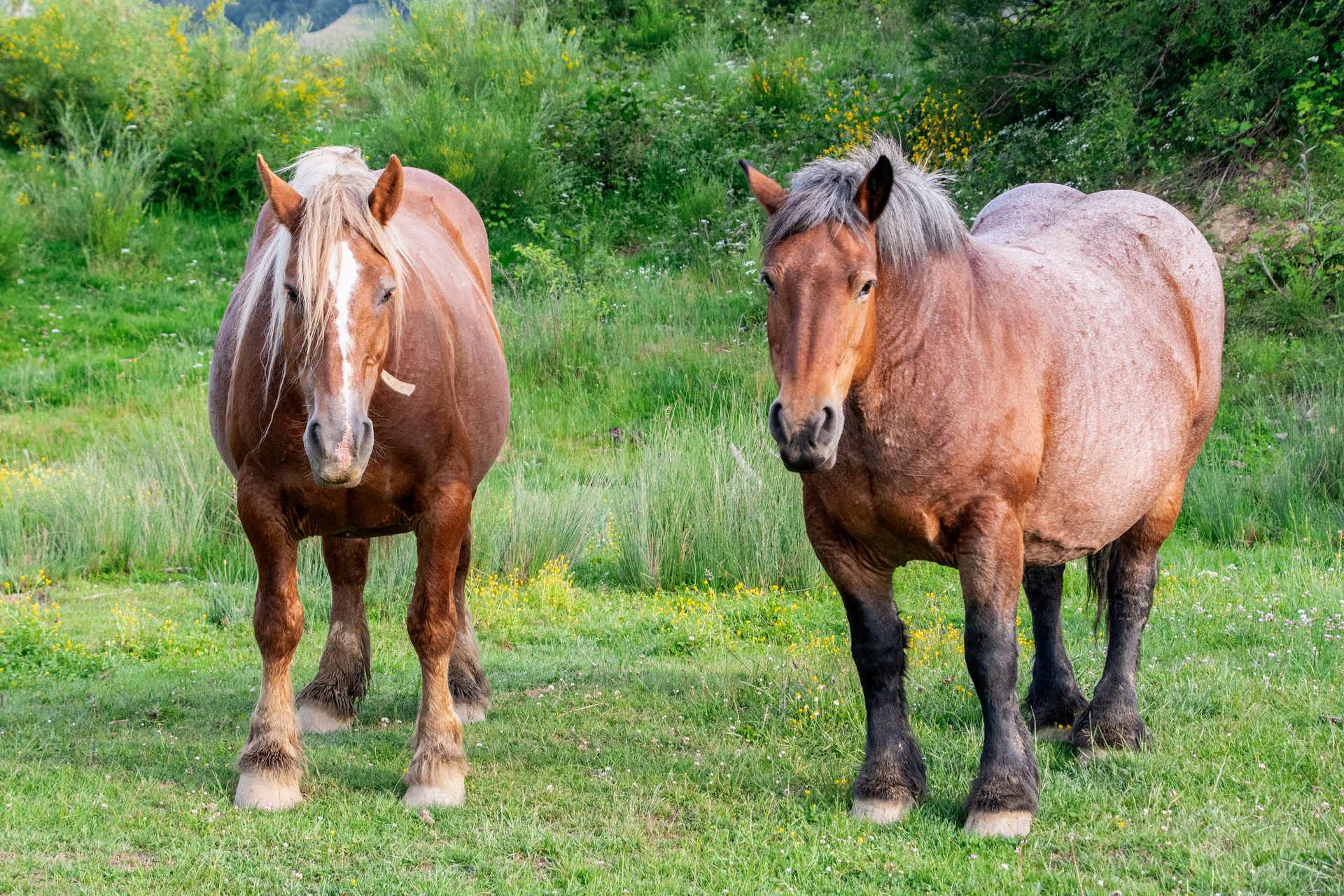
The Irish Draft Horse is an impressive breed with a rich history. They originated in Ireland in the 17th century.
These gentle giants were initially bred as working horses, used for tasks such as plowing fields and hauling heavy loads. They were highly valued for their strength and endurance.
The Irish Draft Horse is known for its distinctive appearance, with a broad chest and well-muscled physique.
History and Origins
The Irish Draught breed has a rich history spanning centuries, developed from a mix of native Irish horses and imported breeds.
It all started in the 18th century, when the Irish Draught breed originated in Ireland. The foundation stock was sourced from Ireland's own Irish Hobby Horse, a small-statured horse with an ambling gait.
During the Anglo-Norman invasion, war horses were sent to Ireland and bred with Irish horses, introducing new traits. Spanish Andalusian stock was also added to the gene pool for its regal quality and free-flowing gaits.
Explore further: Largest Breed of Draft Horses
Irish local draught mares were further bred with Scottish Clydesdales and half-breeds, and even the Connemara pony was cross-bred with them. This combination of breeds resulted in the true-to-its-name Irish Draught Horse of today.
These horses were prized by local farmers for being docile yet strong enough to work the land. They worked tirelessly on farms, pulling carts, tending to animals, and suited for riding and hunting.
The Irish Draught Horse gained favor with local farmers for being affordable and thriving on a diet of gorse, grass, and leftover cattle feed like oats and bran.
Worth a look: Breeds of Draft Horses
Characteristics
Irish Draught horses are known for their calm and gentle nature, making them easy to handle and good with people.
They're also incredibly smart and willing to work, which makes them great for riders of all skill levels.
Irish Draughts are typically active horses with short shins, deep girth, and strong backs, giving them remarkable vigor and unending strength.
Their unique way of sensing what their owners want is truly remarkable, and they possess a degree of "common sense" that's hard to find in other breeds.
The breed standard defines the Irish Draught Horse as a versatile, powerful, and athletic animal with substance and quality.
They have a pleasant head, good bone, and a short shin, good spring of rib, strong loins and hindquarters, and an active powerful stride.
Irish Draughts are known for their good temperament, docility, and willing nature, which makes them a joy to work with.
They're also inherently sound, with a robust constitution that makes them less prone to injury.
The ideal height for an Irish Draught horse is between 158 centimeters and 170 centimeters, with leg bone that's strong, clean, and flat, measuring about 23 centimeters.
Irish Draughts are incredibly versatile, excelling in many equestrian sports such as show jumping, eventing, and working hunter classes.
Their strength, versatility, and gentle nature make them a popular choice for breeding programs and equestrian events.
A unique perspective: Are Draft Horses Good for Riding
Care and Management
Good basic horse care is essential to keep Irish Draughts happy and healthy. Regular veterinary check-ups, including vaccinations, deworming, and dental exams, can help prevent health issues.
Working closely with your veterinarian to develop an annual wellness program is a great idea. This will ensure your Irish Draught receives the necessary care to thrive.
Irish Draughts need regular farrier care to maintain optimal hoof balance, which is crucial for their overall soundness. Some may require shoes for extra protection, especially if they have a high workload.
Providing adequate shelter is crucial for Irish Draughts that live outdoors year-round.
Care and Management
Irish Draughts require annual veterinary check-ups to stay healthy and happy. This should include scheduled vaccinations, deworming, and dental exams.
Good basic horse care is essential to prevent joint problems, so routine veterinary lameness exams are a must. This can help identify issues before they significantly affect performance.
Irish Draughts need regular farrier care from a qualified hoof professional to maintain optimal hoof balance and support overall soundness. Trimming is key to preventing lameness issues.
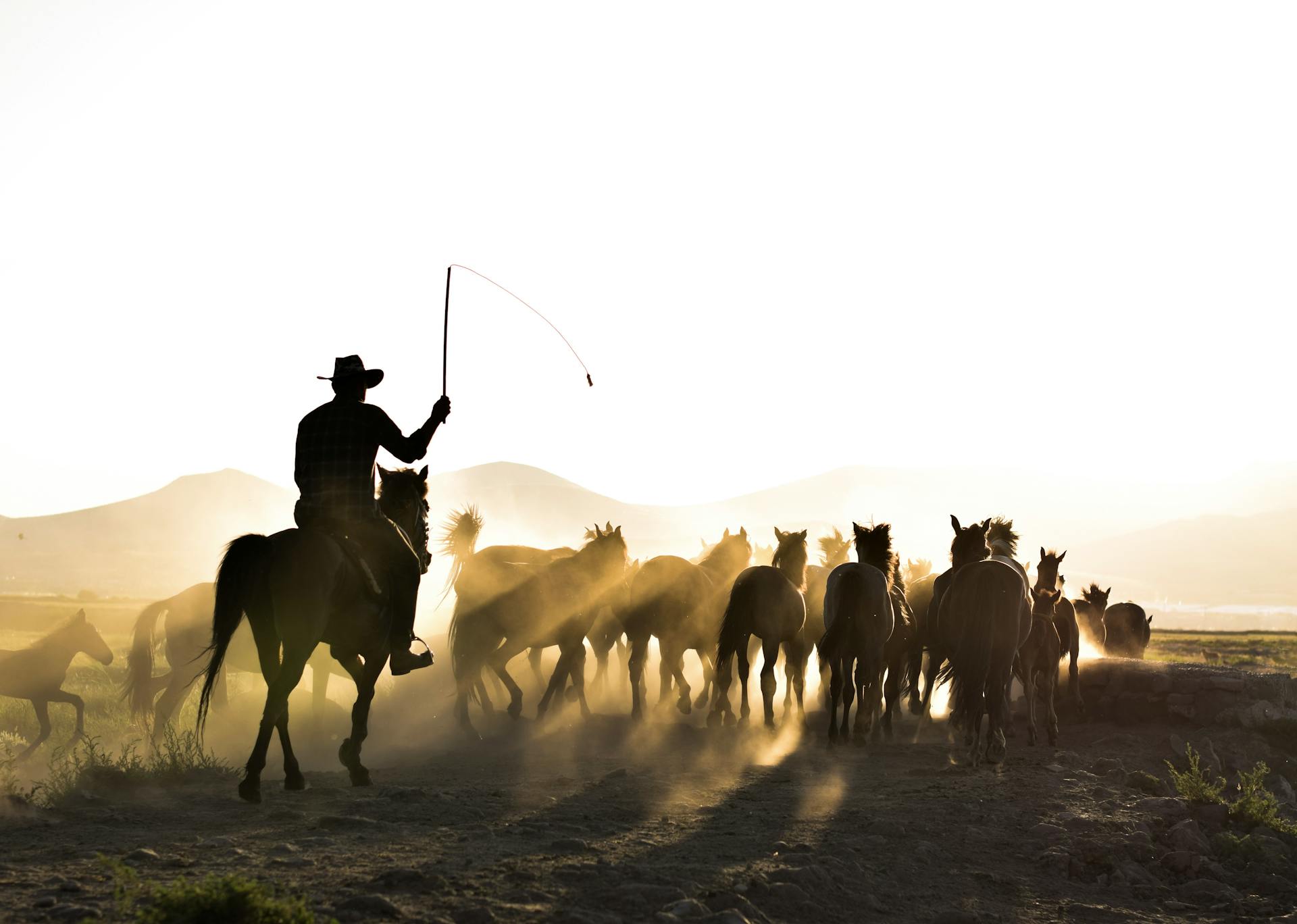
Some Irish Draughts can live outdoors year-round, but they need access to adequate shelter. This is especially important in harsh weather conditions.
Providing regular daily turnout in a social grouping on appropriate pasture is crucial for reducing stress and boredom. This helps promote healthy muscles, joints, bones, and ligaments.
However, full-time turnout on lush grass can be unsafe for some Irish Draughts, as they're prone to obesity and laminitis. This means careful pasture management and monitoring are necessary to prevent these issues.
Nutrition
When it comes to feeding your Irish Draught, it's essential to consider their individual needs. Their diet should be tailored to their body condition, exercise level, performance goals, and health status.
Consult with an equine nutritionist or your veterinarian to formulate a balanced diet that meets your horse's nutrition requirements.
Irish Draughts require a customized feeding program to ensure they receive the right nutrients. This program should be adjusted as their needs change over time.
A well-balanced diet will help support your horse's unique lifestyle and overall health. It's crucial to monitor their body condition and adjust their feeding program accordingly.
By working with a professional, you can create a feeding program that meets your horse's specific needs and promotes optimal health.
Readers also liked: Horse Health
Health and Genetics
Irish Draught horses are generally robust, but like all horse breeds, they're vulnerable to various health conditions depending on their lifestyle.
Maintaining genetic diversity is critical for preserving health in Irish Draughts, as inbreeding increases and the gene pool declines, the risk of inherited disorders and health problems also increases.
A 2018 report by Horse Sport Ireland found that the rare bloodlines in Irish Draughts are critically at risk, and only 17 rare fillies and 13 rare colts were registered in Ireland between 2013 and 2017.
Assisted reproductive technology, such as freezing semen from rare stallions, could help preserve future diversity and prevent the loss of rare bloodlines.
Health
Irish Draught horses are generally robust, but they can be vulnerable to various health conditions depending on their lifestyle.
Like all horse breeds, they require regular veterinary care to stay healthy.
Irish Draught breeders have made significant efforts to preserve rare bloodlines, which can help maintain the breed's genetic diversity.
The breed's declining purebred population has led to concerns about the breed's genetic diversity, but responsible breeding practices are underway to address this issue.
Worth a look: Horse Breed
Genetic Diversity
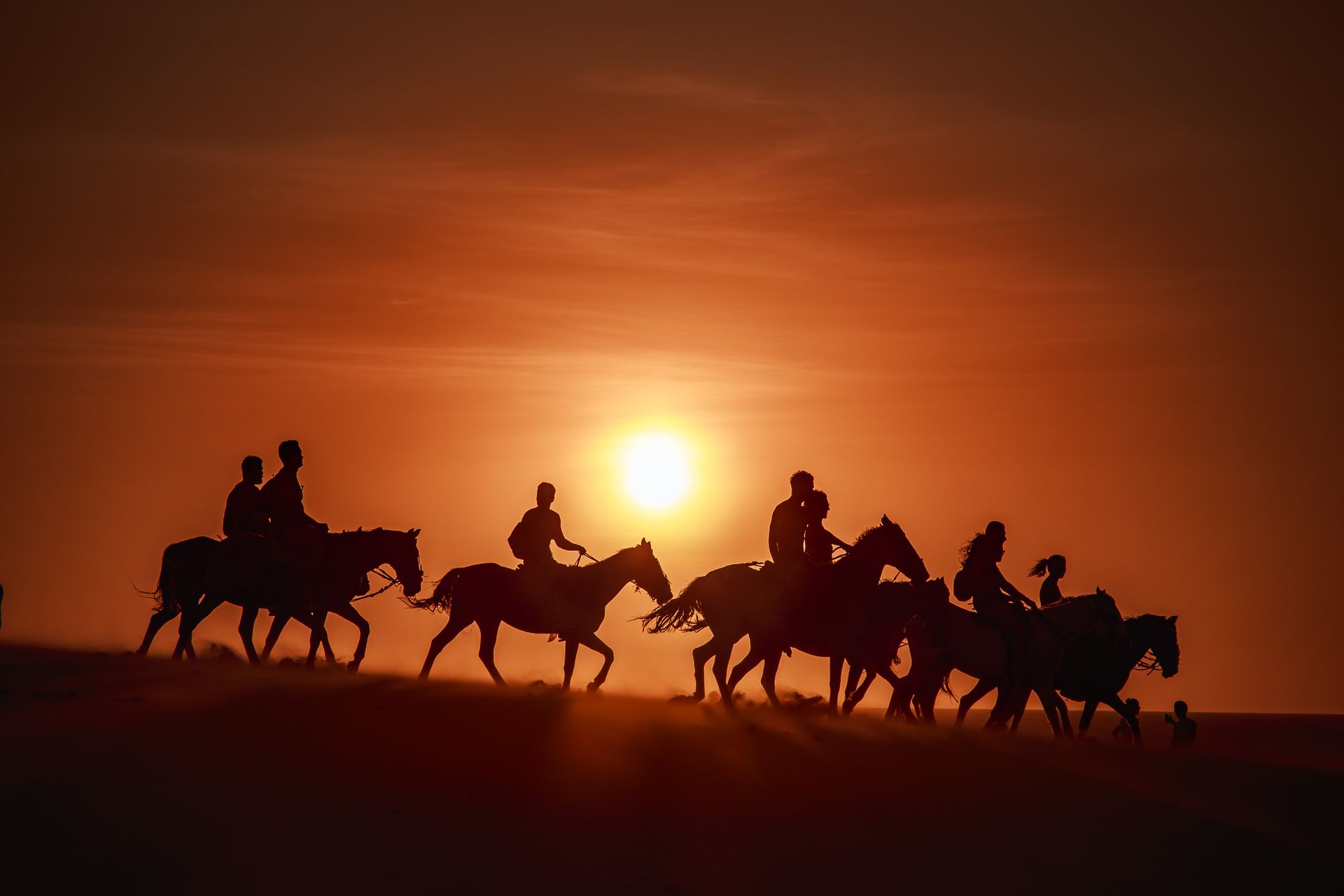
Genetic diversity is crucial for preserving health in all breed populations, and Irish Draughts are no exception. The Irish Department of Agriculture has classified the breed as endangered due to low genetic diversity.
In Ireland, only 17 rare fillies and 13 rare colts were registered between 2013 and 2017, highlighting the urgent need to preserve rare bloodlines. This lack of genetic diversity increases the risk of inherited disorders and health problems.
A 10% increase in foal registrations from the previous year is a positive trend, but it's not enough to offset the loss of rare bloodlines. If these rare lines are lost, Irish Draughts could experience a significant decrease in genetic diversity.
Assisted reproductive technology, such as freezing semen from rare stallions, could help preserve future diversity and prevent the loss of these valuable genetic resources.
For another approach, see: What Is the Best Horse Breed
How Long Do They Live?
These magnificent horses have a remarkable lifespan, with some living well into their twenties. They are called draft horses for their incredible endurance abilities and stamina.
Their average lifespan is consistent with that of mid to large-sized horses. Some horses have been known to live up to 30 years and a bit more.
Size and Appearance
Irish Draughts are tall horses, standing anywhere between 15.1 and 16.3 hands high, with mares usually on the shorter end of the spectrum.
They weigh a substantial 1300 to 1500 pounds, which is impressive for a horse of their size.
These horses are known for their strong build, good bone, and ample muscle, making them a robust and athletic breed.
Their common colors include grey, bay, brown, and chestnut, with some individuals also sporting dun, black, or palomino coats.
Irish Draughts have a distinctive appearance, with a bold and upright head, widely spaced eyes, and a broad forehead.
Their long, alert ears and mildly Romanesque nose give them a unique and endearing expression.
What Do They Look Like?
Irish Draughts typically stand 15.2 to 16.2 hands high.
Their strong build is evident in their good bone and ample muscle.
Common colours include grey, bay, brown, and chestnut. Some may be dun, black, or palomino.
Irish Draughts have a kind eye and intelligent expression.
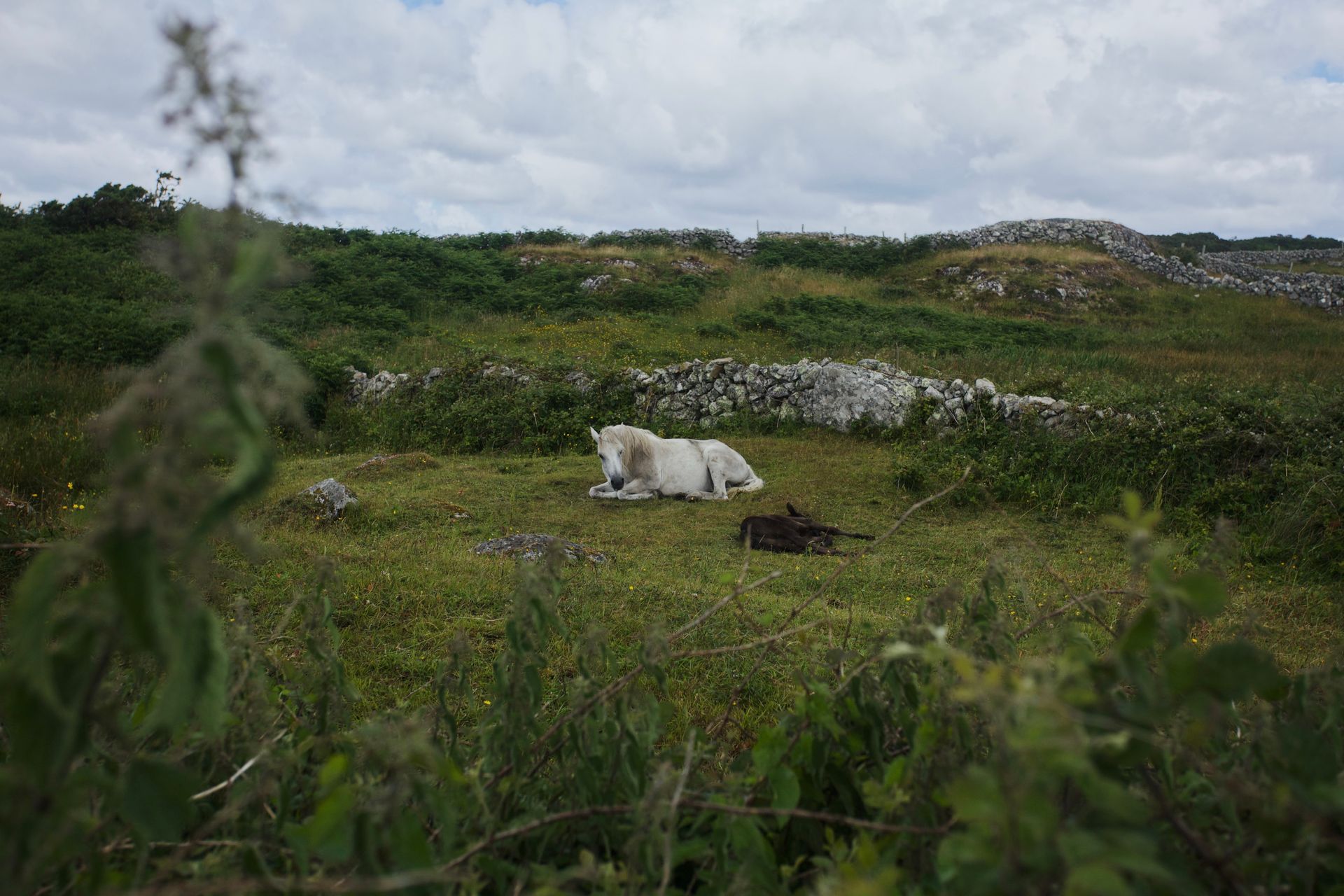
Their temperament is famously gentle and docile, making them easy to handle.
These horses are known for being calm and gentle, good with people, and easy to handle.
Irish Draughts have a robust and clean bone structure, with a bold and upright head.
Their eyes are widely spaced, and they have a broad forehead and long, alert ears.
The horse exhibits a mildly Romanesque nose and a spacious jawline that aids in breathing.
Their legs are long, yet proportionate to the body, with knees or hocks set close to the ground.
Size
Irish Draught horses are quite tall, standing anywhere from 15.2 to 16.3 hands high. A hand is equivalent to 10 cm, giving you an idea of their impressive stature.
Mares tend to be on the shorter end of the spectrum, typically ranging from 15.1 to 16.3 hands high. This slight difference in height is worth noting when working with these horses.
These horses can weigh between 1300 to 1500 pounds, which is a significant range. This weight variation is due to individual differences in muscle and bone density.
Their tall stature and strong build make them well-suited for leisure riding and other activities that require a gentle and docile temperament.
Characteristics of a Draught's Temperament
Irish Draughts are known for their calm and gentle nature, making them a pleasure to be around.
They're easy to handle and get along well with people, which is one reason they're often used as police horses.
These horses are smart and willing to work, making them a great choice for riders of all skill levels.
Their intelligence and gentle expression make them a joy to interact with, and their calm demeanor is a testament to their well-bred nature.
Irish Draughts are known for being good in traffic and easy to handle, which is a big plus for leisure riding and other activities.
Their strong build and good bone structure make them a sturdy companion, and their short shins and strong hindquarters give them a powerful stride.
These horses are naturally docile and have a unique way of sensing what their owners want, which makes them a delight to work with.
Their robust constitution and inherent soundness make them a reliable choice for a variety of equestrian activities.
Irish Draughts are known for their good temperament, which is a key factor in their popularity as a breed.
Cost and Preservation
The cost of an Irish Draught horse can vary depending on its age, training, and bloodlines, with prices ranging from £3,000 to £10,000.
Original draft horses may cost between $3,000 to $7,000 USD, and sport varieties may cost more, with prices fixed according to purity of bloodlines and inherited traits.
The Irish Draught Horse Society was founded in 1976 to preserve the breed, and a horse board, Bord na gCapall, was also founded in the same year to promote the breeding and use of horses other than Thoroughbreds in Ireland.
Increased interest in the breed internationally has led to the formation of Irish Draught societies and registries in many countries, including Canada, the US, Australia, and New Zealand, which has also put the breed at risk due to aggressive selection for show jumping characteristics.
Cost
Original draft horses can cost between $3,000 to $7,000 USD, and sport varieties may cost more, with prices fixed according to the purity of bloodlines and inherited traits.
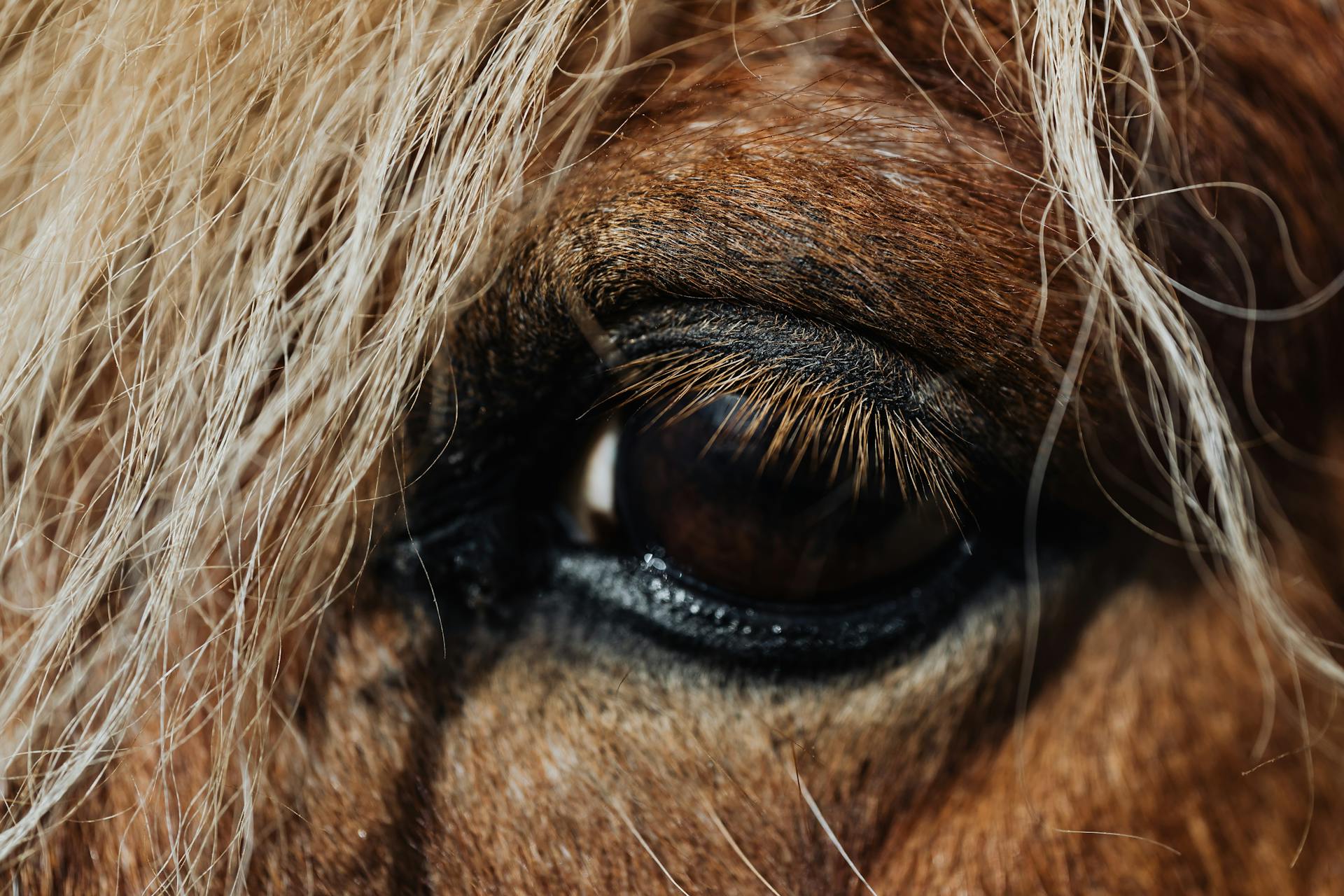
These costs can vary depending on the horse's age, training, and bloodlines, with Irish Draught horses costing between £3,000 and £10,000.
The price of an Irish Draught horse may also depend on whether it's a show horse or has good breeding, with show horses or those with good breeding costing more.
Irish Draught horses are known for their decent level of speed, making them a great option for those who want a horse that's not just for show.
Preservation
The Irish Draught Horse Society was founded in 1976 to preserve the breed, with a branch in Great Britain emerging in 1979.
A horse board, Bord na gCapall, was also founded in 1976 to promote the breeding and use of horses other than Thoroughbreds in Ireland.
In 2008, control of the Irish Horse Register was handed from the Irish Horse Board to Horse Sport Ireland, which contains the registry of both the Irish Draught and Irish Sport Horse.
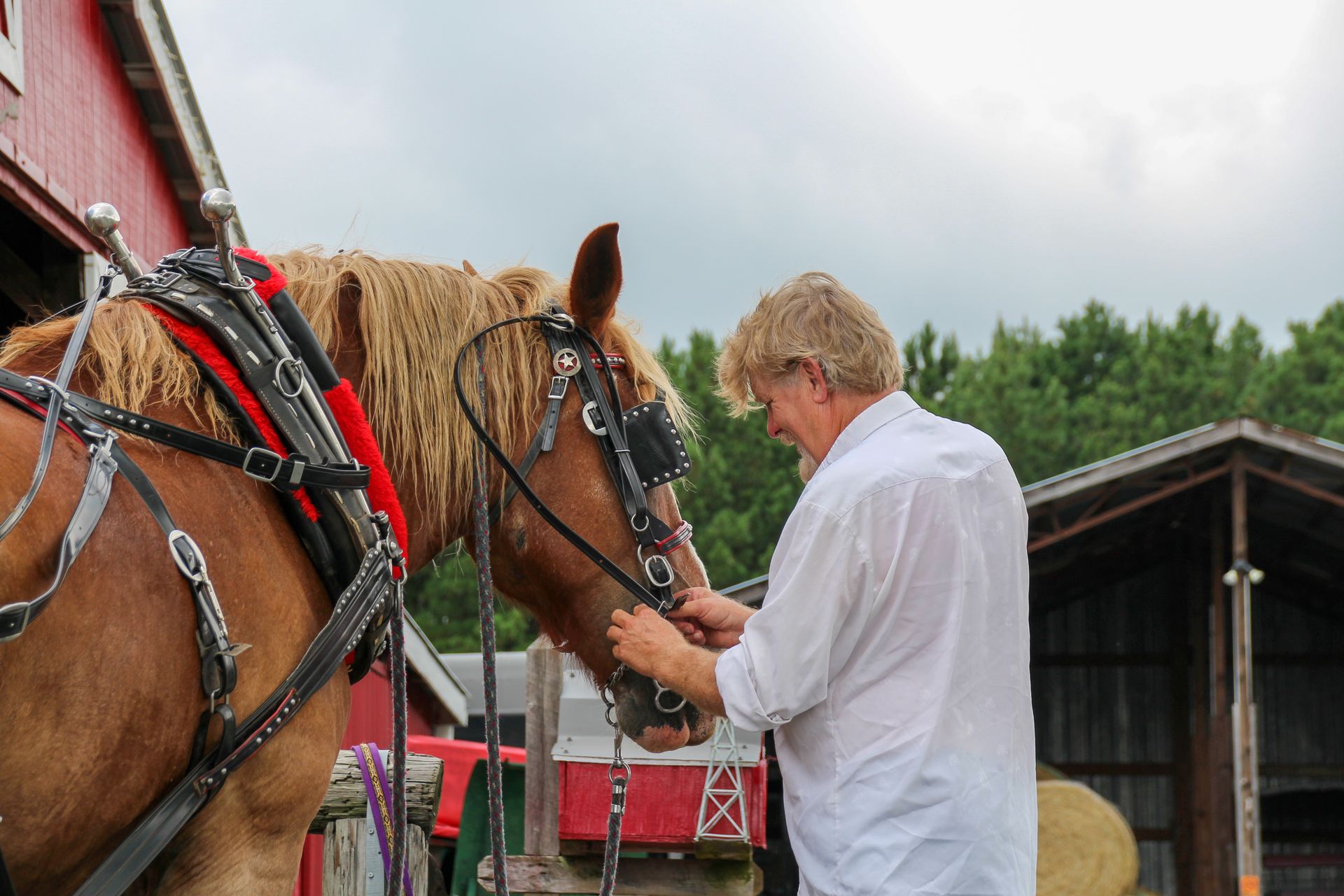
The Irish Draught Horse Breeders Association was formed in 2008 by members of the Irish Draught Horse Society to help preserve the breed.
Increased interest in the breed internationally has led to the formation of Irish Draught societies and registries in many countries, including Canada, the US, Australia, and New Zealand.
The Irish Draught is considered an "endangered maintained" breed by the Food and Agriculture Committee of the United Nations due to its small numbers and lack of genetic diversity.
Annual inspections of adult horses listed on the studbook were introduced by Horse Sport Ireland to help guide breeders in producing healthier progeny.
A 4-tier classification system was also introduced in place of a pass/fail system to list animals on the studbook that do not meet the breed standard, with an aim to improve the genetic diversity of the breed.
Breeders are working hard to keep genetic diversity while staying true to type, as the breed remains on conservation lists due to its small numbers.
A different take: Small Draft Horses
The Stats
The Irish Draught Horse is a majestic breed, and if you're interested in learning more about its physical characteristics, you're in the right place. The average height of a stallion is approximately 15.3-16.3 hands.
These horses are indeed quite tall, and their height can vary slightly depending on their sex. Mares, for example, typically stand at around 15.1-16.1 hands.
The Stats:
- Stallions: 15.3-16.3 hands
- Mares: 15.1-16.1 hands
Breed Registry and Standards
The Irish Draught Horse Society was founded in 1976 to preserve the purebred breed.
The society supports research into improving genetic diversity while maintaining characteristics of the pure Irish Draught horse.
In the United States and Canada, the Irish Draught Horse Society of North America promotes the breeding and ownership of purebred and part-bred Irish Draughts, established in 1993.
The Irish Draught Horse Society set up a studbook and breed standards in 1976 to keep the Irish Draught's key traits: strength, good bone, and a kind nature.
Today, the Irish Horse Board oversees the breed, running yearly inspections to check horses against the standards.
Breed Registry

The Irish Draught Horse Society was founded in 1976 to preserve the purebred breed. They support research into improving genetic diversity while maintaining the characteristics of the pure Irish Draught horse.
The Irish Draught Horse Society of North America was established in 1993 to promote the breeding and ownership of purebred and part-bred Irish Draughts in the United States and Canada.
In 1976, the Irish Draught Horse Society formed to protect the Irish Draught breed from farm mechanisation.
Core Breeds in Horses
The Irish Draught breed is a great example of a horse breed that has a rich history and a diverse gene pool. It was incorporated into a society in 1976 and has since been recognized as a purebred horse.
One of the key contributors to the Irish Draught breed is the Spanish Andalusian horse, which is responsible for its royal stature and frame.
The Irish Draught breed also has a mix of other breeds in its gene pool, including Connemara ponies, which add to its hardiness.
Thoroughbred stallions were also used in the selective breeding of these horses, making them great show horses with a freely flowing and easy gait.
The Irish Draught breed comes in a wide range of colors, including gray, white, black, brown, cremello, chestnut, grullo, and roan.
The breed can also have colors like palomino, champagne, buckskin, and perlino.
Breeding and Uses
Irish Draught horses were originally bred to be strong and versatile, capable of performing a variety of tasks such as plowing fields and hauling goods.
Their adaptability and gentle nature made them an essential part of daily life in Ireland, where they were used for both farm work and riding.
The breed's versatility is reflected in the fact that they were expected to excel under saddle, under harness, and in front of a plow.
As a result, demand for Irish Draughts grew throughout the British Isles, with many farmers and breeders recognizing their value as a single breed suitable for any purpose.
Irish Draughts are known for their strength, and they excel in many equestrian sports, including show jumping, eventing, and working hunter classes.
They are also used as farm animals, drawing family carriages, plowing fields, and taking their masters hunting.
Their alert and adept nature makes them great hunting horses, and you can find them in royal family stables as well as in sports championships.
Frequently Asked Questions
What are Irish draft horses good for?
Irish draft horses are versatile and capable of performing various tasks, including plowing fields, hauling goods, and carrying riders. They were originally bred to be a single, all-purpose breed suitable for any farm or riding need.
Is an Irish Draught a warmblood?
Yes, Irish Draught horses are considered a warmblood breed, known for their sound, sensible, and intelligent nature. They're a great choice for novice riders, offering a smooth and efficient gait.
What is the lifespan of an Irish Draught horse?
Irish Draught horses typically live into their 20s and can reach up to 30 years of age
Featured Images: pexels.com