Draft horses have been around for thousands of years, with evidence of their use dating back to ancient civilizations in Egypt, Greece, and Rome. They were highly valued for their strength and endurance.
One of the earliest recorded uses of draft horses was in agriculture, where they were used to plow fields and harvest crops. This is still a common use for draft horses today.
Draft horses are known for their impressive size, with some breeds reaching heights of over 18 hands (64 inches or 163 cm) and weighing up to 2,000 pounds (900 kg).
History and Origin
Draft horses have a rich history that spans over two thousand years, with historical records suggesting they existed in the Ardennes region of modern-day Belgium as early as 2000 years ago.
The fertile soil in this region allowed local farmers to develop stronger horses as draft animals, which eventually spread throughout Europe and shaped into distinct breeds.
Heavy-type horses were praised as war mounts in Medieval texts, and research suggests they may have originated in the Ardennes region.
Regional breeding programs contributed to the development of modern draft breeds, with diverse maternal lineages playing a significant role.
The Clydesdale Horse, originally developed in Scotland, has a history dating back to the 18th century and was bred for size and weight to increase the size of working horse stock.
The first Clydesdale was described as having a strong, neat body and thick legs with a silky lower-leg fringe that is still present in the breed today.
By 1911, the export of Clydesdale stallions had reached its peak, as these steadfast horses proved themselves towing munitions and supplies across the theatre of war.
Additional reading: Were Draft Horses Used in War
Breed Characteristics
Draft horses are easily recognizable by their distinct type, which is shaped by their unique characteristics. These characteristics make them the ideal working equines.
Some of the most popular draft horse breeds include the Belgian Draft Horse, Clydesdale, Shire, and Percheron. These breeds have been bred for their strength and endurance.
Here are some of the key breed characteristics of draft horses:
- Large size: Draft horses are known for their massive size, with some breeds reaching heights of over 17 hands.
- Powerful build: Draft horses have a muscular build that allows them to pull heavy loads.
- Distinctive appearance: Draft horses have a unique appearance that sets them apart from other breeds.
Breeds
Draft horses are a class of large, heavy horses that are bred specifically for pulling power. They're known for their strength, endurance, and calm temperament.
The Belgian Draft Horse is one of the most popular draft horse breeds, recognized for its impressive size and strength. Belgian Draft Horses are also known for their gentle nature and are often used for riding and driving.
Clydesdales are another well-known draft horse breed, famous for their elegant feathered legs and association with Budweiser. They're also known for their intelligence and are often used for driving and riding.
Shires are celebrated for their sheer power and impressive stature, making them a popular choice for heavy draft work. Shires are also known for their calm and gentle nature.
Percherons are known for their versatility, being equally at home on a farm or in a parade. They're also recognized for their intelligence and are often used for driving and riding.
Here are some of the most popular draft horse breeds:
- Belgian Draft Horse
- Clydesdale
- Shire
- Percheron
- Auxois
- Ardennes
- Breton Horse
- American Cream Draft
- Suffolk Punch
Characteristics
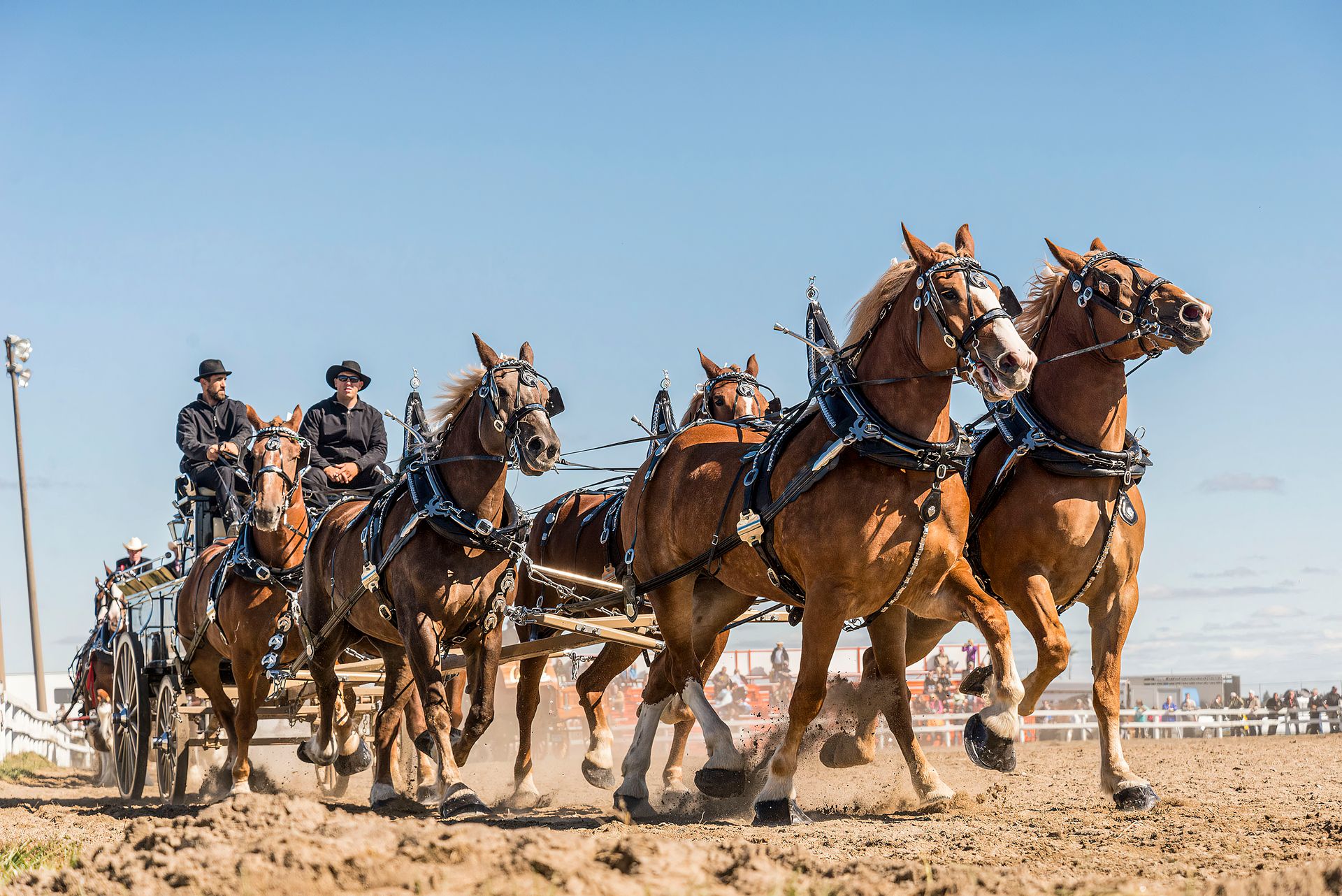
Draft horses are easily recognizable by their distinct type, which makes them ideal working equines.
Most draft horse breeds stand between 16 and 19 hands tall, with some reaching heights of over 20.2 hands, like the record-breaking Belgian draft.
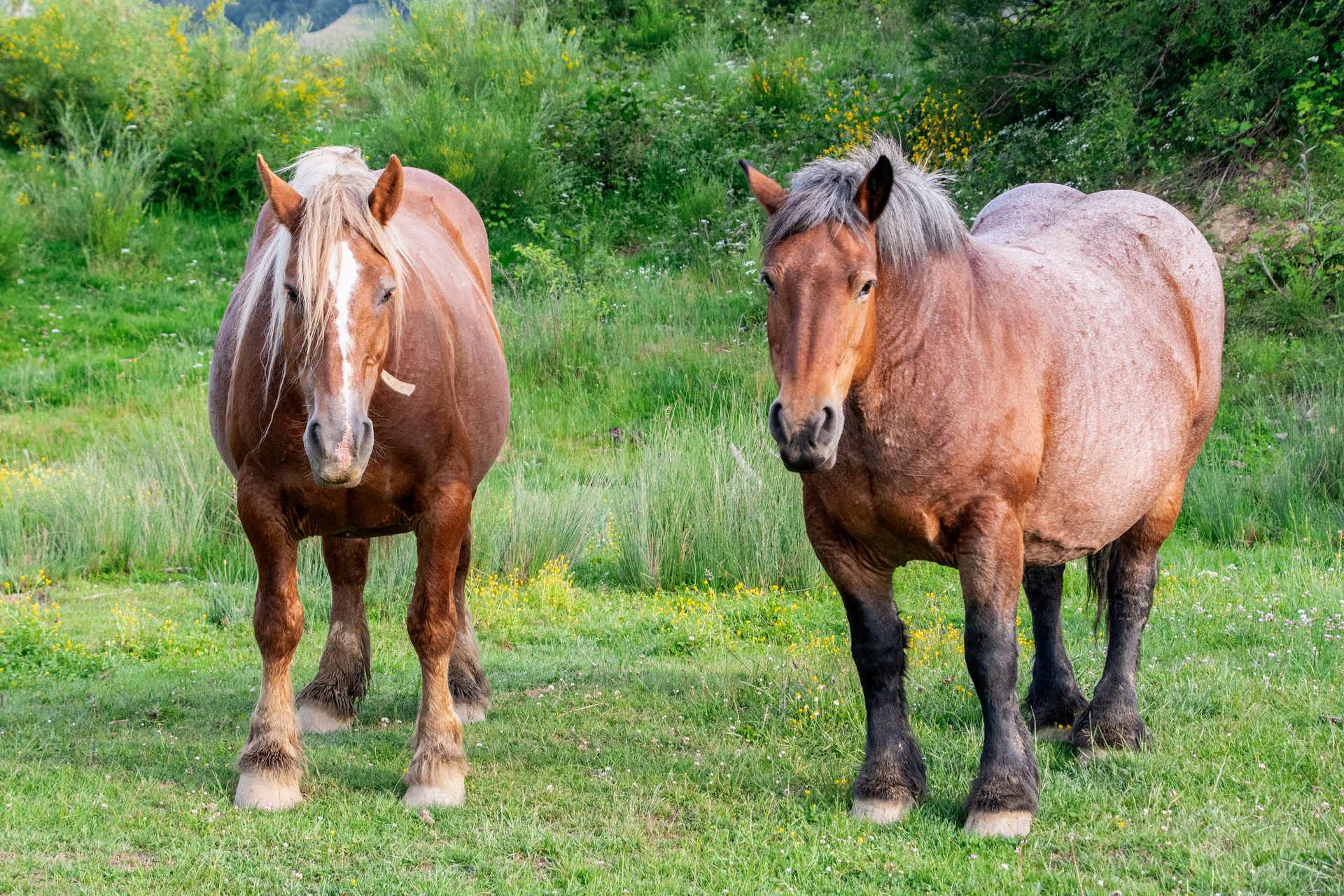
Their heavy conformations, with thick bones and muscular builds, make them well-suited for pulling.
Their shoulders are more upright than those of riding horses, which is beneficial for draft work.
Their hindquarters are powerful and well-muscled, allowing them to generate a lot of force.
Large heads with straight or convex profiles are a common feature among draft breeds.
Their necks are muscular, and their backs are short and broad, providing a sturdy foundation for their bodies.
Draft breeds also have large, round hooves, which are well-suited for their weight and workload.
Some breeds have feathering on their legs, adding to their distinctive appearance.
Traditionally, many draft breeds had their tails docked, but this practice is now discouraged due to welfare concerns.
Temperament
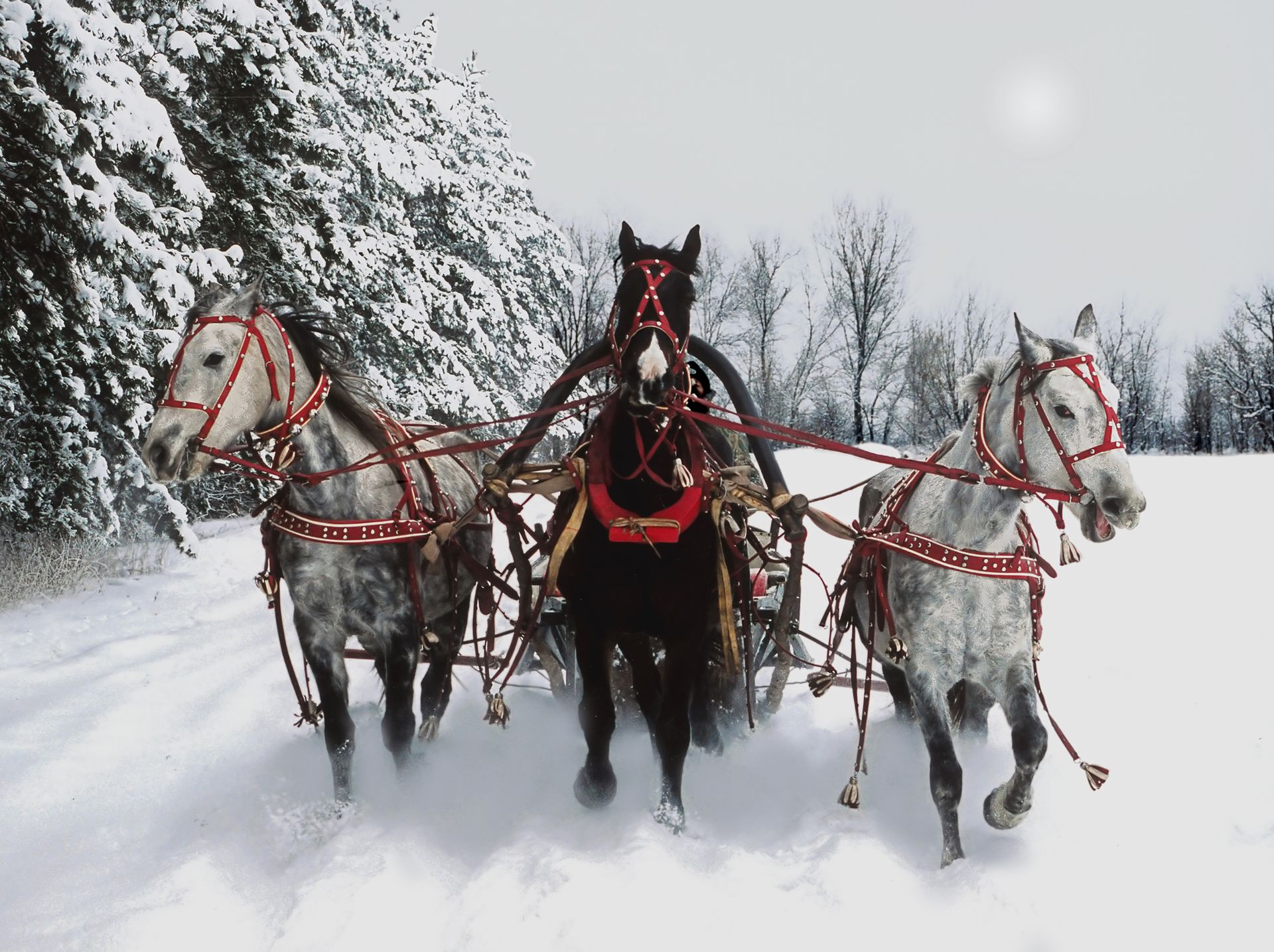
Draft horses are known as gentle giants for their calm temperaments and kind dispositions. They have a willing work ethic and are typically friendly towards people.
Their size can be intimidating for beginner handlers, but with proper care and management, they can make great companions.
In some communities, draft horses are still relied upon for agricultural work, showing their value as a sustainable solution for farming in rural regions.
Health and Nutrition
Draft horses are prone to unique health problems due to their size, and genetics play a role in some of these disorders. A good care routine can help manage clinical signs, but it's essential to address potential issues early on.
Some draft horses may experience Polysaccharide Storage Myopathy (PSSM), a condition that causes muscle tremors and stiffness due to an abnormal accumulation of sugar in the muscles. This can be painful for the horse, so it's crucial to monitor their diet and adjust it accordingly.
A correctly balanced diet is critical for managing common health problems in draft horses. Working with an equine nutritionist can help formulate a tailored feeding program based on the horse's mature body weight and individual needs.
Forage-based diets with minimal high-starch grains and concentrates are recommended for draft horses, as they can easily gain weight on a high-energy diet. Feeding a diet primarily of hay or pasture, supplemented with necessary vitamins, minerals, and salt, will help them maintain a healthy body condition and avoid weight gain.
Here are some quality horse feeds that are suitable for draft horses with PSSM:
Essential K: 12.5% NSCKalm N EZ Pellet: 13.5% NSCWholesome Blends Balancer: 15% NSCSenior Sport: 16.5% NSC
Regular turnout or moderate exercise can also help manage conditions like PSSM and Chronic Progressive Lymphedema (CPL).
Health
Draft horses are prone to unique health problems due to their size, and some genetic disorders are more common in this breed. Good care can help manage clinical signs of these disorders.
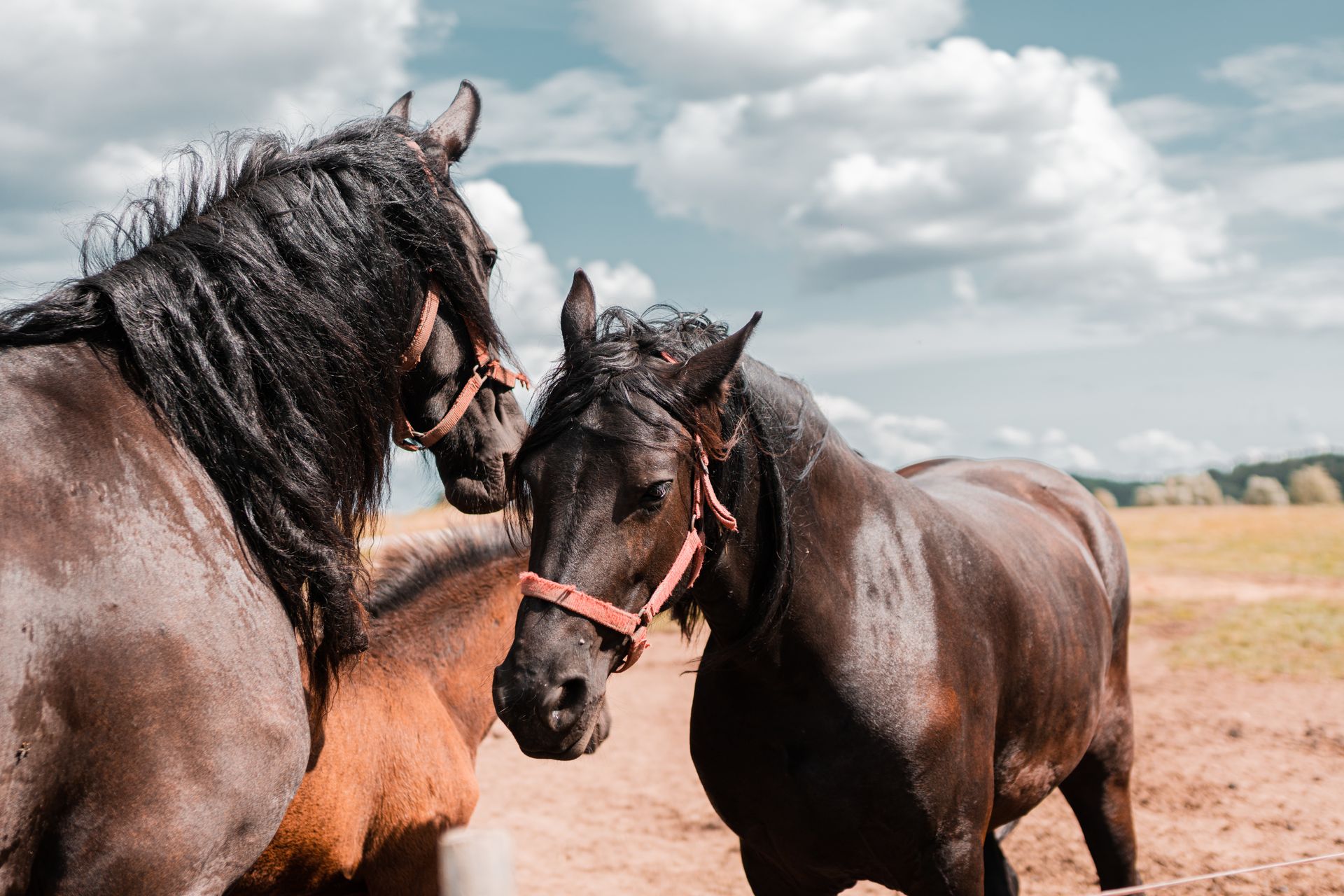
Genetic disorders in draft horses often don't have a cure, but proper care can make a big difference. I've seen firsthand how regular check-ups and a healthy lifestyle can help manage symptoms.
Some draft horses may experience PSSM (Polysaccharide Storage Myopathy), also known as "Tying-Up Disease." This condition causes muscle tremors and stiffness, which can be very painful for the horse.
Horses with PSSM need diets lower than 20% NSC (non-structural carbohydrates) to manage their symptoms. Thankfully, many quality horse feeds today are lower in NSC than in the past.
Draft horses require larger quantities of forage and commercial feeds compared to lighter horse breeds. This is because they have unique nutritional needs based on their mature body weight.
A correctly balanced diet is critical for managing some common health problems found in draft horses. Working with an equine nutritionist can help you formulate a feeding program tailored to your horse's individual requirements.
Here are some examples of horse feeds that are suitable for draft horses with PSSM:
Nutrition
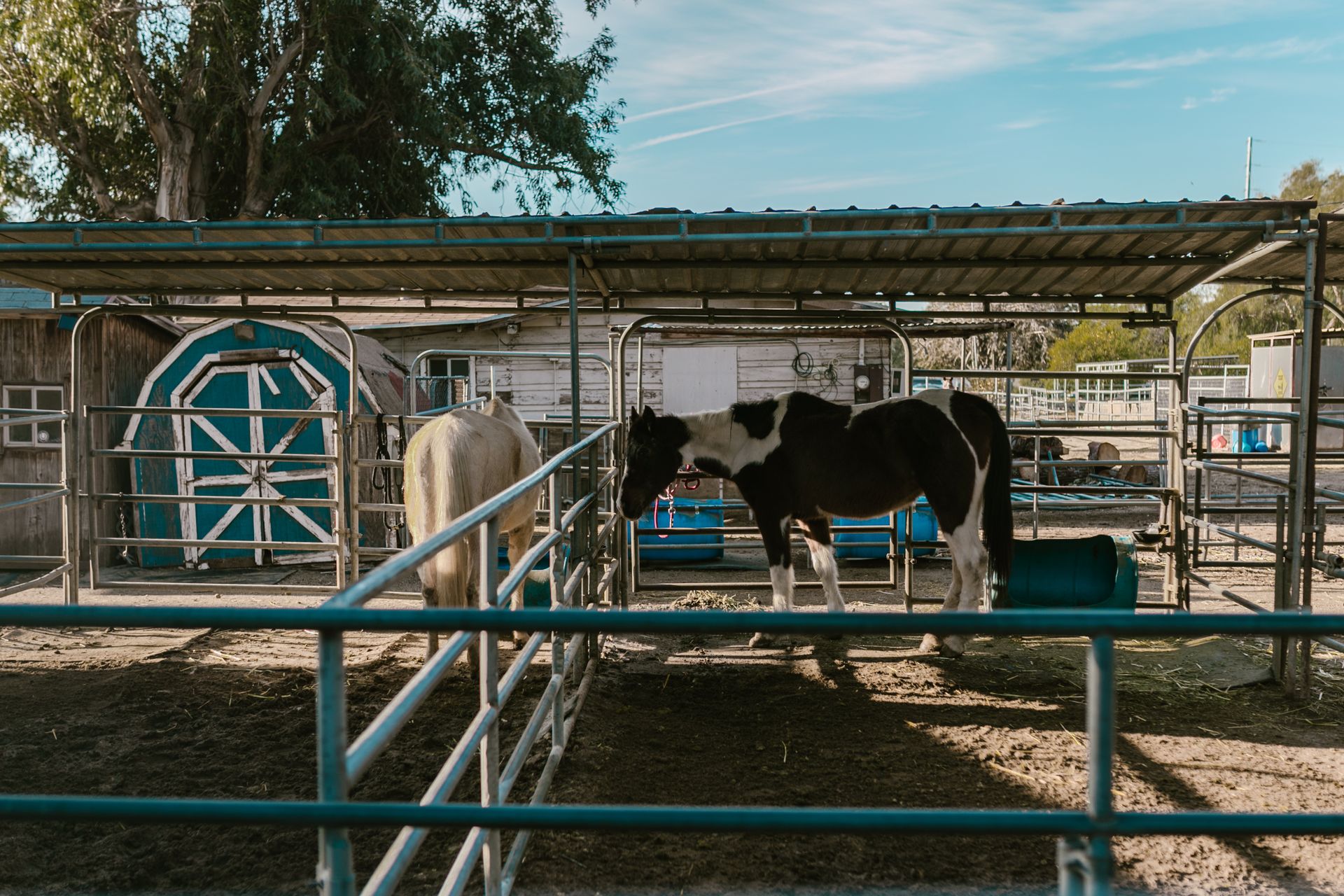
Draft horses have unique nutritional needs due to their size and breed. They require larger quantities of forage and commercial feeds compared to lighter horse breeds.
A correctly balanced diet is critical for managing health problems in draft horses, such as obesity, digestive upset, and metabolic conditions. Working with an equine nutritionist can help you formulate a tailored feeding program.
Draft horses benefit from a forage-based diet with minimal high-starch grains and concentrates. Feeding a diet primarily of hay or pasture, supplemented with necessary vitamins, minerals, and salt, will help them maintain a healthy body condition and avoid weight gain.
Low-starch, low-sugar feeds and regular turnout or moderate exercise can help manage conditions like Polysaccharide Storage Myopathy (PSSM) and Chronic Progressive Lymphedema (CPL).
Here are some key daily nutrient requirements for draft horses:
- Energy: 24.6 Cal per kilogram of body weight per day (lower than riding-type horses)
- Protein: quality protein with the proper amino acid balance
- Vitamins and minerals: necessary for overall health and well-being
To reduce risks of PSSM flares and digestive issues, eliminate or reduce grains from your draft horse's diet, and split large rations into small meals.
A fat supplement can be added to your horse's diet as a safer source of calories, but be sure to monitor intake to avoid overloading on fat.
Draft horses typically drink more water than average-sized horses, so ensure constant access to fresh, clean water throughout the day.
The recommended daily forage intake for a draft horse is 2.5% of their body weight per day. For example, a 1600-pound draft horse would need 40 pounds of forage per day.
Here's a rough estimate of a draft horse's weight using the Henneke Body Condition Scoring system and weight tape formulas:
- Measure heart girth and body length using a flexible tape measurer
- Use the formula: ((heart girth x heart girth) x body length ÷ 330 = body weight in pounds
Keep in mind that these formulas may not be as accurate for draft horses, and it's always best to consult with an equine nutritionist for personalized feeding recommendations.
Care and Management
Draft horses require regular veterinary care, including routine check-ups, vaccinations, deworming, and dental exams to maintain overall health.
They also need regular trimming to prevent poor hoof balance, which can lead to excess strain on lower limb structures. This is especially important for draft horses, as long intervals between farrier visits can cause unique hoof problems due to their size.
Draft horses need more space than average-sized horses and are more likely to get cast in standard-size stalls. Secure fencing is also essential to contain a powerful horse safely.
To prevent pastern dermatitis, a regular grooming routine is necessary, especially for draft breeds with thick feathering on their legs. This helps prevent skin issues and supports healthy skin and hair.
Here are some essential care practices for draft horses:
Care & Management
Draft horses require a lot of space to move around comfortably, so it's essential to provide them with spacious stalls and secure fencing that can contain their powerful bodies.
Regular veterinary care is crucial for draft horses, including routine check-ups, vaccinations, deworming, and dental exams to maintain their overall health.
Long intervals between farrier visits can lead to poor hoof balance in draft horses, which can cause excess strain on their lower limb structures.
Draft horses with thick feathering on their legs are prone to pastern dermatitis, a skin issue caused by trapped moisture and debris, so regular grooming routines are necessary to prevent this.
Here's an interesting read: Why Was the Horse so Happy?

The ideal diet for a draft horse is a balanced mix of forage, grains, and minerals, consuming 1.5% to 3% of their body weight in forage daily.
Here's a breakdown of the essential care practices for draft horses:
- Regular veterinary care, including vaccinations, deworming, and dental exams
- Regular trimming and balanced hoof care to prevent poor hoof balance
- Spacious stalls and secure fencing to accommodate their size and strength
- Ample turnout time to prevent stocking up and maintain healthy circulation
- Regular grooming routines to prevent skin issues and support healthy skin and hair
Prolonged stall confinement can cause stocking up in the lower legs of draft horses, so maximizing turnout time is essential to maintain healthy circulation and prevent this issue.
Recreational Activities
Draft horses are natural performers and can be found in parades, drawing crowds with their grandeur.
Their distinctive feathered hooves, like those of the Clydesdale breed, are a crowd-pleaser.
Competitive pulling contests showcase their immense strength and team spirit, making them stars in these events.
These events not only entertain but also educate the public about the historic and modern-day capabilities of draft horses.
Famous Breeds and Records
The Shire horse is one of the largest horse breeds in the world, reaching heights of over 18 hands (6 feet) and weighing up to a ton.
These gentle giants have a long history, originating in England where they were used as powerful war horses and later as draft horses in agriculture and industry.
The Shire breed is best known today for its remarkable size, typically weighing up to 2,200 lb (1,000 kg), and has held the world record for the tallest horse numerous times.
Sampson, a Shire horse born in 1850, still holds the record for the tallest and heaviest horse to date, measuring over 21.25 hands and weighing over 3,359 lb (1,527 kg).
Wandle Goliath, affectionately known as "Golly", is another notable Shire horse that holds the modern-day record for the tallest Shire horse in the world, standing at an impressive 19.11 ½ hands.
A fresh viewpoint: Shire Draft Horses
Famous Breeds
The Shire Horse is one of the largest horse breeds in the world, reaching heights of over 18 hands (6 feet) and weighing up to a ton. Their impressive stature, along with their feathered legs and powerful build, has long set them apart in the equine world.
The Shire breed has held the world record for the tallest horse numerous times over the years. In fact, it’s a Shire horse named Sampson, also known as Mammoth, who still holds the record for the tallest and heaviest horse to date. Born in Bedfordshire, England in 1850, he measured over 21.25 hands and weighed over 3,359 lb (1,527 kg).
Wandle Goliath, a Shire horse affectionately known as “Golly” around the barn, holds the modern-day record for the tallest Shire horse in the world. Standing at an impressive 19.11 ½ hands, Golly was foaled in 1977 and initially owned by Young Company’s Brewery in Wandsworth, London, UK.
Here are some of the most famous draft horse breeds:
- Clydesdale
- Shire
- Friesian
- Percheron
These breeds have made their mark on history, capturing hearts and minds with their skills, personality, and awe-inspiring size. Each breed brings something special to the world of draft horses, whether it's the elegant feathered legs of the Clydesdale or the impressive stature of the Shire.
Percheron: America's First Purebred Livestock Association
The Percheron is America's first purebred livestock association, a title it earned in 1876 when a group of breeders formed the Norman-Percheron Association in Chicago, Illinois.
This marked the beginning of a significant chapter in American equestrian history, with the first stud book being established at the same time.
The Percheron Association reached its peak, registering over ten thousand horses per year, making it the largest draft horse association in the world.
By 1934, the association had evolved into a non-profit organization, known as the Percheron Horse Association of America.
If this caught your attention, see: Percheron Draft Horses
Modern Uses and Practices
Draft horses are experiencing a resurgence in sustainable and organic farming practices. They're valued for their ability to work the land with minimal environmental impact compared to mechanized equipment.
Organizations like The Equine Institute provide training on integrating these gentle giants into eco-friendly farming methods. This training helps farmers make the most of their unique abilities.
Breeds such as the Belgian and Suffolk Punch excel in tasks like plowing fields and pulling carts, demonstrating their adaptability and ongoing relevance in agriculture. They're a testament to the importance of preserving these heritage breeds.
Their gentle nature makes them a great fit for eco-friendly farming methods. Farmers appreciate their ability to work the land without causing damage.
A different take: Training a Sheep Dog
Iowa and Production
Iowa is a leading state in draft horse production, with many breeders and owners calling it home. The state's fertile soil and mild climate make it an ideal place to raise these magnificent animals.
The most popular draft horse breed in Iowa is the Belgian, known for its strength and gentle disposition. They were first introduced to the state in the late 19th century and have been a staple in Iowa's agriculture ever since.
Iowa draft horses are often used for plowing fields and other heavy labor tasks, taking advantage of their incredible strength and endurance. A single Belgian draft horse can pull a plow or wagon with ease.
The Iowa State Fair is a great place to see draft horses up close, with many breeders and owners showcasing their animals each year. It's a wonderful event that celebrates the beauty and strength of these incredible animals.
For more insights, see: American Belgian Draft
Featured Images: pexels.com