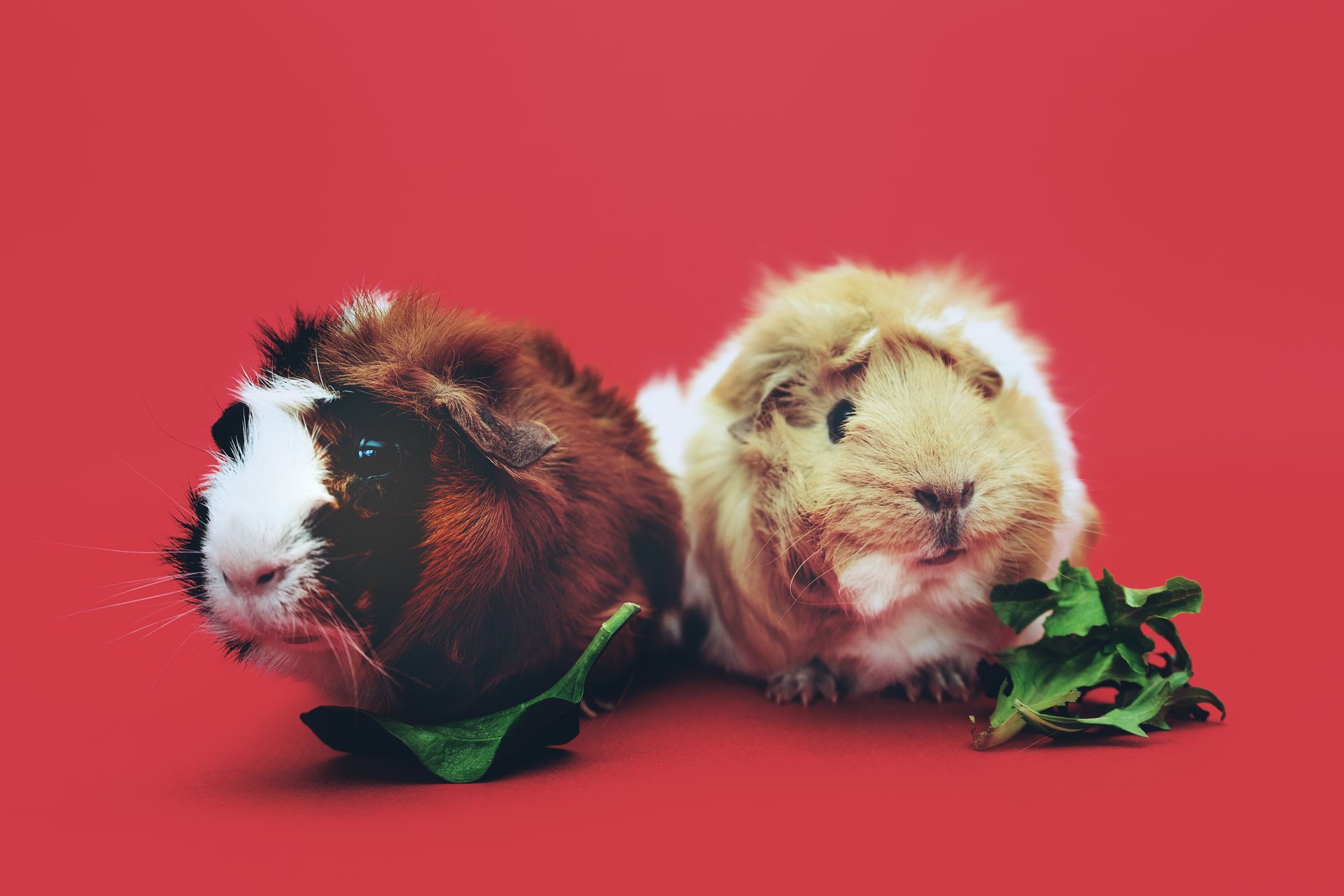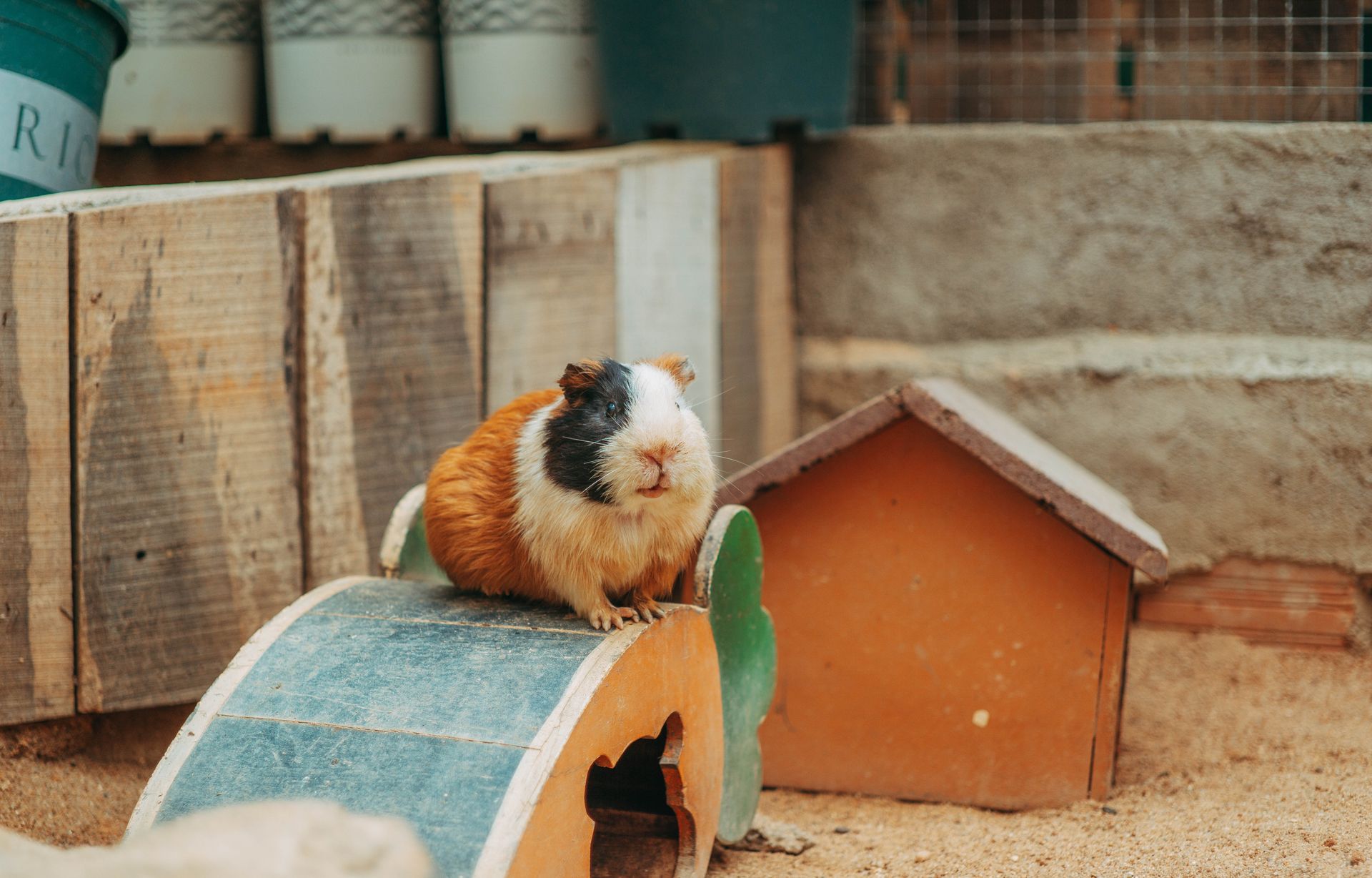
Guinea pig pregnancy can be a wonderful and exciting experience, but it's essential to understand the unique needs of pregnant guinea pigs.
Guinea pigs are pregnant for about 68 to 72 days.
A pregnant guinea pig's diet should be rich in fiber and low in calories to ensure the health of both the mother and the babies.
Guinea pigs need a safe and quiet environment to reduce stress and promote healthy pregnancy and birth.
Signs of Pregnancy
Guinea pig pregnancy can be tricky to spot, but knowing what to look for can help you detect the signs early on. A guinea pig will gain weight and grow a large abdomen as the pregnancy progresses, but the change is gradual and might not be noticeable until the guinea pig has doubled in size.
Changes in behavior can also be a sign of pregnancy. A pregnant guinea pig may sleep more or be grumpier than usual. This can be a sign of pregnancy, but it's also possible that the guinea pig is feeling unwell for other reasons, so it's always best to get them checked out by a vet.
If you're unsure about the changes in your guinea pig's behavior, a vet can help determine whether it's due to pregnancy or another issue. Some guinea pigs are too old to give birth safely, and a vet can advise on the best course of action.
Here are some common signs of pregnancy in guinea pigs:
- Increase in body weight
- Swollen mammary glands
- Changes in behavior, such as nesting or burrowing in bedding
- Changes in appetite
- Vaginal discharge
These changes won't come all at once, but instead will happen over a period of time. In some cases, you may not realize your guinea pig is pregnant until they begin to give birth.
Preventing Pet Pregnancy
It's essential to separate male and female guinea pigs after giving birth to prevent future pregnancy. Female guinea pigs can go into heat again just after delivery, so it's crucial to keep them apart from males.
You can prevent unwanted pregnancies by separating any male and female guinea pigs. This is a simple yet effective way to avoid unexpected litters.
Neutering your male guinea pigs is another option, but it should be done after they reach 4 months of age. This procedure can be discussed with your trusted vet.
Separating male and female guinea pigs is a must to prevent future pregnancy, especially after giving birth.
Consider reading: Female Dog Phantom Pregnancy
Pregnancy Stages
A guinea pig pregnancy typically lasts 65 days, which is roughly two months.
The duration of pregnancy can vary depending on the number of pups in the litter, with larger litters resulting in shorter pregnancies.
Keep in mind that this is just an average, and your guinea pig's pregnancy may be shorter or longer than expected.
Pregnancy Stages
A guinea pig pregnancy typically lasts around 65 days, or about 2 months, although this can vary depending on the number of babies in the litter.
The larger the litter, the shorter the pregnancy term, which is quite surprising.
During this time, your guinea pig's weight will increase, and her abdomen will grow significantly, often doubling in size before you even notice it happening.
As the pregnancy progresses, your guinea pig may sleep more or become grumpier than usual, which can be a sign of pregnancy or other health issues.
It's essential to have your guinea pig checked out by a vet to confirm the pregnancy and ensure she's healthy enough to give birth safely.
The vet can also estimate how many babies are on the way, which can help you prepare for the new arrivals.
Typical Litter Size

As you prepare for the arrival of your new guinea pig babies, it's essential to know what to expect in terms of litter size. The typical litter size is between two and four guinea pig babies, called pups. Note that this number can vary.
Guinea pigs usually have a small litter, which can make the experience even more special.
Animal Care
Guinea pig pregnancy requires some special care to ensure the mom-to-be stays healthy and happy. It's essential to minimize stress, as pregnancy can already be a stressful time for guinea pigs.
To reduce stress, try to avoid lap time and grooming sessions, which require more handling. Soft pets are a great way to show love without overwhelming your guinea pig.
A balanced diet is also crucial during pregnancy. Stick to your guinea pig's usual supply of pellets and fresh veggies, and supplement with alfalfa hay to provide extra calcium and protein. Fresh water should always be available, and you may need to refill the water bottle more often.
If you notice any signs of stress or illness, consult your vet immediately.
For your interest: Guinea Pig Water Bottle
Do I Need to Isolate an Animal?
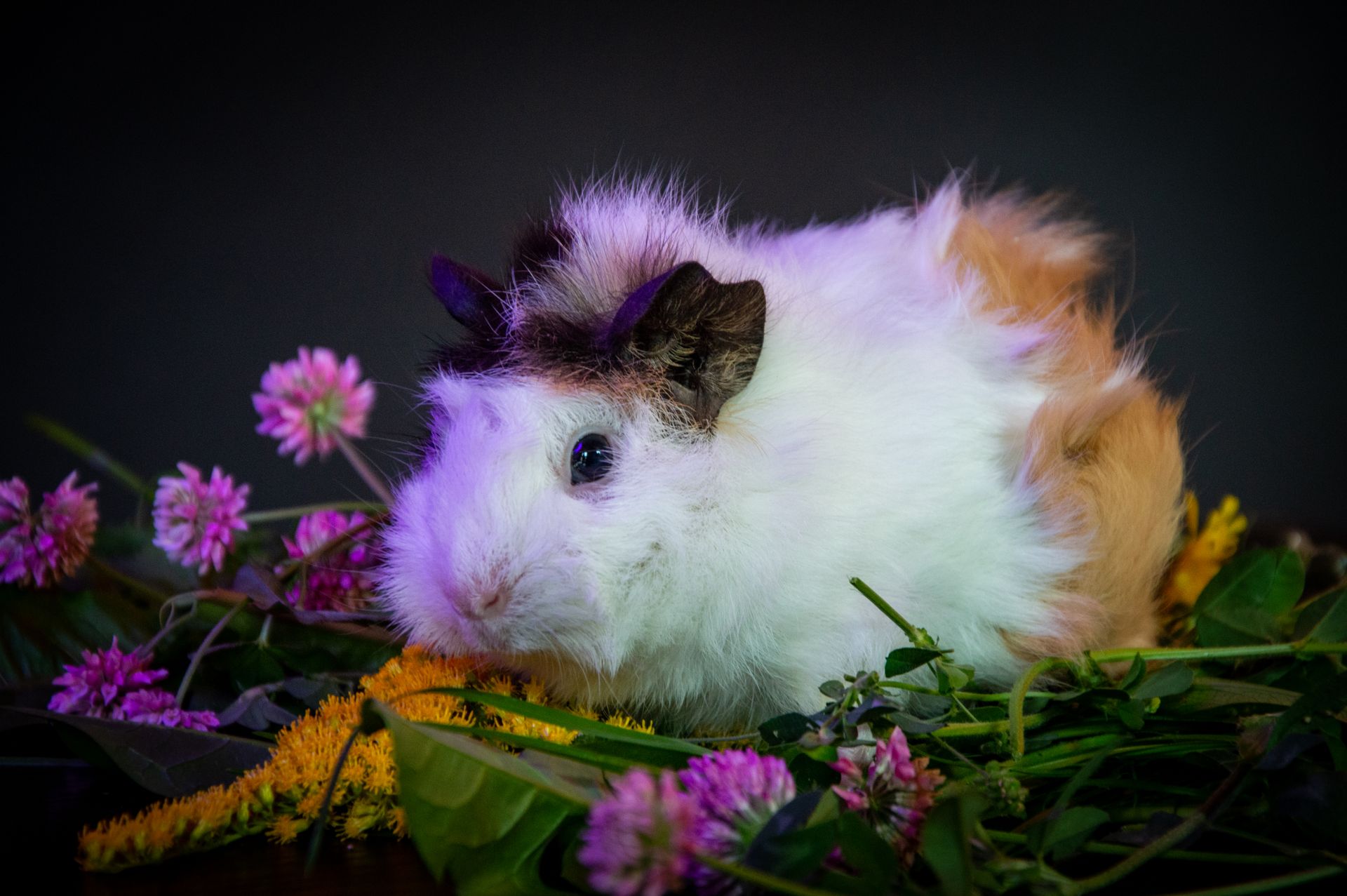
If you have a pregnant guinea pig, there's no immediate need to separate her from her roommates, but consider rehousing them if they become overly annoying and she can't rest easily.
Some animals, like guinea pigs, are social and don't require isolation, but others, like pregnant guinea pigs, may need a peaceful environment.
If your pregnant guinea pig is being disturbed, relocating the other pigs and leaving her be is a good solution, allowing her to stay comfortable and undisturbed.
Animal Care
If you're expecting a guinea pig, it's essential to provide a nutritious diet. You don't want to overfeed her pellets, as this can make the pups too big, so stick to her usual supply and supplement with alfalfa hay for extra calcium and protein.
To minimize stress, which can lead to illness, it's best to avoid lap time and grooming sessions. Soft pets are a great way to show love and affection without causing undue stress.
Pregnancy complications can occur in guinea pigs, including dystocia and pregnancy toxemia. These can be caused by factors such as obesity, multiple large babies, a poor diet, stress, heat, and giving birth for the first time.
If you notice any signs of distress or complications during pregnancy or birth, contact your vet immediately. They can provide guidance and support to ensure a healthy outcome for both mom and pups.
Here are some tips for caring for a pregnant guinea pig:
- Provide a safe and comfortable environment with plenty of hay and fresh vegetables
- Ensure access to fresh water at all times
- Avoid overfeeding pellets and opt for alfalfa hay supplements instead
- Minimize stress through gentle handling and soft pets
- Monitor for signs of pregnancy complications and seek veterinary advice if necessary
Animal Diet Essentials
Guinea pigs have specific dietary needs that are crucial during pregnancy. A good diet is key to a healthy pregnancy and the overall well-being of the mother and her pups.
Pellets are a staple in a guinea pig's diet, but they shouldn't be overfed during pregnancy. Too many pellets can make the pups too big.
Hay is essential for guinea pigs, and there are different types to choose from. Timothy hay is recommended for adult guinea pigs that aren't pregnant or lactating.
Expand your knowledge: Pigs Eat Rabbit Pellets
Alfalfa hay is higher in calcium and proteins, making it perfect for pregnant or lactating guinea pigs. It's a great supplement to add to their diet.
Fresh vegetables are also important, and guinea pigs should have access to them at all times. Make sure to keep their water bottle full and fresh.
Here's a quick guide to the different types of hay:
Fresh water is also crucial, and you may need to fill the water bottle more often during pregnancy.
How to Tell if a Pet Is Sick
Knowing the quirks of your cavy is key to detecting any potential health issues. If you've noticed changes in their usual behavior, it may be an early sign of illness.
Some guinea pigs may exhibit lethargy or a decrease in appetite when they're not feeling well. This can be a subtle sign, so keep a close eye on their behavior.
Changes in their usual habits and routines can be a strong indicator of illness. For instance, if your guinea pig is usually active and playful but suddenly becomes less energetic, it's worth investigating further.
If you suspect your guinea pig is sick, look for any unusual changes in their behavior, such as hiding more than usual or not interacting with their surroundings.
Newborn Care
Newborn guinea pigs need interaction, especially in the beginning, so be sure to check on them regularly. They're not born independent, so it's essential to provide some care until they can nurse from their mother.
If you notice the pups aren't nursing, or if you have a runt in the litter, hand-feeding formulas can be used as a supplement. These can be picked up from your local vet.
Newborn guinea pigs must be kept warm, and it's also a good idea to have contact with a vet if you notice any issues during pregnancy or after birth.
What to Do When Your Pet Gives Birth
If your pet is giving birth, it's essential to know what to look out for. A guinea pig in labor may start to strain, vocalize, and exhibit a mucusy or bloody discharge.
If you notice any of these signs, it's a good idea to call your vet for advice. They can provide invaluable guidance and may recommend a visit if there are any concerns.
Changes in the pelvic area are also a normal part of the birthing process. A guinea pig's pelvic bones are fused before giving birth, but hormones cause them to relax and separate during labor. This usually starts a couple of days before labor begins.
Here are some signs that labor is underway:
- Straining
- Vocalizing
- Mucusy or bloody discharge
- Changes in the pelvic area
Newborn Care
Newborn guinea pig care can be a delicate process, but with the right knowledge, you can ensure your new additions thrive.
Newborn guinea pigs should nurse from their mother until they're around 3 weeks old. If you notice any issues with nursing or have a runt in the litter, consult a vet for guidance on hand-feeding formulas.
It's essential to keep newborn guinea pigs warm, as they're not born independent and need interaction in the beginning.
If you're noticing any pregnancy complications in your guinea pig, such as dystocia or pregnancy toxemia, it's crucial to seek veterinary care immediately. These conditions can be life-threatening if left untreated.
Guinea pigs that are prone to pregnancy complications often share similar risk factors, including obesity, multiple large babies, poor diet, stress, extreme heat, first-time motherhood, and age over 7 months.
A different take: Hairless Guinea Pig Care
Maturity and Growth
Guinea pigs can reach sexual maturity at a surprisingly young age. Female guinea pigs, or sows, can become pregnant as early as two to three months old.
If you have baby guinea pigs together, they will breed with their siblings. This is because they don't discriminate and will mate with anyone, regardless of age or relationship.
Frequently Asked Questions
How many babies do first time guinea pigs have?
First-time guinea pig mothers typically have litters of 2 to 4 pups, with 3 being a common average. This is often the smallest litter size, as females usually have larger litters in subsequent births.
Do I need to separate my pregnant guinea pig?
Yes, it's recommended to separate a pregnant guinea pig from other pets, especially males, to prevent stress and unwanted breeding. Separation is crucial to ensure a healthy pregnancy and delivery for your guinea pig.
Featured Images: pexels.com