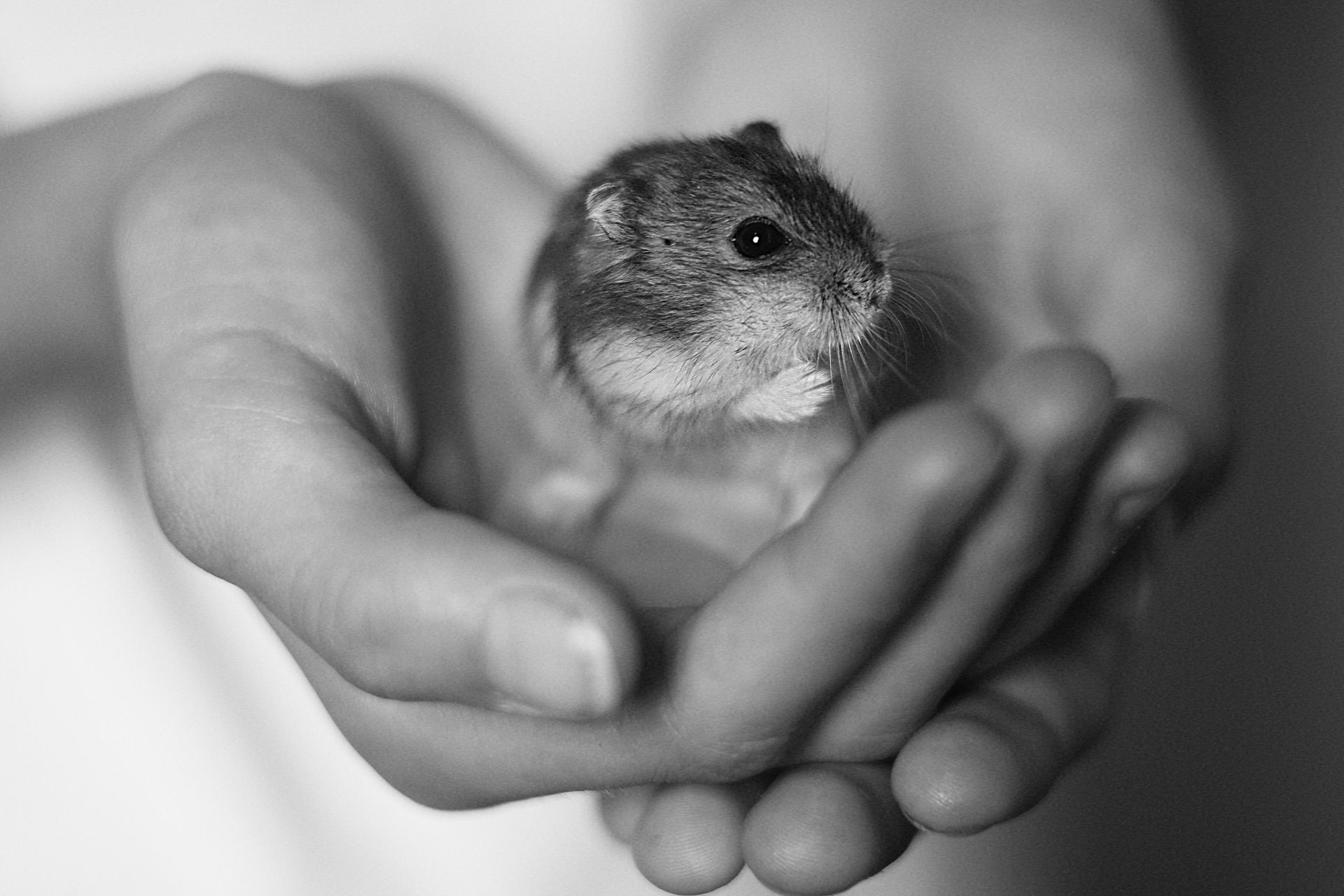
Rodents can make wonderful pets for those who are willing to learn about their needs and personalities. They are intelligent, social, and relatively low-maintenance compared to other popular pets.
Some popular breeds of rodents, such as the Syrian hamster, can live up to 2.5 years in captivity, providing plenty of time for bonding and interaction.
If you're new to rodent ownership, it's essential to research and understand their specific needs, including diet, habitat, and social requirements.
Popular Pet Rodents
Hamsters, guinea pigs, and gerbils are popular small rodents that make great pets for families. They are low-maintenance companion animals that are perfect for busy households.
Gerbils, in particular, are sociable rodents that thrive in same-sex pairs or small groups. They are very active and intelligent, needing space to explore and chew toys to satisfy their natural behaviors.
Gerbils are friendly and inquisitive animals that are easy to handle and rarely bite unless provoked. They are also hardy and generally more disease-resistant than hamsters.
Mice
Mice are the smallest common pet rodents, known for their charming size and cuteness. They require a suitably sized cage but don't need as much space as larger rodents, making them ideal for small homes.
Mice are social animals and thrive only with companions, so keeping a pair or group of the same sex is crucial for their wellbeing. They can be a bit messy, which might be a consideration for some owners.
Mice are delicate and fragile, requiring gentle handling and socialisation. They don't shed a lot and seem to cause few allergies for people.
Mice are nocturnal, but they're active for short periods during the day. They have a relatively short life expectancy of two to three years.
Mice are clean animals, despite popular beliefs, and are reasonably easy to care for. Daily cage cleaning is critical to reduce wet bedding and odor build-up.
Mice have a strong odor and their urine is particularly pungent, so be prepared for that!
Gerbils
Gerbils are sociable rodents best kept in same-sex pairs or small groups. They are very active and intelligent, needing space to explore and chew toys to satisfy their natural behaviours.
Gerbils tend to be friendly and interactive, making them excellent pets for those who can provide companionship and mental stimulation. Their lifespan generally ranges from 2 to 4 years.
Gerbils are friendly and inquisitive. They are active, entertaining animals and love to climb, burrow, and chew. They are good jumpers and very fast, so take care when young children handle them.
Gerbils especially like to chew on things like paper, cardboard rolls, and junk mail. They make excellent pets for older children and teenagers. If gerbils are well-socialized from a young age and treated gently, they are easy to handle and rarely bite unless provoked.
Gerbils are desert animals, which means they have a very low water requirement. They produce only small amounts of urine and do not have a strong smell.
Other Small Rodents
Other small rodents can make great pets for families looking for low-maintenance companion animals.
Hamsters, guinea pigs, and gerbils are popular options, but it's essential to consider cost, lifespan, size, energy levels, and time commitment before making a decision.
Their cost is relatively low, with vets' fees being much lower than for larger pets.
Remember to factor in the cost of care when deciding which rodent is best for your family.
You can book an appointment with Forever Vets to ensure your rodent's health and well-being.
A different take: Strategies for Rodent Control
How to Choose a Pet Rodent
Choosing a pet rodent can be a daunting task, but with some research and knowledge, you can find the perfect furry friend for you. Consider your available space, time for interaction, and the rodent's social needs. Most rodents do best with companions of their own kind and need appropriate housing and mental stimulation.
If you're looking for an affectionate, interactive pet with a longer lifespan, consider guinea pigs or chinchillas. They're great for owners who want to engage with their pets. Clever and playful rats and degus are perfect for owners who enjoy interactive play.
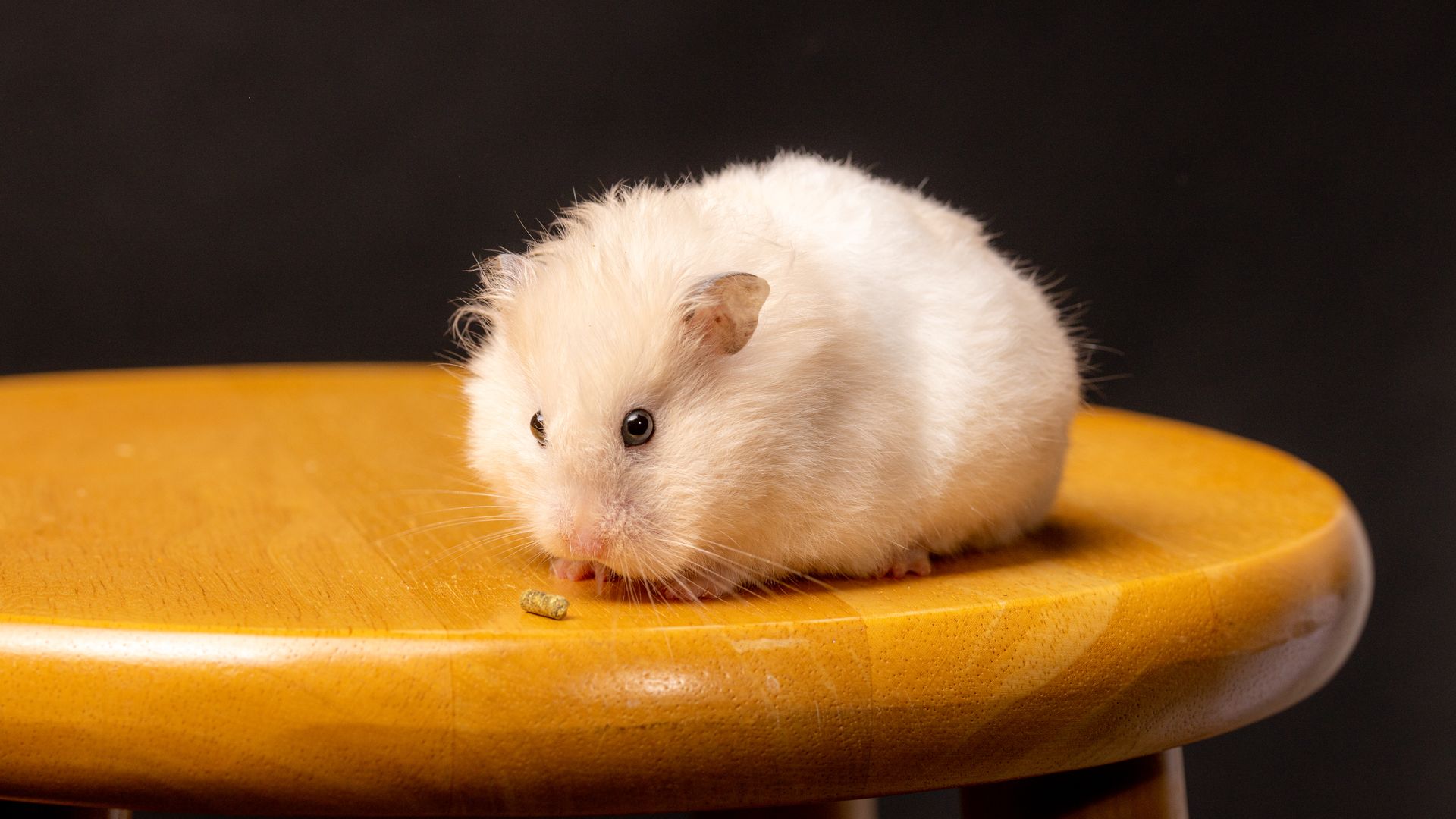
To ensure you're getting a healthy pet, inspect the rodent before purchase. Look for no discharge from the eyes, nose, or mouth, and check the teeth to make sure they're not overgrown. The animal should seem frisky, try to run, and resist handling to some extent.
Here are some key things to check for when buying a pet rodent:
- No discharge from the eyes, nose, or mouth
- No overgrown teeth
- The animal seems frisky and tries to run
- No coughing, sneezing, or wheezing
- The rectal area is dry and free of diarrhea or caked-on stool
- The animal's sex can be determined with the help of a pet store employee
Ultimately, thorough research, patience, and responsible sourcing from trustworthy breeders or rescues ensure a rewarding pet ownership experience.
Specific Pet Rodents
If you're looking for a pet that's relatively small and social, dwarf hamsters are a great option. They can be kept in same-sex pairs or groups, but it's essential to monitor for signs of aggression.
Dwarf hamsters are nocturnal and love to stay active, so they need plenty of tunnels and exercise wheels to keep them entertained.
As with other hamsters, gentle and consistent handling is key to making them friendly pets.
Hamster
Hamsters are great pets for families, but it's essential to choose the right type. Syrian hamsters are mostly solitary and prefer to live alone, while dwarf hamsters are social and thrive in same-sex pairs.
They are relatively low maintenance pets, but they do require daily feeding, a weekly clean, and regular health checks. Hamsters are nocturnal, so they sleep during the day and are active at night, making evening care a good time.
Their lifespan is around 2 years, depending on the type. Hamsters need a wheel to run in, tubes to explore, and hiding places to feel secure. They can be quite noisy at night, so it's best to keep them in a quiet area.
Hamsters are great escape artists, so their enclosure needs to be secure. They don't tolerate heat well, so it's best to keep them in a cool area during the summer months. Dwarf hamsters are excitable and startle easily, making them more challenging to handle.
Syrian hamsters are less personable than other rodents and might nip if startled or handled when uninterested. They can be a good option for families with older children who understand how to handle them gently.
See what others are reading: Reasons Why Dogs Are Good Pets
Chinchillas
Chinchillas are generally quiet, "hands-off" pets that do best when left alone to run about in their cage. They require a "chin spin" in their cage for exercise.
Their native habitat is the Andes Mountains in South America, so they don't tolerate hot, humid environments; instead, they should be housed indoors with temperatures from the mid-60s to the mid-80s. This is crucial for their health and well-being.
Chinchillas need a dust bath to help clean their fur, which can be messy but essential. This is a vital part of their grooming routine.
Chinchillas can live up to 20 years with a proper diet and good healthcare. This is a long-term commitment, so it's essential to consider their lifespan before bringing one home.
Chinchillas require large, multi-level cages to satisfy their high energy and jumping ability. Their dense fur needs regular dust baths to remain healthy.
Chinchillas are sensitive animals that make them more suitable for older children or adults. They can be a little shy by nature, although once they get to know you they can be fairly sociable animals.
On a similar theme: Are Chinchillas a Good Pet
Guinea Pigs
Guinea pigs are a popular choice for families, and it's easy to see why. They're gentle, social animals that thrive on companionship.
Guinea pigs are not solitary pets and best suited to living in same-sex pairs, so it's essential to consider getting two or more guinea pigs if you're thinking of bringing one home.
Guinea pigs can live for 5 to 6 years, making them a long-term companion. They require regular handling to build trust and reduce their natural timidity.
Guinea pigs need a diet rich in vitamin C, which is essential for their health. Lack of adequate vitamin C in their diet can lead to scurvy, a disease that causes brittle hair and swollen, painful joints.
Guinea pigs are generally hardy and easy to care for, but they do require regular cage maintenance and gentle interaction to flourish. They're not suitable for homes with noisy pets, as they have sensitive hearing.
Guinea pigs make great family pets for children, but it's essential to handle them gently from a young age to build trust and a friendly relationship.
Recommended read: Pets Not Dogs or Cats
Degu
Degus are very intelligent and highly sociable animals that love to play and explore. They have a friendly nature and are outgoing little rodents.
Their lifespan is around 6 or 8 years, so be prepared to make a long-term commitment to their care. Degus require plenty of time, attention, and care, making them more suitable for older children or adults.
Play is an essential part of a degu's life, and it's fun to set them little foraging challenges to stimulate their minds. Degu-friendly toys and wooden chews will keep them entertained and their front teeth in good condition.
Degus need plenty of space to exercise, so make sure you have a large cage with multiple levels and areas for them to dig and explore. They'll enjoy running around, climbing, and getting some exercise.
Degus are affectionate and love to sleep close together, so build a comfy bed space in their cage using tissue or pet-safe paper. They'll even try to build their own little den by poking through the bars.
Degus can be quite the characters, and they love being stroked - some even raise their little paws for a belly rub! They might even return the affection and groom you.
Tips and Advice
If you're new to rodent ownership, it's essential to research the needs of your pet. The Syrian hamster, for example, requires a lot of space to run around and exercise.
Hamsters are nocturnal, so they're most active at night, which means you'll need to be prepared for some late-night playtime. They're also solitary animals and don't do well in groups.
Syrian hamsters are known for their friendly and docile nature, making them a great choice for families with children. They're also relatively easy to care for.
A good rule of thumb is to provide a cage that's at least 24 inches long, 12 inches wide, and 12 inches tall to give your hamster enough space to move around. The cage should also have a secure lid to prevent escape.
Some rodents, like gerbils, are social animals and do well in pairs or groups. They're also relatively low-maintenance pets.
Frequently Asked Questions
What rodent likes being held?
Guinea pigs are known to be affectionate and enjoy being held, but they may require gentle handling to become comfortable with it
What is the most cuddly rodent pet?
Guinea pigs are the most cuddly rodent pets, known for their affectionate nature and love of social interaction
Featured Images: pexels.com