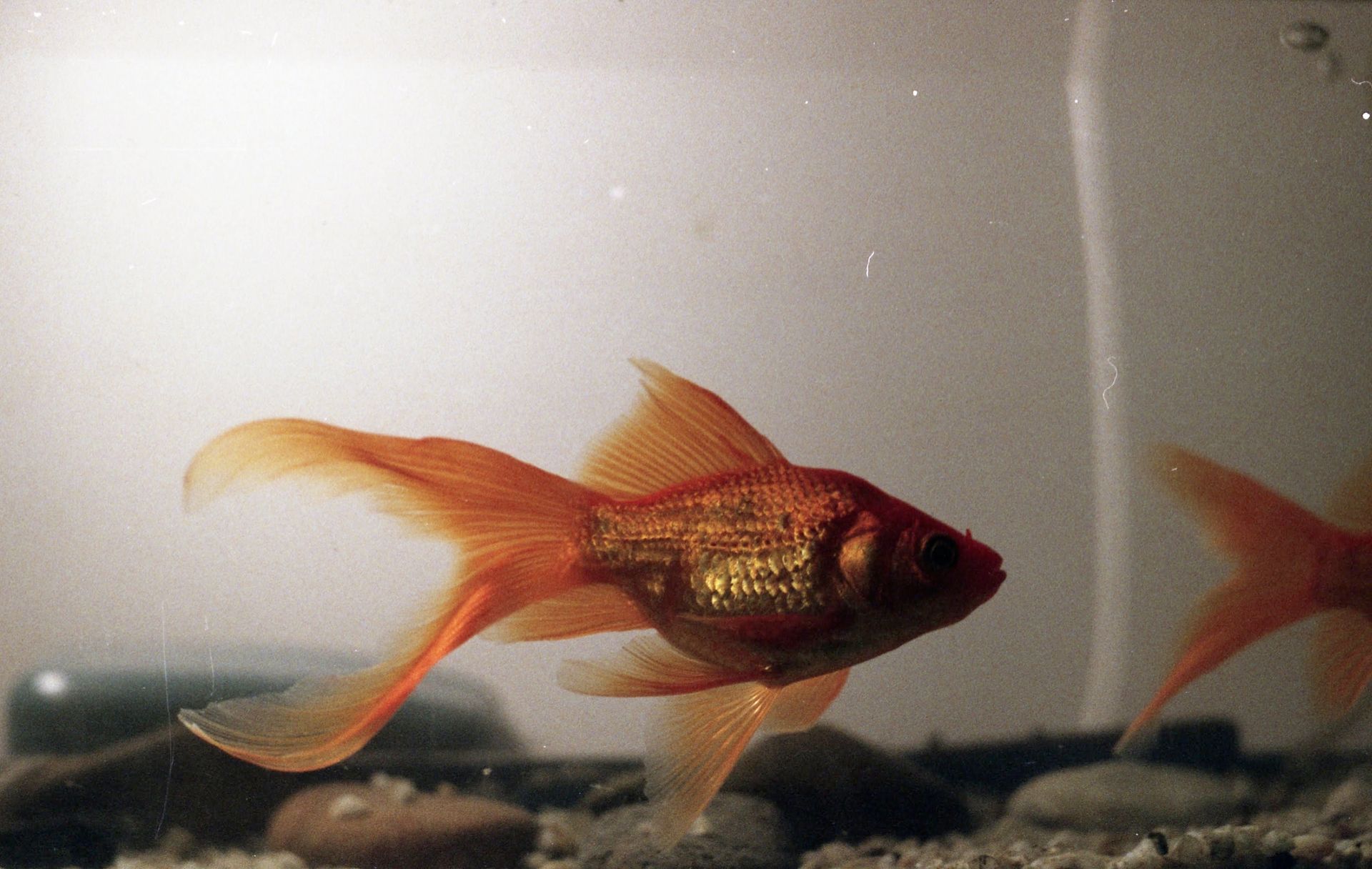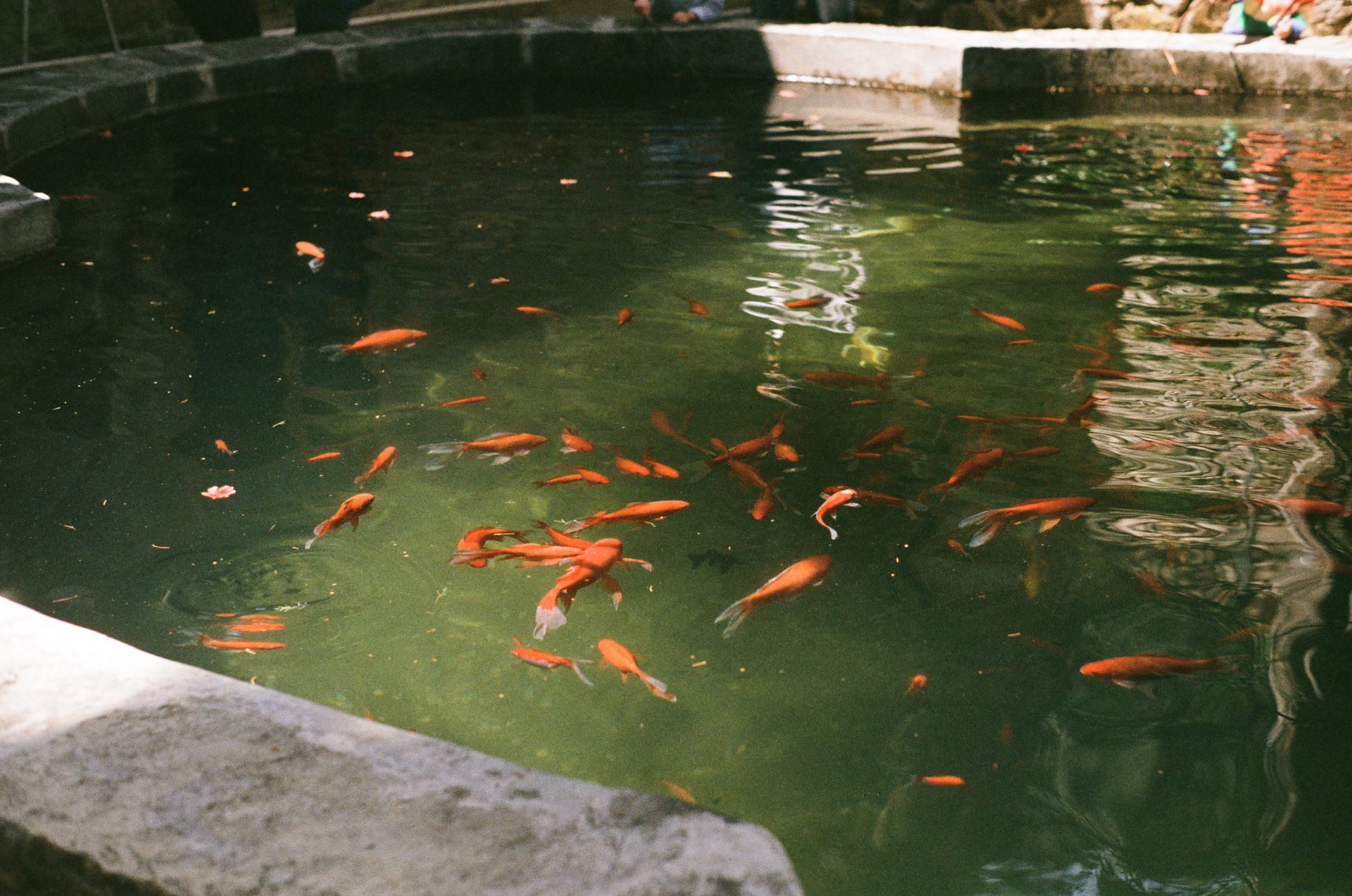
Choosing the right goldfish pond pump is crucial for maintaining a healthy and thriving water feature. A pump that's too small can lead to stagnant water, while one that's too large can be a waste of energy and resources.
There are several types of goldfish pond pumps available, including submersible, external, and solar-powered pumps. Each type has its own advantages and disadvantages, which are discussed in more detail later in this article.
When selecting a pump, consider the size of your pond, the number of goldfish you're keeping, and the desired water flow rate. A general rule of thumb is to choose a pump that can move at least 1-2 gallons of water per minute for every 10 gallons of pond water.
Ultimately, the right pump for your goldfish pond is one that meets your specific needs and provides a balance between water circulation and energy efficiency.
Choosing the Right Pump
The right pump is crucial for maintaining a healthy and clear water environment in your goldfish pond.
You need to ensure you have a pump that's right for your size garden pond.
The job of the pump is to keep the water circulating properly so it becomes aerated with oxygen, which fish need to survive.
Your pond water pump and filtration system play a big role in algae prevention.
To determine the correct size of pump needed for your pond, consider the volume of water, the height the pump needs to lift the water, and the desired water flow rate.
A general rule is that the pump should circulate the total volume of the pond water at least once every two hours.
Here's a rough guide to help you choose the right pump:
For ponds with additional features like a waterfall or fountain, extra pump power is necessary to ensure water can be lifted and pushed with adequate force.
A simple calculation for waterfalls is to add 100 litres per hour for every centimetre of waterfall width.
Installation and Setup
Installing a goldfish pond pump is a crucial step in maintaining a healthy pond ecosystem. Proper installation will influence the pump's performance and effectiveness, ensuring optimal water flow and aeration.
First, determine the size pump needed for your pond, considering water volume and desired water flow rate. Read the instructions for your specific pump carefully before you begin.
To ensure even water dispersion and circulation, position your pump where it will effectively circulate the entire pond water body. If you're using a fountain pump, position it centrally. For other pumps, place them near the bottom of the pond to enable proper water flow and prevent stagnation.
Here are the basic steps to follow:
- Attach the strainer cage to protect the pump from debris.
- Connect the hose tail to the pump if required for your hose connection.
- Securely connect your pump to the hose using clamps to prevent leaks.
Installation and Setup
Proper installation and setup of a pond pump is crucial for maintaining a healthy pond ecosystem. It will influence the pump's performance and effectiveness.
First, determine the size pump needed for your pond, considering water volume and desired water flow rate. This will ensure the pump can effectively circulate the water.
To position your pump correctly, place it where it will effectively circulate the entire pond water body. For fountain pumps, position it centrally to allow even water dispersion.
The pump should be near the bottom of the pond to enable proper water flow and prevent stagnation. This is especially important for other types of pumps.
To attach the pump to the hose, follow these steps:
- Attach the strainer cage to protect the pump from debris.
- Connect the hose tail to the pump if required for your hose connection.
- Securely connect your pump to the hose using clamps to prevent leaks.
By following these steps, you'll be able to properly install and set up your pond pump, ensuring optimal water flow and aeration.
How Many Hours to Run?
Running your pond pump continuously is essential for a healthy pond. This is because running a pond pump helps keep your water clear.
Running a pond pump 24/7 prevents algae growth. It's crucial for maintaining a thriving pond ecosystem.
In colder climates or areas prone to freezing winters, a pond pump is vital to prevent water from freezing. This can be devastating for fish and other aquatic life.
Our pond pumps are designed to support 24-hour continuous use without excessive wear and tear.
Maintenance and Troubleshooting
Regular maintenance is crucial to keep your goldfish pond pump running smoothly. Inspect the pump regularly to check for accumulated debris or sediment that might clog the pump.
A clear pump keeps the pond water moving and oxygenated, which is essential for your goldfish's health. Clean or replace the pump filter as needed, following the manufacturer's instructions, typically once a month.
Check the pump for wear and tear, looking for small holes or signs of wear that might lead to larger issues. Timely identification and repair can prevent water damage and malfunction.
Here are some common issues to watch out for and how to troubleshoot them:
- Low flow rate: Check for blockages and ensure the pump is properly submerged. Clear any obstruction to restore the correct flow rate.
- Excessive noise: Unusual sounds can indicate a blockage or damage within the pump. Disconnect power and inspect for debris and ensure all components are intact and functioning.
- Sudden stops: Verify the power supply first. Electrical faults or interruptions can cause the pump to cease operation.
- Green water: This indicates algae overgrowth. Consider adding plants that consume excess nutrients and provide more surface area for beneficial bacteria.
Maintenance for Every Season
Inspect your pump regularly to avoid clogs from algae growth and fallen leaves.
A clear pump keeps the pond water moving and oxygenated, which is essential for a healthy ecosystem.
Clean or replace your pump filter once a month, following the manufacturer's instructions, to maintain water clarity.
Monitoring your pump's performance is crucial, especially during winter months when pumps can be at risk of damage from ice or low temperatures.
A pond heater or aerator can be used to prevent freezing, ensuring your pump continues to function properly.
Here are some key tasks to perform for each season:
Regular maintenance tasks will help prevent larger issues and keep your pond clean and healthy.
Troubleshooting Common Issues
Troubleshooting Common Issues can be frustrating, but it's a normal part of maintaining your pond and its pumps.
A low flow rate can be caused by a blockage or if the pump isn't properly submerged. Clear any obstruction to restore the correct flow rate.
Excessive noise from your pump can indicate a blockage or damage within the pump. Disconnect power and inspect for debris and ensure all components are intact and functioning.
If your pump suddenly stops working, verify the power supply first. Electrical faults or interruptions can cause the pump to cease operation.
Green water in your pond indicates algae overgrowth. Adding plants that consume excess nutrients and provide more surface area for beneficial bacteria can help.
Here are some common issues and their potential causes:
- Low flow rate: Blockage or improper submersion
- Excessive noise: Blockage or damage within the pump
- Sudden stops: Electrical faults or interruptions
- Green water: Algae overgrowth
Embracing Koi Power
Our pond pumps are suitable for a range of ponds, from commercial water landscapes to smaller garden ponds.
For a happy and healthy pond, it's essential to choose a pump that's right for your pond size and type. A goldfish or koi pond pump can be a great investment for any pond owner.
A powerful pond pump can give your water too much flow, which can disturb your pond life. This can stress out fish like koi and goldfish, who aren't used to strong currents.
You may need to upgrade your UV and gravity filter to help with the higher flow rate. This will ensure your pond's ecosystem remains balanced.
Investing in a pond pump that's better suited for your pond can make all the difference. This will help keep your fish safe, happy, and healthy.
Broaden your view: Good Algae Eaters for Ponds
Design and Features
A goldfish pond pump is a crucial component of a healthy and thriving aquatic ecosystem. Its design and features play a significant role in maintaining water quality and circulation.
The pump's flow rate is typically measured in gallons per hour (GPH) and is usually around 400-800 GPH for a small to medium-sized pond. This ensures a sufficient water turnover to keep your goldfish healthy.
A good pump will also have a built-in filter, such as a cartridge or sponge filter, to help keep the water clean and free of debris. This feature helps prevent the buildup of waste and toxins that can harm your goldfish.
For more insights, see: Goldfish Pond Filter
Energy Efficiency
Energy efficiency is crucial when it comes to choosing a pump for your pond. Choosing an energy-efficient pump can significantly reduce long-term costs.
Pumps with efficient motors are a good place to start. Look for pumps designed with these types of motors, which consume less electricity.
Solar-powered options are also worth considering, especially for small ponds. They can save on electrical costs, although they may not be as reliable in areas with inconsistent sunlight.
Pumps with variable speed settings are a great feature to have. These allow for adjustment based on need and can be more energy-efficient.
It's essential to verify that your electrical setup is appropriate for your pump's power requirements. This will prevent safety hazards and ensure your pump runs smoothly.
A larger pump doesn't necessarily mean greater electricity use. It's more about matching the pump's capability with the pond's needs efficiently.
Water Features
Water Features can greatly enhance the beauty and functionality of your pond. They not only provide a charming visual and auditory experience but also play a crucial role in keeping the pond healthy.
Incorporating water features like small waterfalls or fountains can increase oxygen levels in the pond, which is essential for fish and beneficial bacteria. This is because the splash and ripple created by the water feature enhance water circulation and aeration.
To ensure that bottom-dwelling creatures aren't disturbed, make sure the height of the fountain and flow rate are appropriate for the size of the pond. This will also prevent excessive evaporation or splashing.
- Fountains and Features:
Provide a charming visual and auditory experienceEnhance water circulation and aerationHelp increase oxygen levels in the pond
Power Limits
When choosing a pond pump, it's essential to consider the power limits to ensure your pond's ecosystem remains healthy and balanced.
Choosing a pump that's too powerful can actually cause more harm than good, as it can create strong currents that stress out fish like koi and goldfish.
A larger pump doesn't necessarily mean greater electricity use, but rather it's about matching the pump's capability with the pond's needs efficiently.
Pumps with variable speed settings can be more energy-efficient, allowing for adjustment based on need.
To prevent safety hazards, verify that your electrical setup is appropriate for your pump's power requirements.
Running your pond pump at full power can actually cause more wear and tear, lowering its life expectancy.
If you do need to upgrade your pump, consider investing in a pond pump that's better suited for your pond.
In general, fish prefer a gentle flow, so it's best to choose a pump that provides a balanced water circulation.
Considerations and Requirements
To create a thriving goldfish pond, you'll need to consider a few key requirements. Installing a filtration system is crucial for keeping the pond water clean, and it's not just about removing the visible debris.
The filtration system should be able to remove the debris that's not caught by the pond skimmer, ensuring the water remains healthy for your goldfish. You can buy complete goldfish kits that include a filtration system, which can be a great solution if you're new to setting up a pond.
Proper installation and setup of a pond pump are essential for maintaining a healthy pond ecosystem. This stage will significantly influence the pump's performance and effectiveness, so make sure to get it right.
Basic Requirements

You don't need to break the bank to set up a fish pond. Installing a liner, water pump, and filtration system are the basic requirements. A water pump is necessary to circulate the water, but proper installation is crucial for its performance.
The filtration system is what keeps the pond water clean, removing debris that you might not be able to see. It's a must-have, even if you're good at skimming the water. A few accessories like a pond skimmer can also be helpful.
You can buy a complete goldfish kit, which is a great option if you're new to this. These kits usually include everything you need to get started. If you're buying the components separately, just remember to get a good filtration system.
Expand your knowledge: How Good Is a Goldfish Memory
Key Considerations for Solar Installation
When installing a solar pump, consider the size of the pond, the water feature's requirements, and the amount of direct sunlight the pump will receive.
Solar pumps need sunlight to function, so they might not be suitable for shaded areas or for consistent operation on overcast days.
The size of the pond is a crucial factor, as it determines the amount of water the pump needs to move.
Direct sunlight is essential for solar pump operation, and a shaded area can significantly reduce the pump's efficiency.
Water feature requirements, such as flow rate and pressure, should also be taken into account when selecting a solar pump.
Solar pumps can be a great option for ponds in sunny locations, but they might not be the best choice for areas with frequent overcast days.
Frequently Asked Questions
How to keep goldfish in an outdoor pond?
To keep goldfish in an outdoor pond, provide a balanced mix of sunlight and shade to promote healthy aquatic plants and water quality. Aiming for 4-6 hours of direct sunlight per day is a good starting point
Are fish ok in a pond without a pump?
No, fish are not okay in a pond without a pump, as it can lead to oxygen deprivation and water quality issues. Installing a pump and filter system is crucial for the health and survival of fish in a small pond
How do you oxygenate a pond without a pump?
You can oxygenate a pond without a pump by using natural methods such as aeration through plants, beneficial bacteria, and limiting debris accumulation, which work together to maintain a healthy and balanced ecosystem. Consider exploring additional options like solar-powered aerators or fountain features to further enhance oxygen levels in your pond.
Featured Images: pexels.com