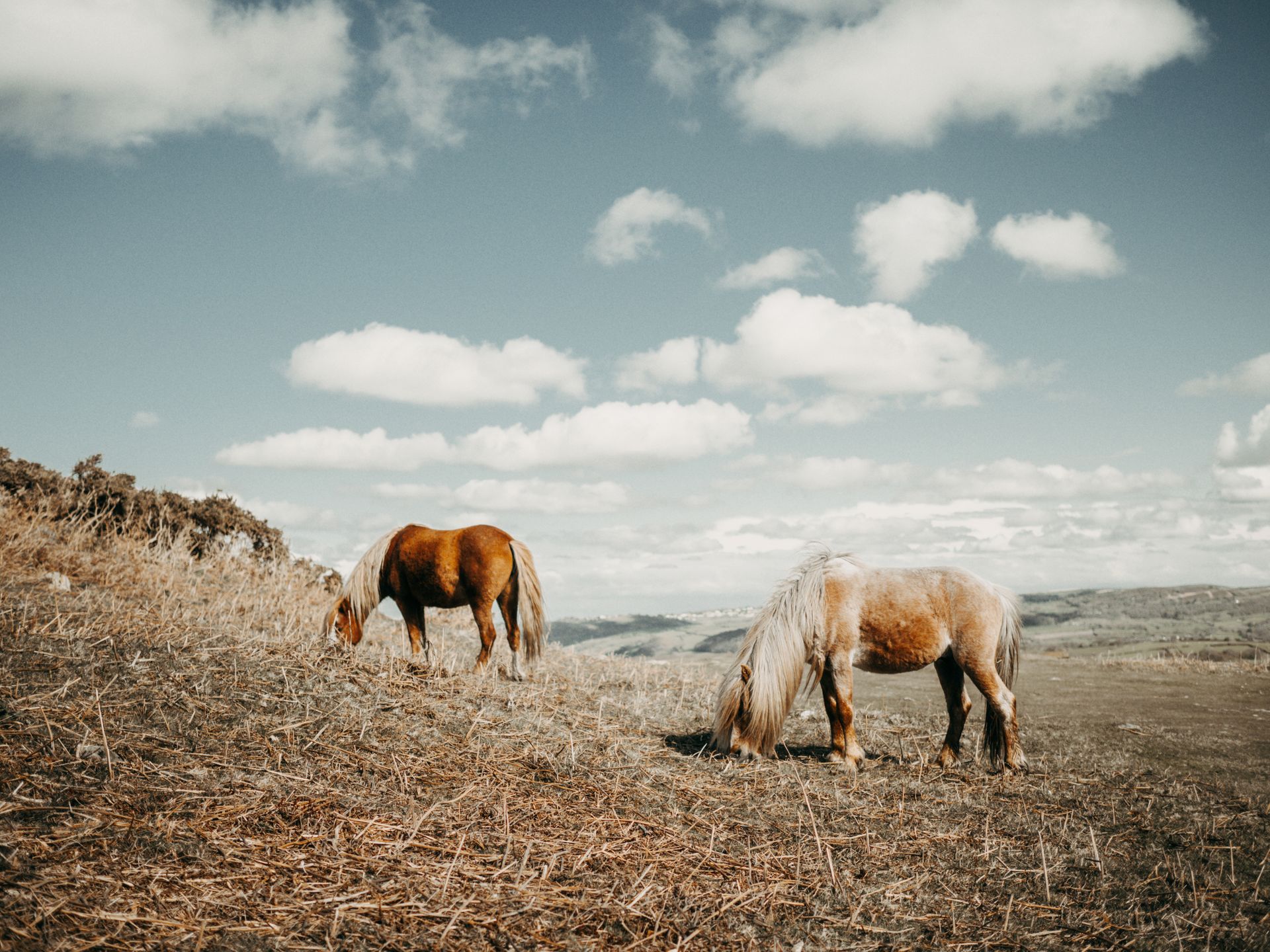
Feral horses can be found on every continent except Antarctica, with populations in places like Australia, Mongolia, and the United States.
The most well-known feral horse population is the one in the United States, specifically in the American West, where they roam freely in the Pryor Mountains of Montana.
These horses are believed to be descended from domesticated horses brought by Native American tribes, who later escaped or were released into the wild.
Feral horses have also been spotted in various parts of Australia, including the Outback and the Kimberley region, where they have adapted to the harsh desert environment and learned to survive off the land.
In Mongolia, feral horses have been living for centuries, with estimates suggesting there are over 3,000 of them roaming the Gobi Desert.
Their ability to thrive in such diverse environments is a testament to their remarkable resilience and adaptability.
You might enjoy: Horses in the United States
Feral Horse Populations
Feral horse populations have been steadily increasing over the years, with a significant jump from 2018 to 2024. The minimum count survey for 2024 found 1,478 feral horses in the Clearwater, Sundre, Ghost River, and Elbow zones.
The number of feral horses seen in these areas has varied from year to year, but a pattern is emerging. A closer look at the data reveals a notable increase in the number of horses counted in 2018, with 1,712 horses observed.
Here's a breakdown of the minimum counts from 2013 to 2024:
Wild or?
The term "wild horse" is a subject of debate, with some arguing it's a misnomer. In the United States, a horse is classified as wild if it was found on public land in 1971 after the passage of the Wild Free Roaming Horse and Burro Act of 1971.
The term "wild" is often used interchangeably with "feral", but the distinction is important. Feral refers to a domestic animal turned wild, typically in a non-native area.
The debate over whether wild horses are truly wild or feral is largely driven by competing interests over public resources like minerals, grazing land, and water. Those who want to utilize these resources for profit-driven purposes often use the term "feral" to justify removing wild horses from public land.
The term "reintroduced native species" is a more accurate description of wild horses, given their native status and concurrent evolution with their environment. This distinction is crucial for understanding the management of wild horses and burros on public land.
The management of wild horses varies by jurisdiction, with the Bureau of Land Management using the term "wild" and the Fish and Wildlife Service using "feral."
You might like: Horse Management
Populations
Feral horse populations have been steadily increasing over the past decade, with a notable jump in 2018.
In 2018, the minimum count survey reported 1,712 horses in the Clearwater, Sundre, Ghost River, and Elbow zones.
The number of horses has fluctuated over the years, but a general upward trend is evident.
Here's a breakdown of the minimum counts from 2013 to 2024:
The 2024 minimum count survey reported 1,478 horses in the four zones, a slight increase from the 2023 count.
European Feral Horses
In Portugal, a population of free-ranging horses, known as garrano, lives in the northern mountain chains. These horses have a long history with the local populations, embodied in the Rapa das Bestas rituals.
In Ireland, wild bog ponies have been known since at least the 1300s. They inhabit County Kerry, where they've thrived for centuries.
Feral horses can also be found in Bosnia and Herzegovina, specifically between Livno and Kupres. Over 700 of these animals live in the foothills of Cincar Mountain, enjoying a protected status since 2010.
In Sardinia, the Giara Horse inhabits the Giara di Gesturi, a basaltic plateau in the southern central part of the island. The population is composed of about 700 horses.
Here's a list of European countries with notable feral horse populations:
- Portugal - garrano
- Ireland - wild bog ponies
- Bosnia and Herzegovina - over 700 feral horses
- Sardinia - Giara Horse
Europe
Feral horses can be found in various parts of Europe, including Portugal and Galicia, where they have a long history with the local populations. The Rapa das Bestas rituals in Galicia showcase the strong connection between these horses and the local culture.
In County Kerry, Ireland, wild bog ponies have been present since at least the 1300s. This is a testament to the enduring presence of these horses in the region.
A significant population of feral wild horses lives in the foothills of Cincar Mountain, between Livno and Kupres, Bosnia and Herzegovina. This area, covering roughly 145 km (56 sq mi), is home to more than 700 of these animals.
The Giara Horse, a wild variety, inhabits the Giara di Gesturi, a basaltic plateau in southern central Sardinia. The population here is composed of about 700 horses.
Here's a breakdown of the European feral horse populations mentioned:
- Portugal and Galicia: unknown population size
- County Kerry, Ireland: unknown population size
- Bosnia and Herzegovina: over 700 feral wild horses
- Sardinia: approximately 700 Giara Horses
Misaki-Uma
The Misaki-Uma horses are found grazing in meadows along Cape Toi in Japan's Kyushu prefecture.
Their original ancestors were brought over from China by humans hundreds of years ago.
Only about 100 individuals remain following a dramatic drop in numbers at the end of World War II.
Danube Delta
The Danube Delta is home to a remarkable population of feral horses. With over 4,000 individuals roaming the area, it's clear that humans have played a significant role in their numbers.
Their presence in the region dates back centuries, but it was the closure of farms in the 1990s that led to a massive influx of horses into the wild.
The unchecked growth of their population poses a serious threat to the indigenous plant life in the area.
Other Notable Populations
In addition to the mustangs of the American West, there are other notable populations of feral horses around the world.
The Banker horses of North Carolina are one such population, with estimates suggesting they may be descended from horses brought over by Spanish explorers in the 16th century.
These horses have adapted remarkably well to their coastal habitat, and are known for their distinctive black coats with white markings.
In Australia, the Brumby horses are a feral population that has thrived in the outback for centuries, with estimates suggesting they number in the tens of thousands.
Their hardiness and resilience in the face of harsh conditions have made them a fascinating subject of study for horse enthusiasts and scientists alike.
Camargue
Camargue is home to an ancient breed of horse that originated along the protected wetlands of France. These horses are celebrated for their agility, stamina, and hardiness.
The Camargue horses are known for their elegant, grayish-white coats. They are a semi-feral breed, with some individuals roaming the marshlands, while others are bred and trained by humans to herd cattle.
Explore further: Horse Breed
Cumberland Island
Cumberland Island is home to a unique population of feral horses, numbering between 150 to 200 individuals.
These horses are descended from a stock brought over to the island from mainland Georgia in the 19th century.
They roam freely in the island's dense maritime forest and along its 17-mile-long stretch of undeveloped beach.
It's essential to keep a safe distance from these horses, as they can be quite physically defensive when approached too closely.
Here's an interesting read: Sable Island Ponies
Brumby
Brumby horses are found roaming free in Australia, with notable populations in the Northern Territory and Queensland.
These feral horses are descended from animals that escaped, were released, or got lost during the time of the first European settlements on the continent.
They pose a serious threat to native plants and wildlife, which is why they're generally considered pests.
Brumby management is a contentious issue, much like population control methods for invasive species.
Destroying Habitat and Outcompeting Wildlife
In areas where feral horses are an introduced species, such as Australia, their population can have significant impacts on soil, vegetation, and native animals.
Feral horses can overgraze, leading to degradation of rangeland. This is particularly concerning in areas where they compete with domestic livestock.
In the Western United States, there's considerable controversy over which species is most responsible for rangeland degradation, with commercial interests advocating for the removal of feral horses to allow more grazing for cattle or sheep.
Feral horses can also damage human-built livestock fencing and related structures when they live close to civilization.
In some cases, feral horses are allowed to exceed available range, leading to further environmental impacts.
Specific Breeds
The Welsh Mountain Pony is a breed that originated in Wales, long before the rise of the Roman Empire. They're part of a larger group of closely related equines known as the Welsh Pony and Cob.
The Welsh Mountain Pony likely descended from a prehistoric Celtic pony, and there's still a herd of nearly 200 individuals roaming the Carneddau hills of Snowdonia, Wales. This herd is a great example of how some feral horse breeds have managed to thrive in their natural habitats.
In Portugal, there are two endangered breeds of indigenous feral equines - the Sorraia horses of the south and the Garrano ponies of the north. Both breeds are struggling due to a decline in agricultural use value and predation.
Worth a look: Grazing Muzzle for Pony
Welsh Mountain Ponies
Welsh Mountain Ponies are one member of a larger group of closely related equines known as the Welsh Pony and Cob, originating in Wales long before the rise of the Roman Empire.
These ponies likely descended from a prehistoric Celtic pony, and many have been domesticated, but there is still a herd of nearly 200 individuals roaming the Carneddau hills of Snowdonia, Wales.
One notable characteristic of Welsh Mountain Ponies is their ability to thrive in challenging environments, which is likely due to their hardy nature, similar to that of the Dartmoor ponies.
For your interest: Chincoteague Island Ponies
Garrano and Sorraia
The Garrano and Sorraia breeds of indigenous feral equines in Portugal are quite fascinating. They're found in different regions, with the Sorraia horses in the south and the Garrano ponies in the north.
Both breeds are currently classified as endangered, a status they've held due to a decline in agricultural use value and predation. This decline has led to a significant decrease in their numbers.
However, there have been recent preservation efforts to re-establish and protect these breeds. These efforts are crucial to ensuring their survival and continued existence.
Chincoteague Ponies
Chincoteague ponies are often referred to as "ponies" due to their appearance, but they are actually more genotypically similar to horses.
They live on Assateague Island, which is split in half by the border of Maryland and Virginia.
Grayson Highlands Ponies
The Grayson Highlands Ponies are a unique breed that can be found in Virginia, specifically in Grayson Highlands State Park.
They were introduced to the area by the U.S. Forest Service several decades ago to control overgrowth along the area's historically logged balds.
These ponies have made themselves at home in the area and are known for being friendly faces along one of the most famous hiking trails in the country.
They're not indigenous to the region, but they've definitely become a beloved part of the local scenery.
They've even become a popular attraction for hikers and nature lovers who pass through the area.
Pottoka Ponies
The Pottoka Ponies are native to the Pyrenees Mountains of France and Spain's Basque Country.
They're an ancient breed of horse that has been around for a long time, but unfortunately, they're becoming increasingly endangered due to habitat loss and crossbreeding with other equine varieties.
The Pottoka Ponies are quite skilled at predicting the weather, and it's actually pretty cool to see them in action - they'll migrate into valleys ahead of bad weather and return to the highlands after the storm passes.
Their unique ability to sense changes in air pressure is a testament to their adaptability and resilience as a breed.
Management and Conservation
Managing feral horse populations can be a complex task, but it's essential for their survival and the preservation of their habitats. Many organizations and governments are working together to develop effective management strategies.
In the United States, for example, the Bureau of Land Management (BLM) is responsible for managing feral horse populations on public lands. They use a combination of fertility control methods, such as PZP, and removal of excess horses to maintain a healthy balance.
The goal of these efforts is to prevent overgrazing and protect the delicate ecosystem of the feral horse habitats.
Surveys Are Conducted
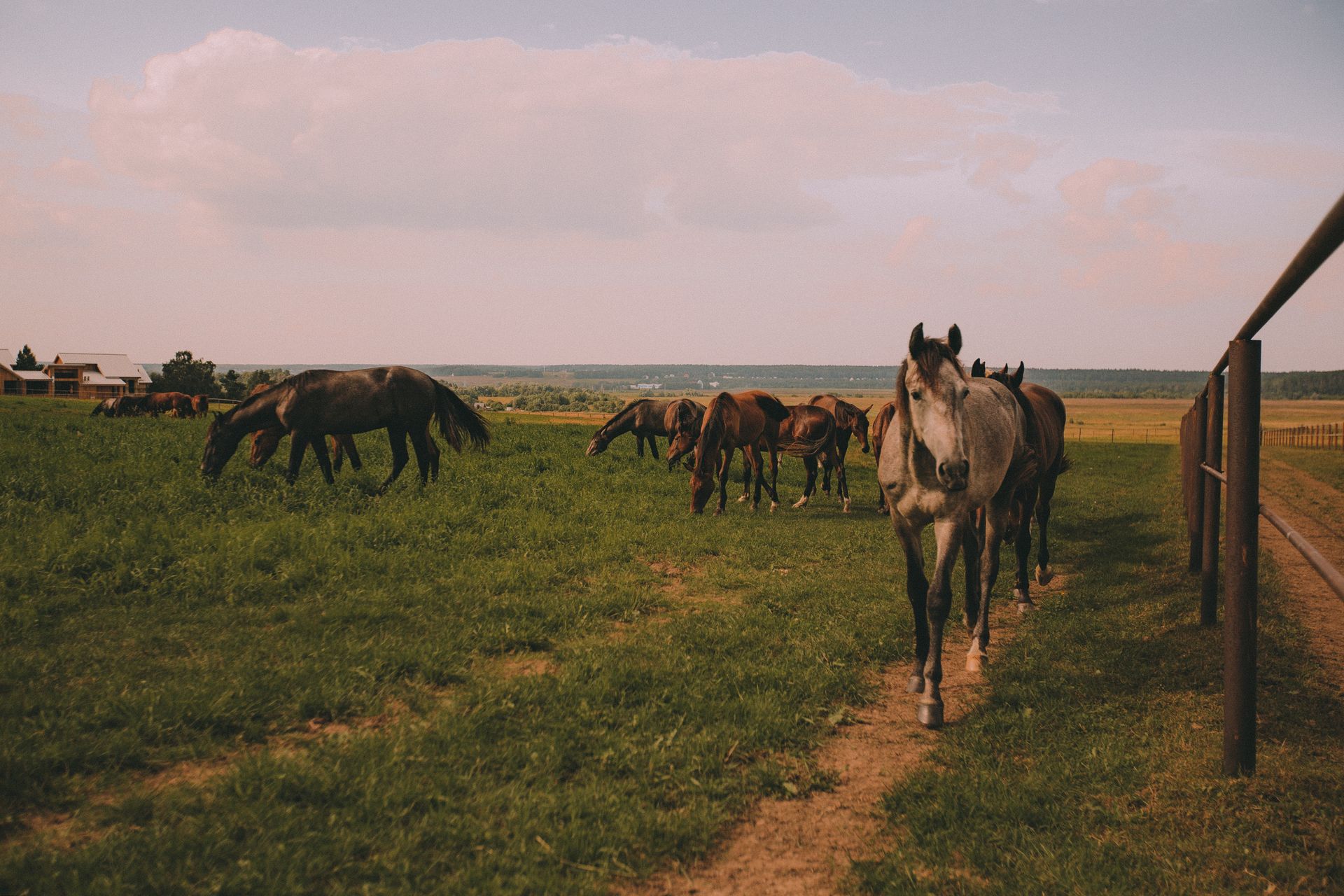
Surveys are conducted to assess the effectiveness of conservation efforts and identify areas for improvement.
The surveys are typically conducted every five years to gather data on the population size and trends of the species being conserved.
Local communities are involved in the surveys to ensure that their knowledge and perspectives are incorporated into the conservation planning process.
The data collected from the surveys is used to inform conservation strategies and make data-driven decisions about resource allocation.
Conservationists work closely with local communities to design and implement the surveys, which helps build trust and ensures that the surveys are relevant to the community's needs.
Advisory Committee
The Feral Horse Advisory Committee plays a crucial role in shaping the Alberta government's approach to feral horse management.
This committee consists of stakeholders, subject matter experts, academic researchers, and key organizations, who provide valuable input into the feral horse management framework.
Their input is science-based, ensuring that the management approach is informed and effective.
The committee members will continue to help shape the Alberta government's approach to feral horse management, ensuring a sustainable future for these animals.
Legislation
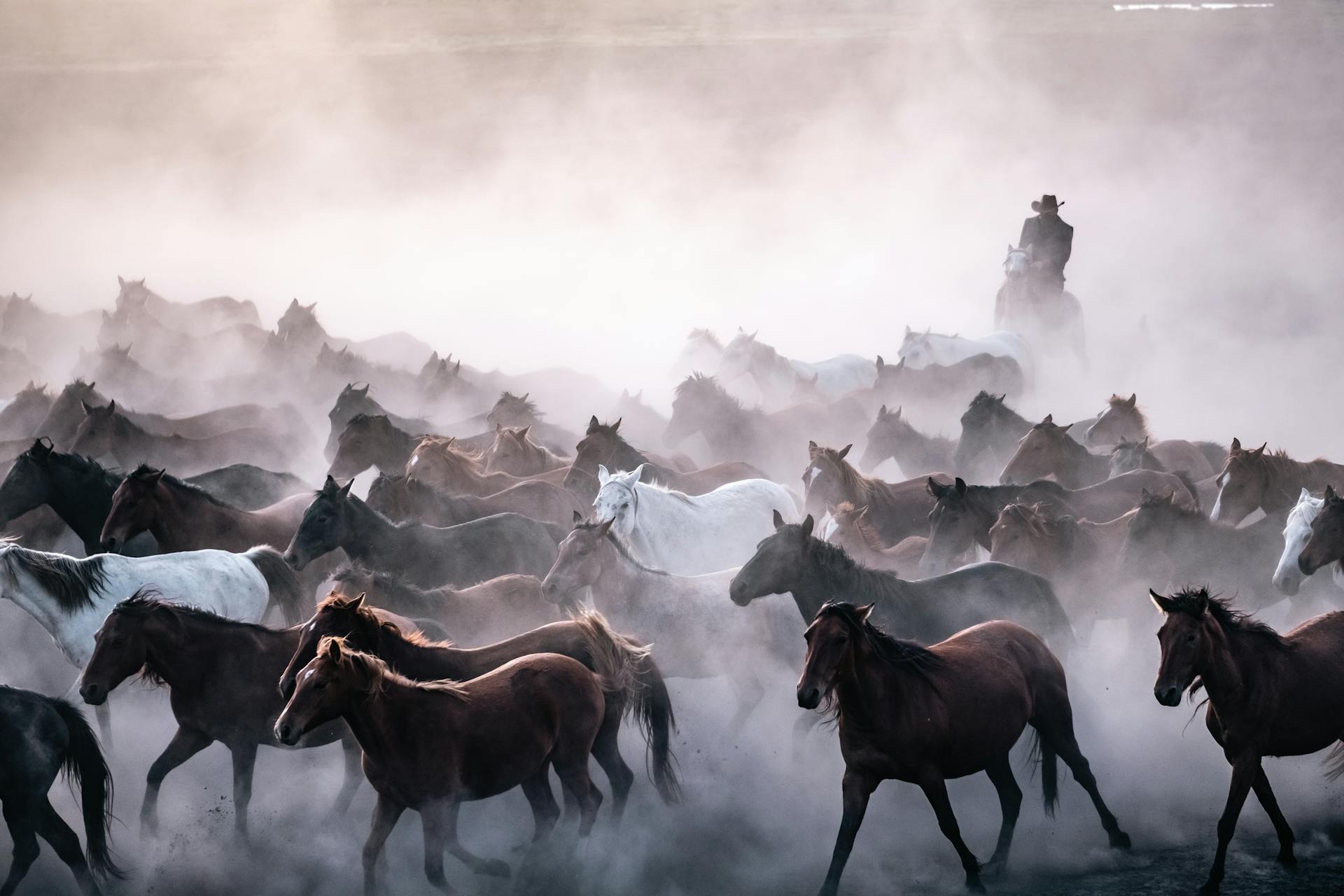
In Alberta, feral horse management is regulated by the Horse Capture Regulation, which was created in the early 1990s to address concerns about mistreatment of horses captured on public land.
The regulation restricts the use of inhumane methods of capture, such as snares, to ensure humane treatment of feral horses during round-up.
Individuals who release animals on public land can be held accountable for the costs of capturing, identifying, transporting, and selling the animal, as well as any damages caused to private property.
Modern
Feral horses can be found in various parts of the world, including the Kundudo region in Ethiopia, where the Kundudo horse is threatened with extinction. This region is home to a unique landrace of horse that has adapted to the local environment.
The Namib desert horse in Namibia is another example of a feral horse population that has thrived in a harsh environment. These horses have developed distinctive characteristics that allow them to survive in the desert conditions.
In North America, feral horses can be found in the western United States, where they are protected by the Wild and Free-Roaming Horses and Burros Act of 1971. This law aims to conserve and manage the mustang population, which is believed to have descended from horses brought by Spanish conquistadors.
The Banker horse on the Outer Banks of North Carolina is another example of a feral horse population that has been living in the wild for centuries. These horses are known for their distinctive appearance and are an important part of the local ecosystem.
Here is a list of some modern feral horse populations:
- Kundudo horse, in the Kundudo region, Ethiopia
- Namib desert horse in Namibia
- Alberta Mountain Horse or Alberta Wildie, in the foothills of the Eastern Slopes of the Rocky Mountains of Alberta, Canada
- Banker horse on the Outer Banks of North Carolina, United States
- Chincoteague Pony on Assateague Island off the coasts of Virginia and Maryland, United States
- Cumberland Island horse on Cumberland Island off the coast of southern Georgia, United States
- Elegesi Qiyus Wild Horse (Cayuse) in the Nemaiah Valley, British Columbia, Canada
- Mustang in the western United States, legally protected by the Wild and Free-Roaming Horses and Burros Act of 1971
- Nokota horse in North Dakota, United States
- Sable Island horse on Sable Island, Nova Scotia, Canada
- Lavradeiros in northern Brazil
- Small wild horses in the páramos of the Sierra Nevada de Santa Marta in Colombia
- A small population of feral horses in the foothills of Cordillera Real next to the city of La Paz in Bolivia
- Bagual in southern Brazil and the region of Patagonia
- Misaki horse in Cape Toi, Japan
- Delft Island Horse on Neduntheevu or Delft Island, Sri Lanka
- Yılkı horse in the Kızılırmak Delta and other places in Turkey
- Danube Delta Horse, in and around Letea Forest, Romania
- Garrano, a feral horse native to northern Portugal and Galicia
- Giara horse in Sardinia
- Marismeño in the Doñana National Park in Huelva, Spain
- Konik in the Oostvaardersplassen reserve in the Netherlands
- Welsh Pony in the Carneddau hills of North Wales
- Brumby in Australia
- Kaimanawa horse in New Zealand
- Marquesas Islands horse on Ua Huka, Marquesas Islands, French Polynesia
Frequently Asked Questions
Are there still feral horses in America?
Yes, feral horses still exist in the United States, primarily in the Western States, where they have been living for thousands of years. Learn more about their history, habitats, and the challenges they face in the wild.
What is another term for a feral horse?
Another term for a feral horse is a "mustang" or "brumby". These horses are often found living in the wild and are known for their strong and resilient nature.
Are feral horses aggressive?
Feral horses can be aggressive when feeling threatened, and may charge, kick, or bite if approached too closely. For your safety, it's best to observe them from a distance.
What makes a horse feral?
A horse is considered feral if it was once domesticated but has adapted to living in the wild without human assistance. This can occur when horses are left to fend for themselves, such as on an island where they were previously managed as livestock.
What is the difference between wild and feral?
The key difference between "wild" and "feral" is that "wild" refers to native species living freely in their natural habitat, while "feral" describes domestic animals that have adapted to living in the wild, often in non-native areas. Understanding this distinction is crucial for appreciating the unique characteristics and challenges of each.
Featured Images: pexels.com