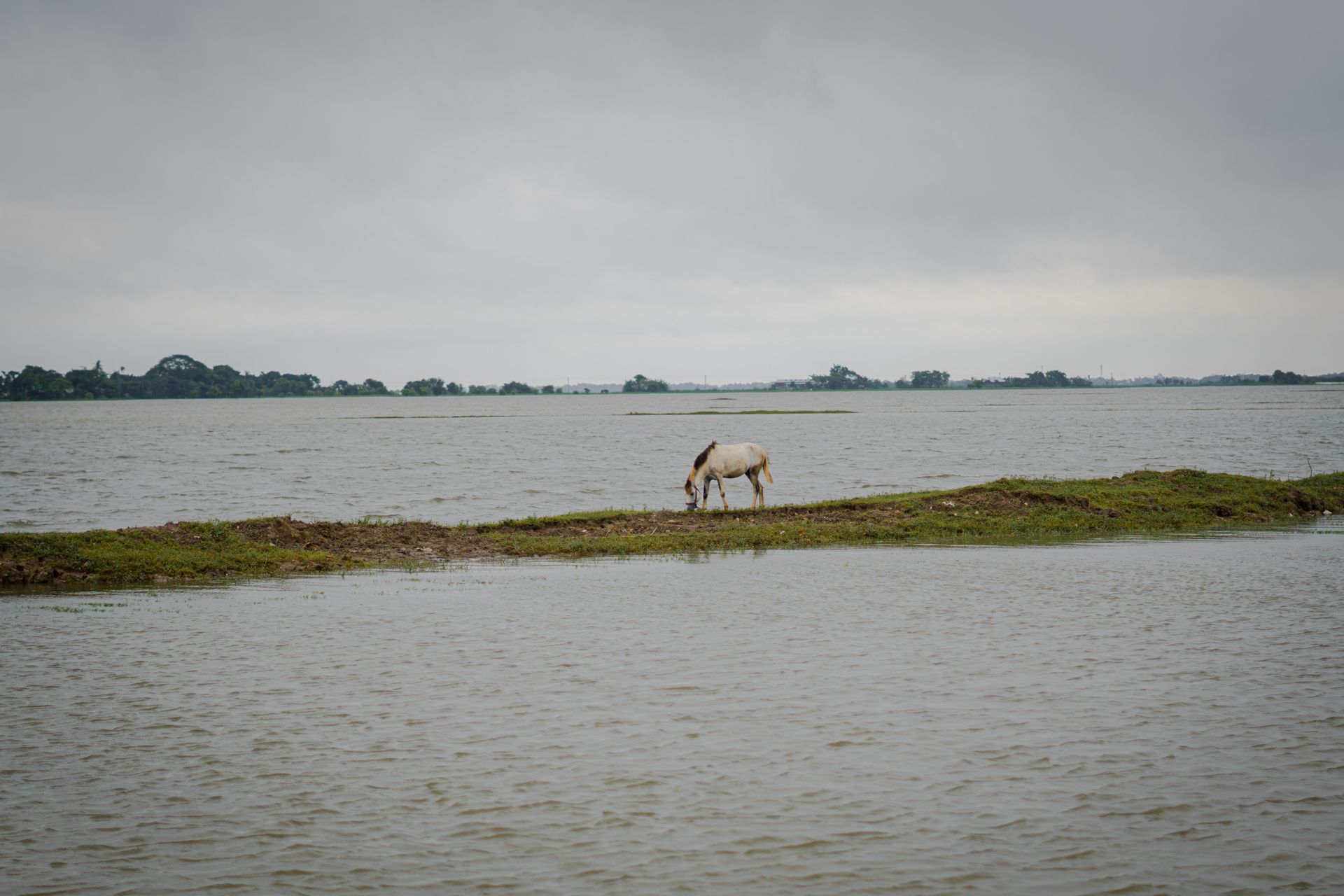
The Sable Island Ponies are a true marvel of nature. They're a unique breed of wild horses that can be found on Sable Island, a small island located off the coast of Nova Scotia, Canada.
These ponies have been living on the island for over 300 years, making them a resilient and adaptable species. They're well-suited to the harsh marine environment of the Atlantic shore.
Their small size, typically between 12 and 14 hands high, allows them to navigate the island's rocky terrain with ease. Their sturdy build and strong hooves also enable them to withstand the rough weather conditions.
The ponies are known for their distinctive black coats, which help them blend in with their surroundings. They're also highly social animals, often living in small herds that are led by a dominant mare.
Physical Characteristics
Sable Island ponies are small, typically standing between 13 and 14 hands high, which is about 132-142 cm at the withers.
Their compact size helps them survive in the harsh island environment.
The ponies have a stocky build, with short pasterns that allow them to move easily on sandy and rough ground.
Their coats, manes, and tails become very long and shaggy, especially during the colder months.
They have a thick and low-set tail, which is a distinctive feature of these ponies.
Sable Island ponies resemble Iberian horses, with arched necks and sloped croups, giving them a unique appearance.
Their coats are mostly dark colours, but some ponies do have white markings.
About half of the ponies are bays, with the rest distributed among chestnut, palomino, and black.
Many Sable Island ponies have a natural ambling gait, which is a result of their adaptation to the island's terrain.
Their average weight is between 300 and 360 kilograms, with males weighing around 360 kilograms and females weighing around 300 kilograms.
Conservation and Management
The Sable Island ponies are protected by Parks Canada, which manages the Sable Island National Park Reserve where they live.
The agency monitors the herd to track their population and health, but lets them live without human interference.
In 2008, the Canadian government made Sable Island a National Park Reserve, which has helped protect the ponies and their habitat.
Nova Scotia named the Sable Island Pony as its provincial horse in 2008, recognizing the breed's cultural and historical importance.
The Sable Island Institute is a non-profit organization that focuses on research and education about the ponies and the island, promoting conservation efforts and sustainable tourism.
Conservation and Recognition
In 2008, the Canadian government made Sable Island a National Park Reserve, which has since protected the ponies and their habitat.
Parks Canada now monitors the herd to track their population and health, but lets them live wild without human interference.
The Sable Island Pony was named Nova Scotia's provincial horse in 2008, highlighting the breed's cultural and historical importance.
This recognition has boosted efforts to preserve the ponies and their unique island ecosystem.
The Sable Island Pony's conservation is a collaborative effort, with organizations like the Sable Island Institute playing a key role in research and education.
Challenges to Survival
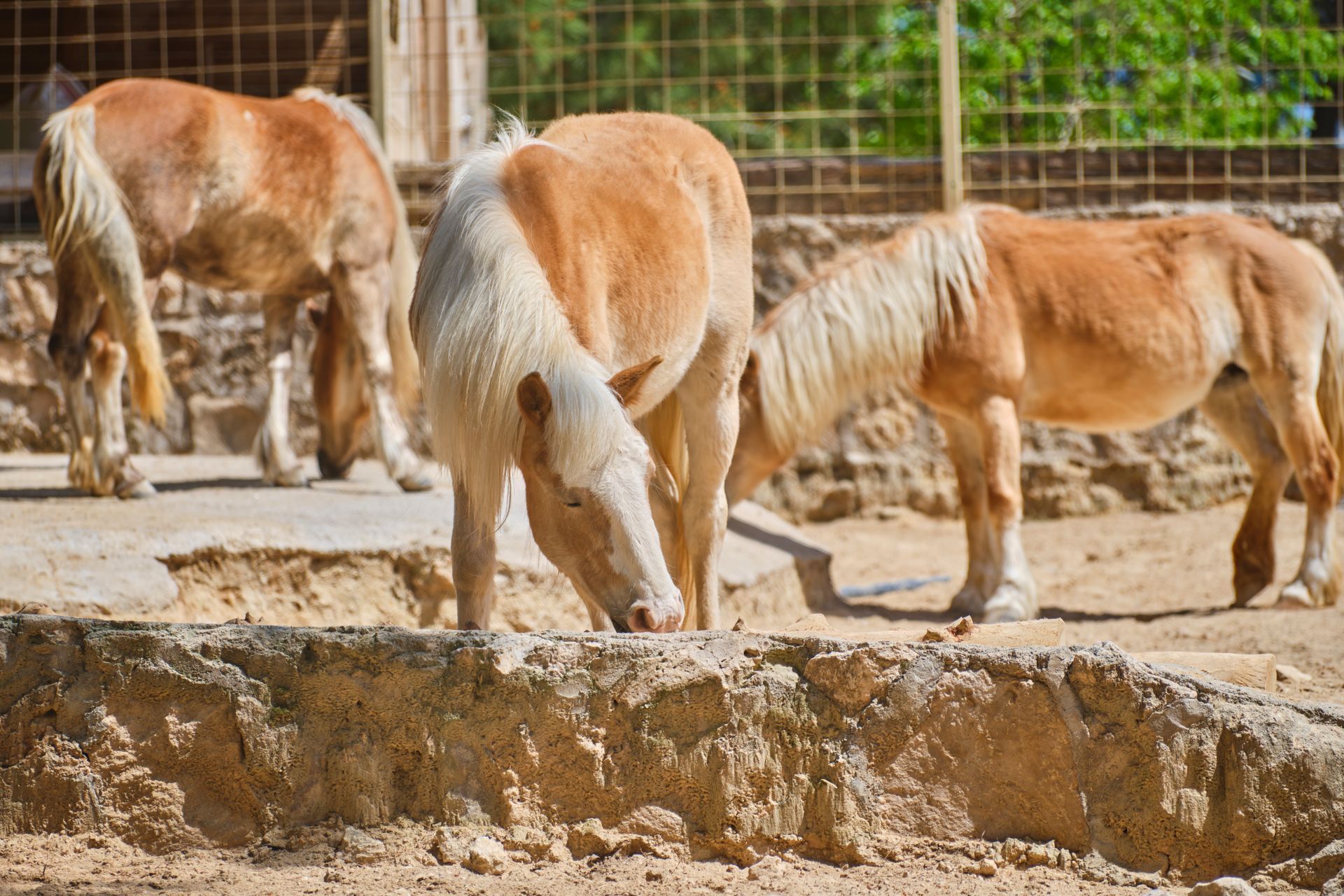
The Sable Island horse population faces several threats to its long-term survival. Food scarcity is a major issue, especially during harsh winters.
Inbreeding is a significant concern due to the small, isolated population, which has been shown to have limited genetic diversity through genetic analysis.
Genetic erosion could make the ponies more vulnerable to diseases and environmental changes.
Rising sea levels and more frequent storms pose a growing threat to the ponies' habitat, which could erode the island's coastline and reduce available grazing land.
Warmer temperatures might also affect the vegetation the horses rely on for food, further exacerbating the challenges to their survival.
Ecology and Population
The Sable Island ponies face unique challenges in their isolated habitat. Their population dynamics and adaptations reflect the harsh conditions of their environment.
As of 2023, there were around 500 horses living on Sable Island, a number that can vary due to births, deaths, and environmental factors.
These horses consume the plentiful marram, also known as beach grass, which covers about one third of the island.
Ecology and Population Dynamics
The Sable Island ponies are a unique and fascinating population. They live in a harsh environment that poses many challenges.
Their population dynamics are shaped by the island's isolation. This means they have limited contact with other horses, which can affect their behavior and genetics.
As of 2023, there were around 500 horses living on Sable Island. This number can fluctuate due to births, deaths, and environmental factors.
The harsh conditions of the island have led to adaptations in the ponies' behavior and physiology. They have learned to survive in this unforgiving environment.
The island's ecosystem is fragile and sensitive to changes. The ponies' population plays a crucial role in maintaining the balance of the island's ecosystem.
Wild Horses
The Sable Island wild horses are a fascinating sight to behold. They are thought to be descended from domestic horses that were brought to the island by Thomas Hancock in 1760.
These horses have adapted to the harsh island environment, where they live in a coastal, marram grass and sand dune environment. They are found only on Sable Island and the Shubenacadie Provincial Wildlife Park.
The Sable Island horses have a unique way of finding water, as they dig for rainwater that collects beneath the sand on the eastern half of the island. They also consume the plentiful marram grass that covers about one third of the island.
Their diet consists mainly of grasses, and they have learned to search out protection in the hollows between the sand dunes during harsh weather. In the winter, the herd mare huddles the herd close together for warmth.
The population of Sable Island horses is around 500, and they live in small herds, each defended by a stallion and led by an older herd mare. Each herd has a range of about 3 square kms, with 40 to 50 herds on the island.
The Sable Island horses have a unique social system, and they have returned to the natural horse social system of small herds. They have grown thick, woolly coats to adapt to the cold weather.
In 2013, Sable Island became a National Park Reserve, ensuring its protection as a natural space under Canada's National Park Legislation. This move will help to preserve the Sable Island horses and their unique habitat for generations to come.
Habitats and Adaptations
The sable island ponies have adapted to their tough environment over generations. They have developed sure-footedness to navigate the shifting sands and steep dunes.
Their robust bodies and thick coats help them withstand the harsh weather on the island. They can withstand it.
The ponies graze on marram grass, beach pea, and other hardy plants that grow on the island. These plants are tough and salty, but the ponies have evolved to digest them efficiently.
The ponies have also learned to dig for freshwater in the sand to survive periods of drought.
Breed Profile and Purchase
The Sable Island Pony is a unique breed with a rich history. They originated from horses confiscated by the British from the Acadians during the Expulsion of the Acadians in the 18th century.
Thomas Hancock left many of these horses on the island, hoping they would reproduce and he could sell them later, but only the horses survived. They are incredibly resilient and adaptable.
These ponies are known to consume the plentiful marram, also known as beach grass, which covers about one third of the island. They also have a clever way of finding water, digging for rainwater that collects beneath the sand on the eastern half of the island.
Horse Breed Profile
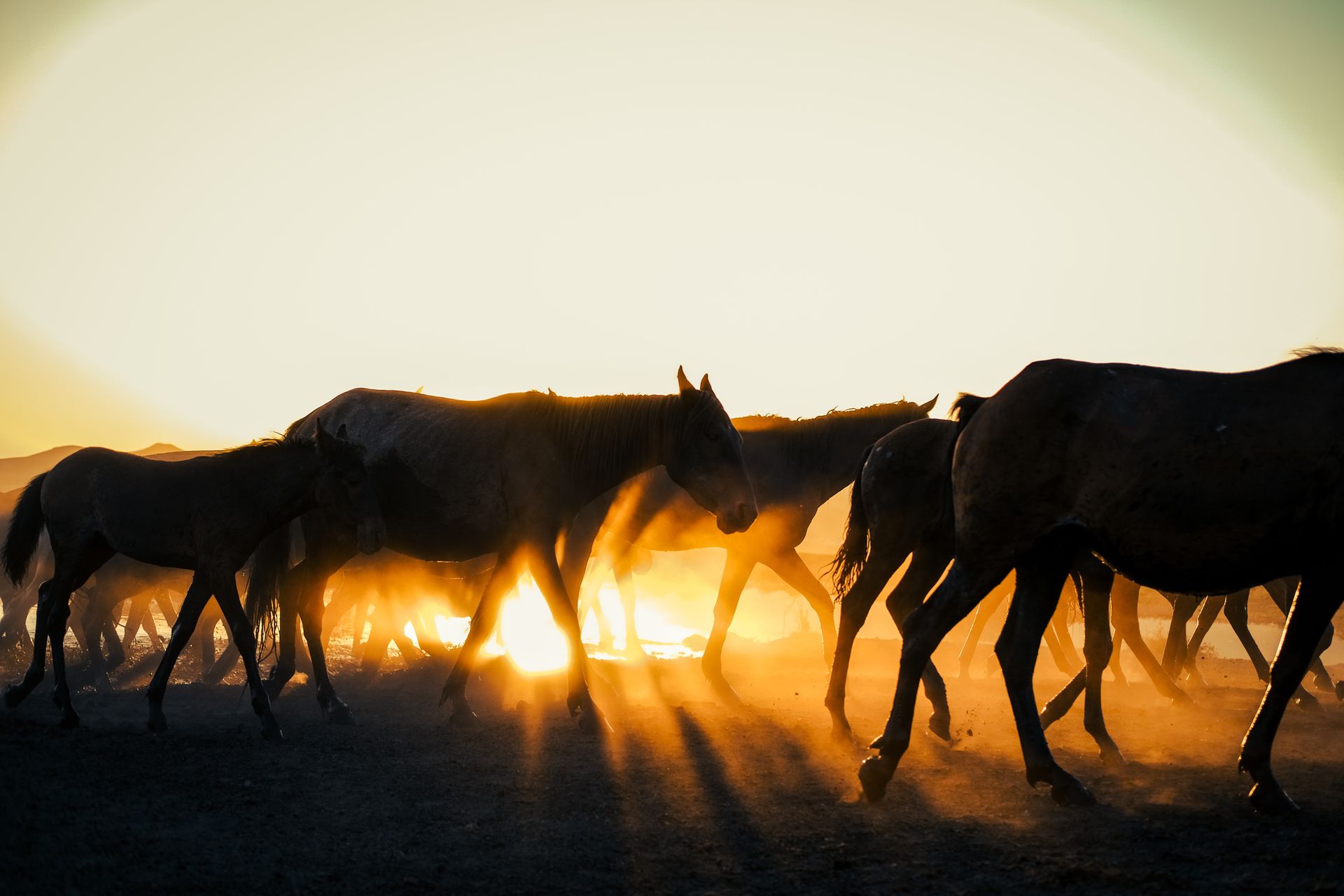
The Sable Island Pony is a unique breed that has adapted to the harsh island environment. They typically stand between 13 and 14 hands high.
Their compact size helps them survive in the island's rough conditions. This is about 132-142 cm at the withers.
Sable Island ponies primarily eat grasses, specifically the plentiful marram, also known as beach grass, which covers about one third of the island.
They have learned to search out protection in the hollows between the sand dunes during nasty weather. This adaptation helps them survive the island's harsh winters.
The pony population changes over time, with around 500 horses living on Sable Island as of 2023. This number can vary due to births, deaths, and environmental factors.
Sable Island ponies are herbivores and have a natural social system of small herds, each defended by a stallion and led by an older herd mare.
Ponies for Purchase
Unfortunately, Sable Island ponies are not available for purchase. They are protected by law and live freely on the island.
Removing them is illegal, which is a good thing because they're an important part of the island's ecosystem.
It's great that they're being protected, but it's a shame if you're interested in owning one.
Frequently Asked Questions
What is the lifespan of a Sable Island horse?
Sable Island horses typically live between 5 to 10 years in the wild, significantly shorter than their captive counterparts.
Who feeds the horses on Sable Island?
The wild horses on Sable Island are fed by the marram grass through its elaborate root system. This unique relationship is a key part of the island's ecosystem.
Featured Images: pexels.com