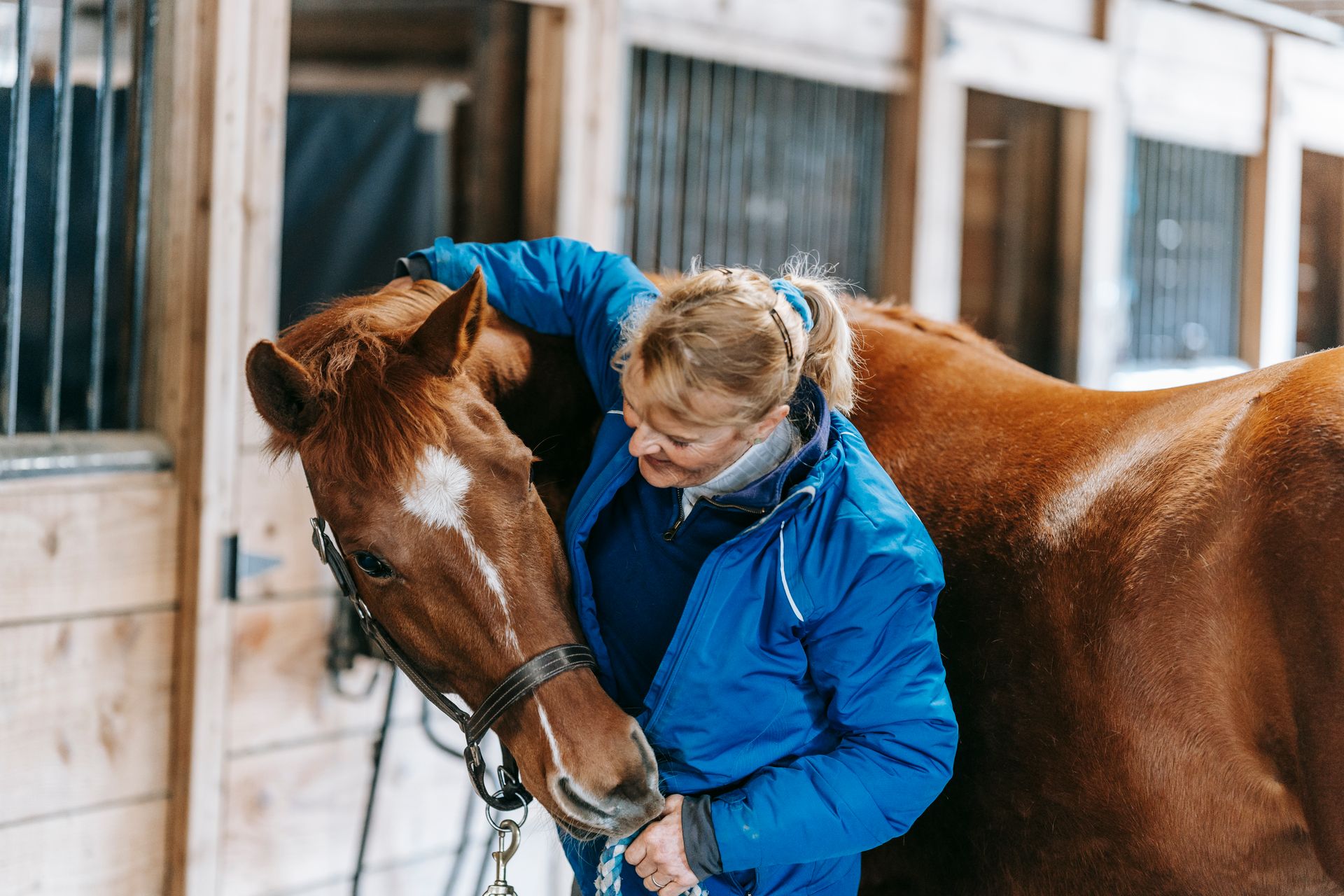
Equine reproduction courses are designed to provide students with a comprehensive understanding of reproductive management in horses. These courses typically cover the anatomy and physiology of the equine reproductive system.
Understanding the reproductive cycle is crucial for effective breeding and management. The reproductive cycle in horses is approximately 21 days, with ovulation occurring around day 14. This is a critical period for breeding, as it affects the likelihood of conception.
Equine reproduction courses often include hands-on training in reproductive procedures, such as artificial insemination and embryo transfer. These procedures require precise timing and technique to ensure success.
Why Invest in a Reproduction Course
Investing in a reproduction course can be a game-changer for your breeding operation.
Gain confidence in your breeding operation by taking a minicourse, which can help you create a safer breeding environment. You'll learn from the experience of other participants and benefit from hands-on learning.
Minicourses are an exciting, learning experience that allows you to network with colleagues and peers. This can help establish a new service and provide valuable connections in the industry.
The cost of a lecture and lab course is $475.00, with a lecture-only option available for $325.00. You'll need to register at least 10 days prior to the course date to secure your spot.
Here are some of the benefits you can expect from a reproduction course:
- Gain confidence in your breeding operation
- Create a safer breeding environment
- Benefit from the experience of other participants
- Minicourses are an exciting, learning experience
- Our courses are designed to provide hands-on learning
- Network with colleagues and peers
- Experience can help to establish a new service
Course Details
This equine reproduction course covers the basics of equine reproduction, including the estrous cycle, breeding management, and fetal development.
The course is designed for veterinarians, veterinary students, and equine professionals, and it's ideal for those who want to gain a deeper understanding of equine reproduction.
The course covers the normal estrous cycle, which typically lasts around 21 days in mares, and the different stages of the cycle, including proestrus, estrus, diestrus, and anestrus.
You'll learn about the importance of accurate breeding management, including the use of reproductive examination and ultrasonography to determine the best time for breeding.
The course also covers fetal development, including embryonic and fetal growth, and the critical periods for fetal development.
Fetal development is critical to the health and well-being of the foal, and understanding the different stages of development can help you make informed decisions about breeding and foaling management.
This course is led by experienced equine reproduction specialists who have extensive knowledge of equine reproduction and are passionate about sharing their expertise with others.
Mare Reproduction
Mare reproduction is a fascinating topic, and understanding the various aspects of it can be incredibly helpful for horse breeders and veterinarians alike.
Ultrasonography is a valuable tool in assessing mare reproduction, allowing for the evaluation of follicle growth, ovulation, and CL formation.
Transvaginal aspiration, a technique used in ultrasonography, can be used to collect follicular fluid and assess its quality.
The reproductive anatomy and physiology of the mare are complex and influenced by hormonal patterns.
Artificial insemination is a common breeding management technique used in equine reproduction.
A mare reproductive evaluation is a crucial step in determining the best breeding strategy for a mare.
Pregnancy diagnosis can be challenging, especially in the early stages, but it's essential for ensuring the health and well-being of the mare and her foal.
Twinning and early embryonic loss are common issues in mare reproduction, and identifying them early on is crucial for taking corrective action.
Care of the pregnant mare is essential for ensuring a healthy pregnancy and a successful foaling.
Here's a list of key aspects of mare reproduction:
- Follicle growth and ovulation
- CL formation
- Uterine characteristics
- Twinning and early embryonic death
- Normal fetal development and sexing
- Pregnancy diagnosis and management
- Breeding management and artificial insemination
Stallion Reproduction
When handling stallions, it's essential to use proper techniques to ensure their safety and the safety of those around them. Proper techniques for handling stallions include in-hand training, teasing of mares, semen collection via phantom, and natural service.
Stallions require specialized training, starting with in-hand training to establish a strong bond between the horse and handler. This training is crucial for a stallion's well-being and for safe management.
To collect semen, a phantom is often used, which is a mechanical horse designed to mimic a mare's movements. This method allows for safe and controlled collection of semen.
Additional reading: Your Dog Training
For stallions that require special attention, management of problem stallions is crucial. This may involve working with a licensed veterinarian to develop a plan tailored to the stallion's needs.
A stallion's reproductive anatomy and physiology are complex and influenced by various hormonal patterns. Understanding these factors is essential for proper reproductive management.
The collection and evaluation of semen are critical steps in assessing a stallion's reproductive health. This process involves evaluating the quality and quantity of the semen.
Factors affecting sperm production and fertility are numerous and can impact a stallion's ability to breed. These factors include age, nutrition, and overall health.
To increase the chances of successful breeding, stallions should be processed for cooled shipment. This involves careful handling and storage of the semen.
Frozen semen use is also an option for breeding, but it requires careful consideration and planning.
A fresh viewpoint: Equine Hoof Health
Certificate Program
The Equine Reproduction Technician Certificate program is a one-year program that's unique in Canada. This program is taught by experienced instructors and Doctors of Veterinary Medicine.
You'll gain hands-on experience with modern reproductive techniques, such as hand breeding, artificial insemination, and transporting cooled semen. You'll also learn about frozen semen and embryo transfer.
Upon successful completion of this program, you'll receive a certificate for Equine Reproduction Technician.
Graduate Stories & Reviews
As a graduate of the Equine Reproduction Technician program at Olds College, Eline Ferrari found the course to be a perfect balance of professional education and high expectations.
The program is designed to provide students with the knowledge and experience to pursue opportunities in the equine reproduction industry. It's not just about learning techniques, but also about understanding the business side of things.
Students learn about every aspect of the business, from reading an ultrasound to doing artificial insemination and uterine lavages. They also get to handle many stallions, collect and evaluate semen, and prepare it for shipping.
The course covers not only the breeding part of the business but also the foaling side of it. Students get to attend and guide many foalings, and do all the care for the foals during their weaning period.
As a veterinarian, Eline Ferrari entered the program to learn how to run a breeding operation, and she found the course to be exactly what she needed. She was able to gain the knowledge and practice to start her own breeding practice with confidence.
Here's an interesting read: Equine Veterinary Practice
Here are some of the key skills and knowledge that graduates of the Equine Reproduction Technician program can expect to gain:
- Knowledge of equine reproduction procedures and management of a breeding operation
- Ability to read an ultrasound and perform artificial insemination and uterine lavages
- Understanding of hormones and how to use them to optimize conception
- Ability to set up a breeding plan for mares and handle stallions
- Knowledge of foaling and care for foals during the weaning period
Instruction and Support
Our faculty bring real-world experience and advanced expertise in equine reproduction, ensuring you receive hands-on learning that prepares you for a career in this field.
At Olds College, our instructors are passionate educators who deliver applied learning that meets the evolving needs of the agri-food industry.
Award-winning instructors lead our equine reproduction courses, providing you with the best possible education and preparing you for success in your future career.
Our faculty are recognized leaders in their fields, offering a unique perspective and expertise that will help you excel in equine reproduction.
Olds College faculty include experts in veterinary sciences, equine reproduction, and more, providing a comprehensive education in the field.
Featured Images: pexels.com