
Many common household items can be toxic to dogs, and it's essential to be aware of the risks. Chocolate, for instance, contains theobromine, which can cause vomiting, diarrhea, and an increased heart rate in dogs.
Some of the most common dog poisons found in homes include grapes and raisins, which can cause kidney failure in dogs.
Cleaning supplies, such as bleach and ammonia, can also be hazardous to dogs if ingested.
Some people may not be aware that certain medications, like ibuprofen and acetaminophen, can be toxic to dogs in small amounts.
For your interest: Can Prong Collars Cause Tracheal Collapse
Causes of Poisoning
Dogs can ingest poisonous substances through their food, and this can happen when pet owners unknowingly feed them human medications or foods they can't metabolize.
Uninformed pet owners can unintentionally poison their dogs by treating them with human medications.
Some plants are toxic to dogs and can cause skin irritation and burns if they come into contact with the substance on their coat or muzzle.
Consider reading: Poison Ivy Dog to Human
Inhaled toxins, such as smoke or pesticides, can find their way into a dog's respiratory system and cause difficult breathing.
Poisonous items can be swallowed by curious or hungry dogs if left in the vicinity.
Dogs can also ingest poisonous substances through grooming, which can happen when they ingest a toxic plant that has gotten on their coat.
Common Poisonous Items
As a dog owner, it's essential to know what common items in your home can be toxic to your furry friend. Chocolate, for example, contains a compound called theobromine that can cause vomiting, diarrhea, and even heart problems in dogs.
Raisins and grapes are another item to keep out of reach, as they can cause kidney failure in dogs. The exact mechanism of this toxicity is still unknown, but it's best to err on the side of caution and avoid giving them to your dog altogether.
Some household cleaning supplies, like bleach and ammonia, are also poisonous to dogs if ingested. These chemicals can cause respiratory problems, burns, and even seizures in dogs.
Pet Prescription Medication
Pet Prescription Medication can be a real danger to your furry friend if not stored properly. Keep your pet's medication in a safe place where they can't get to it easily.
If your pet ingests too much of their medication, they could become very ill. This is especially true for ADHD medications that contain stimulants like methylphenidate, which can be life-threatening to dogs, even in small amounts.
Ibuprofen and acetaminophen, commonly known as Motrin or Advil, and Tylenol, can cause liver damage in dogs if ingested. So, be sure to keep these medications out of reach of your pets.
Human antidepressant drugs like Celexa can cause neurological problems in dogs, so it's essential to keep them away from your pets.
You might like: Window Guards for Cats Pets at Home
Avocado
Avocados are a no-go for dogs, as they contain a toxic chemical called persin that can cause an upset stomach.
Eating large amounts of avocado flesh at once can lead to vomiting and an upset stomach, and its high-fat content can cause pancreatitis in dogs.
Dogs should avoid the skin, bark, and leaves of avocados as well, as persin is found in these parts too.
Avocado treats are a bad idea, but you can make chocolate-style dog treats with carob, which is a safer alternative.
If you suspect your dog has ingested avocado, keep a close eye on them and be prepared for an emergency vet visit if symptoms persist.
Curious to learn more? Check out: Avocado Dog Poison
Fruit Pits and Seeds
Fruit Pits and Seeds can be hazardous for dogs. Apple seeds, persimmon seeds, peach pits, and plum pits contain cyanogenic glycosides.
These seeds and pits can release cyanide if their skin is broken. Apple seeds are a common culprit, so be sure to remove them before giving your dog an apple.
Dogs should not eat the seeds or pits of any fruit, as they can cause cyanide poisoning. It's always better to err on the side of caution and discard them.
You might enjoy: Cherry Pits Dog Poison
Dieffenbachia
Dieffenbachia can cause oral irritation, vomiting, and difficult swallowing in dogs.
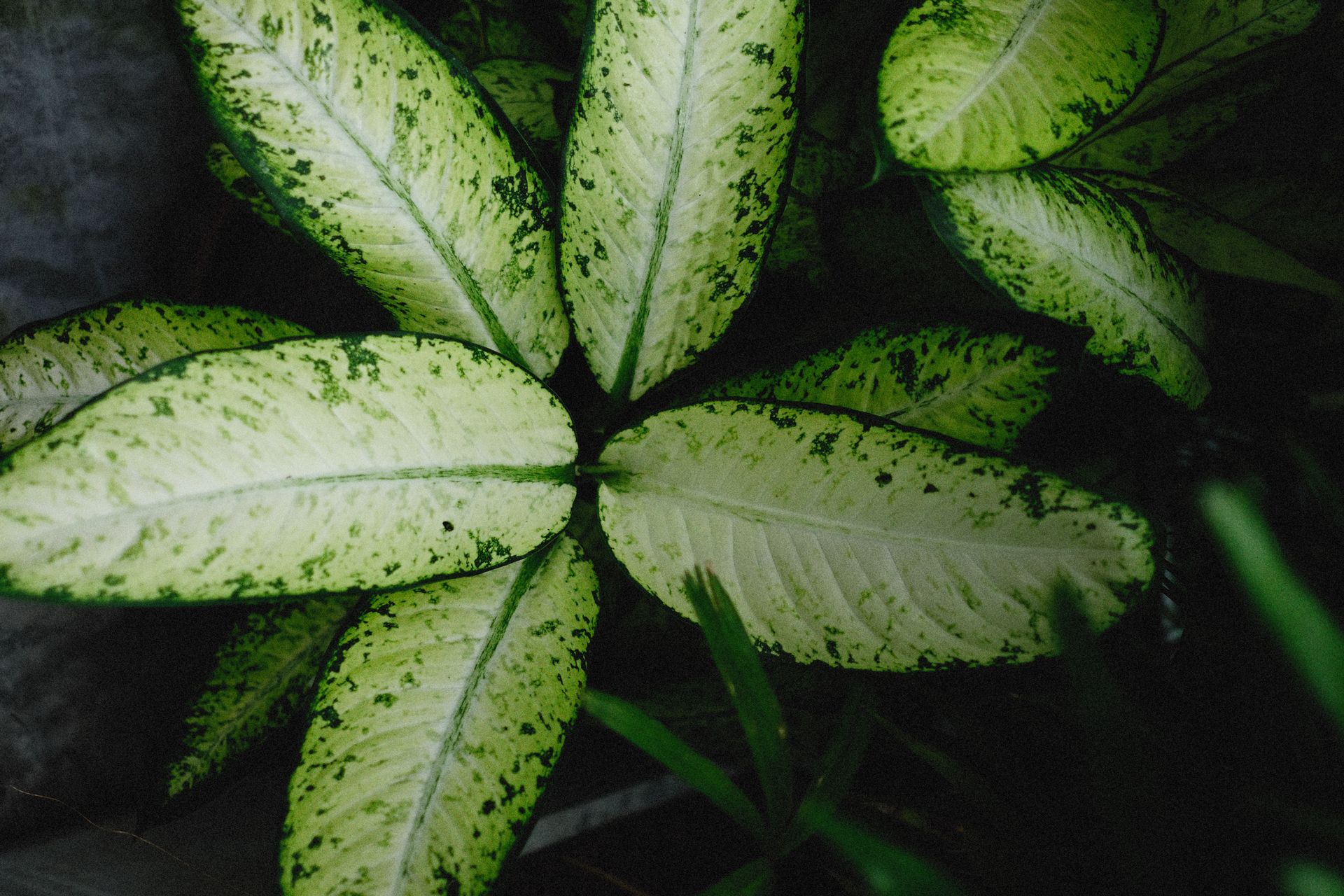
Dieffenbachia contains calcium oxalate crystals that can lead to damage to the liver and kidneys, potentially resulting in death, comas, or permanent damage to critical organs.
Eating Dieffenbachia can cause your dog to vomit and may lead to breathing difficulties.
Dieffenbachia can cause a dog to have a hard time swallowing and begin drooling or coughing as if choking.
For another approach, see: Dog with Lead
Aloe
Aloe is a plant that can be toxic to dogs. Eating aloe will likely cause your dog to shake, drool, and possibly throw up or have severe diarrhea.
Dogs may also have no appetite and be very lethargic after eating aloe.
Plastic
Plastic can be a major concern for your furry friend. If your dog chews on something in the house that is made of plastic, she may suffer from poisoning or from obstructions.
You need to be aware of the potential dangers of plastic, especially if your dog is prone to chewing on household items. This is another situation in which your dog needs to get to the vet immediately.
If your dog ingests plastic, it can cause serious health issues, and prompt veterinary attention is crucial.
Prevention and Safety
Prevention and Safety is key when it comes to dog poison. You can't always stop your furry friends from getting into places where they don't belong, but you can make changes in your household to prevent harm.
Keep all medications, even those in child-proof bottles, in cabinets that are inaccessible to your dog. If you inadvertently drop a pill on the floor, be sure to look for it immediately. Supervise anyone, such as the elderly, who may need help taking medications.
Store all chemicals and cleaners in pet-inaccessible areas of your home. Don't assume that your pet won't get to them just because they're kept inside a cupboard. If it's at pet level, there's always a risk.
Here are some key items to keep out of your dog's reach:
- Cleaners
- Medications
- Chemicals
- Rodenticides
Always follow guidelines on flea or tick products, and be cautious about using rodenticides. Remember that dogs can be fatally poisoned by eating an exposed rodent, so always be very cautious about using these products.
Pet-Proofing Your House
Pet-Proofing Your House is crucial to prevent your furry friends from getting into harm's way. Understanding what your dog should stay away from ingesting is an important part of being a pet owner.
To reduce the chances of your dog being poisoned, keep all medications in cabinets that are inaccessible to your dog. Even if they're in child-proof bottles, it's still possible for your dog to get into them.
Always follow guidelines on flea or tick products, and be cautious when using rodenticides. These can be fatal if ingested by your dog, and it's essential to keep them in metal cabinets or high on shelves where your pets can't find them.
Some plants can be toxic to dogs, so it's best to opt for those that are safe. The ASPCA has an online list of toxic and nontoxic plants by species, which can be a helpful resource.
Keep all chemicals and cleaners in pet-inaccessible areas of your home, and store them on high shelves away from your dog's reach. Don't assume that your pet won't get to them just because they're kept inside a cupboard.
Here are some key items to keep out of your dog's reach:
- Medications
- Flea or tick products
- Rodenticides
- Chemicals and cleaners
- Toxic plants
By following these simple steps, you can significantly reduce the risk of your dog being poisoned.
Slug and Snail Control
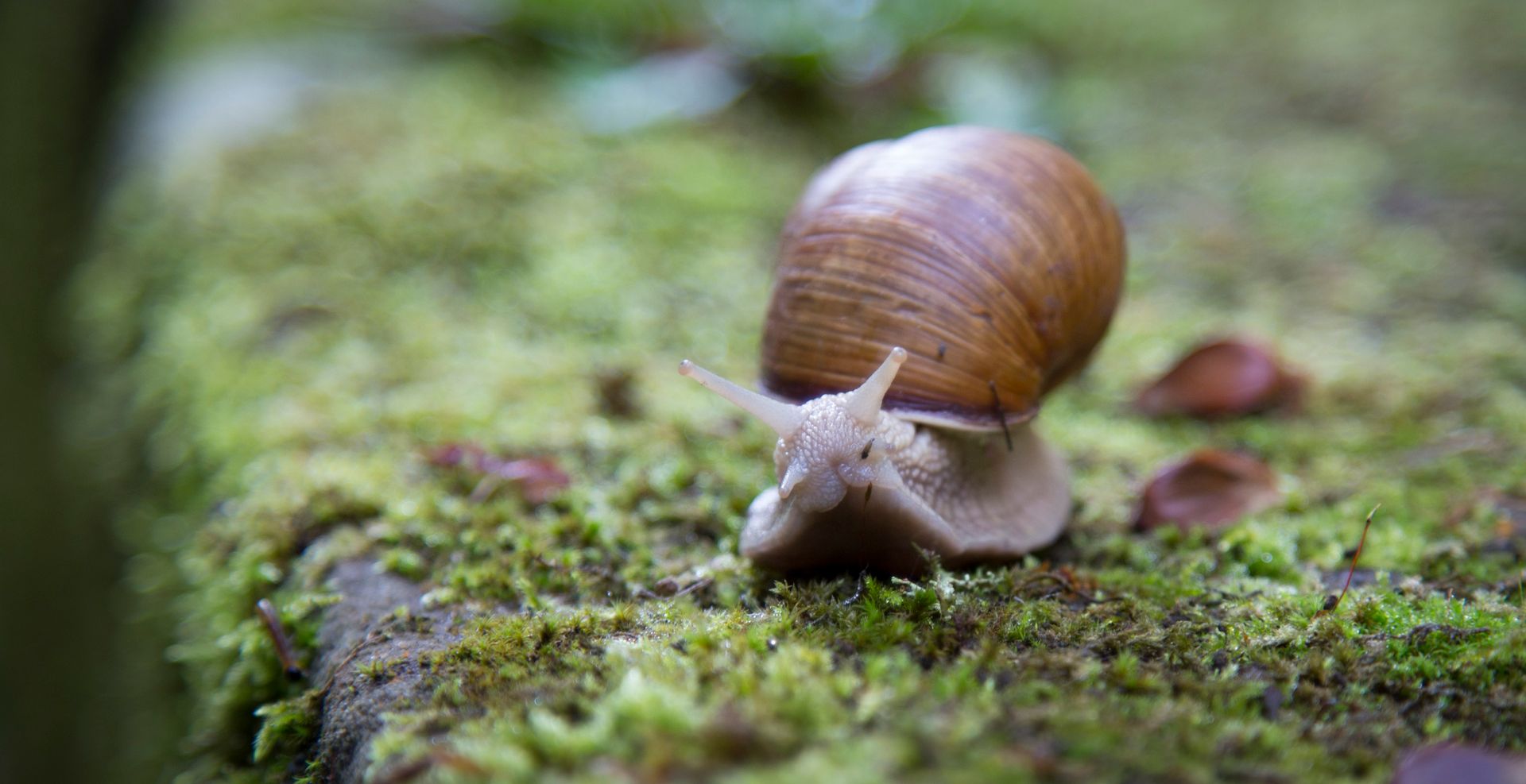
Slug and snail pellets often contain metaldehyde, a common ingredient in slug and snail baits.
Metaldehyde is a key component in many commercial slug and snail baits, so it's crucial to check the type of bait that has been ingested.
Signs and Symptoms
If your dog has ingested something toxic, you'll likely notice digestion problems, such as vomiting, diarrhea, or blood in stool.
Some common symptoms of poisoning in dogs include bruising and bleeding gums, nose, or inside the ear canal.
You might also see behavioral changes, like lethargy, hyperactivity, or seizures in your dog.
In severe cases, ingested toxins can cause unusual items to be found in the dog's stool.
Poisonous substances can also cause skin irritation and burns if a dog gets them on their coat or muzzle, especially with indoor plants.
Inhaled toxins, like smoke or pesticides, can lead to difficult breathing in dogs.
If left untreated, these toxins can spread to other organs of the body, making the situation even more serious.
Treatment and Response
If you suspect your dog has been poisoned, timing is everything. The sooner you get your dog to a veterinarian, the better chance of recovery.
Act quickly, but rationally, and try to stay calm. Gather up any potential poison that remains, as this may be helpful to your veterinarian.
If your dog has vomited, collect the sample in case your veterinarian needs to see it. This can be a crucial piece of evidence in determining the best course of treatment.
Call your veterinarian or the ASPCA Animal Poison Control Center (APCC) at (888) 426-4435 for guidance. Experts at the APCC are available 24 hours a day for a consultation fee.
Your veterinarian will likely perform blood tests to determine enzyme levels, red and white blood cell counts, and platelet levels. These tests will help identify what's wrong with your dog's body.
In severe cases, your veterinarian may induce vomiting, administer antihistamines or other inflammatory drugs, or even put your dog under anesthesia for stomach flushing or surgery.
Suggestion: Will Expired Dog Dewormer Still Work
Activated charcoal solution may be given to prevent absorption of the poison in the gastrointestinal tract. Intravenous fluids may also be used to flush toxins from your dog's body, especially if the poison causes liver damage.
The type of supportive treatment required will depend on your dog's condition. This may include controlling seizures, maintaining breathing with a ventilator, controlling heart problems, or treating pain with pain medications.
Specific Poisons and Toxins
Pesticides can be fatal to dogs, even at low doses, due to their mechanism of action as nerve agents like sarin. Disulfoton, found in rose care products, is one example.
Human vitamin supplements, especially those containing iron, can cause damage to a dog's digestive tract lining. This can lead to kidney and liver damage.
Paraquat, a toxic herbicide, is so poisonous that it's only licensed for use by commercial applicators in the US, and even then, it's not allowed for household use. Outside the US, licensing requirements may not exist.
Rodenticides
Rodenticides are a type of poison used to kill rodents, but they can also be deadly to dogs and other animals.
Some common ingredients in rodenticides include warfarin, zinc phosphide, and strychnine.
Warfarin is an anticoagulant that prevents blood clotting, and poisoning can cause life-threatening bleeding.
Symptoms of poisoning from warfarin or other rodenticides may not appear for several days and can include vomiting, diarrhea, bleeding from the gut, convulsions, abnormal heart rhythm, and kidney failure.
Zinc phosphide is a toxic gas that can cause cell death, and signs of poisoning include vomiting, anxiety, and loss of coordination.
If a dog ingests zinc phosphide with an empty stomach, signs may not be apparent for up to 12 hours.
Strychnine is another rodenticide that can cause similar reactions to zinc phosphide exposure, but if a dog survives 24-48 hours, they generally recover well.
Intriguing read: Signs and Symptoms of Aging Dogs
Pesticides
Pesticides can be fatal to dogs, especially those containing organophosphates.
Disulfoton, a common ingredient in rose care products, is an example of a toxic pesticide for dogs.
These chemicals have the same mechanism of action as nerve gases like sarin, making them considered junior-strength nerve agents.
Organophosphates are not banned from use, but they do require licensing for application.
Veterinary Products
Rimadyl, Dermaxx, and Previcox are types of non-steroidal anti-inflammatory drugs specifically for veterinary use for osteoarthritis, inflammation, and pain control in dogs.
These medications can cause liver or kidney issues in dogs, so it's essential to follow the prescribed dosage and administration instructions carefully.
In most cases, issues of poisoning by veterinary products are due to incorrect administration or dosing by the veterinarian or the dog owner.
Even if a medication is prescribed to your pet, make sure you keep it where she can’t get to it easily, as eating too much of it can make her very ill.
If your pet ingests any of these medications, call a vet right away to see what you should do next.
Any part of the tulip can be poisonous, but the bulb is the most toxic, causing irritation in the mouth and throat, leading to symptoms like drooling, vomiting, stomachache, and diarrhea.
Xylitol
Xylitol is a sugar substitute found in sugar-free foods like gum, candy, and oral hygiene products. It's also used in some peanut butter.
Dogs can be harmed by eating xylitol because it triggers rapid insulin production in their pancreas, leading to liver failure and hypoglycemia.
The FDA has issued alerts to notify the public about the dangers of xylitol to dogs.
Symptoms of xylitol poisoning in dogs can include loss of coordination, vomiting, or seizures.
Ingredient listings may not always clearly indicate the presence of xylitol, so it's essential to check the label.
Some sugar-free foods may list xylitol under the term "sugar alcohol", so be aware of this alternative name.
Castor Bean
Castor beans or the castor oil plant contain ricin, a highly toxic substance that can be fatal to dogs if ingested.
The beans of the castor oil plant have a higher concentration of ricin, making them even more toxic than the rest of the plant.
If a dog chews on a castor bean instead of swallowing it whole, the increased toxicity levels can cause severe symptoms and potentially lead to a fatal outcome.
For more insights, see: Dogs Eating Jelly Beans
Hemlock
Hemlock is the most violently toxic plant that grows in North America, according to the USDA.
The cicutoxin in hemlock can cause the heart and nervous system to not function normally.
Dog deaths due to hemlock poisoning are unusual, but most animal deaths from hemlock are cows or other grazing animals.
Lily of the Valley
Lily of the valley can cause seizures, low blood pressure, coma, and even death in dogs.
If your dog likes to chew on plants in the garden, skip this flower. It's not worth the risk.
This plant is often found in homes and offices, so be sure to keep an eye on your dog around it.
Metals
Metals can be a serious threat to our furry friends. One of the most common household poisons for dogs are metals, specifically pennies.
Ingesting pennies can cause Zinc toxicity, a very common poison for dogs.
Some metals are more toxic than others, and pennies are particularly hazardous due to their high zinc content.
Zinc toxicity can lead to severe symptoms, including vomiting, diarrhea, and lethargy in dogs.
Additional reading: Aspca Grape Toxicity
Featured Images: pexels.com