Curu Wildlife Refuge Costa Rica is a 1,013-acre nature reserve located on the Pacific coast of Costa Rica. The refuge is situated near the town of Curu, on the Nicoya Peninsula.
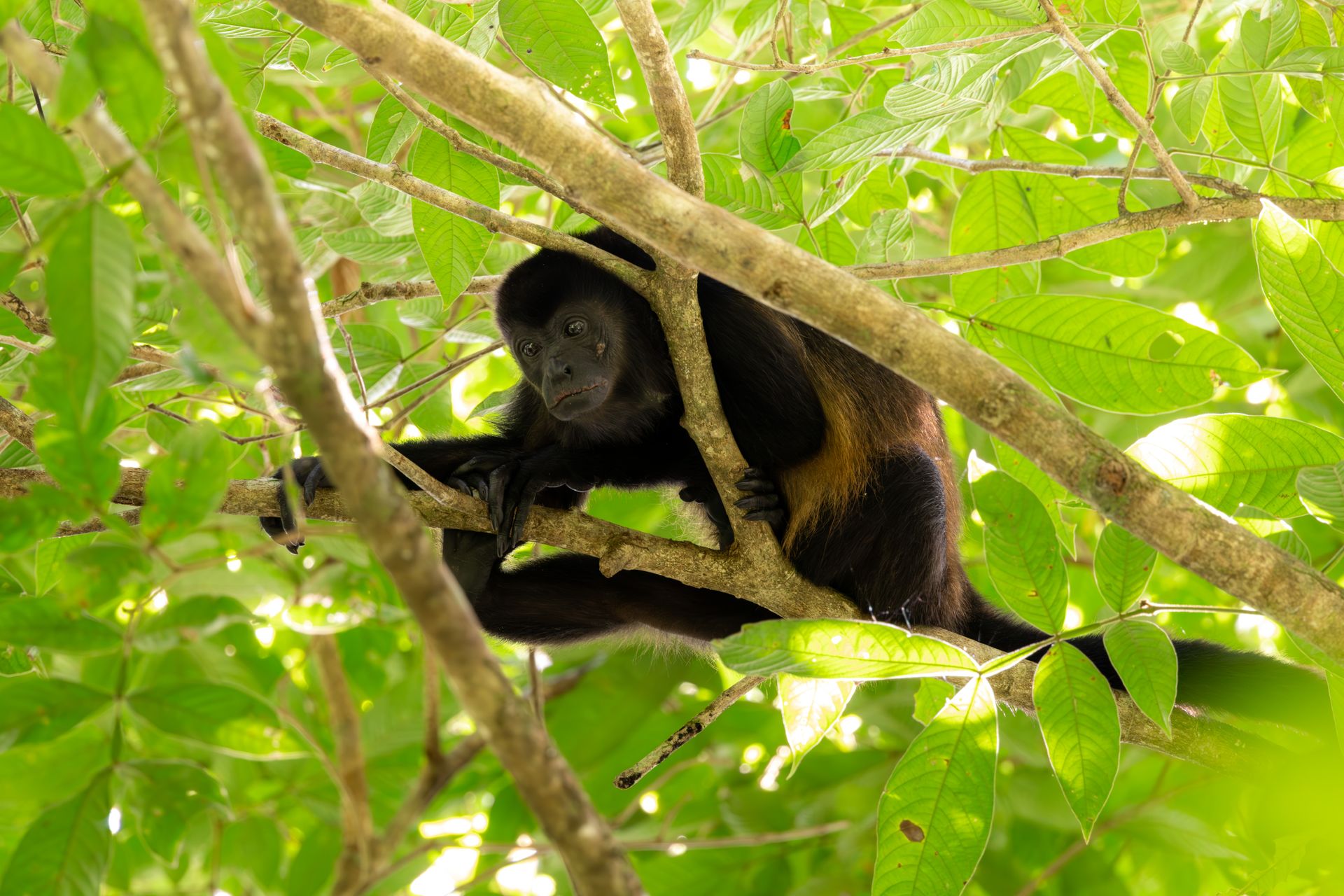
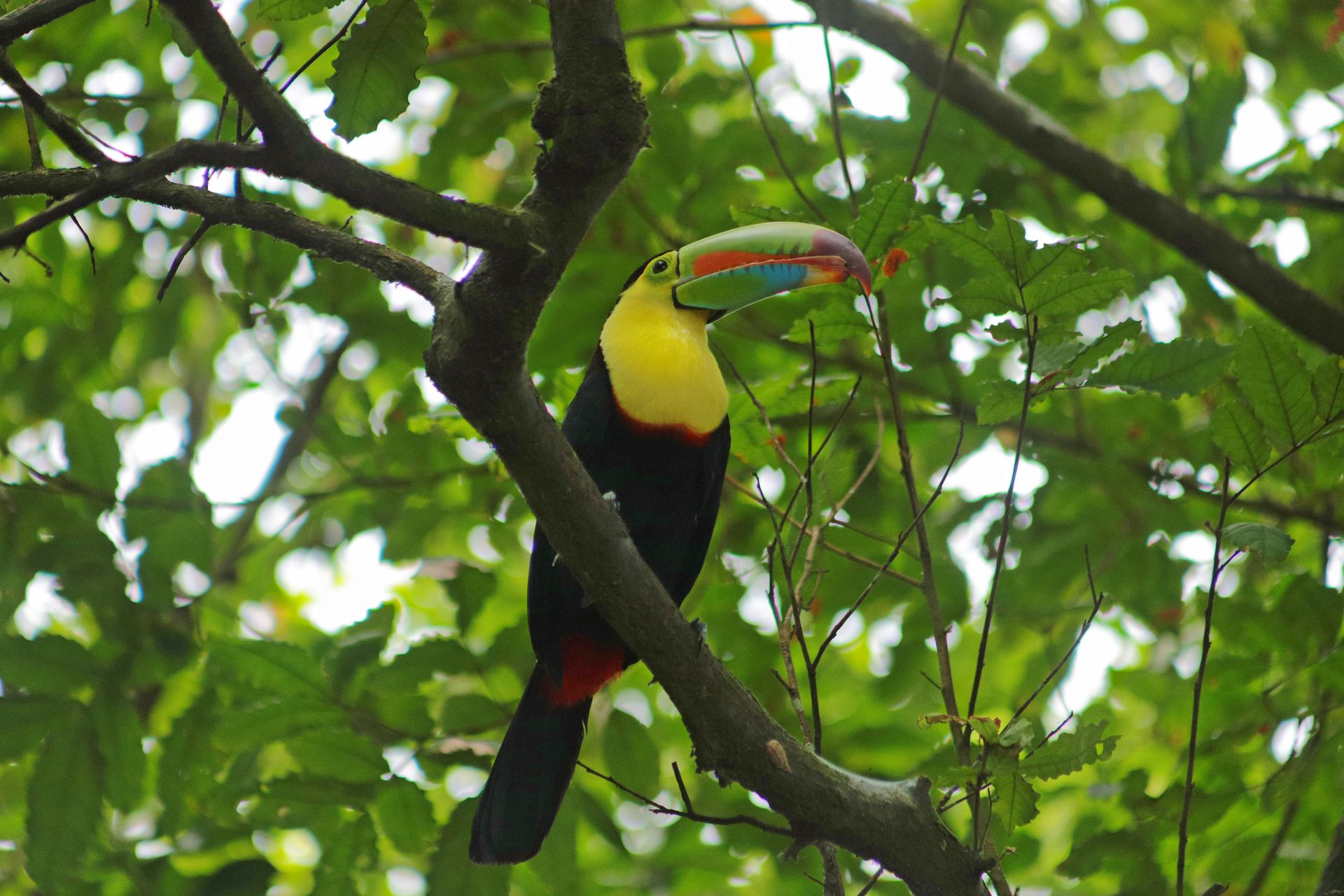
The reserve is home to a wide variety of wildlife, including monkeys, sloths, toucans, and quetzals, as well as over 300 species of birds.
To explore the refuge, visitors can take a guided tour or hike through the trails on their own. The trails range from easy to challenging and offer stunning views of the surrounding landscape.
Visitors can also explore the refuge's beaches and mangrove forests, which are home to a diverse array of marine life.
Explore further: Explore Costa Rica Wildlife Tour
Wildlife and Ecosystems
Curu Wildlife Refuge is home to a rich and diverse wildlife in five different habitat types, including marine zones, mangrove swamps, tropical dry and moist forest, and farmland.
232 species of birds have been counted in Curu, including parrots, parrakeets, woodpeckers, herons, egrets, hawks, ospreys, trogons, and motmots.
Scarlet macaws have been successfully reintroduced and can sometimes be seen foraging in the almond trees or swooping over the canopy.
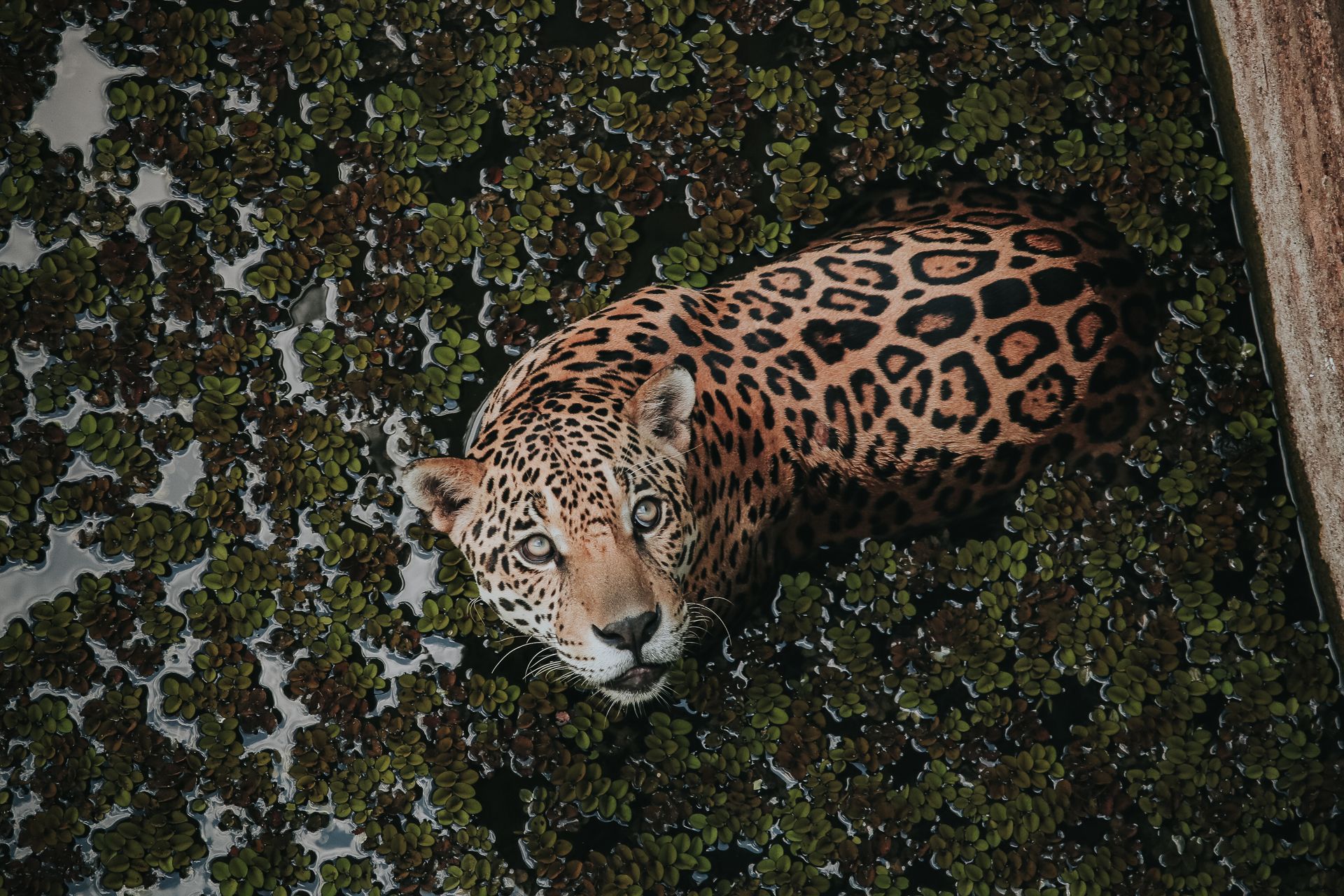
Among the mammals are rare species such as ocelots, pumas, margay cats, collared peccari, coyote, anteaters, and otters.
Families of howler and capuchin monkeys are usually seen around the administration at the beach, and sometimes there are also orphaned or hurt animals being cared for by the rangers.
The mangrove swamps are of vital importance to the marine ecosystem, providing a habitat for small organisms that build the basis of the marine food chain.
On the beach of Curu, sea turtles like pacific ridley, hawksbill, and green sea turtles lay their eggs, and an artificial reef and coral restoration project is underway to increase numbers and diversity of maritime life in the bay.
The mangroves present breeding grounds for many Pacific fish, and lots of water birds feed and nest in the thickets.
Curu represents all five of Costa Rica’s mangrove species.
Additional reading: World Wildlife Foundation Endangered Species List
Visiting the Reserve
The entrance to the Curu Wildlife Reserve is on the main road from Paquera to Cobano, 6 km from Paquera and 16 km from Tambor.
You can drive 2 km through farmland to get to the administration office at the beach, where you might spot capuchin monkeys around the administration area.
The horseshoe bay of Curu is a picture-perfect tropical beach with white coral sand and calm waters, perfect for bathing and swimming.
The reserve is open every day from 7 am to 3 pm, and the entrance fee is $15 per person per day.
It's a good idea to start your hikes in the morning for great weather and to see most of the wildlife, which is active early in the day.
The dry months from mid-December to mid-April are the best time to visit, but be prepared for crowds.
Getting here early is essential, as it can get very hot as the day goes on.
Crab Trail
The Crab Trail is a great option for those looking for a more challenging hike at Curu Wildlife Refuge in Costa Rica. This trail is only recommended for the adventurous, as it involves a bushwhacking climb over a steep hill and down to the cliffs.
If you're up for the challenge, the Crab Trail is a unique experience. The trail is only possible in the dry season, so be sure to check with the rangers before heading out.
For those who prefer a more leisurely hike, there are plenty of other options available at Curu. The Laguna trail, for example, is an easy walk that skirts a small lagoon at the edge of pasture land.
If you're interested in exploring the reserve by horseback, Island Tour Adventure offers guided horse tours. They also offer kayaks for rent, as well as boat and snorkeling tours to the Tortuga Islands.
If you plan to spend the night at the reserve, be sure to book one of the cabins in advance. The rate per person is $30 for a basic accommodation in the cabin's bunk beds.
Here's a summary of the trails mentioned so far:
- Laguna: an easy walk that skirts a small lagoon at the edge of pasture land
- Quesera: a 4WD road that can be driven in dry season, or a 2-hour hike by foot
- Posa Colorado: an easy walk to a viewpoint, followed by a more difficult hike to a secluded bay
- Crab Trail: a challenging hike that involves a bushwhacking climb and a cliff-hugging trail
About the Reserve
The Curú Wildlife Refuge in Costa Rica is a remarkable place with a rich history. It was initially settled by Federico Schutt de la Croix in 1933.
He started a self-sustaining farm, setting up a hacienda and cultivating crops like rice, corn, and mangos. The focus later shifted towards wildlife conservation and eco-tourism.
In 1974, the land was overrun by squatters, prompting the Schutt family to ask the Costa Rican government for help protecting the land.
Today, the refuge is a protected forest, with the government designating most of the land as such in 1981.
Experiences and Tours
If you have more time to spend at Curu National Wildlife Refuge, you can take some of their tours. Horseback riding tours are available for $20 per hour. The refuge also offers kayak rentals or tours, night tours to see bioluminescent algae, and day tours to Tortuga Island.
You can book tours directly with the refuge, but it can be a bit tricky. They offer a variety of tours, including sports fishing, snorkeling, kayaking, a boat tour to Tortuga Island, a whale sightseeing tour, a horseback riding tour, and a bioluminescence night kayaking tour. If you're having trouble booking online, you can try calling them at +506 6209-3846.
The refuge spans 1,496 hectares of lush tropical forests, serene mangroves, and coastal fields—home to an incredible variety of wildlife and exotic birds. If you're interested in bird watching, Curu offers 17 well-maintained hiking trails perfect for birdwatching, as well as professional guides for unforgettable Costa Rica birding trips.
Our Experiences
Our Experiences at Curu Refuge were truly unforgettable. We had no idea what to expect when we first visited, but we were pleasantly surprised by the unique wooden bridge on the Toledo trail.
The trail network at Curu Refuge is extensive, with many options for hikers of all levels. We hiked almost every single trail except for the Killer trail, which we skipped due to its intimidating name.
Be sure to bring binoculars, as some of the monkeys can be quite high up in the trees. We were happy we brought ours, as it allowed us to get a closer look at these fascinating creatures.
The monkeys can be a bit mischievous, and we experienced this firsthand when they threw tree branches at us in some spots.
For another approach, see: Costa Rican Monkeys
Tours
If you have more time to spend at Curu National Wildlife Refuge, you can take some of their tours. They offer horseback riding, kayak rentals or tours, night tours to see bioluminescent algae, and day tours to Tortuga Island.
Horseback tours are very affordable, costing $20 per hour. However, the tours do not include the entrance fee, so if you plan to come back another day for tours, you will have to pay the entrance again.
If you're interested in booking a tour, it can be a bit tricky to figure out how to do so from their website. There is a horseback riding tour that seems easy to book, or you can call them directly at +506 6209-3846.
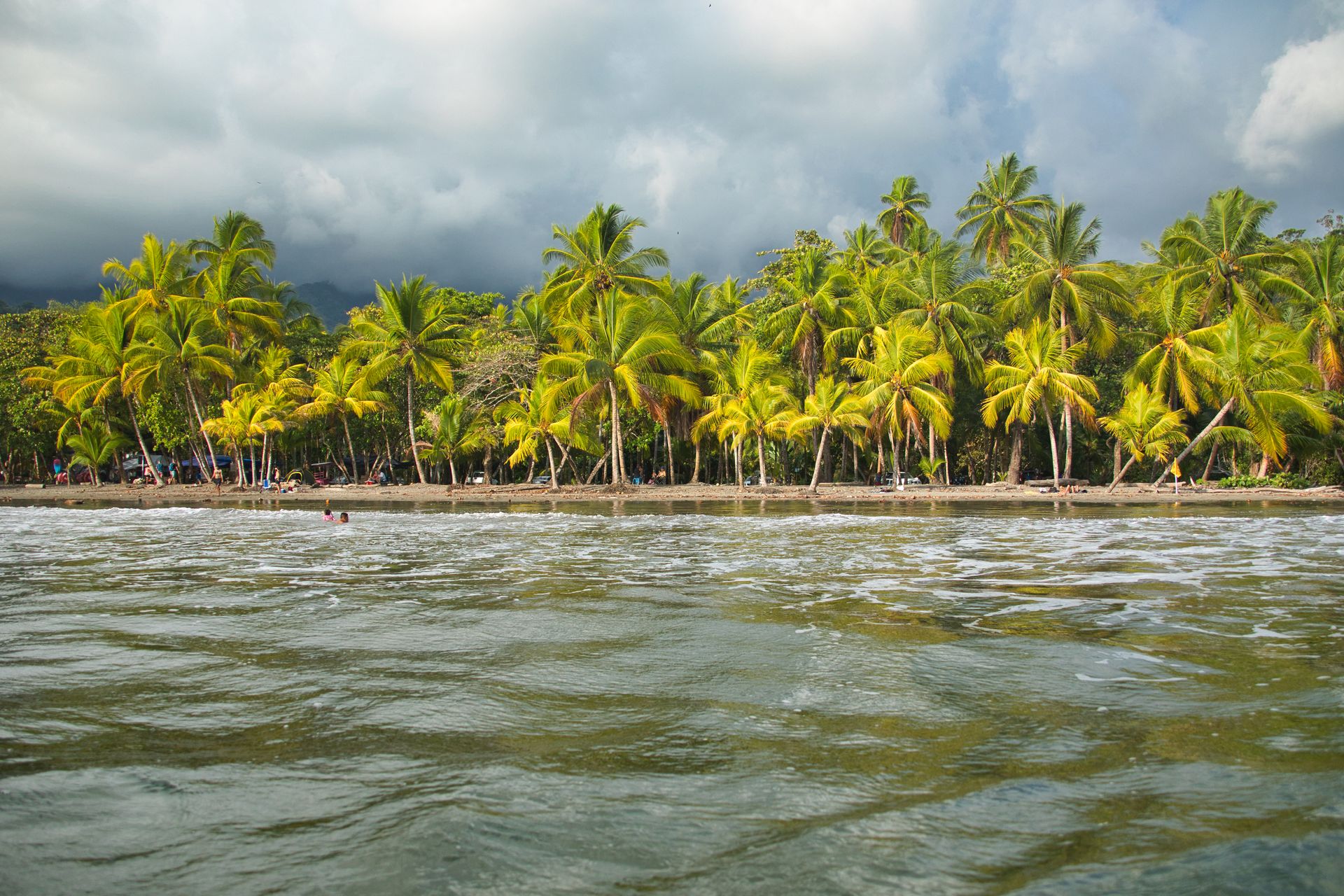
Curu offers a variety of tours, including sports fishing, snorkeling, kayaking, a boat tour to Tortuga Island, a whale sightseeing tour, a horseback riding tour, and a bioluminescence night kayaking tour.
Here are some of the tours Curu offers:
- Horseback riding tour ($20 per hour)
- Sports fishing tour
- Snorkeling tour
- Kayaking tour
- Boat tour to Tortuga Island
- Whale sightseeing tour
- Bioluminescence night kayaking tour
Planning Your Visit
The Curu Wildlife Refuge is open daily from 7 am until 3 pm, but if you're planning to spend the night in a cabin or take an evening tour, you'll be able to access parts of the reserve after 3 pm.
Getting there is relatively easy, with the entrance located on the main road from Paquera to Cobano, about 6 km from Paquera and 16 km from Tambor. You can drive 2 km through farmland until you get to the administration office at the beach.
It's a good idea to get to the refuge early to beat the heat, which can get intense as the day goes on. Exploring the trails earlier in the day is a great way to make the most of your visit.
Visiting Tips
Get to the Curu Wildlife Reserve early to beat the heat, as it can get really hot as the day goes on. This will give you a chance to explore all the trails and enjoy the rest of the refuge's offerings once it cools down.
The entrance to the Curu Wildlife Reserve is on the main road from Paquera to Cobano, 6 km from Paquera and 16 km from Tambor. From there, you'll drive 2 km through farmland until you reach the administration office at the beach.
To make the most of your visit, plan to start your hikes in the morning when the weather is usually great and the wildlife is most active. This way, you'll have a better chance of spotting the capuchin monkeys and other animals.
You'll need to pay the daily entry fee of $15 per person, even if you're only doing a tour. So, it's best to do the tours on the same day you plan on hiking the refuge.
Be sure to keep a safe distance from the crocodiles and don't get too close to the ponds and streams, as there are signs indicating these areas.
Directions
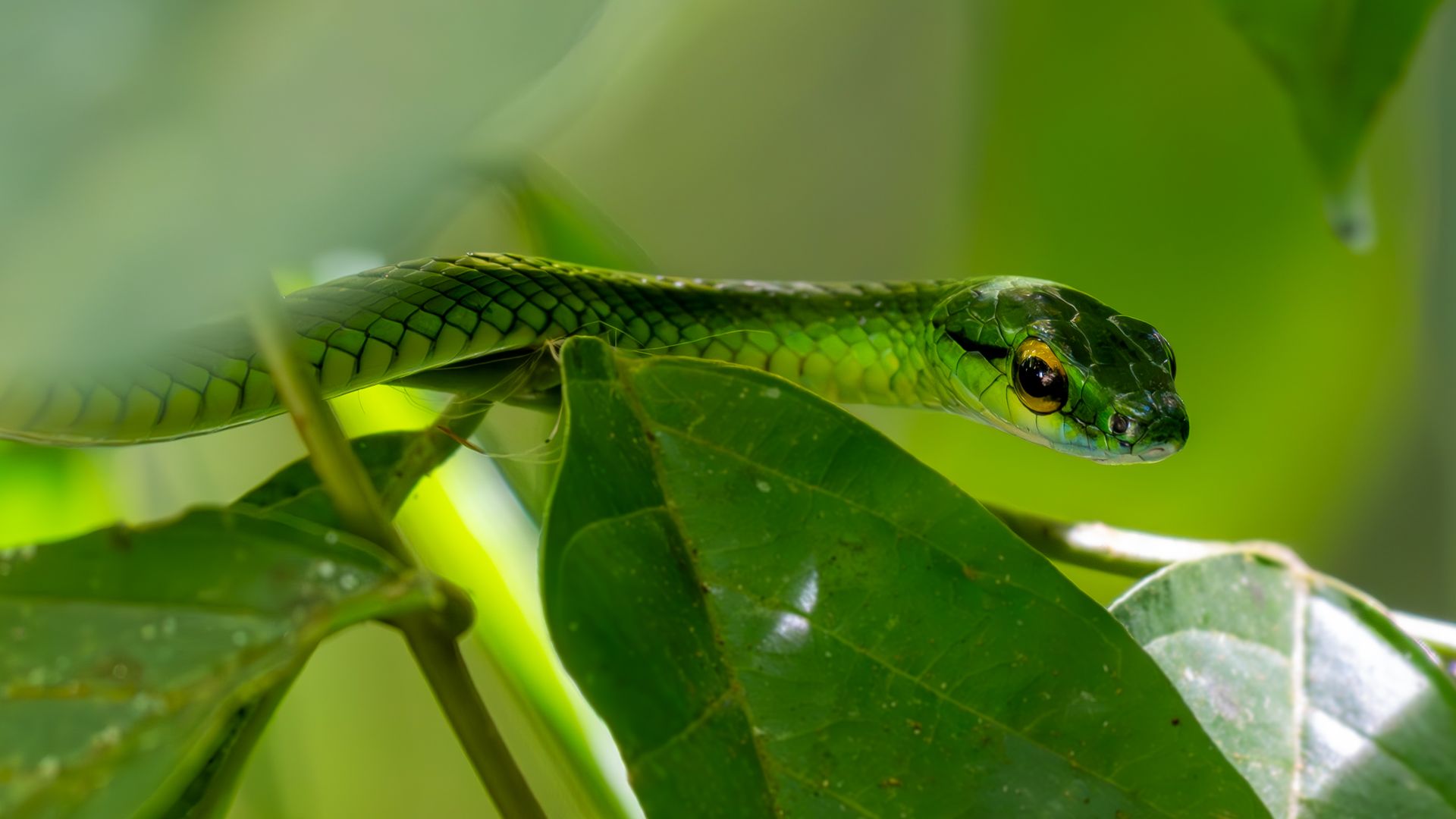
To get to the Curu Reserve, head towards Santa Teresa, Mal Pais, or Montezuma, and you'll likely pass it about five miles past the downtown area of Paquera.
Follow the road as if you're heading to Montezuma or Santa Teresa, and the refuge will be on your right-hand side. You can use Waze or Google Maps and enter "Curu" to get directions, which will be the top result.
The refuge is located about 5 miles past the Paquera ferry landing. Once you enter the refuge, stop at the ranger station to pay for admission and get a map.
You can then drive straight down the road until you reach the main parking lot, which is about 1.5 miles down.
Opening Hours
The refuge is open daily from 7 am until 3 pm, so plan your visit accordingly. You can access the reserve during this time to explore its wonders.
If you're planning to stay overnight in a cabin or take an evening tour, you'll be able to access parts of the reserve after 3 pm, which is a great perk.
Why Choose the Reserve
The Curú Wildlife Refuge in Costa Rica is a unique and fascinating destination. It's a private wildlife sanctuary that spans 1,496 hectares of lush tropical forests, mangroves, and coastal fields.
The refuge was born in 1983, making it Costa Rica's first private wildlife sanctuary. It's a result of the Schutt family's efforts to protect the land, which was initially settled in 1933 by Federico Schutt de la Croix.
One of the most interesting aspects of the Curú Wildlife Refuge is its history. In 1974, some of the land was overrun by squatters, prompting the Schutt family to ask the Costa Rican government for help.
The refuge is home to an incredible variety of wildlife and exotic birds. In fact, it has 17 well-maintained hiking trails perfect for birdwatching.
Here are some of the reasons why you'll love birdwatching at Curú:
- 17 well-maintained hiking trails perfect for birdwatching.
- A wide variety of tropical and migratory birds for the ultimate birding adventure.
- Professional guides for unforgettable Costa Rica birding trips.
Frequently Asked Questions
How many wildlife refuges are there in Costa Rica?
Costa Rica has 58 wildlife refuges, which contribute to the country's impressive conservation efforts. Learn more about Costa Rica's protected areas and their significance.
When was Curu established?
Curu was founded in 1933 as a sustainable development project. Learn more about its rich history and conservation efforts.
Featured Images: pexels.com