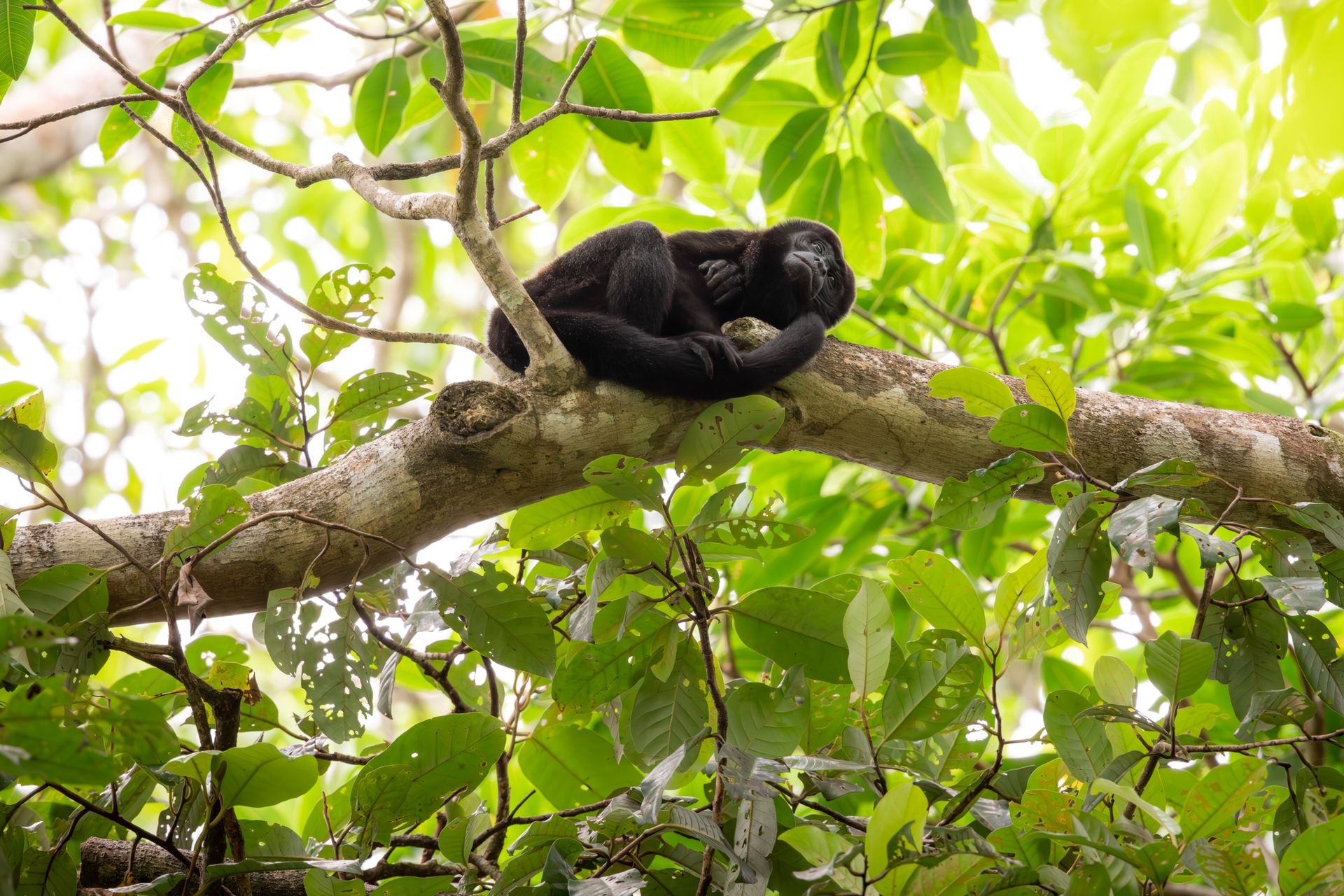
The Colombian Red Howler Monkey is a fascinating creature. They are native to the tropical forests of Colombia.
These monkeys are known for their distinctive red fur, which can range from a deep crimson to a more vibrant orange-red. They have a thick coat of fur, with a long tail that helps them balance while jumping through the trees.
In the wild, Colombian Red Howler Monkeys live in groups of up to 15 individuals, led by a dominant male. They are social animals and spend most of their time foraging for food, resting, and interacting with each other.
Colombian Red Howler Monkeys are primarily herbivores, feeding on a diet of fruits, leaves, and flowers.
Expand your knowledge: Subantarctic Fur Seal
Physical Characteristics
The Colombian red howler monkey is a stunning creature, and its physical characteristics are just as impressive as its howling abilities. They have a reddish-brown coat that helps them blend in with the lush Amazon forests.
Their prehensile tail is a remarkable feature, allowing them to move swiftly through trees and maintain their balance. It's almost as long as their body and is both strong and flexible.
Adult males typically weigh around 16.6 pounds and measure between 19.3 and 28.4 inches in length. Adult females are usually smaller, with an average weight of 13.9 pounds and a length between 18 and 22.4 inches.
The males have a slight edge in size, with a body length of 49 to 72 cm, while females range from 46 to 57 cm long. The males weigh 5.4–9 kg, while females weigh 4.2–7 kg.
Their jawbone is quite large, especially the body of the mandible, which makes room for the expanded jaw and enlarged hyoid bone. This unique feature allows them to produce their powerful calls, which can be heard from up to 3 miles away.
Here's a comparison of the physical characteristics of male and female Colombian red howlers:
Their long, prehensile tail also assists them by providing both support and grasping abilities, allowing them to move about in the trees with ease.
Habitats & Distribution
Colombian Red Howlers inhabit tropical and subtropical forests, with a preference for lowland rainforests, riverine forests, and occasionally montane forests.
Their habitats provide a rich abundance of leaves, fruits, and flowers, which constitute the main components of their diet.
These environments offer ample food sources and opportunities for arboreal movement, allowing them to thrive in their natural surroundings.
Geographically, they have a broad distribution across South America, found in countries such as Venezuela, Colombia, Ecuador, Peru, Bolivia, Brazil, and the Guianas.
Their range extends from the Amazon Basin to the foothills of the Andes, highlighting their adaptability to different forest types within this expansive region.
Colombian Red Howlers can be found throughout the Western Amazon Basin in South America, with populations recorded in Brazil, Colombia, Ecuador, Peru, Trinidad and Tobago, and Venezuela.
They primarily live in the dense rainforest canopies, where they find their food and shelter.
Their diet primarily consists of leaves (50%) and fruit, but they also consume buds, flowers, seeds, moss, twigs, stems, and soil from termite hills.
They have a specialized feeding spot that they utilize for their daily consumption.
If this caught your attention, see: Feral Horses in North America
Diet and Nutrition
The Colombian red howler's diet is primarily herbivorous, consisting mainly of leaves, fruits, and flowers. They have a varied diet that includes a wide range of plants and trees.
Some of their favorite foods include the Icecreambean (Inga edulis), Guiana Brosimum (Brosimum guianense), and Breadnut (Brosimum alicastrum). They also enjoy Hogplum (Spondias mombin), Hinchahuevos (Sapium laurifolium), and Abiu (Pouteria caimito).
Here are some of the specific plants they eat:
- Icecreambean (Inga edulis)
- Guiana Brosimum (Brosimum guianense)
- Breadnut (Brosimum alicastrum)
- Hogplum (Spondias mombin)
- Abiu (Pouteria caimito)
- Fig (Ficus)
- American Muskwood (Guarea guidonia)
- Guamo (Inga acreana)
- Pachiuba (Socratea exorrhiza)
Their Diet
Colombian Red Howlers are herbivores, which means they primarily feed on plant-based foods. They have a diverse diet that includes a wide variety of leaves, fruits, and flowers.
One of their favorite foods is the Icecreambean (Inga edulis), which is a type of fruit that grows on trees. They also enjoy eating the leaves and fruits of the Guiana Brosimum (Brosimum guianense) tree.
In addition to these foods, Colombian Red Howlers also eat the Hogplum (Spondias mombin) fruit, which is rich in nutrients. They also have a sweet tooth and enjoy eating the sweet fruits of the Breadnut (Brosimum alicastrum) tree.
For more insights, see: Can Dogs Get Worms from Eating Cat Feces
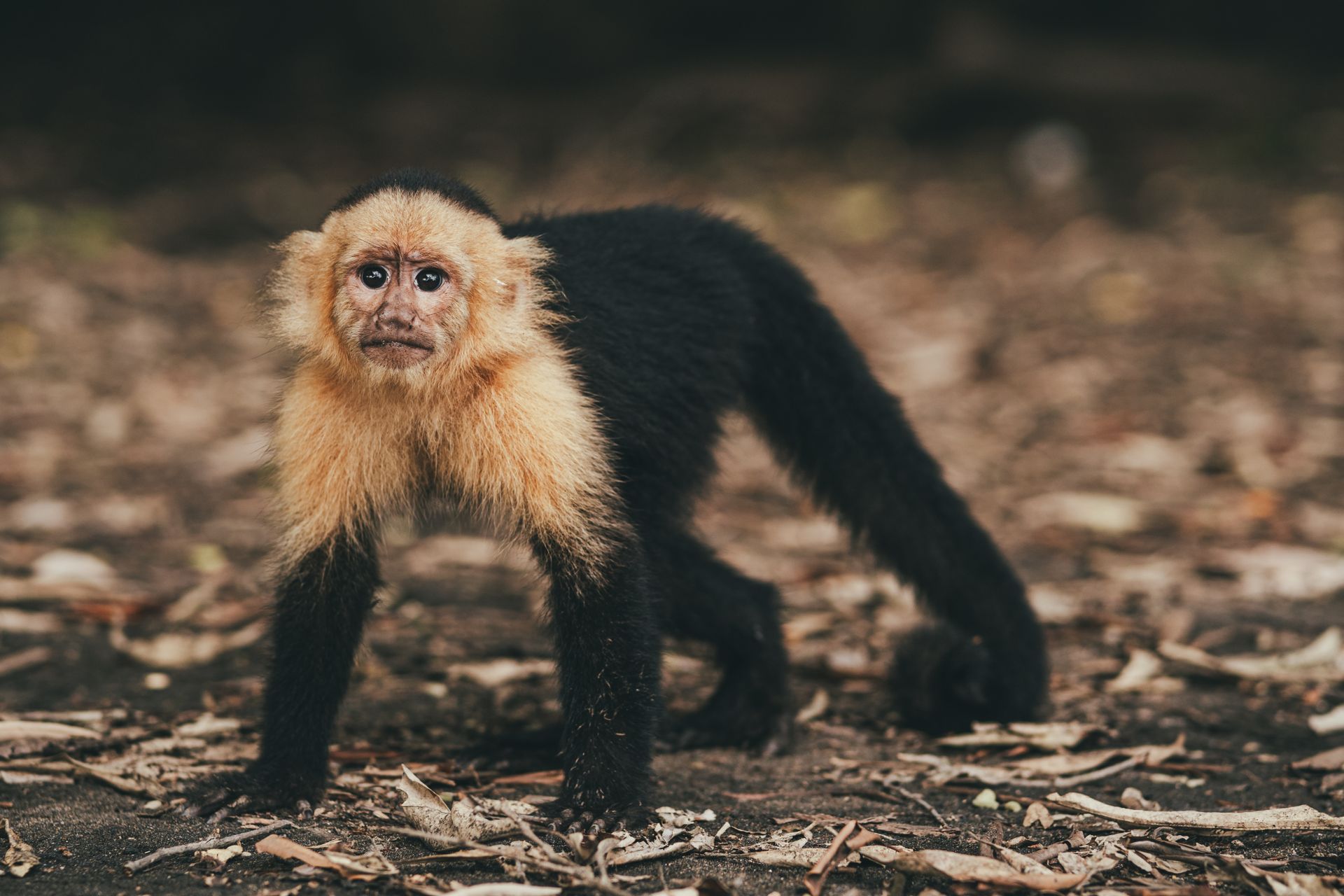
Here are some of the main food sources of Colombian Red Howlers:
- Icecreambean (Inga edulis)
- Guiana Brosimum (Brosimum guianense)
- Hogplum (Spondias mombin)
- Breadnut (Brosimum alicastrum)
- Abiu (Pouteria caimito)
- Fig (Ficus)
Their diet is also rich in flowers, which they eat to supplement their nutrient intake. This helps them stay healthy and strong in their forest habitat.
Coffee
Coffee is a complex beverage that can have both positive and negative effects on our diet and nutrition.
Caffeine in coffee can increase alertness and energy, but excessive consumption can lead to jitters, anxiety, and an irregular heartbeat.
A single shot of espresso contains around 60-70 milligrams of caffeine, which is a significant amount that can affect our heart rate and blood pressure.
However, moderate coffee consumption, defined as 3-4 cups per day, has been linked to lower risks of chronic diseases such as type 2 diabetes and certain types of cancer.
The acidity in coffee can also help stimulate digestion and relieve symptoms of indigestion and bloating.
On the other hand, adding large amounts of sugar and cream to coffee can greatly increase calorie intake, potentially leading to weight gain and other diet-related problems.
Broaden your view: Red Headed Woodpecker Diet
Behavior and Reproduction
The Colombian Red Howler's behavior is quite fascinating. These monkeys live in groups with a single dominant male, several females, and their offspring.
Their vocalizations can carry up to three miles through dense forest, primarily used to maintain territory. This is a crucial aspect of their social structure.
Dominant males often mate with multiple females within the group, exercising their control through vocal and physical displays. This is a key part of their polygynous mating system.
Females reach sexual maturity around four to five years of age and usually give birth to a single offspring after a gestation period of approximately six months. This is a critical period for their reproductive success.
Younger males will sometimes leave their natal groups to join or take over other groups, ensuring that their genes propagate across different groups. This helps maintain genetic diversity within the species.
Taxonomy
The Colombian red howler is a fascinating creature, and understanding its taxonomy can help us appreciate its unique characteristics. It belongs to the subclass Theria.
The Colombian red howler's taxonomy is quite specific, and it's part of the infraclass Placentalia. This group includes mammals that give birth to live young and nourish them with milk.
The Colombian red howler is also part of the magnorder Boreoeutheria, a large group of mammals that includes many species. This group is characterized by a number of shared characteristics, including a specific type of skull and dental structure.
Here's a breakdown of the Colombian red howler's taxonomy:
This classification helps us understand the Colombian red howler's place in the primate family tree. It's a unique and fascinating creature that continues to capture the imagination of scientists and animal lovers alike.
Conservation and Status
The Colombian Red Howler is currently listed as "Least Concern" on the IUCN Red List, but this doesn't mean they're out of the woods yet.
Habitat destruction is a major threat to their survival, with deforestation and human encroachment leading to the loss of their natural habitat in tropical rainforests across South America.
A fresh viewpoint: Red Breasted Nuthatch Habitat
The primary threat to their population is habitat loss, as their natural habitats are continuously destroyed by deforestation and human encroachment.
Hunting for various purposes, including trade, is another significant threat they face.
Conservation efforts are underway to protect their habitat through the establishment and management of protected areas and wildlife reserves.
Reforestation programs have been implemented in some regions to restore degraded habitats and promote sustainable practices.
Ongoing research and monitoring are essential to understanding population trends and the effectiveness of conservation strategies.
Their range overlaps extensively with that of other howler monkey subspecies, which can make conservation efforts more challenging.
The Colombian Red Howler can be found throughout the Western Amazon Basin in South America, with populations recorded in Brazil, Colombia, Ecuador, Peru, Trinidad and Tobago, and Venezuela.
Expand your knowledge: Yucatán Black Howler
General Information
Colombian red howler monkeys live in relatively large social groups, typically composed of around 10 individuals. This is unusual, as most groups have a strict hierarchy.
The groups are made up of mostly females, with only one or possibly two males. This unbalanced male-to-female ratio leads to intense sexual competition between and within the family groups.
Males and females sometimes form consortships, an unusually close spatial relationship before any sexual exchange begins.
Monkey Lifespan
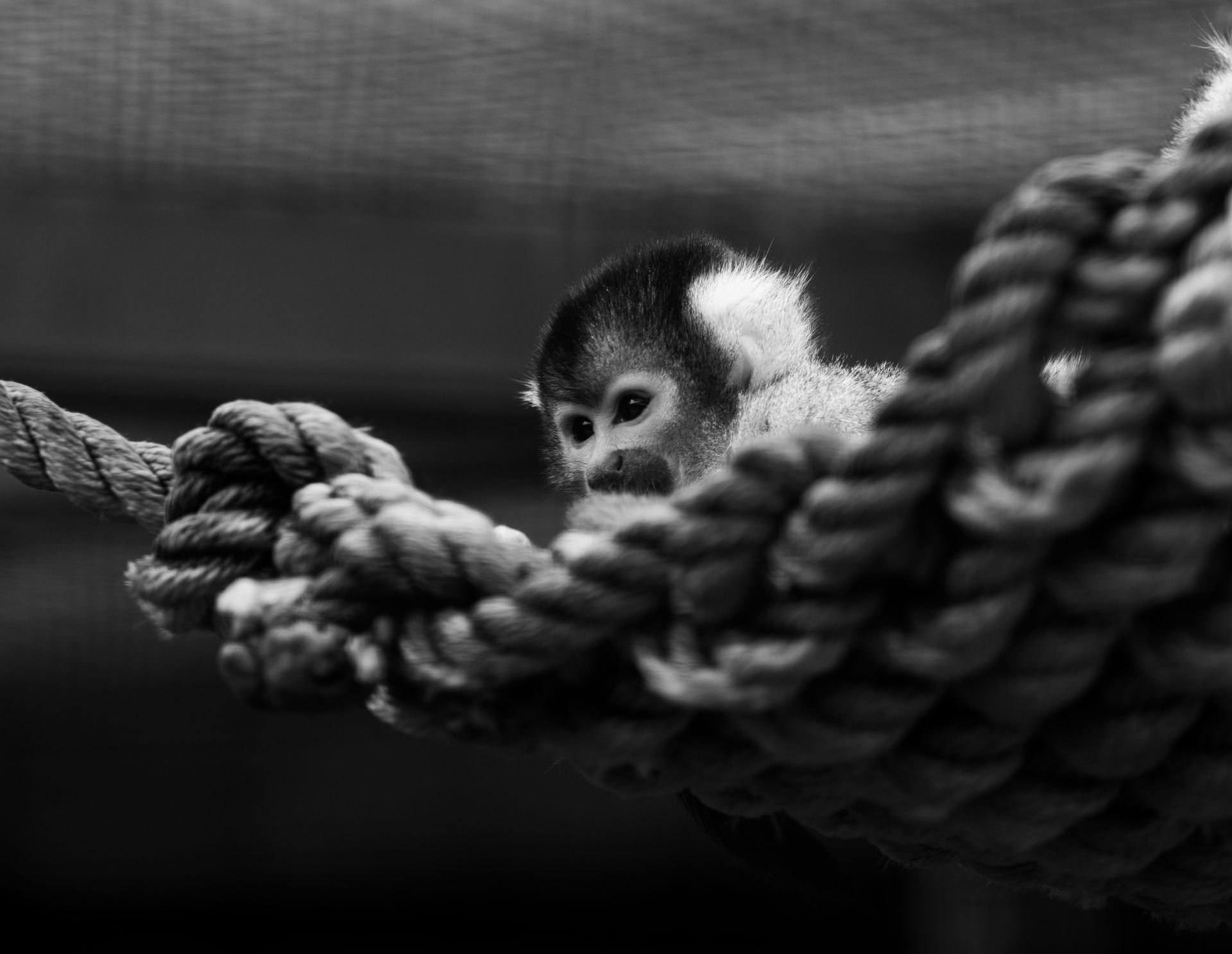
Colombian red howler monkeys can live up to 25 years in the wild.
Their survival largely depends on their ability to adapt to their environment.
In the wild, they need to avoid predators to make it past their first few years of life.
A stable social structure within their group helps them maintain their lifespan.
Explore further: Wild Kratts Golden Bamboo Lemur
Fun Facts
Red howler monkeys are known for their loud, guttural howls, which can be heard up to 3 km away and are used to communicate and establish territory.
Their diet consists mainly of leaves, but they also consume fruits, flowers, and nuts. This is because they have a slow metabolism and spend much of their time resting to digest their leafy diet.
Red howler monkeys live in social groups of 10-20 individuals, with a strict hierarchy. This is likely due to the need for cooperation in foraging for food and protecting their territory.
Females have a body length of 46 to 57 centimeters, while males are larger, with a body length of 49 to 72 cm.
Broaden your view: Costa Rican Monkeys
Population and Distribution
The Colombian Red Howler is found throughout the Western Amazon Basin in South America, with populations recorded in several countries including Brazil, Colombia, Ecuador, Peru, Trinidad and Tobago, and Venezuela.
They can be spotted in a variety of forest types, including tropical and subtropical forests, with a preference for lowland rainforests and riverine forests.
Their range extends from the Amazon Basin to the foothills of the Andes, highlighting their adaptability to different forest types within this expansive region.
You might have a higher chance of spotting them in Venezuela, especially since the country observed a significant population increase from 1969 to 1999.
However, their range overlaps extensively with that of other howler monkey subspecies, so spotting them can be a bit tricky.
Worth a look: Types of Worms in Cat
Featured Images: pexels.com